Browsed by
Author: hortoris

Codiaeum-Amazing Technicolour Dreamcoat Plant

Codiaeum-Amazing Technicolour Dreamcoat Plant

Nine years ago I wrote about the coloured leaves of this houseplant. Now I have got interested in oil painting and this plant makes a dream of a subject for this week. This is what was published at the time and I recommend a later more detailed post. Read also about Croton the other name for Codiaeum,and related houseplants

‘You do not need flowers to produce colour in your houseplants. In addition to Begonia Rex and its relatives why not try growing some Codiaeum, an easy to maintain leafy plant.

Codiaeum

Codiaeums are interesting foliage house plants also called Joseph’s Coat.

Codiaeum Cultivation Tips

  • This variety is called ‘Petra’ but you may also find ‘Eugene Drapps’ with long lance shaped leaves almost entirely yellow.
  • Keep plants moist and in good light with a temperature of at least 60-70° F.
  • Root 6 inch cuttings taken from the top of the plant at 70° with a bit of bottom heat.
  • Plants can be encouraged to branch by pinching out the growing tip.
  • Frequent feeding is needed except in winter when growth slows.
  • Large plants will have lots of roots so it may be worth potting up a size using loam based compost.
  • Red spider mite can be a problem with Codiaeums
  • Without good light but not full scorching sun the colouring will not be as strong and bottom leaves may be shed.’

Codiaeum Madiera

2022 Lilies

2022 Lilies

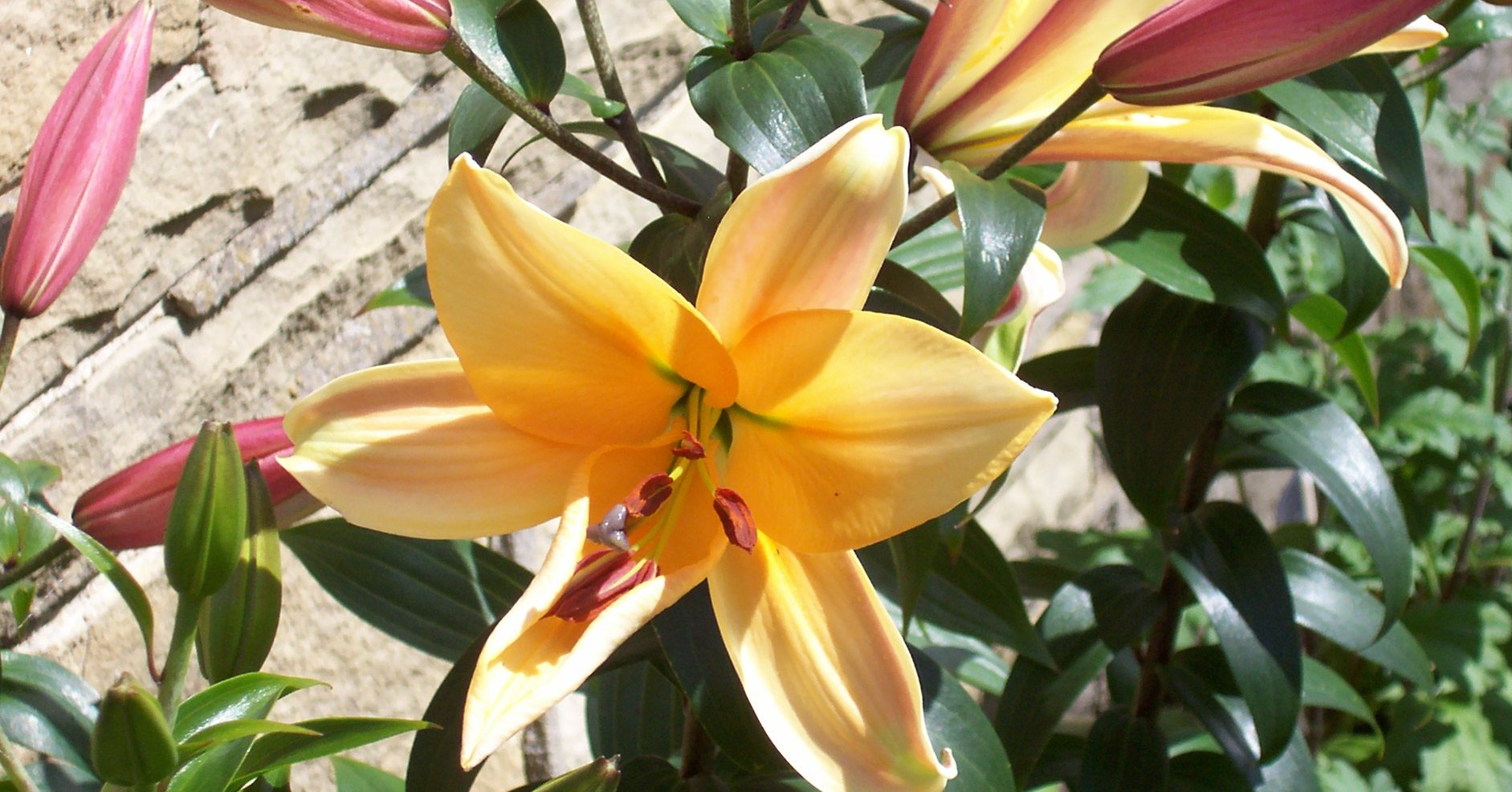
If you missed an autumn planting of lily bulbs now is a good time to plant some to catch up for this year.

Quick Tips

  • In spring plant the new bulbs at a depth of three times the height of the bulbs. If you plan to leave bulbs in the ground leave about twice the width of the bulb inbetween  (closer if you will be lifting them each year).
  • Planting in threes or fives will give a good show if you chose healthy bulbs with plump scales.
  • Lilies like  a rich fertile soil so incorporate some slow release fertiliser. As they start flowering give them a liquid feed of high potassium fertiliser.
  • Keep watered during dry spells but never let them be waterlogged.
  • Lilly beetles can be a red pain. The eggs eat leaves and stems and deposit a black sludge. Pick off and crush the beetles, they can fall to the ground to avoid the slow gardener.
  • After flowering cut back the seed heads before they leach out the goodness from the bulb  trying to set seed. Leave to die back then cut off at soil level.
  • Try some bulbs in big pots.


Look After Your Containers

Look After Your Containers

Routine Care

  • Neglect spoils many a display.
  • Water and feed remember containers are a constricted environment.
  • Good hygiene is important, remove debris, weeds and dying foliage.
  • Deadhead and consider cutting back a bit harder. Keep plants in good shape and prune topiary regularly
  • Remove plants that are not doing well or are finished
  • For permanent planting such as shrubs remove and replace the top inch or so of soil annually.

Seasonal Care

  • In hot weather consider shade and check water levels.
  • Spray leaves early in the morning to avoid scorching.
  • Prepare and make arrangements to look after pots if you are going on holiday.
  • In winter protect from plants and pots from frost damage. Move to safety and shelter.
  • Damp increases the risk of cracking from frost damage. Keep good drainage and keep on the dryside.
  • Plants in small pots are more vulnerable to problems.
  • Group pots together for mutual protection.
  • Reduce height of plant to avoid pots being blown over.
  • Use bubble wrap, hessian and fleece as needed for frost protection.

Pests & disease & General

  • Clean and disinfect pots before reuse.
  • Start with healthy plants.
  • Use fresh compost.
  • Regular care and maintenance including keeping on the lookout for problems
  • Position pots from wind or consider screening


Rooted in Nature

Rooted in Nature

Mankind has proved to be adaptable at least enough to survive as one of nature’s multitude species. However there are warning signs that for the long term all is not well in our environment. As one small contribution to a ‘rooted in nature movement’ we should consider the gardener as a key player and influencer.

Lest we forget nature is essential to provide our current and future sustenance, health and wellbeing. Food and shelter are axiomatic to the survival of the human race and us as individuals. In a small way gardeners can root each of us in nature and provide a significant contribution to our understanding and appreciation of our natural surrounds. Enough of the overview now a few words on a micro perspective.

Helping Nature One Potato at a Time

  • The hippocratic oath has a useful phrase ‘first do no harm’. Thinking about this in the garden can be a good starting point. Consider e,xcess chemical use, limited native species, plastics galore, food mile products failure to consider cause and effect.
  • Helping nature should help the gardener and local environment. There are many healing, mood enhancing and medicinal plants to grow beyond the humble potato. Colourful and scented plants are just some examples.
  • Designing and operating a garden in a ‘rooted in nature’ manner  is very therapeutic helping develop emotional and wellbeing. Calming water features and contemplation space may be inspirational for mind, body and soul.
Good Bad and Downright Ugly

Good Bad and Downright Ugly

Good & Bad Companions

Ash trees take lots and lots of goodness from the soil then die back or get turned into CO2 as firewood.

Never plant gladioli near peas beans or strawberries if you want them to thrive. Cabbages can kill off strawberries

Fuchsias appreciate shredded green bracken underneath their roots

Couch grass seldom grows around tomatoes, lupins or turnips.

Raddishes help stop maggots near cabbages

French marrigolds are well know for protecting from white fly

Good but Ugly Tips

Mulch with black polythene, old carpet or thick layers of cardboard.

An old dustbin with a chimney can be used to burn rubbish efficiently but it doesn’t look as good as a bonfire

Old labels and random canes and sticks as supports look untidy and at least in winter should be gathered in.

Lilies are fine plants but can be ravaged by the red lily beetle. Hostas can be ravaged by slugs and both look ugly

Cop these 26 Gardening Tips

Cop these 26 Gardening Tips

Cop hold of these gardeners tips designed for the upcoming Cop26 summit on the climate

  1. Grow and eat your own produce.
  2. If you have the space fruit is my favourite. It can be eaten fresh or stored, preserved, frozen or made into jam
  3. If you are short of space you can grow salad and bean sprouts in the kitchen on a windowsill.
  4. Potatoes can be ready 9 months of the year. Try a mixture of earlies, second earlies, main crop, salad potatoes and special varieties. I plant some in late summer to have new potatoes ready for Christmas.
  5. Green leaved veg take up space, the more the better, but root crops give a good yield even in confined space.
  6. If you are adventurous you can eat many berries from shrubs and hedge rows but check them out for toxicity.
  7. There are many alcoholic drinks you can brew at home I even have a ginger beer plant.
  8. Use no chemical insecticides, live and let live.
  9. Use no chemical fungicides, find a natural alternative
  10. Good husbandry  helps control problems and maintain fertility
  11. Rotate your vegetable crops between legumes, brassicas, onion family  then potato & tomatoes
  12. The tops of young nettles can be cooked and taste like spinach.
  13. There are edible flowers like nasturtiums to try as well
  14. Plan to store excess fruit and vegetables but be wary about lettuce and cabbage that do not keep.
  15. Arrange a swap system with other gardeners to share seeds, seedlings and excess produce.
  16. Collect rain water at every opportunity.
  17. Tap water isn’t free and is not as good. It is treated and pumped around.
  18. Water veg when they start to flower to increase the crop.
  19. Do not let veg get short of water as they will run to seed early and stop producing
  20. Don’t water lawns during a drought, they will recover.
  21. In a drought make some water available for birds and insects.
  22. Watering the leaves of peas and runner beans helps set a good crop
  23. Collect seed from your crops to sow for next year. You don’t need to buy new each year.
  24. Be frugal and conscious of the negative impact your gardening actions may create.
  25. Be frugal and conscious of the positive impact your gardening actions may have.
  26. Enjoy you gardening.

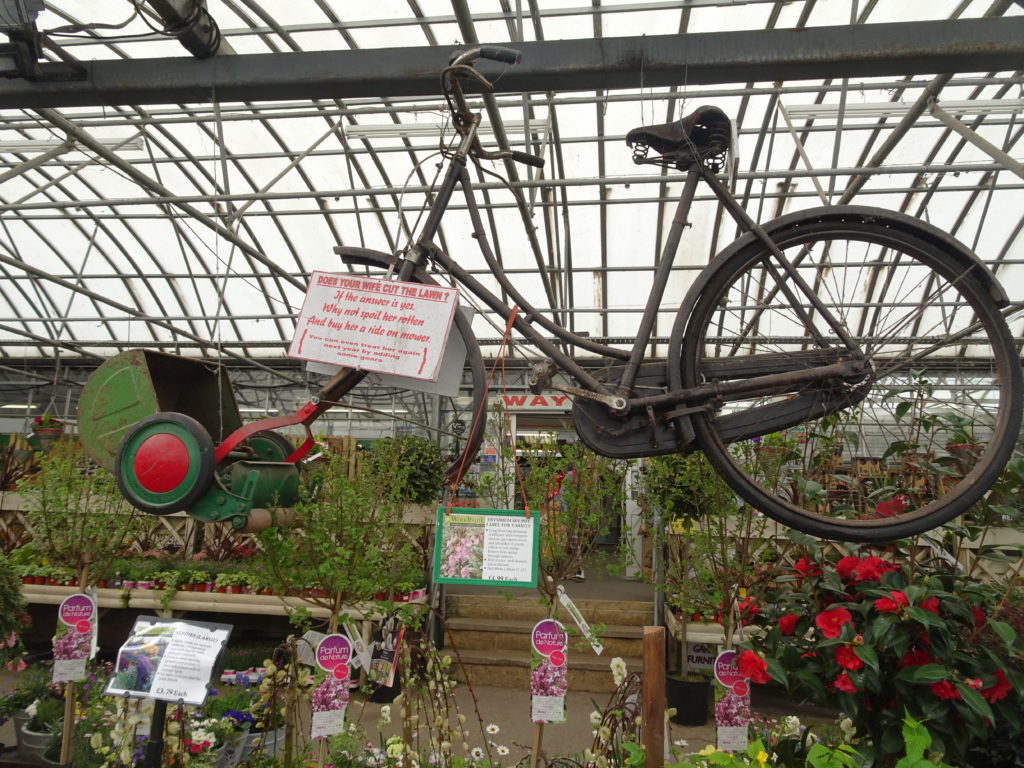
Recycling at my Garden Center

Plant Potty Dahlia

Plant Potty Dahlia


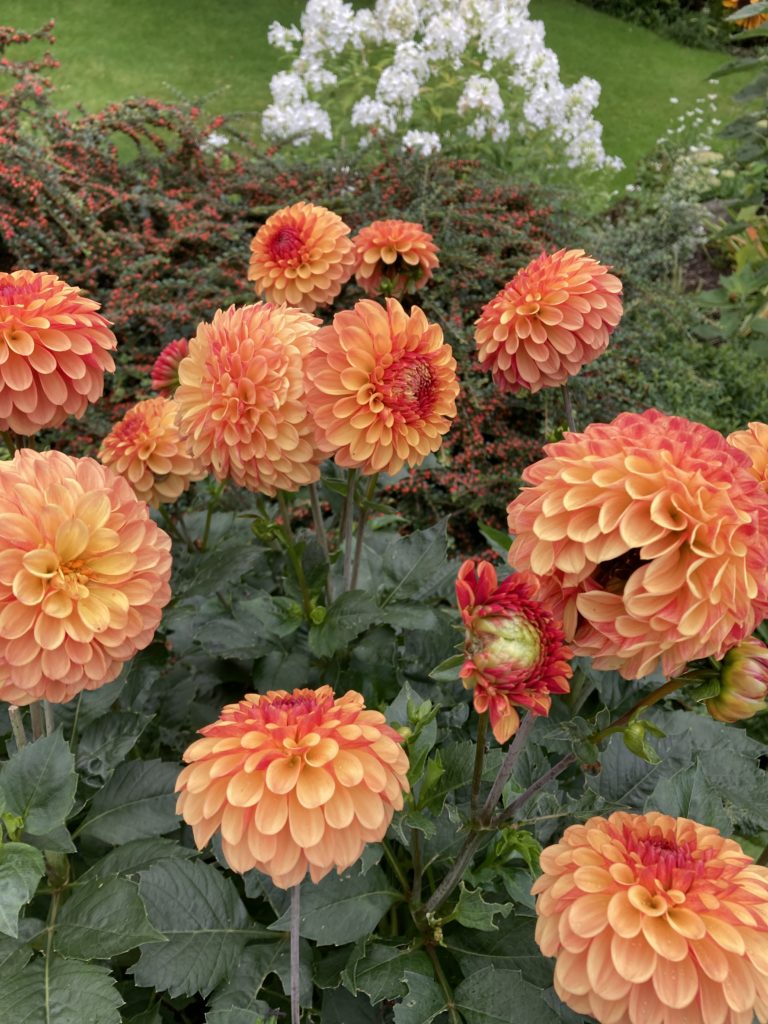
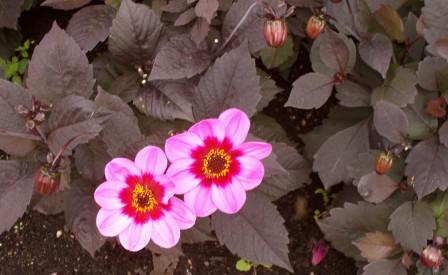
Bought as Melody Dora but looks like Bantling

Still no complaints on the volume of flowers over a long period after plenty of deadheading and a bit of liquid feed. The pot was quite large so I put a wick through the drain hole and stood the pot on a big saucer to provide this heavy drinker with water.

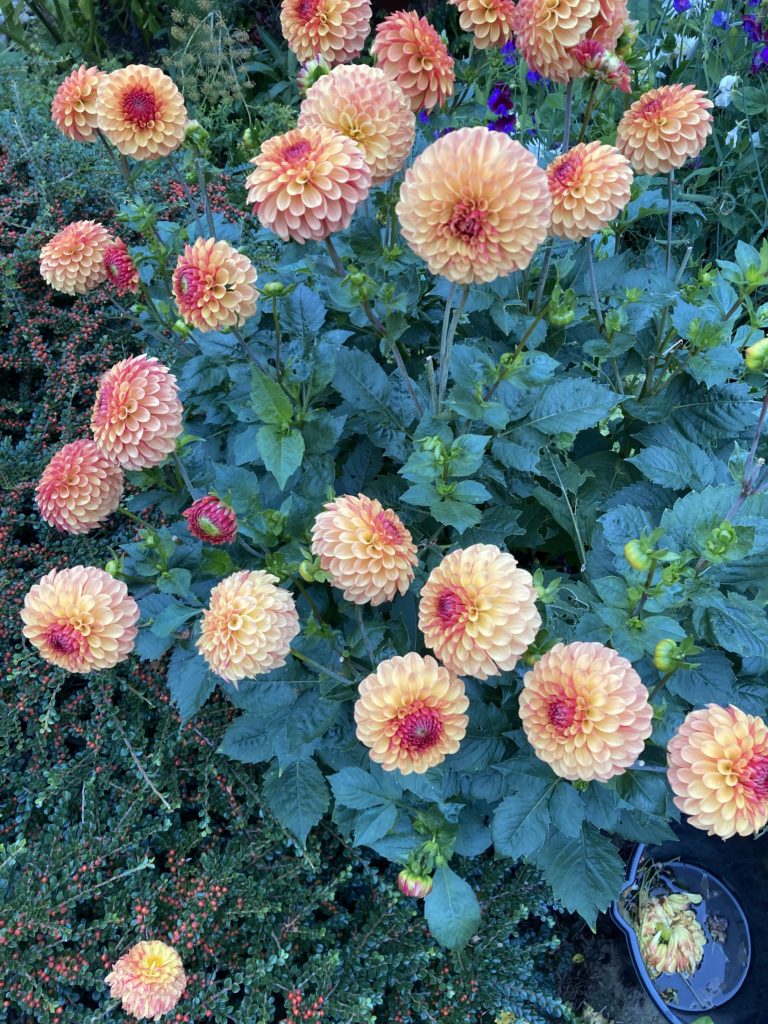
The same plant late in the day with under light conditions

Garden Miscellany

Garden Miscellany

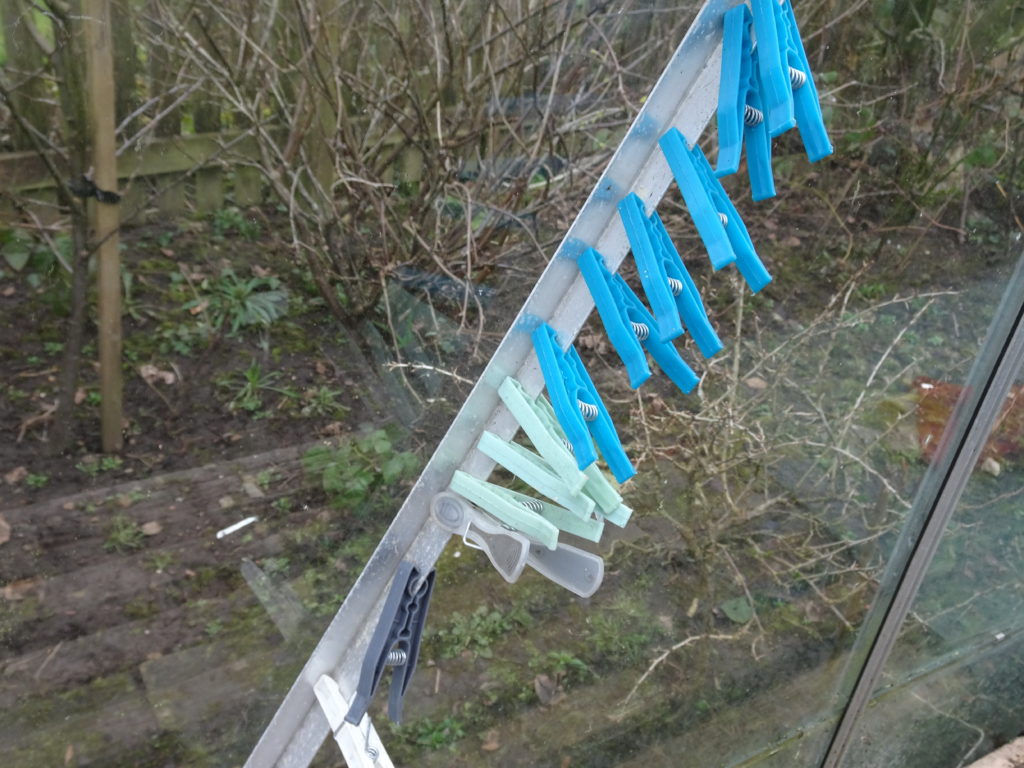
Useful supports in the greenhouse

Odd garden thoughts

  1. A weed is a plant that has no intention of growing in rows.
  2. Potato peelers and apple corers make  useful weeding tools. Also I like home made wooden wodgers and splodgers for compost compressing.
  3. I have  become a fan of raised beds for vegetables. The added benefit of less bending encourages me to give more effort to plants. If retaining with boards rather than blocks or sleepers pay attention to firm pegs.
  4. Consider reuse and repurpose for use in the garden including pop bottle, glass jars and old packaging. Even cardboard will compost with greenery to produce friable soil.
  5. After shredding the branches a Christmas tree trunk can be repurposed as a sturdy support or stake
  6. Thinnings of veg seedlings should be destroyed as the odour they give off attracts pests
  7. Put crushed egg shells under sweetpeas to increase the yield
  8. Pinch out plants that tend to grow long and spindly.


Dahlias not just for the South

Dahlias not just for the South

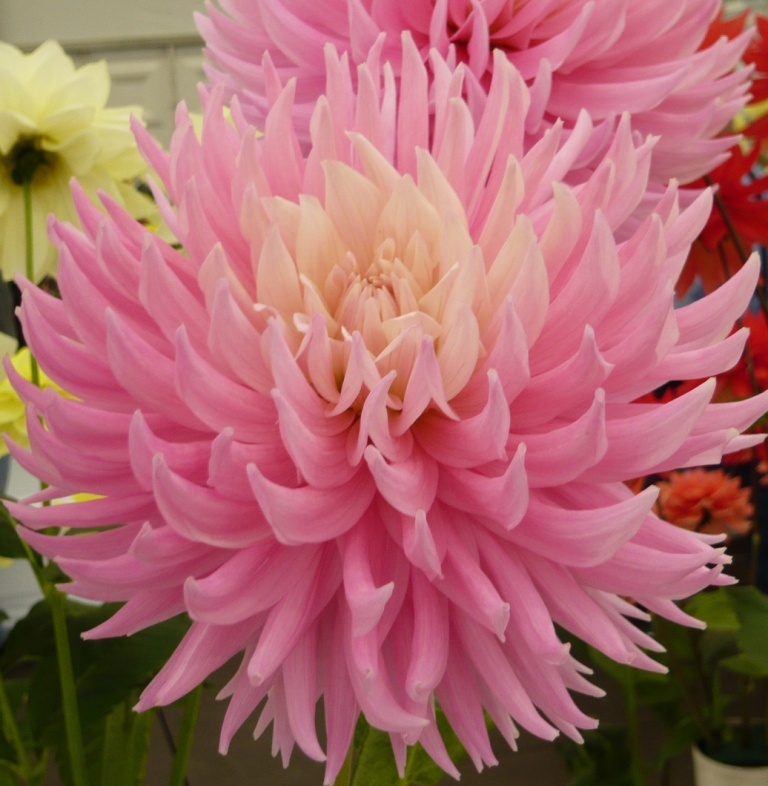
Up North we have the benefit of many keen dahlia growers and exhibitors. Better than that we have the national dahlia society (NDS) trials at Golden Acre park in Leeds and here is the video from this year.

Winning back Dahlias as friends progressively over the last decade we now have some of the best garden plants and some showy cut flowers from a cutting garden.

My Lessons in 2021

  1. I grew only from saved tubers not tubers left in the ground over winter. My worry was damp not frost.
  2. This method worked well when I started off the overwintered tubers in the same garage environment for potting up.
  3. I got lots of extra plants that I was able to give to friends and neighbors.
  4. Five top notch plants were grown in large pots and gave a ‘stonking display’. The last to tire, an orange pom pom is just about finished at the end of October.
  5. The roots and tubers I lifted this week had not yet been frosted. I have still many plants in flower and when frosted I will need the time later.
  6. The tubers and roots did not grow very deep and I hope I wont have trouble dividing up the clumps and or taking shoot cuttings.
  7. After a variable show from the small single tubers I had decided not to bother next year but they have come through in autumn with a blase of glory and earned a reprieve.


Some Seeds Sowing Stories

Some Seeds Sowing Stories

The recent history of my seed sowing is not a traditional gardeners tip more a recollection of my own gardening method or lack thereof. These seed sowing stories are neither best practice nor a road to success.

Allium Seedhead ready to Harvest

Sources of my seeds

  • I don’t like waste so I collect a lot of seed from existing plants. Sweet peas, poppies, calendula, aquliegia and legumes feature regularly. I have had recent success with growing yellow tree peony lutea from seeds. I used to collect wild seeds when on holiday or where I thought I could get away with doing so.
  • I buy more seed than I need or ever convert into plants. Salad and vegetable seed is usually a considered purchase as a result of previous success or catalogue recommendations. I am an impulse buyer of other seeds often for experiments or to try new flowers. I buy gardening magazines that have free seed packets on the cover.
  • I obtain seed from societies such as the RHS, cyclamen or alpine seed schemes. I haven’t found anyone local with whom to swap seeds.
  • Old stock of previous seasons remnant seeds (kept in an airtight tin) last longer than expected particularly tomato and salad crops. I don’t worry about fertility, if they germinate it is a bonus.
  • I suppose my garden benefits most from self seeders although many are weeds or unwanted specimens.

Reasons For Seed Sowing

  • My prime seed sowing is for vegetables.
  • Flower sowing is usually to meet an aspiration for shock and awe from the results. Seldom achieved but fun to attempt.
  • Some I sow intending to obtain more cut flowers but only really successfully with sweet peas which I recommend as well worth the effort.
  • I silly reason for buying them is because they are cheap. A local garden center treats them as a loss leader and all year they are 50% of the packet price. I buy more than I need and sow wastefully. I did well this year on a variety pack of sunflowers.
  • If I want perennials or gap fillers like Lupins I will try seed even though it may work out more economical to buy plants.