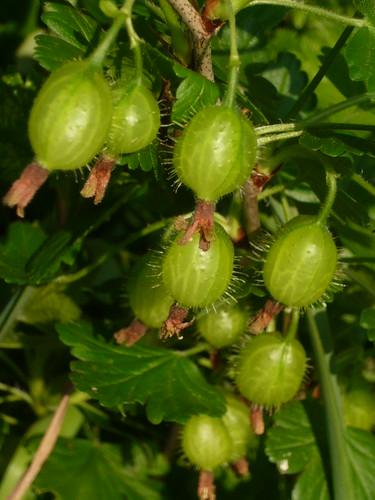
Browsed by
Author: hortoris

Fruit Tree Training and Styles
Fruit Tree Training and Styles

Wall trained
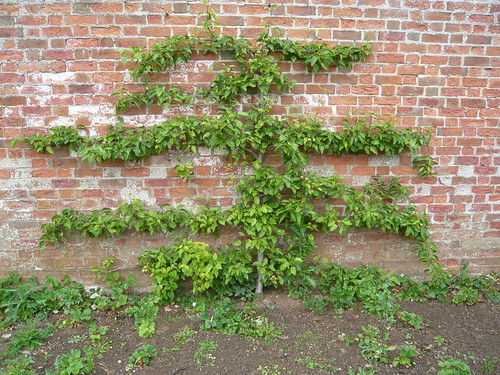
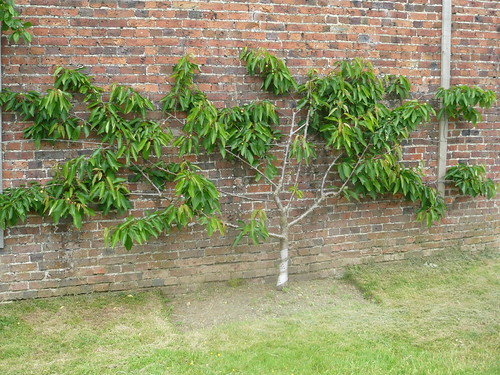
Espalier trained fruit trees can make the best of a south facing wall. In this style of training peaches, nectarines and apricots can be grown.
Large areas can be covered by just one plant.The branches are tied in the horizontal position and pruned to stay in formation.

Space is saved in comparison to a round tree with a central leader by having only a narrow width away from the wall.
Cordon trained

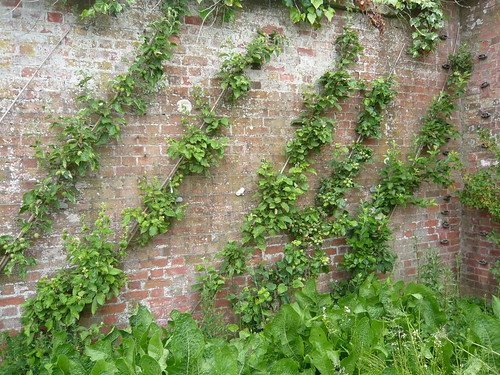
Training against a wall or on strong wires using cordons is often a good method for growing Apples.

Chose your variety and root stock with cordons in mind.
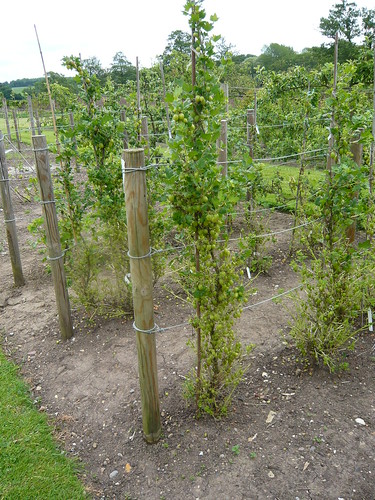
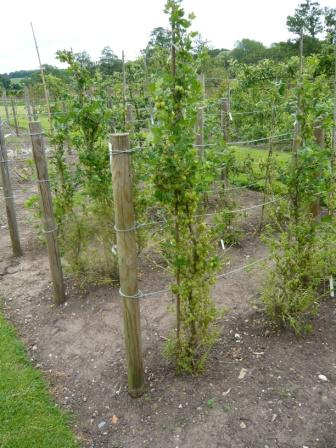
Cordon gooseberry

This Gooseberry is trained as an upright.  This is often called a leg and is used to make picking easier. You can also get more plants into a smaller area. The style and method is the similar to that used for growing a standard.
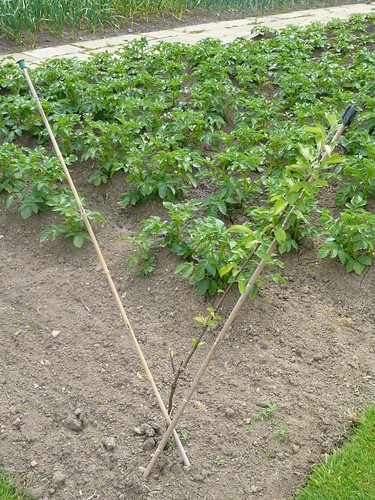
Cordon training

I wonder how this V shaped cordon is growing on 2 seasons later. You can just see the second branch starting to grow on the left.
Fan train
…

Read More Read More

Plant Pots Tips

Plant Pots Tips

Pots for mini Hosta
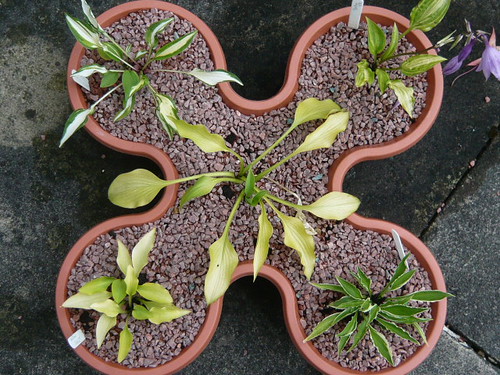
‘Plant pot for dwarf Hostas to keep slugs at bay.’

Pots and Weather

  • Use clay feet to keep pots off the ground so they do not get frozen causing the bottom fall out.
  • To protect root balls in pots you can wrap them in bubble wrap or several layers of hessian.
  • Use frost proof pots if they are to stay outside through winter.
  • Use a saucer, dish or tray to catch excess water. This saves good fertilized water from running away.
  • Do not put pots in windy spots. Tall plants will blow over quite easily as the wind acts like a lever and fulcrum.

Watering and Feeding

  • Peat is hard to re-wet so use a wetting agent or add moisture retaining granules.
  • I add granular feed to compost if the plant is to remain potted for more than 3 months. They also need a liquid feed when plants are in growth.
  • Use John Innes No 3 for fruit trees grown in pots and other robust shrubs etc.

Broken pots

Pests and Problems

  • Lily beetle can be stopped by picking off the red adults and squashing them. Use an insecticide as eggs will be in the compost and a new generation will arrive next spring.
  • Insects that sting can be a problem on pot plants near your outdoor seating. If you suffer avoid being too close to lilies that attract most insects.
  • Read about getting Potbound
  • Vine weavill can’t swim. Keep compost wet or construct a moat by using a tray or saucer.
  • Slugs can climb up pots. Put a copper ring or Vaseline around the pot top.
  • Steralise pots with Jeyes fluid after they have been used but before they are put away or replanted.

General Pot Tips

  • Crock the bottom of the pot with bit of broken terracotta pot to help drainage.
  • Terracotta pots dry out quicker particularly in sun or windy sites.
  • Anchor valuable pots if they are likely to be stolen.
  • Freshen up the top soil in the pot with John Innes if the plants are heavy feeders.
  • Groups of pots or large individual pots look more attractive than a clutch of smaller plastic pots.

Fucshia pot

Tips to Avoid Mildew

Tips to Avoid Mildew

White dusty fungus on your plant leaves may be Mildew. Each species is susceptible to it’s own Mildew and either powdery or downy mildew it is still a pain.
Some plants suffer more than others and with some varieties it is seasonal. Michaelmas Daisies and Phlox seem to suffer late in the year whilst Gooseberries can suffer in spring.
Brassicas, Marrows, Cucumbers, Sweet Peas and even Potatoes can suffer badly.

Tips to Avoid Mildew

  • Buy plants that have been bred to be mildew resistant. This is well worthwhile when selecting roses.
  • Do not let plants get stressed particularly through lack of water. Mulch your roses after a good rain and keep the mulch topped up and give them plenty of water.
  • Allow air to circulate around plants by careful pruning. Mildew thrives in a humid, still atmosphere.
  • Prune out affected parts and do not compost affected leaves. Spray badly affected plants before winter to try stop spores over wintering.
  • Do not over use a nitrogen fertiliser that will encourage sappy growth which is prone to attack.
  • If moderate powdery mildew is present plant-based oils such as neem oil and jojoba oil can be used to reduce or eliminate the infection.
  • Chemical treatment is controlled on edible plants but Rose Clear 3 and Systhane Fungus Fighter are good fungicide products but read the label.

Book Cover

Mildew 2011 update

  • The dry spring and early summer has kept mildew down to a minimum in my garden this year – so far at least.
  • The Flowering Currants and Honesty Lunaria annua are the only plants with signs of mildew and they are not worth treating with chemicals.
  • Since mildew is plant specific I do not worry about composting old leaves.


Read Gardener’s Mildew Cures

Growing Phlomis Varieties

Growing Phlomis Varieties

Phlomis are small shrubs for a warm sunny border. The unusual flower stems and Mediterranean style silver leaves make this a feature plant. They often grow 3-4′ high but there are many varieties that may differ in height.

Varieties of Phlomis

  • Phlomis ‘Edward Bowles’ above is one of the readily available shrubby varieties. The square stems and whorls of yellow flowers are quite striking. It  probably originated from a seed from Phlomis russeliana.
  • Jerusalem Sage or Phlomis fruticosa may be damaged by late frosts but wait until the end of May to trim off affected shoots. Trim annually to avoid a leggy base.
  • Phlomis tuberosa flowers from May with pink too purple flowers in whorls.
  • Other Phlomis that may survive our winters include, Phlomis samia, Phlomis orientalis, Phlomis longifolium and Phlomis italica,
  • Phlomis tuberosa is a hardy perennial with long flowering rich, ruby red stems flanked in whorls of lipped, candypink flowers. Deep green foliage and serated edges gives the perfect contrast.

Hols spain 181

Growing Tips for Phlomis

  • Excellent drought tolerant herbaceous or shrubby perennials.
  • They often have felted or hairy grey leaves.
  • All varieties have many flowers arranged in whorls up the stems
  • Seedheads form pepper pots with 4 seeds from every flower.
  • Grow from seed sown in February to June or September to October – germination may take upto 4 months.
  • Phlomis can also be propagated easily by division.
  • Grow from cuttings taken between June and August. Remove flower buds and trim below a node.
  • Seedheads last through winter, providing bird food and interesting winter shapes
  • Phlomis appreciate well-drained soil and sunny spot and are often found wild around the Mediterranean.
  • Phlomis are quite hardy in the UK

Uses of Phlomis

  • Phlomis Russeliana can make good ground cover
  • Yellow Phlomis mix well with blue geraniums
  • Phlomis tuberosa growns 4 feet tall as does the shrub like fructcosa.
  • Phlomis chrysophylla has soft woody growth to make a good shrub. Prune out old wood by one third to make them bushy

I grew my Phlomis from seed collected from a public garden in Shrewsbury but you can buy yours from Thompson Morgan

…

Read More Read More

Perfect Perennial Plants

Perfect Perennial Plants

2014 may be the year you get into perennials but if you need inspiring try a visit to Breezy Knees garden near York
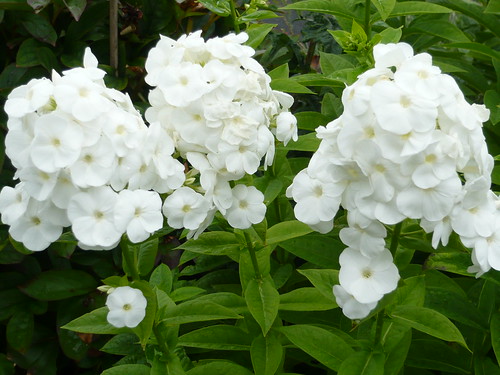
Phlox paniculata

There are so many perennial plants to chose from it is hard to make a choice.
White Phlox above stands out against the lush green leaves.

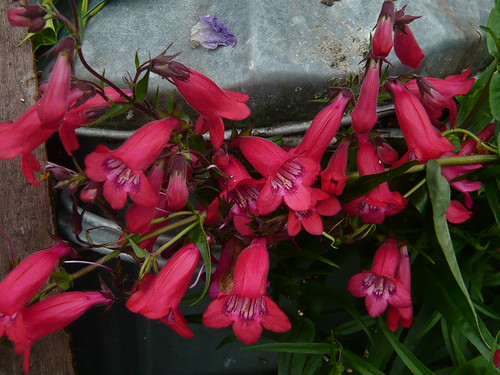
penstemon

When planning to purchase plants plenty of people prefer Pinks, Penstemon (preceding Photo) and Phlox, that are part of the plug plant perennial collection from Jersey Plants Direct.

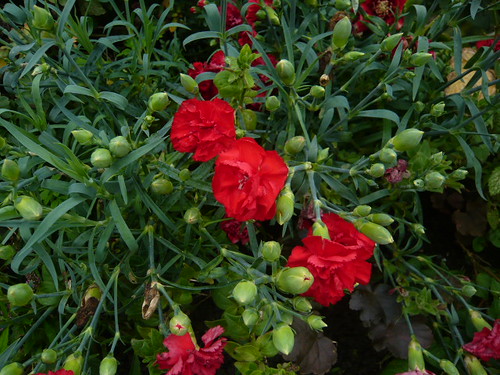
carnation

As regular readers may realise I am into alliterative Pinks, Carnations and Dianthus at the moment. I even have a lot of Sweet Williams around the garden. (Don’t the earwigs get up your nose?).

Penstemon posts to peruse –
‘Perfect Penstemon Growing’ – Tip of the post Keep growing young plants to increase your stock.
Mixed Penstemon adding a general fertiliser at the base of the plant is better than heavy manure or strong nitrogen feed as this will just encourage excessive leaf growth.
Growing Penstemon they can give an uninterrupted display of flowers for several months.

Phlox Perennial Phavourite
Tips for growing Phlox – Try the rockery varieties as well as the Paniculatas
Scented Phlox – Phlox will flower in some shade but prefer and smell best in full sun.

Pink Photographs
Perfect Pink Pinks -Pinks prefer neutral to limey soil.
Cottage Garden plants – That is what grans Favourite is for.
Types of Carnation and Pinks– the Dianthus genus encompasses 400 + species and cultivars.

Perennials for Summer

Perennials for Summer

poppy

Perennials are a mainstay for a summer garden or border.

Benefits of Perennials

    • Well obviously they are perennial and should last several seasons, often many years.
    • There are perennials to act as ground cover, add height, shape and texture or provide colour and foliage.
    • Careful selection will provide colour shape and form for every season of the year.
    • Perennials can be herbaceous and totally die back into the soil in Autumn. Others are more twiggy or shrub like.
    • Perennials generally can survive frost and stay in the ground all year round
    • You can get more plants by separation of larger clumps or some root cuttings

Geranium  Rozane Gerwat

Selection of Perennials

Hardy geraniums are available in various colours, flower profusely and are seldom bothered with pests. When flowering has finished cut back the leaves and you may get more flowers or fresh leaves. They are good for ground cover.
Oriental Poppies or Papavera orientale have lush flambouyant foliage. They only flower once per year but are vibrant and eye catching.
Penestemon are ‘good doers’ in the flower stakes. The plants only live a few years but can be cut back every year to maintain some shape to the attractive plants.
Red Hot Poker or Kniphofia uvaria are a tough range of perennial plants. The sword shaped leaves produce the taller spires of flower that give the plants their name. Reds and yellows predominate but green flowers are interesting varieties.
Verbascum also have spires of flowers giving height and interest to the back of borders.
Lupins are a favourite of this web site and my garden.

verbascum Australis

It is not too late to add to your collection of perennials. Pot grown plants will establish good root systems if planted now and watered until established. Then you can hope for many years of fruitful growth.

Links
Russell Lupins
Perennials in Red White and Blue

Choice Autumn Flowers

Choice Autumn Flowers

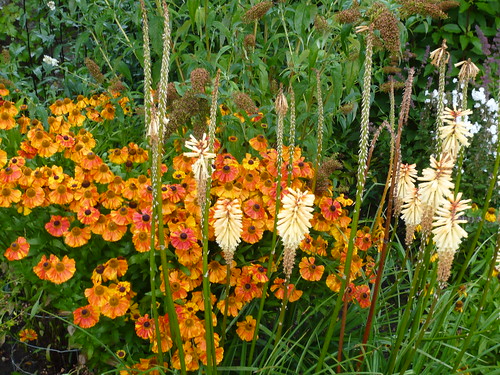
Golden colours are prominent amongst Autumn flowers and leaves.  These Heleniums are supported by a lighter cream coloured Kniphofia (I can’t call this colour a Red Hot Poker but that is the common name). Kniphofia Rooperi varieties are a bit later flowering than other red hot pokers.

Good Autumn Doers

  • Chrysanthemums are coming into there own and you can buy ready to flower domes of Showmaker pot mum varieties.Use them to plug gaps or on the patios using the original pots. They will last for 6-8 weeks until the frost gets them. The stools are not worth saving as they tend to produce leggy plants even from cuttings in the second year.
  • I have bought some winter flowering pansies to put near the house and in pots. They flower in mild spells through winter and usually come good in March.
  • Japanese Anemones are flowering in clumps of white and pink blossom and can be mixed with Aster frikartii Monch or Phlox.
  • Kaffir lilies like wet soil so this summer they have been getting ready for a good Autumn show. These Schizostylis can be deep red through pinks to a white Alba version.
  • For the house it may be worth buying some small cyclamen which will flower for a long time and can then be planted out in the garden.

November Colour

Autumn Gardeners Top Tip

Water through summer with a liquid feed to boost your Autumn show.

In expectation of an ‘Indian summer’  keep dead heading your plants and do not rush to tidy up for Autumn.
Leave interesting seed heads for decoration and jack frost.
Seeds can be collected or self sown or left to feed the birds.

How to Attract Butterflies into your Garden

How to Attract Butterflies into your Garden

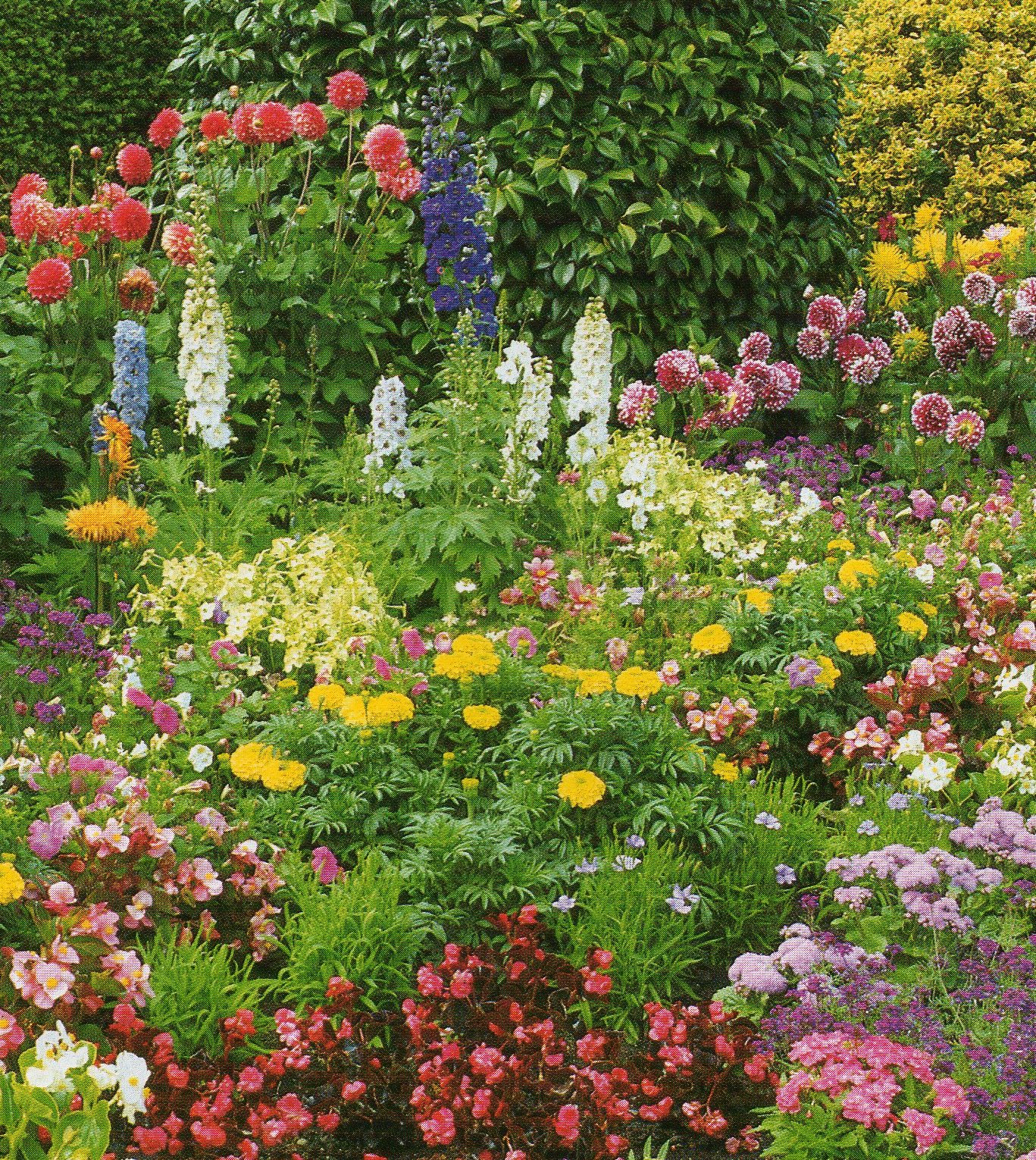
Butterfly GardenCreate a paradise for butterfly and you will benefit from colour twice over. A garden full of eye and butterfly catching, fragrant flowers from spring to autumn can be achieved by selecting some of the following plants.

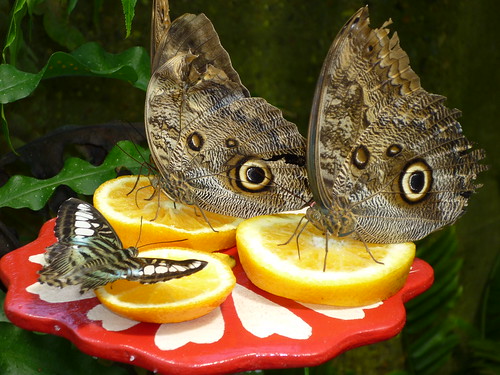
Butterfly feed on nectar and need this energy giving resource. They also need water from moist soil to which you could add a sprinkling of salt or grow a plant that catches water between its leave like Teasel. Their eggs need food so plant some Cow Parsley, Nettles and Butterfly weed (Asclepias tuberosa).

Butterfly Attracting Flowers

  • Lily of the valley – convallaria
  • Rock Cress – Arabis
  • Sweet Violets – viola odorata
  • Shasta daisy and Coreopsis in summer
  • Buddleia the butterfly bush in white pink or lilac or even Lilac it’s self
  • Dahlia, Cosmos and marigold for their long flowering season
  • Petunia, Verbena and fibrous Begonia
  • Delphinium, Aster and Day Lily

Feeding Time
…

Read More Read More

Dangerous and Harmful Garden Plants

Dangerous and Harmful Garden Plants

This is not an exclusive list so always take care.
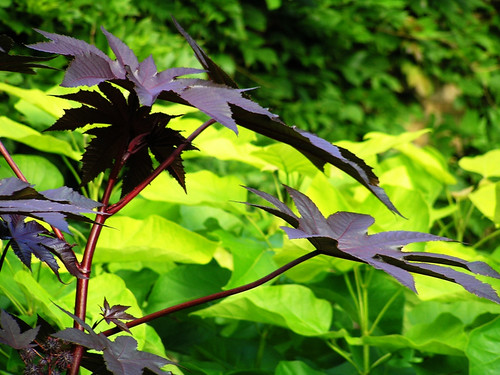
Castor oil plant in August

Hazardous and Dangerous Plants

Not everything in the garden is lovely when it can poison or injure the unsuspecting. The extremely hazardous Poison Ivy and Poison oak related to the Rhus family (Diversiloba, radicans, vernix, succedanea, toxicarium and veniciflua) should be avoided at all cost. Other highly harmful plants are listed below and the effects of eating roots berries or leaves can be serious. Many cause allergies and irritations that also need avoiding.

Tips on Dangerous Plants

  • Don’t let children eat seeds and plants from the garden unless supervised.
  • If you wish to see these types of plant take a trip to the Poison Garden at Alnwick which also includes strychnine opium and cocaine plants under a special Home Office license.

…

Read More Read More

Remarkable Gooseberry Crops Again

Remarkable Gooseberry Crops Again

Five years ago I wrote about my remarkable gooseberry crop and yet again I have been inundated with great berries this year (2019). ‘Sweet or, sharp and sour the gooseberry is a remarkable soft fruit. Summer 2014 was been a remarkable year for the size of my crop and the freezer was bulging (like my waist from numerous crumbles).’
Gooseberry

Gooseberry Summary Top Tips

  • Plants prefer a cool climate and will withstand a windy position with light well drained soil.
  • Do not feed excessive nitrogen which encourages mildew.
  • Water with a liquid feed as the fruit start to set – this increases berry size and limits splitting.
  • Fruit appear on new and old wood so aim for a balance between the two.
  • Varieties are classified by the colour of the fruit as Red, Green, White and Yellow. At home you may want a mix of kinds.

Gooseberry Calendar

  • Bushes fruit in June and/or July
  • Take cuttings in September,
  • Prune cordon shoots in March but reshape and reinvigorate by pruning in winter.
  • Plant new bushes in November or March if the soil is very heavy.
  • Varieties come in early, mid season and late (examples Early Sulphur, Gunner, Lancer)

gooseberry

What a grand way to grow Gooseberries ‘up a stick’ (or Cordon).   Trained like ballerina apples this  Gooseberry variety London was grown as one vertical trunk. Gooseberry London has very large oval fruit with a smooth skin. The flavour is good and is normally a spreading bush but it makes few branches. It is renown as heavy yielding as can be seen below from a 1st June photo below.

Planting Layout for Legs or Cordons
…

Read More Read More