Browsed by
Author: hortoris

Top Ten Flowers – Two Different Lists
Top Ten Flowers – Two Different Lists

Gardeners World ran a series looking for Britains favourite top ten flowers. The BBC didn’t name specific varieties or offer much insight so I have added some Gardeners Tips

  1. Lilies -  Soak in water water for an hour lay sideways on a bed of grit and shade the root run.
  2. Roses – Encourage growth from the ground by planting deeper than they originally grew. Scented varieties Margaret Merrill and Rosa Westerland are worth looking out for
  3. Daffodils – Feed with tomato fertilizer as they finish flowering and leave leaves for 6 weeks. Miniature DAffs are now very trendy but if you have the space go for King Alfred.
  4. Fucshias – Pinch out the tip when they have 4-6 pairs of leaves. I grow Lady and Tom Thumb as well as Winston Churchill
  5. Delphiniums – Treat for slugs in Autumn so they don’t feed on the roots all winter. The white varieties are not as strong as the trditional
  6. Clematis – Plant 6 inches deeper tha the top of the rootball and keep roots cool.
  7. Sweet Peas – Train the strongest side shoot not the main stem for show blooms.
  8. Primulas – Mark plants in flower if you want to split them in June.
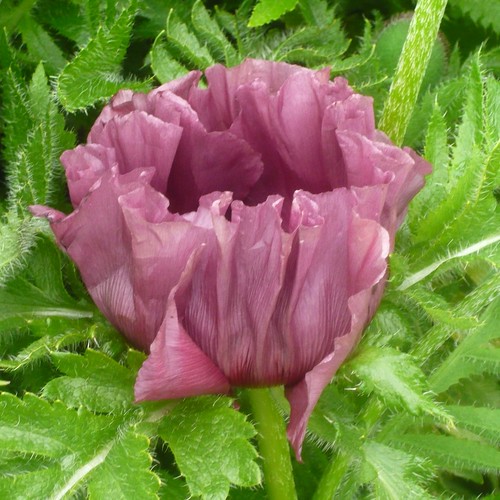
  9. Poppies – Cut oriental poppy foliage right back after flowering and stake early.
  10. Irises – Plant in groups of 3-5 to make quicker clumps.

Bulb historian Anna Pavord has also chosen her favourite top ten flowers and surprise, surprise they are all bulbs or corm based flowers. I have put them into alphabetical order

    …

    Read More Read More

Growing Plants for Aromatherapy Oils

Growing Plants for Aromatherapy Oils

French lavender

Just a drop of aromatherapy oil can have a stimulating or calming influence just as the scent in a good garden can. It is no surprise then that many scents come from plants. Unfortunately for most gardeners the plants , trees and shrubs are native to hot and or damp climates and need special conditions to thrive.

Bergamot is one of the most popular oils coming from the Orange citrus family. Bergamot provides the flavouring in Earl Grey tea. Citrus aurantium ssp. bergamia The bergamot orange is unrelated to the herb of the same name, Monarda didyma.

Ancient oils provided medical remedies, Black Pepper for catarrh, Cedarwood for dandruff, Eucalyptus as an antiseptic. A couple of drops of Rosemary on clothing is said to get rid of sluggishness. Both Myrrh and Frankincense grow as small trees or shrubs; they are of the botanical family Burseraceae. Their natural growing range is limited, but this has been extended by cultivation in Arabia.

Oils for perfume include Patchouli extracted from the leaves of a variety of mint and Otto of Roses made from a Bulgarian rose damascena but needing 60,000 roses to produce one ounce of oil. Ylang Ylang oils name means the Flower of Flowers. Ylang-ylang blends well with most floral, fruit and wood smells.

Tea Tree oil has no link to the Tea plants of the Camellia oleifera. It is extracted from Melaleuca bark and used as an antiseptic.

Herbs that we grow can produce oils but large quantities and distillation equipment is probably required for Basil, Lavender, Peppermint, and Rosemary. Whilst it may be practical to grow many plants in the UK most on the list below need sun and a warm temperature. For small quantities a greenhouse or hot house may be the answer.

Plant Based Essential Oils

– Anise Star Essential Oil
– Basil, sweet Essential Oil
– Bay,  Essential Oil    – practical to grow in the UK
– Bergamot FCF Essential Oil
– White Birch Essential Oil
– Black Pepper Essential Oil
– Cardamon Essential Oil
– Carrot Seed Essential Oil
– Cedarwood Atlas Essential Oil
– Chamomile, German/Blue Essential Oil – practical to grow in the UK
– Clary Sage Essential Oil – practical to grow in the UK
– Clove Bud Essential Oil
– Coriander Essential Oil
– Cypress Essential Oil
– Dill Essential Oil – practical to grow in the UK
– Eucalyptus Globulus Essential Oil
– Fennel, sweet Essential Oil – practical to grow in the UK
– Geranium, Egyptian Essential Oil
…

Read More Read More

Dianthus the Perfect Pink Pinks

Dianthus the Perfect Pink Pinks

Indian Pink

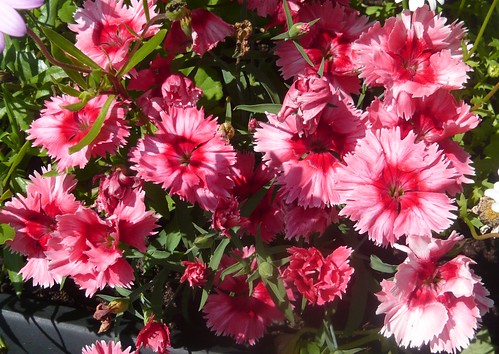
Bright brash ‘Indian Pinks’ are verging on red in this cultivar. It looked great in the first season but I lost the plant over winter so perhaps the variety should be grown as an annual. All that glitters is not Pink. I hope to do better with a new bed I have created just for a collection of Pinks or Dianthus plumarius

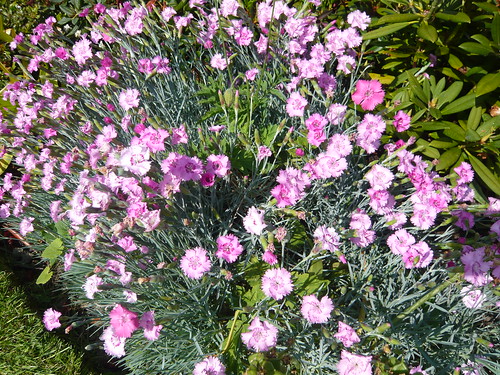
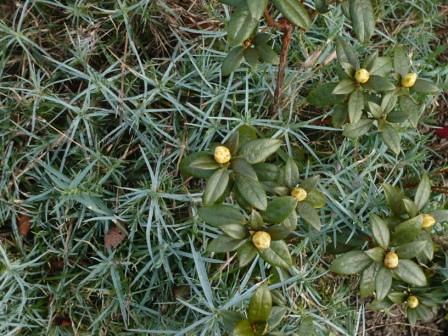
Pinks prefer neutral to limey soil and Rhododendrons like soil on the acidic side yet these two plants have thrived together for several years and both produce a good show of flowers in their season. The soil is very open and reasonably fertile and I leave them to their own devices.
Single pinks
The same clump in winter.
Pinks & Rhododendron

Top Feeding and Watering Tips

  • Feed regularly during the growing season with a rose or tomato fertiliser.
  • Feeding is particularly important after the first flush of blooms has finished in order to encourage them to flower again.
  • Pinks will tolerate dry conditions but will only produce continuous flowers if you water regularly.
  • Water the base of the plant to avoid damaging the blooms.
  • Do not over water young plants and make sure excess water can drain away.

Dianthus Species of Pinks

Dianthus alpinus – Alpine Pinks
Dianthus amurensis – Amur Pinks
Dianthus arenarius – Sand Pinks
Dianthus armeria – Deptford Pinks
Dianthus carthusianorum – Carthusian Pinks
Dianthus caryophyllus – Carnation or Clove Pinks
Dianthus chinensis – China Pinks
Dianthus deltoides – Maiden Pinks with green foliage
Dianthus gallicus – French Pink or Jersey Pinks
Dianthus gratianopolitanus – Cheddar Pinks
Dianthus monspessulanus – Fringed Pinks
Dianthus microlepsis – Tiny 1″ high species
Dianthus myrtinervius – Albanian Pinks
Dianthus plumarius – Garden Pinks, Wild Pinks
Dianthus seguieri – Sequier’s Pinks
Dianthus superbus – Large Pinks
Dianthus x hybrid – Sweet Pinks

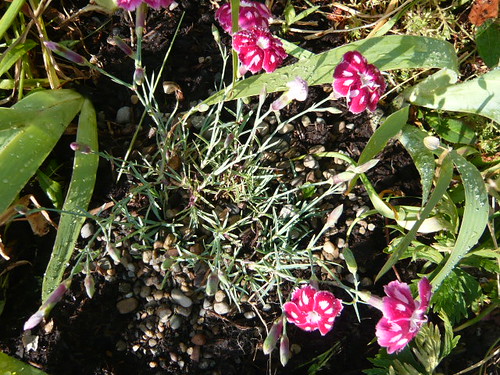
Pink

The Star series are single Dwarf Pinks  notable for their toughness and hardiness. Most varieties like the Night Star above will make a lovely compact mound of grey-green foliage, topped by a mass of sweet smelling flowers. They will repeat flower if dead headed and fed. Ideal for planting in rockeries, containers or pots. Flowering height approximately 5 inches.

Seeds and plants are available from Thompson Morgan

Cottage Garden Sweet William – Dianthus

Cottage Garden Sweet William – Dianthus

More on a topical favourite Dianthus the Sweet William.
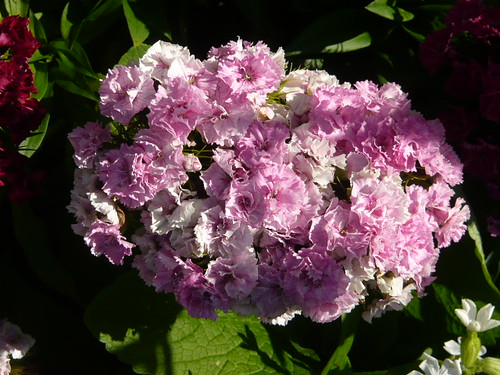
Sweet William

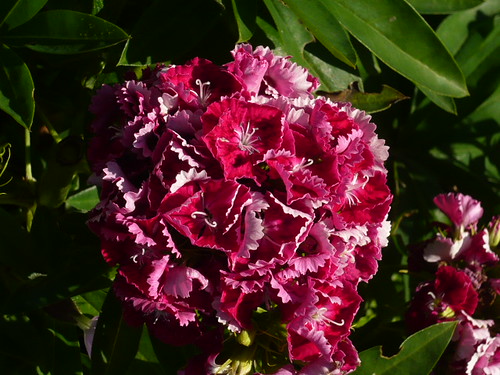
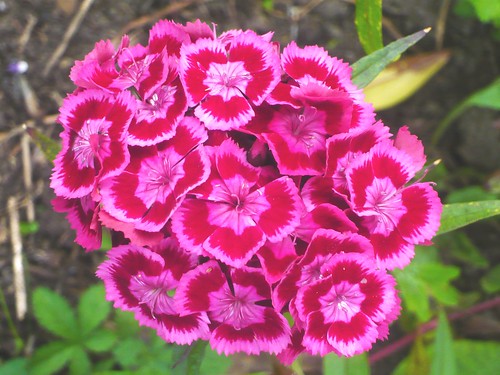
This selection of Sweet Williams are grown from one packet of seed. The frilly flowers look almost double and when massed together in one flowerhead they look stunning.

Sweet William

A cottage garden favourite the Sweet William is in flower from July to September. They make good cut flowers and a nesting spot for earwigs. (Give them a good shake before bringing them into the house.)
…

Read More Read More

Organisations working to save gardens

Organisations working to save gardens

Are you interested in garden history. There is a great deal to be learnt from our horticultural and agricultural past and researchers have a fund of knowledge available via the internet.

You can also research the culture of sculpture and the homeless Knomes

Guardians of the Mint

In addition to the RHS here are some web links to organisations maintaining gardens or retaining documents relating to gardens include:

Garden History Society (www.gardenhistorysociety.org

Kew Gardens http://www.kew.org/library/

English Heritage http://www.english-heritage.org.uk/server/show/nav.2

Museum of Garden History

National Trust (www.nationaltrust.org.uk/main/

UK Database of Historic Parks and Gardens

Scottish Archive Network (SCAN) (www.scan.org.uk/

Association of Garden Trusts (www.gardenstrusts.co.uk  A national organization representing County Gardens Trusts that are actively engaged in conserving, researching, documenting and caring for the heritage of parks, gardens and designed landscapes.

If you think I have missed an important site or wish to contribute please let us know. Good luck with your researches.

National Council for the Conservation of Plants and Gardens or NCCPG is a charity that manages the system of National Plant Collections. Amongst other activities its member receive a biannual magazine Plant Heritage and information on conservation.

http://www.nccpg.com/page.aspx?Page=1

The web site is informative and can help you locate where and when you can visit a particular national collection and lists open days and events. You can also purchase the Plant Collections Directory for £5.

Sweet William Organic Seeds

Sweet William Organic Seeds

In addition to collecting my own seed I like to try new varieties.
Suttons seeds have a ‘Kaleidoscope mix that I have just bought as an experiment. They were half price in the Wyvale sale and look as though the flower heads will feature white and a range of other pastel colours.

Cottage garden favourites are now running to seed in my garden. I am glad I dead headed the plants earlier and got a second flush of flowers but now is the time to collect seed.

Sweet William Seed.

  • Each pollinated floret will generate seed which is held in a firm upright cup.
  • As the seed dries and gets ready for distribution the cup opens and the black ‘gritty’ seeds can be shaken out. I use old envelopes to collect the seed into so I can keep and name different seeds.
  • If only a proportion of the seed capsules are open gently shake the plant into your container. If the majority are open I cut the head off, invert it over some paper and gently shake and squeeze to extract the seed.
  • Sweet Williams are quite promiscuous so do not always grow just like the parent you collected from. They will have many of the characteristics so select from the colours you like. The red flowered, red leaved types are my favourite but you may prefer the pastel or chocolate kinds.
  • Nature knows what it is doing and the seeds can be sown now to germinate and grow before the ground gets too cold. If you want an informal effect you can just shake your seedheads over a soil patch and wait.
  • Other members of the Dianthus family such as Pinks and carnations can be treated in the same way

The seed I collect will be organic as I have not used any chemicals for the last two years on or around my Sweet Williams. However they will not be certified by the soil association but in the scheme of things that wont matter.

Sowing & Growing Tips
As I have just bought the seeds I am sowing them to overwinter and flower next year.
If sown in February or March they should flower the same year.
They like a bit of space to excel so allow 6-9 inches apart when planting out in the final sunny positions.

Five June Garden Photographs

Five June Garden Photographs

A big bright month for flowers following a lush spring in Yorkshire. Not all plants behave to the seasonal timetable buy the Poppies are still stunning.

Alpine Aster
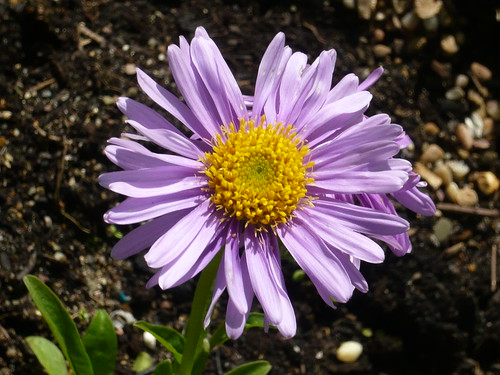
Aster alpinus the Alpine aster – bought from the nursery at Newby Hall in blue, white and purple varieties which are still to flower.

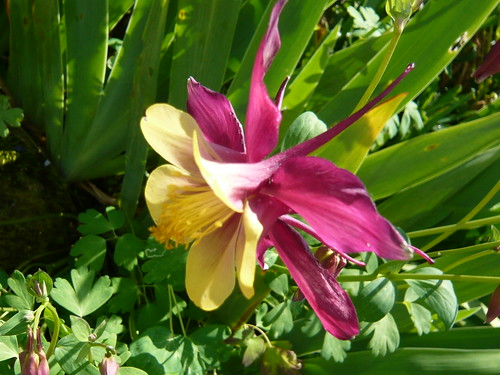
June garden Aquilegia
Selfsown Aquilegia or columbine, set off by broad Bearded Iris leaves.

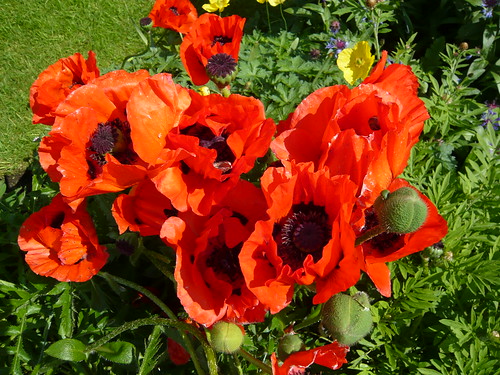
June garden Oriental Poppy
Oriental Poppy that looks blood red late in the day but was glowing in the early sunshine.

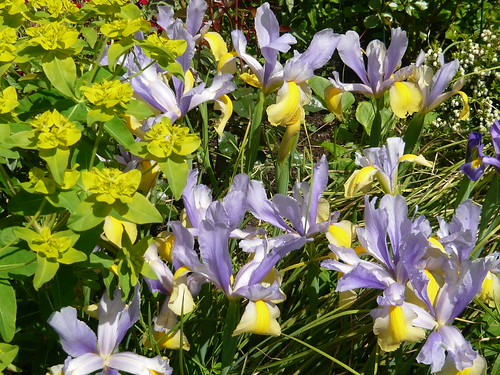
June garden 040 Iris reticulata
Iris reticulata with self sown Euphorbia

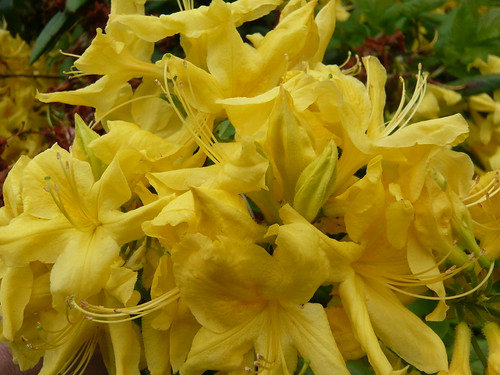
June garden Azalea
Deciduous Azalea in Late spring yellow. One of the Rhododendrons in the Pentanthera group

More Garden Mosaic Photos

More Garden Mosaic Photos


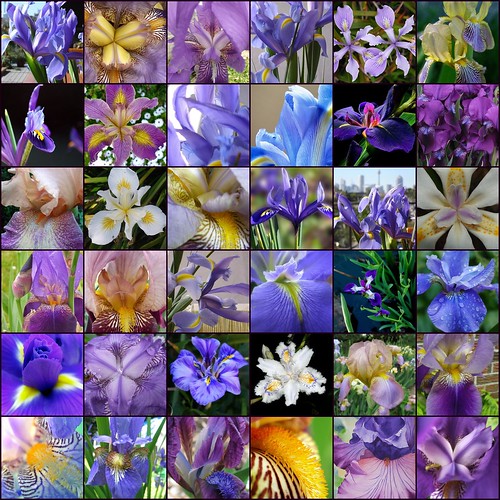
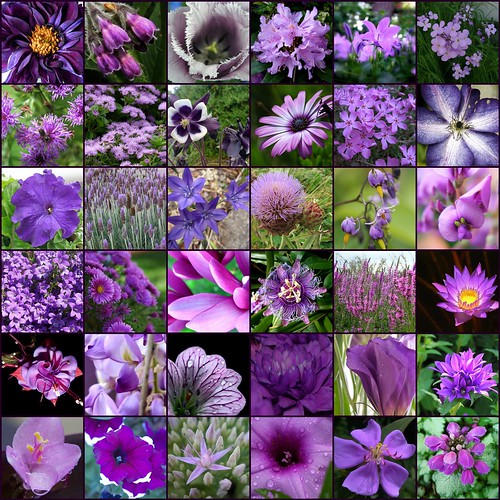
Robyne Jay scores again with more marvelous mosaics  made available under CC BY-NC-SA 2.0 license.

The Iris, part of the Iridaceae family, are my all-time favourites.  A shame they do not last long as cut flowers – all the more surprising all these photos were collected.

Irises

Purple flowers
…

Read More Read More

A Bunch of Flower Photos

A Bunch of Flower Photos

Nothing in the flower world says more about the season than a Sedum like this bunch of Autumn Joy. As a careless gardener I seem to have lost my Sedum with dark purple, fleshy leaves but it was never as robust as Autumn Joy.

sedum

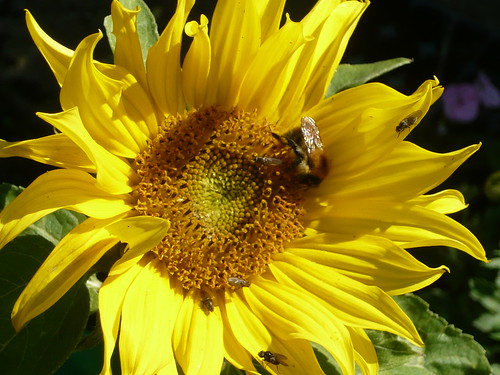
Due to a lack of sun and summer warmth our Sunflowers have been very tardy this year. It is hard to believe that I have only one flower on display at the beginning of September.

sunflower and bee

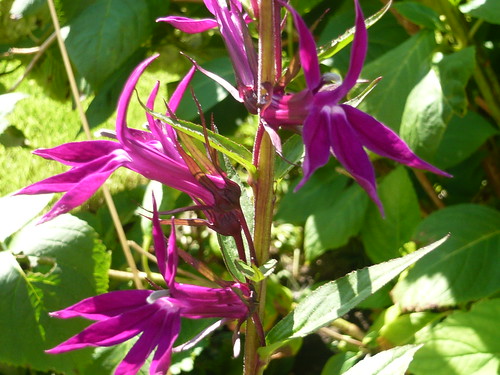
I planted some perennial Lobelia and they have thoroughly enjoyed the wet conditions during summer as they built up strength for this sort of floral display.
This variety may be Lobelia speciosa ‘Grape Knee Hi’ or Hadspen Purple and I have several Lobelia cardinalis that have prevoiusly defied my gardening skills.

Lobelia

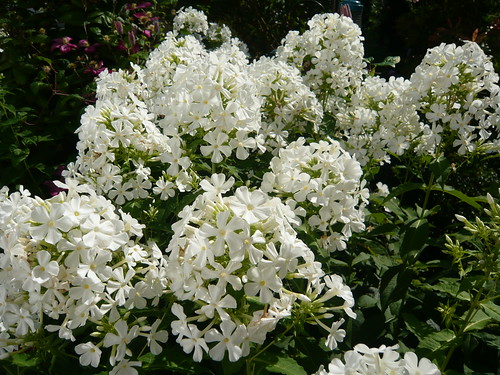
Another monster this year has been the Phlox paniculata. White and pink varieties in particular have shown spectacular flowers and scent.
Bunches of flowers indoors are still giving delightful aromas even though we have hidden the flowers on top of tall cupboards as the vases are a bit naff and there are so many other flowers deserving display.

Phlox

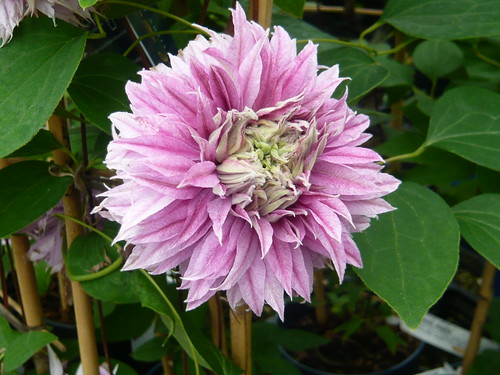
The late flowering double Clematis has just made it into my autumn photos. Clematis Josephine Evijohill is a ‘florida’ type that was on sale at a local nursery. I resisted the temptation to buy and so I will not have any genuine garden photos to show in future.

Clematis Josephine Evijohill

Yellow & Lilac
Tejvan took this photo in Oxford Botanic Gardens. On the left is an imposing Verbascum. I love the way its tall yellow spikes contrast so well with the purple spikes in the background. Just to add a bit of interest there is the odd splash of orange from a rogue intruder.
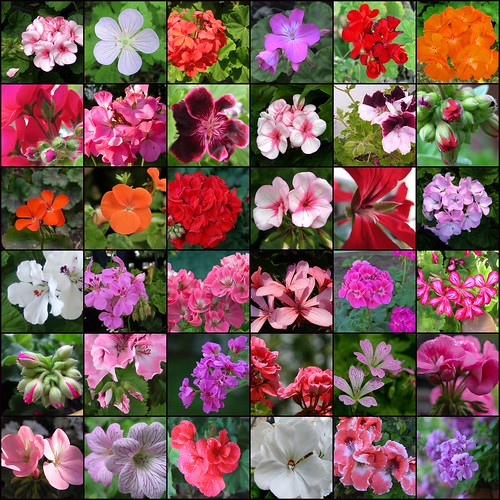
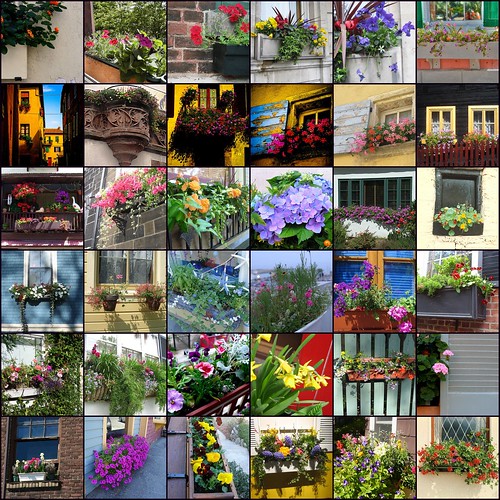
Floral Mosaic Garden Photos

Floral Mosaic Garden Photos

Thirty six photos arranged as six by six pictures of perfect plants are formed together by robynejay to produce these stunning mosaic patterns.
I am hard pressed to select a favourite but will opt for the red Poppies.
No true gardener would want to see all those hungry caterpillars but aren’t they fantastic?

Geraniums

Window Boxes
…

Read More Read More