Spirea Shrubs

Spirea Shrubs

Spirea

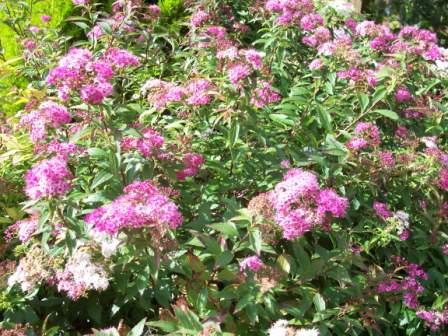
I have two very good Spirea varieties where I have long since lost the names. This example is a strong flowering mauve and white flowering plain leaved type. The other is a pale yellow leaved variety that has great colour in spring as the leaves start.

How hard was it going to be to identify the plants surely it can’t be too hard. I went to my copy of Hilliers Manual of Trees and Shrubs only to find over 80 species, varieties and cultivars described.

Well the next lesson is that I haven’t even considered my Spirea’s habits and Hillier identified those that flower on this years wood and those that flower on previous years wood – how have they thrived on my random pruning regime?

My first shrub is 6 -8 feet wide and currently covered in blossom on the ends of this years growth. I am going to give it a hard prune almost to the ground in March working on the thesis that it is a bumalda- japonica- douglasii .
Read More Read More

Red Hot Dahlias

Red Hot Dahlias

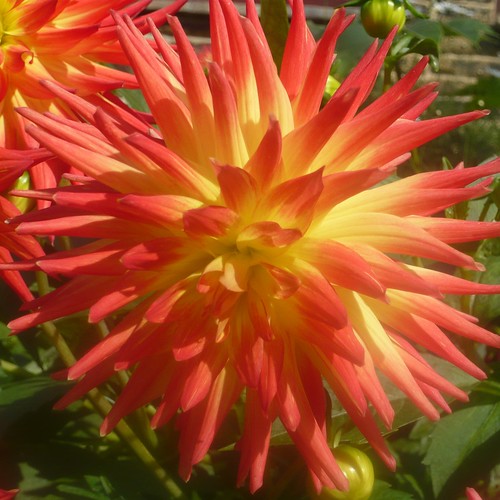
‘Fiery’ hardly does justice to this cactus Dahlia.

Often seen as the preserve of competition growers Dahlias are hot and sexy again. I have just restarted the tubers I lifted last Autumn. I use large tubs in a frost free area until the danger of frost has passed. I can take cuttings from new growth and will get flowers in summer and new tubers.

Many suppliers and thus varieties are available at stockists.  Sarah Raven the gardening commentator is keen to promote the flowers for their intense, hot colours that they can bring to the garden. She is not far wrong and I increase the number of Dahlias I grow each year.

Read More Read More

Daffodils from Oxford And Yorkshire

Daffodils from Oxford And Yorkshire

daffodils

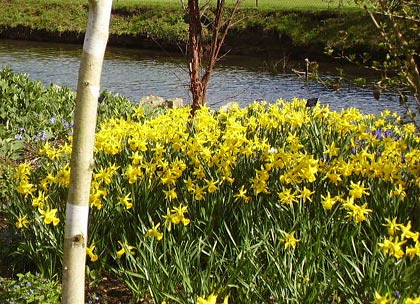
This picture was taken in late March at the University Botanic Gardens Oxford. I’m not sure of the variety, but, they remind me of tete a tete. The White betula (Birch) provides an interesting contrast to the lush green of early spring. In the background is the River Cherwell, flowing under Magdalen Bridge.

Wild Daffodil Facts

  • The wet winter has not damaged the crop of our native wild Daffodil Narcissus pseudonarcissus.
  • This species has pale yellow flowers, with a darker central trumpet and long, narrow leaves are slightly greyish green in colour. The two-tone look is one way to tell them apart from their garden relatives.
  • Wild Daffodil are found amongst the dappled shade of an ancient woodland or pushing up through the grasses of a damp meadow.
  • ‘Daffodil Dale’ aka Farndale near Helmsley in N Yorkshire has glorious wild daffodils in April.
What is AGM – Award of Garden Merit

What is AGM – Award of Garden Merit

This is the Royal Horticultural Society symbol for the Award of Garden Merit ‘AGM’. This award indicates that the plant is recommended by the RHS.

Awards are usually given after a period of trial at an RHS garden.

The AGM is intended to be of practical value to the home gardener. It is awarded therefore only to a plant that meets the tried and tested plant varieties using trial methods and  criteria.

AGM Criteria

  • It must be available in the UK
  • It be of outstanding excellence for ordinary garden decoration or use
  • It must be of good constitution – the award includes a hardiness standard – H4 is hardy through out the UK
  • It must not require highly specialist growing conditions or care
  • It must not be particularly susceptible to any pest or disease
  • It must not be subject to an unreasonable degree of reversion in its vegetative or floral characteristics.

Read More Read More

Miniature Pelargonium

Miniature Pelargonium

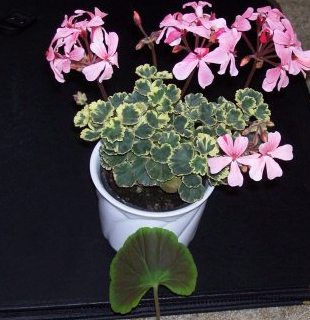
Minature-pelargonium - Golden Chalice

Pelargonium ‘Golden Chalice’

This fancy Pelargonium was new to me. I bought the plant whilst on holiday at a specialist pelargonium nursery in Stokesley Yorkshire some years ago.

As you may be able to see the leaves are a maximum of half an inch wide. This earns it the sobriquet of a miniature bi-colour.

The blooms are pink speckled with red and there is plenty of bud. The flowering should continue virtually on checked through out winter growing it as a house plant. Since it takes up so little space, yet has a distinctive form, I may try to propagate from this stock plant and acquire other varieties to make a miniature collection.

The parent has been a profligate producer of off spring. Many plants have been given away as houseplants and some of my stock is planted in the border. Cuttings root easily and the miniature nature of the plant always attracts attention. I an going to group them together this year and see how they fare.

Pinch out growing tips to make the plant bush out and provide more flowers.

Other links and information on Pelargoniums

Top 10 Scented leaved Pelargoniums
Pelargonium Grandiflorum and other ‘Geraniums’
Stellar Pelargonium – Bird Dancer Geranium
Photogenic Pelargonium
The Secret of Geranium (Pelargonium) Cuttings
Growing Regal Geranium Pelargonium
Dwarf Pelargonium aka Geranium
Tips for Growing Geraniums (Pelargonium)
Thompson & Morgan supply Pelargonium seeds and plants in season.

Seeds For Children to Grow With

Seeds For Children to Grow With

Where are the next Generation of Gardeners?

  • Children will grow with the knowledge they acquire from sowing and cultivating seeds.
  • If they take care the plants will also grow
  • Pea and bean seeds are popular as they are easy to handle and germinate quite quickly. Nasturtiums and sweetpeas are popular flowers.Bulbs and tubers can be great buy get the children to handle them gently and plant the right way up
  • Thompson & Morgan have a good choice of Seeds with a selection for kids.Book Cover

Some of the other varieties good for growing with kids include:

  • Kit for growing Cress – Cress is perhaps the easiest plant to grow, you don’t even need soil; just a small tray and a bit of light
  • Nasturtium – Jeepers Creepers – another fast growing colourful variety – needs little care.
  • Antirhinnum. (and give a prize if they can learn how to spell it correctly.)
Grow your Own Figs

Grow your Own Figs

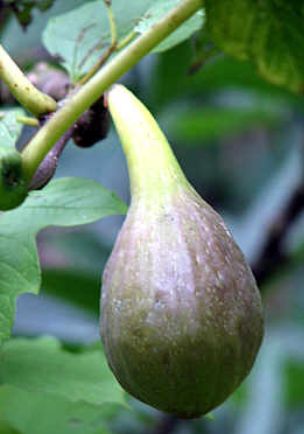
The Brown Turkey fig, Ficus carica, produces large, sweet, juicy figs even in British conditions.

Fig Growing Tips

  • Grown in a large pot they can get upto 12 feet tall but to encourage fruit prune in autumn and keep to a reasonable size about 5 -6 feet tall.
  • Keep  plants well watered particularly when young.
  • Grown against a south facing wall the full sun will encourage both fruiting and ripening.
  • Expect fruit to ripen in August or  September and pick regularly leaving tiny, embryo fruit towards the ends of the shoots will over-winter and  will ripen the following year.
  • Left to grow some Figs varieties can produce very large trees but they are not suitable for the British climate.
  • Fig trees do not need a pollinator so one tree should suffice.
  • Some winter protection may be needed in very hard frost.
  • Constrain the roots to encourage fruit and suppress the desire for the fig to become a large tree.
Easy Cyclamen Houseplants

Easy Cyclamen Houseplants

Cyclamen are easy and rewarding houseplants to look after as long as you control the watering.

Watering Cyclamen

  • Keep indoor Cyclamen moist but do not stand them in water.
  • Water from the bottom and let plants soak up what they need
  • If using the immersion method do not get the crown of the plant wet
  • Keep indoor cyclamen in humid conditions by putting the plant on   damp gravel or special clay granules.
  • Put the Cyclamen, pot and all into a larger peat filled pot and keep the outer pot very damp.
  • Fertilize every fortnight if you want to keep the tuber for next year

Choosing and Caring for Florists Cyclamen

  • Pick a pot with good fresh leaves. If the pot end is heavy it has some water in the compost.
  • Indoor or florists cyclamen are more tender than outdoor cyclamen. They are usually periscum varieties in bright colours.
  • Twist off yellow leaves and spent flowers near to the stem.
  • Keep cool about 50-60° and away from direct sun and strong drafts.
  • Do not let them freeze
  • Soft leaves are a sign of needing water or having too much water. If the later stop watering take out of the pot to help drying and leave to refresh itself before repotting.
  • Plants should flower through December and January then can be rested on their sides until autumn to flower next year
Chionodoxa – Glory of The Snow

Chionodoxa – Glory of The Snow

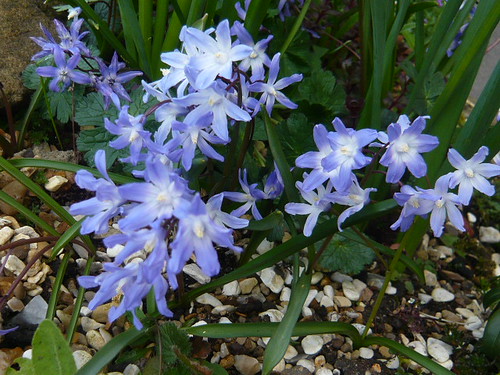
Chindoxia

Chionodoxa are beautiful, hardy spring flowering bulbs that are easy to grow. They grow 6inches tall from small bulbs and have pretty star-shaped flowers with long narrow leaves. (Also spelled Chinodoxa and common name Glory of the Snow). The blossom has a central line on each of 6 petals.

Cultivation 0f Chionodoxa

They do well in most garden soil. Plant 2-3″ deep.
Chinodoxa are most effective when planted in clumps and allowed to naturalise.
Suitable for rockeries and growing in pots.
Flowers lasts for 3-4 weeks, after which both the flowers and the foliage die back.

Chinodoxa Varieties

Chinodoxa Lucilliae is widely available and flowers bright blue
Chinodoxa Luciliae Alba is a clear white with star shaped flowers in March.
Chinodoxa  Forbesii Pink Giant produces a wealth of pink flowers.
Chinodoxa Forbesii is bright blue with a white centre.

Chinodoxia Alba

Read More Read More

Windswept Gardening Plant Selections

Windswept Gardening Plant Selections

Are you a windswept gardener who suffers from prevailing and random wind (in the garden I mean). Well here are some tips and plant selections to help make the most of your conditions. Your other suggestions would be welcome.

Initial Thoughts of the Windswept
(move home)

  • Screen a windy site with Trees and Shrubs then fill in with sturdy perennials.
  • Think of wind breaks when locating garden furniture or planning a new hedge.
  • Seaside gardens hint at some of the great garden features that you can incorporate into your windy garden.
  • Drought or water shortage often goes with a windswept garden so select plants that are also drought tolerant.
  • After planting give new additions some protection until they are established and water regularly until the roots grow. I put large pots, fleece barriers and even temporary trellis near new plants.

Selection of Trees