Three Top Seasonal Seedlings

Three Top Seasonal Seedlings

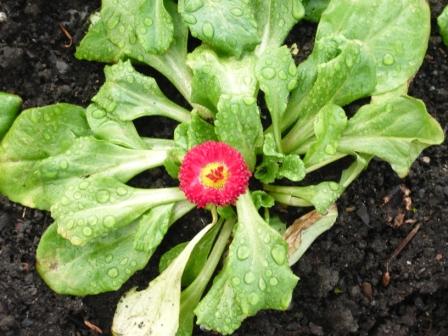
bellis Perennis

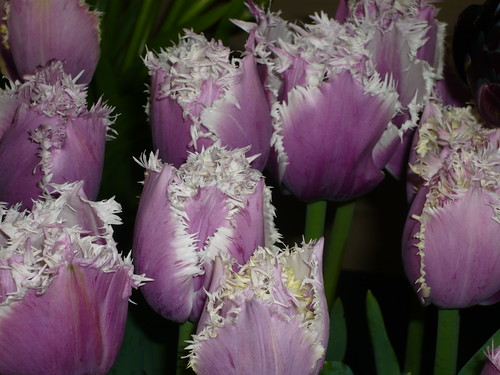
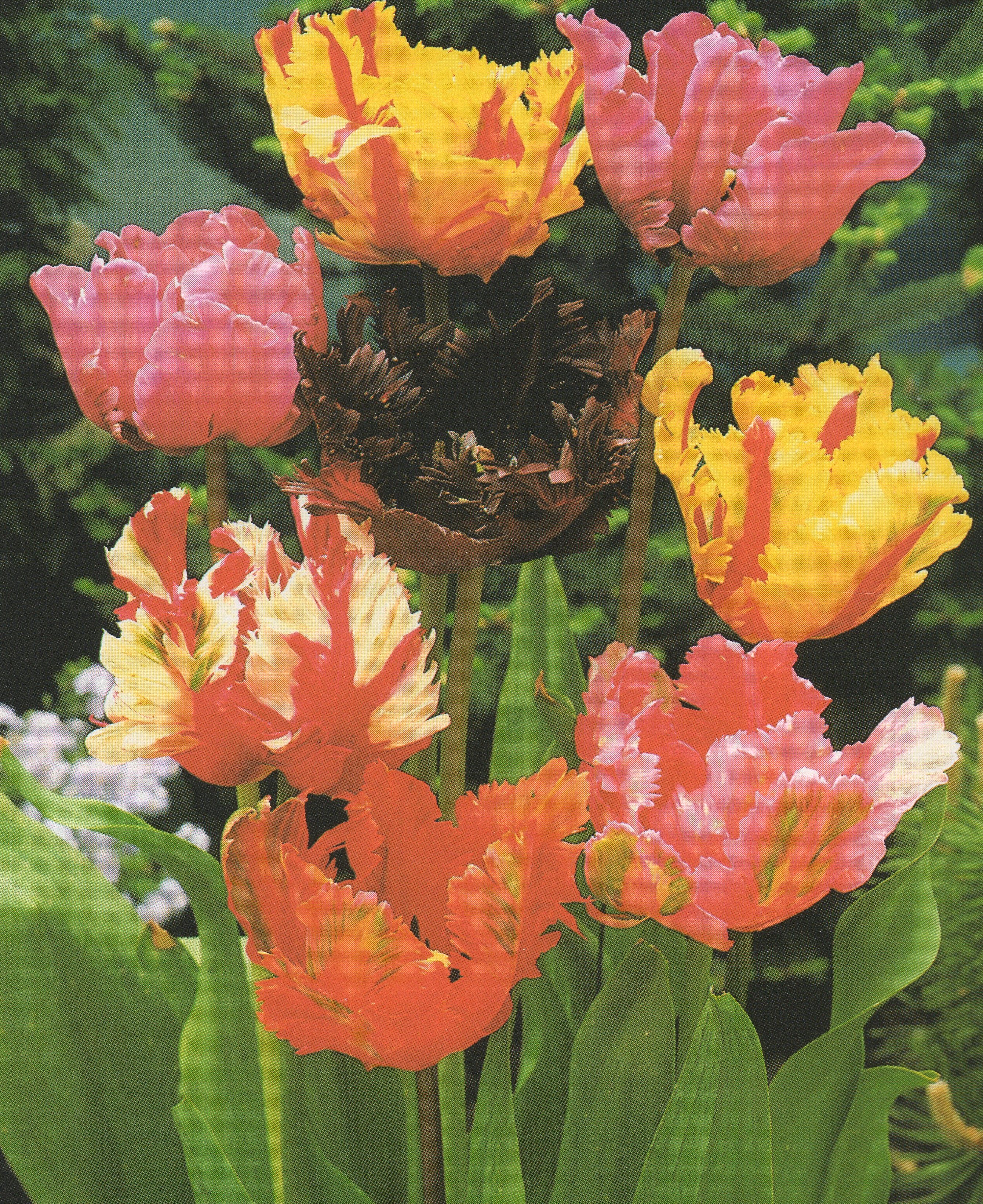
Plants can go in to your borders or patio pots now for an early spring show and a bit of early colour. My choice would be from Winter Pansy, Polyanthus and the Red, White or Pink double daisy shown above Bellis Perennis.

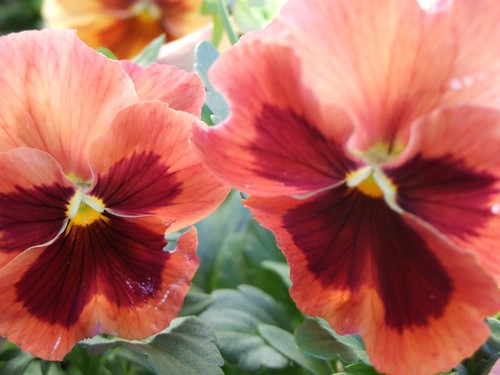
I bought some ‘Red Pansies’ from Morrisons but they are not flowering anything like those below. Mine are so dark maroon that they are almost black.

Winter Color #3

Plant now for Spring Colour

  • If you haven’t grown your own plants from seed buy them from a nursery where they should have been hardened off a bit.
  • If buying from  a supermarket get them used to outside conditions and give them some protection or cover in bad weather for a few days before planting out.
  • Pick a day when the ground isn’t frozen.
  • If it is dry for long periods give the plants some water. (Not a problem in Bradford above)
  • Generally it is too cold for pests but slugs and aphids may make an appearance when it gets warmer.
  • All these plants can flower through winter but should get stronger as the snows disappear after February

Primrose 048

Credit
Winter Color #3 by sirwiseowl CC BY-NC-ND 2.0

Buy Daisies and other seeds at Thompson & Morgan

Lime Free Loving Perennials

Lime Free Loving Perennials

Only a few Lime Free Loving Perennials exist in our gardens. Those that do have often come from Asia or North America.
The plants selected below like moist peat in summer or a raised bed with rock and peat.

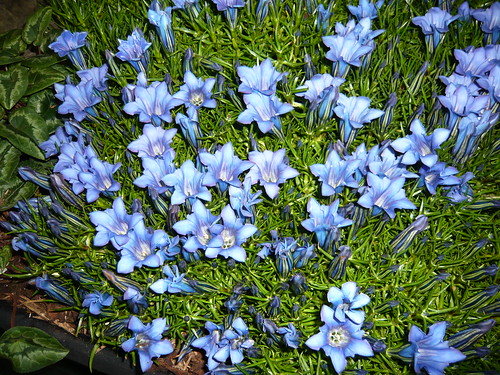
Gentian

Gentian for a mass of true blue trumpet shaped flowers. Originally gentians hail from mountainous regions with acidic soil.

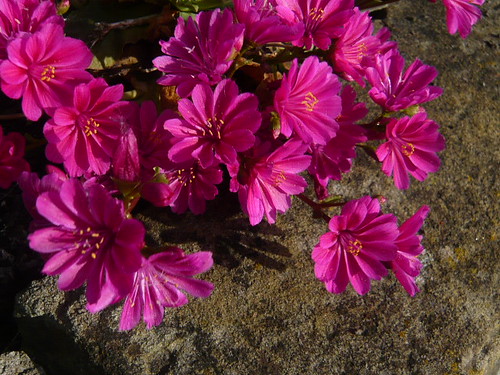
Lewisia

Lewisia has been bred to produce colourful Cotyledon hybrids. They are evergreen with rosettes of strap shaped leaves.
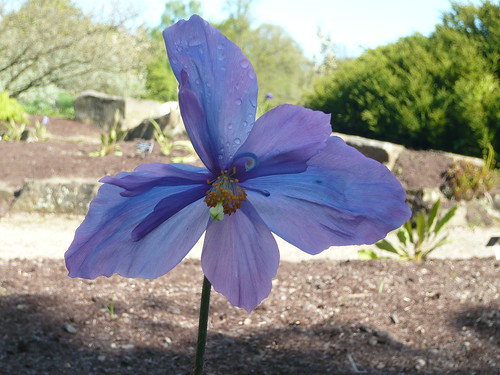
Meconopsis

Mecanopsis betonicifolia or the Blue Poppy grow well in the moist Scottish peat areas so gardeners looking for tips should follow nature.
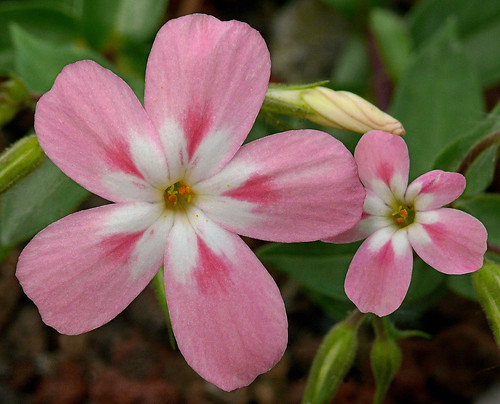
Phlox adsurgens #1

Phlox species adsurgens and stolenifra are pink and white and work well together in the garden. They both make evergreen mats in humus rich well drained soil.
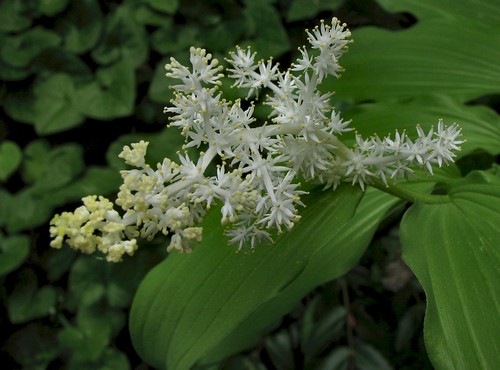
False Solomons Seal - Smilacina..racemosa or stellata..........?
Smilacina racemosa or False Spikenard has plumes of white flowers and attractive foliage in spring and summer.

Where to See Lime Free Loving Perennials

  • Many ferns dislike lime read about our selection
  • Himalayan gardens are often a good place to see lime haters.
  • Gardens that have good collections of Azaleas, Camellias and Rhododendrons have the right conditions for these perennials.

Credits
Phlox adsurgens #1 by J.G. in S.F.CC BY-NC-ND 2.0
False Solomons Seal – Smilacina..racemosa or stellata……….? by Pictoscribe CC BY-NC-ND 2.0

Childhood Shrubs Privet and Golden Privet

Childhood Shrubs Privet and Golden Privet

Privet
Privet in flower

Privet ‘Lingustrum Vulgare’

Where has all the ‘Privet’ gone? In my youth it seemed as though every small garden was kept private by a neatly clipped Privet hedge. If it wasn’t clipped it went hay wire.

  • Privet is usually described as evergreen or semi-evergreen.
  • It loses some leaves in the winter, but not all of them and will grow almost anywhere
  • Green privet must be kept cut otherwise it becomes very open and loses its effect.
  • Particularly good in windy areas and by the sea.
  • Privet can withstand very hard pruning to get it back in shape
  • Privet is hard to remove as the roots are tenacious.

privet lives
Privet Hedge around tennis court.

The posh gardens near us had golden privet that was light green with a yellow stripe but most of us had a dark green hedge. There are Yellow-leaved varieties available which are smaller than the green-leaved type.

  • Yellow Ligustrum ovalifolium aureum has wonderfully scented if fairly ordinary looking white flowers in the spring.
  • Height and spread: 12ft x 12ft
  • Growth needs cutting twice a year but leaves can be bisected. Clipping may take away most of the flowers.
  • Propagation by cutting is very easy

Credits
Privet by jwinfred CC BY-NC-ND 2.0
privet lives by Yersinia CC BY-NC-SA 2.0

Gardeners and the Woodland Trust

Gardeners and the Woodland Trust

In the woods

Woods and trees are vital some would say with hyperbole, essential to life. ‘They have a myriad of different benefits for both wildlife and people. They stabilise the soil, generate oxygen, store carbon, play host to a spectacular variety of wildlife, provide us with raw materials and shelter, inspire our imaginations and our creativity.’

UK Woodland Facts

  • Since 1930 almost 50% of the UK’s ancient woodland has been damaged or destroyed.
  • 85% of remaining woodland has no protection from further exploitation.
  • The Woodland Trust cares for over 1000 woods that are freely open to the public. They have had to fight 310 legal cases over the last 10 years.
  • The UK is the least wooded country in Europe with only 12% woodland. This is despite the woodland trust planting 13 million trees.

Free Trees

  • The Woodland Trust has a range of free tree packs available to schools, youth groups and communities.
  • Plant your tree for the Jubilee and bring your community together to plant free trees from the Woodland Trust. A chance to grow your own food, create new homes for wildlife and bring beautiful autumn colour to your local area.
  • Apply now for the chance to receive a free pack to plant in November 2012 as part of our Jubilee Woods project.
  • The Woodland Trust

Main Woods Owned or Protected by the Trust

  • Blackbush and Twenty Acre Shaw wood.
  • Denge Wood and Dering Wood- Kent
  • Dolebury Warren – North Somerset
  • Folke Wood – Dorset
  • Heartwood Forest – Hertfordshire
  • Joyden’s Wood – Kent
  • Oxmoor Copse – Surrey
  • Paradise Wood – Oxfordshire
  • Skipton Woods – North Yorkshire
  • Staffhurst Wood – Surrey
  • Uffmoor Wood – Worcestershire
  • Wychwood – Oxfordshire
  • Lake Wood
  • Glen Finglas Estate – the Trossachs
  • Brede High wood near Battle Sussex

Credits

In the woods by JR_Paris CC BY-NC-ND 2.0
Vincent Wood by the.approximate.photographer CC BY-NC-ND 2.0

Vincent Wood

Book Cover
A Walk in the Woods: Exploring Britain’s Greatest Woodland by Archie Miles

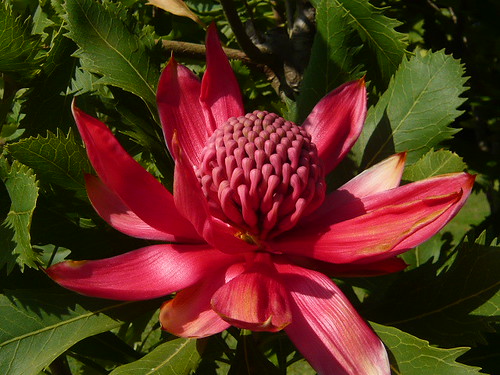
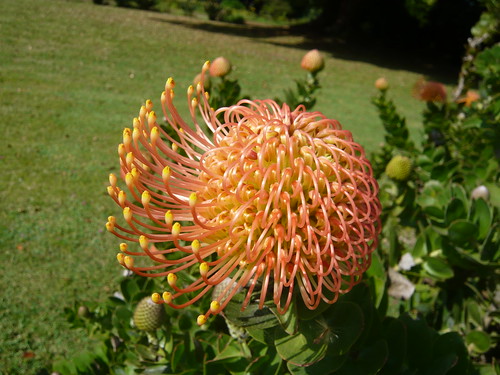
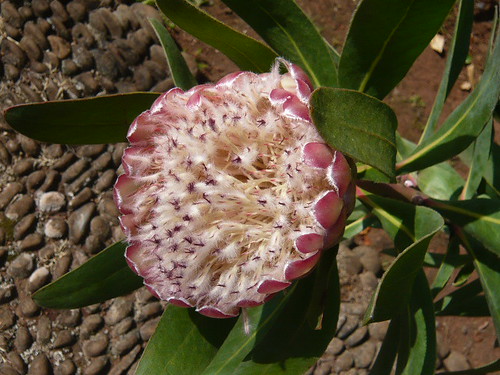
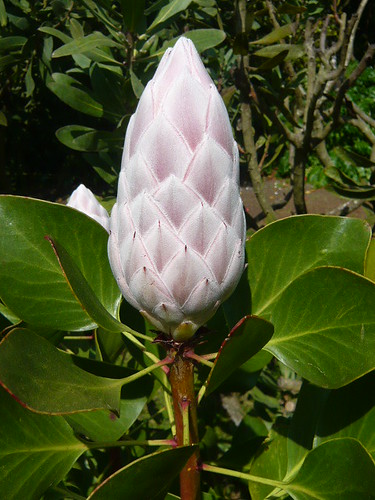
Protea The Sugarbush in Blandys Garden Madeira

Protea The Sugarbush in Blandys Garden Madeira

Madiera Protea

Madeira is one part of the planet with a Mediterranean plus style climate and it rightly enjoys a reputation of being a species-rich biodiverse hotspot. Little wonder then that these Protea grow successfully on the island.

Protea

Madeira is famed for it’s horticultural gardens and is a grand place for gardeners to visit to see the exotic species in the well maintained professional gardens. These pictures were taken at Blandys owned Gardens of Quinta do Palheiro Ferreiro. It would also be a shame to miss out on a visit to the islands botanic gardens, Quinta das Cruzes, Quinta Palmeira and Monte’s Municipal Garden.

Madeira  protea
The Protea is recognised as the national symbol flower of South Africa often featuring on stamps. However there is a whole family of the genus grown in Australasia. The Protea was named after Proteus who took on many forms as a greek god.
Madiera Protea

Proteas are available to buy from Trevana Cross nursery in Cornwall

Tree Roots a Root and Branch Review

Tree Roots a Root and Branch Review

Banyan Tree Roots Black and White

Following a dry winter the insurance industry is again concerned about building subsidence and settlement. Tree roots are often cited as one of the causes of soil shrinkage as they take moisture out of the soil.
Clay soil is known to suffer cracking during prolonged periods without adequate rainfall.
Tree roots can also undermine a buildings foundations if planted too close to a property.

Safe Planting Distances by Species

  • Yew and most shrubs 15 feet
  • Spruce 22 feet
  • Rowan, Birch and Hawthorne 35 feet
  • Beech and Sycamore 50 feet
  • Lime, Ash and Horse Chestnut 65 feet
  • Oak 70 feet
  • Poplar and Willow 120 feet
  • Note the diameter of root spread is generally about half these distances.

Tips and Comments about Tree Roots

  • Typically tree roots are relatively shallow but wide spread. Soil conditions create wide variations in root distribution.
  • 90% of tree roots are found in the top 2 feet of soil and seldom go deeper than 6 feet.
  • Local authorities can make a tree preservation order to prohibit felling, topping, lopping or up-rooting of listed trees. Similar constraints apply to trees in Conservation Areas.
  • Your neighbour can chop the roots of your tree along the boundary line and does not need your permission.
  • Root barriers can be used when planting new trees but it is better to select a smaller or less vigorous specimen.
  • Lopping and pollarding may reduce further root spread and limit transpiration and thus water loss.
  • Much advice says be circumspect about removing a specimen that is presumed to be causing a problem. The distances above are insurance company figures and may be belt and braces.

IMG_0354

Tree Root Designs

  • Taproot systems: where a strong main root descends vertically from the underside of the trunk. Examples include English oak, Scots pine and silver fir.
  • Heart root systems: where both large and smaller roots descend diagonally from the trunk. Examples include birch, beech, larch, lime and Norway maple.
  • Surface root systems: where large, horizontal, lateral roots extend just below the soil surface, from which small roots branch down vertically. Examples include ash, aspen, Norway spruce and white pine.

Tree roots, shack, Kathmandu, Nepal

Credits
Banyan Tree Roots Black and White by Photomatt28 CC BY-NC-ND 2.0
IMG_0354 by Fun with Fred CC BY-NC-SA 2.0
Tree roots, shack, Kathmandu, Nepal by Wonderlane CC BY 2.0
Forestry Commission for root systems

Kauri or Dammar Tree – Root and Branch Review

Kauri or Dammar Tree – Root and Branch Review

Kauri Trees

Revered by the Maori people of New Zealand these ancient trees date back to dinosaurs and even now live for up to 2000 years. Not your average garden tree but a tree to know and protect from further exploitation.

Key Features of the Kauri

  • Latin name – Agathis australis other common name Lord of the Forest or Dammar
  • Height – 165 feet
  • Type of tree – Evergreen conifer
  • Leaves – leathery and oblong
  • Flowers – cylindrical or spherical grey
  • Fruit – cones
  • Bark – smooth and grey shedding thick flakes
  • Family – Araucariaceae

Kauri tree at sunset

Origins and Distribution of the Kauri

  • Kauri Agathis australis is native to New Zealand and only found there.
  • Once widely forested the kauri forest now only covers 18,000 acres.

Uses and Attributes of the Kauri

  • Historically felled by settlers for timber.
  • Other species of kauri give various resins and produce fine grained wood.

Gardeners Tips for the Kauri

  • The New Zealand trees are up to 2000 years old and deserve maximum protection. The trees predecessors were probably around in the Jurassic period.
  • It is an impressive tree reaching 160 feet high, topped by a broad canopy.
  • Young trees grow in conical form and shed lower branches as it matures.
  • The trunk or bole is distinctive and wide up to 18 feet in diameter

Kauri tree from up close

Other types of Kauri and key species

  • The genus Agathis is a relatively small genus of 21 species of evergreen tree.
  • These trees produce gum or resin and are all native to the southern hemisphere.
  • Ancient kauri or swamp kauri has been found buried in salt marshes and radiocarbon dated to 50,000 years ago.

Agathis australis #1

Kauri comments from elsewhere

  • ‘Maori used kauri timber for boat building, carving and building houses. The gum was used as a fire starter and for chewing (after it had been soaked in water and mixed with the milk of the puha plant).The arrival of European settlers in the 17-1800’s saw the decimation of these magnificent forests.’ Dept of conservation.
  • Kauri wood is sometimes preserved in waterlogged soils and excavated wood from trees long buried can be bought from ancientwood.com.

Kauri Tree

Credits
Kauri Trees by Make Some Noise CC BY-NC-SA 2.0 ‘This is the oldest tree known here on the island. It’s estimated to be 2000 years old and this entire forest is really magical. It’s tragic that colonists came and tore these trees down only to make boats out of the trees, but at least now they are protected and hopefully more are being planted.’
Kauri tree at sunset by jjprojects CC BY-NC-ND 2.0
Kauri tree from up close by Piotr Zurek CC BY-NC-SA 2.0
Agathis australis #1 by J.G. in S.F.CC BY-NC-ND 2.0 ‘…. Endemic to the North Island of New Zealand Kauri, Kauri Pine
Shown: Foliage and female (seed) cones….’
Kauri Tree by jen-zed CC BY-NC 2.0

Green Sculpture and Topiary

Green Sculpture and Topiary

Green Elephants Garden Sculptures

Some evergreen shrubs lend themselves to topiary and living sculptures. From simple Box hedges as knot gardens to large geometric shapes you can train and prune to get effects with a large range of plants and shrubs.

Good Plants to Start Sculpting
Yew (Taxus) is a traditional topiary subject that stands hard pruning with it’s fine textured needles and moderate growth rates.
Juniper is a fine textured evergreen with tree, shrub and prostrate forms that respond to pruning.
Holly (Ilex) is a glossy leaved evergreen with various leaf forms depending on variety. It is slow growing and can be trimmed quite hard.
Box (Boxus) is useful for smaller sculpted shapes needing fine detail. It is slow growing.
Cupressus are often used for spiral shapes or cloud pruning.
Bay (Laurel nobilis) has coarse aromatic leaves that are popular for training as a round-headed standard.

Gardeners Tips
Select a plant with good foliage and strong stem or stems.
Plant it in a prominent location as it will be a feature to see and nurture. It may take several years to get it exactly how you want it so you need access with your shears or secateurs.
Encourage new growth at the base of the plant by cutting back upright lower growths to get a broad outline.
Remove crossing interior branches and twiggy stems to allow light to reach the interior.
Select strong stems to form the framework for the overall shape.
Complex shapes may need some stakes or frame work to support the growth. Incorporate them early so they get covered in foliage.

Seasonal Tips

In Autumn mulch roots, give a last light trimming and it may be necessary to wrap some sculptures loosely in fiber fleece or sacking to protect against heavy frost.
In Spring cut out any shoot tips that were damaged in winter and clean out dead wood and debris. Begin shaping new plants and feed plants when they show new growth. Do not trim buds off floral shrubs.
Early Summer requires regular trimming to create and maintain shapes with desired detail. Water the foliage occasionally and keep feeding. Stop pruning in later summer to avoid encouraging tender young growth that wont survive winter.
In Winter knock off any snow that builds up on flat topped shrubs. If you move container grown plants under the eaves of the house for shelter remember some water.

Popular Shapes
For hedges, crenelated battlements and trains with or without carriages are popular.
Geometric shapes including Spheres, Spirals, Cones, Rectangles and Pyramids.
For the adventurous animals, clouds and wall shapes are popular. Use small leaved shrubs for detailed shapes.
Visit some Topiary gardens or select by clicking on a book from Amazon for more ideas.

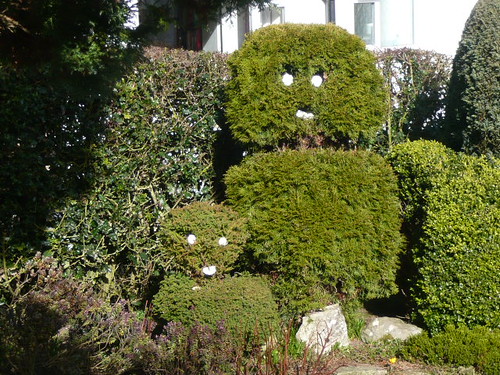
Conifers can be kept neat and tidy by regular pruning and can become feature plants with there own personalities.

Spiral Pruning

  • Interesting patterns and shapes can also be created like this double spiral.
  • Two conifer types were used the low growing ball shaped shrubs to make the spiral at ground level. Abies balsamea ‘Hudsonia’ is a bun shaped, slow growing conifer.
  • The tall spiral was cut into a Chamaecyparis lawsoniana ‘Columnaris’ which can grow to 20′ high. Golden Yew could also be trained to grow in this shape.

Cloud Pruning

  • Cloud pruning was a fad some years ago but it takes dedication to keep up to it.
  • Ilex crenata, the small leaved holly is popular in Japan
  • Taxus Yew is without equal when clear geometric shapes are required.
  • Even Leylandii can be pruned into cloud shapes.
  • Pines are more difficult and time-consuming to prune this way.
  • Leylandii are forever needing extra trimmi9ng but if you enjoy pruning then it may be the plant for you.
Book Cover

Book Cover

Credits
Green Elephants Garden Sculptures by epSos.de CC BY 2.0
Topiary by ptc24 CC BY 2.0

Topiary

Topiary Shears
See Top Topiary Gardens
RHS Spring Advice

RHS Spring Advice

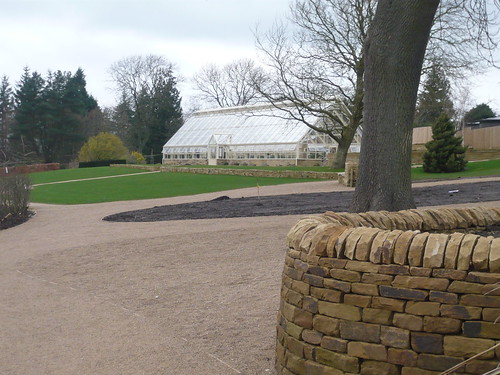
feb harlow carr

Curves at RHS Harlow Carr Garden

The Royal Horticultural Society offers free advice on there web site and to members. Other membership benefits include free entry to some gardens and a monthly magazine.

Jobs to do in March

Spring usually arrives by mid-March and the frequent sunny days provide the opportunity for an increasing range of gardening tasks.

  1. Plant shallots, onion sets and early potatoes
  2. Protect new spring shoots from slugs
  3. Weeds come back in to growth – deal with them before they get out of hand
  4. Start feeding fish and using the pond fountain; remove pond heaters
  5. Lift and divide overgrown clumps of perennials

Get more RHS expert advice

When you have done these jobs you can cut the grass, sow some seeds, dig the veg patch and a runner bean trench then in the afternoon prune the roses, spread the compost heap and have a cup of tea!


RHS publish a wide range of books that are available from amazon many of which are priced at a reasonable discount.

The Best Value Bulbs are Crocus

The Best Value Bulbs are Crocus

Crocus 2012

In my opinion the best value bulbs are crocus. In my garden I think they give more colour and less work than other bulbs for the same money. Crocus are best value bulbs partially because they are long lived and in good conditions form large clumps.

Crocus 2012

Crocus may be the best value bulbs because they produce stunning colour at the start of spring. Snowdrops are brilliant but the white flowers and green leaves can not compare to the bright yellow and purples of the crocus. Even white crocus have startling yellow stamen.

Crocus 2012

Best value bulbs are crocus not the best value bulbs come from Crocus. What a clever name for an online garden supplies company. As you know we prefer our affiliates Jersey Plants and Thompson & Morgan but there is room for all these businesses to supply the keen gardener.

Crocus 2012

Massed crocus are popular in public parks as they are best value bulbs for growing in grass. The leaves die back soon enough not to worry about mowing. I leave some patches unmown for 4-6 weeks to give them more energy for next year.

Crocus 2012

Crocus are a group of plants in the Iridaceae or iris family. On flickr you can view lots of crocus or see the best top 25