Ecology of Water in the Garden

Ecology of Water in the Garden

Watering

Why is Water Important in the Garden

  • About 90% of active plants cells are water.
  • Water is the means of a plant obtaining dissolved nutrients to feed the plant
  • Water moves chemicals and hormones from the roots of plants to the growing parts of the plant
  • Water maintains a plants health
  • The presence of water can be necessary to germinate seeds or stimulate natural growth.

Water for Plants and Trees

  • Precipitation in the form of rain, drizzle, dew, and fog all have a place in providing water
  • Hail, snow, sleet and hoar frost also provide limited amounts of water.
  • Ground water from springs underground streams and the natural water table can contribute to the soils water content.
  • Gardener introduced water augments the natural systems.
  • Irrigation is a form of transporting water through channels or pipes.
  • Foliar feeding can provide limited amounts of water via a plants leaves.
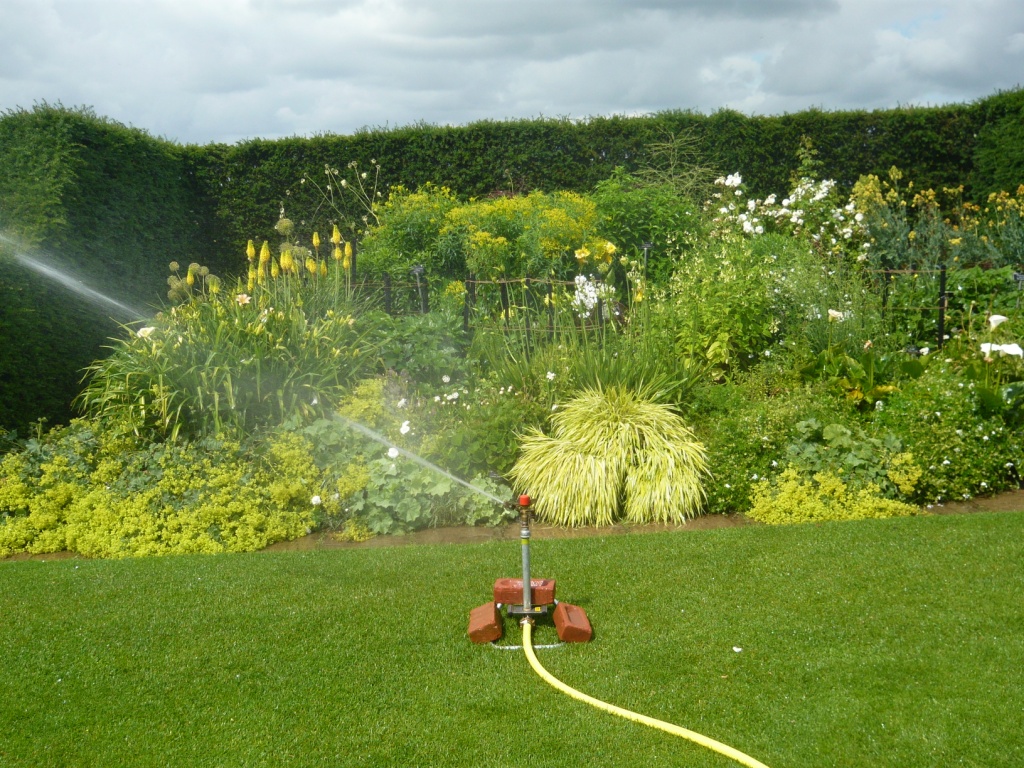
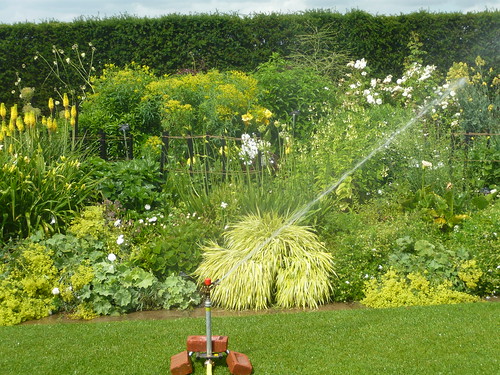
  • Watering devices, sprinklers, hosepipes and watering cans are the gardeners best friends in dry or drought conditions.

Problems Caused by Lack of Water

  • Deprived of water to transport food a plant may starve
  • Biological malfunction caused by lack of water can cause irreparable damage to a plant cells leading to loss of turgidity and death.
  • Lack of water may cause structural instability in the plant.
  • Water shortage can make a plant more susceptible to heat.

Rain Zones in the UK

  • High ground in the west of Scotland, Wales and Cumbria has the most rainfall. .
  • Cyclonic or convection rain can occur over low ground such as East Anglia but this is low in frequency and volume so flat areas have low or very low average rainfall.
  • 30″-45″ are annual average levels of rain but there are many surprises within averages. London with 25″ pa is drier than Rome or New York. Colchester can be drier than Beirut or Jerusalem
  • Thunderstorm rain can be damaging by flattening crops or causing excess splashing back off the soil. This is not zone specific.
  • In addition to volumes of rainfall the frequency or consecutive number of days without rain can be crucial. Apart form the south east most zones seldom exceed 30 days without rain and in Scotland and Ireland it rains even more regularly.

Water Retentiveness

  • Water retentiveness is crucial for a healthy trouble free garden.
  • Improved soil structure by the addition of compost and manures increases the water in the soil.
  • The addition of a top layer or mulch holds water in the soil reducing evaporation
  • Alginates like seaweed increase water retention and improve the crumb structure of the soil.
  • Retentiveness is damaged by compacted soil that water is unable to penetrate.

Gardeners Water Tips

  • Understand your plants and select them based on their need for water. How much and when are valid questions
  • Too much water can be as bad as too little so ensure you have the right drainage in your soil not a sticky mess.
  • When augmenting natural supply of water do a thorough job of watering then leave for a few days. Little and often can bring roots to the surface and not penetrate to the deeper drinking roots
  • Do not plant water hungry plants in heavy rain shadows caused by walls hedges or other plants.
  • Be aware of the prevailing wind that brings the most rain from the west.

What is in my Water

  • Oxygen and hydrogen are the elements that have combined to form water. They are not available separately except for an amount of oxygen that may have been dissolved in the H2O. Pond fish and algae need this dissolved oxygen.
  • Hard water contains dissolved mineral salts (this is what makes up the fur or limescale on a kettle). Hard water may be drawn straight from the tap in many districts of the UK where calcium and magnesium are present. This water is often detrimental to young plants.
  • Soft water has little or no dissolved mineral salts and like rain water is better for seedlings and young plants. Distilled water and ionised treated water is rendered soft by the process.
  • Sea water and brackish water contains dissolved salt (sodium chloride)that will kill most plants. It is no use in gardens.
  • Stagnant water and old water from butts will contain algae or microscopic life. I have found that this often results in moss or growth on the top of seed pots before the seeds germinate. Clean water is best for seeds and greenhouses.


Top ten green garden habits
See our report on ‘Organic pond habitats for green gardeners’.

Front Garden Dahlia Competition

Front Garden Dahlia Competition

garden

I spotted this front garden on Herschel Crescent, Oxford. It wins our Gardeners Tips ‘Front garden competition of the year award’. I loved the riot of colour. Every inch of ground is used to create a stunning display.

It illustrates what great value Dahlias can be. The best thing about Dahlias is the length of flowering season.

garden

Dahlias on display

garden

Hanging baskets everywhere

Read More Read More

Daffodil Divisions and top Twelve Tips

Daffodil Divisions and top Twelve Tips

Autumn is the time for thinking about more daffodils for next spring.

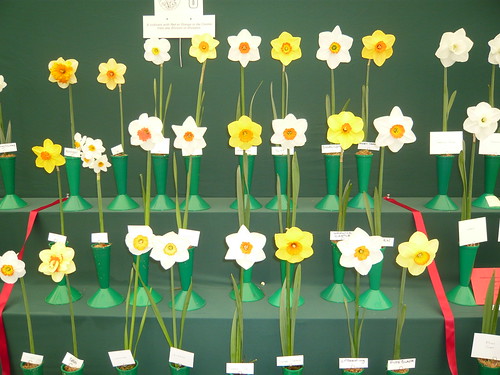
Daffodil Exhibition display
Now is the time to look closely at your Daffodil flowers and identify details of the parts you can see. Then learn to classify the flower into one of the Divisions experts use when showing or selling Daffodils. Finally remind yourself of the top tips for growing great Daffodils.


Detail Parts of a Daffodil Flower

The spathe is the protective green bract that covers the flower before opening time – cheers when it becomes papery.
The neck or pedicle is the section of stem that carries the flower whilst the main stem carries the chemicals from the bulb to the bloom.
The seedpod or ovary is close behind the developing flower, after pollination it begins to swell.
The petals, normally six in number, are the showy part of the flower also called the perianth.
The Corona is the central part of the daffodil flower. Also known as the trumpet or the tube it can be found in many shapes and colours.
The Stamen and stigma are the male and female organs that are surrounded by the corona.

Divisions of Daffodils

Division 1 – Trumpet Daffodils The cup is as long or longer than the petals. There is one bloom per stem.
Division 2 – Large-Cupped Daffodils The cup length measures more than 1/3 of, but less than or equal to, the length of the petals. There is one bloom per stem.

Read More Read More

The Best Time To Water Your Garden

The Best Time To Water Your Garden

Do not water your plants! Water the soil your plants have to live in.
water
Readers Question: I would like to ask if there are specific times of the day that you can only water the plants to maximize their growth. Thanks for being open for questions about gardening because I really want to grow more of our own plants in the next few months. from: Gardeners Questions

The best time of the day to water plants is in evening or early morning. This is mainly because the watering will be more efficient. Away from glare of sun, the water has time to seep into soil before evaporating.
The main thing is getting the right amount of water to the plant, the time of watering won’t really affect growth. Though in greenhouses, watering during the day, can help keep temperature down (dampening effect)

Other Tips for Watering Plants

  • The most critical time for watering is:
  1. When plants are in flower or leaves are limp early in the morning.
  2. When soft fruits have started to form
  3. When plants are newly planted or transplanted.
  4. When plants start to show signs of distress.
  • When you water make sure it seeps down to roots and soaks the soil and not just first inch otherwise roots will grow upwards or stay on the dry surface.
  • It is better to water thoroughly but less often than frequently and often.
  • Try mulching after a good watering. Mulch is anything that preserves moisture of soil.
  • Different Plants have much different needs for watering.

water is unfit for human consumption

Best Time To Water Your Garden

  • The Best Time To Water Your Garden is when the plants are just beginning to suffer from a lack of water.
  • If you get new drought controls in parts of the UK, the Best Time To Water Your Garden may be when no one is looking. (Only joking you will be watering with grey water and water collected from a rain butt won’t you.
  • Thinking about watering restrictions just a reminder the your garden does not need watering! Save your energy and water for those ‘at risk’ plants that really need water and be focused on your watering programme.

Related


Credit
water is unfit for human consumption by woodleywonderworks CC BY 2.0

Autumn Buying Time for Tulips

Autumn Buying Time for Tulips

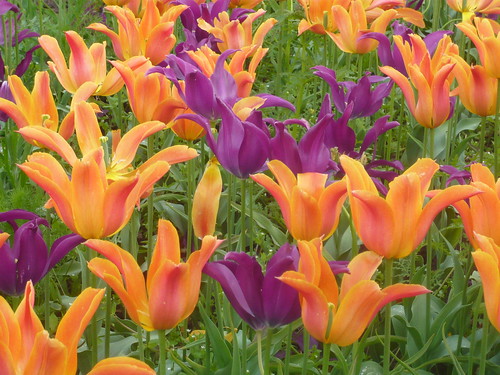
This post may be an excuse to show photos of some good looking Tulips or it may be a timely reminder to buy some new bulbs.
Blown Tulip

Why Order and Plant Tulips

  • Best quality Tulips give the best display. Order early from a specialist or renown supplier.
  • Tulips can supply that wild dash of colour in a spring garden or vase of flowers.
  • Several Tulips have a scent that is worth cultivating.
  • Botanic and species Tulips offer something a bit different in your gardem

Tip toe through the tulips

A selection of tulips are available from Thompson & Morgan

Colour and Tulips

Read More Read More

Miniature Daffodils and Narcissi Tips

Miniature Daffodils and Narcissi Tips

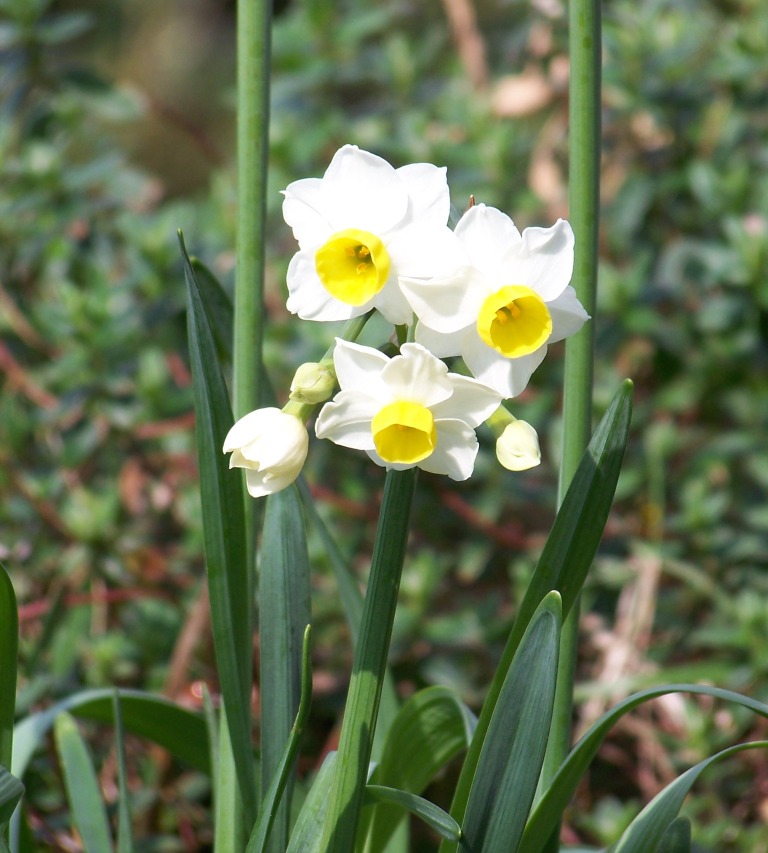
Good things come in small packages and that applies to Daffodils for house and rockery.
canaliculatus

Miniature daffodils grow from 4 inches to just short of a foot. Varieties Minnow, Toto and Canaliculatus have several flowers on the one stem and are particular favourites of mine. Try growing some in pots in the cold greenhouse as welcome additions to your alpine plants.

Tips on Minature Daffoldils

  • Look in spring for successful varieties that you may want to buy for planting this Autumn.
  • Buy pots in bloom this spring so you know what you are getting. Deadhead before the seedheads start to develop and feed the bulbs with a high phosphate feed.
  • One of the smaller varieties is Bulbocodium Conspicuous, yellow hooped petticoat at 4 inches tall with golden yellow flowers.
  • Read More Read More

Growing Californian Poppies – Eschscholzia

Growing Californian Poppies – Eschscholzia

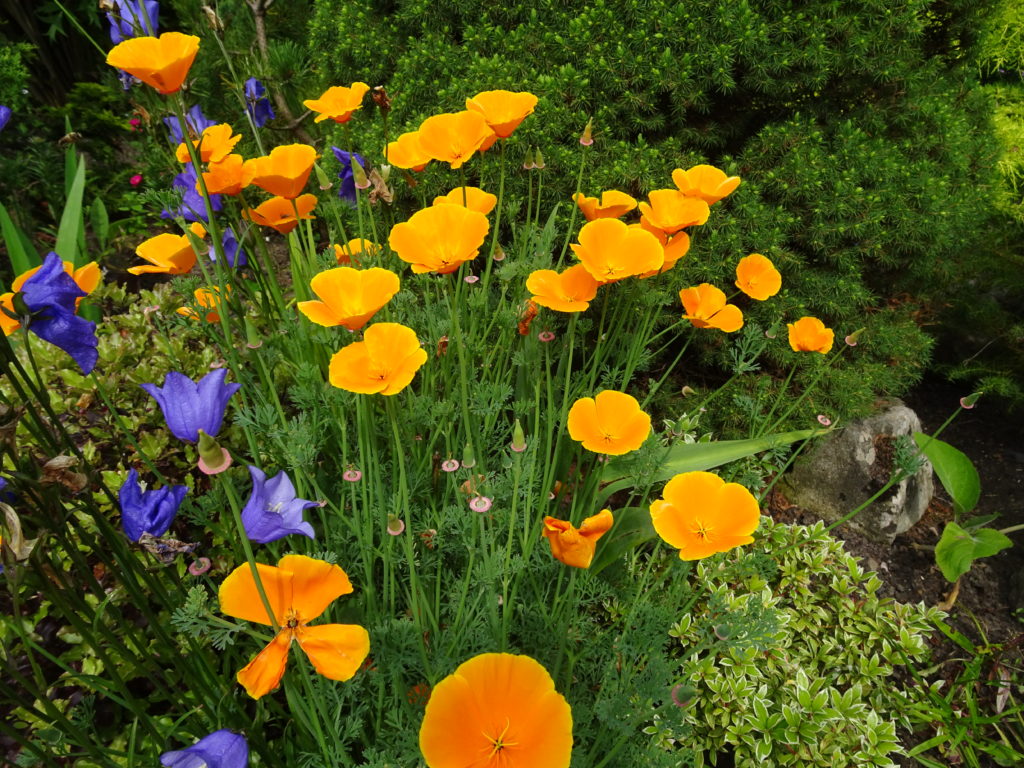
I like a brash colour in the garden and you can’t beat my favourite annual Californian Poppy. Eschscholzia californica is a bit of a mouthful but Californian Poppies and their family are well worth the effort.
Californian Poppy
The Californian poppy is an easy to grow hardy annual, which thrives in well drained sunny positions.

Growing Eschscholzia Tips and Hints.

  • Eschscholzia doesn’t like being transplanted at all, so it is best to sow in open ground. Eschscholzia have long soft tap roots that are easily damaged so take great care if you have to transplant them.
  • The main criteria for growing the Californian poppy is a well drained soil and sunny exposure.
  • Eschscholzia doesn’t need feeding and can thrive in the thinnest of soils. Gravel gardens are ideal.
  • They can be sown in October or early spring.
  • If they enjoy the conditions of your garden, it will freely self seed; it can even become a little invasive, although it is fairly easy to weed through just a light raking.
  • It is worth thinning the seedlings so that individual plants become stronger.
  • Read More Read More

Pinch these Pinching Out Tips

Pinch these Pinching Out Tips

Annuals, shrubs, fruit and flowers can all benefit from a bit of pinching out.
may12-049

Pinch out for Shape

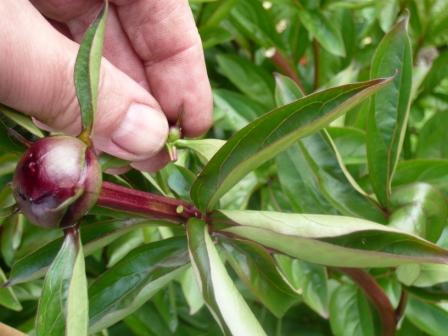
I am still nervous about pinching out the growing tips of plants but I am getting better. You want your plants too look good and perform well and sometimes nature benefits from a bit of help. Your aim is to channel energy where and when you want it. So try it by using your fingers to pinch out the growing tip(s) or stalks and branches you don’t need.
One idea behind pinching out is to get the shape of a plant right – we are happy to prune a shrub to get the right shape . In extreme cases we pollard or pleach trees to control unwanted growth and encourage growth where we want it. So why not shape a soft plant like a Pelargonium (Geranium) or wallflower that you want to be bushy.

Pinch out for Flowers or Fruit

Colourful Coleus Tips

Colourful Coleus Tips

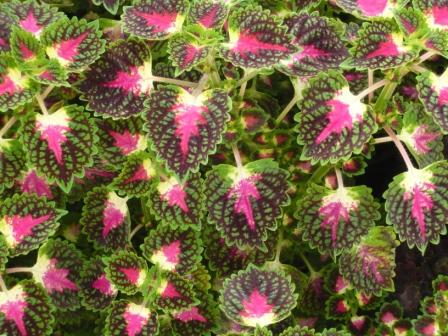
Get with the Coleus plan for colour and texture. Keep frost free this winter and enjoy vibrantly coloured leaves.

coleus-1

An astonishing range of brilliant foliage colours and forms are available from Coleus plants. The red leaved ‘Scarlet Poncho’ has a thin green outer edge or there is the Fiery Red of ‘Molten Lava’. Textured leaves are an added attraction.

Top Ten Tips for Great Coleus

  • Sow from seed annually and plant outside when all frost has gone. Coleus are not hardy.
  • For bold effects when planting look for Coleus varieties in separate colours but if you use a seed mix look out for a form and colour you like and want to keep.
  • When plants are 5 inches high pinch out tips to encourage side branches to develop. Then pinch out again when branches reach a similar length.
  • Coleus make good house plants like the specimen above and can be kept over winter. Cut plants back to half size to encourage new growth several weeks before potting up to bring indoors.
  • Read More Read More

Crocus Tommasinianus Ruby Giant

Crocus Tommasinianus Ruby Giant

Look around this autumn for Crocus bulbs/corms but include smaller species varieties in your search

Species Crocus

  • Crocus tommasinianus (‘Ruby Giant’) is virtually a species Crocus. The bulbs tend to be smaller than many other Crocus varieties, especially from £1 shops!
  • Specie Crocus are available in a vast range of varieties and colours. From pastel shades to vibrant blues, violets, yellows or creams.
  • Chrysanthus are one of the more popular and prolific species.
  • Sieberi includes the triple coloured Tricolour in Yellow, white and lilac blue.
  • The sophisticated little flowers open wide wherever they receive full light in late winter and early spring.
  • They are popular for naturalising and with early pollinating insects as they have an earlier flowering time.

Ruby Giant Growing Tips

  • Ruby Giant crocus is a large flowered variety producing elongated purple flowers in March/April.
  • Plant from August until December.
  • Bulbs or corms should be planted 5-8cm deep and 10 cm apart.
  • Ruby Giant grows a bit taller than many Crocus to around 10-15cm tall.
  • Flowers are purple with a lighter center when the petals are open.
  • This variety is not too attractive to squirrels but nothing is certain.
  • Ruby Giant is a great naturaliser that spreads gently and even grows well in open woodland sites.

Pollination crocus

Read More Read More