Browsed by
Category: Flowers and Plants

Annual, perennial and interesting flowers with advice on culture, information, tips and recommended varieties

Data Base Plant List

Data Base Plant List

Book Cover

Claiming to be the ultimate guide to plants and where to find them the new edition of the RHS Plant Finder 2012-2013 is now available from amazon.

Data Base Plant List

  • The internet has far wider reaching data bases of plants if you care to search.
  • The Plant List is the most comprehensive I have yet discovered.
  • 2011-2020 is the United Nations decade of bio-divesity and they sponsor ‘The Plant List’

The Plant List Data Base

  • The Plant List is the result of a collaboration between the Royal Botanic Gardens Kew and Missouri Botanical Garden
  • The Plant List provides the Accepted Latin name for most species, with links to all Synonyms by which that species has been known.
  • The Plant List aims to be comprehensive for species flowering plants, conifers and ferns. It also covers Bryophytes or mosses and liverworts.
  • The Plant List contains 620 plant families and 16,167 plant genera that currently includes 1,040,426 scientific plant names of species rank. Of these 298,900 are accepted species names.

Other Useful Plant Data Bases

Perennials for The Seaside

Perennials for The Seaside

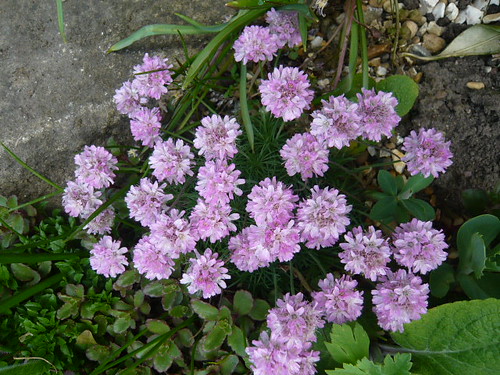
Thrift

Perennials that tolerate coastal conditions are hardened to a salt ladened atmosphere and blustery wind. It is still prudent to place delicate specimens in some shelter from the worst of the conditions. Perhaps that is why so many successful seaside perennials are mat or carpet forming plants.

Perennials for The Seaside

  • Erigeron glacus is not called the Seaside Aster for no reason. Hunt out these clump forming daisy plants such as variety Elstead Pink.
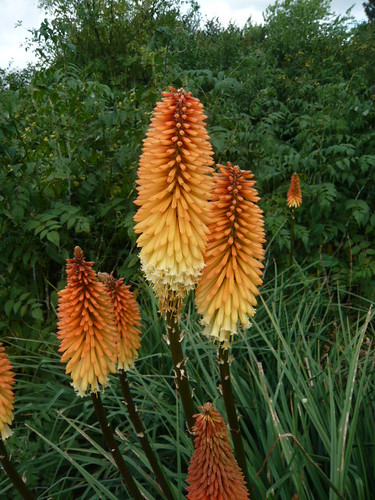
  • Knipfolia or Red-Hot Poker Royal Standard form clumps of sword like leaves and spikes of flower red turning to yellow. They do not like freezing winter conditions so cover the crowns if the plants are in the north of the UK.
  • Osteospermum jucundum are another daisy that is covered in cerise flowers during a seaside summer.
  • Centranthus ruber or Red Valerian is like a weed in my garden but the flowers are long lasting
  • Anthemeis is a reliable daisy flowering cream to yellow above silver grey foliage.

Red Hot Poker

Ground Carpeting Perennials for The Seaside

  • Armeria maritima Thrift or the Seapink
  • Carpobrotus edulis is an easy-to-grow succulent for seaside groundcover.
  • Eriogonum umbellatum is a herb also known as the sulphur flower.

Anthemis

Other Perennials Tolerant of Coastal Exposure

  • Agapanthus ASfrican lily
  • Allium christophii
  • Centaurea cineraria
  • Eriginum various species
  • Oenthera odorata
  • Phormium cookianum
Botanic, Species and Small Tulips

Botanic, Species and Small Tulips

Tulip

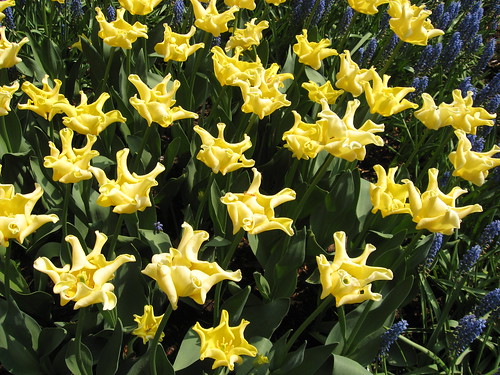
In 1592 Charles de l’Ecluse planted the first tulips in the sandy Dutch soil, where an enormous bulb industry now produces more than 2 billion tulips a year.

botanic tulips

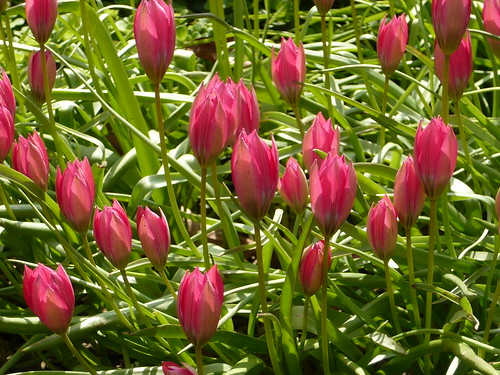
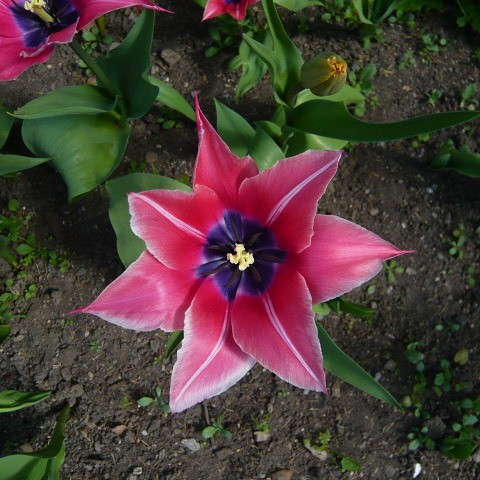
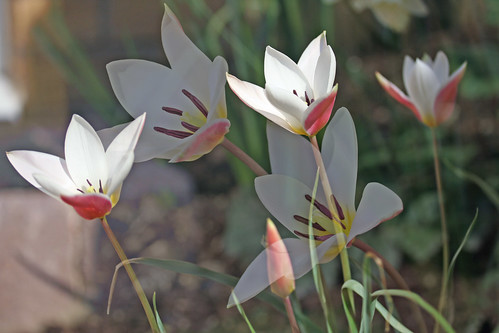
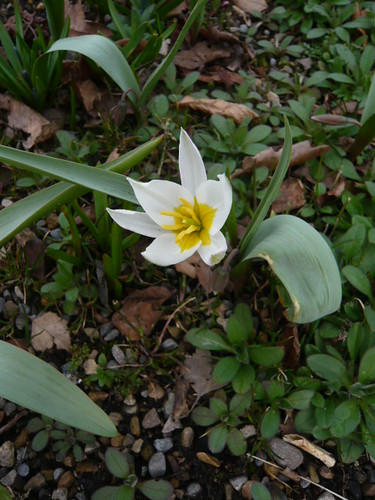
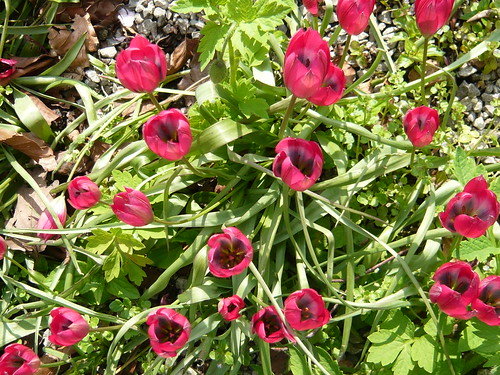
There are 100+ species of Tulip most of which are small, delicate and usually less than 8 inches tall.

Tulip

There are 15 divisions or classes of tulips plus a section for multiflowered tulips.

Tulips

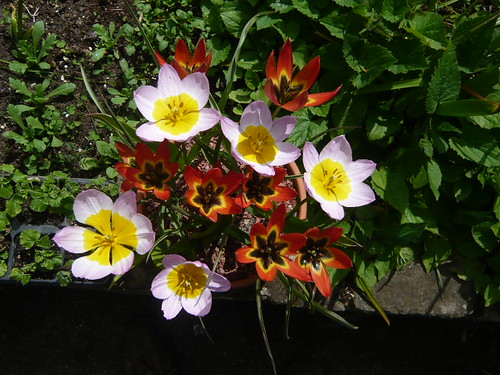
Small flowered botanical or species types such as Tulipa tarda, Tulipa batalini, Tulipa marjoletti and Tulipa acuminata should be planted in autumn before other tulips.

Tulips
Species Tulip are also sometimes called Botanical Tulips. Most are small. Some are tiny. Many, given the right conditions, will spread like wildfire.

Tulip species

Sources
Tulips by ComùnicaTI, on Flickr
Tulips by Xerones, on Flickr

Tulip
Tulipa batalinii ‘Red Gem’ growing under the castle wall at Clitheroe Lancashire

Dionysia Background to the Plants

Dionysia Background to the Plants

Dionysia

Dionysus was the son of Zeus and the Greek god of fertility and wine.
The Greeks need all the help they can get at the moment. Lending one of their gods to the name of these small cushion plants is a form of reciprocation I suppose.

Dionysia monika

Dionysia Background to the Plants

  • The plant genus Dionysia has around 50 known species
  • Dionysia are found in the high mountains of Iran and Afganistan.
  • Dionysia species grow on limestone under overhanging rocks or in crevices.
  • Plants prefer to face south to encourage flowering.
  • Dionysia is in the family Primulaceae.

Dionysia

Study More Background on Dionysia

  • Dionysia curviflore tapetodes a species covered on Gardeners tips
  • There are lots of photographs on Dionysia 4 You
  • The Genus Dionysia, written by Chris Grey-Wilson and published by the Alpine garden society.
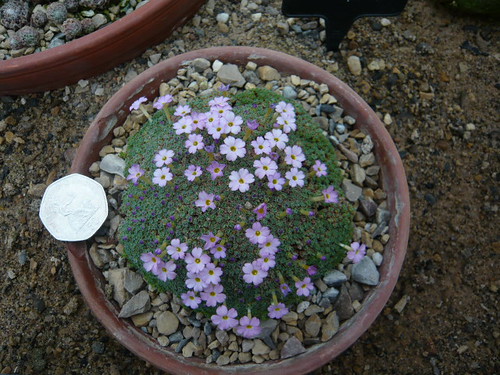
  • According to Kew ‘One way that alpine plants and Dionysia can cope with their harsh mountain environment is to form a low mound or cushion, hugging the stony ground or clinging to cliffs’
  • The Plant List details 66 scientific plant names of species rank for the genus Dionysia. Of these 54 are accepted species names by WCSP the World Checklist of Selected Plant Families.

Dionysia curviflora

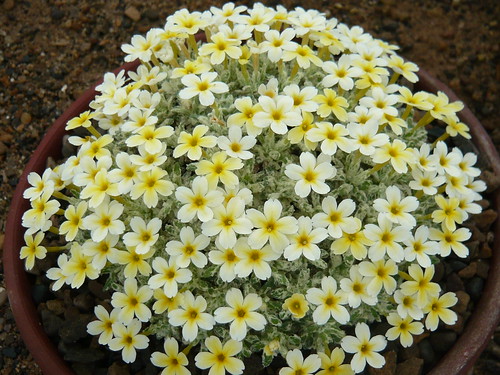
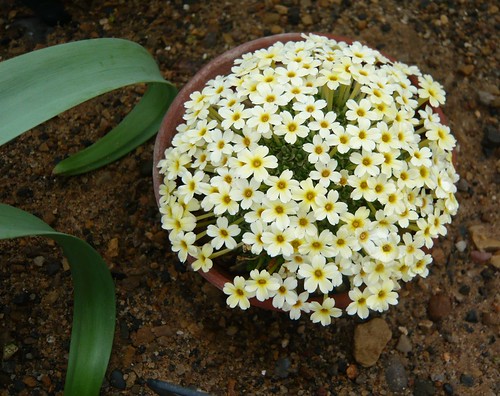
Dionysia are not easy to grow well but the mass of flower is very rewarding if you get the conditions just right.

Dionysia curviflora x tapetodes
Dionysia curviflora x tapetodes by Kew on Flickr CC BY-NC-SA 2.0
Dionysia curviflore tapetodes & other Dionysia

Mulch around Red Shoots of Spring Peony

Mulch around Red Shoots of Spring Peony

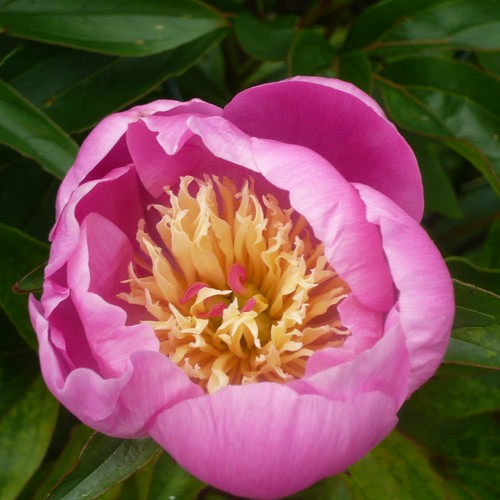
Peonie

A four foot square clump of plump new peony shoots were highlighted at Kew Gardens by the grey, gravel mulch around them. I have not suffered from slugs on Peonies, nor have they had problems with rotting, so I do not put gravel around my plants. However if it is OK for Kew then I guess it is OK for me. At least it would be a decorative improvement on my bare soil.

Ask two gardeners about mulch and you will get three answers. For example when asking about mulching Peonies I got these answers ‘Three popular choices are straw, compost or dry leaves.’ ‘Some popular spring mulches are shredded bark, pine nuggets or straw.’ So no gravel there then!

Planting too deeply may prevent the peony from flowering, they do better for a bit of frosting on the crown apparently. Peonies can live for over 50 years and mine flower just fine so I am leaving things as they stand ie. very occasional autumn mulch when the compost heap has generated compost to spare .

peaonie

Tips Prior to Mulching

  • Remove any weeds that are growing near the peony shoots or stems. Weeds take water and nutrient and look bad.
  • Fertilise in spring with a dry compound like growmore.
  • Fertilise again in autumn with a potash based feeder.
  • Remove ant rotting vegetation that may harbour fungus or disease.
Contribute to National Gardening Week

Contribute to National Gardening Week

Crocus r us

The Royal Horticultural Society (RHS) has come up with a new wheeze to be launched for 2012. The National Gardening Week will take place from 16th April to 22 April 2012. You can contribute your skills, cash or enthusiasm if you wish.
Not surprisingly National Gardening week is warmly welcomed by the Horticultural Trades Association (HTA) whose members will be looking to benefit your garden and their bank balances.

Early Ideas for National Gardening Events

  • Make your contribution to National Gardening Week by spending early.
  • A Compost Clinic will help with other green initiatives and solutions.
  • Gardening clubs, societies, schools and local organisations are encouraged to participate and arrange special events.
  • RHS will offer a ‘Border-Boosting service’ giving 6 tips and ideas based on a photograph of your garden.
  • Contribute to the Facebook question time sessions that will be supported by scientists and gardeners from the RHS
  • RHS ‘will also be offering 20,000 starter packs with seeds, organising a career day at all four of its gardens and holding masterclasses, including a workshop on seed raising.’

Get Ahead of the Game for 2012

  • Plan early and tidy up your own patch. There is a lot you can do just by adding or changing one garden feature.
  • Start with one item that you can use to Shock and Awe from the start of April. Bulbs would fit this bill in large drifts or containers and window boxes.
  • Rhododendrons and Azalea are currently growing their buds for spring’s big show. Give them a boost of liquid feed and keep the soil moist.
  • Alpine gardens look their best in Spring. Check out your lay-out of rocks, top up grit levels and generally tidy the area now to avoid needing to do so later.
  • If you are stuck for Christmas or birthday presents what about Garden Tokens from HTA. Then you will have money to spend during National Gardening Week.

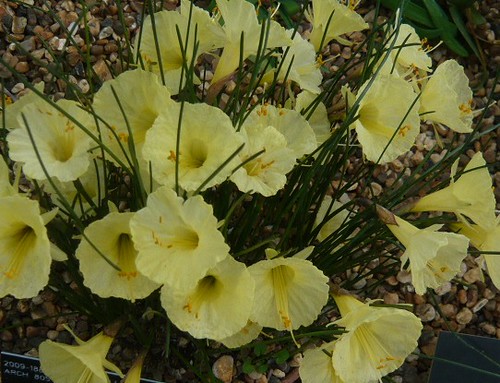
Narcissus romieauxii

More information from the RHS

To join in, please email the RHS at [email protected] telling them who you are and how you would like to get involved with National Gardening Week.

Garden Tokens from HTA

Must Do Contributions During National Gardening Week

  • Do not forget to enjoy your garden.
  • Visit other spring gardens and join in events organised for National Gardening week
  • Invite folk to see the results of your contribution to National Gardening Week
Sensual Scented Tulips

Sensual Scented Tulips

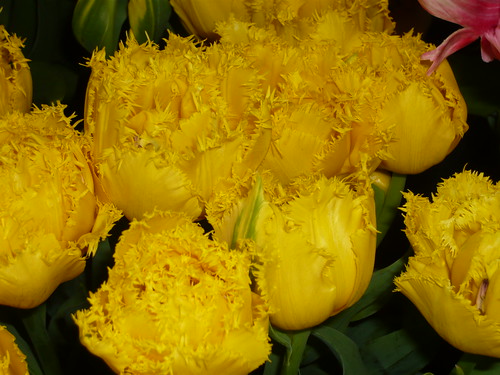
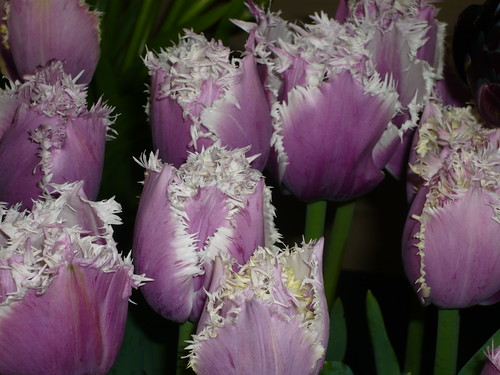
Fringed tulip

You do not always associate Tulips with fragrance but here is a selection that may be worth trying.

Tulips do not need to be planted until November but if you want specific varieties it may be worth getting your order in sooner rather than later.Now is the time to check what is flowering well in your area and select you favourites. I have receive  bulb catalogues in July and the newspaper had a special offer this morning on lily flowers tulips. If you can’t get to a specialist nursery try mail order as your bulbs will be supplied at the right time and in good condition.

Scented Botanical or Species Tulips

  • T. aucheriana rich sweet flowers open flat
  • T. celsiana Persian tulip June blooms delicious scent
  • T. gesneriana scarlet flowers sweetly scented
  • T. primulina primrose yellow flowers smelling of lily of the valley
  • T. saxatillis lilac flowers with primrose scent
  • T. suaveolensscarlet scented blooms
  • T. sylvestris Lemon-yellow with sweet perfume
  • T .fragrans pronounced scent as you would expect with a name like that

Fringed tulip

Other Fragrant Tulips worth Considering

Double tulips which can be planted in pots or near a door :

  • Marquette
  • Mme Testout
  • Murillo
  • Schoonoord
  • Tea rose

Peonie flowered Sensual Scented Tulips

  • Angelique a white tinged pink
  • Upstar series
  • Orange Princess
  • Yellow Mountain

Lily flowered and Parrot Tulips

  • Ballerina yellow flowered
  • Ellen Willmott
  • La Merveille
  • Black Parrot
  • Orange Favourite
  • Prince of Orange
  • Demeter Victory Late flowering White

Read about the Reasons & Varieties of Tulips to order

Here is a selection of sensual scented Cut Flower Tulip varieties

For the visual senses try Green Tulips

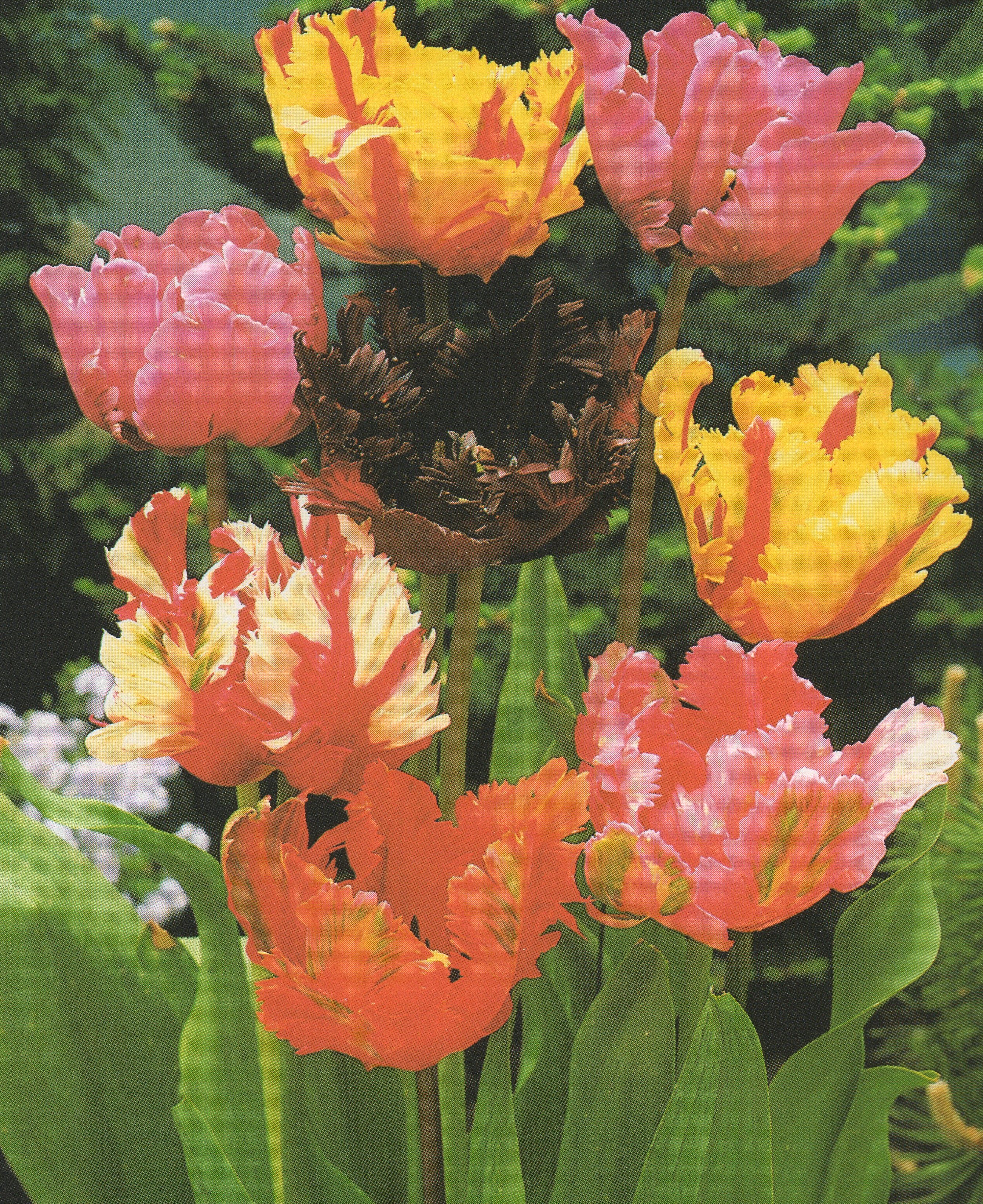
Parrot Tulips

Three Top Seasonal Seedlings

Three Top Seasonal Seedlings

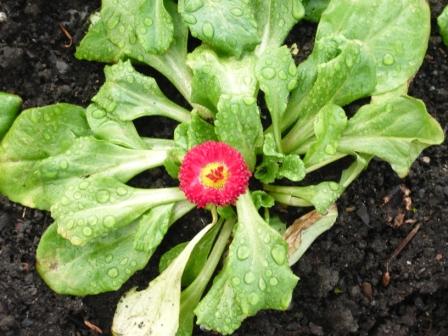
bellis Perennis

Plants can go in to your borders or patio pots now for an early spring show and a bit of early colour. My choice would be from Winter Pansy, Polyanthus and the Red, White or Pink double daisy shown above Bellis Perennis.

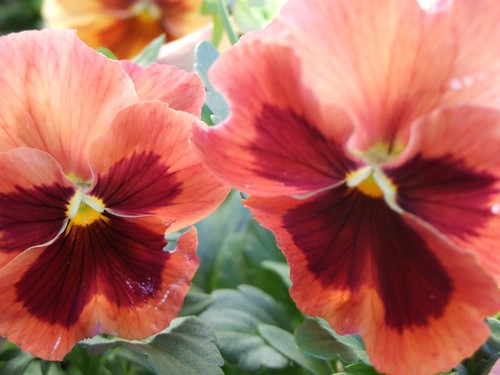
I bought some ‘Red Pansies’ from Morrisons but they are not flowering anything like those below. Mine are so dark maroon that they are almost black.

Winter Color #3

Plant now for Spring Colour

  • If you haven’t grown your own plants from seed buy them from a nursery where they should have been hardened off a bit.
  • If buying from  a supermarket get them used to outside conditions and give them some protection or cover in bad weather for a few days before planting out.
  • Pick a day when the ground isn’t frozen.
  • If it is dry for long periods give the plants some water. (Not a problem in Bradford above)
  • Generally it is too cold for pests but slugs and aphids may make an appearance when it gets warmer.
  • All these plants can flower through winter but should get stronger as the snows disappear after February

Primrose 048

Credit
Winter Color #3 by sirwiseowl CC BY-NC-ND 2.0

Buy Daisies and other seeds at Thompson & Morgan

Lime Free Loving Perennials

Lime Free Loving Perennials

Only a few Lime Free Loving Perennials exist in our gardens. Those that do have often come from Asia or North America.
The plants selected below like moist peat in summer or a raised bed with rock and peat.

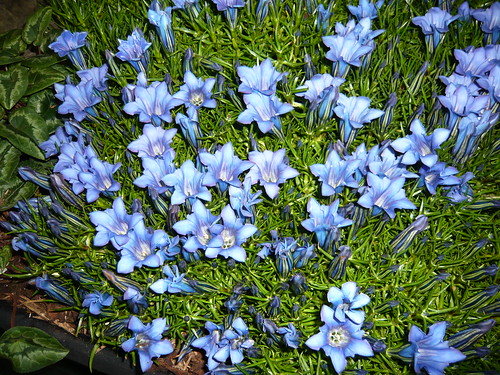
Gentian

Gentian for a mass of true blue trumpet shaped flowers. Originally gentians hail from mountainous regions with acidic soil.

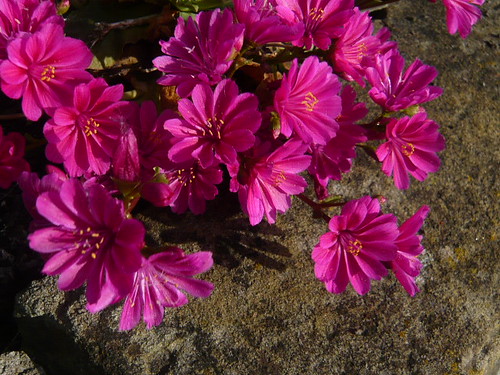
Lewisia

Lewisia has been bred to produce colourful Cotyledon hybrids. They are evergreen with rosettes of strap shaped leaves.
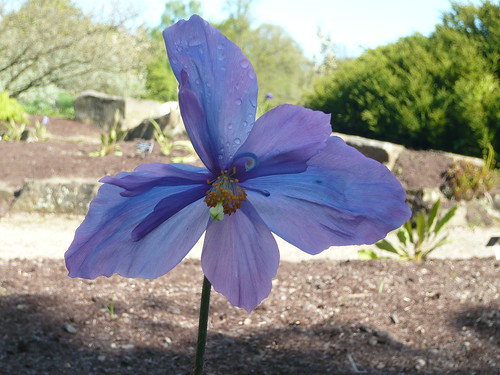
Meconopsis

Mecanopsis betonicifolia or the Blue Poppy grow well in the moist Scottish peat areas so gardeners looking for tips should follow nature.
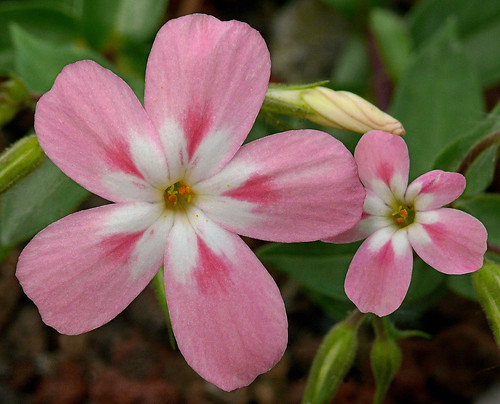
Phlox adsurgens #1

Phlox species adsurgens and stolenifra are pink and white and work well together in the garden. They both make evergreen mats in humus rich well drained soil.
False Solomons Seal - Smilacina..racemosa or stellata..........?
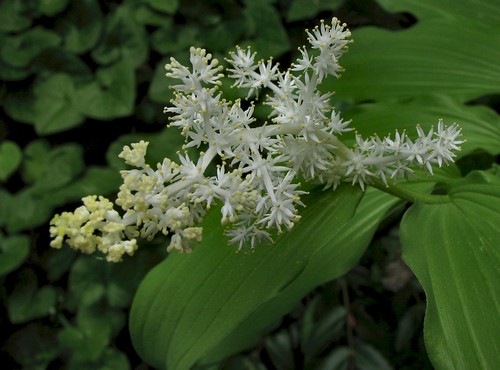
Smilacina racemosa or False Spikenard has plumes of white flowers and attractive foliage in spring and summer.

Where to See Lime Free Loving Perennials

  • Many ferns dislike lime read about our selection
  • Himalayan gardens are often a good place to see lime haters.
  • Gardens that have good collections of Azaleas, Camellias and Rhododendrons have the right conditions for these perennials.

Credits
Phlox adsurgens #1 by J.G. in S.F.CC BY-NC-ND 2.0
False Solomons Seal – Smilacina..racemosa or stellata……….? by Pictoscribe CC BY-NC-ND 2.0

Gardeners and the Woodland Trust

Gardeners and the Woodland Trust

In the woods

Woods and trees are vital some would say with hyperbole, essential to life. ‘They have a myriad of different benefits for both wildlife and people. They stabilise the soil, generate oxygen, store carbon, play host to a spectacular variety of wildlife, provide us with raw materials and shelter, inspire our imaginations and our creativity.’

UK Woodland Facts

  • Since 1930 almost 50% of the UK’s ancient woodland has been damaged or destroyed.
  • 85% of remaining woodland has no protection from further exploitation.
  • The Woodland Trust cares for over 1000 woods that are freely open to the public. They have had to fight 310 legal cases over the last 10 years.
  • The UK is the least wooded country in Europe with only 12% woodland. This is despite the woodland trust planting 13 million trees.

Free Trees

  • The Woodland Trust has a range of free tree packs available to schools, youth groups and communities.
  • Plant your tree for the Jubilee and bring your community together to plant free trees from the Woodland Trust. A chance to grow your own food, create new homes for wildlife and bring beautiful autumn colour to your local area.
  • Apply now for the chance to receive a free pack to plant in November 2012 as part of our Jubilee Woods project.
  • The Woodland Trust

Main Woods Owned or Protected by the Trust

  • Blackbush and Twenty Acre Shaw wood.
  • Denge Wood and Dering Wood- Kent
  • Dolebury Warren – North Somerset
  • Folke Wood – Dorset
  • Heartwood Forest – Hertfordshire
  • Joyden’s Wood – Kent
  • Oxmoor Copse – Surrey
  • Paradise Wood – Oxfordshire
  • Skipton Woods – North Yorkshire
  • Staffhurst Wood – Surrey
  • Uffmoor Wood – Worcestershire
  • Wychwood – Oxfordshire
  • Lake Wood
  • Glen Finglas Estate – the Trossachs
  • Brede High wood near Battle Sussex

Credits

In the woods by JR_Paris CC BY-NC-ND 2.0
Vincent Wood by the.approximate.photographer CC BY-NC-ND 2.0

Vincent Wood

Book Cover
A Walk in the Woods: Exploring Britain’s Greatest Woodland by Archie Miles