Browsed by
Category: Articles

Gardening articles that may not include tips

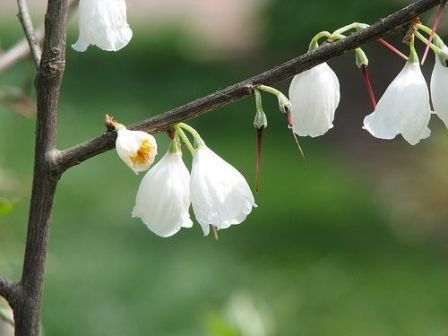
Silverbells and Snowdrop Trees The Halesia
Silverbells and Snowdrop Trees The Halesia

snowdrop-tree

Attractive trees from the  Halesia species are commonly called Carolina Silverbell, Snowdrop trees or two winged Silverbells. They have a magnificent spring display and are attractive choices for gardens of all sizes. The foliage turns golden yellow in Autumn and the fruit are are bright green maturing too red-brown through Winter. Except as noted below trees seldom exceed 30 feet tall.

Halesia Cultivation.

  • All varieties are decidious trees or shrubs that flower in spring prior to leafing. The winged fruit are attractive reasons for growing Halesia.
  • Halesia flower more profusely and grow more vigorously if subject to high summer temperatures.
  • Halesia may be hard to transplant but small specimens re-establish themselves if planted in late winter or early spring.
  • In a natural habitat with broken soil and a cold winter the seeds germinate well.
  • Individual stems of H. tetraptera are naturally replaced from new shoots at the base.
  • IHalesia prefer an acid soil and like most plants from the Appalachians prefer a moist, well-drained humus rich soil.
  • This is a perfect tree for shady corners or set off against a dark background as a specimen tree.

Halesia Species

  • Halesia carolina from eastern North America also called H. parviflora Little Silverbell or H. tetraptera the Carolina Silverbell. This is the most freely available in the UK whilst H. parviflora is less known.
  • Halesia tetraptera Meehanii is a 10feet high shrub with small but profuse white spring flowers. For larger flowers try Wedding Bells
  • H. diptera is thedistinguished from the other Halesia by its two-winged fruit, the other taxa all have four-winged fruit. The variety magniflora has more significantly dramatic blooms prior to leaf formation. If I was choosing just one varoiety this would be my choice.
  • Halesia monticola or Mountain Silverbell has specimens up to 100 feet tall known in the Great Smoky Mountains National Park and is the tallest species. The crollas can be 12 inches long and the tree can be used in large landscapes. A pink flowered variety exists Arnold Pink and others are sold as Rosea or Vestita.
  • The second-largest is H. macgregorii, reaching 75 feet in Chinese mountains. The others Halesias rarely exceed 10 m tall.

Acknowledgments  R Darke and Plantsman RHS. and H G Hillier
Pieris japonica Portraits

Pieris japonica Portraits

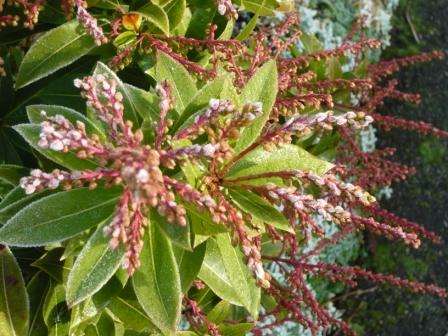
An early stunner the Pieris shrubs are amongst my favourite Japanese inspired plants.

Pieris japoninca

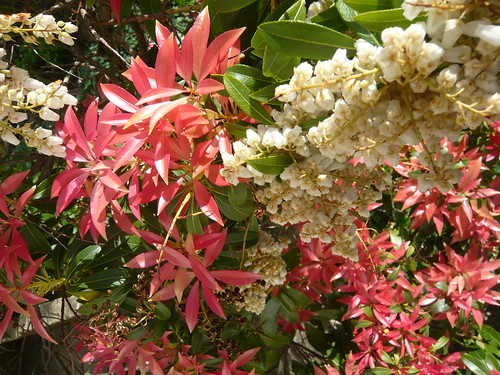
Pieris japonica or the lily of the valley bush is one of my springtime favourites.
The clusters of small, bell shaped flowers arrive at the same time as the young, new red leaves in April.

A favourite shrub this Pieris provides colour and scent from the flowers in winter. I spotted this at the beginning of December and expect the flowers to last until February. Eventually the blossom will be replaced with the famous bright red showy leaves that have rightly made the Pieris much sought after.

Tips and Hints for Great Pieris

  • Pieris are happy in light shade. If you place them near paths you will get the scent from the drooping winter flowers early in the new year but allow space for the plant to grow. This years December blossom is very early for the north of England
  • Pieris are ericaceous shrubs loving the same slightly acid soils preferred by Camellias, Rhododendrons and Azaleas.
  • Prune or deadhead after flowering but take care not to remove new leaves which are a delight and the main reason for growing Pieris
  • There are two main species the Pieris japonica and the Pieris Forrestii. I grow the Forest Flame and Katsura hybrid.
  • Leaves start a bright strong red and mature to green making a startling sight.
  • If the leaves tend to yellow and appear sickly it is because of alkaline soil and an ericaceous feed and a peat mulch would help.
  • The shrub is slow growing but may reach 8 feet. However it is still useful under larger trees if it can get good moisture.

Read More Read More

The Edible Yellow Garden

The Edible Yellow Garden

They are not called Lemons and Oranges for nothing. As a project I have been considering creating a colour themed garden. The thought of being able to eat the yellow produce has led me to a series of plant discoveries and fresh ideas.

pepper

Vegetables In Yellow

  • Tomatoes would be my first choice as there are many yellow or gold varieties to select from. Yellow Debut F1, Gold Nugget and Lemon Boy are cherry toms. Banana Legs is descriptive of the long, pointed, yellow, determinate tomato good for slicing on salads. Larger Yellow tomatoes include Golden Sunrise, Yellow Perfection and Garden Peach.
  • Yellow beans are available as Sonesta or Hildora varieties.
  • Courgette Gold Rush is a reliable FI hybrid and Sunburst Scallop is a favourite squash. Butternut squash is closer to light  brown than yellow in colour.
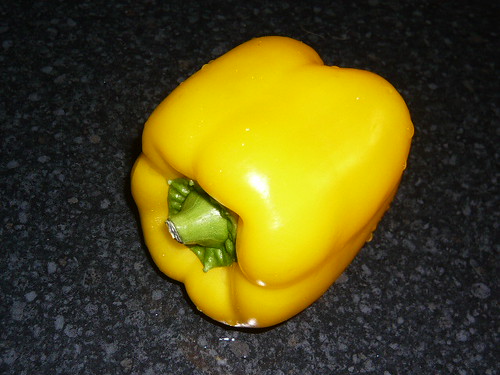
  • Hot peppers like Hungarian Yellow Wax matures to red but Sweet peppers like Early Sunrise and Golden Bell start and stay bright yellow.
  • Swiss Chard has some powerful yellows but the seeds are often sold in mixed colour packets but look for Leaf Beet Bright Yellow.
  • Sweetcorn minipop is harvested before pollination so doesn’t need to be sown in blocks. Other sweetcorn is a top yellow vegetable.
  • Carrots and Onions with the name yellow in the title haven’t appealed to me but you may wish to consider them.

Yellow Edible Flowers

  • Several garden flowers are edible including nasturtiums, pansy and  daylilies. They are useful as they can decorate a mixedsalad
  • Shungiku is the edible chrysanthemum with yellow flowers.
  • Read More Read More

Pak Choy Choice Salad

Pak Choy Choice Salad

Pack your plot with Pak Choy
pak-choy

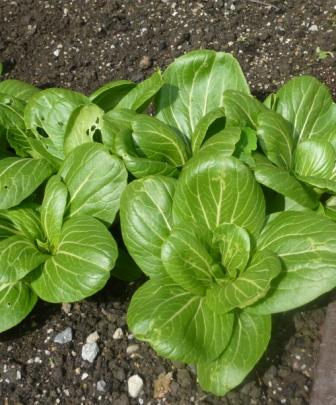
Pak Choy was one of the vegetables most in view at Chelsea last year. The regular shape and decorative leaves help create a formal structure to vegetable planting. There are also new varieties coming on the market including one with long stems (not bolting stems) that can be eaten as pick and come again vegetables.

Growing Tips for Pak Choy

  • Green Pak Choy, Bok Choy, Chinese Mustard, Celery Mustard, Mustard Cabbage and other recommendations below are available from Nickys seeds or Thompson Morgan (50% seed sale till June)
  • Read More Read More

First Flowers of Spring

First Flowers of Spring

Spring sprung early this year and then lasted and lasted. Many are now faded and just a happy memory. Get your cameras in use to record what plants are where and how good they looked.
IMG_3667

You never tire of seeing the first snowdrops of the year.

IMG_3670

Winter aconites (Eranthis hyemalis) are also amongst the first spring bulbs giving a lovely dash of yellow.

IMG_3666

Both winter aconites and snowdrops do well in shady positions such as under trees. They are relatively low maintenance and once established can spread left to their own devices.

Read More Read More

Dahlia History and the Blue Dahlias

Dahlia History and the Blue Dahlias

Wish List

Today’s hybridisers are still seeking the true blue Dahlia. We would also like one with a scent and if it was frost hardy that would be a triple bonus but then again it may not be a Dahlia at all. If you want to name a variety you have selected and grown yourself the National Dahlia Society publish the rules for naming and the register of existing names is maintained by the RHS.

Dahlias a History

The National Dahlia Society publish a history of the Dahlia from which the excerpts below have been taken

Read More Read More

Fronds Found in Yorkshire

Fronds Found in Yorkshire

yorkshire-december

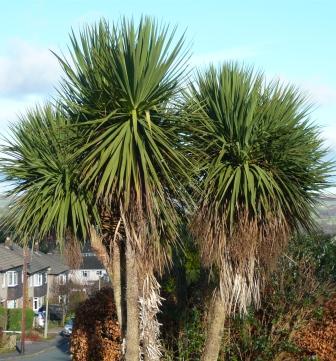
Is this Maderia or Yorkshire?  Are they Palm trees,  stonking great Yuccas or something else?
The houses in Menston, Yorkshire with the Wharfedale scene on the horizon gives the game away, it is not a photograph of exotic climes. This just shows what can be achieved in a another English garden. The copper beech hedge, still to show leaf colour, is more normal in these suburban gardens.

Whilst these tree specimen are now about 20 foot tall there are many tropical transplants that have been surviving in our gardens. After a mild winter with little snow or hard frosts it will be interesting to see what damage if any has been done. The worst I have noticed is the bent conifer branches due to snow, poor Camellias and the burnt edges of the young Choysia leaves.

At the moment I can’t do anything about it due to the snow covering that is keeping the tender plants under a blanket sheltered from artic winds.

Roll on late spring when the Yorkshire moors will be covered in heath, heather and ferns.

More Space for More Crops

More Space for More Crops

new-picture-2

Gardening will help in the war against economic recession. These tips give you some ideas how to increase the area you cultivate and the number of crops you can grow even if your garden space is restricted.

More Growing Area for a Small Garden

Grow Bags and Containers

  • Grow bags can be stood on paths or waste land and can be used for many crops like onions, salads, tomatoes or courgettes.
  • Make your own grow bag, if they are too expensive, with ordinary soil in a plastic bag. To help water retention I have used those packets of silica they use to keep electrical products dry.
  • To get a deep grow bag I cut them in two and stand them on there ends for crops I want to cosset.
  • There are a wide range of baskets and boxes that can be fixed to a wall or fence to increase your growing area.
  • You can make a raised bed on hard standing. I have put 10 inches of soil over an old tarmac drive and it is fine for leafy crops.

Read More Read More

Books on Primula, Auriculas and Polyanthus

Books on Primula, Auriculas and Polyanthus

Book Cover
The Primula; Being the Report on the Primula Conference Held at South Kensington, 1886, Together with a Report on the Orchid Nomenclature Conference,

Comment on Primula Books

The internet can’t give you all the knowledge and joy that a book can provide. I am biased as I collect gardening books but am drawing the line at buying books that are digital publications of the Wiki content (sorry I have included one book in this list of books on the Primula family.)
Books and records on the history of plants and how they have been grown, bred and developed can add extra interest for the gardening amateur, professional or obsessional alike.
This is just a list of some of the books in English about Primulas and related species that are available, even if currently out of print.
Part of the fun is adding to a collection via secondhand book shops and I hope to add to this list as I realise other books are in publication.

Book Cover

Primula by John Richards

Primula The Complete Guide by Mary A Robinson shares a fount of knowledge from her nursery in Lincolnshire.

Generic Primula Books

Primulas by Sidney Clapham (1973)
Primulas by A. G Puttock (1957)
Primulas Old and New by Jack Wemyss-Cooke
The Genus Primula In Cultivation And The Wild. by J. J. Halda (1992)
Hardy primulas by H.G Lyall (1959)
Primrose and Polyanthus by Peter Ward
Synoptic Guide to the Genus Primula by G. K. Fenderson
A Plantsman’s Guide to Primulas (Plantsman’s Guide Series) by Philip Swindells (23 Mar 1989)
Primulas of the British Isles (Shire natural history) by John Richards (Jun 1989)
Primulas Of Europe & America. by Smith GF & Burrow B & Lowe D B an excellent Alpine Garden Society Guide
Asiatic Primulas Gardeners’ Guide by Roy Green
‘Primula’ Wikipedia consolidated articles
Book Cover

Auricula and Polyanthus Books

Book Cover
Primroses and Auriculas Wisley Handbook by Peter Ward
The Auricula: History, Cultivation and Varieties by Allan Guest
Auriculas Through the Ages: Bear’s… by Patricia Cleveland-Peck
Auriculas for Everyone: How to Grow and Show Perfect Plants by Mary A. Robinson
Auriculas and Primroses by W.R. Hecker (22 Apr 1971)
Auriculas: Their Care and Cultivation (Illustrated Monographs S) by Brenda Hyatt (22 Jun 1989)
Auriculas by Roy Genders (1958)
Auriculas by Gwen Baker and Peter Ward (5 May 1995)
Alpine Auriculas. by Telford Derek (1993)
Florists’ auriculas and gold-laced polyanthus by C.G Haysom (1957)
The auricula its culture and history. yr. 1898 by George William Johnson (1 Jan 1847)

Book Cover
Auriculas: An Essential Guide (Crowood Essential Guides) by Paul Dorey

Primroses and polyanthus by Harold Charles Taylor (1954)
The polyanthus for garden exhibition and market (Foyle’s Handbooks) by Roy Genders (1958)
The POLYANTHUS : Its History and Culture. by Genders Roy (1963)

I am happy to receive any additions or corrections to this list via the comments section.

Auriculas for Everyone
Mary A. Robinson.
GMC Publications.
ISBN 1-86108-149-9
£14.50 plus £2.50 p&p

Auriculas
G.Baker & P.Ward
B.T.Batsford Ltd.
ISBN 0-7134-7366-5

Book Cover

The Auricula: History, Cultivation and Varieties Allan Guest

Auriculas – Their Care and Cultivation
B.Hyatt Cassell, London.
ISBN 0-304-34070-7

Regal Pelargonium Images

Regal Pelargonium Images

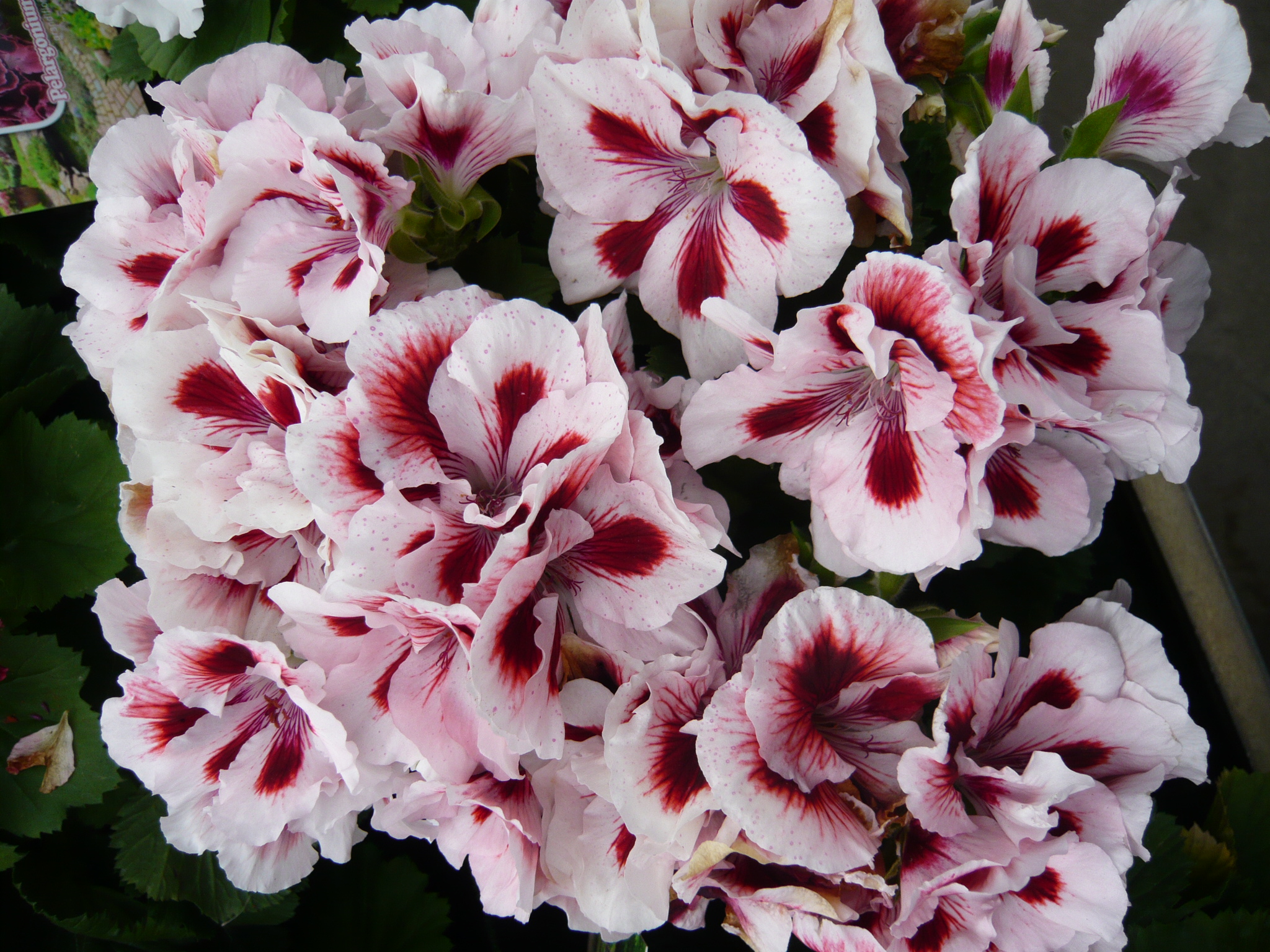
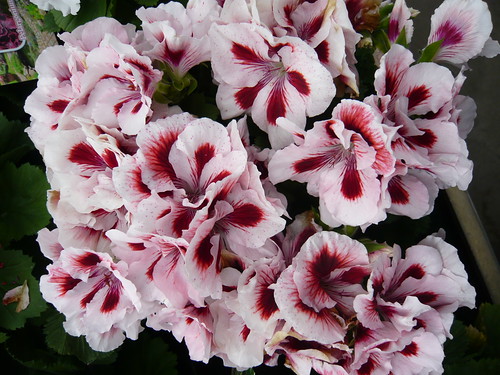
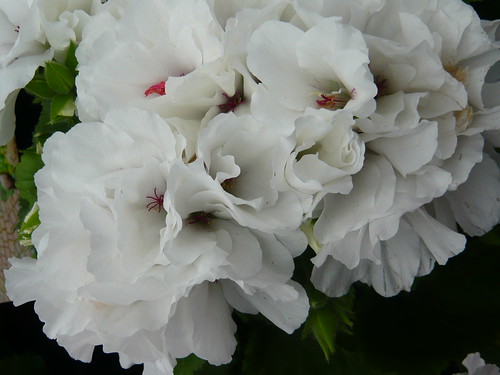
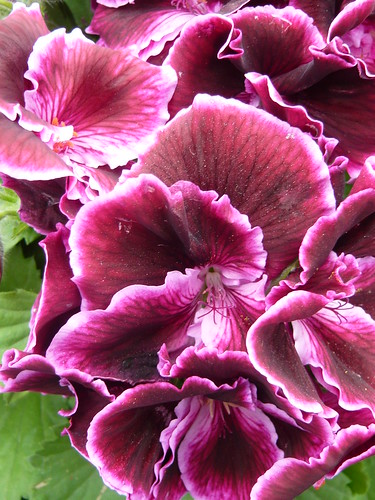
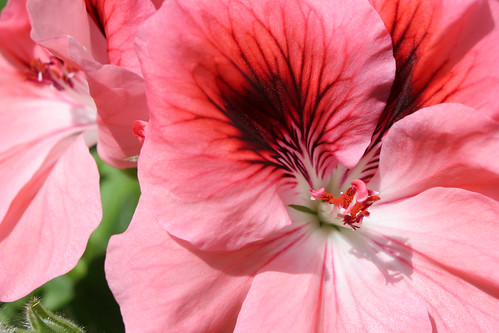
Sumptuous flowers from a houseplant we often call a geranium.
Regal pelargonium

Regal Pelargonium prefer a clay pot and plenty of calcium, so hard water is ideal for watering rather than rain water which will be softer.

Regal pelargonium

Regal Pelargonium do not require as much cutting back and require a slightly higher winter temperature than zonals.

Regal pelargonium

Never allow Regal Pelargonium plants to dry out completely as the roots will seal and blackleg will kill your plant.

Regal Pelargonium Mrs Innes Rogers

Deadhead old flowers frequently and feed regularly with high potash so that they will perform as well as your Zonals.

Pelargonium regal
Growing Regal Geranium Pelargonium

Regal Pelargoniums

Build Your Regal Geranium Collection

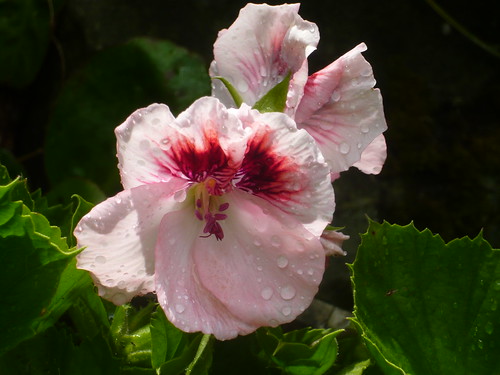
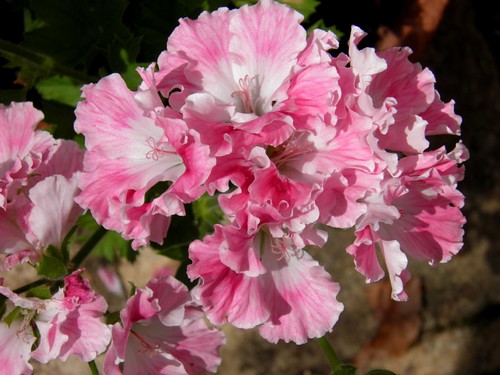
pink regal pelargonium

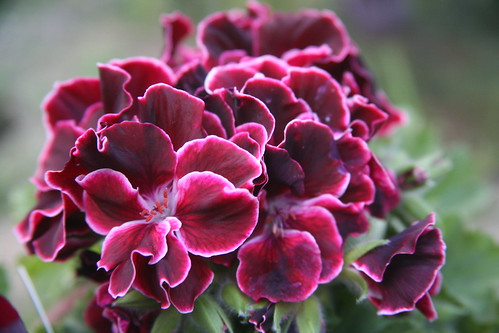
Crimped edges on some petals add to the allure.

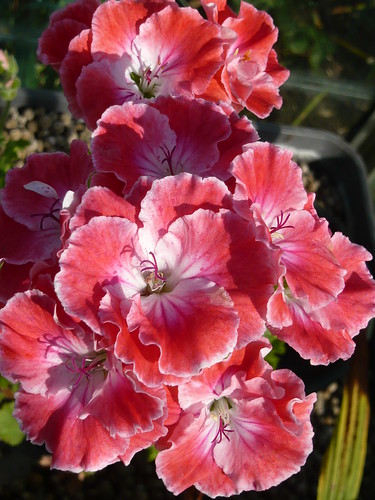
IMG_2434

‘Apparently this is a Regal Pelargonium’ sure is David(ed).

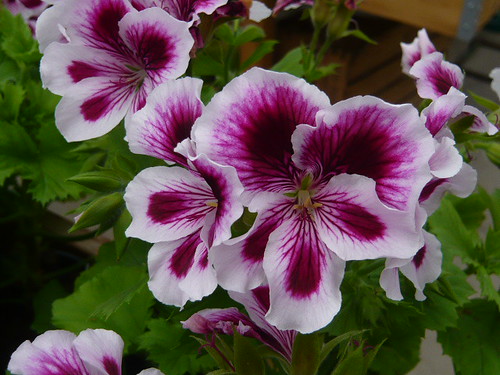
regal pelargonium

Other links and information on Pelargoniums

Top 10 Scented leaved Pelargoniums
Pelargonium Grandiflorum and other ‘Geraniums’
Stellar Pelargonium – Bird Dancer Geranium
Photogenic Pelargonium
The Secret of Geranium (Pelargonium) Cuttings
Growing Regal Geranium Pelargonium
Miniature Pelargonium
Dwarf Pelargonium aka Geranium
Tips for Growing Geraniums (Pelargonium)

Credits
Regal Pelargoniums by Destinys Agent CC BY-NC 2.0
pink regal pelargonium by Chris & Angela Pye CC BY-NC-SA 2.0
IMG_2434 by DavidQuick CC BY-NC-ND 2.0
Swanland Nurseries Pelargonium Cultural tips

Thompson & Morgan supply seeds and plants in season.