Browsed by
Author: hortoris

Growing Your Gerbera Outdoors

Growing Your Gerbera Outdoors

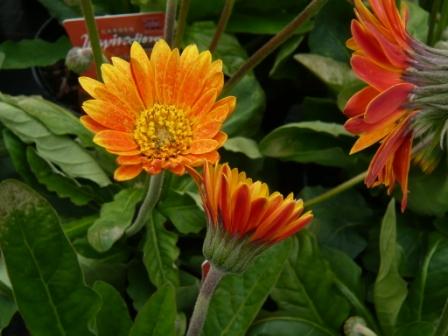
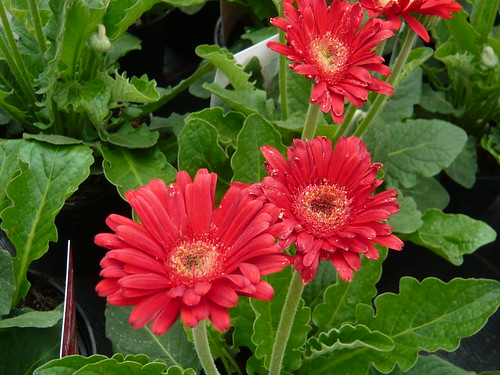
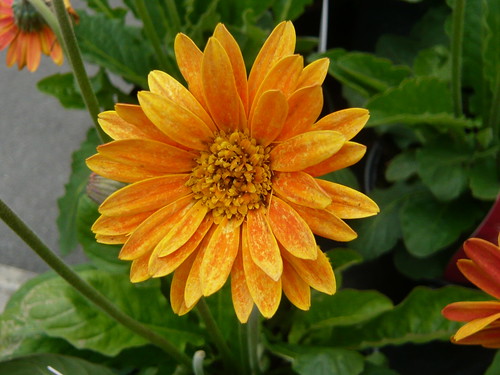
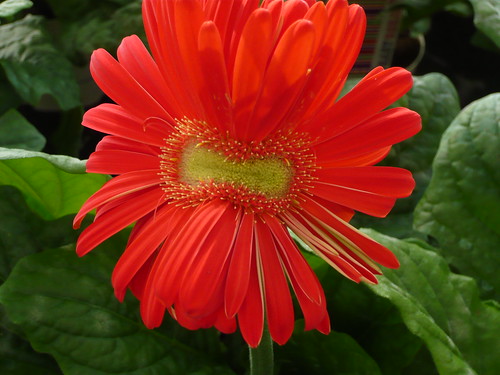
New varieties, aggressive marketing or clever breeding are encouraging UK gardeners to grow Gerberas outdoors. The two photographs below are of plants on sale at a local garden centre.
Beware these outdoor Gerberas do not produce flowers as big or robust as the charming florists varieties of Gerbera. Global warming may help but a sheltered sunny spot will have to do for the time being.

Gerbera outdoor

This is a nice red Gerbera but the flowers are only about an inch across. I think these plants are being marketed as Gerbera Garvinea or ‘Forever Daisies’. As regular readers will know I think any plant that needs ‘marketing’ is very suspect.

Gerbera outdoor
The golden coloured flower was bigger than its red cousin but still looked smaller than traditional Gerbera flowers. Traditionally these would be Gerbera jamesonii and Gerbera viridifolia or a cross between.

If you still wish to try your green fingers with outdoor Gerbera Thompson & Morgan supply plants

Photogenic Pelargonium

Photogenic Pelargonium

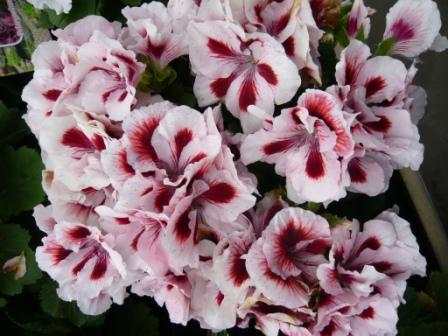
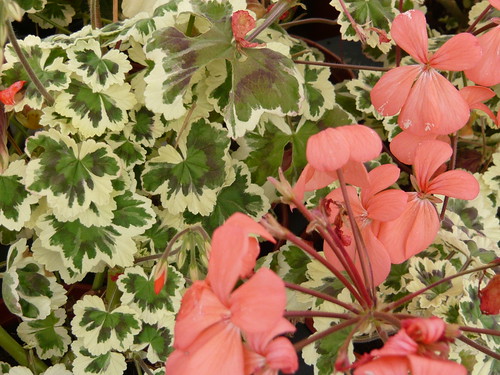
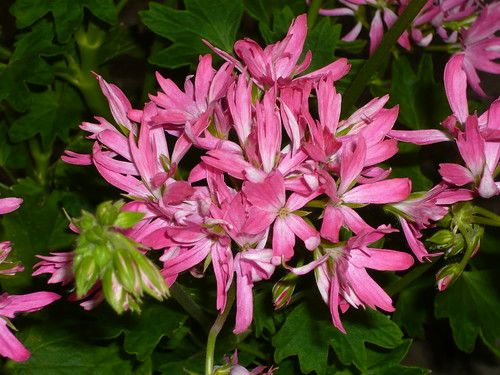
Photogenic Regals, Angels, Zonals, Scented leaved, Dwarfs, Miniatures, Alpine, Stellar, Ivy Leaved and Uniques are all types of Pelargonium. It is this variety that makes Pelargoniums photogenic and more importantly worth growing as a hobby for house, conservatory or garden.

Geraniums
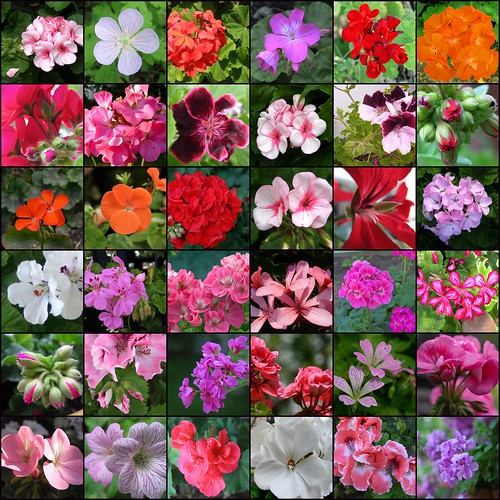
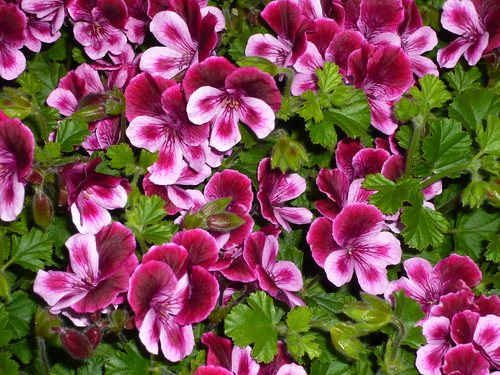
A mosaic of Pelargoniums shows the variety of flower and colours that these plants can produce.

Pelargonium
Tips for Growing Geraniums (Pelargonium)

Pelargonium
Dwarf Pelargonium aka Geranium

Pelargonium
Miniature Pelargonium

Pelargonium
Growing Regal Geranium Pelargonium

Pelargonium
The Secret of Geranium (Pelargonium) Cuttings

Regal pelargonium
Regal Pelargonium Photos and Images

Other photos, links and credits
Top 10 Scented leaved Pelargoniums
Pelargonium Grandiflorum and other ‘Geraniums’
Stellar Pelargonium – Bird Dancer Geranium
Fancy or Unique Pelargoniums Called Geraniums
Another great Photo mosaic from ‘Geraniums by robynejay’ CC BY-NC-SA 2.0
Thompson & Morgan supply Pelargonium seeds and plants in season.

Gardeners Quotes

Gardeners Quotes

I may be a bore at parties and barbeques  but I do know how to get rid of slugs. ed.

public flower bed

Gardeners can appear to be a taciturn bunch but they have a dry sense of humus.
‘A tough looking man came and took our garden gate when he thought nobody was looking. Well I thought it best not to say anything as he might take a fence.’

Gardeners Quotes

‘It should be the gardeners aim to provide ideal conditions for his plants so that they can flourish to the limit of their capacity.’

‘A gardener needs to be an intelligent being rather than just a robot.’ Derek Clifford

‘It is important that the grower acquaints them-self with each species’ natural habitat to enable a good pot grown specimen to be produced.’ Jan Taylor Geraniums and Pelargoniums.

‘Years ago, nearly every garden had a patch of Lily of the Valley that flowered year after year.’ Adam the Gardener

‘Gardening requires lots of water – most of it in the form of perspiration.’ Lou Erickson

‘In gardens, beauty is a by-product. The main business is sex and death.’ Sam Llewelyn

‘What a man needs in gardening is a cast-iron back, with a hinge in it.’ Charles Dudley Warner

‘A garden is a thing of beauty and a job for ever.’

‘There can be no other occupation like gardening in which, if you were to creep up behind someone at their work, you would find them smiling.’ Mirabel Osler

‘Climate is what we expect, weather is what we get’ – Mark Twain

‘Gardening adds years to your life and life to your years.’

‘Gardening is a matter of your enthusiasm holding up until your back gets used to it.’

‘Canny guerrilla gardeners help their plants along and sell their crop giving them the opportunity to invest in new plants and material’. Richard Reynolds On Guerrilla Gardening

‘Keep Calm and Carry on Gardening’
Gerbera

Gardeners Tips Links

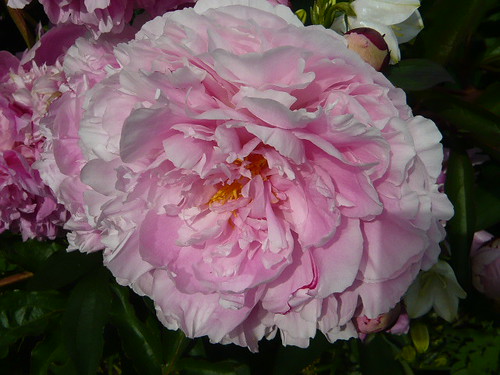
Secrets of Success With Peonies

Secrets of Success With Peonies

Bold and brash blooms are a beautiful feature of Peonies but being successful is not a real big secret.
Peonies are easy to grow, herbaceous perennials that should be long lived if you follow these five simple tips.

Peonie

Five Secrets of Success With Peonies

  • 1. Peonies need deep, fertile, moisture retentive soil and summer rain or watering.
  • 2. Do not bury the crown too deeply when planting or in later years with over-enthusiastic mulching. 2 inches below the soils surface is adequate
  • 3. Cut down foliage to ground level in Autumn. Top dress with a handful of bone meal or growmore and then again in spring. An occasional top dressing of lime can be beneficial if the soil is prone to acidity.
  • 4. Deadhead plants after flowering to put energy into new growth. Be patient if new plants do not flower in the first year, so long as they are not planted too deep your peonies will eventually flower.
  • 5. Stake with a ring of metal hoops to support the heavy blooms. They get particularly heavy when wet.

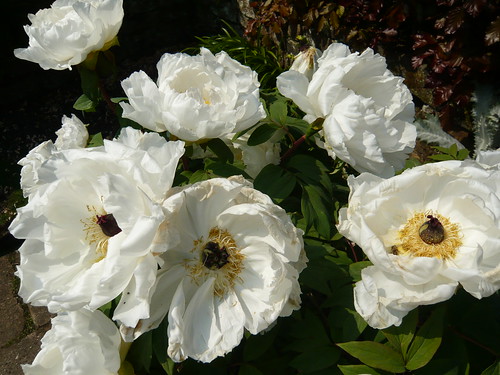
Peony Hakugan

Tree Peonies like the one pictured above do not need to be cut down. I avoid pruning Tree Peonies and you can get more tips here.

Aphids and other pests are deterred by toxic chemicals in Peony leaves.

Plant in October or during frost free periods.

Aim to grow Peonia lactifolia whose flowers are longer lasting than Peony officinalis the cottage garden variety of Peony.

Peony

See more Peony photographs.

Secrets of Success Growing Marjoram

Secrets of Success Growing Marjoram

Get sweet success from the perennial herb Marjoram, the Oregano relative with the nectar that tops bees and butterflies gourmet guide. Marjoram flowers are rich in sugars and the nectar is a great attractor for insects.
We grow Marjoram for the leaves to use in cooking and the flowers can be dried and then used for flavouring during winter.

Small Tortoiseshell on Marjoram

Marjoram is hardy perennial herb that has sweet smelling, aromatic foliage which is commonly used in Mediterranean cuisine.
Sprinkle Marjoram or Oregano on lamb, pizzas or pork before cooking. Marjoram makes a useful and low maintenance addition to the herb garden growing 18inches high and wide.

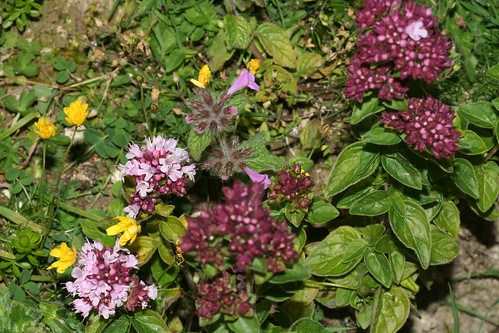
Marjoram

Marjoram from Seed

  • Seeds at Thompson & Morgan
  • The best growing location for Marjoram are in a warm sunny spot.
  • Marjoram likes a dry, lime-rich, chalky soil.

Varieties of Marjoram

  • Marjoram is also known as Oregano in America. They are from the same family.
  • There are three main species including Wild marjoram that is often found on seaside cliffs.
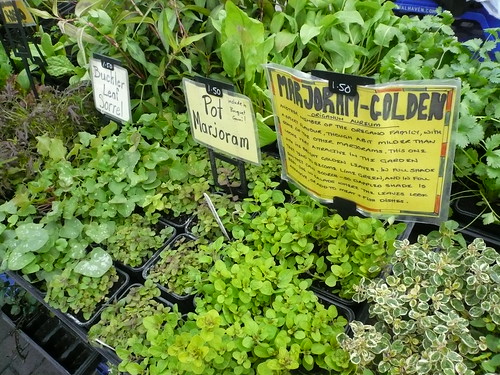
  • Sweet marjoram (Oreganum majorana) tastes the best and is great for cooking.
  • Pot marjoram (Oreganum onites).

Marjoram

Photo Credits
Marjoram by Barry Cornelius CC BY-NC-SA 2.0
Small Tortoiseshell on Marjoram by bbusschots CC BY-NC-ND 2.0
Marjoram by boxman (CC BY-NC 2.0
Wild Marjoram, Der Gewöhnliche Dost, Origanum vulgare by Dandelion And Burdock CC BY-NC-SA 2.0


Wild Marjoram, Der Gewöhnliche Dost, Origanum vulgare

Windowsill Gardening

Windowsill Gardening

If you have a windowsill you can do all sorts of gardening. If you like flowering plants, herbs or just greenery to clean the air a vast range of plants can be successfully grown on your windowsill.

windowsill pelargoniums

Windowsill Gardening – The Sun’s Effect

  • Beware the sun is stronger through glass. South facing windows can provide too much sun and burn the delicate leaves. If worried shade plants or move them back from too near the glass.
  • East and west facing windows can also have quite strong sun that will dry soil or compost quickly. Give windowsill plants regular watering and a weekly drink of a dilute feed whilst in strong growth.
  • North windowsills can be fine for plants that do not need direct sun including Orchids.
  • All plants grow towards the light, some more pronounced than others. You want plants to be even all around not ‘drawn’ towards one side. Turn your plants regularly at least a quarter turn every week. (Fuchsias and geraniums need even more frequent turning.
  • Warm compost and dry soil suits Cacti but most plants like humidity. Stand plants on damp gravel or Hortag.

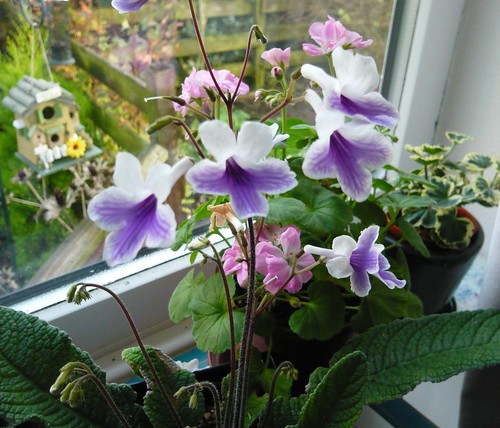
windowsill orchid Cape primrose

Windowsill Gardening Display Tips

  • Protect painted windowsills as damp from watering can make paint blister. I stand my containers on cork mats. Felt mats look good but hold drips and spills causing more problems than they cure.
  • Windowsills should be decorative and fit in with your internal decor. I use various containers as plant pot holders bought at charity shops to hold and disguise ugly plastic pots.
  • Plants with fleshy leaves like to be watered from below. I stand pots in plastic saucers which I fill with water and let all my plants drink this way.
  • If you grow plants that are a bit tender do not leave them in cold draughts and move them inside heavy curtains on freezing winter nights.

Calceolaria

Favourite Windowsill Plants

  • Pelargoniums like the dry sunny conditions found on many windowsills and can be in flower most of the year.
  • Because windowsills allow you to inspect plants close up I like to grow something a bit different like the Calceolaria above.
  • Windowsill orchids, Streptocarpus or Cape Primrose is one family of plants fit for the purpose. They are available in many colours and some can flower all year round.
  • Herbs are another favourite for a kitchen windowsill, grown for leaves for cooking.

Book Cover
The Complete Guide to Growing Windowsill Plants: Everything You Need to Know Explained Simply (Back to Basics Gardening) by Angela Williams Duea and Donna M. Murphy

Dahlia Profusion, Propagating and Pointers

Dahlia Profusion, Propagating and Pointers

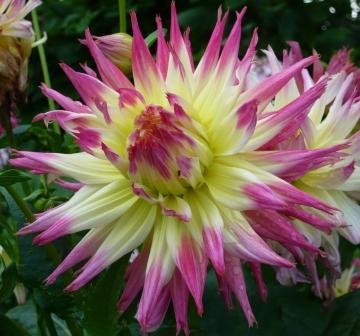
Pink dahlias

Pretty, perfect, pink Dahlias are alliterative with the title of this post. What is more Dahlias are easy to grow and they produce prodigious posies of pickable flowers (enough with the P’s, Dahlias make a big vase-full not a posy.ed.)

Top Ten Dahlia Pointers

  1. Plant good clean tubers in a large hole that has been well dug and improved with manure or garden compost.
  2. Give each plant plenty of space. Dahlias do not appreciate over crowding.
  3. Support your growing plants with a good stake and string frame work. Dahlias get heavy with all the flowering.
  4. Water regularly and add soluable fertiliser. Dahlias are gross drinkers and feeders.
  5. Pinch out the first early buds to keep the plant growing and not putting early energy into flowering.
  6. To get big individual blooms pinch out any side buds and weak side shoots.
  7. Pick the blooms regularly and new ones will follow. At worst deadhead promptly and regularly.
  8. Plant a range of the many types and varieties – see below.
  9. Flowers will continue until the first frost. Cut back when the leaves are frosted to black.
  10. Save the best tubers for next year in a frost proof shed. In mild zones they can be left in the ground but I prefer replanting in fresh composted soil for the following year.

Top Dahlia Posts

Dahlia Propagation

Cactus Dahlia

Credit
Pink dahlias by robynejay mosaic CC BY-NC-SA 2.0

If in Drought – Try Xeriscaping your Garden

If in Drought – Try Xeriscaping your Garden

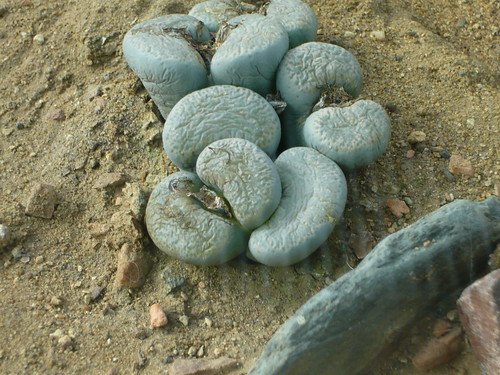
Lithrope

If you are doubtful about this summer’s British weather, and how can you be otherwise, then you may need some tips on watering your garden.

Xeriscaping is the creation of a garden that uses less wate
r. No grass to cut, drought tolerant plants and appropriate landscaping are what you need.

Xeriscaping and Other Watering Tips

  • Pull up weeds as soon as they start drinking your water.
  • Plan and plant wind breaks to stop drying winds.
  • Use plants that generally require less water. Grey and silver plants often need less water.
  • Give one good weekly soaking not daily dribbles.
  • Add humus to the soil to retain water and mulch the surface of the soil.
  • Use larger containers rather than hanging baskets, they are easier to water.
  • Use capillary matting in the greenhouse to aid watering

Water Saving Tips

Read More Read More

Plants on Windowsill

Plants on Windowsill

Houseplants in pots are popular windowsill subjects but broaden your horizons.
Cape windowsill

No greenhouse or conservatory but lots of windows? Then you can grow a range of plants using the windowsills or a shelf under a window. Chose small plants and pots that are and will be in proportion to the width of the windowsill.
Tender plants may suffer in winter behind curtains but with good double glazing I do not bother moving most plants at night.

On the Kitchen Windowsill

Herbs will be many gardeners first choice and curly or flat leaved Parsley are likely to figure most frequently. Basil  can be used as cut and come again and is available in several varieties so I would add this to any list of windowsill plants.
The hot and steamy conditions of many kitchens don’t help all plants but ferns and Orchids usually like these conditions particularly on North or East facing window ledges.
We currently have a white Saintpaulia which enjoys humidity but it will be moved when the flowers go over to be replaced by a Christmas cactus in flower.

Read More Read More

Watering Houseplants – Best Watering Tips

Watering Houseplants – Best Watering Tips

Water is a natural element in the care of houseplants and the tips below give some simple pointers that will help your plants excel. Humidity is water in the surrounding air and can help many houseplants. I stand most of my plants on moisture retaining clay granules of Hortag.

Houseplants 018

Tips for Watering Houseplants

  • Modern composts tend to dry out, shrink and become light weight when they dry out. Top watering will not always soak down and wet this compost. Best tip is to immerse the whole pot in water until it is level with the top of the pot and leave it until the compost looks wet on the top. Water will be drawn up from the bottom soaking all the compost. In extreme circumstances repot with fresh damp compost.
  • Your finger pushed in the compost can tell you if the pot needs watering. If your finger remains dry give the pot some water.
  • Do not have a fixed schedule for watering. Each plant has different needs and each pot and compost may vary. Treat each plant on it’s merits.
  • Heavy and excessive watering can waterlog the soil. More plants are killed this way than from thirst. Excessively heavy pots with water always dripping out of the drainage hole is a sign of waterlogging. Knock the plant out, clear off the waterlogged compost, trim off any dead or rotting roots and repot in fresh compost.
    Leaving a plant out of the pot to drain a wet root ball may work if the waterlogging is recent and the compost has good drainage.

CACTUS

Problems Watering Houseplants

  • Plants that are wilting may be short of water but plants can also wilt when they are over watered.
  • Some house plants need special watering treatment. see below
  • Frequent but light watering can wet the top of the compost but never reach down to where the roots need the moisture.
  • Watering at the wrong time can cause problems. Many house plants need less water when not in active growth eg during winter.
  • Beware drying conditions caused by central heating, porous pots or direct sunshine.

Brilliant Bromiliad

Special Houseplants Watering Tips

  • Vase plants like Bromiliads need water in the central core of leaves. Use rainwater if possible and clean out the water 3-4 times a year and restart with fresh
  • Cacti and succulents need to alternate from moist to dry during spring and summer but can be left short of water in winter
  • Azaleas do not mind having the pot standing in a saucer of water. Their compost is usually free draining and Azaleas need regular watering
  • Saintpaulias (African Violets) need watering from the bottom of the pot to protect the fleshy leaves from rotting. This also works on Gloxinias, Chirita, Acorus and Cyclamen

African Violet
Photo Credits
“CACTUS by lcrf CC BY-NC-ND 2.0
Brilliant Bromiliad by kretyen CC BY 2.0
African Violet by dog.happy.art, CC BY-NC 2.0
Windowsill Gardening