Browsed by
Month: July 2014

Choice Autumn Flowers

Choice Autumn Flowers

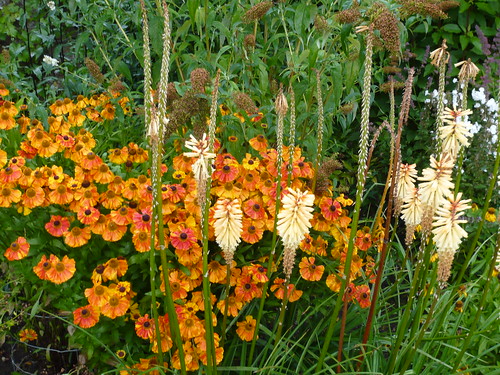
Golden colours are prominent amongst Autumn flowers and leaves.  These Heleniums are supported by a lighter cream coloured Kniphofia (I can’t call this colour a Red Hot Poker but that is the common name). Kniphofia Rooperi varieties are a bit later flowering than other red hot pokers.

Good Autumn Doers

  • Chrysanthemums are coming into there own and you can buy ready to flower domes of Showmaker pot mum varieties.Use them to plug gaps or on the patios using the original pots. They will last for 6-8 weeks until the frost gets them. The stools are not worth saving as they tend to produce leggy plants even from cuttings in the second year.
  • I have bought some winter flowering pansies to put near the house and in pots. They flower in mild spells through winter and usually come good in March.
  • Japanese Anemones are flowering in clumps of white and pink blossom and can be mixed with Aster frikartii Monch or Phlox.
  • Kaffir lilies like wet soil so this summer they have been getting ready for a good Autumn show. These Schizostylis can be deep red through pinks to a white Alba version.
  • For the house it may be worth buying some small cyclamen which will flower for a long time and can then be planted out in the garden.

November Colour

Autumn Gardeners Top Tip

Water through summer with a liquid feed to boost your Autumn show.

In expectation of an ‘Indian summer’  keep dead heading your plants and do not rush to tidy up for Autumn.
Leave interesting seed heads for decoration and jack frost.
Seeds can be collected or self sown or left to feed the birds.

How to Attract Butterflies into your Garden

How to Attract Butterflies into your Garden

Butterfly GardenCreate a paradise for butterfly and you will benefit from colour twice over. A garden full of eye and butterfly catching, fragrant flowers from spring to autumn can be achieved by selecting some of the following plants.

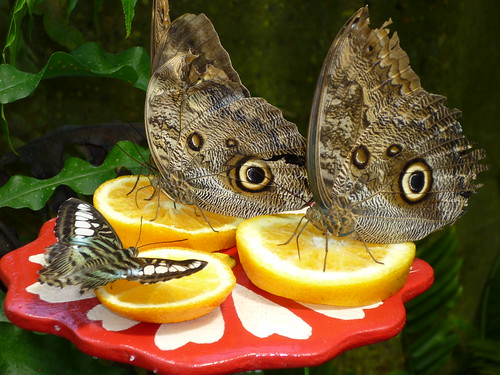
Butterfly feed on nectar and need this energy giving resource. They also need water from moist soil to which you could add a sprinkling of salt or grow a plant that catches water between its leave like Teasel. Their eggs need food so plant some Cow Parsley, Nettles and Butterfly weed (Asclepias tuberosa).

Butterfly Attracting Flowers

  • Lily of the valley – convallaria
  • Rock Cress – Arabis
  • Sweet Violets – viola odorata
  • Shasta daisy and Coreopsis in summer
  • Buddleia the butterfly bush in white pink or lilac or even Lilac it’s self
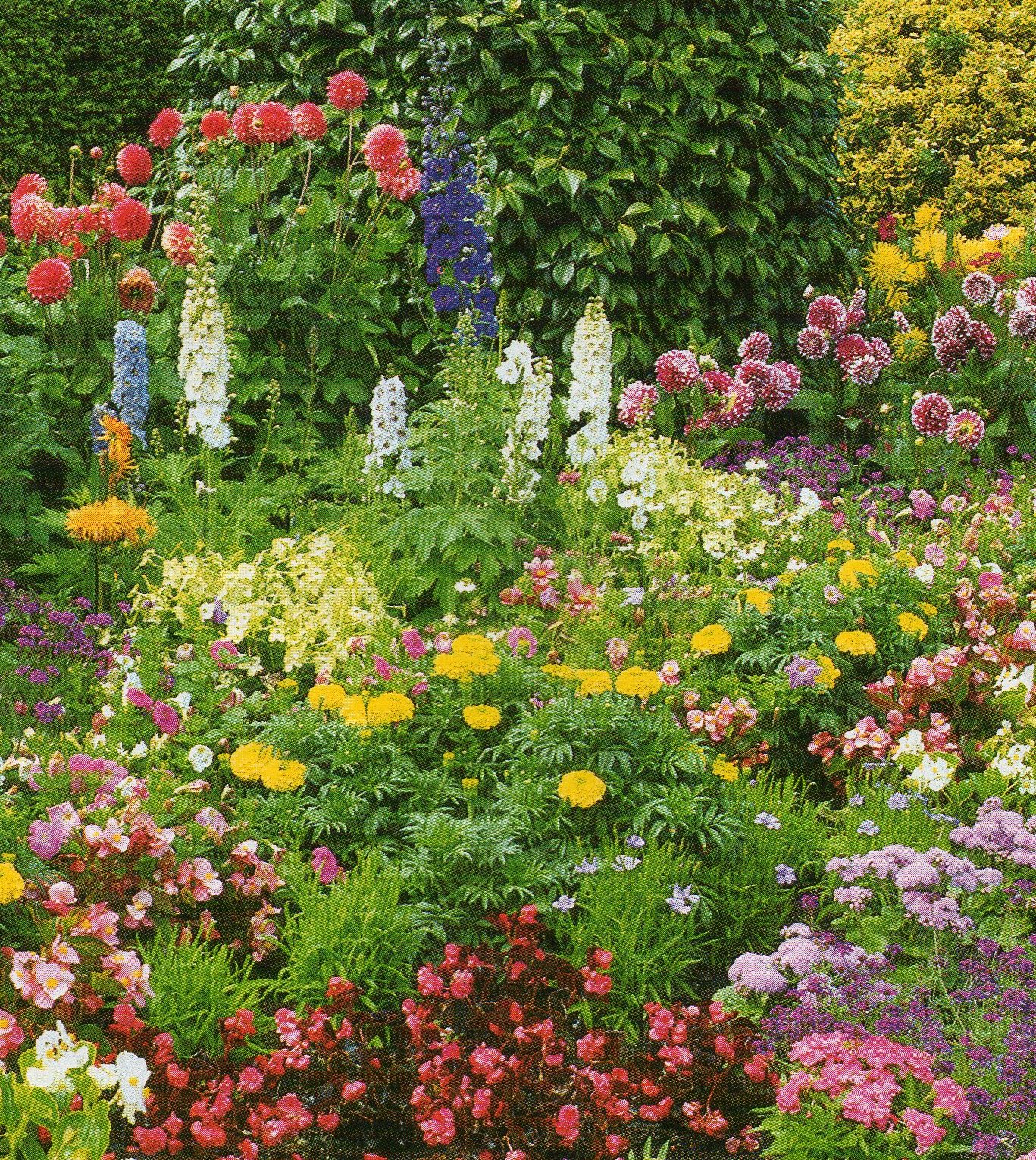
  • Dahlia, Cosmos and marigold for their long flowering season
  • Petunia, Verbena and fibrous Begonia
  • Delphinium, Aster and Day Lily

Feeding Time

Read More Read More

Dangerous and Harmful Garden Plants

Dangerous and Harmful Garden Plants

This is not an exclusive list so always take care.
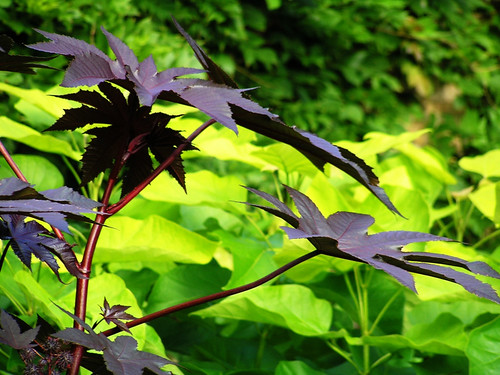
Castor oil plant in August

Hazardous and Dangerous Plants

Not everything in the garden is lovely when it can poison or injure the unsuspecting. The extremely hazardous Poison Ivy and Poison oak related to the Rhus family (Diversiloba, radicans, vernix, succedanea, toxicarium and veniciflua) should be avoided at all cost. Other highly harmful plants are listed below and the effects of eating roots berries or leaves can be serious. Many cause allergies and irritations that also need avoiding.

Tips on Dangerous Plants

  • Don’t let children eat seeds and plants from the garden unless supervised.
  • If you wish to see these types of plant take a trip to the Poison Garden at Alnwick which also includes strychnine opium and cocaine plants under a special Home Office license.

Read More Read More

Remarkable Gooseberry Crops Again

Remarkable Gooseberry Crops Again

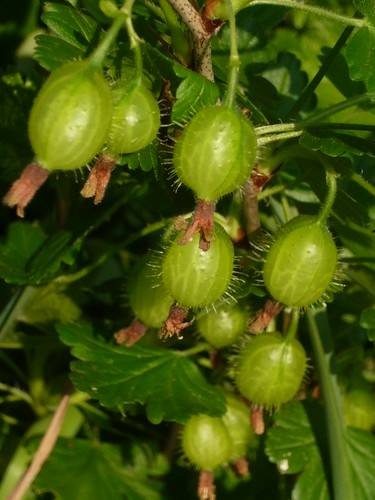
Five years ago I wrote about my remarkable gooseberry crop and yet again I have been inundated with great berries this year (2019). ‘Sweet or, sharp and sour the gooseberry is a remarkable soft fruit. Summer 2014 was been a remarkable year for the size of my crop and the freezer was bulging (like my waist from numerous crumbles).’
Gooseberry

Gooseberry Summary Top Tips

  • Plants prefer a cool climate and will withstand a windy position with light well drained soil.
  • Do not feed excessive nitrogen which encourages mildew.
  • Water with a liquid feed as the fruit start to set – this increases berry size and limits splitting.
  • Fruit appear on new and old wood so aim for a balance between the two.
  • Varieties are classified by the colour of the fruit as Red, Green, White and Yellow. At home you may want a mix of kinds.

Gooseberry Calendar

  • Bushes fruit in June and/or July
  • Take cuttings in September,
  • Prune cordon shoots in March but reshape and reinvigorate by pruning in winter.
  • Plant new bushes in November or March if the soil is very heavy.
  • Varieties come in early, mid season and late (examples Early Sulphur, Gunner, Lancer)

gooseberry

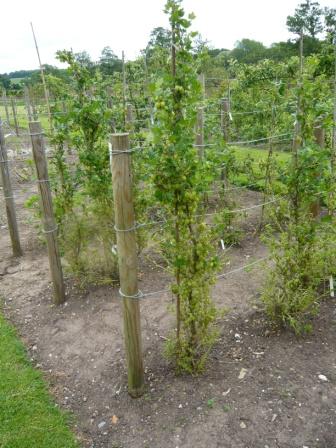
What a grand way to grow Gooseberries ‘up a stick’ (or Cordon).   Trained like ballerina apples this  Gooseberry variety London was grown as one vertical trunk. Gooseberry London has very large oval fruit with a smooth skin. The flavour is good and is normally a spreading bush but it makes few branches. It is renown as heavy yielding as can be seen below from a 1st June photo below.

Planting Layout for Legs or Cordons

Read More Read More

Top Ten Flowers – Two Different Lists

Top Ten Flowers – Two Different Lists

Gardeners World ran a series looking for Britains favourite top ten flowers. The BBC didn’t name specific varieties or offer much insight so I have added some Gardeners Tips

  1. Lilies -  Soak in water water for an hour lay sideways on a bed of grit and shade the root run.
  2. Roses – Encourage growth from the ground by planting deeper than they originally grew. Scented varieties Margaret Merrill and Rosa Westerland are worth looking out for
  3. Daffodils – Feed with tomato fertilizer as they finish flowering and leave leaves for 6 weeks. Miniature DAffs are now very trendy but if you have the space go for King Alfred.
  4. Fucshias – Pinch out the tip when they have 4-6 pairs of leaves. I grow Lady and Tom Thumb as well as Winston Churchill
  5. Delphiniums – Treat for slugs in Autumn so they don’t feed on the roots all winter. The white varieties are not as strong as the trditional
  6. Clematis – Plant 6 inches deeper tha the top of the rootball and keep roots cool.
  7. Sweet Peas – Train the strongest side shoot not the main stem for show blooms.
  8. Primulas – Mark plants in flower if you want to split them in June.
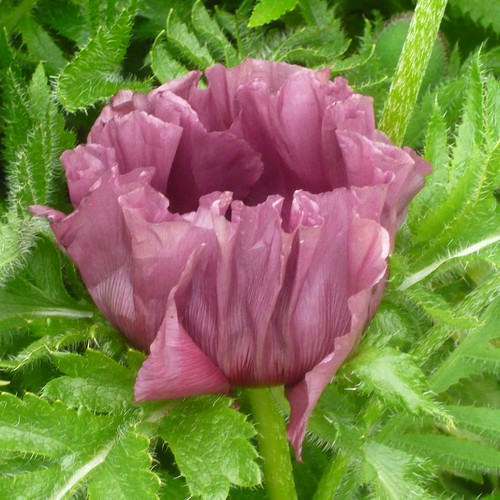
  9. Poppies – Cut oriental poppy foliage right back after flowering and stake early.
  10. Irises – Plant in groups of 3-5 to make quicker clumps.

Bulb historian Anna Pavord has also chosen her favourite top ten flowers and surprise, surprise they are all bulbs or corm based flowers. I have put them into alphabetical order

    Read More Read More

Tips on Making A Compost Heap.

Tips on Making A Compost Heap.

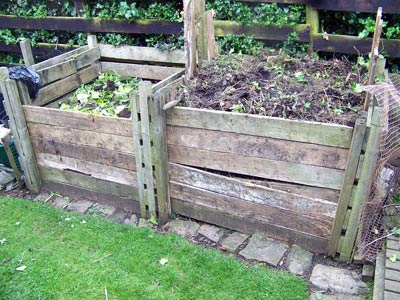
Compost heap

A compost heap is an excellent way of recycling dead plant material and generating the best possible soil fertiliser. A good compost heap also gives a feeling of satisfaction because it helps the gardener to become part of the natural cycle of growth, decay and regeneration. Using a compost heap will also save many unnecessary trips to the local tip. See also: Benefits of Composting

How To Make a Good Compost Heap

The Compost Bin A compost bin should be about 1 square metre. It is important to have a good size, but, it should also be compact because otherwise the generated heat will be dissipated. It is also best to have at least two bins. This enables one heap to rot down, whilst the other is added to. A compost heap should also be aerated and enable water to enter. If you have an enclosed plastic bin, make sure you water where necessary.

Positioning. A compost heap can be really be put anywhere; most people want to choose a spot that is not too prominent. However, if it receives direct sunlight the process of decomposition will be faster.

Base Layer.
At the bottom of a compost heap it is good to use some twiggy material to make sure there is good drainage; if you have a heavy clay soil, you might want to add some grit to provide good drainage. If a compost heap becomes waterlogged, the process of decomposition will slow down and it will become slimy.

Mixing Layers. The next important strategy is to provide a good mix of material when building up a compost heap. For example, grass is a high source of nitrogen and can break down quickly to generate heat. However, grass needs to be mixed with other more woody material, otherwise it will not rot down properly. Similarly on their own stems and twigs will take a long time to rot down unless they have an activator like grass or over very green material. When adding grass clippings spread them out to form a thin, equal layer; then add a layer of more twiggy material. If necessary store a potential layer for adding at the right time.

Breaking Up Twiggy Material. Thick stems will take a long time to break down. If you have a shredder, it will make the job of composting a lot more successful. It will break down the material and enable much faster composting. If you don’t have a shredder, you can just squash the stems or break them in a few places. A rather crude, but effective, tip is to get a spade and hit down on the top of the heap to break a few stems. Even this small step will help quite a lot; what you are doing is to increase the surface area, enabling faster decomposition.

Water. As mentioned before, water is important. It is important to water a compost heap a bit like watering a plant. If there is no water, the compost heap will dry out and will not decompose. If it is waterlogged it will stagnate. Most compost heaps suffer from being dry, so every now and then throw on some water to speed up the process of decomposition.

Cover. When the compost heap is finished with adequate amounts of water, it is good to cover with a plastic coating. This enable the heap to generate more heat, speeding up the process of decomposition; it also prevents excess water.

Aerate. In hot weather when a compost heap is generating a lot of heat it is a good idea to get a garden cane and poke the heap, every now and then. This allows air to enter and expedites the process of aerobic decomposition. A good heap will have steam coming from it when you aerate it.

Read More Read More

Growing Plants for Aromatherapy Oils

Growing Plants for Aromatherapy Oils

French lavender

Just a drop of aromatherapy oil can have a stimulating or calming influence just as the scent in a good garden can. It is no surprise then that many scents come from plants. Unfortunately for most gardeners the plants , trees and shrubs are native to hot and or damp climates and need special conditions to thrive.

Bergamot is one of the most popular oils coming from the Orange citrus family. Bergamot provides the flavouring in Earl Grey tea. Citrus aurantium ssp. bergamia The bergamot orange is unrelated to the herb of the same name, Monarda didyma.

Ancient oils provided medical remedies, Black Pepper for catarrh, Cedarwood for dandruff, Eucalyptus as an antiseptic. A couple of drops of Rosemary on clothing is said to get rid of sluggishness. Both Myrrh and Frankincense grow as small trees or shrubs; they are of the botanical family Burseraceae. Their natural growing range is limited, but this has been extended by cultivation in Arabia.

Oils for perfume include Patchouli extracted from the leaves of a variety of mint and Otto of Roses made from a Bulgarian rose damascena but needing 60,000 roses to produce one ounce of oil. Ylang Ylang oils name means the Flower of Flowers. Ylang-ylang blends well with most floral, fruit and wood smells.

Tea Tree oil has no link to the Tea plants of the Camellia oleifera. It is extracted from Melaleuca bark and used as an antiseptic.

Herbs that we grow can produce oils but large quantities and distillation equipment is probably required for Basil, Lavender, Peppermint, and Rosemary. Whilst it may be practical to grow many plants in the UK most on the list below need sun and a warm temperature. For small quantities a greenhouse or hot house may be the answer.

Plant Based Essential Oils

– Anise Star Essential Oil
– Basil, sweet Essential Oil
– Bay,  Essential Oil    – practical to grow in the UK
– Bergamot FCF Essential Oil
– White Birch Essential Oil
– Black Pepper Essential Oil
– Cardamon Essential Oil
– Carrot Seed Essential Oil
– Cedarwood Atlas Essential Oil
– Chamomile, German/Blue Essential Oil – practical to grow in the UK
– Clary Sage Essential Oil – practical to grow in the UK
– Clove Bud Essential Oil
– Coriander Essential Oil
– Cypress Essential Oil
– Dill Essential Oil – practical to grow in the UK
– Eucalyptus Globulus Essential Oil
– Fennel, sweet Essential Oil – practical to grow in the UK
– Geranium, Egyptian Essential Oil

Read More Read More

Dianthus the Perfect Pink Pinks

Dianthus the Perfect Pink Pinks

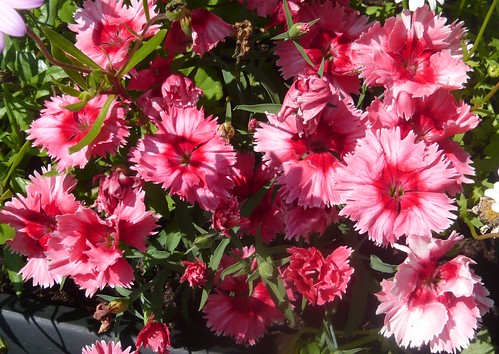
Indian Pink

Bright brash ‘Indian Pinks’ are verging on red in this cultivar. It looked great in the first season but I lost the plant over winter so perhaps the variety should be grown as an annual. All that glitters is not Pink. I hope to do better with a new bed I have created just for a collection of Pinks or Dianthus plumarius

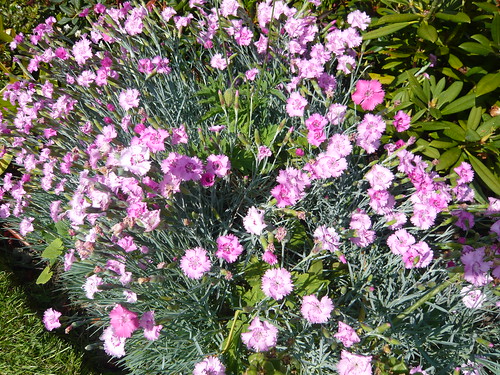
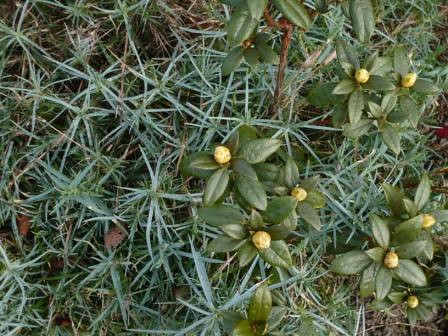
Pinks prefer neutral to limey soil and Rhododendrons like soil on the acidic side yet these two plants have thrived together for several years and both produce a good show of flowers in their season. The soil is very open and reasonably fertile and I leave them to their own devices.
Single pinks
The same clump in winter.
Pinks & Rhododendron

Top Feeding and Watering Tips

  • Feed regularly during the growing season with a rose or tomato fertiliser.
  • Feeding is particularly important after the first flush of blooms has finished in order to encourage them to flower again.
  • Pinks will tolerate dry conditions but will only produce continuous flowers if you water regularly.
  • Water the base of the plant to avoid damaging the blooms.
  • Do not over water young plants and make sure excess water can drain away.

Dianthus Species of Pinks

Dianthus alpinus – Alpine Pinks
Dianthus amurensis – Amur Pinks
Dianthus arenarius – Sand Pinks
Dianthus armeria – Deptford Pinks
Dianthus carthusianorum – Carthusian Pinks
Dianthus caryophyllus – Carnation or Clove Pinks
Dianthus chinensis – China Pinks
Dianthus deltoides – Maiden Pinks with green foliage
Dianthus gallicus – French Pink or Jersey Pinks
Dianthus gratianopolitanus – Cheddar Pinks
Dianthus monspessulanus – Fringed Pinks
Dianthus microlepsis – Tiny 1″ high species
Dianthus myrtinervius – Albanian Pinks
Dianthus plumarius – Garden Pinks, Wild Pinks
Dianthus seguieri – Sequier’s Pinks
Dianthus superbus – Large Pinks
Dianthus x hybrid – Sweet Pinks

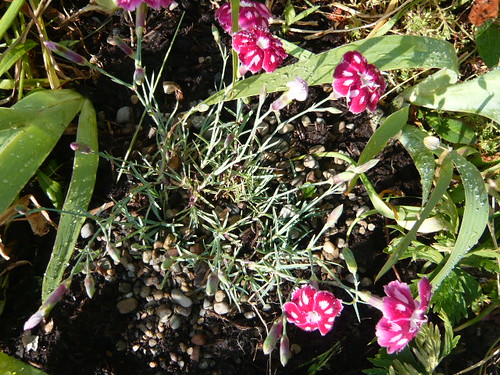
Pink

The Star series are single Dwarf Pinks  notable for their toughness and hardiness. Most varieties like the Night Star above will make a lovely compact mound of grey-green foliage, topped by a mass of sweet smelling flowers. They will repeat flower if dead headed and fed. Ideal for planting in rockeries, containers or pots. Flowering height approximately 5 inches.

Seeds and plants are available from Thompson Morgan

Cottage Garden Sweet William – Dianthus

Cottage Garden Sweet William – Dianthus

More on a topical favourite Dianthus the Sweet William.
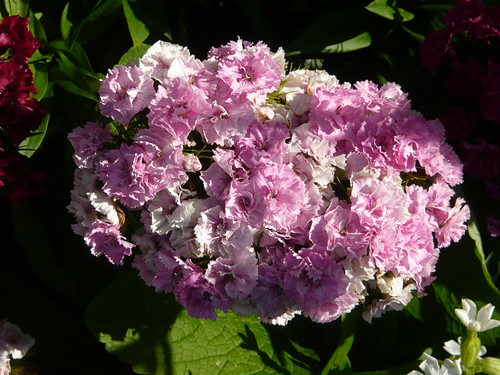
Sweet William

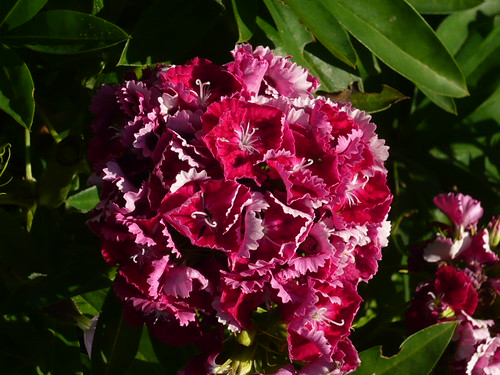
This selection of Sweet Williams are grown from one packet of seed. The frilly flowers look almost double and when massed together in one flowerhead they look stunning.

Sweet William

A cottage garden favourite the Sweet William is in flower from July to September. They make good cut flowers and a nesting spot for earwigs. (Give them a good shake before bringing them into the house.)

Read More Read More

Organisations working to save gardens

Organisations working to save gardens

Are you interested in garden history. There is a great deal to be learnt from our horticultural and agricultural past and researchers have a fund of knowledge available via the internet.

You can also research the culture of sculpture and the homeless Knomes

Guardians of the Mint

In addition to the RHS here are some web links to organisations maintaining gardens or retaining documents relating to gardens include:

Garden History Society (www.gardenhistorysociety.org

Kew Gardens http://www.kew.org/library/

English Heritage http://www.english-heritage.org.uk/server/show/nav.2

Museum of Garden History

National Trust (www.nationaltrust.org.uk/main/

UK Database of Historic Parks and Gardens

Scottish Archive Network (SCAN) (www.scan.org.uk/

Association of Garden Trusts (www.gardenstrusts.co.uk  A national organization representing County Gardens Trusts that are actively engaged in conserving, researching, documenting and caring for the heritage of parks, gardens and designed landscapes.

If you think I have missed an important site or wish to contribute please let us know. Good luck with your researches.

National Council for the Conservation of Plants and Gardens or NCCPG is a charity that manages the system of National Plant Collections. Amongst other activities its member receive a biannual magazine Plant Heritage and information on conservation.

http://www.nccpg.com/page.aspx?Page=1

The web site is informative and can help you locate where and when you can visit a particular national collection and lists open days and events. You can also purchase the Plant Collections Directory for £5.