August 13, 2008 at 8:51 am
· Filed under Flowers, Tips

These flowers goes-in-’ere
Gazania are one of the most colourful of garden flowers. The star shaped daisy like flowers can be up to 3 inches across and are available in a range of colours as this photo shows. Most varieties are stripped and zoned in ‘hoto display their vibrant colours even in cloudy conditions but prefer the hot sun.
Gardeners tips on Gazania
- Whilst they are perennial they are best grown as half-hardy annuals
- Plant in free draining soil
- The Gazinia uniflora are all yellow
- Take a close look at the interesting lance shaped dusty grey leaves
- The ‘Talent’ series has an AGM
Permalink
August 11, 2008 at 11:06 pm
· Filed under Beginners Tips, Environmental Gardening, Flowers

Wild flower gardens are generally thought to be at their best in spring but this colourful patch was a riot of colour in the middle of August.
Gardeners Tips for Wild Flowers
- Poor soil conditions encourage flowering. Do not fertilise wild flower gardens
- Group flowers with similar flowering times together. it would look to thin and patchy to have a mix of spring and Autumn flowers together.
- Do not be too quick to tidy up. Let the seeds develop and drop so that annual plants renew themselves for next season.
- If possible avoid competition from grass particularly for autumn wild flower gardens as they can choke off the flowering plants.
Permalink
August 9, 2008 at 9:55 am
· Filed under Beginners Tips, Flowers

This fleshy leaved Sedum Telephium Matrona is just colouring and clumping up in my garden. It is not as vigorous as Sedum spectabile Autumn Joy which can be come a bit of a thug if left unchecked.
- Look out for even stronger burgandy coloured foliage and flowerheads
- Try the ‘Chelsea chop’ on plants in May to encourage later growth that isn’t as prone to flop. Cut back the young growth and wait for the plant to rejuvenate
- Sometimes called Ice Plants the heads can be left on over winter and look good rimed in frost.
- Nearly as attractive to Bees and Butterflies as the Buddleia
- Easy to grow even in poor soil and work well in cottage gardens
Permalink
August 9, 2008 at 3:03 am
· Filed under Design, Fruit, Vegetables & Herbs, Tips

Traditionally herbs are grouped together in a special area of the garden but you can try mixing ornamental herbs amongst perennials.
Focal Points
Angelica is happy in semi-shade and reaches over six feet tall. The green candied stems of Angelica archangelica, with huge fine cut leaves are used to decorate cakes. Alternatively try bronze coloured Angelica silvestris Vicar’s Mead.
Fennel is another tall focal point plant with green or bronze foliage. This perennial likes sun and flowers yellow with edible seeds.
A Bay tree Laurus nobilis f. augustifolia will create a more formal setting responding well to trimming, shaping and pruning
Edible Edging
Curly leaved Parsely with bright green leaves can set off the bright colours of bedding. Flat leaved parsley works less successfully.
Chives are fine leaved clumpy alliums with purple blue flowers and look very good with purple leaved plants and shrubs.
Thyme has many varieties both upright (above) and creeping, variegated or lemon scented. They are useful for hot, dry, poor soil conditions.
Marjorams or Oreganum vulgare can also fill a niche at the front of a garden
Herb Tips
- Keep picking or trimming herbs to keep tidy and encourage new growth
- Mid range border filler plants include Rosemary, Lavender, and Hyssop
- Mint likes semi-shade and a fertile soil try spearmint mentha spitica, apple suaveolens, ginger gracilis as other flavours.
- Try mint in flower arrangements.
- Caraway, Chervil, Lovage and Coriander look tatty as they begin to flower so leave them in the vegetable or herb garden
Permalink
August 3, 2008 at 5:05 am
· Filed under Tips, Trees and Shrubs

This Choisya ‘Sundance’ is an evergreen shrub grown from a young shoot cutting. The plants are trouble free and create a dome shape 4-5 feet high and spread in a similar number of years.
- Grown mainly for the bright yellow of the new leaves they can be nipped brown with late frosts. Such damaged, scorched or wing burnt leaves should be cut off.
- The small star shaped white flowers in April and May are very aromatic. A second flush of flowers may be obtained in Autumn.
- Leaves also smell of basil or a bit citrusy if crushed
- Choisya ternata ‘Aztec Pearl’ commonly called Mexican Orange blossom has narrower divided leaves and I find it is a bit thin in habit. The flowers are more numerous.
- Choisya ‘Sundance’ is quite dense and the leaves, even when they have turned green, remain attractive and glossy.
- Choisya will stand partial shade and can be used as part of an informal hedge
- Propagate in Summer or Autumn, cuttings are easy to grow
- Prune to keep in shape and cut out a third of the branches to renew from the base when needed.
Permalink
August 2, 2008 at 3:26 am
· Filed under Flowers, Tips, Trees and Shrubs

This is an attractive shrub (sometimes called Brachyglottis) with small silver leaves. It grows to about 2′6″ and flowers with masses of small yellow daisy like flowers. This plant is overdue for a trim when it has flowered.
GardenersTips
- It is evergreen or eversilver and can be grown as a foliage plant.
- Grow this ‘Sunshine’ variety as an informal hedge planting every couple of feet
- Prune to stimulate foliage and keep tidy. It will go woody quite easily
- Don’t bother collecting the seeds, propagate by semi-ripe or hardwood cuttings in summer or autumn
- Buy small plants and avoid ones that have a woody base
Permalink
July 31, 2008 at 5:45 am
· Filed under Design, Gardening, Tips

Reasons to consider ground cover for your garden
- Ground cover can be designed to be low maintenance
- Good cover will soften edges and sides of paths
- Soil on slopes or banking can be held in place
- Difficult areas with access problems can be covered in style
- Bare soil can be unsightly unless covered
- Good plant selection can make a feature of ground cover
- Ground cover can add balance and harmony within the garden
Plants for Ground Cover Situations
- Auga reptans blue flower spikes aka Bugle ‘burgundy glow’
- Vinca major and minor - both evergreen periwinkles
- Pachysandra terminalis - whirling evergreen leaves
- Read the rest of this entry »
Permalink
July 29, 2008 at 2:55 am
· Filed under Beginners Tips, Flowers, Gardening

Dahlia Types
- Cactus or semi-cactus like this Dana, Super (red) or Morley Lass a pale yellow
- Single flowered dahlias are open centred flowers up to 4 inches in diameter with a single ring of florets around a central disc. There are self colours or some bicolours.
- Collarette similar to singles with a extra ring of shorter florets around the middle
- Ball dahlias or the smaller pompon have tight spherical flowerheads
- Decorative dahlias are classified for shows in large (over 10 inch blooms), medium, small and miniature sizes
- Other miscellaneous dahlias that don’t fall into another category often linked to the flower formations of other plants like Chrysanthemeum, Anemone, Paeony, Orchid or Water-Lily forms.
- Annual bedding dahlias from seed
Cultivation tips for Dahlias
- Start tubers into growth in March in a frost free environment
- Thin to 3 shoots and stop them if they get to 6 inches. Spare shoots can be rooted as cuttings.
- Read the rest of this entry »
Permalink
July 27, 2008 at 6:22 am
· Filed under Beginners Tips, Flowers, Gardening

From July to September you may see some giant sunflowers and they may be from the variety ‘Titan’ which is advertised as up to 12 foot tall. Other large varieties include Giant Yellow, Paul Bunyon and variations on Russian Giant sunflowers.
Guinness Book of Records categories for giant sunflowers
- Biggest flower measured from the petal tip to the opposite side petal tip - 32 inches
- Tallest Sunflower measured from the ground to the highest petal on the flower - 25 feet unless you grow better
- Most flowers counting all flower heads on the sunflower - 837 on one plant in America
Tips for growing Giants
- Avoid planting in a windy site or too near a wall. A north facing area may help the plant grow tall. Plant in sun for branching and lots of flower.
- Stake the plants for support. Put in a thicker stake as needed.
- Mound up soil around the base of the plant
- Water regularly
- Feed at least weekly with balanced feed and more frequently with a high potash feed when the flower develops.
- Watch out for insects, wind damage and other problems that need quick treatment.
Permalink
July 25, 2008 at 7:00 am
· Filed under Article, Beginners Tips, Tools

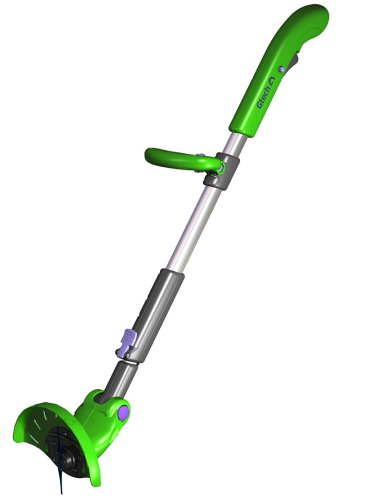
- I was pointed to these tools by a comment from a visitor too our site - thanks Zoe
- Get the key tools right to make your garden easier and more pleasurable.
- A Spade that is light enough for your physique and a stainless steel blade will not get claggy with soil.
- Secateurs for snipping, pruning and cutting. Have one good pair for important work and another for the ‘grunt’ jobs that are a bit tougher. I have a good bypass (scissor type) pair for pruing and an anvil pair for hard work
- Lawn mower electric or petrol depending on the lawn size. As the adverts said ‘its much less bovver with a hovver’.
- Trowel made from forged steel will stand hard work and cut into soil easily
- Wheel barrow with a pneumatic tyre carries heavy loads and I prefer it too the ball type wheel
- Buy the best quality you can afford if you are going to make a lot of use of the tool. It is surprising how many tools don’t get used all that often so plan out what you need. Over 80% of the work will be done by the items in the list above.
- Pay a tree surgeon to cut hedges, prune and trim trees. They will have the right equipment andwill side away the waste.
- Maintain the tools you have:
- Put linseed oil on wooden handles to keep them smooth and in good condition
- Store metal wheel barrows upside down to help slow rusting from the rain
- Keep blades clean and honed I use a wet stone to remove dried sap and keep sharp
- Power tools need a cutout and an extension lead if your garden is large
- Spray tools with WD40 or similar to keep rust free and moving
Permalink