Uses for Ivy
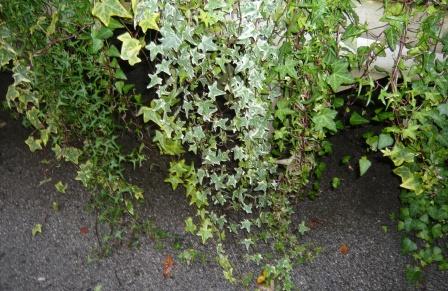
Ivy is a versatile green or variegated plant that climbs, trails or acts as ground cover. As an evergreen plant grown for its leaves the plants would need nitrogen based fertiliser but I have found Ivies grow well even in poor soil.
Purposes and Uses of Ivy
It makes sense to decide the purpose of your Ivy plant before selecting a variety.
- Ivy uses it’s aerial roots to cling rather than for sustenance and they can be used to climb tree stumps or cover unsightly sheds or walls.
- Ivy can grow even in shady areas so is useful for the awkward dark corners. The variegation will be better with good light.
- H colchica Persian Ivy is less hardy but have large leaves and a pleasant sprawling habit. Hedera hibernica also known as Irish ivy is one of the fastest growing varieties if you want quick results. Both can be used for ground cover.
- In containers and baskets they offer year round colour and a trailing habit
- Types of Ivy include Hedera helix English Ivy or Heart leaved, large leaved Algerian Ivy Hedera canariensis. There are numerous varieties with different features including white, yellow or cream variegation or crinkled leaves.
- I prefer smaller leaved species which can form an impressive feature
- I have found most varieties to be hardy, strong growers so keep them in control with hard trimming and pruning.
House Plant Indoor Ivy
- We grow several pots of Ivy in the house. The smaller leaved types look best and can trail out of various pots and survive in lower light conditions than other houseplants.
- Beware of too much water and too little light. Repot shop bought Ivies into a larger pot with compost that will hold moisture
- Traditionally Ivy is used at Christmas for decoration and festive wreaths. Gold or silver-leaved ivy can be draped over Christmas trees to make attractive and natural alternatives to tinsel.
- The National Trust maintains a National Collection of Ivy at Erddig Hall Wrexham
My Choice Varieties
- Hedera Helix ‘Buttercup’ a climbing yellow leaved variety.
- H.h. ‘Chester’ good self-branching with cream variegation.
- H.h. Green Ripple hardy with lush green leaves with 5 lobes.