Wildlife Gardening in UK

Wildlife Gardening in UK

wildlife
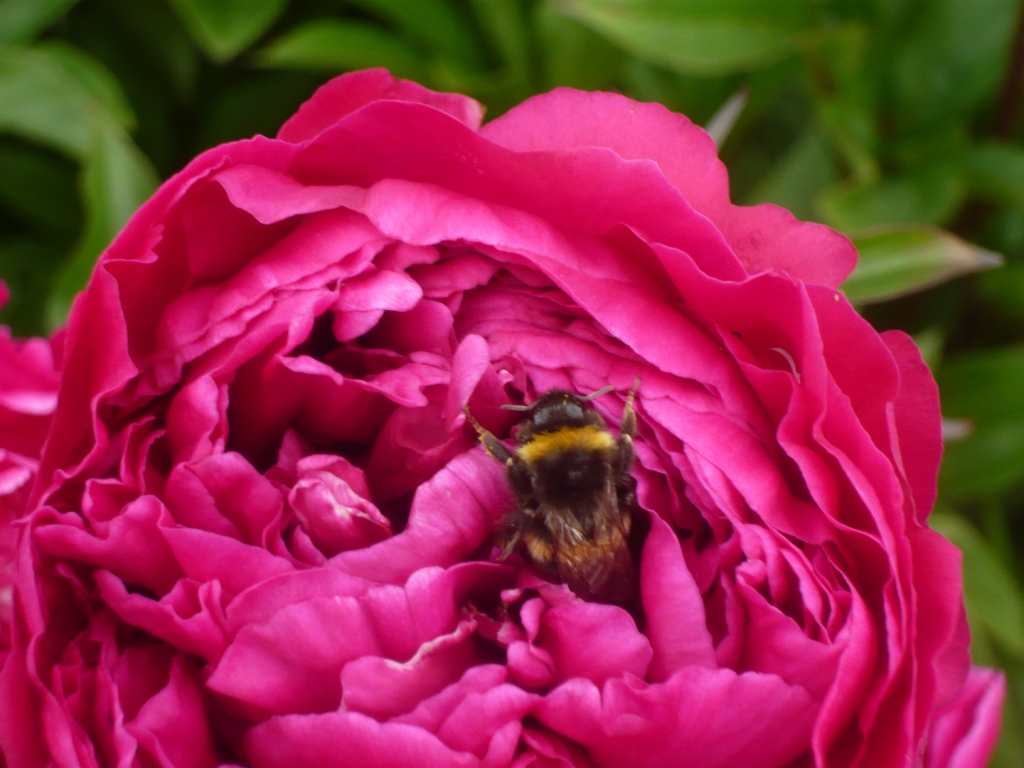
(Bees in the Garden)

Attracting Wildlife into Your Garden

As well as beautiful flowers, attracting wildlife into your garden can make it more interesting and provide extra all year round interest. If you attract the right kind of visitors, you will also be able to help defeat some of the common garden pests.
Aim for a balance with nature, slugs eat waste, frogs eat slugs, some birds eat insects and all have a place in a wildlife friendly garden.

wildlife

How To Encourage Wildlife Into Your Garden

  • Good Source of Water. A good source of water will attract many visitors who will come to rely on this source of vital commodity. Water can help attract butterflies, frogs, toads, birds and many more.
  • Provide Shelter. A key issue is making wildlife feel at home. This involves having some tall trees and bushes for birds to feel safe in.
  • Don’t Keep garden too tidy. It is tempting to always want to clean things up. But, a few well placed plants and objects will encourage wildlife to stay.
  • Bird Tables. Bird tables need to be protected from predators and so need to be high up off ground, well away from jumping cats.
  • Year Long Round Mix of nectar rich flowers. Attracting wildlife is complementary with growing some of our most popular flowers. Flowers rich in nectar will attract butterflies and hoverflies. Try growing plants such as buddleja, Foxgloves, Lilac, Michaelmas Daisy. Some less popular plants like Globe Thistle are also very good for wildlife.
  • At the end of the growing season, don’t cut everything back. Old Sunflower stems and seeds will provide valuable food during early winter and other stems provide shelter.
  • Don’t harm wildlife, through slug pellets. At least, scatter them properly under the surface (overkilling slugs and wildlife).
  • Grow Some Nettles in back of garden. Nettles are a great plant for making compost and attracting wildlife.

Related Posts

Winter Tree Treatment

Winter Tree Treatment

Hamamelis intermedia

Winter treatment of trees and shrubs should be well under way as we reach the middle of Autumn.

Basic Husbandry

    Prune established trees and shrubs removing dead or diseased branches. On Apple and Crab Apple trees remove inward growing shoots and badly shaped branches.
    Thin out weak shoots from climbing shrubs and hard prune misshapen or neglected plants like Solanum. Vines should be pruned by mid February or they will bleed sap. Cut back straggly Hamamellis lightly after flowering if required.

    Water during autumn. Drying winds and lack of rain water can create drought-like conditions. Evergreens, such as hollies and rhododendrons are especially susceptible to dehydration since they lose moisture through the pores in the undersides of their leaves. Kkeep watering your newly planted trees and shrubs right up until the ground freezes

    Mulch is a natural treatment for your trees in winter. It is no surprise that woodlands are covered in a thick, natural layer of rotting leaves from Autumn onwards.

    Tidy up deciduous hedges with a light trim while you can still see the frame work. Collect any remaining loose leaves for composting.
    Stake any trees that have suffered from wind rock during winter. Water young trees if the soil is dry.

Safety Treatment

    Protect trunks and the bark of delicate ornamental trees from cracking by wrapping the trunk with strips of sacking. Wind them diagonally around the trunk, and secure the strips with twine. Protect young trees from Rabbits and Deer with chicken wire or a mesh surround.

    Chemical treatments for winter coddling moth such as tar oil or proprietary sprays can be applied. Alternatively use grease bands on fruit trees.

    Fertilisers are best kept until early spring but I do spread my compost heap and wood ash around trees in winter.

Far away tree

Prepare sites for planting.
Plant bare root roses when there is no frost in the ground, soak them in water for an hour first. Add compost and Blood Fish and Bone fertilizer and Mycorrhizal Fungi to encourage health root growth to a wide hole.
Plant seeds of trees and shrubs but be prepared for long germination periods.
Propagate Clerodendrum and Rhus from root cuttings.
Maintain good drainage and improve soil conditions

Tips for Growing Sweet Violets – Viola odorata

Tips for Growing Sweet Violets – Viola odorata

A century ago Sweet Violets were part of the Victorian way of life. Florists and street vendors sold them and ladies carried or wore them. Since ancient Greek times and through medieval times Sweet Violets were more than a flower or scent, they were used as a sweetener, a deodorant and medicinal uses. They were also a symbol of love used on St Valentines day and there are many Violet stories surrounding Napoleon and Josephine where the flowers are still popular in France.

Gardeners Tips For Growing Sweet Violets

  • Grow from seed or propagate from the stolens (runners)
  • Sweet Violets like a moist soil.
  • Feed them with a high potash feed or low nitrogen feed to optimise the flowers.
  • Violas are very easy to grow and tolerate of most soil types.
  • Viola odorata are perfect for partial shade and once established multiply quickly.

Recognising Sweet Violets – Viola odorata

  • Viola odorata is a perennial that spreads by runners and grows about 4″ high.
  • In the wild they grow in light woodland or under a hedge row in a humus rich soil.
  • The scented flowers are available in white as well as the deep violet.
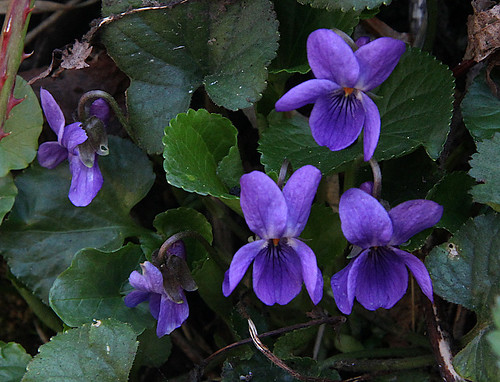
  • Viola odorata has short spurred flowers that are very fragrant and a dark – purpleish blue colour.
  • The leaves are rounded, almost heart shaped with crinkled edges.

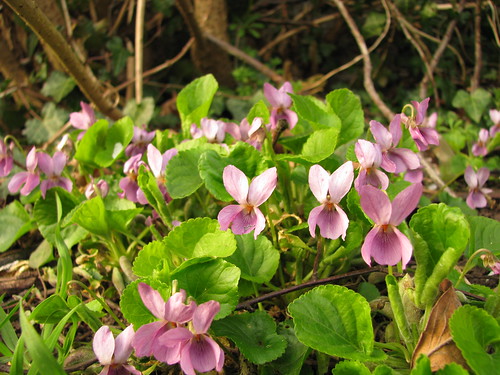
Viola odorata var. subcarnea
Also available in Pink is the viola odorata subcarnea.

Other Links for Viola odorata

Read about Growing Dogs Tooth Violets
For other fragrant and scented plants read Gardeners Tips
Look at the Violet Group on Flickr

Viola varieties available from Thompson & Morgan

Credits
Sweet Violet by Strobilomyces cc
Viola odorata var. subcarnea by –Tico– CC BY-NC-ND 2.0
Maarts Viooltje by hans zwitzer CC BY-NC-SA 2.0

Maarts Viooltje

Growing Cosmos – Easy Annuals

Growing Cosmos – Easy Annuals

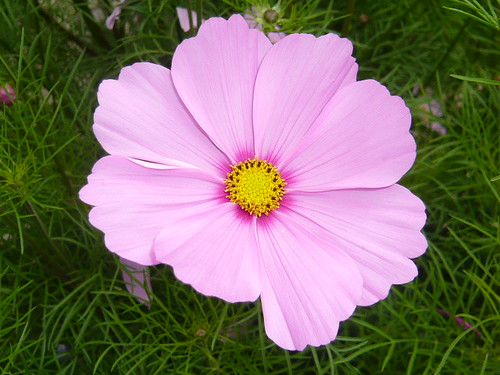
Cosmos

Cosmos! What a stonking name for a plant evoking all the constellations in the Universe.

Growing Cosmos

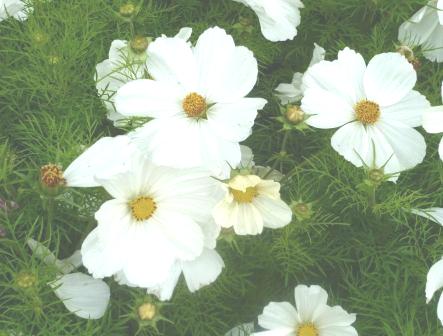
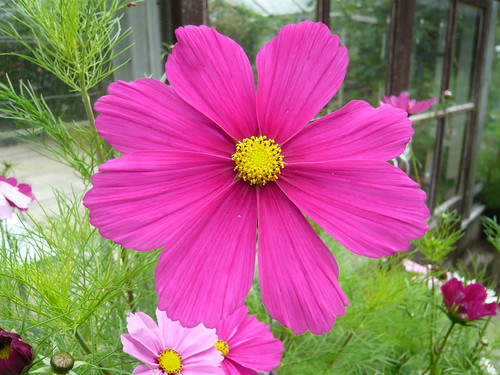
  • Cosmos flowers are a ring of broad petals and a center of disc florets similar to a daisy.
  • Cosmos flowers are 2-4 inches in diameter.
  • There is a lot of color variation including white, pink, orange, yellow, chocolate and scarlet colors.
  • Most Cosmos bloom heavily but die with first frost.
  • Leaves are fine and delicate and therefore the plants do not over shadow other flowers.
  • Cosmos get quite tall at up to four feet but in rich, fertile soils tend to produce unusually tall, lanky plants.

Cosmos

More Growing Tips from Seed

  • Smaller Cosmos are lovely in containers, showing off some of the finest lacy foliage of any annual.
  • Sow 3mm deep in spring at 21-24C in a good seed compost. Keep soil damp but not wet, sealing in a polythene bag after sowing is helpful.
  • Germination usually takes 5-10 days.
  • When seedlings are large enough to handle, transplant and grow on in cooler conditions.
  • Gradually acclimatise to outdoor conditions for 10-15 days before planting out after all risk of frost 60cm apart.
  • Plant in a sunny spot on light even poor quality well drained soil.

Cosmos
Useful Links

BBC Gardeners World – Gardening site of BBC

Royal Horticultural Society

Thompson Morgan seed varieties available

See more tips and help on Help growing Cosmos or search in the box center right.

Autumn Sunshine for Gardeners

Autumn Sunshine for Gardeners

Leaves Autumn 049

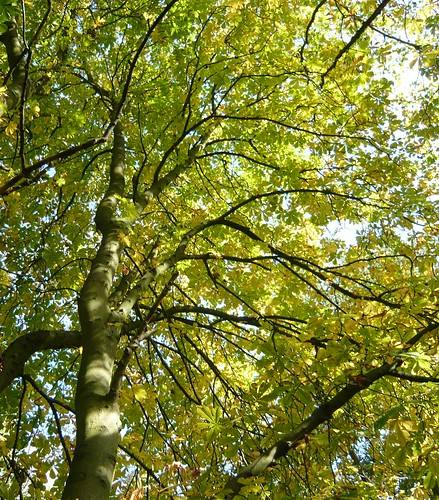
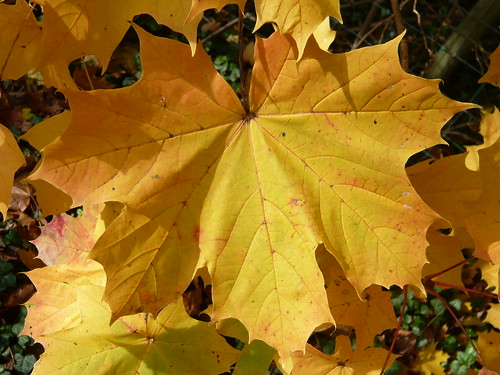
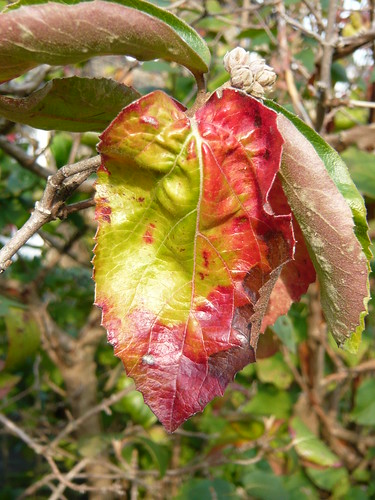
Make the most of the autumn sunshine it is warming and creates warm colours in the leaves of our plants and trees.
Chlorophyll is leaving the leaves of plants and only background colouring caused by the remaining chemicals is visible until the leaves fall.

Leaves Autumn 065

What Happens in Autumn Sunshine

  • A green leaf is green because of the presence of the pigment chlorophyll.
  • During the growing season chlorophylls’ green color dominates and masks out the colors of any other pigments that may be present in the leaf. Thus the leaves of summer are characteristically bright green.
  • The green helps capture the sunshine and convert the energy into plant sugars and thus growth. This is called photosynthesis.
  • During winter, there is not enough light or water for photosynthesis.
  • In Autumn the shorter days signal winter and trees begin to shut down their food-making factories.
  • The trees will rest and live off the food they stored during the summer.

Leaves Autumn 018

Why do Leaves Change Colour

  • Loosing leaves is one way of a plant disposing of waste chemicals.
  • It has been suggested that autumn colours may be a warning signal towards insects that use the trees for food.
  • Trees need some sort of protection to survive freezing temperatures and harsh winters. Stems, twigs, and buds are equipped to survive extreme cold so that they can reawaken when spring heralds the start of another growing season. Tender leaf tissues would freeze in winter so plants must either toughen up their leaves (evergreens) or dispose of them.
Funny Garden Signs

Funny Garden Signs

Some funny signs at our local allotment – Elder Stubbs, Florence Park, Oxford

Giant Leek Mankind

“Giant Leek for Mankind”

“Spuddau Ballet”

“That’s One Small Spud for a Flan”

~

The Peatles

“The Peatles”

– I’m Dried,

– I’m Sweet

– I’m Musy

– I’m Frozen

– I’m Ringo

~

Thanks very Mulch

“Thank You! Thank You Very Mulch”

~

Read More Read More

Help with Garlic Growing

Help with Garlic Growing

Garlic

You will not need a lot of help growing Garlic if you select UK Garlic bulbs that are appropriate for our climate. Buy from seed merchants rather than use the greengrocers supply which may be a tender overseas variety. Plant separate cloves in rich soil from now until January but sooner the better.

There are two main types of Garlic with either hard necks or soft necks both are fine with many varieties and flavours.

Help Growing Garlic

  • Garlic should be planted in a sunny spot during October or November so that they form a good root system before winter.
  • Garlic will stand at least 10 degrees of frost and needs cold weather to help it form cloves next year.
  • Garlic needs plenty of phosphate for root growth before planting, a little nitrogen in March to develop the leaves and help it photosynthesise and plenty of potash to harden off.
  • Break up the bulb into cloves and plant each one 1-2″ deep ‘nose up roots down’.
  • Leave 5-6″ between each planted clove.
  • When planting use the outer cloves with one rounded and one flat side from each head. The inner cloves, which are square or triangular should be used in the kitchen.
  • The best crops will be produced on light well drained soil.


Help Gathering Garlic

  • Water the plants regularly from spring. Stop watering a month before harvesting
  • Gather the crop in June or July.
  • The garlic with soft necks will bend over like an onion when raedy to be cropped. Hardnecked garlic should be picked when the leaves start to change colour.
  • Snap off any flower spikes as soon as you see them. Eat them in stir fries as revenge for taking energy from your plants.
  • Store Garlic in the dry. They are fine in platted ropes like the old French onion sellers.

Help Am I too Late to Plant Garlic

  • You can plant Garlic in frost free soil until January.
  • If you need to plant them later than January then, according to the National Vegetable Society, ‘the early root system can be enhanced by a form of chitting. Half fill a cardboard toilet roll tube with damp compost and set a clove on top. Stand the tubes indoors on capillary matting for a week or two, so that the roots start into growth. Once the roots emerge from the bottom plant the clove, tube and all, as soon as soil conditions permit.’

Help Selecting Garlic Varieties for the UK

  1. Solent Wight – a heavy cropper with large cloves
  2. Albigensian Wight – spring or autumn planting good keeper
  3. Purple Wight a ‘hard neck’ best used fresh as it is a poor storer
  4. Long Keeper large white bulbs to harvest in July from autumn planting.
  5. Early Wightanother ‘hard neck variety’ with AGM in purple variety
  6. Luatrec Wight fat pink cloves with white outer skin and a good keeper.
  7. White Pearl autumn planted will store reasonalble well.
  8. Pink Lady a pink skinned bulbs and gloves that can be eaten raw.
  9. Germidore softneck variety that is well adapted to British conditions. Produces large, white bulbs with a mild but rich flavour.
  10. Chesnok Red a hardneck variety from Georgia with attractive purple striping and a lovely, full-bodied flavour. Lovely choice for baking as it has a lovely creamy texture. Great for garlic bread!

Elephant Garlic would be in many best top ten lists but is closely related to the Leek side of the allium family see Gardeners tips

Note  Bulbs of various varieties are from available from Thompson & Morgan

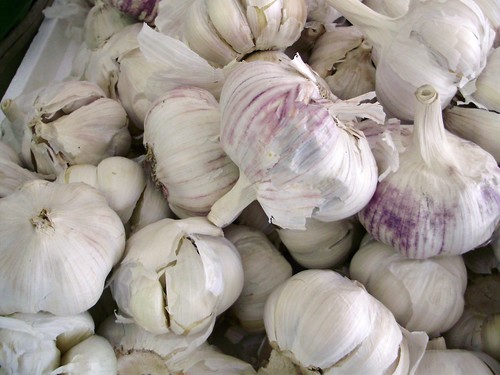
Credit photo ‘Garlic, food, roadside market, farmer’s market, culinary, cooking’ by mullica, on Flickr

Snap Dragons Den for Antirrhinums

Snap Dragons Den for Antirrhinums

Antirrhinum

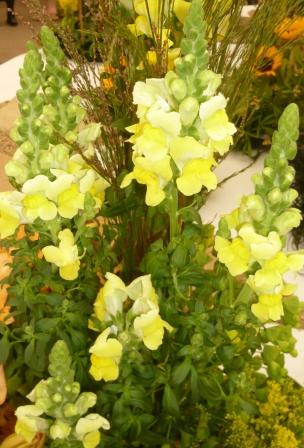
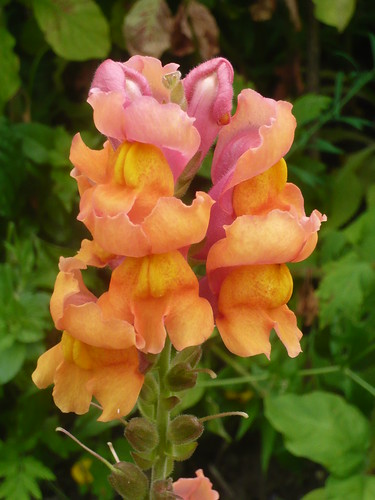
Invest in some Antirrhinums but ignore the cynical dragons on the BBC TV programme ‘Dragons Den’ who are yet to invest in a garden business.

Ways of Growing Antirrhinums

  • Grow from seed using the sowing instructions on the packet. Generally they recommend sowing in March or April although I have some overwintering plants sown in September.
  • Buy young seedlings from a garden centre in spring. You do not need to worry about damping off if you buy a pot full of seedlings.
  • Buy plug plants that will save you the job of pricking out and some seedling losses. The jumbo plugs can go straight into the ground.
  • Antirrhinums are short lived perennials and will probably return to flower next season. Trim them before winter to avoid straggly growth and encourage new branches in spring.
  • Allow your plants to set seed and they will self sow or you can collect the prolific seed for your own sowing. Setting seed is a sign for the plant to stop flowering so an alternative is to deadhead to get more flowers than seed.

Antirrhinum siculum

Antirrhinum siculum (Above) is a more exotic breed of snapdragon growing in warm dry conditions.

Comment
Six ways to grow Antirrhinums and confound the snapdragon fraternity with colourful, scented, cut and garden flowers.
Seeds are not a big investment and you get a good return for your money without needing outside investors.
Being a natural gardener you wont need to give away 50% of your plants for an investment of half the price of a packet but may be willing to do so.

Air Filtering Plants for Home

Air Filtering Plants for Home

Pot Mum

Modern homes and modern materials can have an effect on your health. Plants that filter the air or react with pollutants can make your home a better place to live in several well-being ways.

Why Homes Need Air Filtering Plants

  • Formaldehyde can be released from household furnishings, carpeting, foam insulation, upholstery, curtains, and furniture made from MDF or composites. Formaldehyde can cause sore eyes, nose, and throat or nausea, coughing, and even skin rashes.
  • Smoking consumes oxygen as it created carbon dioxide and monoxide. Plants reverse this process by consuming carbon dioxide and releasing Oxygen. Plants will not achieve a reduction in the particles left by smoking.
  • Xylene, toluene and benzene are volatile gases which can effect sore eyes and stimulate potential allergies.
  • Trichloroethylene is an industrial solvent which has anesthetic properties that can lead to depression.
  • Some house plants are more efficient in filtering out toxins than others

Best Air Filtering Recommendations

  • There are numerous lists of plants that have air filtering properties. Nasa conducted a thorough study of both plants and the chemicals that they remove. This list is the best I have come across and I recommend you check it out on wikipedia
  • NASA recommend growing a good-sized houseplant for every 100 square-foot 10 m2 within the house.
  • Air fresheners are not to be relied upon. They may mask smells but give off chemical pollution.
  • Some house plants are more efficient in filtering out toxins than others
  • Gardeners tips recommends you grow a good variety of houseplants and Pot Mums to look good and help pollution control

Other Plant Filtering Benefits

  • In the home Chrysanthemum plants offers colour, tranquility and are one of the best pollution controls according to the NASA table.
  • Outdoors Bioremediation uses plants that mitigate environmental problem without the need to excavate the contaminant material and dispose of it elsewhere.
  • Phytostabilization uses plants to reduce wind erosion or the plant roots to prevent water erosion and offers long-term stabilization and containment of pollutants.
  • Phytotransformation uses special plants for specific problems such as pesticides, explosives, solvents, industrial chemicals. Cannas and Sunflowers can render these substances non-toxic by their metabolism.
  • Phytoremediation consists of mitigating pollutant concentrations in contaminated soils with plants able to contain, degrade, or eliminate metals, pesticides and solvents in a soil.

Houseplants 018

More Benefits of Air Filtering Plants Outside the Home

Air filtering plants in an office can help reduce air conditioning energy consumption according to a study by K Meattle.
Better blood oxygen supply increases productivity.
See video