New Pansy Sweet Pea

New Pansy Sweet Pea

Update on Pansy ‘Sweet Pea’ Sept 2014

Failure of a new plant to take off. Trailing behind traditional Pansy varieties I have not repeated my experiment with Pansy sweet pea varieties, nor have I tried sweet peas that grow as low as pansies.
Described below are the Pansy purchases I made in 2012. It included a new pansy that was designed to climb or be treated like a sweet pea.
They arrived in good fettle and got off to a good start in various locations.
The first flush of flowers were OK but not stunning.
The climbing habit was poor even when tied to appropriate pea sticks.
The wet spring and summer weather has seen off the rest of the pansies and all in all they were poor value.

Pansies

Jan 10th 2012
Jersey plants have just mailed me a copy of their glossy but clear catalogue of plants for 2012. I was pleased to see and order some jumbo plugs of Senetti a daisy like flower that did so well for me last year. Prices are similar to other suppliers but postage is free.

I was suckered when it came to checkout into buying another 70 garden ready Pansy Sweet Pea a variety I have not come across before.

What are Pansy Sweet Pea

  • This pansy grows to 18″ and has similar characteristics to sweet peas.
  • The flowers are bicoloured and blotched in white, rose, pink, lilac, gold, red, and blue.
  • They flower from April to October with ruffled petals.
  • They are said to be ‘Ideal as cut flowers’ my reason for buying them.
  • I will support these pansies with short canes and plant about 6″ apart.

I have joined a flickr group ‘VIOLETTA AMORE MIO’ that specialise in pansy and violet photographs and hope to get some good pictures of this variety to submit to the show.

purple pansy

Credits
Mozaic Pansies by robynejay CC BY-NC-SA 2.0
Jersey Plants Direct
Good Value Garden Tools

Good Value Garden Tools

Some tools may fall in the category of BIY or bodge it yourself as opposed to DIY.

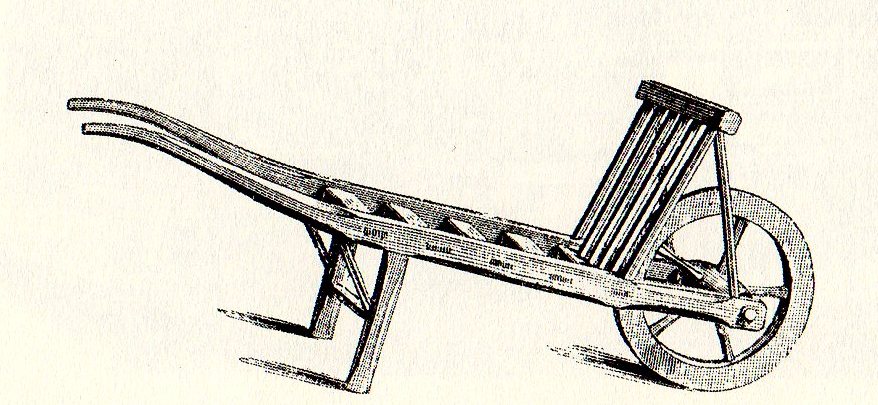
If you find an old Victorian sack cart or wheelbarrow it probably won’t be cheap. However such old tools are often made from good materials are very well designed for the purpose and are proven by years of experience and wear. Look out for such tools at car boot sales and second hand market stalls as they can be a fraction of the price of new and more to the point they can do a great job.

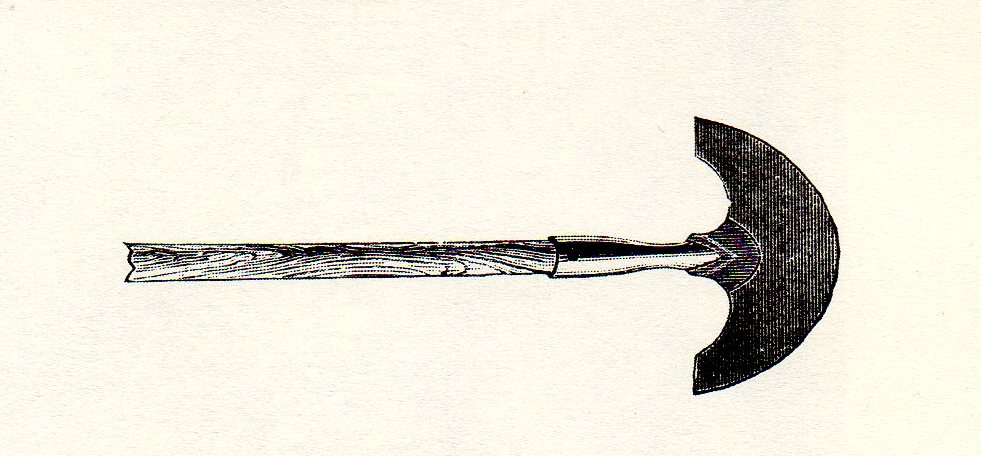
The right tool for the right job can make things easy like this old lawn edger. However there is money to be saved by having a multi-purpose tool that will grub out weeds in paths, hoe, rake and scrape a bit like this edger in fact. Some of the best tools are those you cobble together for yourself, shelving for a shed, newspaper pots for sweet peas etc.

Other Tools and Device Tips

Support Your Climbers this Autumn

Support Your Climbers this Autumn

Helmsley 194

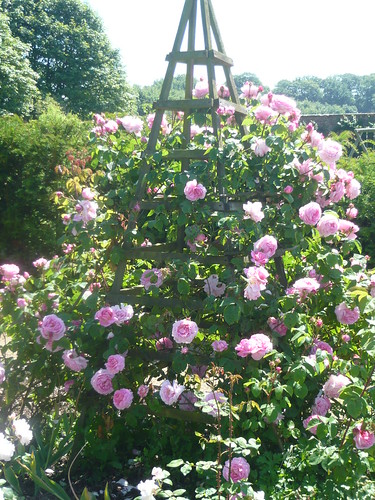
November is a good time to retie your climbers to their supports. Climbing Roses benefit from the support of a sturdy frame that prevents ‘wind rock’. Wind rock loosens the roots grip on the soil by the action of high winds.

Variety of Support for climbers

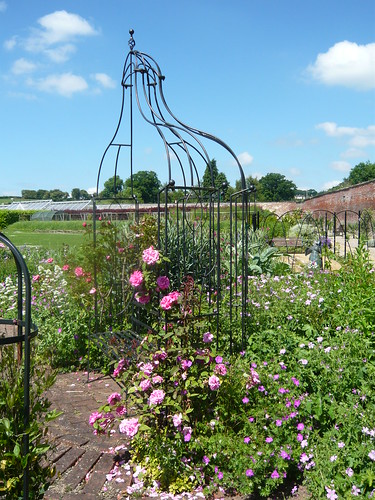
  • The photo below shows walled garden where the brick wall supported many climbers.
  • The hoops of stiff wire on a frame in the mid distance showed another distinctive form of support.
  • A complex cast iron work acts as a sculpture, archway or arbour as well as a support.
  • In the foreground is a circular, tubular effort that can be purchased at many garden centers.

Rose garden

What makes a Good Support Tie

  • Vine ties can be used to tie growth to a wall. These are like nails with eyes or soft nails that can be bent over.
  • Support ties should be disguised by growth so they are not obtrusive.
  • Ties should not restrict the flow of sap when growth recommences.
  • Ties should not cut into the trunk, branch or stem of the plants
  • The plants should be restricted so it can not blow around and become damaged.

Burnby Hall Pocklington

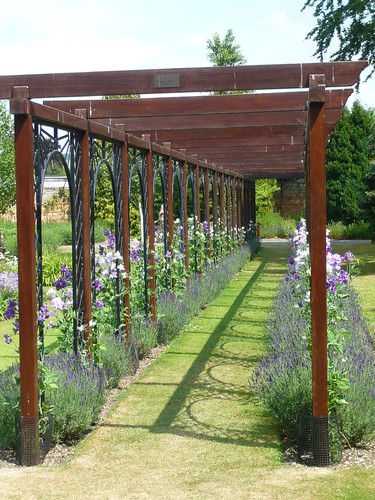
This pergola was used to support sweet peas but was built to help more sturdy climbers. Not everyone can accommodate such a construction and it should be more covered in climbers to suit my taste.

Ivy

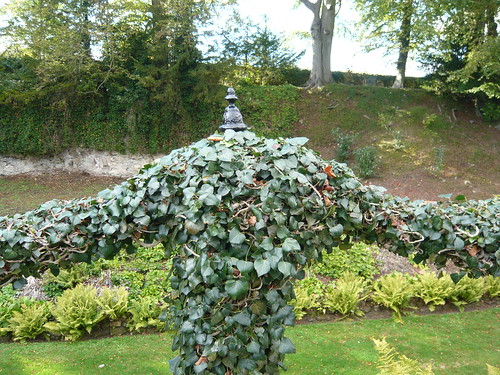
A simple support for the most basic climber or scrambler, Ivy. The swag under the growth is a chain link and is on both sides of the path at Brodsworth Hall Barnsley. I had to look underneath to be sure there was support as it looked so natural and completely covered for many yards.

See also Trellis and Supports

Growing Everlasting Sweetpea

Growing Everlasting Sweetpea

everlasting-sweetpea

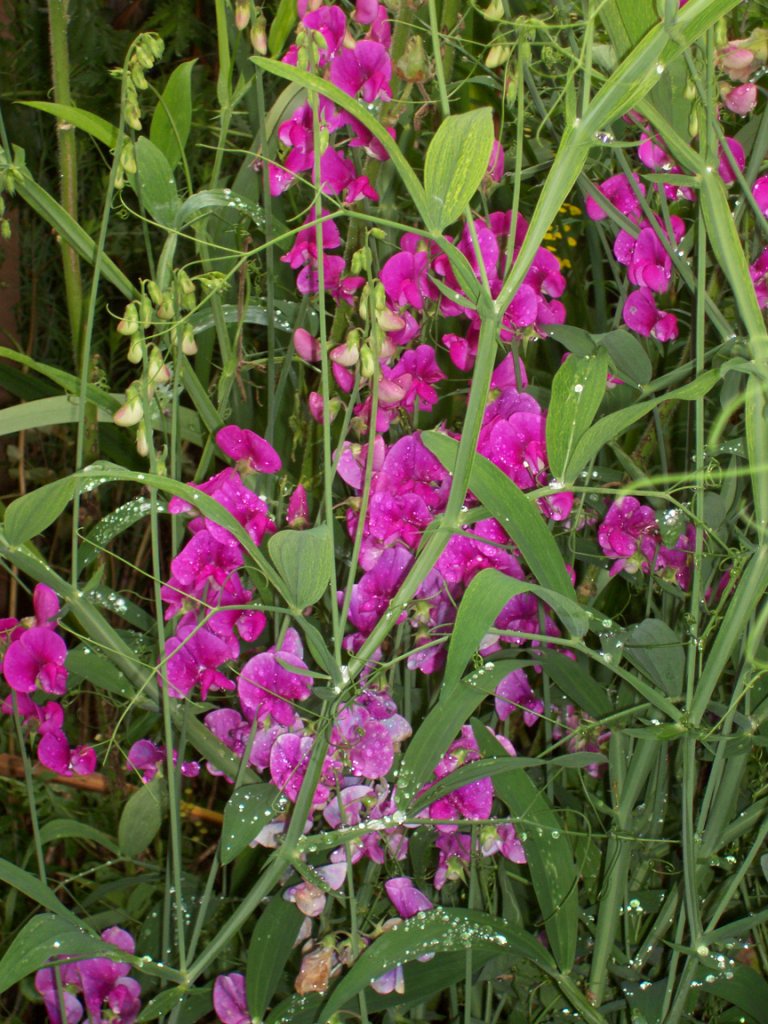
The Everlasting Sweetpea  is a herbaceaous perennials unlike it’s annual cousins. Lathyrus latifolia is the latin name of everlasting sweet peas and there are several varieties including this ‘Pink Pearl’,  ‘Red Pearl’ and I also have an unnamed  variety that is a blueish white. I have grown mine from seed but you can also take cuttings in early summer.

If you can forget comparisons with annual sweet peas you will find these rapidly growing climbers a great asset in your garden. They will scramble over an untidy compost heap, grow up a tall shrub or twine over a specific frame. Ever popular, this plant is smothered in showy sprays of legume like flowers from June to September among grey-green leaves.

Read More Read More

Cheap Garden Pot Mums

Cheap Garden Pot Mums

Purple Pot-Mum
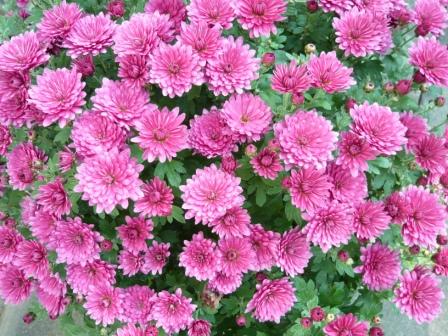
Purple Pot-Mum with 130+ Flowers

I have grown a lot of Chrysanthemums in pots this year. Currently they are showing their true colours in an Autumn blaze of glory.

Tips for Cheap Chrysanthemums

  • I bought a cheap supermarket multi pack early in the year (6 for 99p). I nipped out the growing heads and in some cases the flowers that were already showing. I potted them up individually in the cold greenhouse, then put them individually in large outdoor pots at the end of June. They were of a variety prone to self branch so I only needed to stop them blooming too early by pinching out odd flowers. They are now 10 times the size the supermarket expected.
  • Read More Read More

Gardeners Tips For Growing Sweet Peas

Gardeners Tips For Growing Sweet Peas

sweetpeas

Sowing Sweet peas.

  • The best results from sweet peas come from seedlings sown in October under a cold frame. You can also sow in early spring; however, these will flower later and will be more susceptible to mildew later in the season.
  • To help germination you can chip away at the hard outer skin of sweet pea seed. However, this is not necessary.
  • It is important to avoid seeds getting waterlogged as they are prone to rotting.

Sweet Pea Tubes.

The roots of sweet peas grow deep, therefore, when sowing use deep pots (they don’t need to be wide)

Hardening Off.

Sweet Peas are hardy, and can survive frosts; however, if grown in a cold frame they need to be hardened off before planting out. Sweet peas can also be sown directly

Planting out.

When planting out, it doesn’t matter so much if the soil around the roots comes away. The important thing is to water them in well.

Read More Read More

Growing Verbena Bonariensis

Growing Verbena Bonariensis

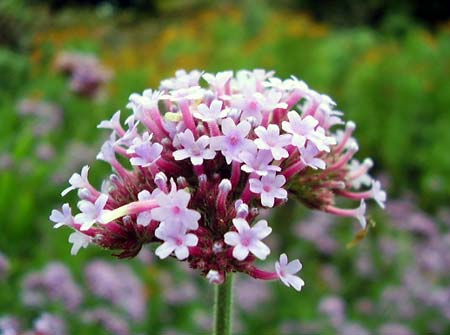
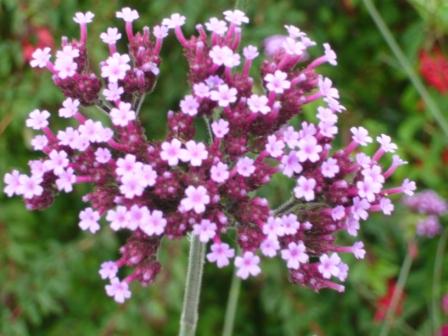
Purple wisps in September make this Verbena a favourite.

Verbena

Verbena Bonariensis


  • Common Name: Verbena
  • Genus: Verbena
  • Species: bonariensis
  • Exposure: Full sun / but also does well in partial sun
  • Hardiness: Half Hardy
  • Soil type: Well-drained/light, Moist
  • Height: 130-160cm
  • Spread: 45cm
  • Time to plant seeds: March to April or late summer.
  • Flowering period: August to October

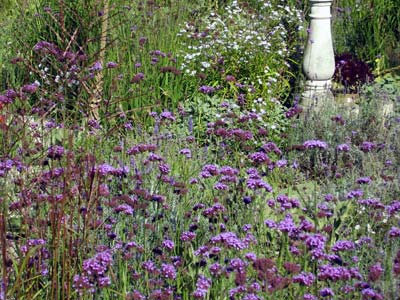
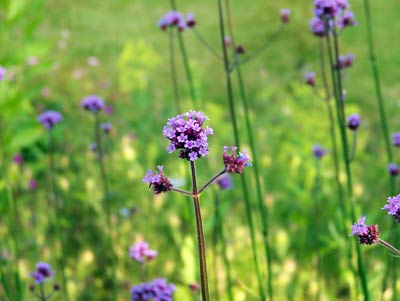
Verbena Bonariensis has been enjoying a resurgence of interest as people increasingly become interested in the ‘priarie garden’. Verbena Bonariensis is ideal for this informal style of planting as it can shoot up offering small lilac flowers from June to September.

  • Verbena Bonariensis can grow up to 2 metres and its height offers extra interest, without casting too much shade on surrounding plants.
  • It does well in sunny, well drained soil. The soil doesn’t need to be rich and will even come through cracks in paving stones. It is susceptible to cold frosts; it is advised to wait until early spring before cutting back stems.
  • It will seed freely once established, it even can become a little dominating, but, if you are happy for a free flowing garden style it is ideal.
  • I love the way Verbena bonariensis can grow up between different plants.

lavender

Repeat Season Flowering

After flowering, you can cut back to a few inches off ground level. This will then grow again. However, after one or two seasons, the plant becomes weaker. It is better to allow new plants to grow from self-seed.

Sowing

You can sow in Autumn for mid summer flowering. It was also flower in first year, if you sow in early spring. It is a good early Autumn flower. The seed heads can be attractive even after first frosts.

I find it is very successful to sow in the ground. It seems nice and resistant to slugs and snails – which is  real boon for outdoor sowing.
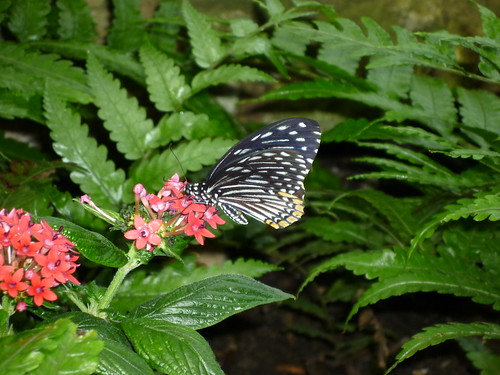
Butterfly and flowers
Butterfly and flowers by Kew CC BY-NC-SA 2.0

verbena

Verbena Bonariensis is one of my favourite plants. This is actually poking up from some cracks in the patio; giving an impact of meadow planting. It like its informality, height and delicacy of flower. I think it is best when grown in random clumps.

Generally verbena bonariensis grows well from seed. Scatter some on the soil in late July / August and if lucky it will continue to self sow for many years.

Verbena bonariensis looks to be a special purple in the fading light of autumn. It is strange how flowers look different in different lights.

When laying out a garden for colour consider the position of the sun, in spring and autumn, which will dictate the colour temperature and saturation of the light.

This verbena is very attractive to butterflies

Anemone Japonica looks pink in the shade of the house. In full sun the colour is burnt out to a less attractive lighter shade of pink.

Architectural Yucca Plants

Architectural Yucca Plants

Book Cover

For architectural plants we seem to think of spiky leaves like Cordylines, Phormiums and Yuccas. If you are keen to understand the differences and a bit of history of each species try ‘Architectural Plants What to Grow and How to Grow it’

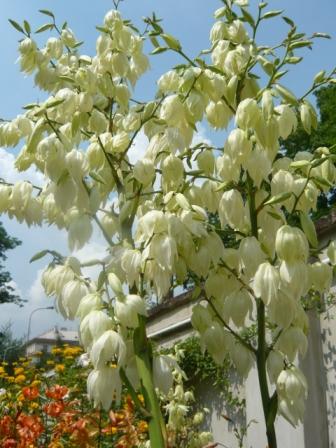
If you just want shape and form in your garden try some Yuccas which have exotic foliage and then flower like a lily.

yucca-flowers

Yucca plants are succulent and retain moisture in the leaf and trunk. Read more about Succulents.

Yucca are easy to care for

Yucca are long lived plants.

Repot your Yucca every few years with fresh compost.

Read about Exotic plant books on Garden Products

Read More Read More

Gunnera and Unrelated BrunneraTips

Gunnera and Unrelated BrunneraTips

Massive Gunnera Tips

  • Gunnera with giant green leaves grow over 6 feet tall and spread even wider. They are not for small spaces!
  • Gunnera are moisture loving, herbaceous plants best suited for stream or lakeside positions.
  • They make specimen architectural plants for a bog garden but control the size.
  • Cover the plant to protect from hard frost
  • Sometimes called giant rhubarb the leaves are not edible

Brunnera Tips

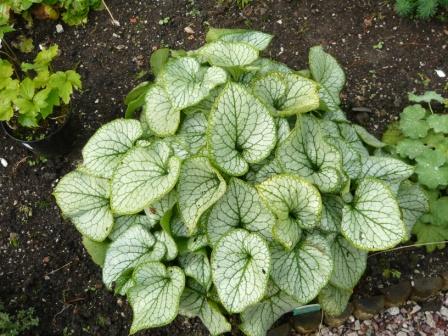
  • Heart shaped variegated leaves followed by blue, forget-me-not look alike, flowers make this a very attractive plant.
  • Brunneras like a moist soil but can tolerate some dry spells
  • Brunneras also like shade and are useful in a woodland setting
  • Grow in containers or as ground cover these 18inch high plants are versatile.
  • A new golden leaved form is available www.parkseedjournal