Help Growing Antirrhinum

Help Growing Antirrhinum
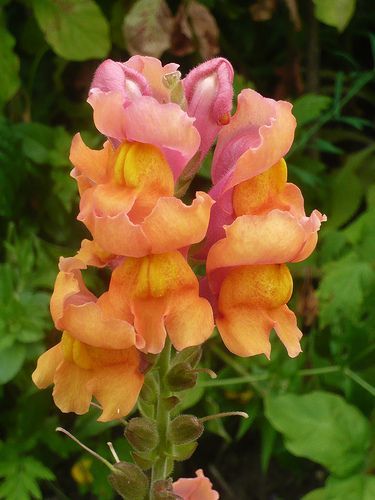
PLANTAGINACEAE 車前科 - Snapdragon (Antirrhinum majus) 金魚草 / 孟買彩雀

Description of Antirrhinum majus

  • Also known as snapdragons for the way the flower opens when squeezed
  • Flowers are born on spikes opening from the bottom and producing plenty of blooms per plant
  • Old plants can get leggy another reason to treat as annuals.
  • A good range of colours are available with some having stronger scent than others.
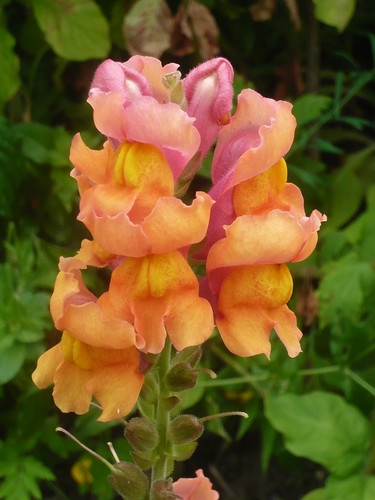
Antirrhinum

Cultivation Tips Antirrhinum majus

  • Best grown as annuals but plants are short lived perennials
  • Pinch out the growing tip to encourage bushy plants
  • Pinch out side shoots to encourage individual, large spikes.

Special Growing Tips for Antirrhinum

  • Beware of Antirrhinum rust which is unsightly brown speckles on leaves and stems that eventually defoliate the plant.
  • Plants will self seed but deadhead if you want more flowers
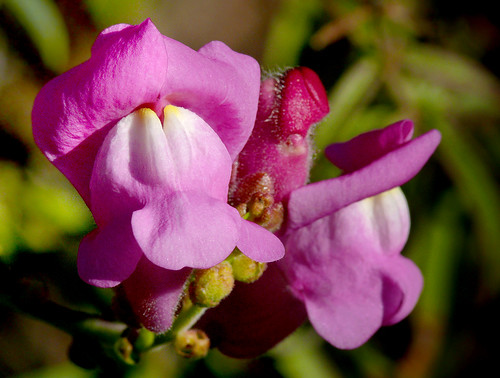
Antirrhinum australe #1

Varieties, Species and Types of Antirrhinum

  • Antirrhinum nanum ‘Dwarf Bedding Mixed’
  • Antirrhinum Pendula Multiflora Chinese Lanterns F1 bred to cascade from a basket or pot.
  • Antirrhinum Majus Nanum Rembrandt a red and yellow flower to paint a picture in your garden
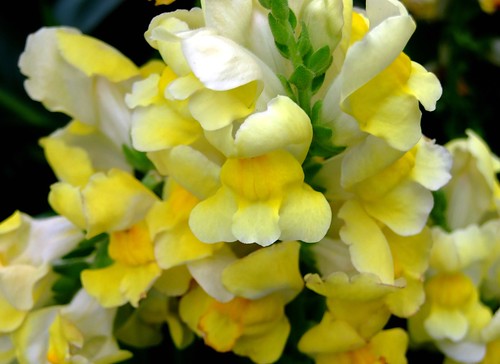
  • A yellow and cream coloured flower Antirrhinum braun-blanquetii Snapdragon is well recommended

Horticulture Sources and Advice on Antirrhinum

    • You can often obtain seeds or plants from our mail order company of choice Thompson & Morgan
    • Buy your own seeds to get the colour scheme you want. Buy young plants or seedlings if you are happy to take pot-luck
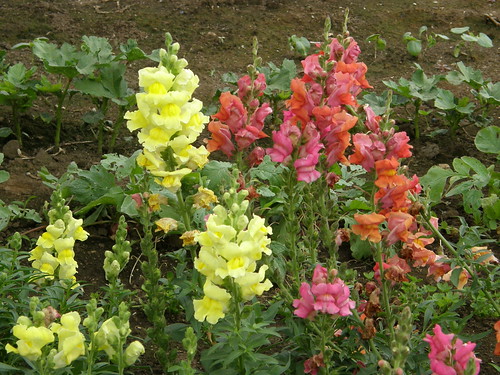
common snapdragon (キンギョソウ) #5875
Credits
“PLANTAGINACEAE 車前科 – Snapdragon (Antirrhinum majus) 金魚草 / 孟買彩雀 by kaiyanwong223, CC BY-NC-SA 2.0
Antirrhinum australe #1 by J.G. in S.F. CC BY-NC-ND 2.0 ‘Plantaginaceae (formerly Scrophulariaceae) – Spain origin of plant above Snapdragon Shown: Detail of flower buds and flowers- “Antirrhinum is a genus of plants commonly known as snapdragons from the flowers’ fancied resemblance to the face of a dragon that opens and closes its mouth when laterally squeezed (thus the ‘snap’). ‘
common snapdragon (キンギョソウ) #5875 by Nemo’s great uncle CC BY-NC-SA 2.0
Half Hardy Annuals Top Ten

Half Hardy Annuals Top Ten

Morning Glory 'crimson rambler'

What Are Half Hardy Annuals

  • Annuals grow from seed, flower, get pollinated, make more seed and die in the same year.
  • Half hardy annuals will die if it is too cold or frosty.
  • Half-hardy annuals must be sown under cover with gentle heat in February if they are to germinate and have a flying start.
  • Half-hardy annual plugs and plants can survive an odd chilly night temperatures 35 – 45 degrees F.
  • Tender annuals such as Begonias, Impatiens and Zinnia will not survive temperatures much below 50 F.
  • Half-hardy annuals die off as soon as the first frost arrives or after they have seeded whichever is sooner.

General Advice on Half Hardy Annuals

  • Sow thinly on the surface of trays or pots of good compost. Cover with grit.
  • Prick out into modules or big seed trays when true leaves are visible, then keep potting on until all danger of frost is gone and the plants are big enough to fend for themselves.
  • Annuals are great for creating instant effects as they flower quickly to squeeze in their whole life cycle during one summer.
  • Half-hardy annuals take loner to acclimatise to out door conditions of wind rain and cooler nights. Thus they need to be introduced to the outdoors slowly (Hardening Off).

Our Selected Top Ten Half Hardy Annuals

Phlox

Petunias

Nasturtium majus ‘Orange Troika’ or  Tropaeolum majus, Indian Cress

Marigold Tagetes patula, French and African Marigolds

Cosmos bipinnatus ‘Rubenza’

Dahlia variabilis ‘Bishop’s Children’

Lobelia erinus ‘Cascade Mixed’

Mesembryanthemum criniflorum ‘Apricot Tutu’ or Dorotheanthus bellidiformis, Livingstone Daisy, Ice Plant

Nemesia caerulea or Nemesia foetens and  Nemesia fruticans

Antirrhinum majus ‘Royal Bride’  a white Snapdragon

Tiny green bug

Notes

Busy Lizzie ‘Accent Mystic Mixed’ F1 Hybrid or Impatiens walleriana were originally in our top ten. However the last few crops have failed to produce the colourful displays we have come to expect due to a wilting disease.
We hope to reinstate these flowers in future lists. Perhaps we will extend our list to a top twenty,


Credits
crimson rambler’ by WindsurfGirl CC BY-NC-ND 2.0
Tiny green bug by Badly Drawn Dad CC BY-NC-ND 2.0

Growing Fennel for Home Cooking

Growing Fennel for Home Cooking

Fennel

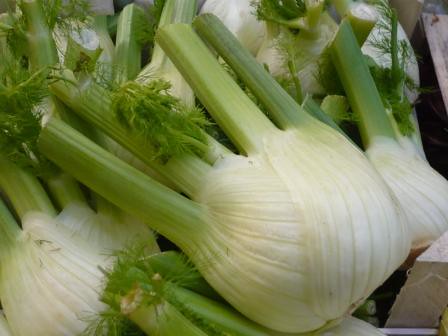
Fennel is a fine herb and aniseedy tasting vegetable that you can grow and cook at home from a simple packet of seeds. You can eat the bulb, leaves and stems fresh then save the seeds to eat in dried form.

Growing Varieties of Fennel

  • Sow seeds April to July. Prepare the ground well and rake to a fine tilth before sowing. Sow outdoors where they are to grow, ½in deep in rows 15in apart.
  • When large enough to handle thin out to 9in apart.
  • Prefers a well drained soil in full sun and should not be allowed to dry out. The bulbs of Florence Fennel should be watered well in dry weather.
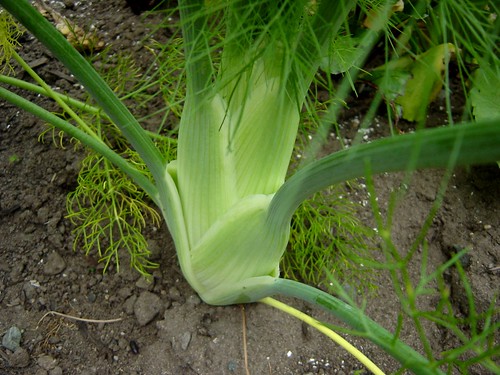
  • Soil needs to be drawn around the bottom of the bulbs when it reaches the size of a golf ball. After it has reached this size it should more than double in size over the next 2-3 weeks this is when it is ready to harvest.
  • The hardy perennial Fennel Victoria F1 Hybrid Seeds
    available from Thompson & Morgan produce bulbs that can be harvested July to October.
  • Outstanding yields of large, smooth and pure white bulbs with an enticing and traditional aniseed flavour. Fennel Victoria is a newly bred form which has neat foliage and improved resistance to bolting.
  • Foeniculum vulgare is the normal green form with Foeniculum ‘Purpureum’ a bronze-leaved” fennel that is grown as a decorative garden plant.

Fennel

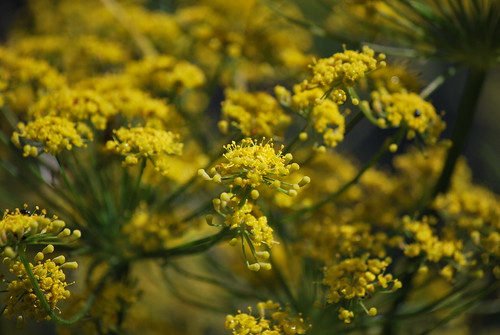
Fennel Herb ‘Foeniculum vulgare’  seeds from Thompson & Morgan produce fine foliage useful for cooking purposes and the flowers are yellow. It can be prone to bolting after seeds are transplanted.

Cooking Home Grown Fennel

Use the frondy leaves to flavour delicate dishes
‘Fennel is delicious, with a sweet and delicate aniseed flavour. Use in salads and with fish to counteract oiliness.
Beauty: An infusion of Fennel used as a compress is excellent for softening rough chapped hands. Pour hot water over the leaves and stems for a cleansing facial steam bath.
Nature’s Remedy: Reputed use for many ailments, particularly regularising painful and abnormal menstrual periods. It has long been recommended to combat obesity and aid slimming, as an eyewash for sore eyes and as a gentle laxative. Steep 1 tablespoonful of freshly crushed seeds in 1 cup of water for 5 minutes. Sweeten with honey to taste.’

Fennel (Foeniculum vulgare)
Credits
Fennel by Satrina0, CC BY-NC-ND 2.0
Fennel (Foeniculum vulgare) by epicnom CC BY-NC 2.0 ‘Beautiful herb, long used and appreciated for it’s many medicinal uses. It has also been used as a flavouring for many things, including toothpaste. Fennel tea, made from the seeds, is very good for mild digestive problems and can be helpful for menopausal symptoms.It is lovely to grow, as it attracts hoverflies and bees.’

DIY Worm Bin or Organic Wormery

DIY Worm Bin or Organic Wormery

A juicy tip for good fertiliser. Collect the liquid from a wormery, dilute it and use as a foliar feed.
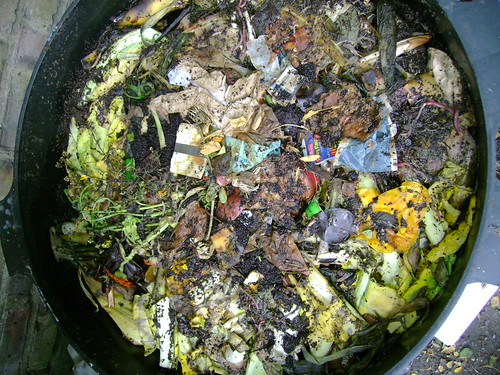
Wormery Top Level: Food Waste

Why have a Worm Bin

  • Worms can efficiently convert kitchen waste in to compost.
  • A free, liquid, organic fertiliser is also produced. Dilute it 10 fold and use on crops and flower beds.
  • Worms bins should be treated as fun. The tiger or brandling worms need feeding and looking after like other pets.
  • A three tier worm bin allows access to finished compost without disturbing the worms good work
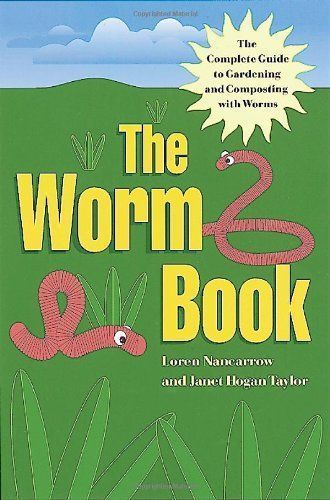
  • Read and be enthralled by The Worm Book

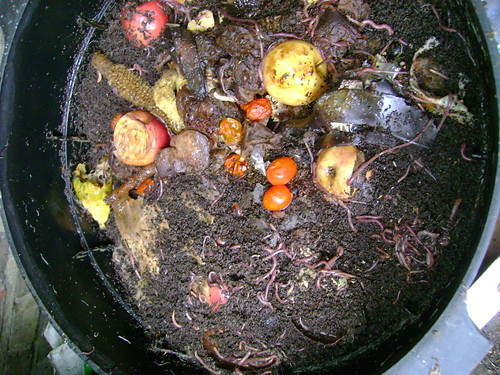
Wormery Mid Level: Food Waste & Worms

Make your Own Worm Bin

  • To avoid buying a wormery or worm bin you can modify an old water butt or similar plastic container.
  • If the bin has a tap you can drain off the liquid fertilizer.
  • If there is no tap drill a dozen half inch drainage holes at the base and stand the bin in a deep saucer to collect the juice.
  • Drill air holes at the top near the lid for ventilation.
  • Add a 4″ layer of grit, gravel or coarse sand to keep the drain holes clear.
  • Cut to shape a piece of old carpet or wood as a divider. Make sure it has holes so liquid can drain through to the grit level.
  • Add 4″ of bedding material (partly rotted garden compost will do). You need plenty of worms (circa100) in the compost, more the merrier
  • After a week gradually start adding kitchen waste including egg shells tea bags, pasta, bread rice, fruit and veg peelings etc.
  • Cover the kitchen waste with damp newspaper at all times to discourage fruit flies and keep worms moist
  • Cover with a tight lid

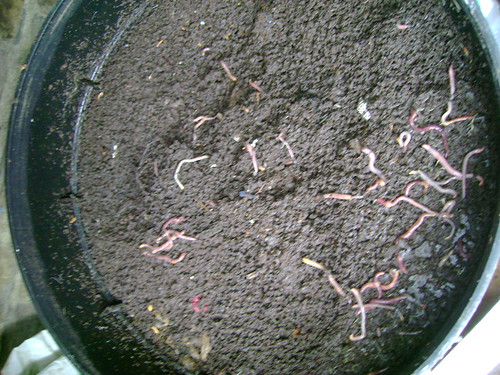
Wormery Lower Level: Worms & Compost

Operating Your Own Worm Bin

  • When the bin is full spread the contents on a large plastic sheet.
  • To coax the worms from the compost place damp newspaper over some of the compost where the worms will then congregate and you can collect them to start a new wormery.
  • Unpleasant smells or dead worms could be caused by over feeding too much waste in one go. Lack of ventilation may be another cause.
  • Small black fly infestations can happen if the bin is left uncovered.
  • Worm bins can become acidic so each month you can add a handful of ground limestone. Do not compost too much citrus peel.
  • Worms have a diet of Dairy Products, Fats, Meat, Feces and Oil.
  • Red worms live and eat in the top six to eight inches of material.
  • Oils

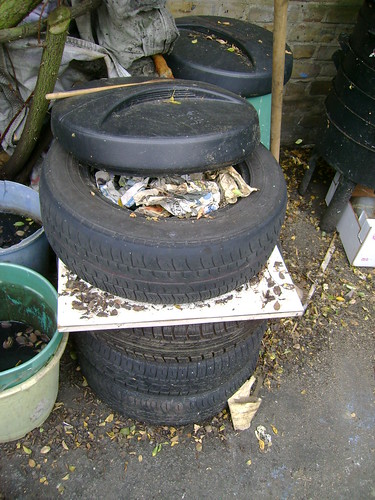
Tyre Wormery

Photo credits
Wormery Top Level, Mid Level and Lower level: Food Waste by London Permaculture CC BY-NC-SA 2.0
Tyre Wormery by London Permaculture CC BY-NC-SA 2.0


For more help read Lorene Nancarrows book.

The Tiger Wormery: Easy Access Composter, includes Worms available from Amazon

Top 10 Spring Flowering Shrubs

Top 10 Spring Flowering Shrubs

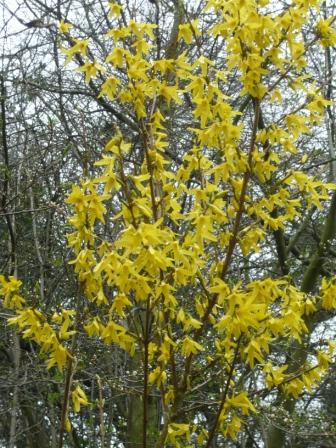
forsythia

Spring is known for colourful bulbs and primula but there are many top shrubs that provide great colour in spring.

Forsythia The yellow flowering twiggy shrub that can grow to 10 feet. It flowers before the leaves form and is a strong, bright  yellow. Large blossom varieties are now being cultivated but either way you get a mass of bloom.

Rhododendron Evergreen shrubs of many forms and sizes from 12 inches to 12 foot. Some bloom from March and some in May. Many sizes and colors exist and one range is named after Snowwhite’s seven dwarfs.

Ribes sanguineum Red Flowering Currant 6′ by 4’  This easy deciduous shrub flowers in panicles of red  or pink  in March and April.

Mahonia aquifolium ‘Compacta’Oregon Grape Evergreen shrubs with spiky leaves grow to several feet tall. Yellow flowers in February and March with good scent. It also produces black edible berries.

Read More Read More

Primula Kewensis One of the Worlds Top Ten

Primula Kewensis One of the Worlds Top Ten

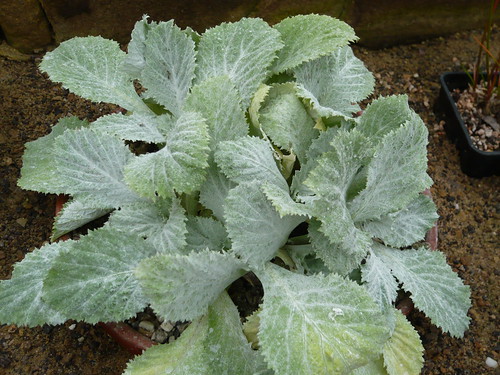
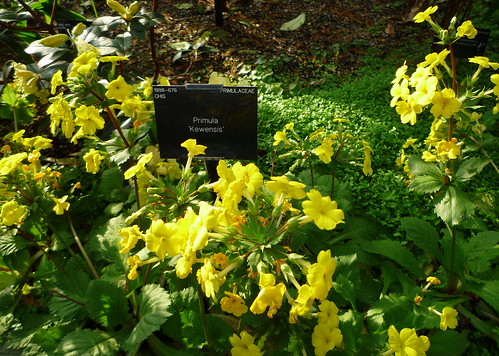
Primula Kewensis

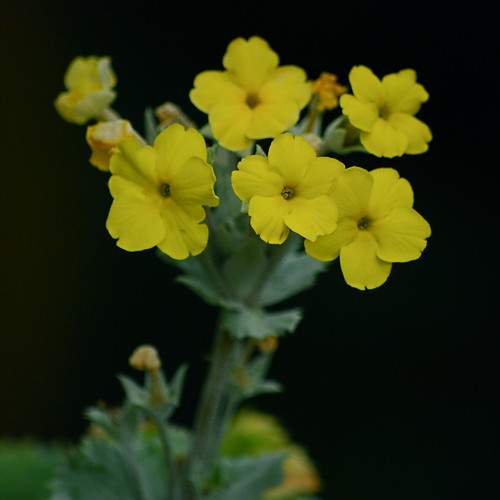
It is believed that the Kew Primrose, Primula Kewensis was bred from Primula verticillata and Primula floribunda around 1905. It should be high in the world’s top ten Primula varieties. It flowers yellow or lemon-yellow and has these attractive leaves when grown in the cold Alpine house.The downy powder is called meal or Farina and gives a grey-green appeal to the leaves similar to some show Auriculas. The seeds grow true and do not hybridise.

Primula

There are approaching 500 species of Primulas and numerous societies who specialise in the genus. The National Auricula and Primrose society Northern branch, The American Primula Society
Primula Kewensis to start the week
As seen in the exotic green houses of the Belgian National Botanical Garden.

More Primula seeds from Thompson & Morgan

Credits
Primula by Badly Drawn Dad CC BY-NC-ND 2.0
Primula Kewensis to start the week by Vainsang CC BY-NC-ND 2.0

Growing Garden Peas

Growing Garden Peas

peas

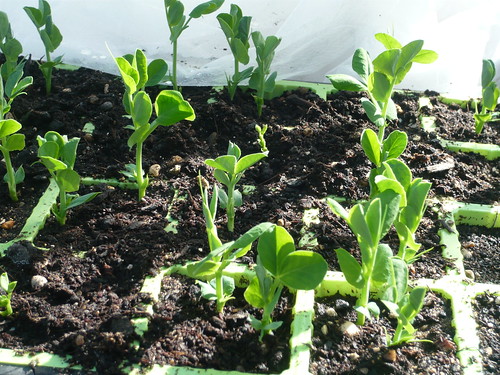
This photo shows some young pea plants ready to grow up some pea sticks.

Garden peas can be one of the most rewarding vegetables to grow because their taste, fresh from the garden, is really something. They also give a good cropping ratio for the amount of land used and so are good for small gardens. Also grown up pea sticks like this they make an attractive vegetable – so could even be grown in your front garden! Modern chefs are keen to use the tender pea shoots with all the pea flavour but none of the starch. I still prefer the mushy peas but it is an acquired northern taste.

As a final bonus, the legume family tend to help put nitrogen back into the soil so are great in crop rotation  before heavy nitrogen users like Green vegetables.
Pea plants
In the early days of sowing they will need protection from frost and slugs. Their leave are tender and so need careful hardening off or covering with fleece during their early days. Also if you are not careful an army of slugs and snails can decimate your crop overnight. See: Methods to reduce slugs

Peas do need supporting, otherwise they will flop over where the crop will be lower and more liable to be eaten by slugs. These pea sticks make an attractive and functional natural support. You can buy them or look for suitable twigs from your own trees. It is good to put them in early and if necessary make a tie to get them started. But, generally, the pea tendrils will find the stick for support.

If you sow indoors during March, they will be ready for planting out late April and this will give a good crop around July. They are quite quick growing so you can stagger sowing by 3 weeks to give you a longer cropping season.

Related

Top Ten Round Courgette Varieties

Top Ten Round Courgette Varieties

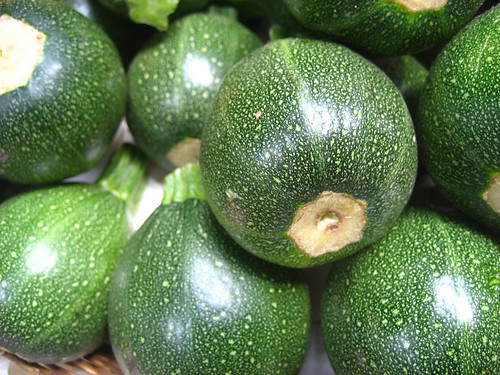
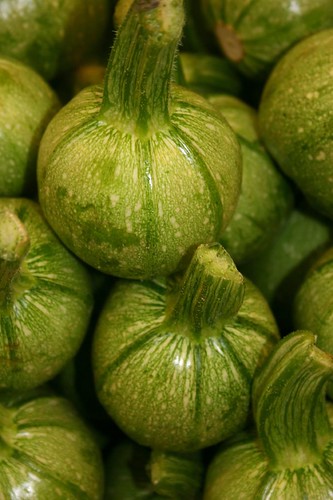
If you are getting round to ordering your new vegetable seeds try a round courgette and have a ball
Round courgettes

Curcurbita pepo may have been cultivated for upwards of 5,000 years but I bet they have not always been called Courgettes. We already call them Courgettes, Zucchini, Squash or Marrows.
Below are some of the named varieties of round or ball shaped courgettes now available in the UK and elsewhere.

Top Ten Round or Ball Shaped Courgettes

  1. De Nice a Fruit Rondo – pick from golf ball size upwards.
  2. Tondo Chiaro di Nizza
  3. Florido a yellow fruit
  4. Summer Ball
  5. One Ball another yellow round variety, grow with Eightball.
  6. Tondo di Piacenza a dark green italian variety
  7. Brice a light green skinned ball shaped courgette
  8. Eight Ball is a snooker ball sized courgette OK as a marrow
  9. Zucca Marina sweet skin, yellow flesh and upto 20lbs in weight.
  10. Tricolour F1 hybrid round Courgettes available from Thompson & Morgan

Round Zucchini / Courgette / kishu'im / קשואים

Other sources Marrows – Watering, Pollinating and Harvesting
Seed suppliers list

Top photo Attribution 2.0 Generic (CC BY 2.0) by adactio.
Second Attribution-NonCommercial-NoDerivs 2.0 Generic (CC BY-NC-ND 2.0) by marcusfrieze

Growing Sprouting Seeds for Salads and Stir Fry

Growing Sprouting Seeds for Salads and Stir Fry

Seeds that have germinated and grown roots (radicles) and sprouts (plumules) can add flavour and texture to your meals. They do not take up space in your garden and can be grown all year round.

Bean sprouts in Chinese restaurants are crispy additions to the flavours and textures of your meal. The trick to growing long crisp sprouts is to grow them under pressure. In a dark, free draining container put a half inch layer of bean seeds, cover with a damp cloth and put a one pound weight on top. Rinse daily under a tap and 4-5 days later they will be ready to eat.

Open sprouting can be done like our childhood mustard and cress on a foam base covered with layers of paper towels or on moist cotton wool. Cover with tin foil to exclude the light and germinate in a warm spot.  Method 2 Put some seeds in the bottom of ajar and cover with water to soak for twelve hours. The seeds will expand a lot as they grow. Half to one inch (1cm – 2cm) of dried seeds will usually fill a jar. It varies between seeds – radish expand more than sunflowers.
After twelve hours rinse the seeds in room temperature water then drain the water leaving seeds damp. Repeat every 12 hours for 3-4 days until ready to eat.

There is a wide variety of seeds that can be eaten as sprouts or seedlings but do not eat legumes to excess. Legumes, particularly  Broad beans and French beans are  slightly toxic. Corriander, Leeks and Onions can be eaten as seedlings. Cereals are only eaten as very small sprouts. All Brassicas can be eaten as seedlings.  Buy from health food shops or specialist suppliers and keep seed cool and dry until ready to use. Below is a table of some suitable plants for sprouting.

Common Name Days to Sprout Length when edible
Lima beans 3-5 12-25 mm
Mung Beans 3-5 12- 75 mm
Fenugreek 3-5 12-50 mm
Lentil 2-4 6-20 mm
Alfalfa 1-4 very tiny
Clover 2-5 very tiny
Buckwheat 3-5 tiny
Radish 2-4 12-25 mm
Barley & Rye 3-5 very tiny
Sunflower 1-3 12-38 mm
Sweet Corn 1-3 6-12 mm


Papery Flowers of Orange Physalis

Papery Flowers of Orange Physalis

physalis
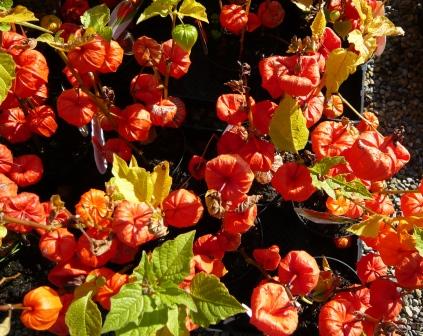
Chinese lantern, Physalis franchetii, grows from seed and is a very short lived herbaceous perennial. It will grow two feet tall and bear small, white flowers followed by large, balloon-like papery husks in July and August.

Growing Chinese Lanterns

  • The Chinese lantern plant is valued for its inflated orange-red seed coverings or calyx which resemble miniature Chinese lanterns.
  • Inside each 2-inch long husk is a small edible but often tasteless red fruit. The lanterns are not edible
  • The leaves are long pointed and heartshaped.
  • The plant can tolerate very cold conditions, flower quickly from seed and like full sun.
  • For winter bouquets, cut the stems in Autumn just as the lanterns turn color, remove the leaves and hang them, right side up, to dry in a shady, airy place.
  • They are related to the Cape Gooseberry Physalis peruviana and other species to try include P. Alkekengi