Swiss Chard as Coloured Spinach
Swiss Chard as Coloured Spinach

swiss Chard HC

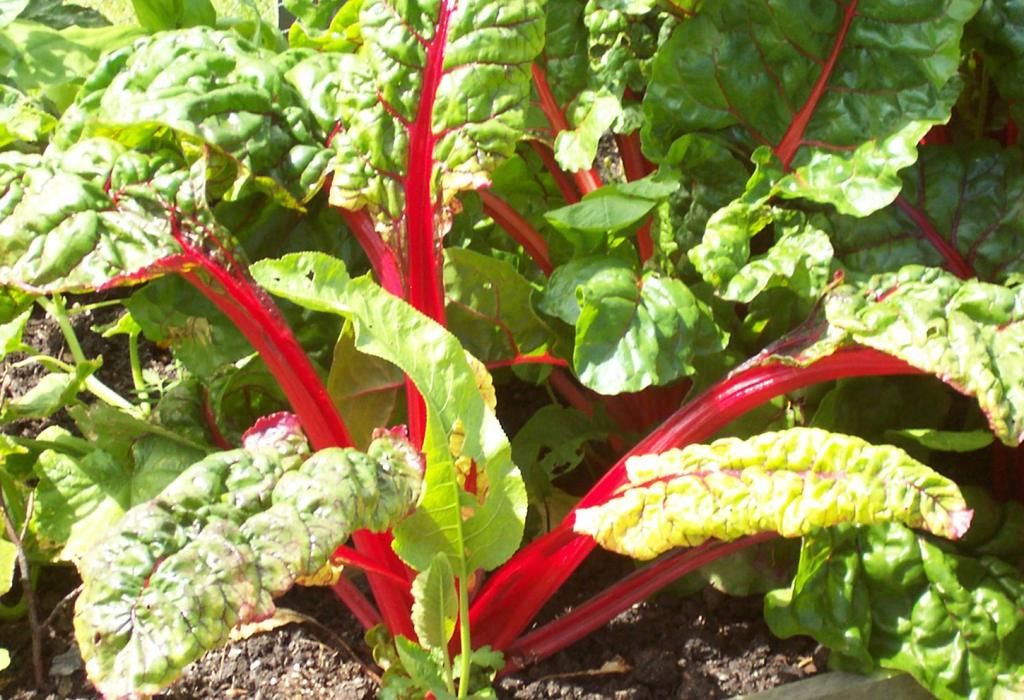
Similar to spinach with a slightly bitter flavour Swiss Chard is pungent and slightly salty. It contains an exceptionally impressive list of health promoting nutrients. Although Swiss Chard is available throughout the year, its season runs from June through August when it is at its best.

  • Swiss Chard is a tall leafy green vegetable with a thick, crunchy stalk that comes in white, red or yellow with wide fan-like green leaves.
  • It is ornamental enough to grow in the border.
  • Chard is easy to grow from seed and grows upto 18 inches tall and spread.
  • Eat and cook Chards like spinach. Both the leaves and stalk of chard are edible, although the stems vary in texture with the white ones being the most tender.
  • ‘Ruby Red’ has stunning deep veins and can be picked young.
  • ‘Bright Lights’ is a seed mixture ready within a month
  • Organic seed is available and if growing it organically watch out for slugs

Book Cover

Gardening Jobs We Hate To Do.

Gardening Jobs We Hate To Do.

windingpath

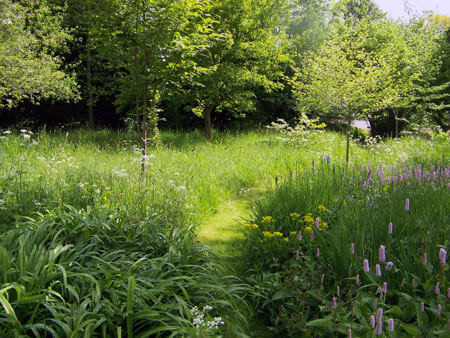
Cutting the grass is hard work, (you could just leave it like this natural meadow)

Gardening is a beautiful pastime, working with plants is one of the most rewarding activities. But, there are sill some jobs that never seem particularly attractive. These are some of the jobs I try to avoid doing, or at least get someone else to do. (It’s about time to invite my Mother to cut my edges)

1. Dealing With Slugs

There is no easy way to deal with slugs. Using pellets leaves a slight feeling of guilt. Any other method is either gruesome or hardwork.

2. Cleaning equipment after use.

When you’ve spent along time clipping a hedge, putting the clippings away, the last thing you wont to do is to clean all the tools you’ve used. But, it is an effective way to extend the length of tools.

3. Cutting the edges and picking up the clippings.

Mowing the lawn isn’t too bad, but, going round all the edges and cutting them is hard work with little reward.

Read More Read More

Growing and Pruning Peach Trees

Growing and Pruning Peach Trees

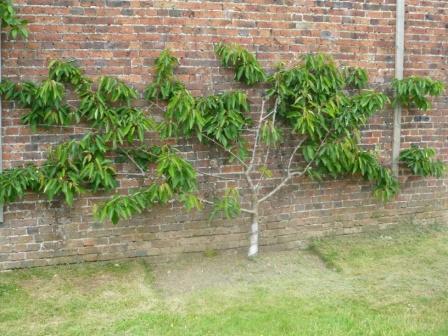
espallierPlanting peaches

  • If planting against a wall remember at least a foot from the wall will be extremely dry
  • The soil may also be very poor and contain builders rubble.
  • Dig a deep pit and fill with good rotted compost
  • After planting water well to settle the soil and add a mulch of manure
  • Peaches like a lightopen well drained soil that still retains some moisture

Training Peach trees

  • Horizontal wires secured with vine eyes are a traditional support mechanism.
  • Train side shoots to form a fan shape by tying to the wire
  • A neater method may be to select 2 side opposing shoots to grow parallel to the wall. Remove the leading branch and tie each shoot to a cane at 45degree angle.

Pruning Peach Trees

Scented Pelargonium (Geraniums)

Scented Pelargonium (Geraniums)

It is the scented leaves of Pelargoniums rather than the flower that attracts growers and collectors. They are often used in scented gardens for the blind but are useful in a normal garden border where they may be brushed or touched. As indoor pot plants they are ideal as living pot-pourri and may be hybrids or species in their own right.

Top 10 Scented leaved Pelargoniums

  1. Pelargonium Fragrans Variegata a small plant with lots of scented green and white leaves with the aroma of spice, pine and lemon.
  2. Mable Grey woody and harder to grow but heavy lemon scented leaves

Book Cover

  1. P. graveolens Lady Plymouth a strong grower favoured for exhibitions with a rose like scent
  2. Prince of Orange is an old variety that as the name implies smells of orange
  3. Little gem is a dwarf grower with a spicy scent that remains fresh until late in the year

Read More Read More

Choice Blue Conifers

Choice Blue Conifers

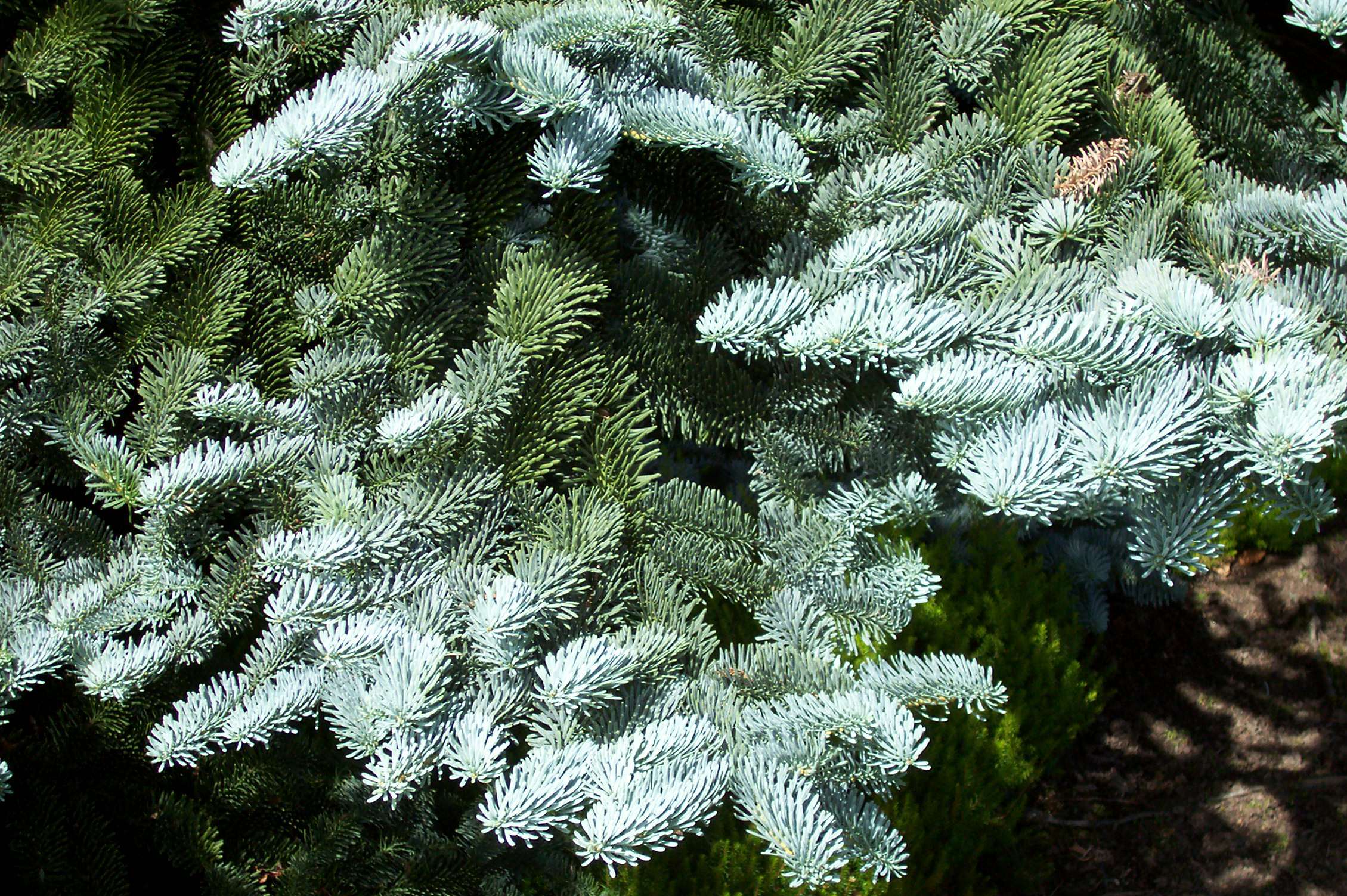
Abies procera glauca

This noble fir is a large prostrate form with thick rounded bright blue needles that gives a good colour contrast within any garden. This is just one of the good looking Conifers that can be suitable for a British garden.

  • This prostrate form is slow growing. Remove any strong vertical branches
  • Young plants need a good soaking when the soil becomes too dry and prefer a moisture retentive soil
  • Roots spread wider than the tree but shouldn’t need fertiliser
  • Will stand very cold winter temperatures
  • The habit, form and colour of this Pine make it a good plant to incorporate into a garden design

Book Cover

Other Blue Conifers

Colorado Blue Spruce or Picea pungens glauca is a beautiful blue conifer with a broad, pyramidal shape.

Cedrus atlantica ‘Glauca Pendula’  as the name suggests trails like a weeping willow and can be as vigorous.

Chamaecyparis Lawsoniana Alumii is a slow growing columnar tree

Abies pinsapo blue Spanish fir is also slow growing with some of the most striking frosty blue  foliage of any conifer.

Top 5 London Parks

Top 5 London Parks

Victorian Park

1.  Battersea Park

Festival Gardens, Peace Pagoda, Henry Moore sculpture, Exotic trees and 200 acres of lively park and amenities. All these features and more are to be found on the southside of the Thames opposite Chelsea.

2.  Hampstead Heath

Heather and heathland plants attract birds including flamingos and parakeets. The Pergola and Mawson Hill garden planting are worth a visit in this ‘green lung’ of London that has (or suffers) 10 million visits a year.

Book Cover

3.  Regents Park

Read More Read More

Blackberry Growing and Care

Blackberry Growing and Care

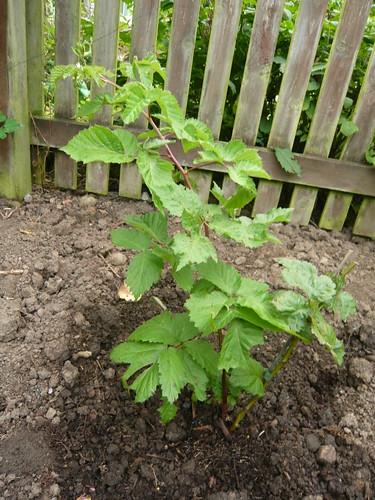
The Blackberry was my first choice in a new garden makeover project. Now three years on my crop is destined to be enormous.
I am rejuvenating and increasing the space dedicated to soft fruit.
My badminton partner has long espoused the success of the thornless varieties and I fancy a rest from foraging in the hedge rows that may have been chemically treated by well meaning farmers.

Blackberry 'Waldo'

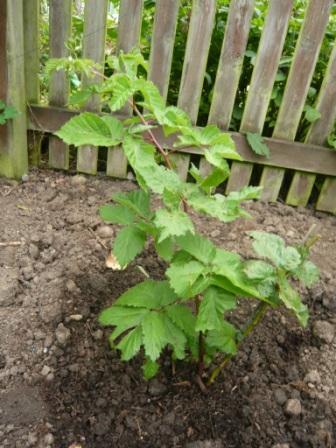
Blackberry Waldo

  • Waldo is a completely thornless and early fruiting variety.
  • It should grow in a compact form with moderately vigorous growth making it ideal for a smaller space than some brambles.
  • I was seduced by the claim of ‘extremely large, attractive, glossy fruit. The berries are firm with exceptional flavour.’ Who ever checks back against these sales descriptions.

Planting my Blackberry Waldo

Read More Read More

Gooseberry Growing & Care

Gooseberry Growing & Care

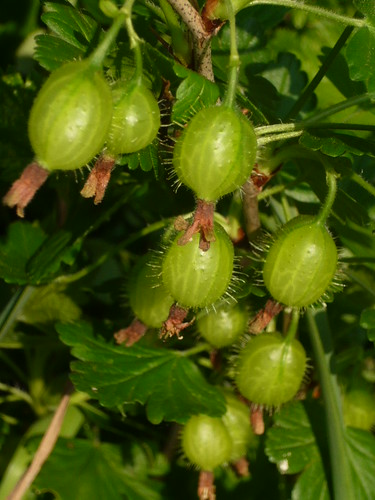
Gob stopper gooseberries are the order of the day. Mega crops this year are going to be a culinary delight fresh and from the freezer.
gooseberry

How To Plant New Gooseberries

Space bushes 5 feet apart.
Dig in lots of manure or well rotted compost
If planting container grown plants tease out the roots before planting firmly in a large hole.
Mulch to retain moisture and suppress weeds.
In late November I planted several new varieties of gooseberry bush as I am looking for more fruit (and fruit pies). These plants do not need any pruning until next year and then only very light pruning. Never the less I have had a good look to make sure that there are no damaged branches to trim and I will check again if we get some heavy snow.

Gooseberry 'Lancashire Lad'

Read More Read More

Holly is Not Just for Christmas

Holly is Not Just for Christmas

Get an early start on Christmas decorations before the birds eat your berries.
Get out and plan where you will pick your holly for Christmas decorations now. As the berries ripen the birds descend and scoff the lot just when you are not looking.
You can condition the stems, leaves and berries and placing stalks in a glycerin solution. They will take up the liquid and become supple and longer lasting. Crush the stems and use warm glycerin then leave for a couple of weeks.

Holly

Read More Read More

Growing Aubretia from Seed

Growing Aubretia from Seed

Aubretia

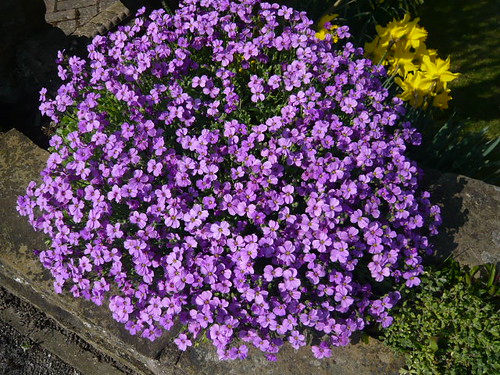
Aubretia is an excellent, 6″ high perennial that is almost smothered with flowers in early spring.
Aubretia is suitable for rockeries, walls, borders, edging paths, planters and window boxes. Spread is 12-18in and flower colours include blue, rich purple and pink shades.

Sowing Instructions

  • Sow by just covering the seed, from late winter to early summer, in a good free draining seed compost.
  • Add some grit or sharp sand to ordinary compost as Aubretia doesn’t like wet feet.
  • Make sure the compost is moist and not wet and seal in a polythene bag.
  • Germination usually takes 14-21 days at 65F .

Growing Instructions

  • Transplant, when large enough to handle, into boxes or 3in pots.
  • Later plant out 12in apart into a sunny, well drained garden soil preferably containing lime.
  • Trim with shears after flowering to keep plants tidy. Allow to trail if you like the unkempt look.
  • Desirable plants can be increased by cuttings or layering in late spring.

Old Hybrids to Look Out For

  • Doctor Muller – deep violet-blue
  • Mrs Rodewald – larger red flowers.
  • Bridesmaid – pale pink  with a deeper eye.
  • Barker’s Double -  a pink mix with semi and double flowers

You can buy seeds or plants from Thompson & Morgan and other seed suppliers

Aubretia deltoidea Variegata has white edged leaves.

Aubretia deltoidea Aurea has gold edged leaves. Aubretia is also in books with the spelling Aubrieta and Aubrietia