Modern homes and modern materials can have an effect on your health. Plants that filter the air or react with pollutants can make your home a better place to live in several well-being ways.
Why Homes Need Air Filtering Plants
Formaldehyde can be released from household furnishings, carpeting, foam insulation, upholstery, curtains, and furniture made from MDF or composites. Formaldehyde can cause sore eyes, nose, and throat or nausea, coughing, and even skin rashes.
Smoking consumes oxygen as it created carbon dioxide and monoxide. Plants reverse this process by consuming carbon dioxide and releasing Oxygen. Plants will not achieve a reduction in the particles left by smoking.
Xylene, toluene and benzene are volatile gases which can effect sore eyes and stimulate potential allergies.
Trichloroethylene is an industrial solvent which has anesthetic properties that can lead to depression.
Some house plants are more efficient in filtering out toxins than others
Best Air Filtering Recommendations
There are numerous lists of plants that have air filtering properties. Nasa conducted a thorough study of both plants and the chemicals that they remove. This list is the best I have come across and I recommend you check it out on wikipedia
NASA recommend growing a good-sized houseplant for every 100 square-foot 10 m2 within the house.
Air fresheners are not to be relied upon. They may mask smells but give off chemical pollution.
Some house plants are more efficient in filtering out toxins than others
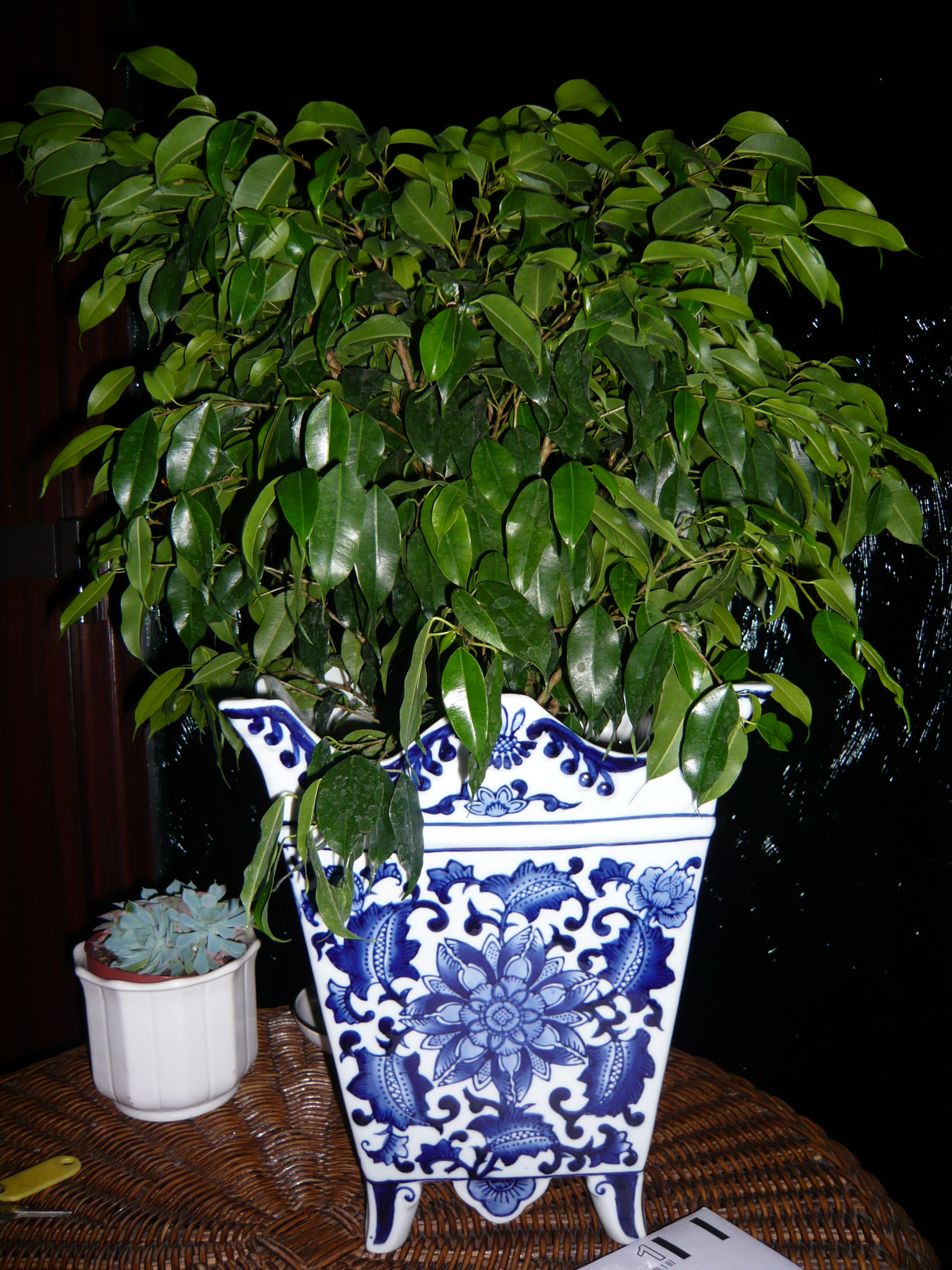
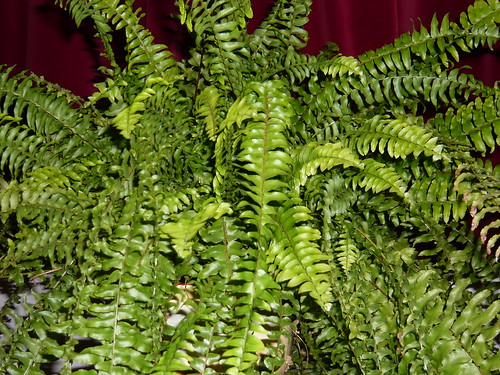
Gardeners tips recommends you grow a good variety of houseplants and Pot Mums to look good and help pollution control
Other Plant Filtering Benefits
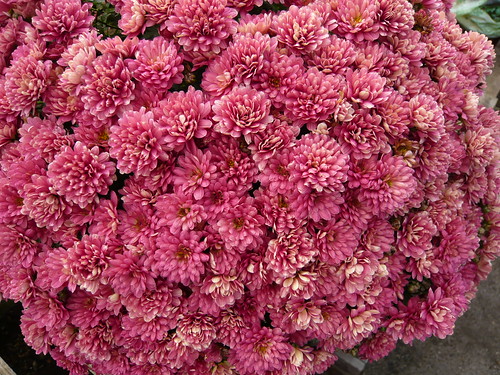
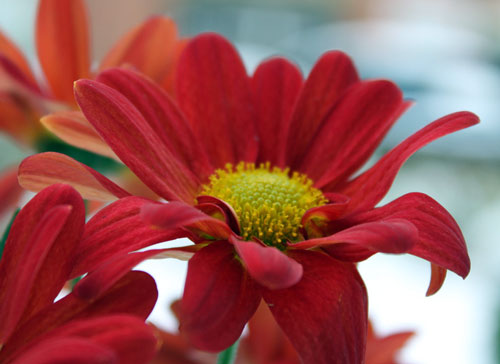
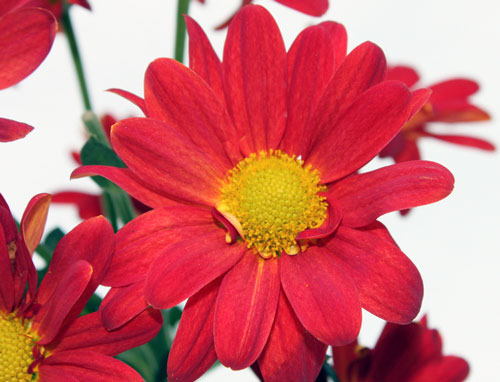
In the home Chrysanthemum plants offers colour, tranquility and are one of the best pollution controls according to the NASA table.
Outdoors Bioremediation uses plants that mitigate environmental problem without the need to excavate the contaminant material and dispose of it elsewhere.
Phytostabilization uses plants to reduce wind erosion or the plant roots to prevent water erosion and offers long-term stabilization and containment of pollutants.
Phytotransformation uses special plants for specific problems such as pesticides, explosives, solvents, industrial chemicals. Cannas and Sunflowers can render these substances non-toxic by their metabolism.
Phytoremediation consists of mitigating pollutant concentrations in contaminated soils with plants able to contain, degrade, or eliminate metals, pesticides and solvents in a soil.
More Benefits of Air Filtering Plants Outside the Home
Air filtering plants in an office can help reduce air conditioning energy consumption according to a study by K Meattle.
Better blood oxygen supply increases productivity.
See video
Tie to supports Clematis, Chimonanthus and Climbing Roses to prevent wind damage and improve flowering.
Increase the planting of scented Witch Hazel (eg. Hamamellis x intermedia Jelena).
Sow Sweet Peas in deep pots and pinch out the tips when they have 5 leaves.
Plan how the colour of flowers will look when planted. Use single colours rather than mixed seed packets.
Collect and replant or distribute the seed from your own star plants.
Grow plants that contribute over long periods of the year.
Select and grow a shock and awe plant.
Eco and Environmental Resolutions
Remember we must leave this environment for future generations.
Grow fewer varieties but focus on nectar and pollen rich flowers that are local and help wild life.
Improve soil with rotted compost and try not to compact the air out of wet soil by walking on it.
Increase water collection and storage with linked butts or new collection points.
Fumigate the greenhouse to get rid of fungal spores and overwintering pests
Provide a range of different bird foods to attract various species. Blackbirds love a bit of a bite of an apple.
Keep lawn edges neat and trimmed but have natural areas for wild grass and flowers.
Use natural fertiliser and non-chemical controls.
Reuse and repurpose old items rather than sending them to the tip.
Use local and natural stone for your construction work. Airmiles on Indian paving and energy used to manufacture composition paving slabs are unnecessary uses of resources.
General Gardening Resolutions
Reduce the size of plant clumps and shrubs and trees that are beginning to take over their allotted spot.
Deadhead faded flowers to extend flowering time.
Prune and trim when plants need it not just when you have the secateurs in your hand.
Sow seeds thinly and thin out. Give plants appropriate space.
Make succession sowings, only sow small quantities of a crop at each sowing.
Split clumps of Snowdrops and Winter Aconites after flowering. They split best ‘in the green’.
Create a low maintenance area to spend time elsewhere in the garden.
Take full enjoyment out of your garden.
Listen to advice but do as you please.
Work with the weather it is all you’ll get.
Houseplants and Indoor Pots
Check plants for pests before bringing them into your home.
Keep Azalea and Cyclamen pot plants moist at all times.
Flowering plants need bright light so position accordingly.
Repot plants into larger pots if have consumed the compost or are in need of space.
Add fresh compost to the top of pots when the houseplants are not growing as strongly.
Keep pots of bulbs and flowering plants cool to prolong the life of the flowers.
Many houseplants will benefit from some time outside in the middle of summer.
Water the plants not the windowsills.
Move plants around in the home.
Try the exotic not the commonplace.
Win Friends and Influence People
Grow more flowers and greenery for cutting and flower arranging. It should please those indoors
Grow pots and containers of plants to give away. It is an easy way to use your surplus.
Sharpen your blades and tools using a sharpening stone and wipe over with oil
Look at your garden from your boundary and aim for at least one crowd pleasing feature for passers by to admire.
Join your local horticultural society, you will get advice, make friends and may be offered free or cheap produce.
Use the RHS and AGS for information and join these societies if you want to use the benefits of membership.
Plant to visit flower shows and open gardens to see how the professionals design and execute a garden scheme.
Beg cuttings or advice from other gardeners, they are usually a friendly bunch. I was once told ‘Everyone is entitled to my opinion’.
Enter your local village show. It is the taking part that is important not the winning.
Keep your boundary and pavements neat and tidy. Pick up litter and kill off weeds outside your house to make the street a better place to live.
Allotment Focused Resolutions
Get an allotment!
Alternatively increase cultivated area by a deal with a neighbor
Mastered the art of successional sowing to avoid gluts.
Grow more winter crops
Store potatoes, butternut squashes, onions and shallots.
Pick courgettes and runner beans regularly.
Protect against carrot root fly, cabbage white butterfly and Pigeons before it is too late.
Get more manure to hearten up the soil.
Talk to other allotmenteers about successes and failures of the past
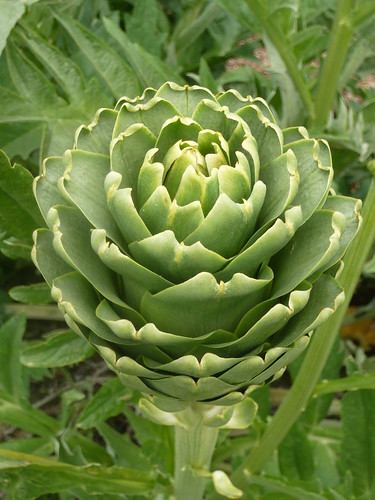
Globe Artichoke or Cynara cardunculus is a perennial thistle with an edible flower head. If you need help growing Globe Artichokes remember the plants grow 6-10 feet tall with arching, deeply cut, silvery green leaves.
Do not confuse Globe with Jerusalem Artichokes the later are root vegetables related to Sunflowers not Thistles.
Globe Artichoke Growing and Cultivation Tips
The globe artichoke requires a rich sandy well manured soil. It prefers a warm sunny site.
Seeds should be started off inside and transferred outside once the soil is warm. Alternatively sow seeds outdoors in free draining soil in mid spring when the soil has warmed up.
The globe should be planted in rows three feet apart with two feet between each plant.
After harvesting the main head, secondary heads will appear and these too can be used.
In cold areas, cover the plant with a mulch of straw, compost or bracken to protect it through the winter.
It crops in the second year after sowing.
‘Green Globe Artichoke, Concerto F! hybrid and other seeds are available from Thompson & Morgan Globe Artichokes grown from seed can take a long time to mature and it is easier to buy ready-rooted suckers to plant in the spring.
Globe Artichokes are architectural plants growing 5 feet tall and make big clumps of arching, jagged silvery leaves that are at home in the border or veg patch.
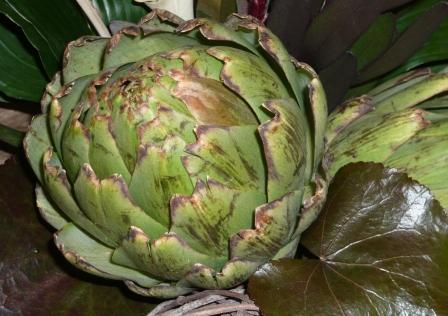
Cynara scolymus blown open
BBC Tips on Growing Globe Artichokes include
‘In the first year, plants need to put all their energy into making growth.
Remove any flowerheads as they form.
In the second year, allow the edible heads to develop for harvesting in summer.
Pick the bud at the top first, when it’s large and swollen, but before the scales have started to open. ‘
Globe Artichokes, are related to Cardoons. The thistle like plants, 2-5 feet tall, are grown for their edible flower buds. Normally raised from rooted suckers taken in spring or sown in April and transplant the following spring at least a foot apart. The delicious traditional green heads can be eaten cooked or raw.
The flowers develop in a large head from an edible bud about 3-6 inches diameter with numerous triangular scales. The individual florets are green-purple. The edible portion of the flower buds consists primarily of the fleshy lower portions of the bracts and the base, known as the “heart”. The immature flowers in the center of the bud is called the “choke”.
Though technically perennials which normally produce the edible flower only during the second and subsequent years, certain varieties of artichoke can be grown from seed as annuals. Some varieties produce a limited harvest at the end of the first growing season even in regions where the plants are not normally winter hardy. This means that home gardeners can attempt to produce a crop without the need to overwinter plants. The recently introduced seed cultivars ‘Imperial Star’, ‘Northern Star’ and ‘Green Globe’ or ‘Purple Globe’ are organic varieties.
The plants have enough character to be grown in an ornamental garden if space is limited.
Plant with the nose up! (The bulbs nose not yours) The bottom of the bulb is where there is a bit of dried root.
Put a marker in the ground to show where you have planted the bulb. I sometimes use some light coloured grit.
Most bulbs already contain the ungrown flower inside the bulb so a bigger bulb should perform better. Choose firm healthy looking stock not dried out damaged bulbs.
Plant your bulbs twice as deep as the bulb is large. i.e.5cm bulb 10cm deep
Pick a colour scheme and build a theme around that. Pinks and purples of crocus, tulips and hyacinths may work together.
Alliums or ornamental onions can be planted in November or if frost free in December.
Daffodils need longer in the soil to develop their root systems so get them in now.
Plant bulbs in containers with good drainage holes and crocks in the bottom.
Snowdrops, aconites, grape Hyacinths and crocus should naturalise well in your garden flowering year after year.
After the bulbs have flowered deadhead then to channel energy into the bulb not into seed production. Leave the leaves to die back naturally.
Sort out in your mind the plants that will need frost protection in the coming weeks. It will be too late to get and wrap plants in hessian or move plants indoors once the frost warnings arrive. Being prepared will allow you to enjoy late autumn shows without worry.
If your Busy Lizzies suffered this year, loosing leaves and flowering badly you are not alone. The fungal problems of Busy Lizzies are a concern so do not compost them and plan to grow something else instead next year. Hopefully a one year gap will kill off the problem fungus which is Busy Lizzie specific.
Keep harvesting your runner beans before they turn woody and run to seed.
Collect any seed you hope to save from plants that have finished. Keep them in a cool place in paper bag or envelope
Plant up your spring Daffodil bulbs. Tulips can be planted later.
Indoor bulbs for Christmas flowering need to ‘be prepared’ or treated before you buy them. Hyacinth and Paperwhite narcissus are a couple of my favourites.
Clean your bird feeding stations and plan to continue feeding through winter. I buy bulk seed and keep it dry.
Look around for late flower shows and events. The Harrogate Centenary flower show is on 16-18 September 2011.
Glee, the UK’s biggest garden trade event, is on at the NEC Birmingham on 19-21 September 2011.
Pick a bunch of Chrysanthemums or Dahlias for the house.
Taking flower photos is often seen as an easier aspect of photography. Even with a simple point and shoot camera you can have very good photos for little effort. However, these tips will enable you to get even better photos and push you into the ‘pro’ category.
Taking flower photos is very much a learning experience. I have added an extra two tips at no extra cost 🙂
Tips for Photographing Flowers
1. Shoot From Different Angles
Taken from same height as flower
There’s a big difference between shooting down on top of flowers and shooting at the same level as a flower. Shooting at same level as a flower, means you might have to get down on your hands and knees but, it gives a more interesting less conventional perspective.
Same Flower from standard above position
2. For close ups Shoot with smallest aperture your lens will allow
If you have a f/5.6 lens use f5.6
3. Try Macro Lens for really close shoot up.
A macro lens allows you to get exceptional close up shots. A macro lens has such shallow depth of field that when a photographing a flower, some petals at back can even be out of focus.
4.Good Quality Tripod
A good quality tripod enables the sharpest picture, it also enables you to use smaller apertures and a longer exposure time.
5. Other Tips to Reduce Camera Shake.
If taking a tripod is difficult, try a monopod.
Remote shot taker. When pressing button, the camera moves causes some camera shake. An external button release enables you to take a shot without moving camera.
For important shots try multiple shot, which automatically takes several shots. At least one will be in super sharp focus.
Very useful is this mini tripod. It supports weight of heavy SLR, but can be folded up into a small bag.
6. Canon Filter
A Canon close-up 500D lens can be fitted to a telephoto zoom lens and is like a traditional lens filter easy to carry around and gives a cheaper way to get macro shots.
7. Best Time To Take Flower Shots
On Cloudy Overcast days. When sun is very bright, flowers can appear washed out. On cloudy overcast days, flower colour can appear more vibrant.
8. The Rain Effect
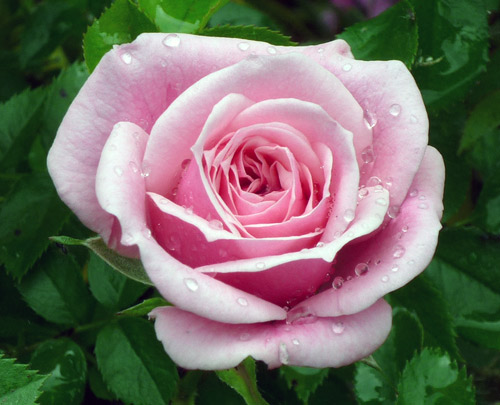
After Rain. Drops of rain on flowers add an extra romance and beauty to flower photos (see Rose top). If it rarely rains – just take a portable sprayer to add your own water – no-one will know you sprayed it!
9. Use Backgrounds for constant Colour.
Daffodil
A solid background helps avoid distracting backgrounds. Black often works very well, especially for white, light coloured flowers.
10. Wind
Trying to hold stem of flower can work. If you have an SLR set a high shutter speed 1/ 125 will help capture and freeze any blowing wind.
11. Use Macro Flash
Indoor Orchid
This orchid and daffodil (black background) was taken with a macro flash
There is much more light so you can use a high f number – small aperture, big depth of field. You can get some very nice results with this. Another bonus is you don’t really need a tripod, there is so much light, you need a very fast shutter speed (1/200)
12. Depth of Field
Don’t limit yourself to close ups of flowers. Also try take flowers, in context. For this you really need a big depth of field (high f setting). This allows less light, so you need a longer shutter speed (perhaps half a second) to compensate. Therefore, a tripod is essential. However, it enables you to capture a field of flowers and just a small number.
Related
Give us some help and your view on photograph composition
Garden design is influenced by Location, Objectives and Resources. No two people would design the same garden for the same space nor would that garden grow and develop in the same manner.
My Top Ten Garden Styles
Cottage garden
Wild or Environmentally friendly garden
Walled or Victorian garden
Family and traditional garden
Fruit and Vegetable plot
Alpine, crevise or Rock garden
National gardens, Italian, Japanese, Himalayan, Swiss, Spanish, New Zealand or Mediterranean
Sculpture garden
The Peace garden
Water garden
There are so many gardens that could be designed that a top 10 list is subjective in the extreme.
A woodland garden came very close to inclusion and is a natural feature that many want to cultivate.
I could have selected a ‘garden of rooms’ but that is more of a technique used in many of the above types of garden.
Specialist plantings like Rose gardens or Herbaceous gardens could have had there own spot but I had to finish somewhere.
Public and Open gardens can have a special charm.
Let us know what your personal favourite garden is or would be.
Also let us know what type of garden you detest. For me it is a ‘car park garden’ with all or mainly hard standing for numerous vehicles and no greenery.
If bark is removed all the way around a tree trunk the downward passage of food to the roots is stopped. Eventually the tree will die (Ok if that is what you planned).
This Girdling can happen when rabbits or deer eat the bark in winter.
Girdling can also be caused by mechanical damage like an aggresive strimmer or cultivator.
This Girdling damage can sometimes be repaired by bridge grafting.
Girdling has another meaning in USA where it also refers to the cutting of roots to prevent them from encircling the trunk and stiffling growth.
It can happen when a tree is too close to a wall or on street trees where buildings interfere.
The offending roots need to be cut and removed.
Garrotting
This is a method of deliberately restricting the growth and is often used to encourage a fruit tree to increase fruiting.
It is carried out by tying wire or metal around a branch or trunk and twisting it like a tourniquet.
This restricts the movement of sap and redistributes natural hormones made in various parts of the tree.
The effect is similar to ringing but less dramatic and lasts fewer seasons.
Ringing
This is another method to encourage fruit tree to crop better.
It works by severing or partially severing the flow of food materials and hormones that naturally pass down the tree.
A ring of bark upto quarter of and inch wide can be stripped away in April or May.
A half ring may be safer and should be tried first.
Knife ringing is done on an individual branch. No bark is removed but a knife cuts through the bark all the way around.
Nicking and Notching
The removal of a crescent of bark above a dormant bud or ‘nicking’ is often used to stimulate a fruit tree bud into growth.
A similar operation below a bud is called notching and both techniques are used to encourage the right buds to grow and the wrong or notched ones to be deprived of sap and hormones.
Explanation of Plant Food and Water Transportation
http://youtu.be/oVFRPRZDxyE