Browsed by
Category: Flowers and Plants

Annual, perennial and interesting flowers with advice on culture, information, tips and recommended varieties

Dahlias Grown From Seeds or Plugs

Dahlias Grown From Seeds or Plugs

Dahlias grown from packets of seed are best treated as annuals. The seeds are available on spinners in many shops, garden centres and from seed suppliers. You can also collect the seed in autumn from your own plants.
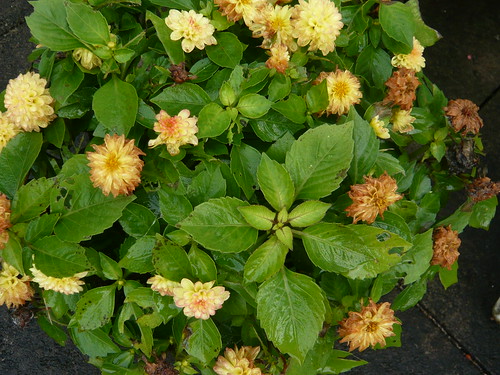
Dahlias from Thompson Morgan

November mini dahlia

Tips for Seed grown Dahlia

  • Sown in March or April in an indoor seed tray Dahlias will flower in late summer and through autumn until the frost turns the leaves black.
  • Mixed packets will generally be single flowered like a big very colourful Daisy.
  • Special variety packets can aim to provide Cactus (petals arranged in a spiky style),  Collarette (petals arranged in a  circle with stamen like the iris of the eye) and semi double styles.
  • The seed is large and the results can be stunning so Dahlia is a good plant for children to plant.
  • Some varieties have red or maroon leaves for added attraction.
  • If the soil is acid  a dressing with lime would help the plants when planted about
  • Water and feed during summer for an excellent autumn display
  • You will often see these plants in Parks and public gardens as they are easy to maintaining.
  • If you spot a good variety you can try save any tuber that has grown by keeping it frost free during winter.

See a mosaic of Pink Dahlias with top ten pointers


Cactus hybrids produce curvaceous, spiky blooms and are a huge cut flower source.

Dwarf bushy dahlias with delightful “collarette” form (quilled) flower in many shades of red, yellow, orange and white.

Pompone mixed should be sown in trays, pots, etc of good seed compost in a propagator or warm place to maintain an optimum temperature of 65-70F (18-20C).
Sowing Depth: 1/16in (1.5mm). Sowing Time: February-March. Germination usually takes 7-21 days.
Transplant seedlings into 7.5cm (3in) pots when large enough to handle taking care NOT to damage the roots.
Secrets of Geranium (Pelargonium) Cuttings

Secrets of Geranium (Pelargonium) Cuttings

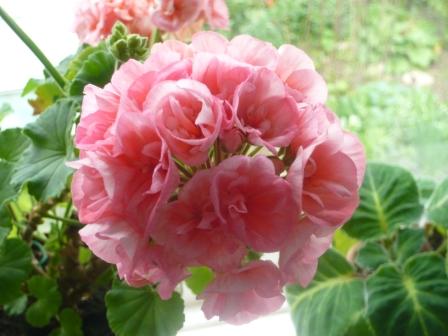
rosebud-geranium

I couldn’t resist this double pink rose bud Pelargonium ‘Something Special’ which is looking really good at the moment. I intend taking some early cuttings of this plant next month and growing them on for  specimen plants. August to October are good months for taking cuttings to flower the following year.

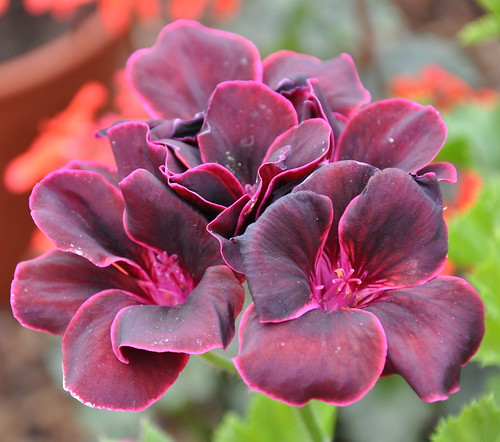
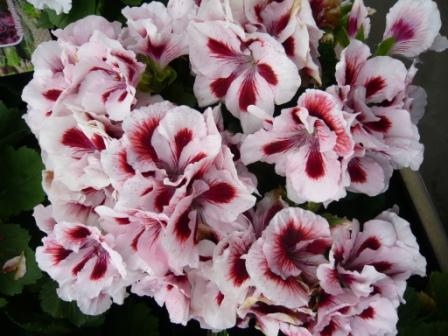
Pelargonium 'Lord Bute'

Tips on Pelargonium Cuttings

  • Plants flower best when they are mature, full of leaf and well grown. Geraniums need time, usually 10-12 months from cutting to flowering to be at their best.
  • A 3 inch cutting should have several leaf joints (nodes) for potential branching. Some gardeners recommend non-flowering stems but I find it isn’t significant.
  • Take the cutting with a razor blade or sharp knife just above a leaf joint from your stock plant. Trim off all bar one or two leaves and any flower buds. trim back to just below a node.
  • I use 3 inch pots but smaller pots may be suitable or 4-5 cuttings can be put around the edge of a larger pot. Cuttings can also be planted in a hole close to the parent bedding geranium and lifted with soil for potting on for winter.
  • Gritty compost or soil with added sand is a suitable medium. The sand can stimulate root growth. I do not use rooting hormone it isn’t worth the cost as Geraniums root so easily.
  • Pinch out the growing tip to encourage roots and branches.

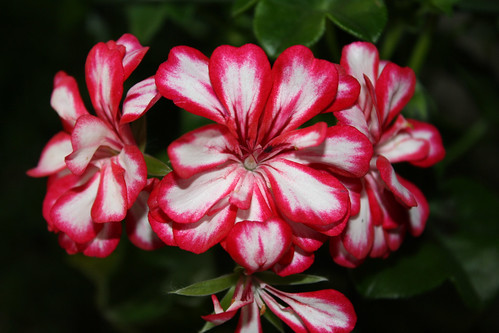
Pelargonium peltatum

  • Dwarf and miniature plant cuttings can be proportionately smaller but the method is the same.
  • Water the pots from the bottom. Bottom heat will only be needed for late October cuttings
  • Dwarfs, Ivy and miniature Pelargoniums root quite well. I find Regals a bit harder as cuttings.
Nodal Shoot cutting
Nodal Shoot cutting
  • A nodal shoot cutting above is taken by trimming by branching stem into two cuttings.
  • Other than Regals which need nodal cuttings, they can be taken from the  most suitable point of the host plant.
  • A leaf Axil cutting below can be taken if the plant has no other suitable cutting material.
Leaf Axil cutting
Leaf axil cutting

Other links and information on Pelargoniums

Top 10 Scented leaved Pelargoniums
Pelargonium Grandiflorum and other ‘Geraniums’
Stellar Pelargonium – Bird Dancer Geranium
Photogenic Pelargonium
Growing Regal Geranium Pelargonium
Miniature Pelargonium
Dwarf Pelargonium aka Geranium
Tips for Growing Geraniums (Pelargonium)
Other Resources and Credits
Pelargonium ‘Lord Bute’ by douneika CC BY-NC-SA 2.0
Pelargonium peltatum by DowianA CC BY-NC-SA 2.0
Royal Horticultural Society RHS ‘Gardening for All’
National Council for Conservation of Plants and Gardens ‘Conservation through Cultivation.’
Garden Organic National Charity for Organic Gardening.
BBC Gardening
Thompson & Morgan supply seeds and plants in season.

Flower Arranging – Aspidistra elatior

Flower Arranging – Aspidistra elatior

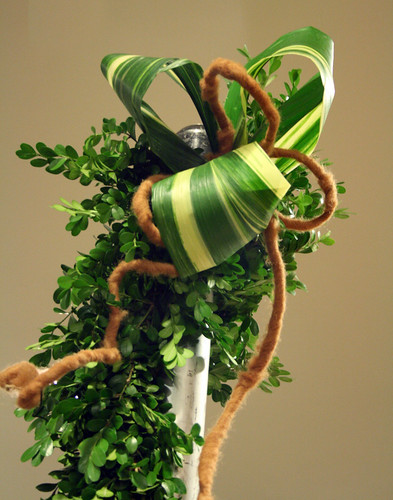
IMG_5884 tent pole decoration aspidistra bow

Growing Aspidistra for Flower Arrangements

  • Aspidistra elatior leaves were popular in Victorian parlors because they tolerate low light, draughts and neglect.
  • The pointed leaves are tough dark green and oval shaped. The Aspidistra elatior variegata has long stripe leaves.
  • Aspidistra thrive best if kept pot bound. Repot every 5-6 years in good loam or compost
  • Water regularly is spring and summer but avoid water logging.

Woman at the window, with her prized Aspidistra

Special Tips for Flower Arranging with Aspidistra elatior

  • Aspidistra elatior was made popular by french flower arrangers like Olga Meneur.
  • Leaves can be manipulated into different shapes by curling them round and securing with flower glue or a staple.
  • Two or more curls can be made by tearing the leaf down it’s mid-rib and curling in different directions to add different shapes and forms.
  • Leaves should be conditioned by standing in a bucket of cold water as soon as they are cut to receive a long drink. They should then last many weeks.
  • The leaves can be shined with a soft cloth and the application of a thin covering of cooking oil
  • Glycerining will make the leaves last many years. For method see Solomons Seal and dry well once the colour has changed to creamy-beige.
  • Order Aspidistra leaves from a florist if they are too slow growing on your plants.

A full array of books on Flower Arranging and related subjects is available from Amazon. You will find more advice and artistic inspiration amongst this selection.
I would also recommend the Harrogate spring flower show where I am always stunned by the floral arrangement amongst the plants on display.

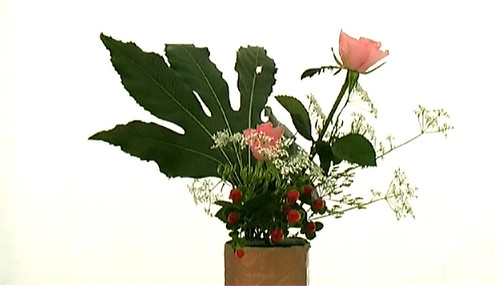
Flower Arrangement
Credits
IMG_5884 tent pole decoration aspidistra bow by godutchbaby CC BY-NC-ND 2.0
Woman at the window, with her prized Aspidistra by whatsthatpicture CC BY-NC 2.0
Flower Arrangement by Dominic’s pics CC BY 2.0

For a cast Iron winner in the flower arranging stakes you could do a lot worse than use Aspidistra leaves aka the Cast Iron plant. Slow growing so you may wish to buy your leaves but after glycerine they will last for years.
Turn your arrangements into botanical works of art – here are some examples and clubs you could join.

To grow a generic mix of flowers for arrangements and bouquets check out Thompson & Morgan

Forcing Strawberries the Old Fashioned Way

Forcing Strawberries the Old Fashioned Way

starwberries

The old ways of forcing Strawberries do not cost the airmiles that our imported fruit now consume. Nor do they sacrifice flavour for an early crop. Old gardeners fashioned different ways to get Strawberries 4-8 weeks early than your normal summer crops.

Way to Force Strawberries in the Greenhouse

  • One and two year old strawberry plants are likely to produce better fruit. Current plants and three years and older are unlikely to have the vigour.
  • Lift at the end of January or February and pot up in John Innes No 2. Water well.
  • Bring potted up plants into the greenhouse, water regularly and do not allow them to dry out.
  • Strawberries hate to be too hot so keep well ventilated. But, if frost is forecast cover plants with newspaper.
  • When flowers start to appear fertilise with potash rich tomato feed.
  • Pollinate by gently rubbing the flowers to move the pollen.
  • The less foliage a plant makes the better the crop.

Way to Force Strawberries Under Cloches

  • Cover healthy vigorous plants in February with plastic or glass cloches for an early crop. You can also use old fashioned Dutch lights.
  • As the weather warms up pay attention to watering ventilation and allow pollinating insects access to flowers.
  • Botrytis fungus loves cold damp still air and large old plants may be prone to attack.
  • Protect from hard frost with horticultural fleece. if flowers turn black in the centre rather than lime green they have been frosted off.

California Strawberries

Pick your strawberries by hand in the old fashioned way but with care you will be several weeks earlier than your neighbors.

Old Fashioned Varieties for Forcing

  • Under glass you want a strawberry with a compact habit and mildew resistance. Try one or more of the Cambridge varieties Favourite, Regent, Rival, or Vigour.
  • Royal Sovereign is still a top forcer
  • Gorella and Aurora
  • Regina, Wandenswill 4, and Reine des Precoces

Tips for Forcing Strawberries

  • Try the early maturing varieties named above. Build up young plants first by heavy mulching with compost.
  • Before plants are covered give them a through watering especially after a period of frost.
  • Increase watering after mid march but allow time for surplus to dry off before evening.
  • Use Glass or cloches to protect from wind and cold not to force by heat.
  • Set plants in rows north to south to get even ripening

strawberry fields forever

Credits
starwberries by saraicat CC BY-NC-SA 2.0
California Strawberries by pixieclipx CC BY-NC-ND 2.0
strawberry fields forever by Niels van Eck CC BY-NC-SA 2.0

Growing Echeveria a Succulent Succulent

Growing Echeveria a Succulent Succulent

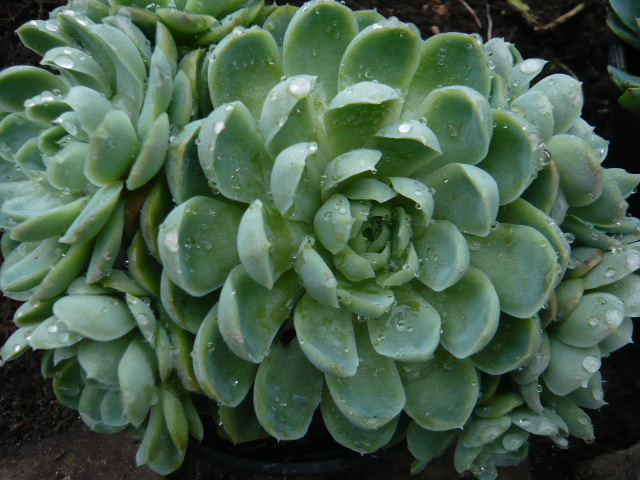
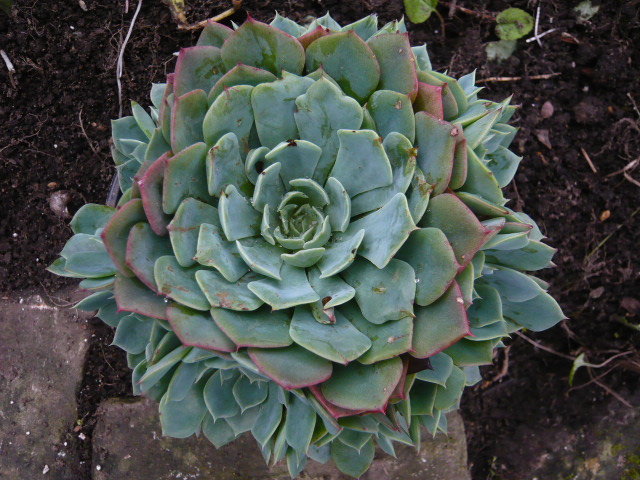
Echeveria Glauca has fleshy curving lobes in a geometric arrangement. As you may expect the lobes or leaves are blue-grey in colour. The delicate  flowers in summer are white and extend from the base of the plant. They grow 3″ tall and need free draining soil in full sun or partial shade. The rosettes spread by the addition of new rosettes forming a circular mound. Plant 6 ” apart.

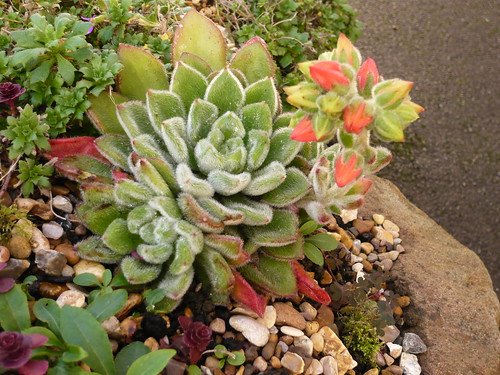
Echeveria Elegans has pink arching stems that produce dainty, yellow-tipped, red flowers. The dense rosettes of blueish white, fleshy leaves are often red tinged. They grow 2″ tall but spread more rapidly than Glauca so need to be planted 16″ apart.

Echeveria are often used in carpet bedding and floral clocks
Echeveria are generally rosette forming succulents.

Most Echeveria can be easily propagated from leaf cuttings or offsets To propagate a leaf cutting, place the individual leaf in a succulent or cacti mix and cover the dish until the new plant sprouts.

Yorkshire Echiveria
Sedum

What would you call a shop in a courtyard that sells plants and pots? In Otley Yorkshire you would call it Courtyard Planters. Years ago you may have called it the stable yard for the Half Moon Inn.

Most of the planters have very few eco-miles on the clock as the Terracotta pots are from Barnsley Yorkshire, the earthenware salt glazed pots are made in Northumberland. Unfortunately the Oak Barrels come from an other country – Scotland to be precise where they used to mature whiskey.

At the weekend I bought a couple of plants including a Dianthus Neon Star that shone out to me in the shade of the courtyard. The other plant was an Echeveria elegans with lots of extra rosettes of succulent foliage. I thought I would take the offsets and grow them as cuttings but forgot they were quite tender. Still, if I am successful I will find somewhere to over winter them.
If not Chiltern Seeds generally stock mixed Echeveria seeds that ‘mostly have fleshy leaves forming rosettes of a wide assortment of attractive, geometric designs in a range of colours from green through grey to almost white, often with markings in contrasting shades.’

Courtyard planters do not sell mail order that is not the type of gardeners they are but if you visit Otley look them up. If you are near Otley they offer free delivery.

Echeveria

Daisies can be Yellow

Daisies can be Yellow

Book Cover

Daisies are a large group of flowering plants under the family name Compositae. Included in the daisy family are well known groups such as Rudbeckia, Osteospernum, Helianthus, Coreopsis, Helenium even the cornflower and Globe Thistle.The Compositaes (Asteracea) are recognisable through their compound blooms consisting of many tiny flowers. A daisy has a yellow “core” of 200 disc florets, surrounded by 50 marginal, white ray florets with a conspicuous limb (these are the petals also called ligules). A single daisy “flower” contains about 250 separate flowers! Each central floret, a flower in its own right, has a style, anthers, corolla, pappus and ovary. The Daisy is one of the “core families” on which research at the Royal Botanic Gardens, Kew concentrates.

Perennial Yellow Daisies

The RHS produced a bulletin on this subject and an interesting pdf can be down loaded.

Read More Read More

Sedums and Saxifrages

Sedums and Saxifrages

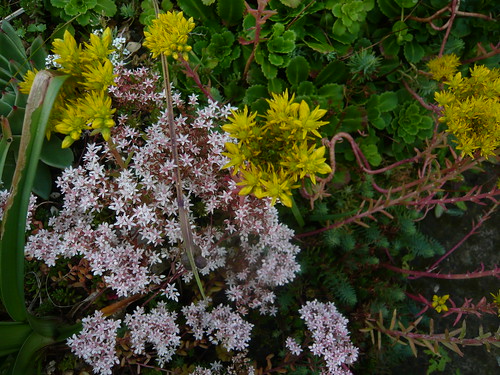
A pleasant mix of Stonecrop Sedums and Saxifrages or Saxifraga, as some would have it, are in flower at the moment. Stonecrop has taken my interest after reading about green roof plants.  I also have a friend who has created a Sedum Seat on an old dining chair by planting up the padded seat area to good effect.

The grand-daddy of books on the subject of Sedums is Ray Stephenson’s ‘Sedum Cultivated Stonecrops’.

Book Cover

Tips

  • Plant Sedums and other insect attracting flowers near vegetables that need pollination to set fruit. I have some near my Courgettes and Marrows and am getting a grand crop without worrying about fertilisation.
  • Do not plant London Pride  Saxifrage urbinus unless you want ground cover as, in my opinion, the flowers are weak in colour and form.
  • Borrow expensive monographs and special texts from the RHS library. It is free for members.

Other Resources

Royal Horticultural Society RHS ‘Gardening for All’
National Council for Conservation of Plants and Gardens ‘Conservation through Cultivation.’
Garden Organic National Charity for Organic Gardening.
BBC Gardening

Read More Read More

Best Shade Loving Plants

Best Shade Loving Plants

round-tulips

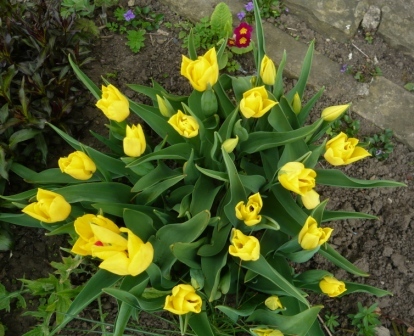
Beth Chatto believes you can transform a shady spot with easy-care planting that includes foliage and flowers for a brighter Spring garden. Illuminate a shady spot under trees with a range of flowers and plants.
Beth Chatto has an extensive list of plants for shady areas for all year round interest

Book Cover The Shade Garden

Top Ten Spring Shade Lovers

  • Honesty purple or white forms are good when in flower but also produce airy white seedheads
  • Forget-me-nots are flowering all over my back garden at the moment from self-sown plants.
  • Bluebells can be white as well as blue or even pink. They normally grow in shady woodland and will flower without sun. They also spread quite quickly particularly the thuggish Spanish variety. Do not take wild bulbs from there natural habitat.
  • Hellebore the Lenten Rose is another shade  loving plant that is happy under trees although the flowers tend to hang down and be hard to inspect.
  • Tulips can brighten the darkest spot. I plant them in pots so I can move them to where they will have the greatest impact. I can then replace them with other plants later in the year.

Read More Read More

My Top 10 Sweet Pea Varieties

My Top 10 Sweet Pea Varieties

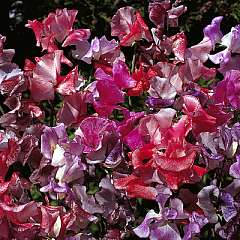
sweetpeas

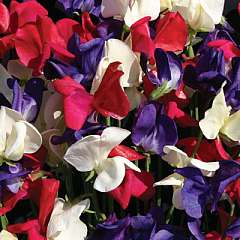
Sweet Pea – Antique Bouquet

Traditional varieties of sweet pea colours with great scent.

sweetpeas

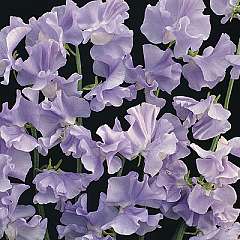
Sweet Pea – Blue Ripple

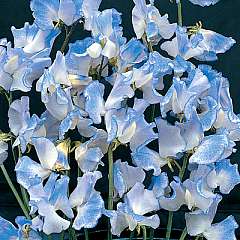
Delicate light blue frills on the end of white flowers. It is a lovely blue reminiscent of delphiniums

grandiflora

Sweet Pea – Grandiflora

Strong bold colours in fashion of Union Jack. Great contrast between colours

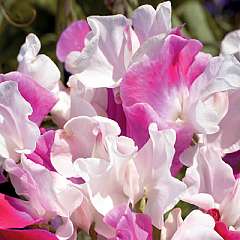
melody-rose

Sweet Pea – Melody Rose

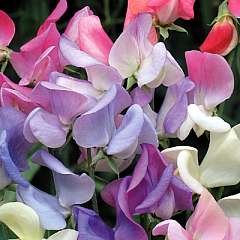
Very charming colours with a light delicate touch. Great fragrance

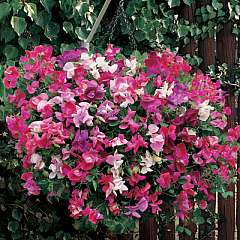
sugar-spice

Sweet Pea – Sugar and Spice – bicolor

Like traditional old fashioned varieties. Shorter stems, but wonderful old fragrance – evocative of cottage gardens.

sugar

Sweet Pea – Sugar and Spice

– basket variety. Makes intense display of flowers

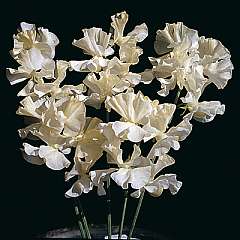
cream

Sweet Pea – Cream Southbourne

Delicate wavy flowers. Great large frilly blooms with extravagant scent to give a great allrounder sweet pea

firecrest

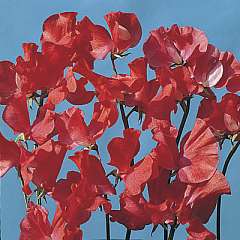
Sweet Pea – Firecrest.

Uniformity of red, eyecatching colour on strong stems

fragrant

Sweet Pea – Fragrant Ripples

A long strong stem, with wonderful wavy colouring. Also provide beautiful smell

chatsworth

Chatsworth

Lovely lilac flowers and fragrance

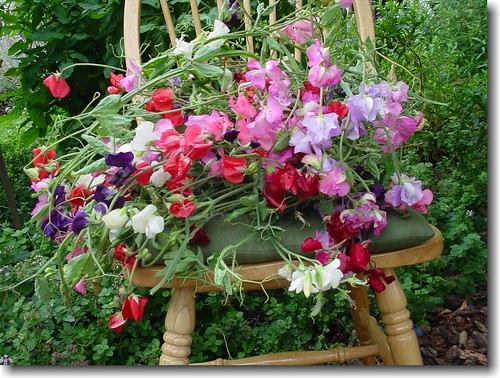
Sweet Pea Harvest
Photo Credit
Sweet Pea Harvest by Baha’i Views / Flitzy Phoebie CC BY-NC-ND 2.0

Book Cover
Sweet Peas: An Essential Guide by Roger Parsons
The sweet pea is a favourite flower of the gardener because of its delightful scent and diverse range of beautiful colours as this Top 10 Sweet Pea variety selection shows. The book by Roger Parsons looks at the genus in detail and explains how the novice gardener or the seasoned grower can get the most from their sweet peas.