Browsed by
Category: Flowers and Plants

Annual, perennial and interesting flowers with advice on culture, information, tips and recommended varieties

Mythical Gardens and Antiquity

Mythical Gardens and Antiquity

Shangri-las

I will use Shangri-la as an all encompassing name for spiritually based gardens and areas of harmonious natural beauty stealing a name from James Hilton in his novel Lost Horizon.

To many Shangri-la conjures up a ‘place regarded as an earthly paradise, especially when involving a retreat from the pressures of modern civilization.oed’  a remote or an imaginary, beautiful place,  where everything is pleasant and life approaches perfection

The essence of a spiritual, peaceful gardens is represented in different ways across the world by Buddhists from Tibet, Daoists from China or in Zen gardens from Japan. Some of these forms of a Shangri-la are known to feature in ancient literature from 200 BC.

Book Cover

Gardens with Spiritual or Religious Background

Persian Gardens over the last 5 millennia have soothed and calmed societies with the use of water representing the great rivers of the Tigris and the Euphrates. Building on this spiritual tradition Islamic Mogul gardens stretch across Asia. There have been examples of Hindu influences in India and other developments in Kashmir, Pakistan and Bangladesh together with gardens in other parts of the Mogul empire. Islamic Charbagh gardens are based on the four gardens of Paradise mentioned in the Quran.

Monastic gardens in the UK and Europe are now renown for medicinal  herb and vegetable growing. In the middle ages these gardens also acted as pleasure gardens, orchards and even cemeteries, in fact most of the aspects required to enjoy a healthy and spiritual  life .

Other Mythical Gardens

The Hanging Gardens of Babylon were reputed to have been built alongside a grand palace known as The Marvel of Mankind, by the Babylonian King Nebuchadnezzar II around 605 BC). This was  a gesture for his Median wife Queen Amytis, because she missed the green hills and valleys of her homeland.

 In the Oldest Gardens in the World CWS records claim that ‘The Epic of Gilgamesh, thought to have been written as early as 2100 BC contains the oldest mentions of gardens in surviving literature. Gilgamesh states that his city Uruk was ‘one third gardens’, and in the story visits the ‘Garden of the gods’, a garden with precious stones, pearls and jewel-laden trees.’

In the knights of the round table Avalon was  where King Arthur was nourished back to health after his battle with Mordred. Unlike Camelot Avalon was ‘a land of plenty, where wild apple trees and vineyards grow of their own accord no matter what the season.’

Tír na nÓg in Celtic mythology is the supernatural land only ever seen by a lucky few. Al0ong side the ‘Little Folk’ the slow pace of life has lush dwelling’s in peaceful trees with sumptuous flowers and landscapes that remain green all year round.

 

Herbs and Herbals

Herbs and Herbals

If you feel Herbie, the plants not the films, then sniff out the comments below:

Herbie the Love Bug
Herbie the Love Bug

Herb & Herbal Groupings

  • Culinary herbs for use in kitchens
  • Medicinal herbs, ancient and modern the basis of many drugs and remedies.
  • Vegetable herbs like onions and garlic.
  • Flowering and decorative herbs.
  • Spices and other plants at home in a herb bed.

    Read More Read More

Michaelmas Daisies and Plants from Childhood

Michaelmas Daisies and Plants from Childhood

What plants evoke memories of your childhood. For me there are some old favourites that you can try again now in your natural garden. They are often available in a better form as seed and selection has improved over the years.

Michaelmas Daisy

Asters that flower in late summer are free flowering and with a flowing habit that conjures up summers of youth. A blowsy perennial that were prone to mildew but modern varieties are better. Try Aster novi-belgii or aster Frikartii Monch when you see them on offer.

This autumn my Michaelmas Daisies have performed very well probably due to the weather and the fact that the clumps are a good size without being over the top. Dividing such perennials every few years keeps them fit for flowering.Book Cover.

The photo was from old court nurseries. Golden acre Leeds formerly hel a national collection of Michaelmas Daisies

Night Scented Stock

Read More Read More

Geraniums Over Winter

Geraniums Over Winter

My mother very successfully grew Geraniums (pelargoniums) as indoor pot plants for many years. For the majority of gardeners the zonal geraniums are an outdoor feature of brightly coloured flowers that are often treated as annuals. Over wintering can be too much fuss and frustrating if you get it wrong. There are things you can do to optimise your success in getting a favourite plant through even a cold, soggy winter. Firstly select varieties that are worth the effort of preserving.

Pot Up Pre-winter

  • Unless already in pots replant your favourite geraniums in individual pots with a gritty compost.
  • Tidy up any nibbled leaves and poor stems cutting back a bit if necessary.
  • Keep the pots in a bright, cool spot such as a windowsill. Avoid a frosty reception from a cold window behind curtains.
  • A good plant will keep flowering for a while into winter.
  • Do not over water but keep on the dry side.

Mass Protection

  • If you wish to save a lot of plants you can try keeping them in a frost free area such as a garage or greenhouse.
  • Dig up before they are frosted and knock off as much soil as you can from the roots. Trim back by a half.
  • Either hang the plants in a cool, dark room or place them in paper bags. They will loose their leaves but the stems should reshoot in spring if planted in good compost.
  • Check every few weeks to make sure the plants are not shriveling or drying out completely. Mist or soak if they do get over dry.

Take Cuttings

  • If you have particular geraniums you wish to preserve I recommend taking cuttings.This method takes up less space but you need to start well before the first frosts.
  • Start by taking 3- to 4-inch cuttings from the green  part of the plant. Strip off any leaves on the bottom half of the cutting. Some gardeners recommend dipping the cutting into rooting hormone but I find it more important to ensure excellent drainage.
  • I would definitely use the cuttings method for Regals, Scented and special geranium plants.

Alpine Show at RHS Harlow Carr

Alpine Show at RHS Harlow Carr

Yesterday I visited the 2018 alpine event at Harlow Carr. I was very impressed and I am sure the other people who braved the elements were well satisfied. One benefit of alpine gardening is that the cold greenhouse can protect the gardener as well as the alpine plants.

Big Pluses

  • The volunteers at the snack bar were doing a great job dishing out tea and coffee and there was a help yourself table of homemade cakes and scones. I had a piece of ‘Granny’s apple cake’ thinking she would be called Granny Smith.
  • The next plus was the range and excellent quality of the plants entered in the various show classes. Unfortunately I forgot my camera and note book but remember some of the advice I picked up talking to AGS members.
  • The attention to detail was noticable and must be a trait of those who show alpines. One room was dedicated to alpines native to other continents and they were well labeled. There was also a note of when a seed had been sown showing the age particularly of various cyclamen.
  • There were several specialist nurseries selling a good range of alpines. I could have spent lots of cash but would have had problems carrying so many plants. I opted to just buy 3 Dwarf Rhododendrons.
  • I then went next door to the RHS library and borrowed 3 books including the now out of print Dwarf Rhododendrons by Peter A Cox.

Book Cover

Happy Christmas Cyclamen

Happy Christmas Cyclamen

Cool, dampish conditions ensure happy cyclamen plants from now until Christmas. Do not let them dry out in your centrally heated house. Nor should you put them in draft

cyclamen

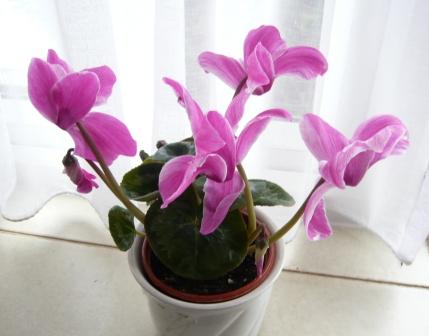
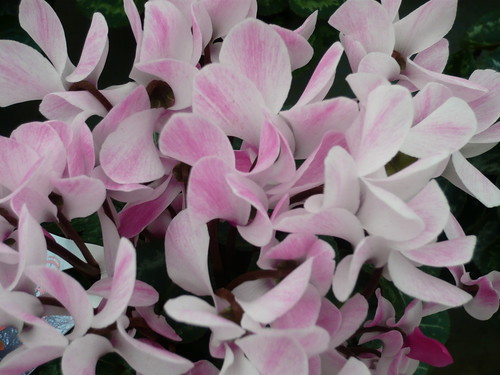
Indoor Cyclamen persicum can provide a splash of colour when all else is white and drab. I bought two for a pound after Christmas and chose this one because the flowers had not started opening. The tightly twisted buds are now revealing a mottled petal with an interesting cerise colouring.

The other plant I have drowned with too much TLC but its flowers were already a bit blown. This Cyclamen is on gravel in the pot and I am taking greater care. When it finishes flowering I hope to grow the corm on then allow it to dry out in summer. It will be saved in the pot laid sideways and brought back into growth next winter.

Cyclamen

Read More Read More

Gaillardia Bring Sunshine like Flowers to Borders

Gaillardia Bring Sunshine like Flowers to Borders


Gaillardia is a genus of flowering plants in the sunflower family part of Compositae or Asteraceae like the daisy. Gaillardia are native to North and South America. I hope they grow well in Yorkshire as I have just created a new bed from birthday presents brought up from sunnier and warmer Oxford.

As a perennial  Gaillardia have a long flowering season are commonly called blanket flower, or if confused with Rudbeckia they can be called cone flower. The daisy-like flowers are produced from early summer to early autumn in shades of orange, red and yellow, add sizzle to the garden and attracting nectar-seeking insects.

Gaillardia Specifics from Gardeners Tips

  • Gaillardia do not require deadheading  but the plants will look better and be fuller if you do cut the stems back when the flowers start to fade.
  •  Gaillardia is easy to grow but can be a short-lived perennial so divide plants every 2-3 years and encourage reseeding.
  • Grow best in full sun.
  • Gaillarida forms a slowly spreading mound.
  • Gaillarida has lance-shaped gray-green leaves.
  • Flowers are 3 – 5 inches across in various shades of yellow and red. Most have petals surrounding a center disk which produces florets. Plants grow 18 inches high by up to  24 inches wide
  •  Gaillardia x grandiflora  Common Name: Blanket Flower
  • Part of the 1,620 Asteracea genera and 23,600 species of herbaceous plants. The  12 species of Gaillardia hybridise so we see a range of colours and forms.

Sowing Gaillardia Seed Tips

  • Sow fresh seed six to eight weeks before the last  frost  in your area.
  • Use a moist but not soggy mix including some vermiculite
  • Sow three seeds in the center of the pot. Do not cover the seeds.
  • Mist over the top of the seeds.
  • Try provide a temperature of 60 to 65 degrees Fahrenheit and eight hours of light per day.
  • To  avoid washing the seeds from the pot’s center or burying them under the soil apply water slowly when the soil becomes dry.
  • After germination remove the weakest seedlings and avoid disturbing the roots of the strongest seedling.
  • Fertilize the seedling every fortnight with a 10-10-10 nitrogen, phosphorous, potassium water-soluble fertilizer.

Suggested Gaillardia Flower Varieties

Gaillardia × grandiflora
  • Gaillardia ‘Arizona Sun’: popular  3-4″ flowers have a red center surrounded by yellow. And Arizona Apricot.
  • Gaillardia ‘Burgundy’: Wine-red petals with a yellow center disk that ages to burgundy.
  • Gaillardia ‘Summerina Orange’: Zingy orange shades from soft red through yellow radiating from a rosy center disk.And Sunseekers Orange.
  • Gaillardia ‘Goblin’: Large green leaves are veined in maroon. Very hardy.
  • Gaillardia ‘Smileys Giggling’ YellowStriking yellow flowers grow true from seed.


Gaillardia with slippers. It goes to show that a cool blue will tone well in the garden with the bright Gaillardia colours.

What a Day for Hemerocallis – the Daylily

What a Day for Hemerocallis – the Daylily

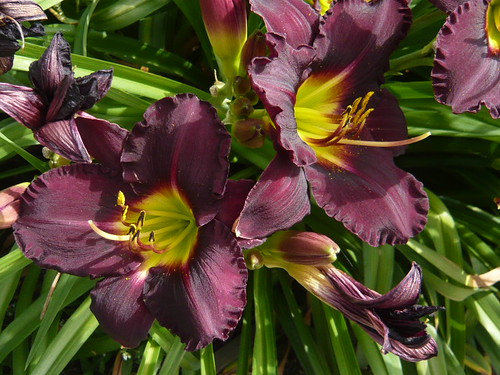
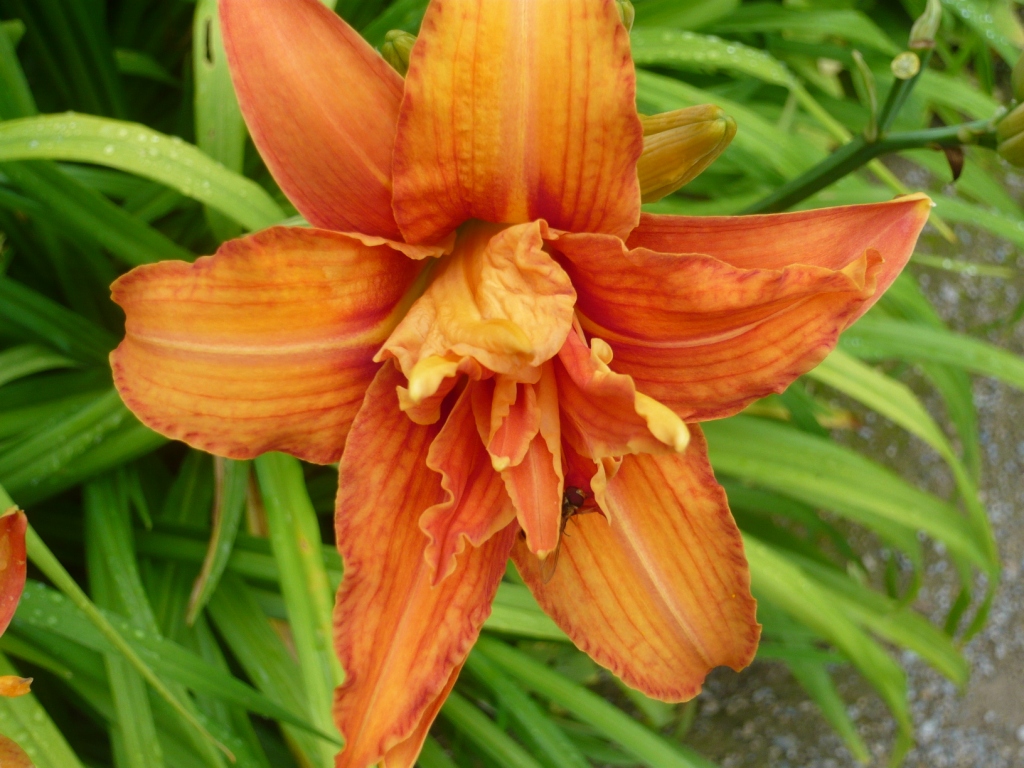
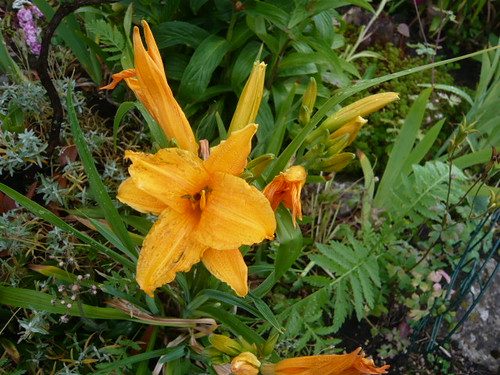
Hemerocallis better known as ‘Day Lilies’ have given a wonderful show this year!

If you want extravagant colour Hemerocallis is a plant to  consider for  your garden. They are normally happy in sunny dry conditions.

Several varieties are shown here but many more can be seen on Google.

LBA 064

It is worth deadheading Daylilies to prolong blooming especially if they are grown in an individual pot. This also has the benefit of improving the appearance your Hemerocallis

Glad I Planted Gladioli Again – 6 month update

Glad I Planted Gladioli Again – 6 month update

Gladioli

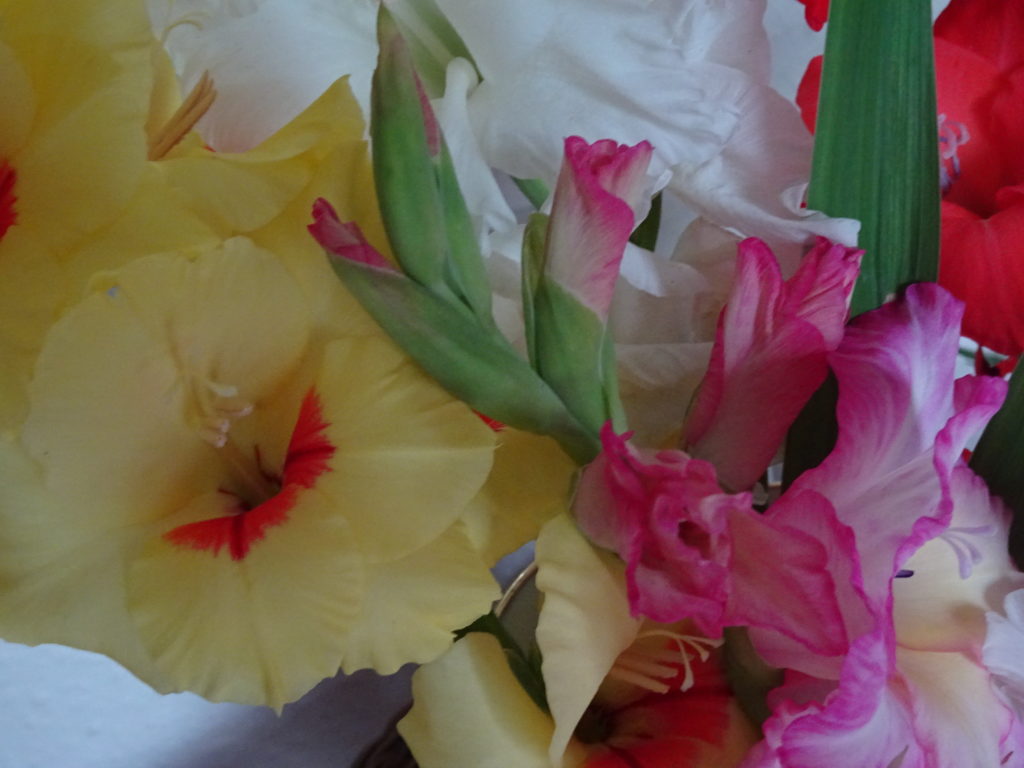
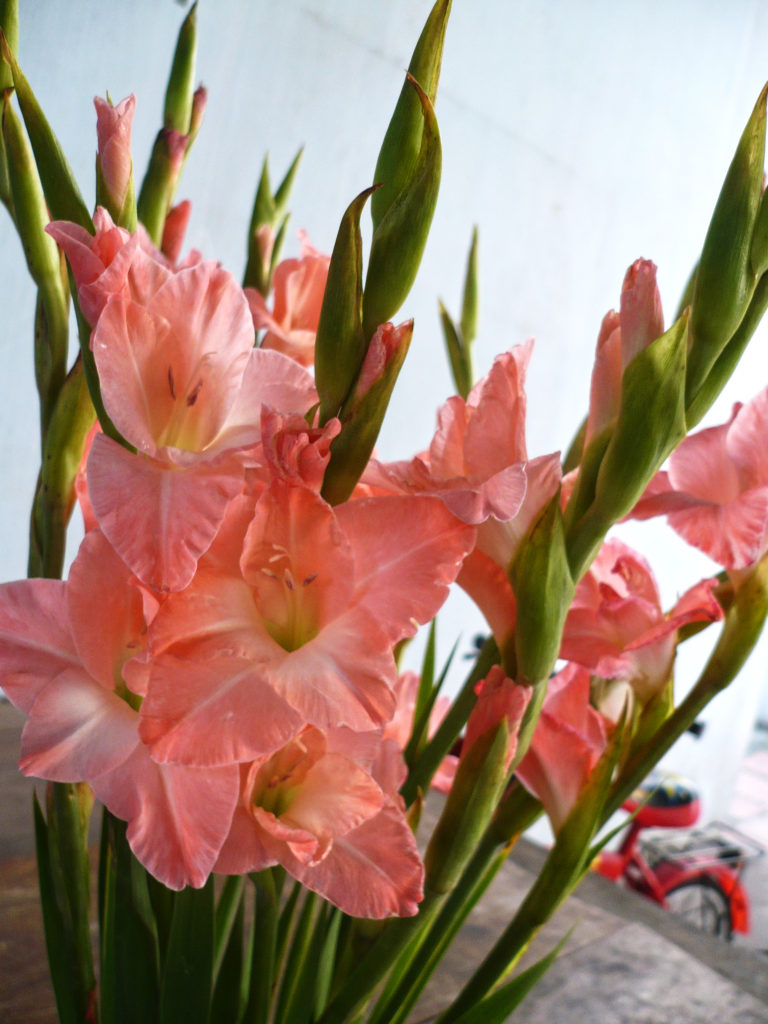
Every dog may have it’s day but great plant species move in and out of fashion. Now March 2018 it is the turn of Gladioli to retake center stage. In the 1960’s and 70’s  Gladiolus were all the rage and for many gardeners they were top of the popularity stakes. In 2018 they are making a well deserved come back if the media are to be believed. (the media pick up from the trade who must have been undertaking some stock building activities to establish good quantities of corms for sale). I for one have been lead astray by newspaper and magazine articles, vivid coloured packaging of a vibrancy yellow Glad and some carefully targeted adverts. I get these annual urges to focus one plant or group of plants for the year and 2018 is the turn of the gladiolus.

After digging out an old bed 7×7 feet square I planned to grow some sweetpeas and Glads  so after the orders were placed I watched some ‘how too’s  on youtube’ for a refresher course.

I am not growing for showing so my Gladioli can be grown in a relatively small area hopefully with good results for cut flowers.

Results to 26 Aug 2018

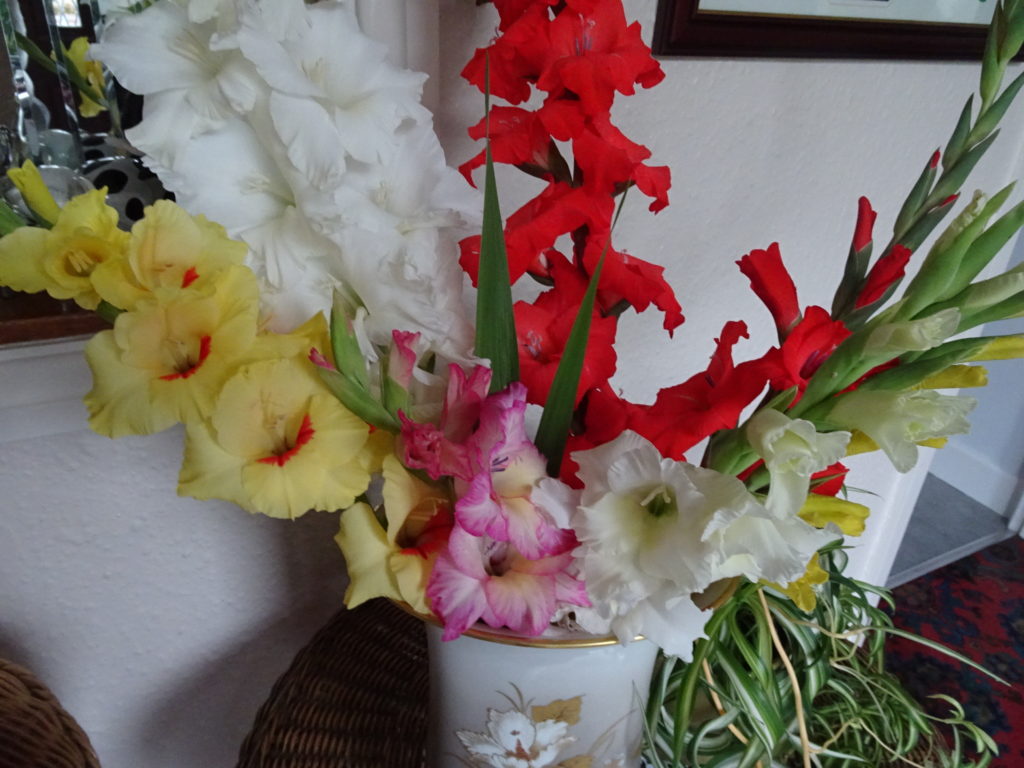
Objective one has been achieved. I have the best display of cut gladioli for the house and to give away as flowers to friends and neighbors.

Objective two of a good garden display has been less successful in that my staking has led to too many curb=ved blooms and impatience has made me cut the flowers rather than let them blossom in the garden. The colour mix on the other hand has been great and showy. The two stand out colours have been a pure white and strong red.

So revisiting Gladioli with the hope of more blooms still to come:

Top 5 Gladioli Lessons

  1. There are approximately 260 species of Gladiolus largely endemic in Southern Africa. Plenty of variety to experiment with. Find out more from The British Gladioli Society
  2. Treated as annuals you can plant Gladioli quite tightly with 70 or so to a square yard. (This has worked for me this year)
  3. Plant deeper than you expect say 6″ in a trench with  sand at the base to aid drainage. (This has worked for me this year)
  4. You can get good results by starting the corms off in damp sand to get good roots.
  5. The larger the variety more more important it is to stake the plants. (A dwarf variety is disappointingly still to show any real flower this year).

Related image

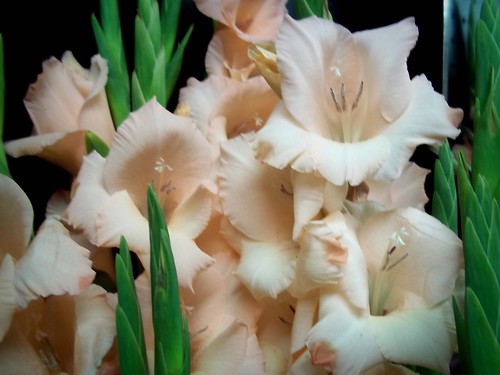
 Pricilla florets with 6 – 7 per stem on erect spikes with pointed sword-like leaves.

Gladioli are the flower of choice for 40th wedding anniversaries. It is too late for me and the missus now…The official flowers of fifty years of marriage are yellow roses and violets so that will have to do.

Other GTips

Gladioli 100 Day Display

Prize Gladioli Growing & Showing

Buying and Planting Your Tulips

Buying and Planting Your Tulips

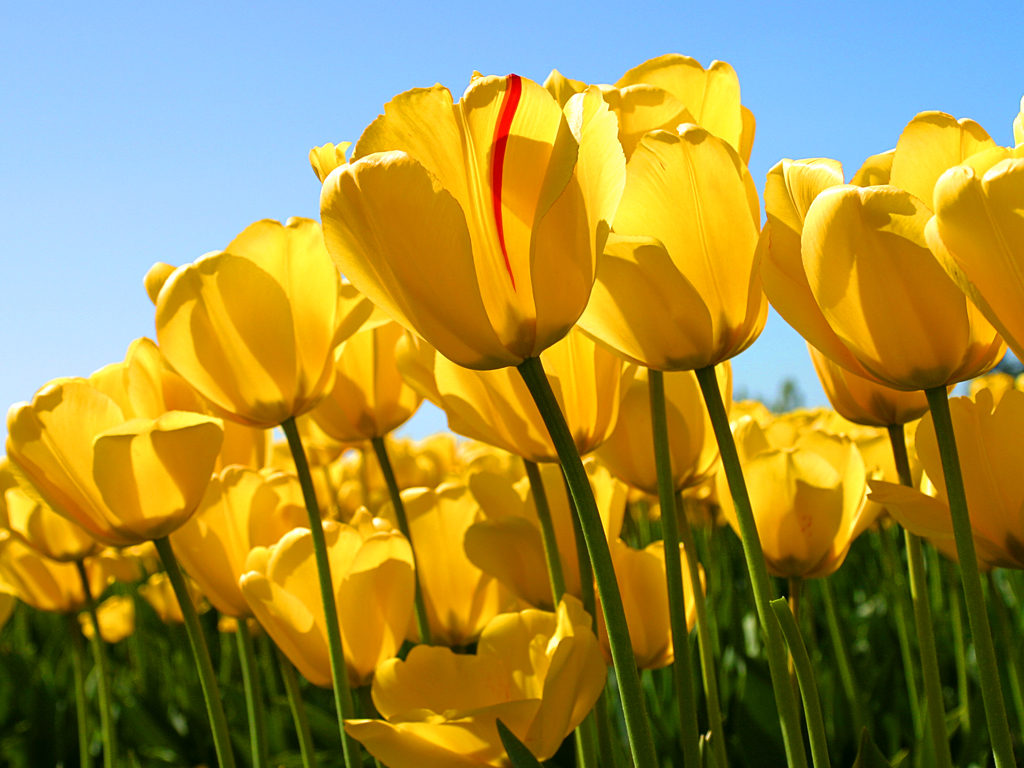
Tulip Buying & Planting Tips

  • Marketing of bulbs starts earlier and earlier and this July saw some multiple chains offering pre-packed bulbs for sale. It is all very well getting ahead of the game so you get the varieties you want.
  • I belatedly have come to the conclusion that you get a better result and thus value for money from a specialist grower or retailer. Choice of variety, size and bulb condition are generally better as they have a reputation to protect.
  • Beware how you store bulbs as they can dry out (but they will also dry out in store if left hanging on one of those POS units.) If you store tulips in humid conditions they may sprout early or get mildew.
  • Normally I try and plant my Tulips by the end of December but this year I am a bit late. Still Tulips have a great capacity to catch up before April when they flower.
  • I have not been successful planting tulips in pots but I shall keep trying. Perhaps deeper in long toms is the answer; I will let you know.

black-parrot-van-meuwe

Varieties Planted

  • Monte Carlo a double yellow only 12 ” tall. They have an AGM and are reputed to be fragrant.
  • Apricot Parrot has feathered bicoloured petals. There is a bit of green on the outer petals with red and apricot shades on the inner petals. These Tulips are about 22″ tall
  • Another lower growing Tulip Greigii called Queen Ingrid at 14″ caught my eye with red petals edged in white
  • Bulbs varied in size from 10-13cm. I have planted most in pots that I can bury in the ground where there is a gap and take up quickly after flowering.