Browsed by
Author: hortoris

Cranesbill Geraniums

Cranesbill Geraniums

geranium

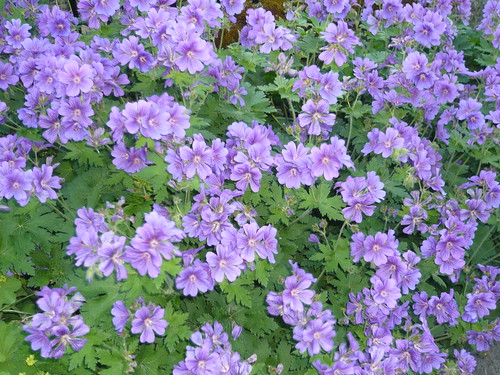
The hardy perennial geranium is a good ground cover plant with many varieties to choose from. Many varieties are derivatives of Geranium sanguineum or Geranium cinereum. They all have seed heads that look hooked like a Crane’s bill hence the common name.
…

Read More Read More

Stonking Stinking Plants

Stonking Stinking Plants

Stinkers are not the sort of plants you want to grow in a normal garden. So here are a few to avoid unless your adenoids stop you getting even the faintest whiff.
Lysimachia punctata

Proper Stinkers

  • Stinking Hellebore gives off the smell of rotting meat to earn the Latin name Helleborus foetidis and warn us that the plant is poisonous. It’s flowers native are beautiful but the whole plant niffs.
  • Stinking Henbane or Hyoscyamus niger has a sickly evil smell that Culpepper says’ the whole plant hath a very ill soderiferous smell’.
  • Stinking Meadow rue has a sticky covering on its leaves that also smell like dead fish
  • Stinkhorn fungus has putrid, spore-laden, phallus-like fruiting bodies that appear almost overnight and to many people it is ‘Top of the Pongs’.
  • Carnivorous plants attract flesh and fecal-loving insects to visit their stinking blossoms but they won’t attract me.
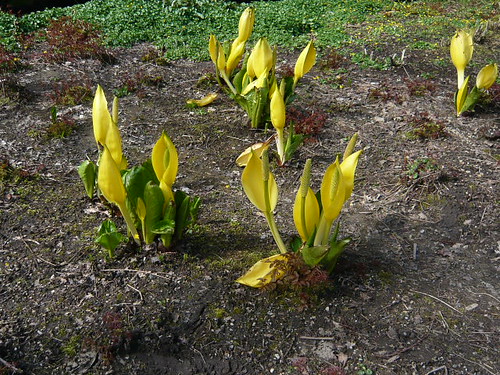
  • The Skunk Cabbage takes some beating as you may expect with a name like that aka Lysimachia punctata

All this without farmyard smells, rotting vegetation, over wet sour compost, garlic breath in the wrong place, animal waste, the list of pet hates is endless. Thankfully there are even more good smelling plants than bad so just watch how you sniff

    Grow and Collect Euphorbia – The Spurges

    Grow and Collect Euphorbia – The Spurges

    Euphorbia

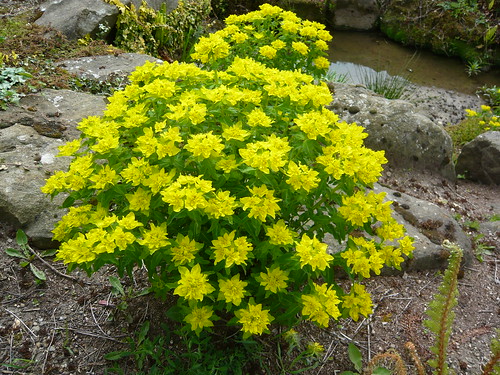
    These acid green flowers provide a strong compliment to the bright greens of spring. This E. cyparissias will spread by root and through seed dispersal

    With over 2000 species in the genera there are many types of Euphorbia from which to build an interesting collection. There are succulents, cacti and spurges from all continents. Try the tall woody thick leaved E. characias to the orange flowered E. griffithii ‘Fireglow’ or ‘Dixter’. That is not to ignore the most popular houseplant Euphorbia pulcherrima the Poinsettias but save those for Christmas.
    …

    Read More Read More

    Top Ten Flowers and Fragrance

    Top Ten Flowers and Fragrance

    It has been difficult to finalise a list of the top 10 fragrant plants. So I have elected to chose my ten favourite flowers with a selected variety. I have cheated by including two roses but could easily have 10 or 100 roses in a list.
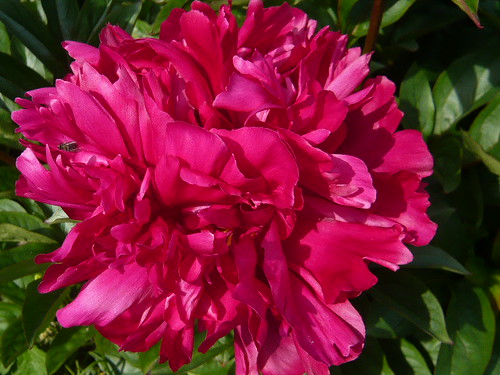
    Scented Peony
    Your personal choice will vary based on your own appreciation of scent. The result from flowers will depend on the location, culture and selections you make.

    1. Philadelphus lemoinei ‘innocence’ Mock Orange single creamy white flowers
    2. Hyacynth ‘Bismark’ porcelain blue
    3. Wisteria sinensis the white form if you can find it
    4. Honeysuckle Lonicera americanum with masses of rich spicy flowers
    5. Regal Lily lilium regale
    6. Datura inoxia another white form needing some protection
    7. Dianthus barbatus Sweet Wlliam Dobies ‘All Double’
    8. Old garden Gallica rose ‘Charles de Mills’ raspberry coloured.
    9. Climbing Rose ‘Guinee’
    10. Freesia ‘Gold Coast’, ‘Treasure’ or ‘White Giant’

    …

    Read More Read More

    Tips for Growing Mini Vegetables

    Tips for Growing Mini Vegetables

    Small fresh vegetables taste nice and often have a superior texture. The supermarket versions are expensive and often have lots of food miles attached to them so try growing your own.

    Mini Veg Tips

    • You can plant them close together as they will be picked earlier, –
    • Harvest early and often, even small varieties will get bigger as they bage –
    • Choose seed that is appropriate look for baby, mini or patio in the title-
    • Turnip, fennel andkohl rabi can produce spindly roots if the soil is not kept moist
    • Carrot varieties to try include ‘Nantes’, ‘Amini’, ‘Mignon’, ‘Minicor’
    • Cut courgettes and squash when small at least 3 times per week, to increase yields.

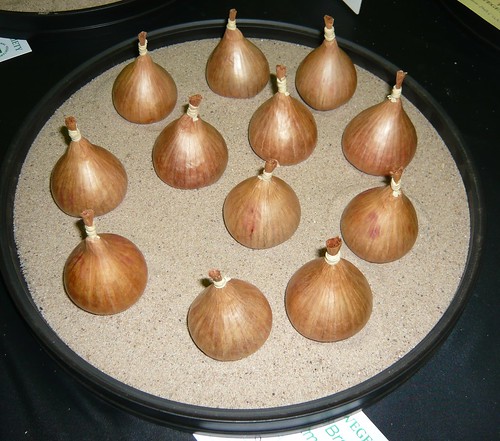
    Onions on show
    …

    Read More Read More

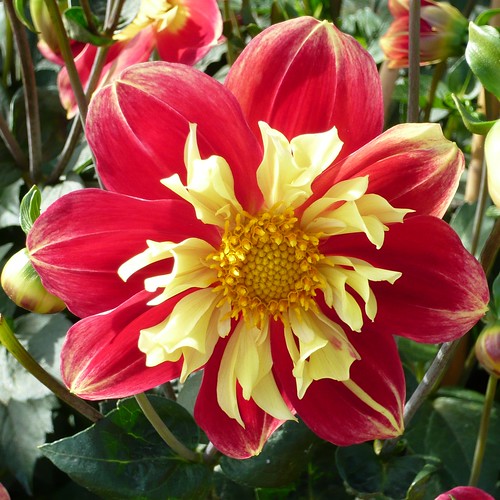
    Dahlias in Limerick

    Dahlias in Limerick

    These are more than your Irish Dahlias. At 12″ high they are not just for the little people.

    Dahlia

    There was a young man from Australia

    On his bottom he painted a Dahlia

    The heat of it all

    Caused the petals to fall

    And the scent was a terrible failure

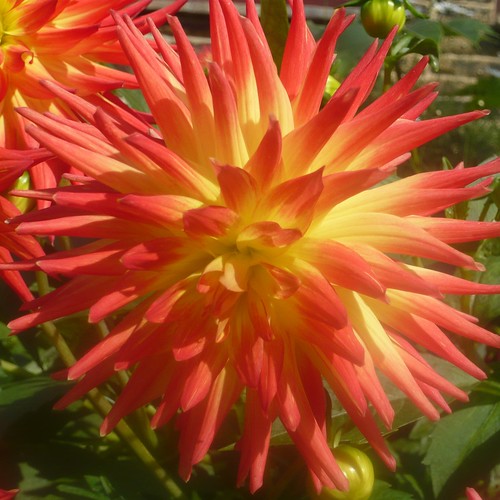
    Cactus Dahlia

    Single Dahlias for Bees & Butterflies

    Star Wars a 12″ high and wide bush.
    Pretty Woman Pink petals around a pink discette
    Braveheart with bronze foliage.
    See also Bishops Children

    Award of Garden Merit AGM What, Where & Why

    Award of Garden Merit AGM What, Where & Why

    Whorled Tickseed (Coreopsis verticillata) 'Zagreb' RHS/AGM

    Buy AGM plants & varieties they have been tested by the RHS!

    The Royal Horticultural Society (RHS) is the UK’s leading gardening charity. It conducts a lot of testing and trials of plants. It has key gardens open to the public (free to members) at Harlow Carr, Wisley, Hyde Hall and Rosemore. Plants that pass the trials are awarded AGM (Award of Garden Merit) status and you often see the Trophy Cup mark on plant labels to recognise this.

    Why have an AGM System

    The purpose of the award is to highlight the best plants available to the gardener.

    • It must be of outstanding excellence for ordinary garden decoration or use
    • It must be available
    • It must be of good constitution
    • It must not require highly specialist growing conditions or care
    • It must not be particularly susceptible to any pest or disease
    • It must not be subject to an unreasonable degree of reversion in its vegetative or floral characteristics

    Dianthus - pink
    Dianthus Haytor White AGM

    What is Included in an Award of Garden Merit

    • Plants of all kinds can be considered for the AGM, including fruit and vegetables. An AGM plant may be cultivated for use or decoration. It can be hardy throughout the British Isles, or suitable only for cultivation under heated glass.
    • Every AGM plant has a hardiness rating for example H1 needs a heated greenhouse whilst H4 would be hardy. I like to collect plants with this award as I know the results will be down to me as a gardener not to the breeder of some untested variety.
    • Book Cover

      ‘Plant finder’ is published by the RHS. This book contains over 73,000 plants and where to buy them. Whatever plant you are looking for you should find it in here.
      Handy contact details with maps for over 750 nurseries help you locate your plants and buy them. Plus, having the correct botanical names ensures you find the right one every time.

      There are over 6000 plants with the Award of Garden Merit and they all get recognition in this book.

      At your garden centre or plant retailer look out for the agm symbol on the label.

      Credit
      Whorled Tickseed (Coreopsis verticillata) ‘Zagreb’ RHS/AGM by cliff1066â„¢ CC BY 2.0

    Grow Lupins Growing Lupinus polyphyllus

    Grow Lupins Growing Lupinus polyphyllus

    lupin

    Lupin flower at their best in May and June. A second flush can be encouraged by not allowing the first flowers to set seed and cut them as son as they have flowered. The tall 2’6″ spikes can be very striking in colours from white, deep purple through reds and yellows to various bi-coloured varieties. The old railway cuttings used to have blue and pink Lupins growing alongside the tracks after escaping from old station gardens.
    …

    Read More Read More

    Grow Leucanthemum & Shasta Daisies

    Grow Leucanthemum & Shasta Daisies

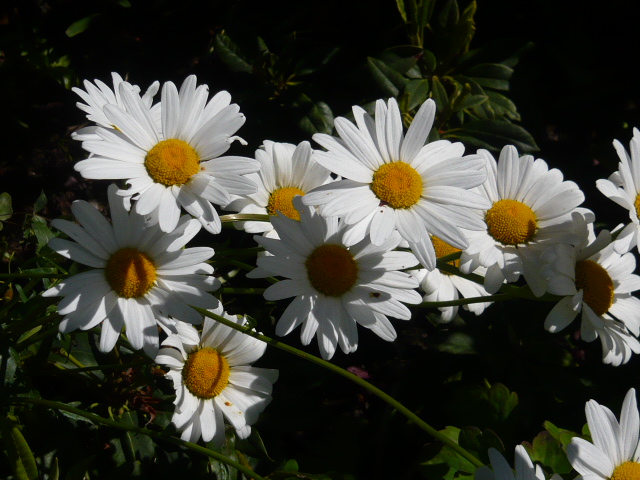
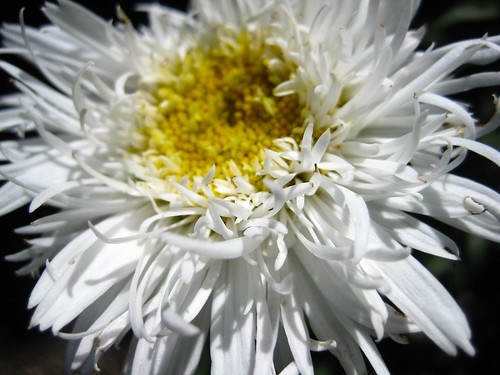
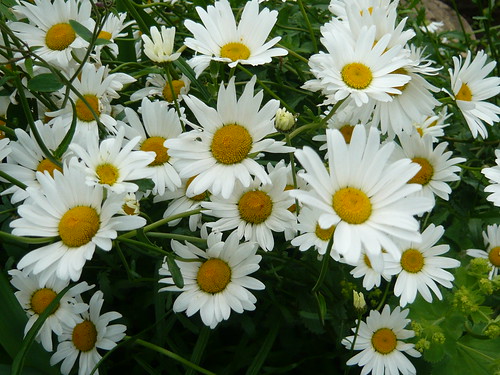
    Leucanthemum is one of the RHS perennial plants of the month. The variety I grow are shasta daisy flowers that are a mass of single white blooms with yellow centres appearing from June to September. They seed and spread prolifically and form robust clumps spreading up to 3′ and flowers are on 2-3′ stems that flop if not supported.

    Sunlight and Shasta Daisy

    Grow Leucanthemum Daisies

    • There are double and semi double varieties like Leucanthemum Superbum ‘Wirral Supreme’ or Aglaia.
    • The old fashioned Leucanthemum Superbum ‘Ester Read’ is popular for old cottage gardens with clumps of fluffy double white flowers growing 2′ or more.
    • Leucanthemum are useful as cut flowers.
    • Plants are floriferous and can be used in many garden situations.
    • Most varieities grow 12-24 inches high but Leucanthemum Superbum Phyllis Smith will reach 36 inches tall at the back of a herbaceous border.

    Leucanthemum
    …

    Read More Read More

    Tips for Growing Hellebore

    Tips for Growing Hellebore

    Hellebore

    Hellebores are sturdy long lived plants that do not need a lot of attention. They flower in dark months of winter and are happy in shade or dappled sunshine.

    Hellebore – Christmas Rose or Helleborus Niger

    A white flower in the depths of winter from December onward.

    • In Autumn you can cut the old leaves off so the flowers are visible later
    • The plants self seed and germinate quite well – pot up young seedlings if you want to move them and grow on
    • Plants thrive in shade and under trees

    Pink & White Hellebore

    Hellebore – Lenten Rose or Helleborus Orientalis

    • As the name suggests this flowers slightly later in March April
    • Originally flowers had 5 petals, white with green flecks but there are now many hybrid varieties with some strong colours. I like the virtually black variety
    • Hybrids crossed with Helleborus Odorus tend to be yellow and have some scent

    Stinking Hellebore

    • Fresh green foliage in spring
    • Green flowers

    National Collection of Hellebores

    http://www.hadlow.ac.uk/gallery/National-Collection-of-Hellebores

    Yellow Hellebores

    helebore

    Heleborus hybridus ‘Bradfield Buttercup Yellow’ has fewer of the speckles normally associated with helebores and looks all the better for that.

    ‘Heronswood Yellow’ is opening its buds from January but looks good in the March sunshine.

    O’Byrne’s Mellow Yellow strain is available in USA but many so called Yellow Helebores are cream and off white. Look out for any good colour and try collect seed. If the subsequent plants are not of the right colour be ruthless in weeding them out.

    Helleborus orientalis Yellow Lady is not a variety I have seen.

    Gardeners Tips

    • Preserve the Hellebore leaves as long as possible. Trim them off one by one as they begin to look tatty and by late winter any remaining old leaves should be clipped off to make room for the new.
    • There are a great number of hybrid Hellebores so consider buying when they are still in flower so you get a colour you want

    Hellebores can be grown from fresh seed available from Thompson & Morgan
    Heleborus

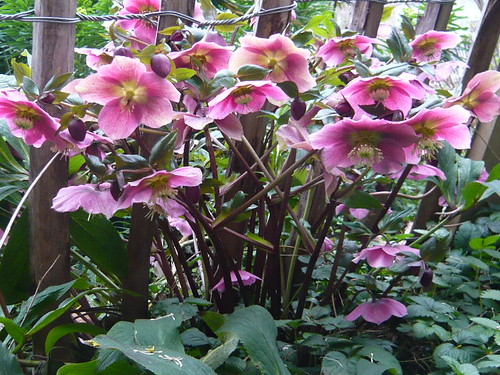
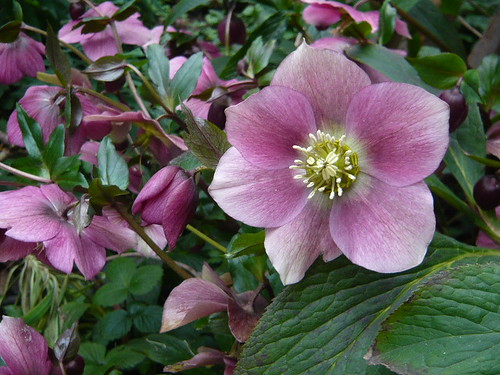
    Hellebores are not just for Christmas as in Christmas Rose there are species that are also called Lenten Roses.
    Generally they bloom between December and April depending on the type and conditions.
    London Heleborus

    Hellebore Facts

    • The majority of Hellebores are deep rooted, stout plants well-known for their thick, shiny green foliage.
    • The large leaves may survive through winter but not all plants are evergreen.
    • Once established, most Hellebores make drought resistant plants particularly if given some dappled shade in summer.
    • Happy in shade plants will perform their best if given some sun.
    • Wild species grow in open meadows with only short grass for shading the roots.
    • Hellebores are acaulescent which means they have leaves but flower without stems straight from the ground
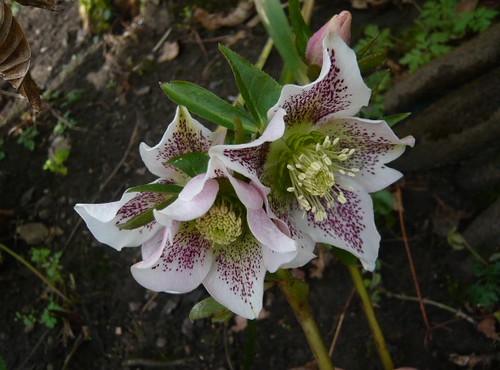
    Helebore hybrid

    Gardening with Hellebore
    Hellebore heaven or hell
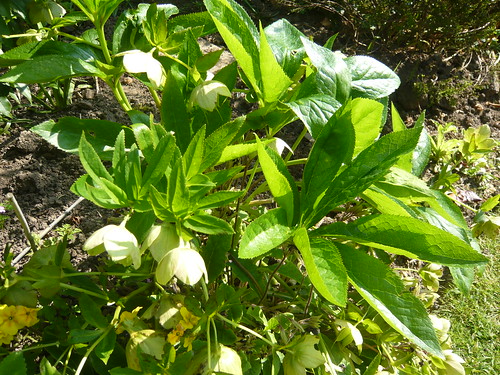
    Helebore

    Visit Hellebore.org