Browsed by
Author: hortoris

Green Gardening Must Haves

Green Gardening Must Haves

It is not hard to be a green gardener although green fingers are often in short supply. Here are some things you can and shouldn’t do to improve the ‘green gardening habits’ you already possess. You must already be some form of green gardener if you garden at all.

Top Steps to a Green Garden

  • Compost your green waste from the kitchen (no meat or fish). Then use the rotted compost on the garden. If you don’t want a heap try a big bucket or just bury the waste and it will still rot down.
  • Welcome wild life with appropriate plants that provide food and shelter for insects butterflies and other creatures
  • Grow your own fruit like apples and your own veg. You can also grow flowers for the house rather than buy imported flowers from a shop.
  • Conserve water and energy. A mulch will save water and if you apply any water make sure it is directed at the roots and wont evaporate in the mid day sun.
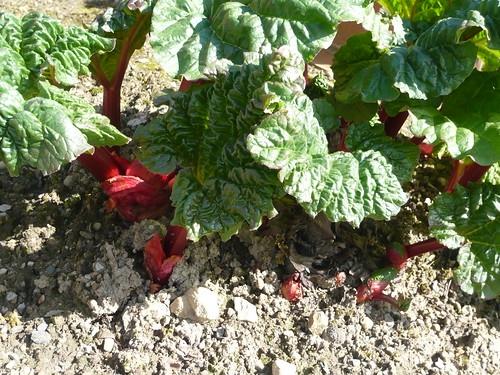
Rhubarb
Home Grown Rhubarb

Have Nots for a Green Garden

  • Avoid killing creatures by too many noxious chemicals
  • Too much inappropriate hard landscaping can cause flooding and ‘aint green’
  • Too many imported plants have excessive air miles. Annuals should be home grown and native species of tree, hedge and other plants are best.
  • Do not be over tidy, leave some area of long grass and/or a rotting woodpile for insects.
Tips for Starting Your Garden Design

Tips for Starting Your Garden Design

When looking at a garden or potential garden for the first time there are some basics to consider. I recommend you spend sometime thinking about these issues and build the consequences into your plans. Brains baffles brawn in a new garden – well begun is half done.

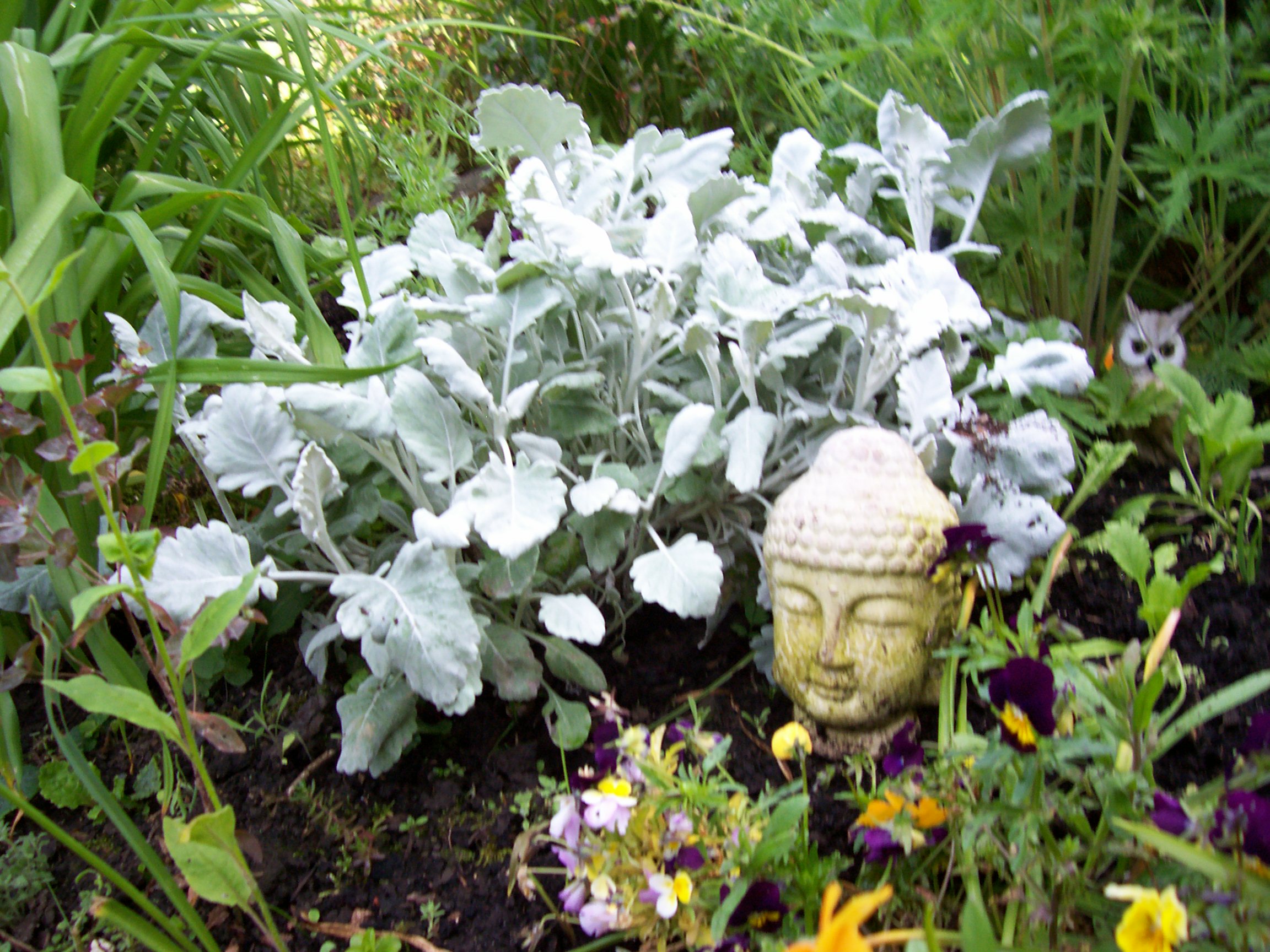
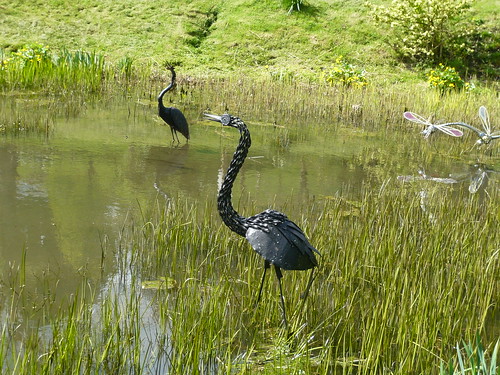
Himalayan garden sculpture

Location Location

  • Understand the region and area where the garden is located and think about what it may mean. An East coast Scottish location will be colder than Essex but a West coast location may benefit from the warmer gulf stream. Seaside may be windier than a riverside spot.
  • What are the surrounding environmental features such as mountains that could influence rainfall
  • What is the underlying rock structure, limestone or chalk will not favour acid loving plants
  • What is the aspect of the garden or which direction is the sun
  • Where is the prevailing wind – in the UK this is most often from the west

…

Read More Read More

Cineraria senecio – Silver leaf for gardens

Cineraria senecio – Silver leaf for gardens

Senecio cineraria

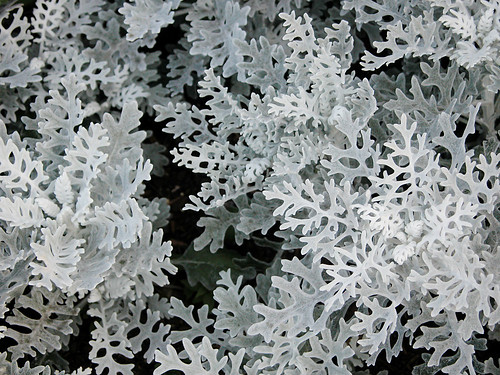
The silver leaves of many Cineraria are almost white in amongst this greenery. The plants are grown as annuals for the leaf colour and shape. As the leaves grow older they become more deeply cut and lose the oak leaf shape to be more fern like. Keep removing long and old growths and pinching out prior to flowering to encourage more leaf formation.

  • The plants flower yellow and grow easily from seed.
  • Try Maritima varieties Silver Dust or the taller Candicans
  • Cuttings can be rooted successfully
  • The plants will often last 2 or 3 seasons but become very leggy
  • The colour looks good in formal beds and is often used in parks and gardens
  • Leaves get a dust or powdery bloom

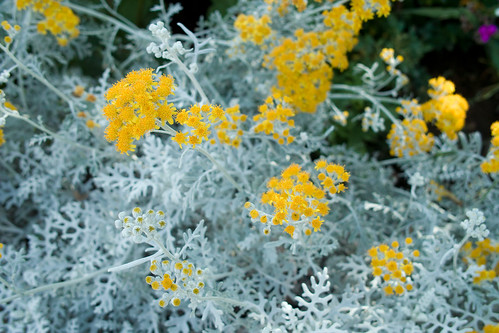
les fleurs (Senecio cineraria)
The Cineraria is related to the ragwort family and contains 50 different species including the multi coloured house plants varieties.
Ragworts produce yellow daisy like flowers similar to those shown above.

Varieties and Named Species

Cineraria Silver Dust has slightly lobed leaves.
Cineraria Dusty Miller has a powdery white meal on the stalks.
Other names Senecio maritimus, Senecio candicans, Cineraria maritima
Cineraria silver ragwort ‘Cirrus’ has rounded leaves and a more tidy habit.

Photo credits
Senecio cineraria by Carl E Lewis CC BY-SA 2.0
les fleurs (Senecio cineraria) by yukop CC BY 2.0

Autumn Flowering Rudbeckia

Autumn Flowering Rudbeckia

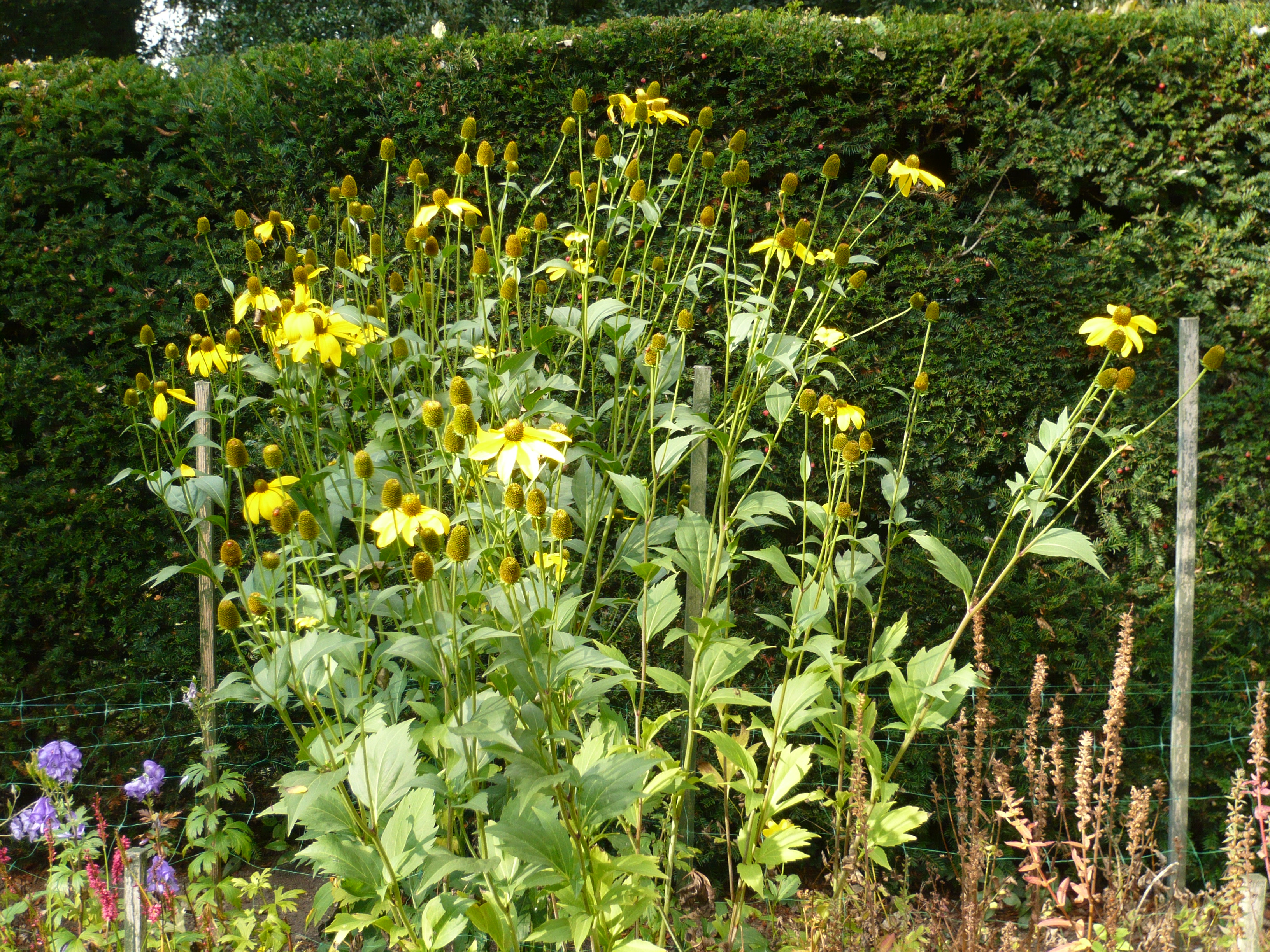
Rudbeckia Herbstone

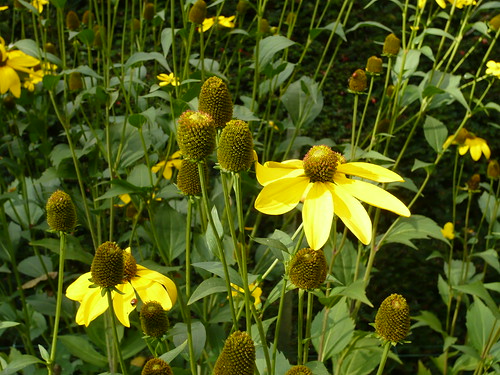
I expect my Rudbeckia to be well behaved 3 foot high plants. These Rudbeckia laciniata ‘Herbstone’ (AGM) were in excellent fettle in the late autumn sunshine and with a bit of support were growing 6-7 feet high in a compact clump. The upright branching stems and bright yellow ray-florets make ideal cut flowers.
I particularly like the conical floret discs that will form the seed heads, they look good in this photograph. …

Read More Read More

Slower Gardening 2013

Slower Gardening 2013

Old Cottonwood Tree

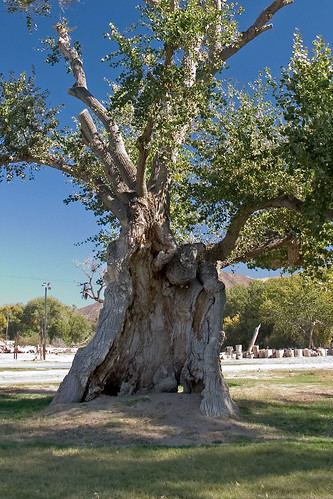
Five years ago I recommended taking gardening at a steady pace, I could have called it slower gardening. Shortly I will give some tips on slower gardening but as a reminder some oak, conifers and other trees come into their own when they are 1000 years old.
how old are yew?

Who Are Slower Gardeners

A slower gardener has infinite patience and may be of any age and from any sex. …

Read More Read More

Allotment Neighbors

Allotment Neighbors

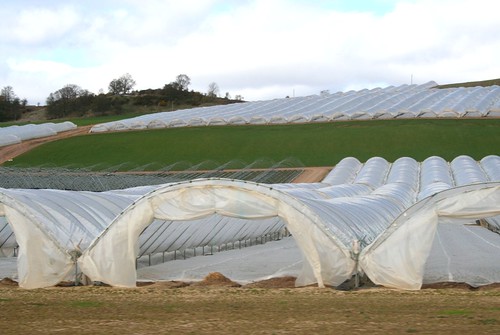
I would like to introduce the new lady on my allotment Ms Poly Tunnel with her daughter Annet. Poly tunnel may be ugly but it is invaluable in a large garden, small holding or allotment.

Poly tunnels in spring
These poly tunnels look like they are breeding faster than any plants. At least the ground is not a total mud bath like many gardens this autumn. A group this size probably needs planning permission but a more suitable garden variety will be OK without.
…

Read More Read More

Creative Mulching

Creative Mulching

Mulch can be organic or inorganic and its purpose is to conserve moisture in the soil, suppress weeds, prevent seed germoination and protect the roots of new plants. The right material will look good and cut down on maintenance with less weeding and watering.

Mulching is the covering of bare soil with a mulch. Choose a mulch that appeals to you and don’t be worried about experimenting.

Organic Mulch

  • The good old stand by garden compost is one of my favourites that also adds some nutrition
  • Grass clipings. You can use grass clippings straight from lawn mower, as long as they don’t continue weed seeds or weedkiller.
  • …

    Read More Read More

Getting More Plants By Layering

Getting More Plants By Layering

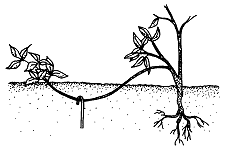
I have layered some of my Dianthus to get more ‘Pinks’, the plants not the colour. A long stem is pinned to the ground with a bent wire like a hairpin and new roots are formed in late summer.

Layering Figure

Layering a wide range of shrubs trees and climbers can get you lots more plants cheaply. This method encourages new root growth whilst a stem is still attached to the parent plant.

Some plants send runners that can be rooted.
Other plants send out suckers that can be used for new plants

How to Layer to get new plants

  • Find a supple stem of the chosen plant in spring for evergreens
    • Bend the stem down to soil level creating a U shape or 45 degrees to the parent and vertical for the stem.
    • Remove leaves and side shoots except the top 12 inches or so.
    • Cut the stem about half way through or take out a sliver at the point where it meets the soil
    • Form a shallow hole 5 inch deep and peg the stem down with a wire hoop to the soil and mound over with soil and compost.
    • When there is evidence of strong new growth sever from the parent plant and grow on. Probably 12 months to be on the safe side
    • Try Acers, Roses, Rhododendron, Forsythia, Lilac and Azaleas by this methods

    …

    Read More Read More

Herbs in the Border and Kitchen

Herbs in the Border and Kitchen

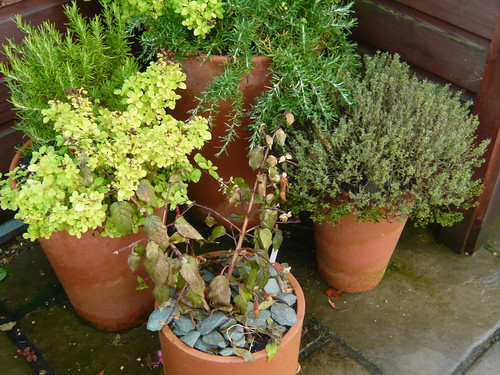
long tom herbs

Traditionally herbs are grouped together in a special area of the garden or in special pots like these ‘long toms’. You can try mixing ornamental herbs amongst perennials or with Bay, Lavender and Rosemary amongst shrubs.

Focal Points with Herbs

Angelica is happy in semi-shade and reaches over six feet tall. The green candied stems of Angelica archangelica, with huge fine cut leaves are used to decorate cakes. Alternatively try bronze coloured Angelica silvestris Vicar’s Mead.

Fennel is another tall focal point plant with green or bronze foliage. This perennial likes sun and flowers yellow with edible seeds.
…

Read More Read More

Magnolia Growing

Magnolia Growing

Magnolias take their time to produce the best show of blooms but the wait is worthwhile.

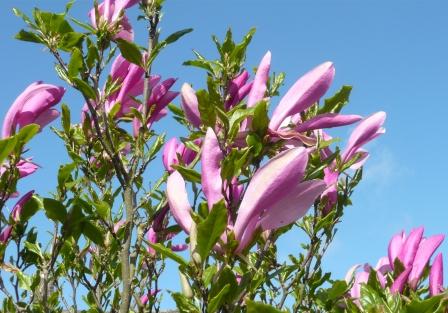
magnolia-sky

Not content with looking marvelous the clear blue sky added to the attraction of this 6 foot high Magnolia Liliflora nigra in my neighboughs garden.

Magnolia fossils have been found from 20 million years ago before bees were around for pollination. That is why the many Magnolia species developed very tough flowers able to avoid damage from the beetles that pollinated them. Their flowers are thick and strong without distinct sepals or petals but a hairy shell around the buds.

Magnolias come in a wide variety of sizes from large specimen trees to small shrubs. They can be evergreen or deciduous and flower mainly in spring but with some later varieties. Flower colours vary from whites to pinks and purples with some yellows. Vegatatively propogated Magnolias should flower in the second or third year.

Magnolias cause few problems for gardeners except losing blossoms in a late spring frost. This can be avoided by planting, in locations that are protected from late frost, or varieties not blooming until the danger of frost has passed. Plant in April and mulch regularly until well established. Magnolias favour well drained slightly acidic soil but M. stellata, M. kobus, M. sieboldii and M. wilsonii. are all suited to alkaline soil.

Other Selected Varieties
Evergreen Magnolia Grandiflora Charles Dickens is a favourite for growing up a wall with flowers upto 12 inch across whilst M. Delavayi will flower in late summer or Autumn in a similar position.
A trendy favourite is Magnolia stellata star magnolia one of six Japanese species. It has a compact, twiggy habit ideal for smaller gardens, and flowers that can be white or pink.

…

Read More Read More