Browsed by
Author: hortoris

Growing Good Snowdrops

Growing Good Snowdrops

If snowdrop leaves are showing can the delicate white flowers be far behind?

IMG_3667

Snowdrops for me signify the end of Winter rather than the coming of Spring. Tucked under this hedge row the snowdrop is left to multiply naturally by seed and by division.

Tips for Growing Snowdrops

  • Transplant snowdrops as soon as they finish flowering and have visible leaves. This is when they are ‘in the green’ and is the safest time to plant snowdrops. Many bulb suppliers sell them in the green.
  • The small bulbs are prone to dry out and these dry bulbs do not grow on as successfully as snowdrops in the green.
  • …

    Read More Read More

Lamiums- Deadnettles

Lamiums- Deadnettles

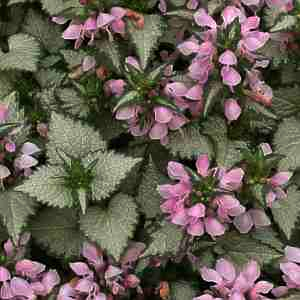
This family of herbaceous perennials can make attractive ground cover with its wide variety of foliage. Plant in dry ground between shrubs that give some shade from hot sun. Starting to flower in May many varieties go on until the first frost and p[rovide much needed pollen for bumblebees.

Lamium Pink

Gardeners Tips Growing Lamiums

Perennial Garden York Gate Adel

Perennial Garden York Gate Adel

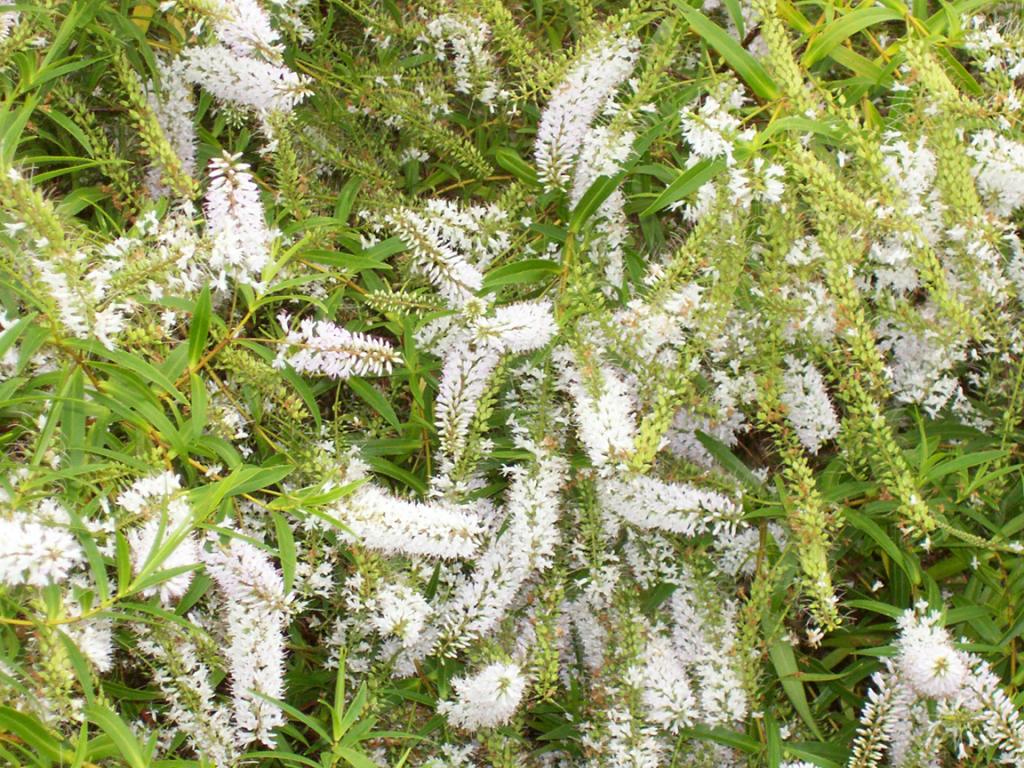
white-hebe

Perennial is the name of the Gardeners Royal Benevolent Society the charity for ‘Helping Horticulturists in Need Since 1839’. They have an interesting programme of events for 2009 and a selection of garden related gifts to support the charity. Last summer I visited Perennial’s own garden near Leeds called York Gate and found the volunteers very attentive and helpful. Best of all was the plants propagated from within the garden that were available for sale at economic prices.

York Gate

Approaching the garden through an old church yard in Adel and straight down a short lane you cross the narrow road into the one acre garden. …

Read More Read More

25 Rose Types From a Possible 150 Species

25 Rose Types From a Possible 150 Species

We have got over the season of Christmas Roses in boxes of chocolates at least! Passing over Helebores we consider many types of rose that can be grown in an ordinary English garden.
Rose

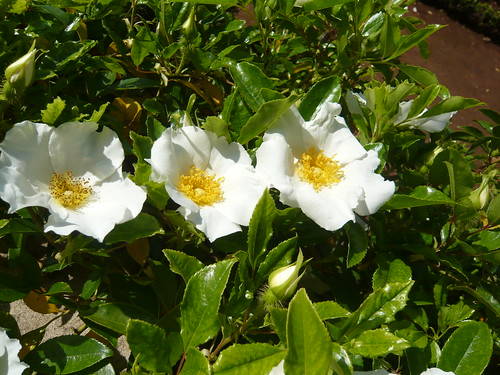
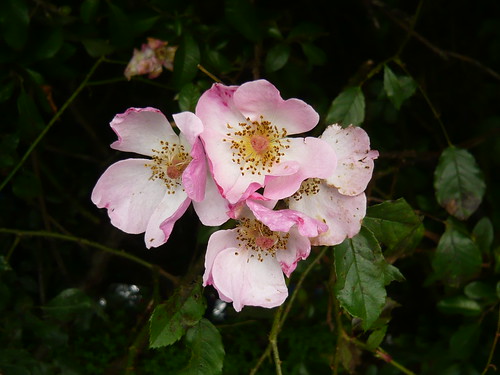
Wild Roses

These roses have 5 petals, a mass of stamens and produce large hips. There is a large range of size, scent and flower colour. There are approximately 150 species of wild roses.
Rose

Gallicia Roses

Amongst the oldest cultivated roses for the scent and medicinal properties. The plants are suckering with dark green leaves and bristly stems.

Damask Roses

The petals are distilled to make Attar of Roses perfume. Summer Damask flower once whilst autumn damask flower twice a year. The colour is generally purple fading to washy pink. They are grown in Turkey and Bulgaria for commercial perfume manufacture.

Alba Roses

Alba roses may have been cultivated since Roman times to form large shrubs with arching stems. The plants are very tough and can survive in neglected gardens for many years. Large volumes of white flowers show over a short flowering period.
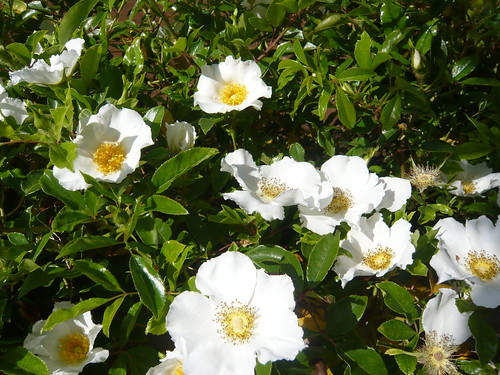
Rose

Centifolia Roses

Dutch paintings of the 16th century often features these rounded double pink roses.

Moss Roses

Often depicted on crockery in the 19th century these roses have stems and sepals with a dense mossy cover in green or brown.Little or no pruning is required.

Portland Roses

A small group similar to Gallicias but with repeat flowering in bright red or pink. A tough and hardy rose.

China Roses

China roses have smooth leaves and less scent but the flowers have thick petals and smooth shiny leaves.

Tea Roses

With few thorns and smooth shiny leaves the yellow, apricot and pink flowers are graceful plants in a warm climate.
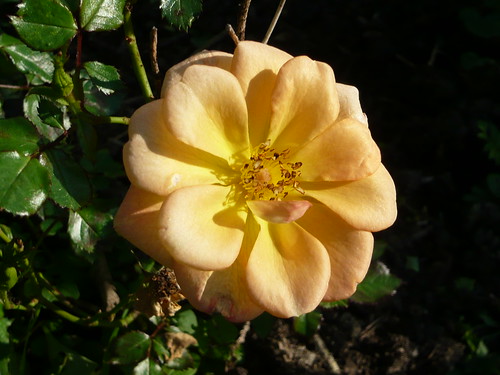
Rose

Noisette Roses

Originating from North America these plants combine the good scent and late flowering of Musk roses with the larger flowers of China and Tea roses.

Bourbon Roses

The rounded flowers in sprays are usually well scented were popular in the 19th century. See also
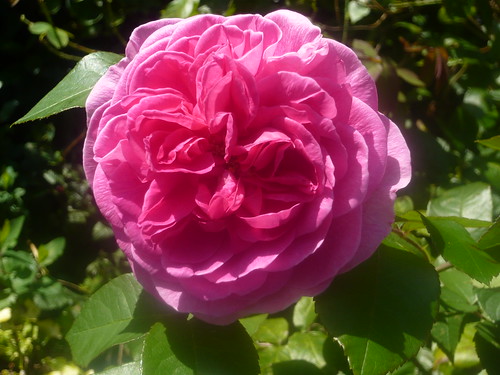
Rose Rose

Hybrid Perpetual Roses

Coarser and leafier than teas these plants are prone to mildew but with strong colours and good scent they are popular for late flowers.

Climbing Roses

These roses are bred for climbing and need plenty of water to excel. Varieties may flower only once or twice per year depending on the parentage. They need support and pruning to get the best flower display.

Ramblers

Distinguished from climbers by the masses of small flowers in one flush. Generally they are originally a cross from a white climbing wild rose.
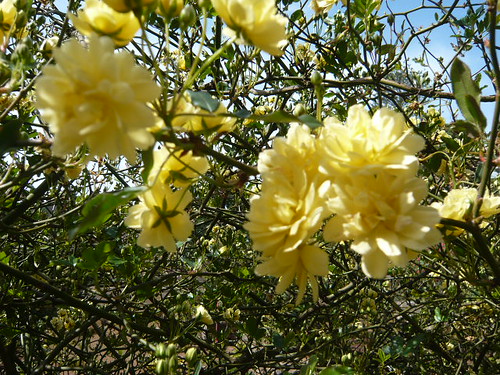
Rose

Ground Cover Roses

Developed to fill the need for trouble free spreading and weed suppressing with long flowering periods. Try Flower Carpet, Grouse or Nozomi.

Hybrid Musk Roses

One of the best small groups producing scented flowers in white, cream or pale pink.

Rugarosa Roses

Grows well and relatively trouble free in poor soil to produce single flowers and large decorative hips.
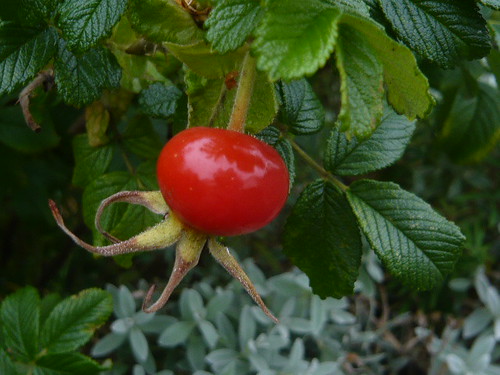
Rose hip

Shrub Roses

This is a catch-all grouping of wild crosses that do not fit other rose categories.

Hybrid Tea Roses

The traditional and popular type of cultivated rose bred for the tall bud and larger blooms.
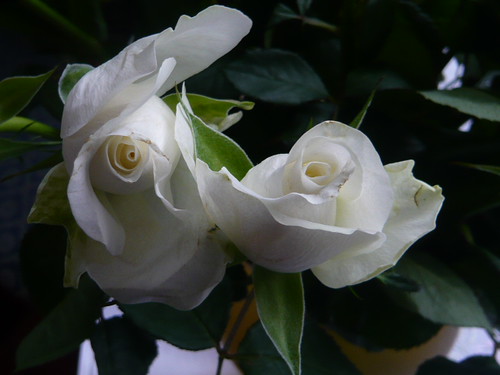
Rose buds

Polyantha Roses

Repeat flowering small plants that have been bred to produce the floribunda varieties. They are often confused as miniature hybrid teas.
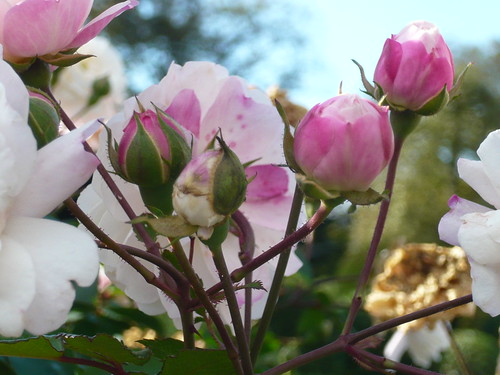
Rose

Floribunda

Masses of coloured flowers throughout the season they became a dominant type of rose through the last century.

English Roses

David Austin inspired old roses crossed with disease resistant modern varieties have produced some stunning plants.

Romantica and Generosa Roses

Meilland branded roses with scented double old fashioned, HT or climbing roses. Generosa are branded from roses developed by Guillot in France

Miniature Roses

All parts of these original roses are small and they are now grown as dwarf pot plants. I am trying several miniature roses in my rockery to add colour and interest.
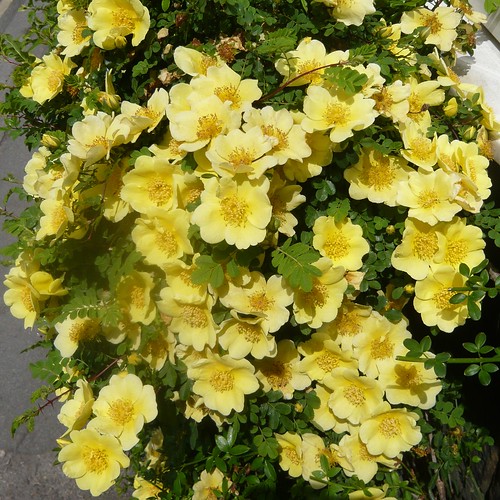
Canary Rose

Whilst you decide which roses to grow why not eat a Roses chocolate or two?

Growing Chusan Palm

Growing Chusan Palm

Do not get palmed off with an inferior plant. Nor do you need a desert oasis as even in your conservatory or garden this Chusan Palm will spread umbrella like shredded leaves over a fair sized area.

Adle

Trachycarpus fortunei or the Chusan palm can grow and flower in the UK.  They are hardy down to -10° C and tolerate our cool summers. For this reason they are popular plants even growing  as far north as Scotland.

Growing Chusan Palm

  • Chusan Palm, Trachycarpus fortunei is also called Chinese Windmill Palm or Chamaerops fortunei. You may find them for sale as Takil or Nanus varieties.
  • These palms have been cultivated for centuries in China and true varieties vary considerably.
  • The leaves are fan shaped and so strong they are used for making ropes, sacks, and other coarse cloth in Japan and China.
  • Chusan Palm grow 6-10″ a year under optimum conditions.
  • Chusan Palm grow to 35′ tall, flower yellow and the fruit is a red to blue-black.
  • Individual trunks are slim and covered with old leaf stumps and dark-brown fibres. Cut off leaves to give a more attractive smooth-stemmed palm.
  • AGM status has been awarded to Trachycarpus fortunei

I am looking for a photograph of the kidney shaped fruit .

Currently we will have to settle for this alternative photograph.

Madiera mch11 479

Chamaerops fortunei

Growing Variegated Leaves

Growing Variegated Leaves

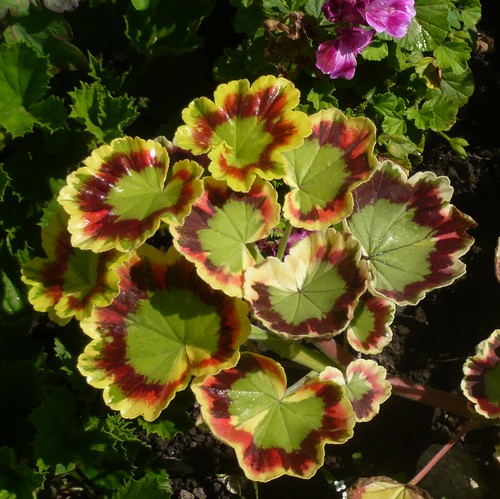
gera

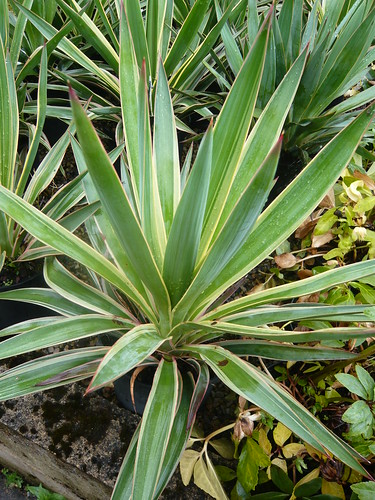
Variegated Leaves can be the most attractive feature of a garden or houseplant.
Colour schemes vary and there is likely to be a colour combination that pleases most gardeners.

020

Gardeners Tips for Growing Variegated Leaved Plants

  • Consider the light when planting. Many colours can get ‘burned out’ by strong sunshine.
  • If you are growing for leaf colour rather than flower you need good roots and then a nitrogen based fertilizer.
  • I have a semi-shaded area just for variegated plants.
  • Often the flowers suffer on these plants as they compete for attention and scarce resources. The bi-coloured phlox or Hydrangeas are an example.

Book Cover
Extraordinary Leaves from amazon.
…

Read More Read More

Lovage a tall Perennial Herb

Lovage a tall Perennial Herb

LOVAGE

What is Lovage?

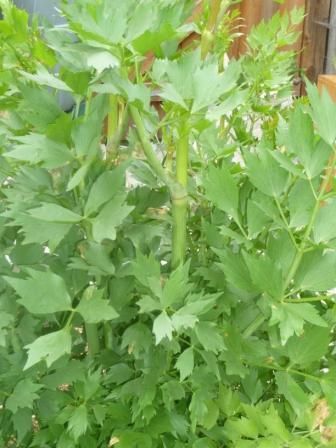
Lovage is a long lived herbaceous perennial herb that grows up to 4-6 feet tall.
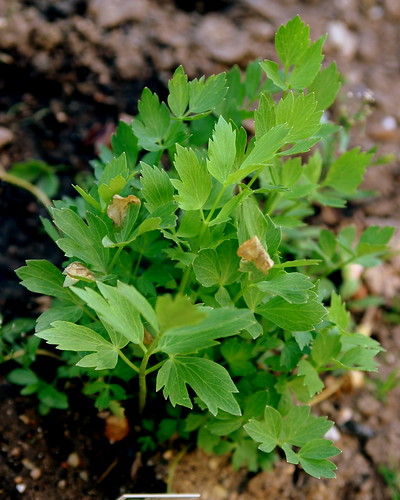
The leaves are a grey green and architectural in appearance.
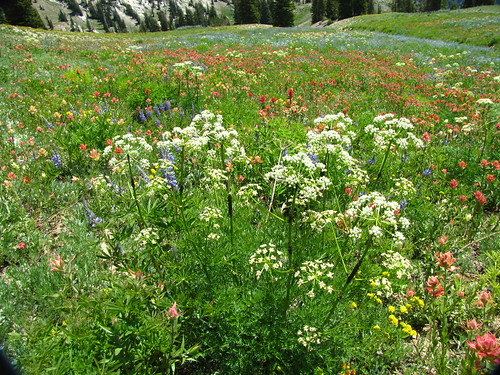
Lovage flowers yellow in an ‘Umbel’ and the seeds that follow can also be eaten or used in bread or as a spice.

Uses for Lovage

Lovage has a distinct aroma similar to celery but with Indian spice notes.
All parts of Lovage can be eaten and the stems can be used as you would celery.
Lovage is made into a wine liqueur and in soups, stews or as a roast vegetable.
Lovage is believed to have medicinal properties for sore throats.

Cropping Lovage

A healthy Lovage (Levisticum officinale) plant can spread in a clump 3 feet wide and such a plant needs space perhaps at the back of a border. One plant can provide all the leaves and stems a family would need. If leaves are the main requirement give the plant the ‘Chelsea Chop’ and cut down flowering stems before they blossom so encouraging new leafy growth.

Growing Lovage

Grow Lovage from seed or root divisions from an existing plant. 
They like plenty of water and space to grow.
Lovage prefers a sunny position.

Lovage - Liebstöckel
Photo credits
LOVAGE by Fool-On-The-Hill CC BY-NC 2.0

Lovage – Liebstöckel by yashima CC BY-SA 2.0

Christmas Roses for Christmas Hellebores

Christmas Roses for Christmas Hellebores

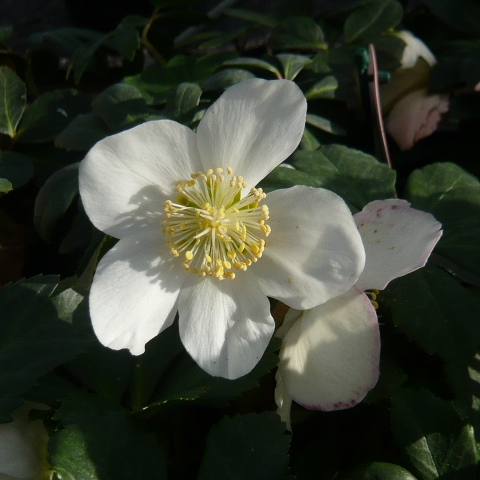
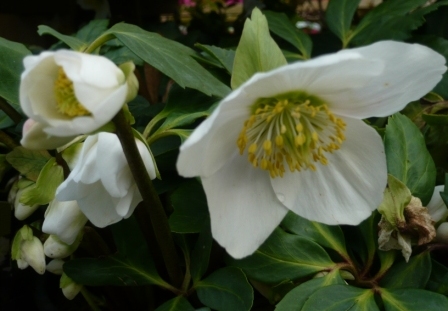
Christmas Roses will soon be with us in the garden. If you still haven’t removed the old leathery leaves from last year you can trim them off so the flowers are visible. After flowering lighter green leaves will grow to reinvigorate the plants roots.

Hellebores have a medieval reputation for preventing witchcraft and are also called the Christmas Rose or in some parts of the country Virgin’s Mantle. In addition to the traditional white Helbore niger there are many new varieties and colours to grow.

Selected Varieties
From the Lady series, Hellebore Red Lady, Hellebore Pink Lady, Hellebore Blue Metallic Lady, (a hybrid orientalis Hellebore )
Hellebore Picotee Double Ellen flowers a light delicate attractive pink and Double Ellen White has green outer to the petals.
Ashwood nurseries have a good list of specie and hybrid Hellebores
Hybrids from Thompson & Morgan
Gardeners Tips
Plant now in October for a magic touch of flower power when even snowdrops are still to flower
Plant in dappled shade with moist but not boggy soil.
Rabbit resistant which is a bonus near us.
Mulch in spring to keep up the humus levels.

Garden Orchids – Cypripedium & Hybrids

Garden Orchids – Cypripedium & Hybrids

Outdoor Orchids

Originally orchids were mostly found in tropical and subtropical areas and that is why they are foremost in our thoughts as indoor and houseplants.
What is less well known is that many orchids can also grow in areas where the temperature falls to -20°C.

One type of winter-hardy orchid from Thompson & Morgan is Cypripedium. They protects themselves by staying underground in winter but in spring the shoots appear above the ground and start flowering after just three or four weeks.

  • There are dozens of Cypripedium varieties which all have a spectacular inflorescence.
  • The Cypripedium flowers annually in May and June.
  • Cypripedium are named from the Dutch after a woman’s shoe.

Orchids

How and Where to Grow Orchids in your Garden

  • The plants prefer a sheltered and shady spot but love the morning sun.
  • A north wall is a good spot but orchids also perform well in a border with shade from trees and shrubs.
  • They like a sandy soil, and combine excellently with ferns or little Hosta varieties.
  • Dig a hole and plant into moist soil.
  • If necessary, make the structure of the soil around the hole looser with sand or clay granulate.
  • When you plant your orchid directly in the garden, take care that in the first year that the spoil does not dry out.
  • After flowering, the plant makes new shoots and settles in its new spot.
  • Orchids do not need much fertiliser.
  • When the orchid has got a good spot in your garden it will last for many years.
  • After flowering it seems that the plant stops growing but under the ground it is making new buds anb roots.

Orchids

Seasonal Tips for Outdoor Orchids

  • When resting, orchids are resistant to very low temperatures.
  • However, when the shoots start to grow, late-night frost can cause damage.
  • When late-night frost is predicted damage can be prevented by putting a bucket or big plant pot upside down over the plant and removed in the morning.
  • During the first year in particular you must keep an eye on night frosts because the plant has not yet acclimated to the climate in your garden.
  • In autumn the leaves of the orchid die off and the plant starts its winter rest.
  • The old dead foliage can be cut back to 5 cm above the soil.
  • Take care that you do not damage the new shoots when removing the old leaves or when weeding.
  • Do not cover the plant with peat but some old dry leaves are fine.
  • Often the tips of the new shoots are already visible
  • The plant can resist low temperatures and cold helps to start sprouting in spring.
  • In spring the plant sprouts again and under good circumstances produces even more shoots and therefore with more flowers. The cycle of the plant now starts again.

Orchids

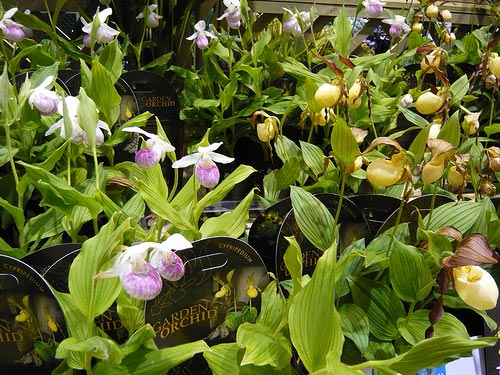
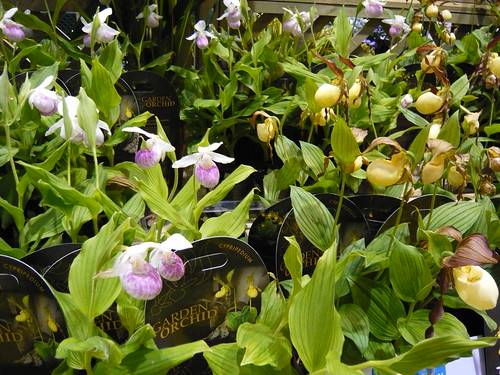
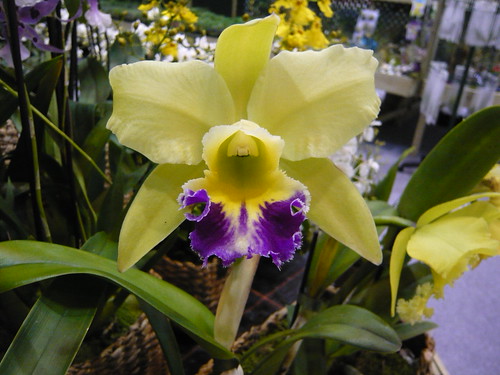
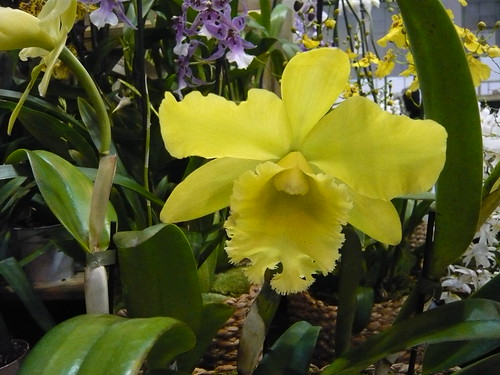
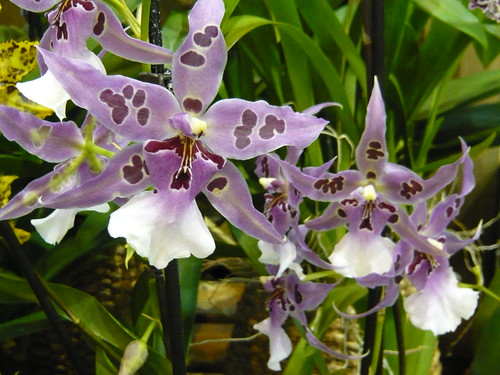
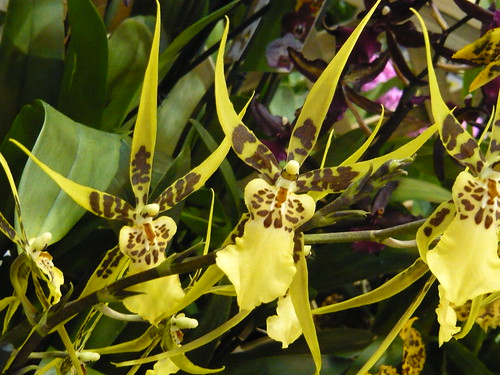
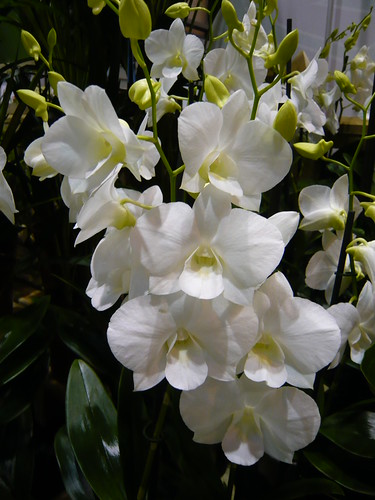
With thanks to Garden Orchids a trade supplier of Orchids.  The pictures not necessarily Cypripedium are from their stand at the  Glee show Birmingham 2011.

Orchids


Further information from the Hardy Orchid Society   -   or  Cypripedium Varieties in pictures

Cyp. acaule Cyp. calceolus Cyp. henryi Cyp. himalaicum
Cyp. kentuckiense Cyp. montanum Cyp. parviflorum makasin C. parviflorum parviflorum
C. parviflorum pubescens Cyp. plectrochilum  Cyp. reginae  Cyp. reginae alba
Cyp. smithii Cyp. ventricosum C. ventricosum, alba C. ventricosum, pale

Orchids

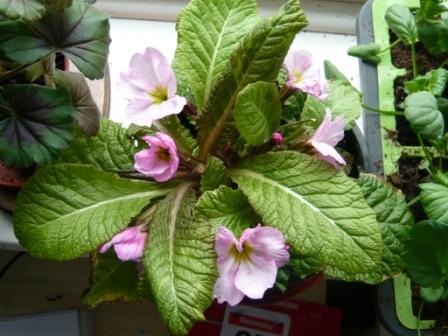
Primula Champagne White Rose

Primula Champagne White Rose

Primula Champagne white rose

We can all be caught by an impulse purchase as I was with this ‘Primula Champagne White Rose’ in the reduced section at a local garden centre. With my new found interest in the Primula family I thought I would buy this plant at half price even though they all looked as if they were done flowering for this season.

Treatment of Primula Champagne White Rose

  • I wanted to be able to divide any plant I bought and thus selected one from about 30 with what I hope were a couple of crowns.
  • I pinched out all the flower heads that were finished and cleared up some broken and damage leaves.
  • I was pleasantly surprised that there was a lot of bud still to open and I am keeping it on a windowsill near my computer for a week or so.
  • I will then take it out of the 6″ pot and molly coddle it with a bit of fibrous mulch and a weak thank you feed.
  • Hopefully I will be able to divide the separate crowns to produce more plants for next year

Information on Plant label Primula Champagne White Rose

  • The good quality printed label has a couple of rose coloured flowers with typical yellow centres. The edges on the photo are stronger red than on the actual plant but I do not feel misled.
  • Interestingly the label makes a virtue out of the Primula having been grown in the Lake District with a Union flag logo
  • ‘Primula Collection’ is the main heading Champagne White Rose is subsidiary but no reference to other items in the collection or who is responsible. (The retailer has put their name on a discount sticker £1 not £2.49.)
  • Height and spread 15cmx15cm 6″x6″ (Nothing to get concerned about although the leaves may die back a bit during summer before rejuvenating in autumn).
  • ‘Suitable for; plant in sun or shade in fertile, moist but well drained soil’ (well I do not intend drowning or starving the plant just riving it to pieces.)
  • Care Water well before planting and until established. (Since it will be late when planted out I will take care to water the plant)

Spring 412 042