Browsed by
Author: hortoris

Liatris for Cut Flowers and Butterfly Food

Liatris for Cut Flowers and Butterfly Food

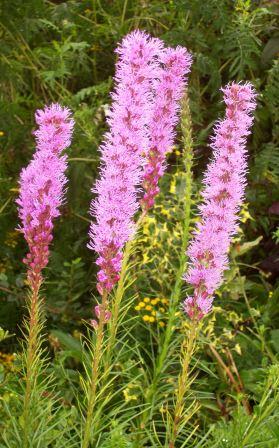
Also grown under the name Gay Feather or Blazing Star. The spikes may look like feathers but are a quite robust 1-2 feet tall. They flower blue, purple or white. I prefer a compact form like Kobold which requires no staking.

Liatris 2

Gardenerstips on Liatris spicata

  • Liatris are long lasting, excellent border and cut flowers
  • Liatris scaricosa, spitica , aspera and punctata are some of the species to consider.
  • Plant 4-6 inches apart in clumps of at least 10 bulbs for maximum impact. These were planted singly and are just bulking up.
  • The soil must be well drained over winter to stop the bulbs from rotting.
  • Fully frost hardy
  • Full sun to part shade Liatris species are used as food plants by butterfly and are magnets for insects particularly in late summer.
  • Good for cut flowers and drying
  • As a general rule divide a plant furthest away from its bloom time. So I would divide Liatris in spring.
Liatris

Propagation from Seed
Sow February to July in trays, pots, etc of good seed compost in a propagator or warm place to maintain an optimum temperature of 70-75F (20-25C). Sow in well drained compost, just covering the seed with compost. Reduce the soil temperature at night during germination.
Liatris

Sweet Potatoes on Trial

Sweet Potatoes on Trial

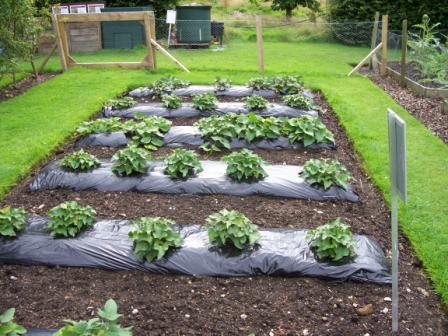
 	Sweet-potato-rhs-trial at Harlow Carr

The RHS have trialled several varieties of Sweet Potato. They picked a wet, sunless season so far but as the plants will be harvested during October (they need a long time in the ground) there is time for a good spurt of hot weather (I am an ever hopeful optimistic gardener).

Normally these plants are difficult to grow successfully in Britain but for those who are a bit adventurous you may want to try this crop next year. If so follow the results of the RHS trials.

…

Read More Read More

Growing Asparagus in UK

Growing Asparagus in UK

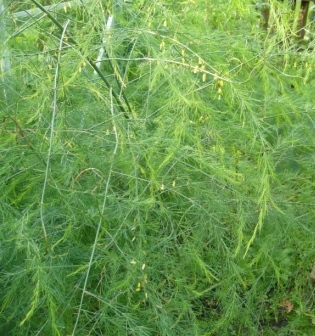
American culture and British cultivation ideas conflict over Asparagus. I will follow the British method of cutting the old ferns in Autumn to about 5cm and mulching. In America, in anticipation of heavy snows, they leave the ferns to protect the plant crowns. My bed will be in its third winter and next spring will see my first crop.

I planted Asparagus varieties Dariana and Gijnlim in a new bed prepared for the purpose. …

Read More Read More

Attacting Insects To Your Garden with Spectabile

Attacting Insects To Your Garden with Spectabile

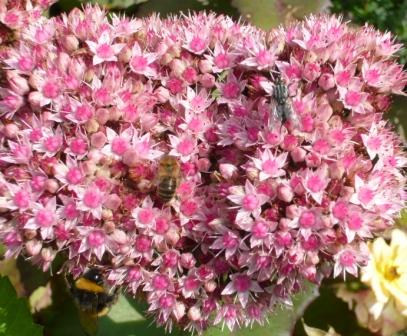
This Sedum spectabile ‘Brilliant’ has all the insects buzzing with interest. Many butterflies are attracted to various Sedum spectabile or ‘Ice plant’ species. Look out for Red Admirals, Cabbage Whites and other species in your garden.

September is a good time for flowers on these Sedums. They flower into autumn and can look architectural in winter when covered in frost.
Insects can over winter in the old stems so do not be oin a hurry to clear up the old perennials until spring.

Propagation …

Read More Read More

Verbascum Banana Custard and Other Mullien

Verbascum Banana Custard and Other Mullien

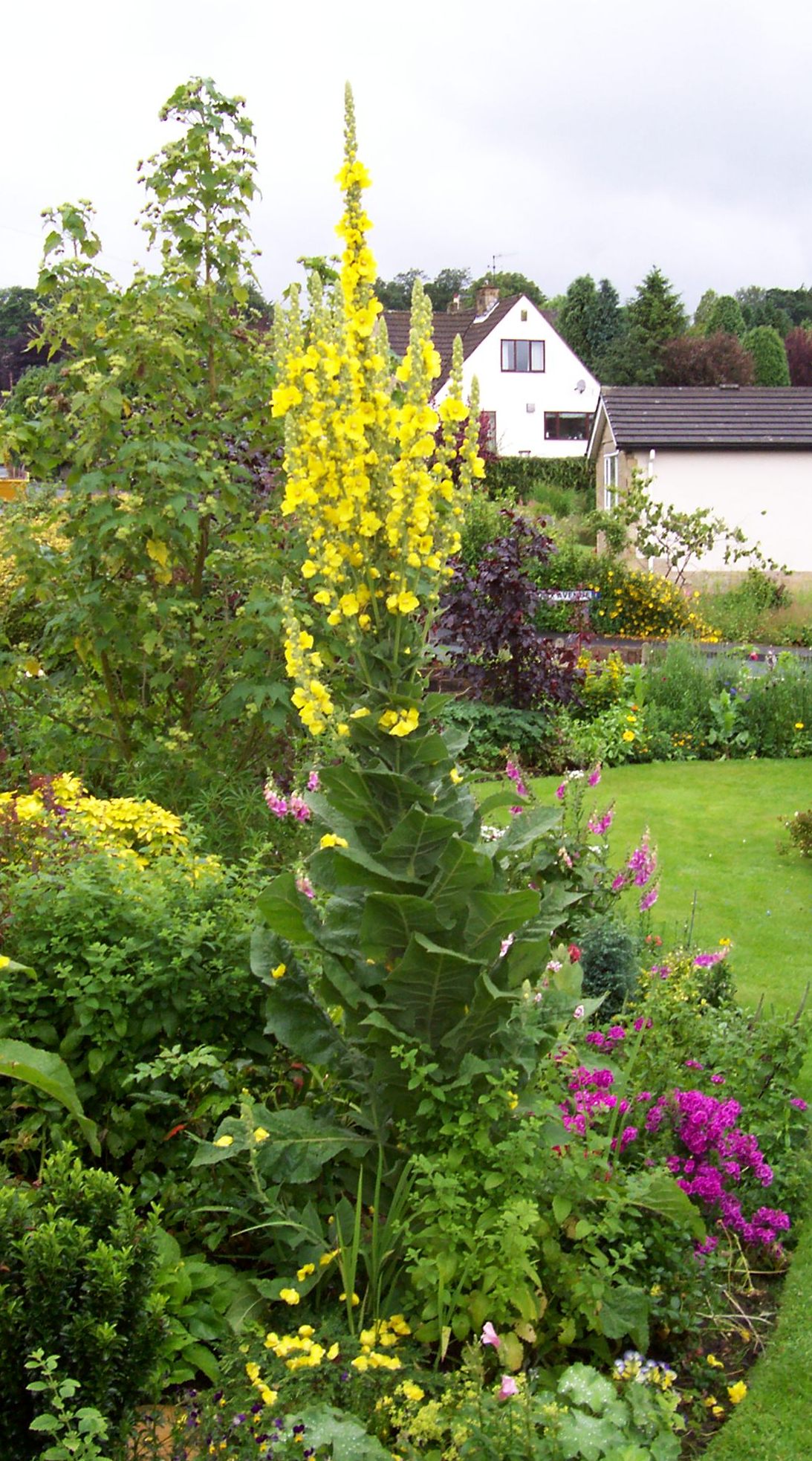
Verbascum banana custaard

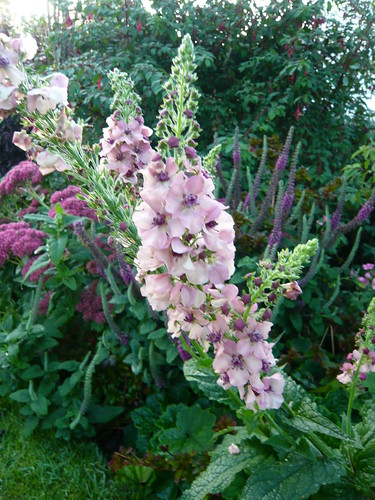
This nine foot high perennial plant has a striking spire of yellow flowers. This variety has several smaller spikes in this case an impressive fourteen at the last count and still growing. This is a Verbascum hybrida and I also have a white which is less robust but still stately.

  • The leaves are hairy and can cause skin irritation
  • In the wild ‘Mulliens’ produce prodigious volumes of seed as do the hybrids. I treat good specimens as biennial although they are perennial as they are easy to grow from seed.
  • Flowers do not open evenly up the flowering spike but have colour for many weeks in summer. If dead headed there will often be a second flush later.
  • Mulliens like sun and space but are not fussy about soil conditions
  • Try grow a variety with multiple stems. Some have only one spike.

Verbascum
Design Tips

…

Read More Read More

Herbs for Drinks, Pillows and Baths

Herbs for Drinks, Pillows and Baths

Herbal Teas, Tisanes and Infusions

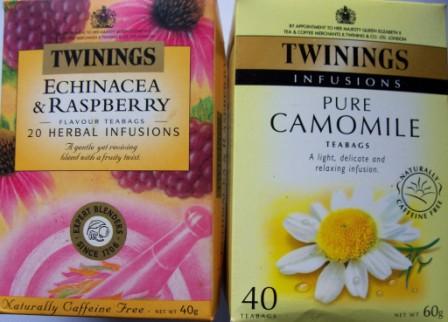
Herb tea made from dried or fresh leaves can be drunk hot or iced. Chamomile tea is popular and can be bought in tea bags but growing your own is more satisfying. Use one or two tea spoonful of leaves, dry or fresh, to a cup of boiling water and steep for five to ten minutes then strain if you wish.

  • Mint, Fennel and Sage can be used to create teas in the same way.
  • Tinctures are make by soaking in alcohol like cider vinegar and raspberries to make raspberry vinegar

Herb Pillows

Herbs were added to straw to deter insects in less sanitary times. Today it would be enough to collect flowers and put them in a small packet or muslin bag and hang it close to the bedhead.

  • Lavenda, Mignonette, Rosemary and Lemon verbena (Aloysia) make suitably restful pillows
  • Eucalyptus leaves are good for congestion with a strong scent when crushed

Herb Baths

Aromatic herbal baths can be theraputic and pleasurable. Hang a muslin bag filled with a handful of leaves under a running hot tap as the bath fills.

  • For stimulation try Basil, Bay, Lemon balm and Verbena, Mint or Rosemary.
  • For relaxation try Chamomile Valerian, Lavender or available scented flowers.
  • Healing herbs can be used such as Calendula, Acillea and Mints

Herbal Remedies

Herbs work as both preventative and curative medicines and the Greeks and Chinese have long been exponents of the craft. Remedies can be very powerful and be treated with respect. Do not ingest with prescription medicines without consulting a doctor.

  • Sage can be used to make a gargle for infected throats
  • Feverfew leaves or Meadowsweet can be chewed to relieve a headache
  • Yarrow tea is said to be good for colds
  • Dock and plantain leaves have long been used to relieve stings
  • Buy a good herbal medicine book
Wild Orchids in Britain

Wild Orchids in Britain

lady-orchid
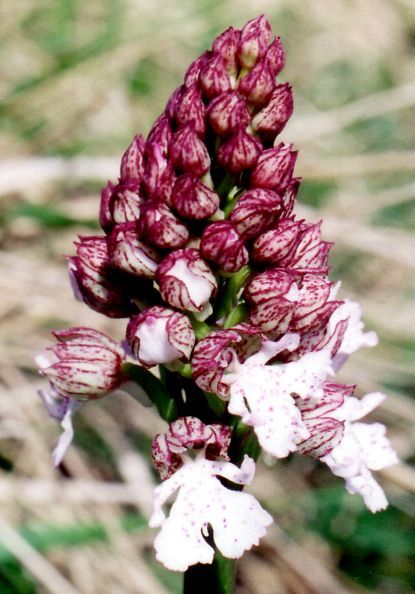
There are a surprising number of Orchid species that grow wild in Britain. Because they are so special they should be left in the wild and only purchased from credible suppliers who cultivate their own stock.

The Lady Orchid Orchis purpurea grows up to 2’6″ and the purple speckled flowers on a robust spike make this one of the most popular Wild Orchids in Britain. It flowers in early May in scrub or woodland.

Helloborine Large White is found in Beech woods with chalky soil. It flowers 12-18 inches high in early June. The Narrow Leaved Helleborine is more wide spread especially in shady chalky areas. The Broad Leaved Helloborine grows up to 3 feet high and flowers red or pink  in August. The Marsh Heleborine prefers to grow in alkaline marsh land but in the open it collonises some older sand dunes.
…

Read More Read More

Stellar Pelargonium – Bird Dancer Geranium

Stellar Pelargonium – Bird Dancer Geranium

Pelargonium

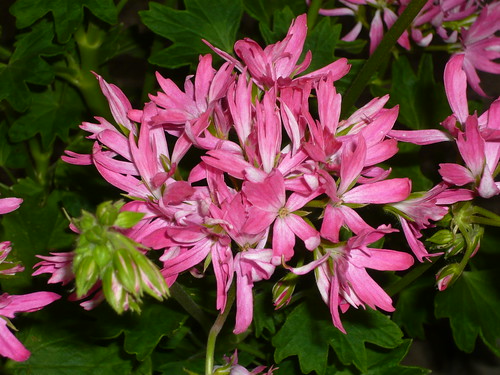
These special zonal pelargoniums are often mistakenly called geraniums. The Stellars have star shaped flowers that give the cultivars their name. The petals are not as full as other zonals but the leaf markings are quite striking. There is a lot of bud at the moment and they are massing in the garden quite well.

As with other geraniums they like a free draining soil but are not troubled with pests (famous last words).

The zonal leaf marking became more apparent when the plants were put outside from the greenhouse.

Plants are easy to propagate from now all through summer and autumn. Just keep the plants on the dry side and frost free in winter. Plants last several years but are more robust and floriferous from new stock. Seed can be sown in warmth from February or raised from plug plants.

The flowers repay close attention and can be inspected on the geranium flower web site

Other links and information on Pelargoniums

Top 10 Scented leaved Pelargoniums
Pelargonium Grandiflorum and other ‘Geraniums’
Photogenic Pelargonium
The Secret of Geranium (Pelargonium) Cuttings
Growing Regal Geranium Pelargonium
Miniature Pelargonium
Dwarf Pelargonium aka Geranium
Tips for Growing Geraniums (Pelargonium)
Thompson & Morgan supply Pelargonium seeds and plants in season.

F1 Seeds and Hybrids

F1 Seeds and Hybrids

seed packet

What is F 1 Seed

F1 seeds are the result of crossing two pure lines to create the desired result. If one plant has good habit and poor flower and another has good flower and poor habit they can be cross fertilised so that resulting seed may produce plants with good habit and good flowers (the opposite may be true with all the worst features but they are weeded out in the F1 process). A pure strain of each parent is first selected by pollinating the best examples with themselves. When a good pure strain is achieved the resulting plants will be cross fertilized by hand to produce F1 seed. This is one reason F1 seed is more expensive than other hybrids.

Benefits of F1