Browsed by
Author: hortoris

Lush Time in the Garden
Lush Time in the Garden

Where has all the rain gone? In winter there were floods aplenty so I was predicting water rationing by summer. Now it is mid May and the ground is parched and rock hard.

I was struggling to plant my dahlias when I heard my neighbor having even more trouble getting his spade in deep enough. I said I was worried about my next water bill and low and behold there it was on the doormat by lunch time.

Lush is as Lush Does

  1. To me green is the lush colour for all seasons. Other colours supplement or provide great highlights but the framework is green.
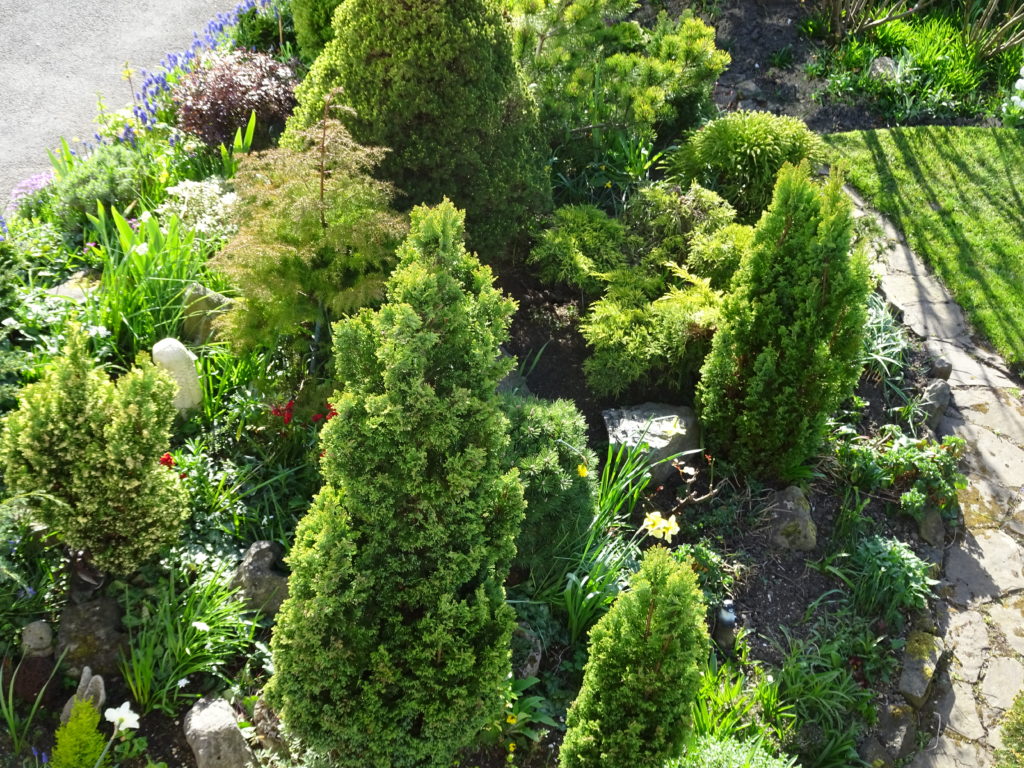
  2. Evergreens are therefore a mainstay of my garden particularly the 50 plus evergreen conifers that look lush through the year.
  3. It seems sad to eulogise dying foliage but this year the daffodils and blubells have clung on to the strappy leaves and provided some ground cover until I can get some annuals ready.
  4. The water table and morning dew has been enough to keep the grass green and I am resisting the temptation to cut too close.
  5. Two water barrels are not enough to allow me to water lavishly and 2 outdoor taps are a temptation. I and the garden will survive the rest of the year even though I predict summer floods.
Plant Viruses and Viral Infections

Plant Viruses and Viral Infections

Plants in your garden can suffer from infections caused by many different viruses. Once a plant is infected there is no chemical treatment that will destroy the virus without also killing the plant.

Signs of Virus Infection

  1. Irregular white or yellow mottling on normally green leaves such as rings, mosaic patterns or other mottling.
  2. Distorted leaves with curling and or crinkling
  3. Malformed flowers, damaged fruit and early leaf fall.
  4. Once a plant is infected the plant may be stunted and unable to produce flower or fruit.
  5. Some plants are just carriers and do not demonstrate symptoms other suffer from wilt disease.

More About Viruses on Plants

  1. Viral infections are generally transmitted from plant to plant by insects such as aphids, thrips, whitefly, eelworms, and some beetles.
  2. Some control can be provided by keeping these pests at bay.
  3. Viruses can be prevalent and long lasting in soil.
  4. Each virus is plant species specific and some varieties are more prone than others. Potato blight decimates crops, tomato mosaic virus damages fruit, cucumbers suffer as do many flowering plants e.g. carnations, roses and chrysanthemum.
  5. Plum pox potyvirus  the variants of which causes Sharka the viral disease of stone fruit crops.

Other Plant Health Problems

  1. Fungus and fungal infections
  2. Virus and Viral diseases
  3. Bacterial diseases
  4. Pests
Pelargoniums Planted in Pelargonia

Pelargoniums Planted in Pelargonia

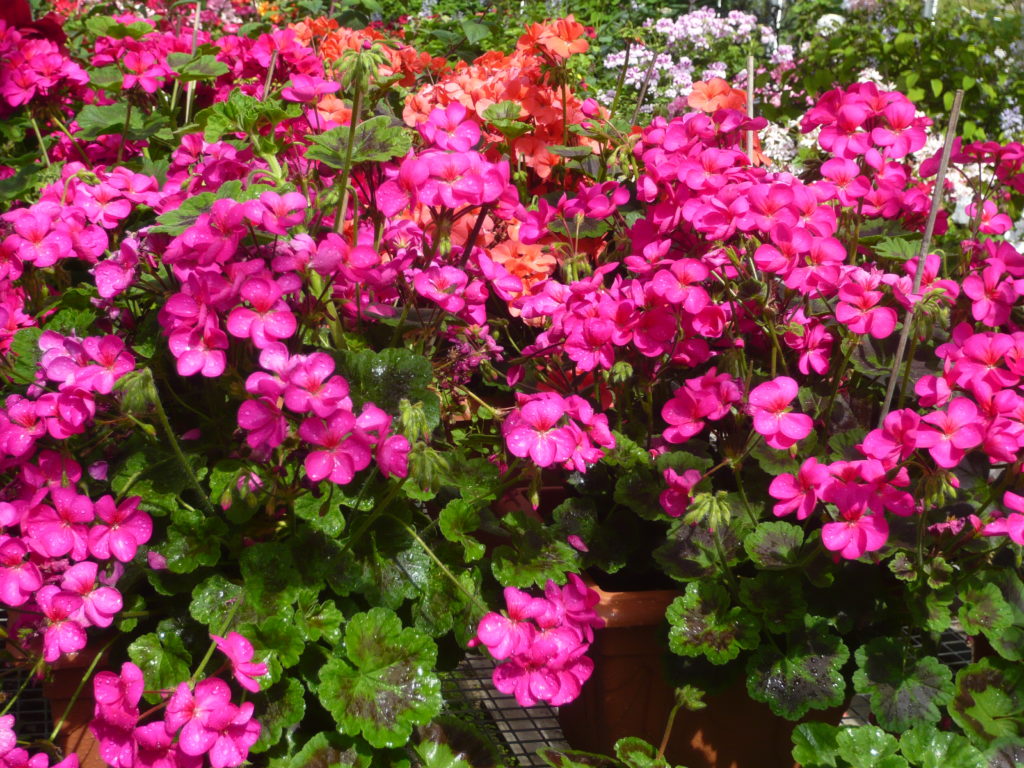
I have flirted with geraniums for several decades but never achieved the full satisfaction of a great display. Now I have a new plan to dedicate an area in the garden, dare I call it a zone? to some of these colourful plants. To give me an incentive to dedicate time and effort I have given it a name Pelargonia as I thought Geraniumistan was going to confuse the issue with cranesbill geranium or hardy geraniums.

As you can see from the search link I have blogged on 67 occasions about pelargoniums and geraniums over the Gardeners Tips years.

Frost Tender Pelargoniums

  1. After several good years I got careless one weekend and lost some good growth and suffered several set backs after an air frost. A similar event took place 6 years ago and that was at the beginning of June.
  2. Remember if your pelargonium stems get frosted then the plant will die and not recover!
  3. In the North of England there can be frosts late in May and early June. In Scotland and on high ground keep your thermometer handy whenever frost is threatened.


                            My flikr selection -hover & press the arrow

Zonal geraniums are more accurately called ‘Pelargoniums’. The zonal is named for the distinct bands of colour around the leaf. On the example below 3 distinct shades are obvious even in a black and white image. These distinctive colours and patterns are quite sought after and some varieties are grown for the leaf shade alone.

Engraved Zonal Pelargonium

Pelargonium House Plants

  • If you are worried about frost, geraniums make fine house plants. They can be kept in flower throughout the year and the flowers can be picked for a small vase. If you time it right when several ‘pips’ are showing full colour they can last a couple of weeks as the other pips keep opening.
  • Regular weekly feeding of high potash feed with an occasional nitrogen booster will grow a substantial specimen.
  • Pinch out the growing tip in April and June to get bushy plants with more flowers.

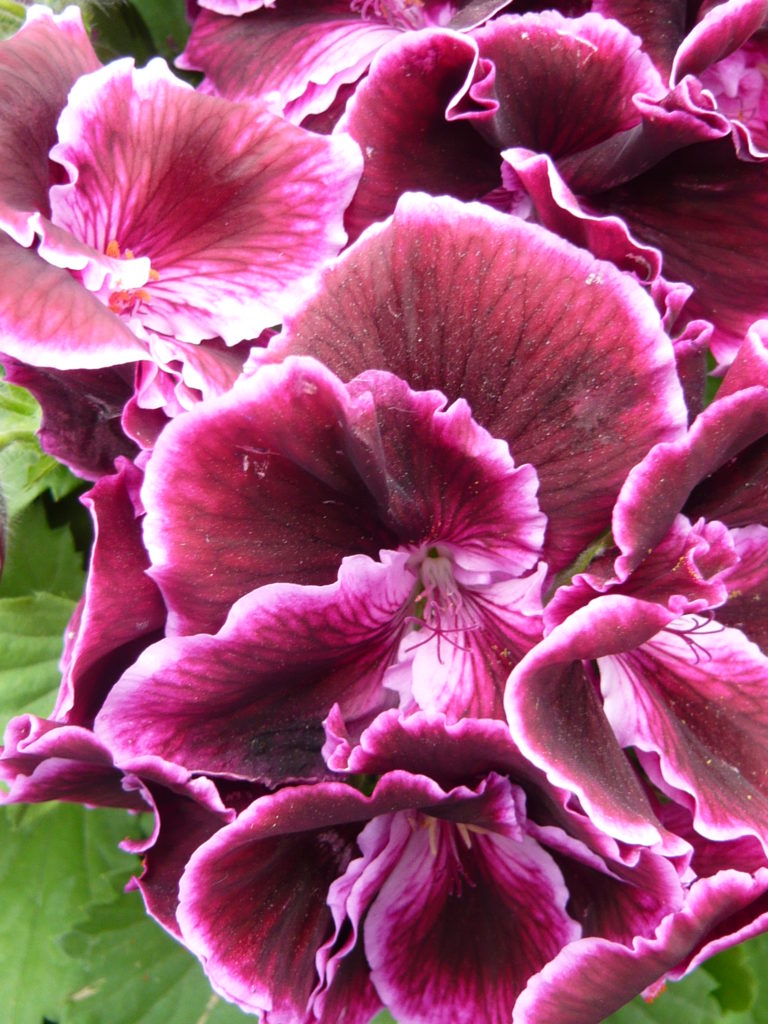
Regal Pelargonium indoor pot plant

Ideas for Better Garden Photographs

Ideas for Better Garden Photographs

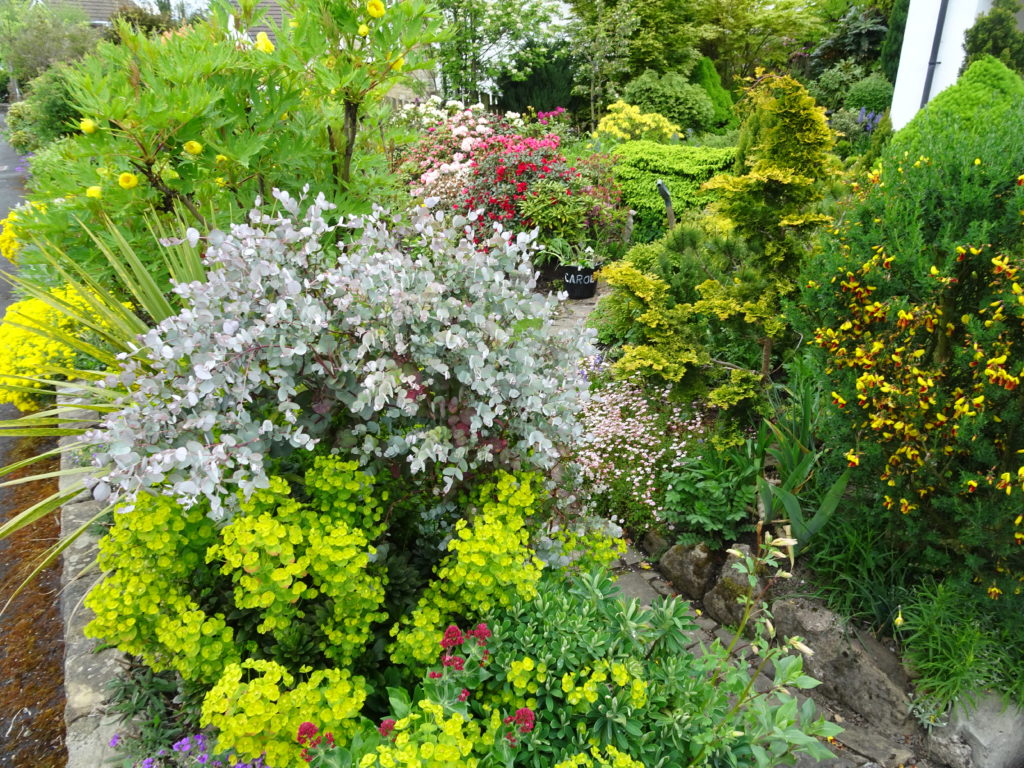
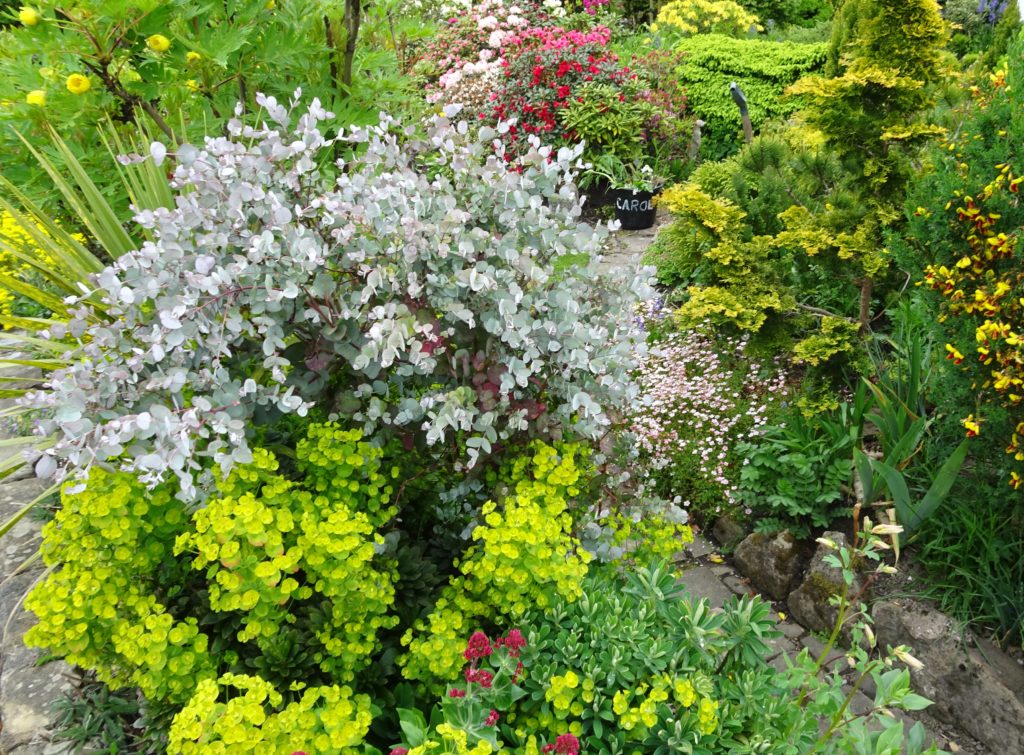
Compose your photo shot with care to get the image you want and only that image. In this photo the moss and drainpipe do not add anything to the desired result so they need to be cropped out for the next image where ‘Carols’ bucket takes center stage. If the original has been taken with high resolution the cropped image will not suffer. The spade could have been aligned better to show the handle.

Know your cameras capabilities and take several shots until you find an image you like. Be self-critical of your work and regular practice will help to get better results next time

Despite standing on the low wall to look down on the garden only the crazy paving benefited and I should consign this to the compost (I mean the recycle bin). The aim was to have a foreground that didn’t compromise the key middle ground and then a background that didn’t distract. Shame that this photo failed on all aims with the neighboring houses standing out and catching the eye and the key middle ground achieving nothing much.

Read More Read More

Gather Lilacs in the Spring

Gather Lilacs in the Spring

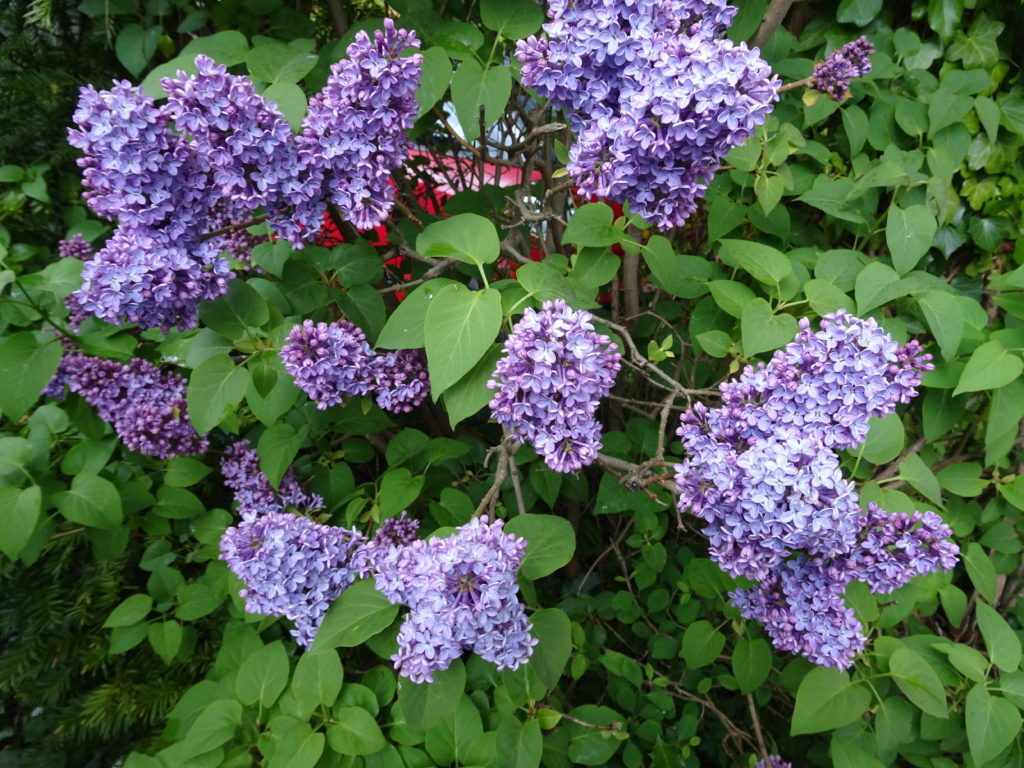
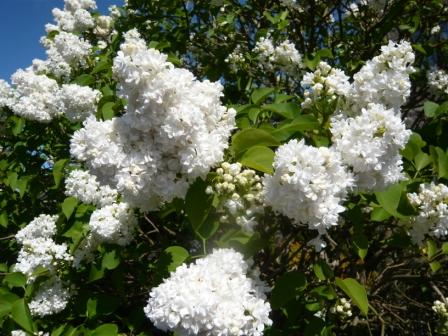
It looks like a good year for ‘Blossom Dearie’ and no more so than with Syringa the various Lilacs in the varied shades of lilac and white.

  1. Renown as a tall shrub or small tree  there are also dwarf lilacs amongst the dozen of so species and sub-species.
  2. There are some hybrids with double flowers.
  3. Lilacs are most justly famous for their perfume from the conical flower heads that is redolent of spring.
  4. The variety Charles  Joly is almost purple.
  5. For Lilac growing hints and tips
  6. For photographs of more blossom

Rhodo labels & Records

Rhodo labels & Records

Widgeon

Kenneth Cox at Glendoick   Offers some of the best advice on rhododendron identification and recording. …..Using GPS handheld devices would allow reasonably accurate mapping to made by taking positional readings in each area of the garden and recording what is planted there. If you want  you can then allow garden visitors to access these records on their own devices. There is no limit to the interactive potential if you are prepared to invest time and money…..

The three best examples of private (as opposed to botanic garden) record keeping I have seen outside the major botanic gardens are Philip de Spoelberch’s collections at Herkenrod in Belgium, Lord Howick’s collection in Northumberland and the late James Russell’s plantings at Ray Wood, Castle Howard, Yorkshire. All of these gardeners believe passionately in the value of accurate and detailed records……

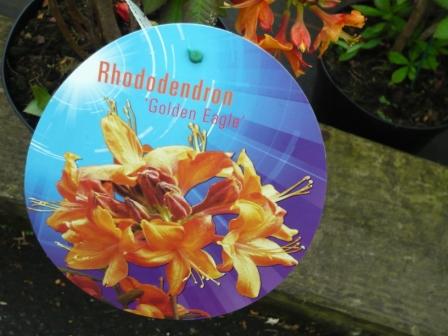
Rhododendron Golden Eagle Label at YSP

Labels

  1. To a gardener a label should be easily seen unobtrusive, legible, long lasting and easilt fixed so that it is not broken off by wind or clumsy gardener. To a plant seller the label is designed for one purpose, to relieve you of your cash.
  2. I am still seeking the ideal label and hate those little white plastic sticks that become too brittle.
  3. The longest lasting labels are embossed metal labels I have some thin copper labels to scratch the details into but they are hard to see. Glendoick recommend aluminium labels written on with a soft pencil tend to last well
  4. Beware of label death, where a branch or stem is girdled metal, by the failure to loosen a label as the plant grows.
  5. Dymo labels are surprisingly long lasting
  6. Most botanic gardens use expensive engraved labelled on UV stabilised plastic or modified acrylic laminate.
The Mother of Inventions

The Mother of Inventions

Rust Bucket Barrow

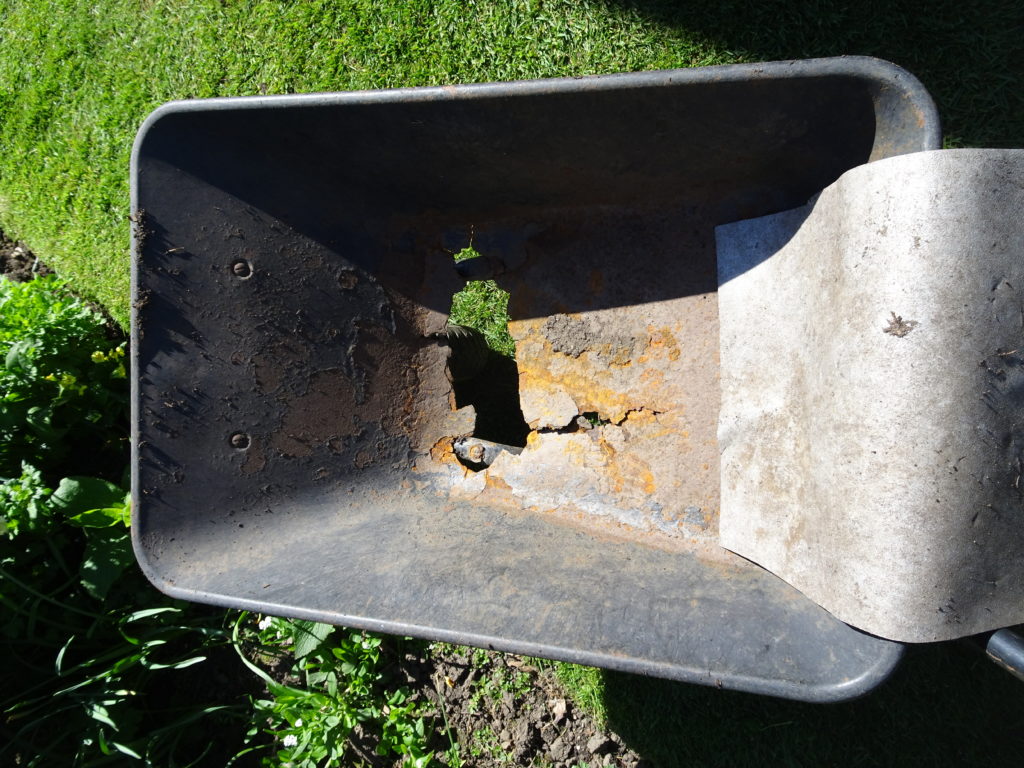
Last autumn I realised I needed a new wheel barrow but thought I would defer the purchase until spring 2020. In February I found a galvanised builders barrow that I coveted and resolved to purchase one. At the first attempt I discovered my wives car wasn’t big enough to take it home. A bit later, low and behold, I’d missed the boat or more accurately caught the over 70’s travel restrictions and subsequent social distancing rules.

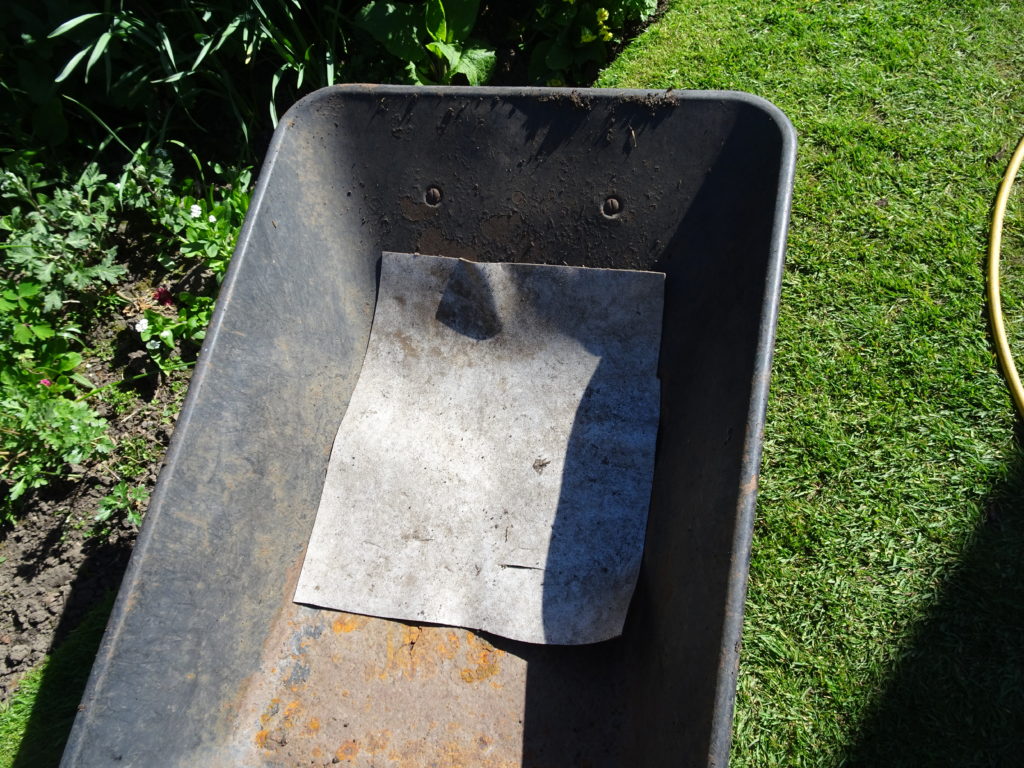
So along came the mother of all inventions (or nearly) in the form of a simple mat to cover the rusty hole. It wont last long and can’t hold heavy loads but I am making do by mending.

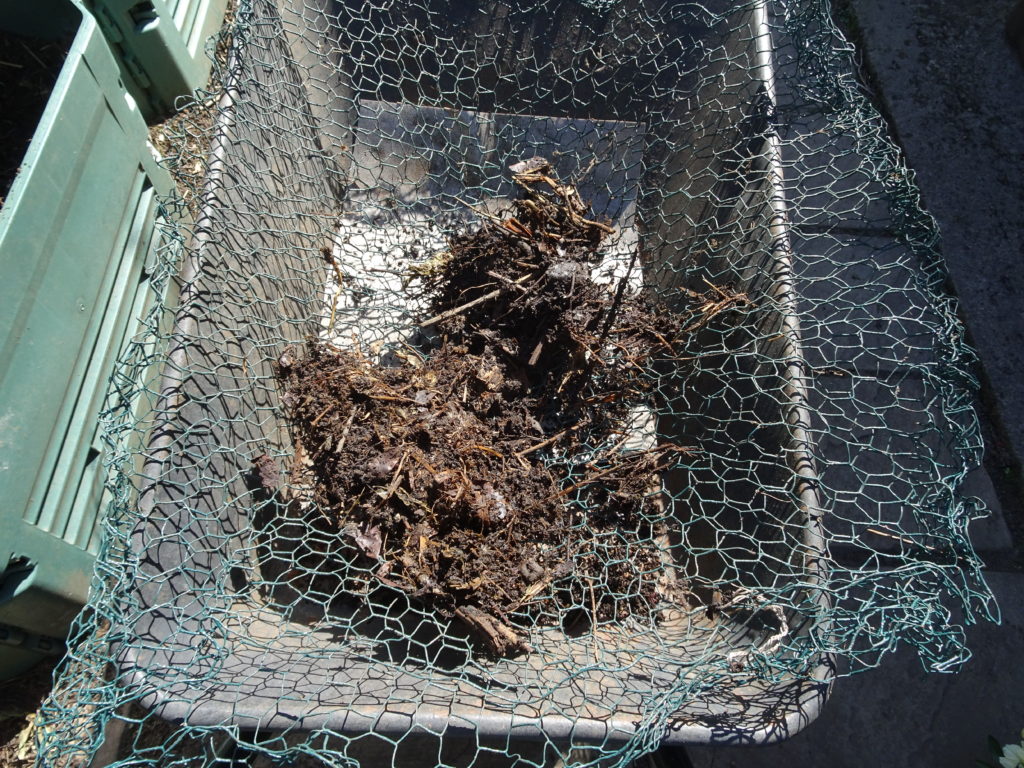
In addition I made a contraption that isn’t a riddle or sieve but my own sifter shown below. It is made from plastic coated chicken wire and to prevent large particles escaping I doubled it over. It is surprisingly easy to lift the detritus and put it into another compost bin.

Home Made Sifter

Time now for a ‘garden o’clock snifter.

Big Up Your Garden Compost

Big Up Your Garden Compost


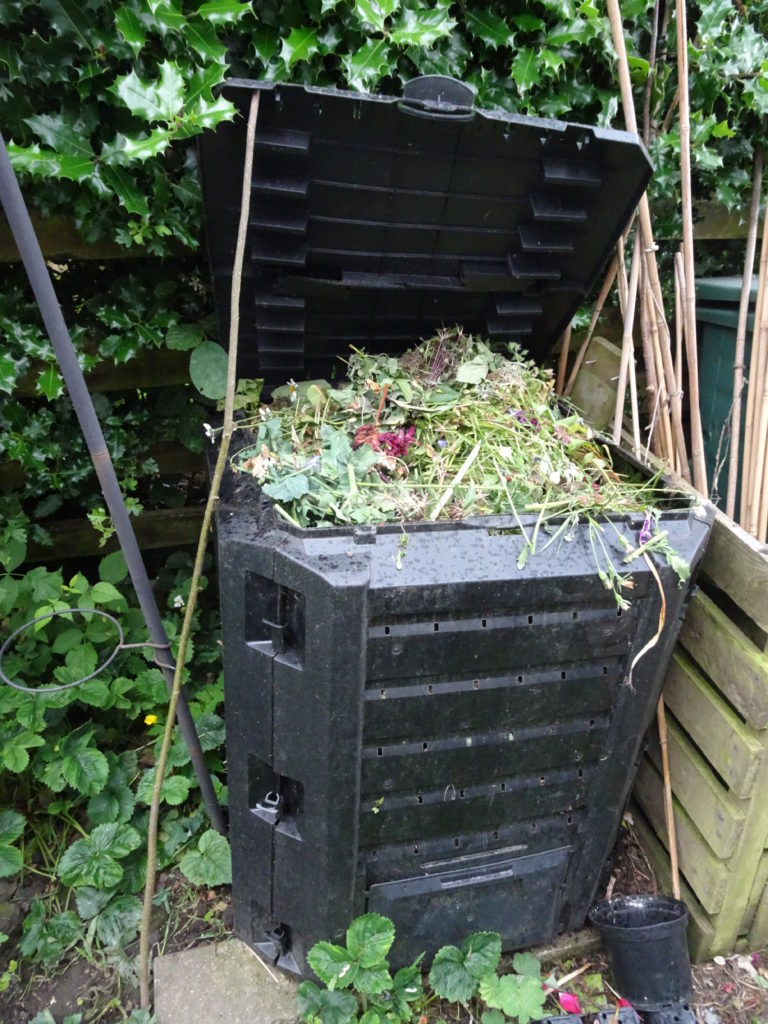
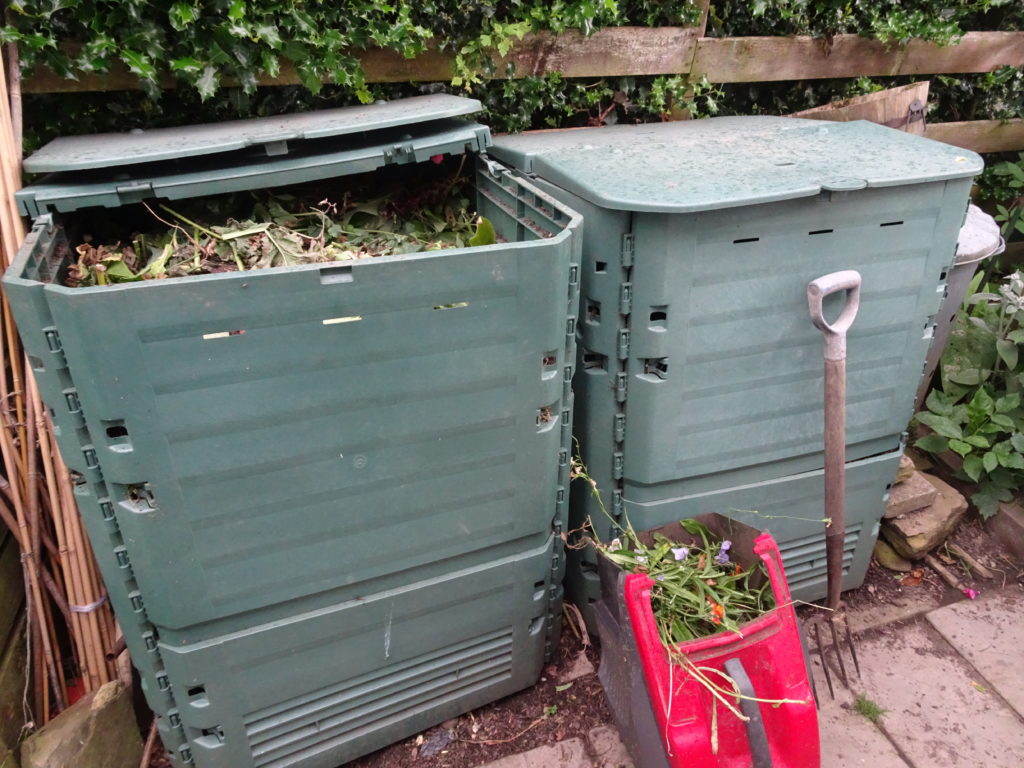
Goodnews, I have 3 good sized compost bins. The bad news is I am filling them very quickly which if they rot down soon enough will become more good news. The black bin heats up quicker but contains less material and is hardest to get at to turn the waste so I guess that is a scoring draw (using football pools terms).

New Discoveries

  1. I should have known all along that hay rots into a soggy lump and isn’t great for garden compost making. It probably contains far more seeds that I or the garden can cope with.
  2. I should have known all along that forgotten tools may turn up in heaps as they do not rot but rust even my spare pair of Felcos had some rust.
  3. I should have known all along that rats like a warm friendly space to live and breed. A neighbor has had to call out the pest control twice during the lock down and I’ve discovered an unusual depression and hole in one of my heaps. I hope my early action will work.
  4. I should have known all along that I would get better compost if I sieve out the tougher bits.  A full bin has realised 50% fine sieved parts with the rest going back to restart the new bin. I also found fruit labels and sundry bits of plastic.

Roses for Good Hips

Roses for Good Hips

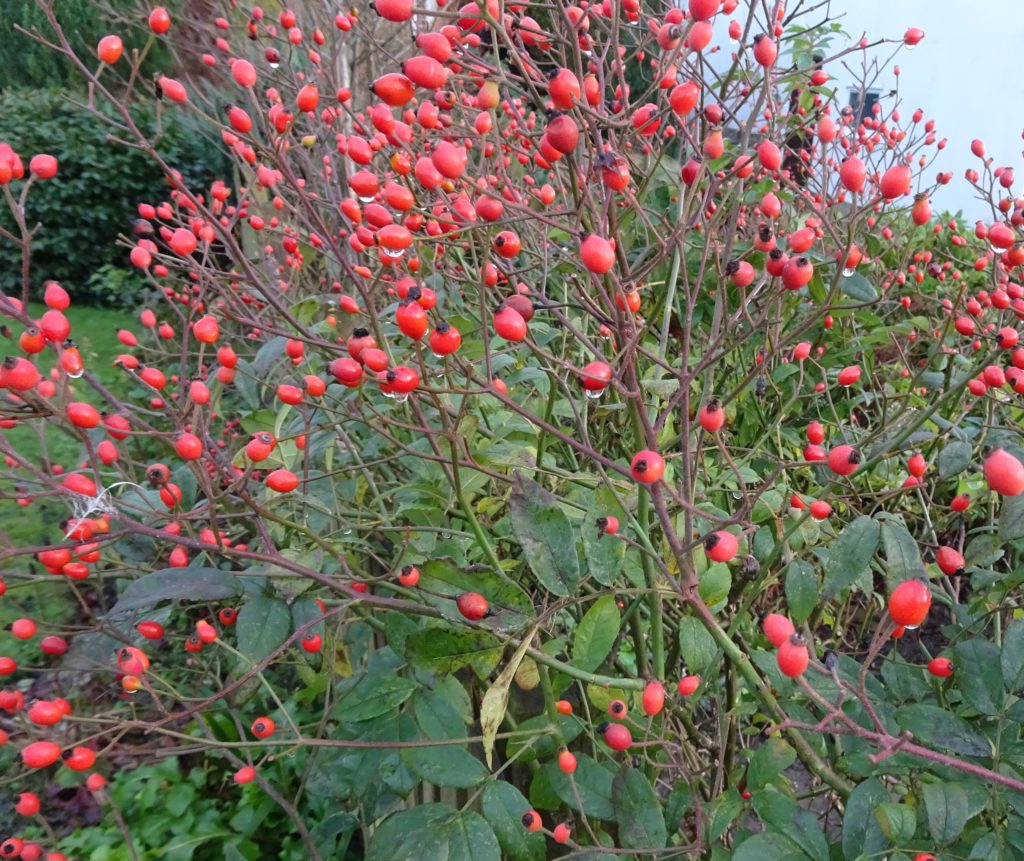
Some gardeners say the best hips are produced by species roses. Here are some Hips Tips that I have discovered over the years.

  1. Rugarosa for big juicy spherical hips
  2. Birds adore the red, egg-shaped hips of the wild dog rose Rosa canina which are also good for cooking.
  3. Masses of orange-red hips adorn the rampant rambler Rosa filipes ‘Kiftsgate’. It needs a large tree or building to grow over  as does Rambling Rector.
  4. Rosa ‘Madame Grégoire Staechelin’ is a glorious climber with huge hips that turn from yellow to pinkish-red.
  5. The Scotch rose, Rosa spinosissima is a  very prickly species rose with purplish-black hips
  6. Bristly, urn-shaped, dark red hips hang on the arching stems of Rosa setipoda, make a striking autumn feature.
  7. Hips vary in shape and colour with Rosa moyesii Evesbatch having long elongated hips and Rosa pimpinellifolia round black hips.
  8. Rosa villosa has gooseberry like hips whilst for small, orange-red hips try Rosa ‘Fru Dagmnar Hastrup’ that look like cherry tomatoes.
  9. The fatter and juicier the hip the better they make rose hip syrup.
  10. As a child we used to break open the hip and push seed down the back of friends shirts to cause itching. I haven’t tried that for 60 years or so! but I still get the itch.

A few  older shrub roses that are recommended by the RHS:

Read More Read More