Browsed by
Author: hortoris

Penstemon Cuttings

Penstemon Cuttings

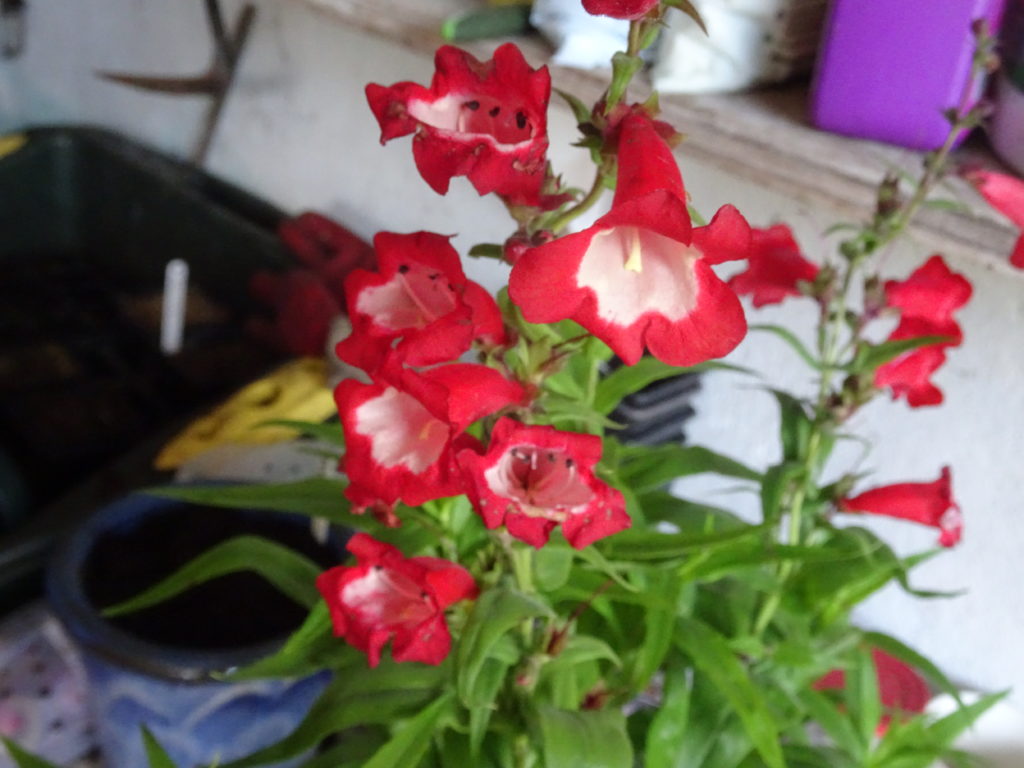
Penstemon Arabesque Red

I liked the colour combination of this garden center penstemon and for less than £4 I thought it a bargain. The main reason it seemed a bargain, compared to others available for sale, was the lush growth from the base of the root. I have tried with stem cuttings with some success but usually achieved more failures. On this stock plant I could see I would be able to tease stems from the base by the root.  I have got now 10 potential plants several with small roots already growing.  With luck there are also two stock plants from halving the root ball, .

Reasons Why I Grow Penstemon

  • These semi evergreen plant have a long and colourful flowering season from summer until autumn
  • They are colourful perennials very popular with bees.
  • Penstemon are easy to grow and generally reliable.
  • They are easy to propagate from cuttings and benefit from keeping your garden stock quite young by regular replenishment.
Ecological Disaster in My Garden

Ecological Disaster in My Garden

My garden helps some wild life but I recognise eco-disasters are all my fault when I consider how I am contributing to environmental problems. I do try make adjustments to my consumption of resources but in reality it is a net failure.

Some of my 2020 ecological  disasters

  • I use a lot of water with 2 outside taps, 2 very small ponds, 2 equally small water butts and lots and lots of hand watering.
  • Plant miles created by me have hitherto been quite excessive. I drive to garden centers on a regular basis buying plants that have probably been raise abroad in electrically enhanced hothouse conditions then driven 100’s of miles to market.Packaging will generally be in plastic pots or some similar wrapping
  • Most of the seeds I buy are in multicoloured packets and contents are progressively fewer in number.
  • This year there are no frogs visible in my main pond despite early frog spawn. Do adult frogs find it too hard to get out of the water from this plastic molded version that replaced a leaky cement home made version. Either that or the major temperature changes this year have had an effect.
  • Dare I admit I use peat!

  • It may be unfair to blame corvid for the weather which confused lots of plants with an early dry summer, sharp frosts, droughts and then torrents of rain. On balance flowering plants have held their own with my patio roses managing three good flushes so far!
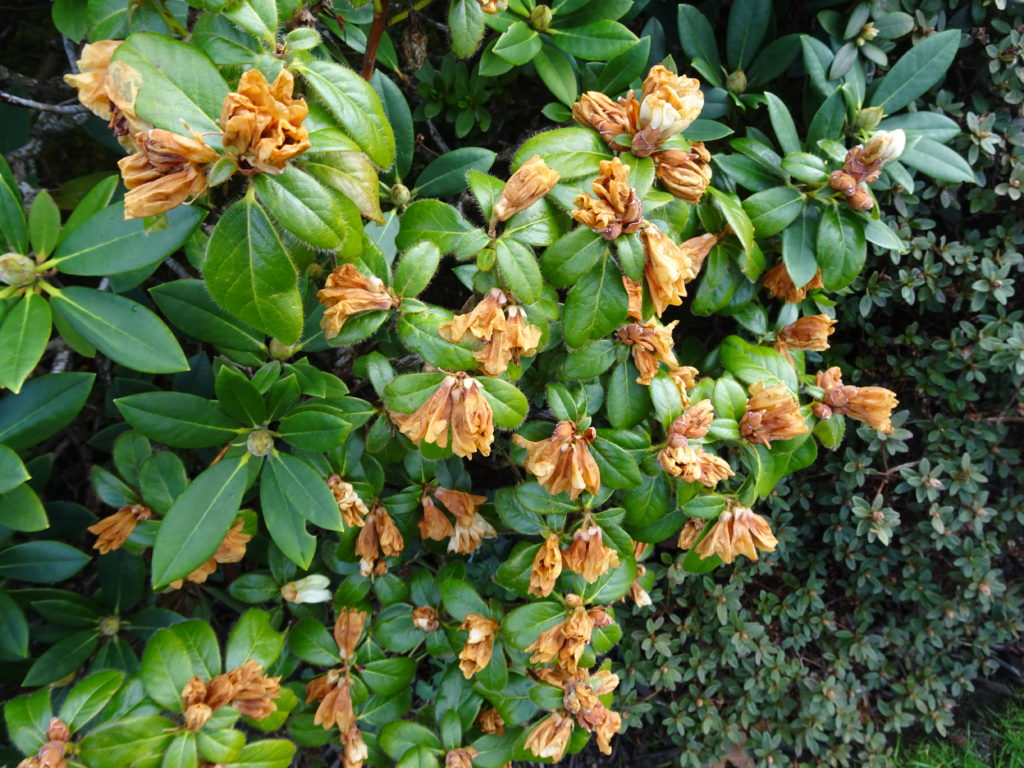
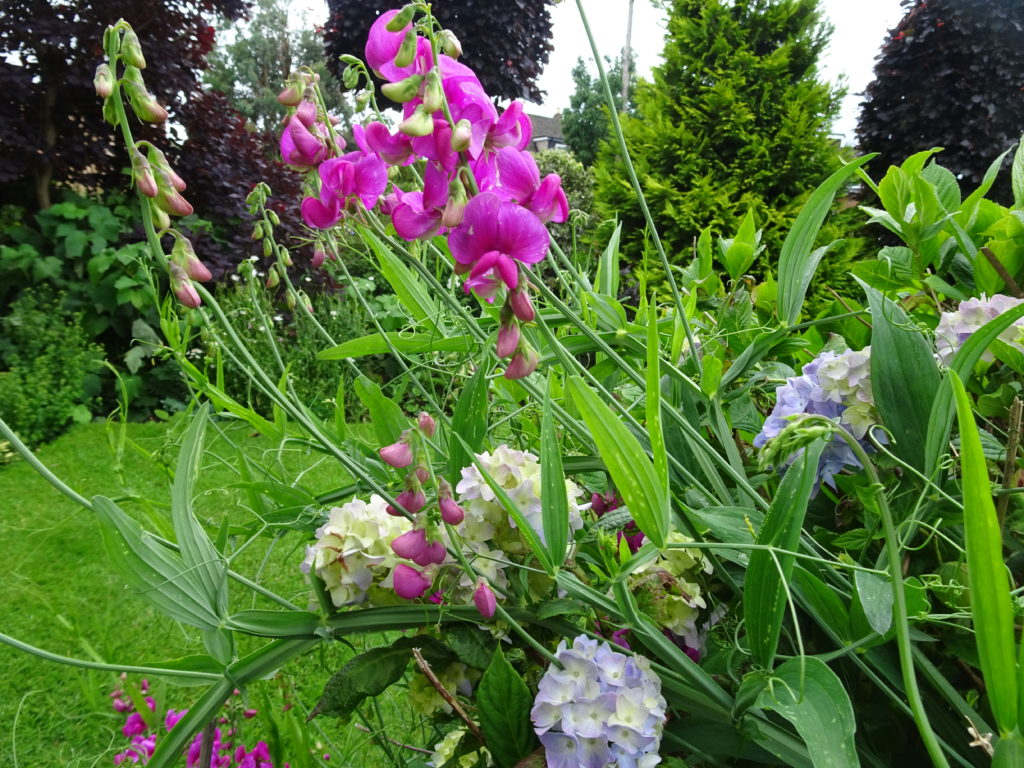
  • Htdrangeas did less well and I allowed perennial sweet peas to grow through the shrubs for a bit of colour.
  • Delphiniums failed but first early potatoes did well

English Walled Kitchen Gardens

English Walled Kitchen Gardens

Walled gardens make great spaces for your special kitchen garden. Traditionally associated with larger estates, country houses and stately homes many were designed to provide a continual supply of fresh fruit, flowers and vegetables for the ‘big house’. It is the micro climate that walled gardens induce thus creating the facility to grow more exotic fruit trees against walls or with the aide of heated glasshouses.

There are many more discrete kitchen gardens where you can model your own food producing plot with ideas in this National Trust book. Even one well situated wall can provide shelter climbing space and support within a kitchen garden.


Book Cover

Making Mulch not Compost

Making Mulch not Compost

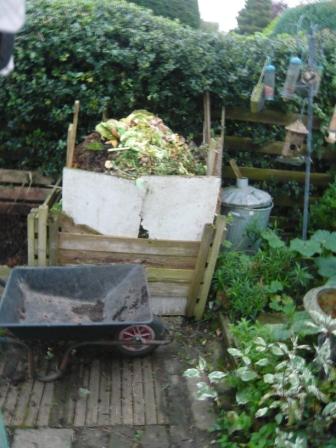
I know I can use all sorts of materials as a mulch but I like the organic versions. Here I have piled it high well before it is ready as a mulch much less a compost

To help me with another problem, that of too much compost, I am going to try combining the two issues to solve both problems and use partially rotted compost as mulch. I have 3 large compost bins and a wheely bin for large wooden items but due to 2020 output this capacity has been far too little. Thankfully I can now book a slot at the council waste refuse site to take my tree stumps and larger items.

Mulch v Compost Issues

  • I need to be wary of seed infestations as the mulch has not had time to generate enough heat to kill off annual weeds.
  • I also hope to benefit from disturbing rats because they seem to have taken a liking to my compost that often generally kitchen waste.
  • It my be just my feelings but I like organic much to be damp and able to hold moisture. This means mulchable compost is good for the soil & (soul).
Rabbit Pests not Pets

Rabbit Pests not Pets

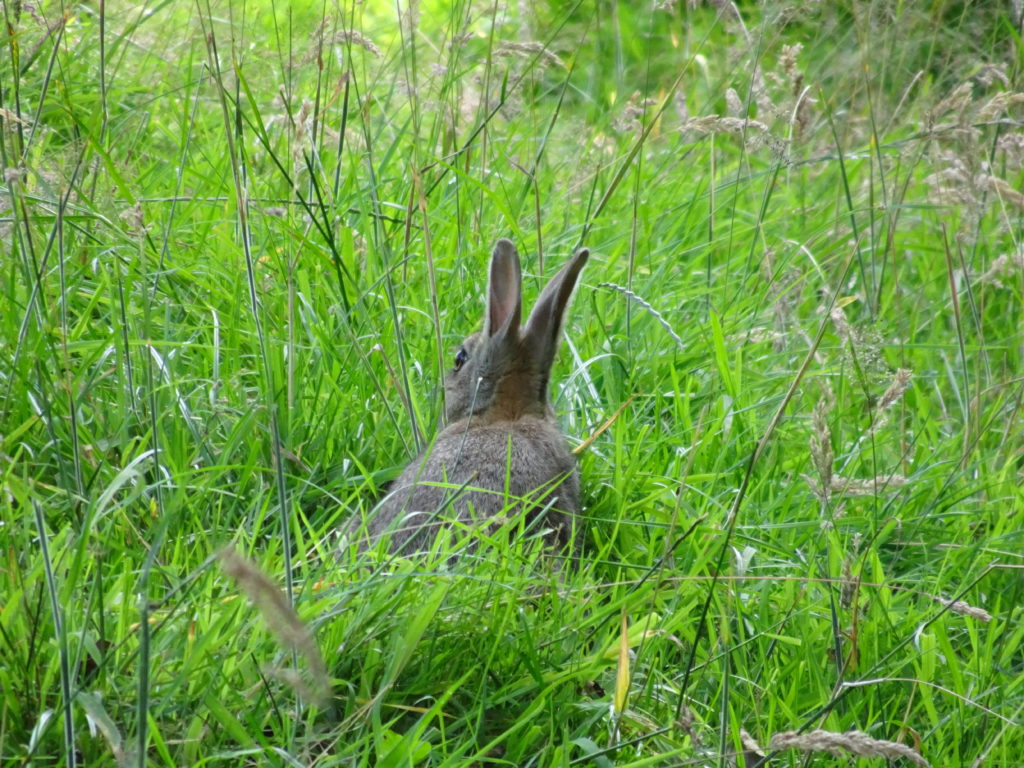
The best place for rabbits, if it is not in a pie, is in the wild meadows and byways of the countryside. There they can do as their mum tells them and ‘eat up their greens’. As a vegetarian this is what rabbits do and that is why gardeners start to worry about them eating cultivated greens.

Literary Rabbits

  • Peter Rabbit  sneaks into Mr. McGregor’s garden to eat as many vegetables as he can before Mr. McGregor tries to catch him. Peter manages to escape as other rabbits do in my garden.
  • Then there is the image of Bugs Bunny eating a never-ending carrot. What a way to encourage kids to become gardeners.
  • Tar-Baby is about a doll made of tar and turpentine used by  Br’er Fox to trap Br’er Rabbit. The more that Br’er Rabbit fights the Tar-Baby the more entangled he becomes:- a modern metaphor?  This is not a recommended control method for gardeners.
  • White Rabbit is a  character in Alice’s Adventures in Wonderland wearing a waistcoat like many gardeners from that era.
  • Roger Rabbit and Jessica bred a film franchise as quickly as rabbits seem to do when feeding on lettuce.

Rabbit prevention Tips

Neat and Trim Tree

Neat and Trim Tree

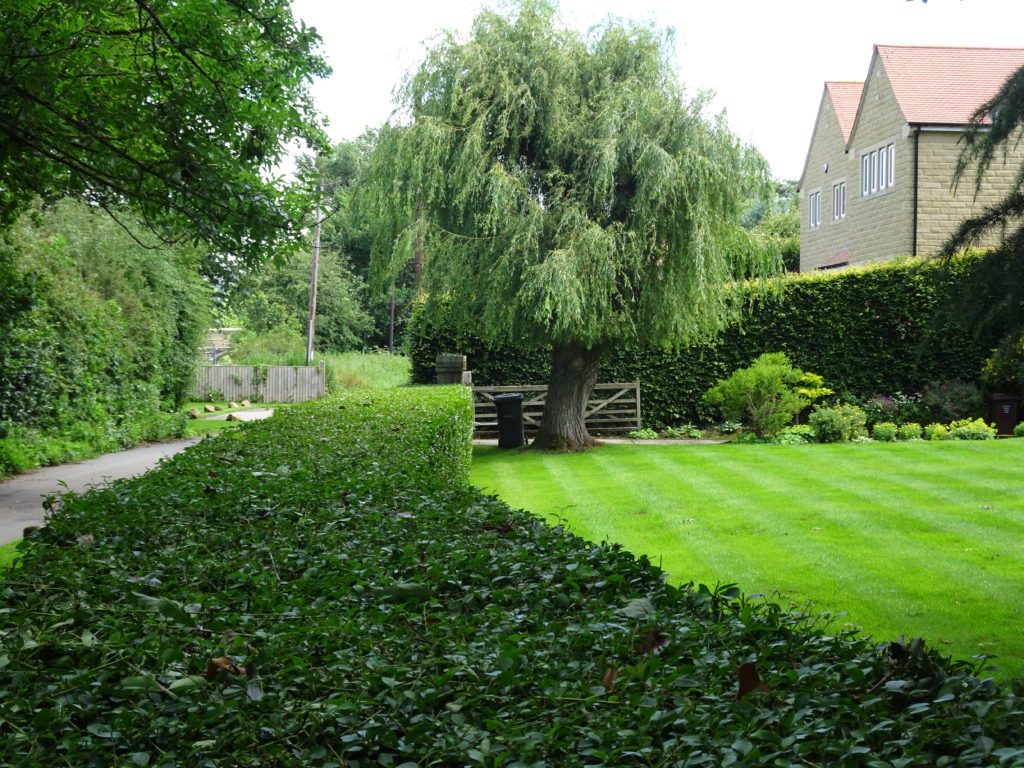
In a garden the weeping willow can look untidy and in need of a trim as it has a propensity to straggle and have branches trailing on the ground. Along side water it will favour the wet side. This can play havock with the area underneath and the designs symmetry.  A solution has been found in this garden which I spotted on a lockdown walkabout. The lower branches have been trimmed to a uniform height around the bole.

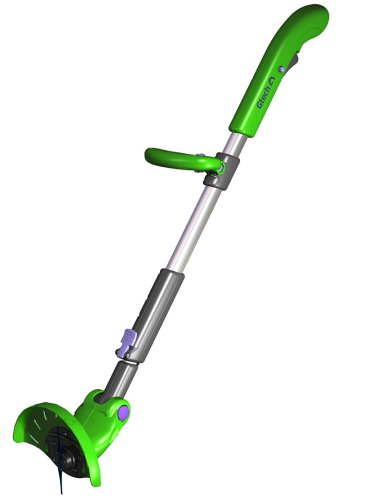
The lawn stripes and the neat hedges smack of a professional garden maintenance crew who doubtless have the best tools for the different tasks job.

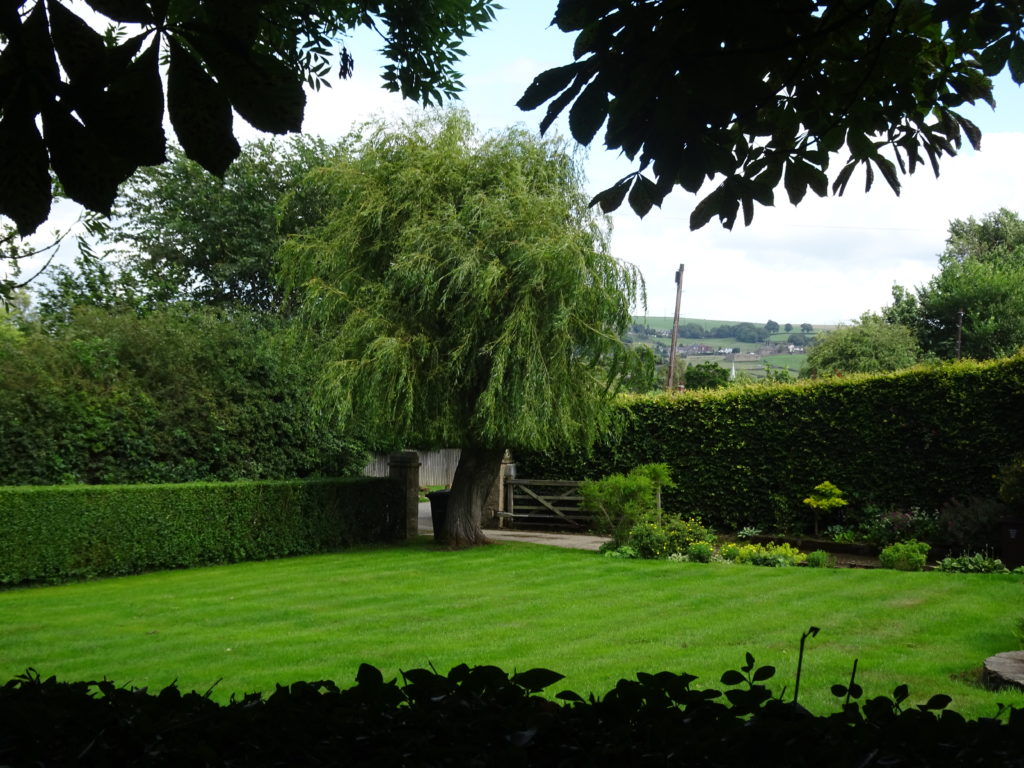
I liked this photograph of the same garden from another angle. The trim willow is framed by the leaves of the overhang. A shame I couldn’t get a shot without the telegraph pole. See an earlier post from 2009 weeping willow in trim taken in Hay-on-Wye.

Lawn Edge Trimmers

Lawn Edge Trimmers

Hover Mower Tips on Use and Safety


mow

Hover Mower Tips

  • Hover mowers are quick and easy to use but they do not leave stripes in your grass.
  • Use hover mowers to keep your grass tidy but consider a cylinder mower for a top quality look to your lawn. It is the roller on a mower that makesdefines the stripes on your lawn
  • The special mowers for long grass are an excellent way of clearing space like a hovering scythe.
  • The electric Hover mowers are fine for small lawns and are far lighter than most other lawnmowers but they are unlikely to collect up the cut grass.
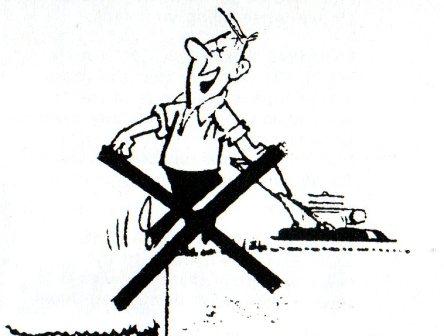
  • When mowing a bank or slope stand at the top, attach a rope if you need too then swing and lower the mower.
  • Mow up and down not across a slope and take extra care on any uneven ground.
  • Handles generally fold so the machine can be hung from a shed or garage wall making them extremely space efficient

For Safeties Sake

Before Using Your Mower

  • Read the instruction book, it may seem obvious but best to be prepared.
  • Fill the petrol tank before you start as pouring petrol into a hot engine can be as dangerous as smoking.
  • Examine the area to be cut for stones, bits of metal, toys or pets.
  • Set the cutting height, not too short!
  • When starting the machine keep it still, perhaps by putting your foot on the hood.
  • Hover mowers do not have wheels so they must be carried onto and off the lawn.Lift with care and buy one that is light enough for you to manage.

While Mowing

  • Wear heavy shoes with a good grip and keep children away from dangerous machinery.
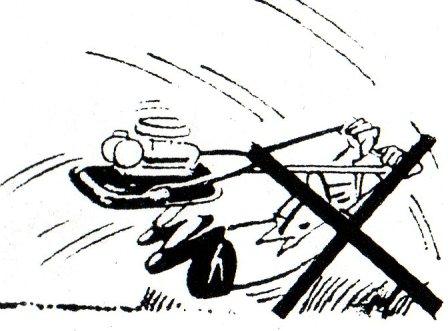
  • Do not carry the mower whilst it is running it will not float from one lawn to the next.
  • Keep the mower flat as it is designed to stop ‘flying stones’ by hovering close to the ground. Do not mow over gravel.
  • Do not try to use your mower as a cultivator some areas may be so overgrown they need a machete.
  • Don’t take risks or walk backwards as you may pull the machine on top of you.
  • Safety regulations require all new electric mowers to have elaborate safety switches that usually require two handed use and a constant grip.

mower

Portmanteau Trees New Species

Portmanteau Trees New Species

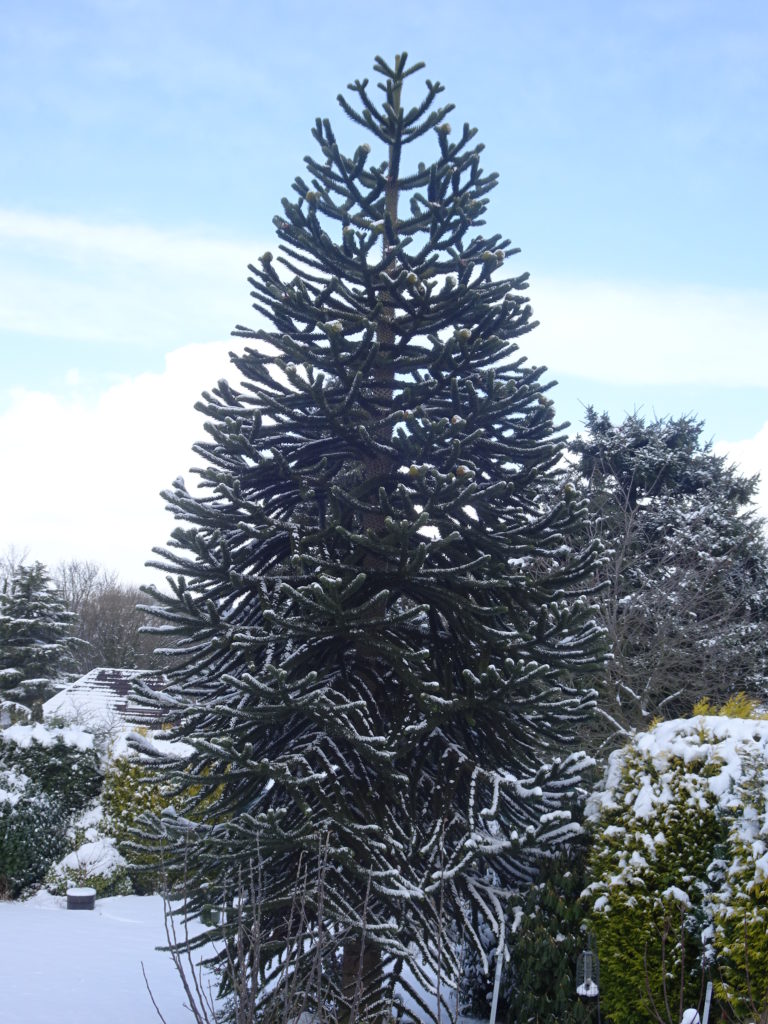
Elmonkey

If you notice dogs you may have seen a’ cockapoo’ using one of your trees as a loo or a ‘puggle’ leaving a puddle but what is a ‘labradoodle’ to do?  Every week there seems to be a new hybrid dog that is a cross between two or more breeds so I wonder if can this apply to trees.

If breeders could cross a Eucalyptus with a holly the European commission would be happy with a Eucalolly forest or a walnut would make a waolly or hollnut. My favourites would be a Sycayew or the tall but sickly Poplash

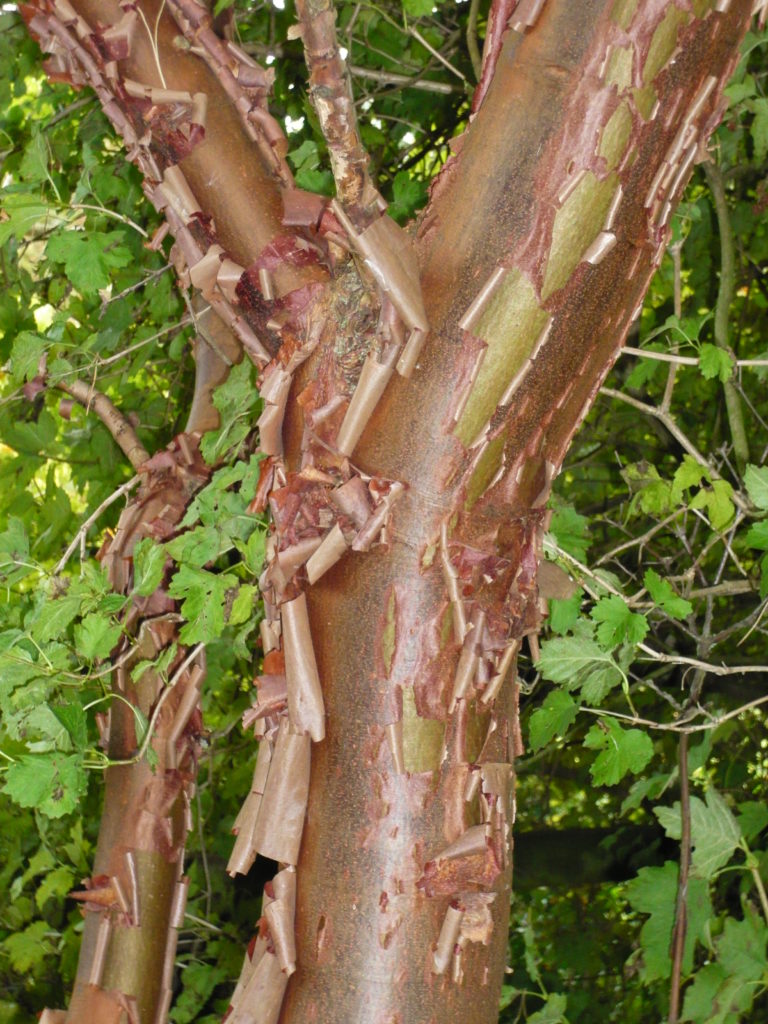
Paperbarked Maple

Back to the dogs for a minute, not to say silverbarkbirch or paperbarked maple both a bit wrouff ( or am I doing something up the wrong tree). How about planting a bulldogwood, a pitbull tree of heaven or a maidenhairweiler.

Trees portmanteaued or  crossed with board games would be chessnuts, planeludo or snakebarks and ladders. Mahonijong are related to chinese checkers and monopoly would be a self pollenator. Who let the dogs in there are terrible draughts in here (enough already go have some Chow ed).

Cloche Crop Protection

Cloche Crop Protection

Octagonal cloche

A cloche is used as a protective covering to shield plants, usually vegetables from the undesirable effects of cold, wind, and predator damage.

  • Cloches may be just smaller poly-tunnels used to protect a small number or individual plants.
  • Cloches made from plastic are much lighter than glass making them easier to move around. The advantages of glass is that the temperature within a glass cloche will be slightly warmer, they are less likely to be blown around and look better.
  • A home made cloche can be made from a cut down plastic pop bottle.
  • There are attractive bell shaped cloches available and various shapes like the one above.

How to Use a Cloche

  • Put the cloches in place a month before sowing to help warm the soil.
  • Sow seeds or plant out under the cloche for protection.
  • Cloches can be used in September to protect late crops of Lettuce.
  • Consider ventilation and watering when buying a cloche. The roof of this cloche can be lifted off.
  • I use a cloche to keep mice away from germinating peas and beans.

A Floating Cloche can be made from sheets of polypropylene fleece which are placed over the seed bed – when the seedlings emerge, the polypropylene is light enough to float up as the plants grow. I like this method for Broad beans peas and early potatoes.

A floating cloche is cheap, easy to put in place and protects the seedlings from three or four degrees of frost. Water permeates the fleece.

Poly Tunnels are another alternative.

Poly tunnel’s supporting hoops should be no more than 2½ feet apart. If spaced further apart the plastic sheeting will droop over the crops and may damage them in rainy or snow conditions.
Make sure the height is adequate for the crops you want to protect.

Related

Garden Frost Protection