Spring Cleaning Your Garden
It may be boring but what better way to set off your garden than by getting everything neat, tidy, sorted, spick and span. A tidy area will draw attention to the garden and plants not the bits that are out of place, dirty or untidy. Here are my top ten tips.
Top Ten Tips to Spruce up Your Garden
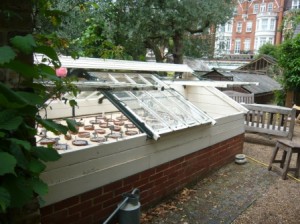
- Clean your paths, pavings and slabs. Make them look bright and new with a pressure washer or scrub them with Swarfega Path and Patio cleaner or equivalent. If stepping stones have sunk below soil height raise them so soil isn’t easily washed on to them. Clean glass in cold frames and greenhouses.
- Remove any weeds growing in cracks and give all hard surfaces a good brush.
- Trim the edges of Lawns, it is one of the most effective face lifts for the green parts of your garden.
- Stain or repaint any wood decking, furniture of visible structures. You can go as far as spray painting support canes for your runner beans though hopefully they will grow and cover them very quickly.
- Keep empty or non-flowering pots and containers away from important areas until they are at there best. Then move them into position for the duration. Pots need to be clean to look good. …
Carnations Explanation of Types
When is a pink Carnation not a Carnation? When it is a Pink. Confused, well so was I and I am not sure this will clear it up.
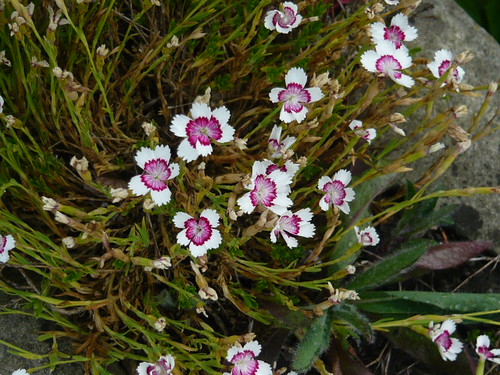
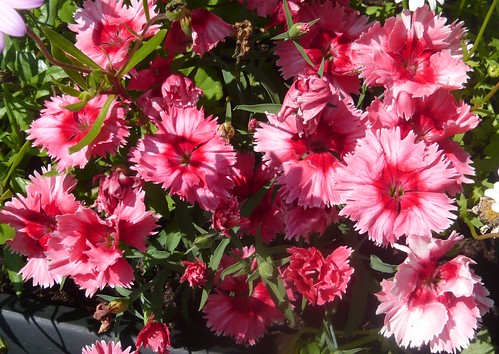
All Pinks and Carnations are members of the Dianthus genus that encompasses 400 + species and cultivars ( including Sweet Williams).
Types of Carnation
- Border Carnations have one central shoot with a number of side shoots. Side shoots can be pinched out but the plant should never be stopped or the seasons flower will be lost.
- Dis-budding will encourage longer stems on the main shoot for exhibitions.
- These Carnations need a winter rest and a little late frost to check growth.Border Carnations are also know as Florist Carnations and are use in buttonholes.
Perpetual flowering carnation
- Named because they need no resting period, growing rapidly and continiously.
- Exhibition types have flowers 4-5″ across.
- Commercial varieties have smaller flowers with indented or frilled petals.
- Plants are stopped to get more flower stems
- You can acquire or just admire plants as part of a collection
Annual Carnations
- Also called marguerite or Chabaud carnations are half-hardy perennials but treated as annuals.
- Blooming the same year as the seed is sown, the flowers are thought by many to be inferior to other Carnations.
- Exhibition classifications are based on markings, Selfs, (one colour) Fancies (with a coloured ground)and Picotees (white ground with a colour band around the petal.
- Many are grown in a cool greenhouse to control watering.
Types of Pinks
- It is possible that Pinks, which have been so called for centuries, gave there name to the colour and not vice versus.
- Older types, like border carnations, throw up a central stem which flowers. Side shoots will flower in following years
- Modern Pinks derive from Dianthus plumarius and are scented.
- Dianthus allwoodii will flower several times per season but not as well as a perpetual Carnation.
- Single and double pinks are grown.
- Indian Pinks are hardy hybrids flowering on 8″ high plants
For more information on:
Growing Pinks with links to the National Society read.
Perpetual Carnations from Cuttings read
Close relatives – Sweet Williams read
Pinks for Cottage Gardens read
Seeds and plants are available from Thompson Morgan
Pinks as perfect perennials on Gardeners tips
Growing Courgettes

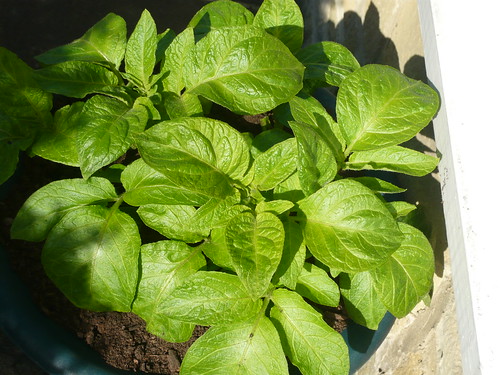
Courgettes are an easy crop to grow and well cared for will produce an excellent crop of tasty veg. Global warming in the UK, has made this crop even more successful and can be grown out of the greenhouse, even in the north of England.
Tips for Growing Courgettes
- Sow from late March to May in pots to make easy planting out later. Make sure soil is well manured and fertilised, the plant is a heavy feed.
- Early courgette plants should be grown in a warm greenhouse to protect against any frost and cold temperatures. They do well in full sun.
- Courgettes do better in warmer climates, heat will give a bigger and faster crop.
- Protect from slugs in the early stages of growth. But, once established they are fairly pest resistant.
- Crop regularly when courgettes are 4-6 inches. Cropping encourages more vegetables to be made and stops them turning in to marrows.
- When growing in the greenhouse be ruthless in removing any fungal leaves or fungal vegetables. This fungal disease can easily spread if not kept in check.
- If you grown courgettes in the greenhouse you may find the leaves can become too big. If this is the case, you can remove some of the bigger leaves without much loss. It is important to ensure good airflow.
- When vegetables are forming it is important to keep well watered and well fed. A proprietary tomato feed is an excellent food for the cropping vegetable.
Grow Early New Potatoes
Quick Tips on Growing Early Potatoes
- Aim for crops of new potatoes to lift in May-July from ‘first early’ varieties Rocket, Arran Pilot, Duke of York, Pentland Javelin, Rocket, Winston and/or Lady Christl. they will be ready in 10-12 weeks.
- Buy small tubers (size isn’t so important) of seed potato from your garden centre or mail order
- Encourage sprouting, ‘chitting’, by placing the potatoes in a cool light place with the bud eyes facing upwards. For a small number you can stand them in old egg boxes. You are aiming to get short, strong shoots at the rose end. If there are too many shoots I rub off some of the surplus to channel energy.
- A bit of warmth or at least a sheltered spot will bring them on. Avoid frost and cold as they grow.
Flowering Quince Japonica – Cydonia – Chaenomeles
Compact, early flowering shrubs with jam making potential from fruit in autumn make these plants well worth cultivating.
As I think you can now imagine Chaenomeles make good and often under utilised shrubs and small trees in the garden landscape. Varieties vary from 3 feet to 12 feet in height. I grew my plants from seed supplied by the Royal Horticultural Society in the annual seed distribution.
Growing Tips for Quince
Ornamental Quince also known as Cydonia are shade tolerant. For hedging the thorns make for a good security feature.
Shrubs may look a bit scruffy but are great when trained on a wall.
Against walls they should be spur-pruned like apple varieties to produce a heavier crop of flowers and fruit. In other formal situations, it should be treated as any other early-flowering shrub and pruned directly after flowering to encourage new growth on which to flower the following year. They only need light pruning.
The fruit of the common quince, Cydonia oblonga Vranja, has the best flavour for cooking. …
Sensory and Senses Gardens
All gardens pamper to our senses to a greater or lesser extent. Add features and plants to stimulate sepecific senses  and you will create a sensory and potentially therapeutic garden.
Movement and Sound
- The sound of wind or even a slight breeze can stimulate our aural senses.
- Grasses are very useful in this situation as the leaves, stems or flowers can rustle together and also make shapes and movement.
- On a hot summer day pollinating insects may buzz around your flowers.
- Running water is ever popular in most sensory gardens but take care on behalf of young children.
- Hard landscaping and path materials should be chosen with sound in mind. Gravel can be nice and crunchy whilst cobbled paths may echo from shoes and boots.
Scent and Smell
Cure Hellebore Problems
Hellebore sap can cause irritation to skin or an allergic reaction. No part of the plant should be eaten.

Hellebores flower in winter or early spring from buds formed during the previous summer. They may benefit from some watering during a dry summer to encourage more buds.
Healthy Hellebores growing in well ventilated, damp but not waterlogged environments should not show any blackening on actively growing tissue.
Mosaic viruses known as ‘Hellebore black death’ is similar to tomato and cucumber mosaic viruses. Spots or streaks appear on the leaves and plants are stunted or die. There is no garden cure so dig up the plants and burn them – do not compost.
Hellebore leaf spot is caused by a fungus Coniothyrium hellebori. The hellebore gets irregular brown or black spots on the leaves and sometimes the flowers. This causes leaves to yellow and flowers to wilt. Buds often fail to open on infected plants
Cures for Hellebore Leaf Spot
Yellow is a Garden Colour

Yellow is a Yowser Colour
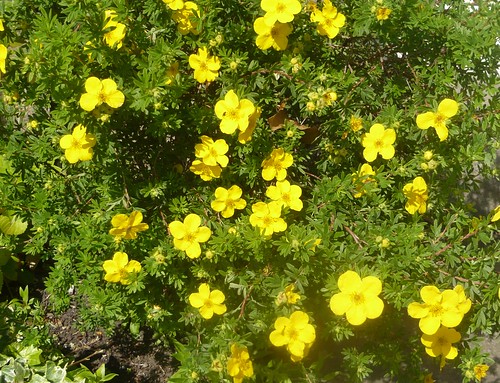
Yellow can be a difficult colour in the garden and I know of one keen gardener that tries to avoid all Yellow flowers. However this Potentilla or cinqufoil grabbed my attention hence the yowser headline. No wonder the Potentilla is also known as the Buttercup shrub as the strong yellow is reminiscent of the field buttercup.
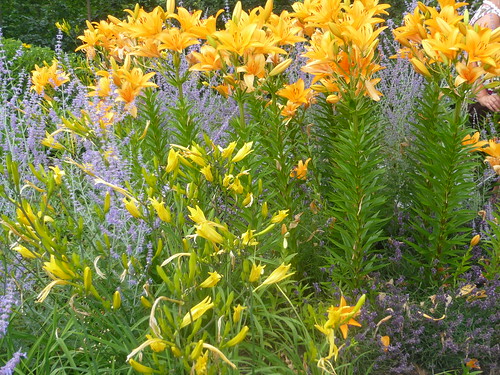
From a pale cream through to a vibrant sulphur yellow there are numerous plants and trees that offer yellow delights. That excludes all the leaves, pollen, pistil and stamen.
No wonder Yellow is the chosen colour for the The Yellow Book, NGS Gardens to Visit 2016 now surprisingly renamed ‘NGS Gardens to Visit 2016’Â – Yellow book from Amazon
Orchid Tips and Photos
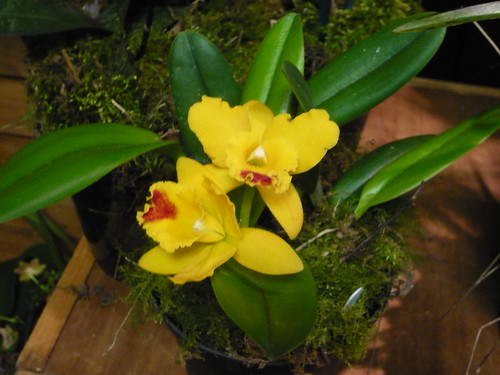
I am going to Madeira for a sunny break before the gardening gets tougher. I hope to sample the orchids that grow on the islands and even bring home the occasional example.
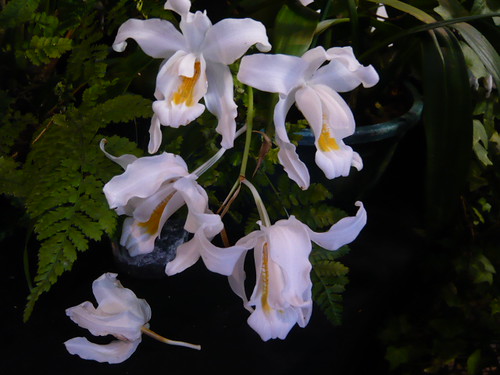
February and March are traditional months for UK based Orchid shows.
Look out for an exhibition or show near you. …