Browsed by
Category: Tips Hints and Ideas

Help for the new and not so new gardener

Easy African Violet Care – Saintpaulia

Easy African Violet Care – Saintpaulia

Not all violets are violet coloured at least not African Violets.
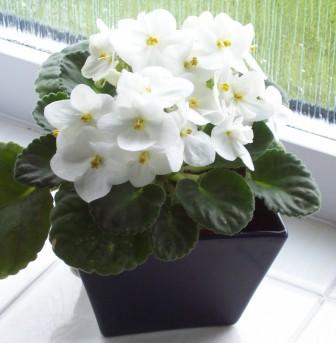
More plants die from over watering than lack of water and this is particularly true for African Violets. These blue, pink, white and violet or bi-coloured plants are native to mountainous tropics and need very little water. Here are some gardeners tips to avoid killing your favourite African Violets – Saintapulia.

Watering Tips

  • Only water African Violets when the soil is dry and I mean dry!
  • Soak the plant with (soft) warm water when it is begging for a drink.
  • Let all the surplus drain off. Do not leave any water in the saucer.
  • Top or bottom watering are both acceptable but it may be easier for beginners to start with bottom watering to avoid drenching the fleshy leaf stalks.
  • Read More Read More

Supporting Role of Stakes, Ties and Canes

Supporting Role of Stakes, Ties and Canes

Lush growth in May and June will create abundant growth and plenty of colour. But by mid summer and early autumn a shabbiness of middle age may have crept into your borders. However a border that has been carefully staked and tied in spring and summer will not lapse into slovenly habits.

Tips for Using Canes

  • It makes sense to support single-stem plants like Hollyhocks, Delphiniums and Gladioli early in the season but it is never too late. When tying stems to a cane make a loose figure-of-eight with the twine or a tight knot will damage the the stem.
  • You can make your own ‘pea sticks’ from Hazel, Elm suckers, Beech or even Fir.
  • If you want to grow your own canes then the bamboo Phyllostachys nigra produces unobtrusive black canes.
  • Use thick canes if possible – buy 8 foot canes and cut in two with a fine hacksaw at a joint
  • Freshly bought canes can be cut with secateurs
  • Single canes are not appropriate for multi stemmed plants as the string just makes a noose for the plant to flop into. Put two canes at the back and at least one in the middle then a web of string can provide several supports.
  • If your string slips down the cane your effort will be wasted. use a clove hitch knot slid down from the top of the cane and keep the know just above a joint.

Off the Peg Plant Supports

  • Circular wire grids too set above a plant for it to grow through are available but are not cheap. The green plastic covering on the wire isn’t totally natural in appearance.
  • Interlocking stakes with a hook to link to the next stake helps make a support shape appropriate to the plant can work quite well. I use these for Peonies.
  • Semi circular hoops for the border edges are available to hold plants back from lawnmowers
  • Part off the peg and part DIY you can use a wire grid supported in 4 corners to cover a wide area of the herbaceous border.
  • Obelisks and a variety of cast iron towers are available for training climbing plants

Special Staking for Special Plants

Ornamental Grass & Design

Ornamental Grass & Design

There are many families, species and varieties of grass suitable for ornamental purposes. Wether you want a prairie grass-scape, a potted plant or a focal point in a formal garden then there is a grass to suit. Grasses are well suited to a range of landscaping projects.

Book Cover

The Fescue, Pennisetum, Panticum, Carex, Miscathus, Stipa and many other species are covered below. A recommended variety is given where ever possible along with shore notes. Grasses are perennial unless stated to be annuals.


Gardeners Tips Recommended Varieties

Read More Read More

Mixed Penstemon Plants

Mixed Penstemon Plants

penstemon

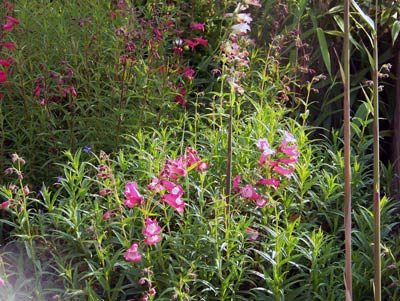
Penstemon’s have been an excellent, low maintenance plant for me. They can start flowering in June and still be flowering 4 months later in October. They mostly require well drained soil and protection from heavy frosts. Dead heading is advisable as it will encourage new flowers.

Once or twice a year, I would recommend adding a general fertiliser applied at the base of the plant, taking care to follow the manufacturers instructions. They don’t need a heavy manure of strong nitrogen feed as this will just encourage excessive leaf growth and make them more susceptible to aphids.

Read More Read More

Tips to Increase Greenhouse Capacity

Tips to Increase Greenhouse Capacity

Grow with the flow and in early spring that flow is in the greenhouse

Greenhouse

Acclimatised to Global Warming?
Easter snow flurries and April frosts have hampered planting so far this year, but gardeners will be hoping that the May bank holiday weekend offers some respite from the unseasonable cold and rain. Gardens will catch up from the colder than average start to spring. In fact we have been getting ahead of ourselves in recent years with earlier and earlier starts to the year and warmer than average spells in May and June.

To coin or corrupt an old phrase ‘Ne’re plant out till May is out’. Or if in doubt protect young seedlings from cold and frosty weather. I am referring to the month of May not May blossom the flower of the Hawthorn (Crataegus Monogyna) which is often used to celebrate May Day.

Temporary Greenhouse Capacity

Greenhouses will be full to bursting before it is safe to plant out so consider other temporary protection. First though make sure you use staging and shelves to optimise your main greenhouse. Don’t forget to water plants left under staging. You can hang some plants from the roof of many greenhouses.

Read More Read More

Cultivating Japanese Maples -Acer

Cultivating Japanese Maples -Acer

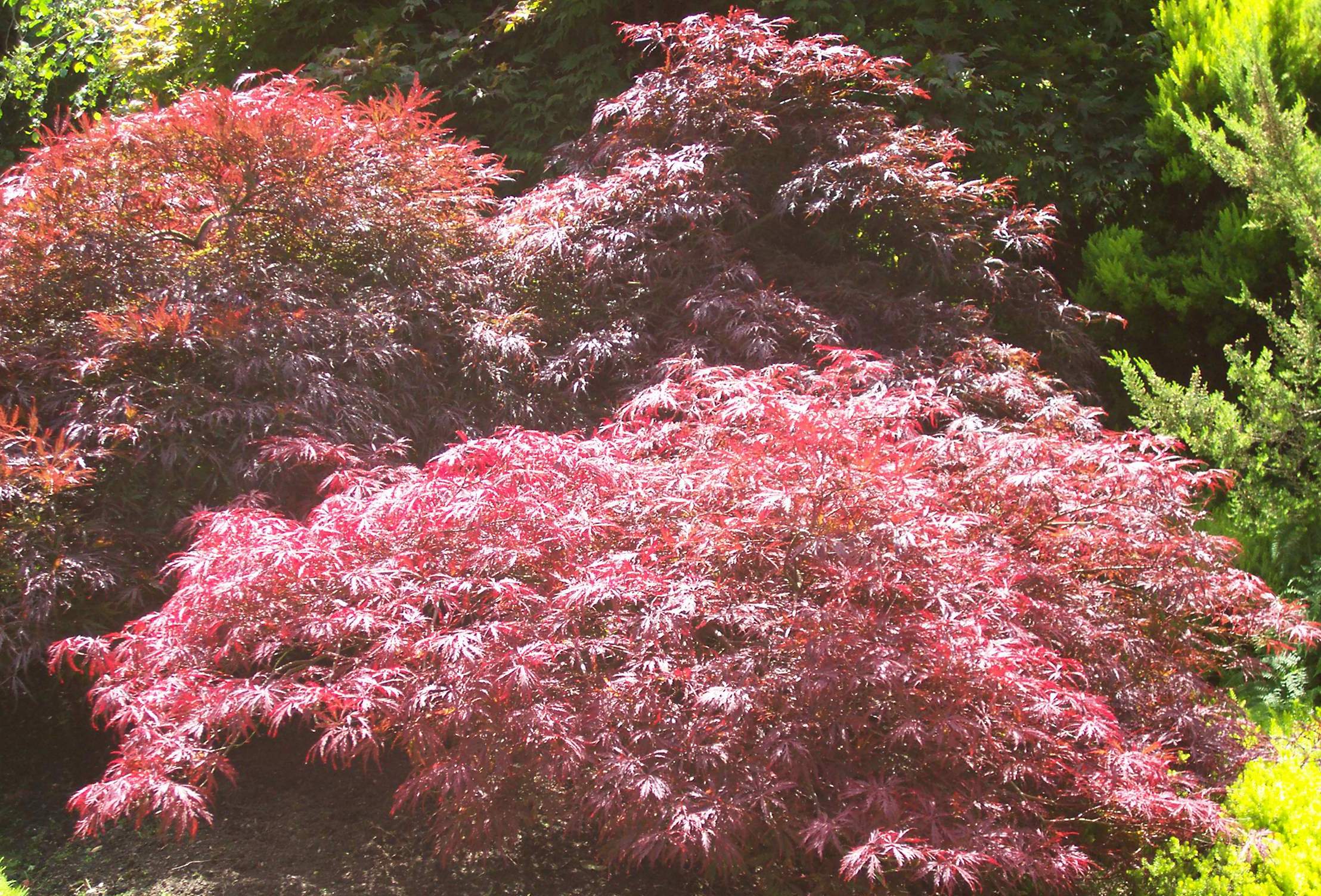
Acer palmatum dissectum atropurpureum

  • Acer is the genus for a range of trees that includes the Sycamore and some of the loveliest foliage trees for your garden.
  • palmatum the species name refers to the hand shaped leaves
  • dissectum or variety name reflects how the feathery leaves are finely separated and deeply cut or fringed
  • atropurpureum is the colour of deep purple leaves that turn bright red in autumn
  • Japanese Maple is a generic name for a range of Acers which have this semblance of age and dignity even when the trees are small and relatively young.

Hints on Cultivation

Read More Read More

Grow Early New Potatoes

Grow Early New Potatoes

potato

Quick Tips on Growing Early Potatoes

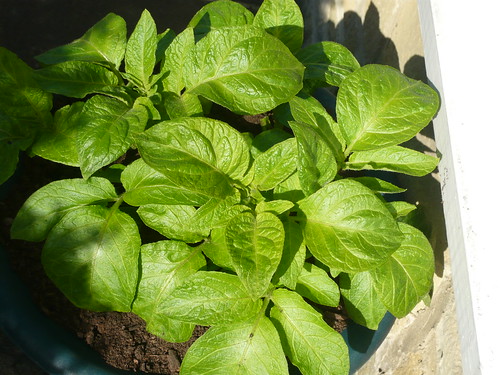
  • Aim for crops of new potatoes to lift  in May-July from ‘first early’ varieties Rocket, Arran Pilot, Duke of York, Pentland Javelin, Rocket, Winston and/or Lady Christl. they will be ready in 10-12 weeks.
  • Buy small tubers (size isn’t so important) of seed potato from your garden centre or mail order
  • Encourage sprouting,  ‘chitting’, by placing the potatoes in a cool light place with the bud eyes facing upwards. For a small number you can stand them in old egg boxes. You are aiming to get short, strong shoots at the rose end. If there are too many shoots I rub off some of the surplus to channel energy.
  • A bit of warmth or at least a sheltered spot will bring them on. Avoid frost and cold as they grow.

Read More Read More

Making A Rock Garden or Rockery

Making A Rock Garden or Rockery

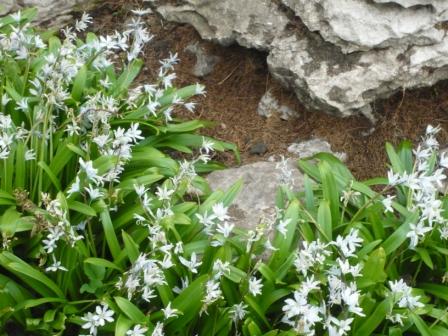
A rock garden is a grand place to display your alpine plants. You can shade them with rocks, provide deep root runs and provide rain cover with perspex roofs
rockery

In Alpine conditions plants can shelter behind rocks that give them protection from wind and rain and help with drainage. Try to give your plants similar conditions to there original habitat and they will repay you for your attention to detail.

Tips for Making a Rock Garden

  • A rock garden should be open and unshaded by over hanging trees
  • There should be a slope either natural or built up. This allows plants on the North facing slope to receive 25% of the sun (and heat) of those on the South slope so those delicate plants don’t fry.
  • Study the prevailing wind so you know where most rain will fall and plant the rain shadow area with plants that need to stay dry.
  • If in doubt about drainage improve it by adding grit. If the soil is clay, a pile of brick rubble 15 inches below the surface will aid drainage no-end.
  • The soil can be average soil but will not need extra nutrients or fertilizer except for special situations. Pack all crevices tightly with soil to prevent unwanted pests like mice.
  • Plan your rock positions and lay the grain or style of rock all in the same direction. Do not mix rock types or the harmonious effect can be lost.
  • Do not plant higgledy piggeldy but select plants that fit into a simple plan. Keep slow growing plants needing similar conditions together. Consider haveing zones in the rockery for different plant requirements.
  • Mulch new plants with pea gravel

Read More Read More

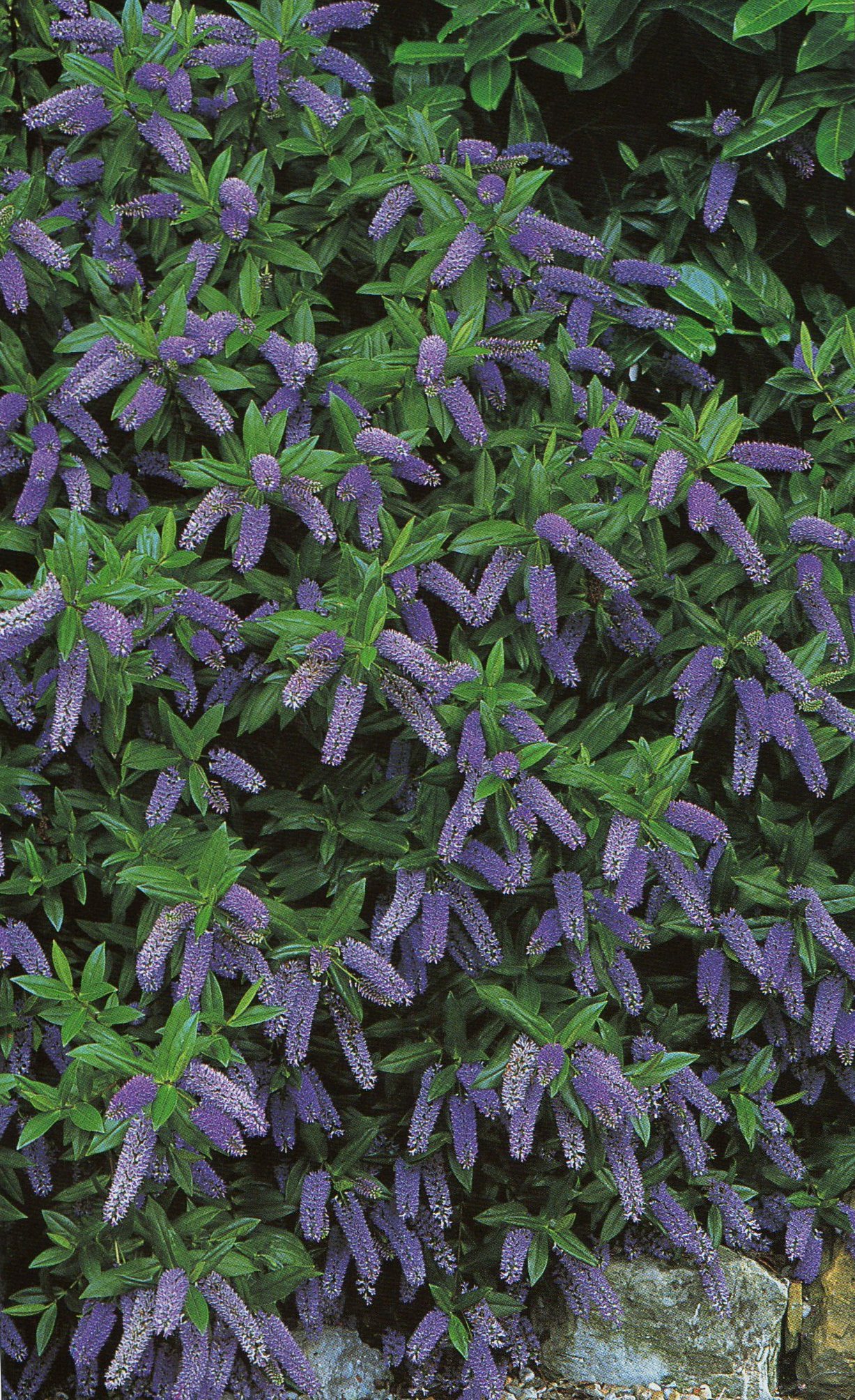
Hebe also known as Veronica

Hebe also known as Veronica

Hebe

Horticultural Points for Hebe

  • Evergreen shrubs keeping shape and form through winter
  • Ornamental planting invaluable at the seaside and as an ornamental hedge.
  • Easy to grow from cuttings
  • Varieties available that grow in many sizes.
  • Useful for low maintenance areas as the larger varieties fill the space quickly.
  • White and purple flowering varieties more popular and floriferous than the red flowers.

Aesthetic Qualities

  • Long racemes or spikes of flowers  attract bees and hoverfly
  • Colour range from purple, lavender, blue and stunning white due to the volume of flower from June to late summer depending on variety.
  • Dwarf varieties and shrublets, H. ‘gibbsii’ and H. ‘subsimilis astonii’ upto six foot specimens with H. ‘cupressoides’
  • Purple leaved varieties including H. Midsummer Beauty
  • Hebes in flower attract insects particularly bees and hoverflies
Flowering Climbers Look Great

Flowering Climbers Look Great

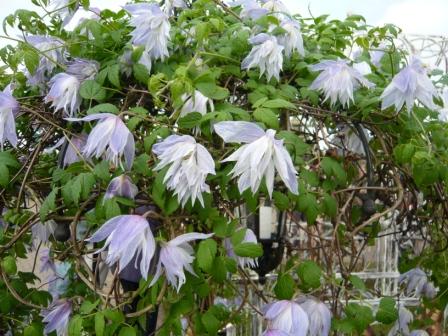
clematis

Climbers can look really great if you do some preparation. Select an appropriate wall to train your Climbers against or use a free standing structure like this metal frame for the blue Clematis.

Structures For Climbers

  • Affix trellises to your wall or selected fence before you start planting.
  • Screw in vine eyes to your wall if you are going to string a wire framework for your climbers.
  • If you are using a pergola, arch or other structure make sure it is strong enough to support the weight of leaf and blossom even when there is a strong wind blowing.
  • Some plants and trees can provide the climbing support you need for less robust climbers.
  • Annuals can be grown up canes and pea netting but make sure the end canes are firm and well supported as even sweetpeas can get top heavy later in the year.
  • Even self-clinging plants like Ivy will need some support to get the climbing to start.
  • Prepare the soil deeply, particularly with moisture retention in mind as walls tend to get very dry.

Tips for Climbing Plants

Read More Read More