Browsed by
Category: Tips Hints and Ideas

Help for the new and not so new gardener

Best Shade Loving Plants
Best Shade Loving Plants

round-tulips

Beth Chatto believes you can transform a shady spot with easy-care planting that includes foliage and flowers for a brighter Spring garden. Illuminate a shady spot under trees with a range of flowers and plants.
Beth Chatto has an extensive list of plants for shady areas for all year round interest

Book Cover The Shade Garden

Top Ten Spring Shade Lovers

  • Honesty purple or white forms are good when in flower but also produce airy white seedheads
  • Forget-me-nots are flowering all over my back garden at the moment from self-sown plants.
  • Bluebells can be white as well as blue or even pink. They normally grow in shady woodland and will flower without sun. They also spread quite quickly particularly the thuggish Spanish variety. Do not take wild bulbs from there natural habitat.
  • Hellebore the Lenten Rose is another shade  loving plant that is happy under trees although the flowers tend to hang down and be hard to inspect.
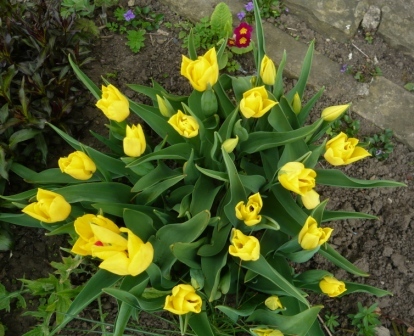
  • Tulips can brighten the darkest spot. I plant them in pots so I can move them to where they will have the greatest impact. I can then replace them with other plants later in the year.
Read More Read More

My Top 10 Sweet Pea Varieties

My Top 10 Sweet Pea Varieties

sweetpeas

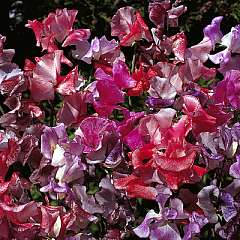
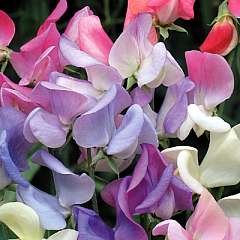
Sweet Pea – Antique Bouquet

Traditional varieties of sweet pea colours with great scent.

sweetpeas

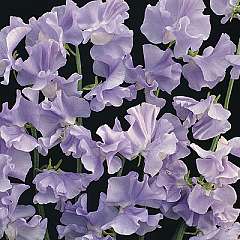
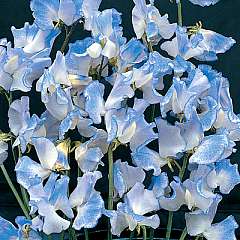
Sweet Pea – Blue Ripple

Delicate light blue frills on the end of white flowers. It is a lovely blue reminiscent of delphiniums

grandiflora

Sweet Pea – Grandiflora

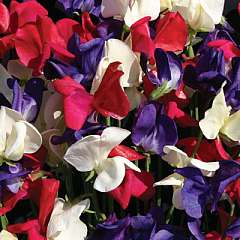
Strong bold colours in fashion of Union Jack. Great contrast between colours

melody-rose

Sweet Pea – Melody Rose

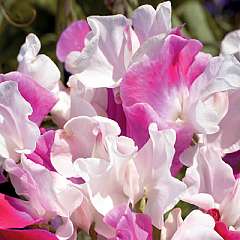
Very charming colours with a light delicate touch. Great fragrance

sugar-spice

Sweet Pea – Sugar and Spice – bicolor

Like traditional old fashioned varieties. Shorter stems, but wonderful old fragrance – evocative of cottage gardens.

sugar

Sweet Pea – Sugar and Spice

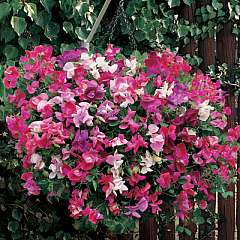
– basket variety. Makes intense display of flowers

cream

Sweet Pea – Cream Southbourne

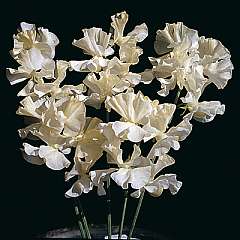
Delicate wavy flowers. Great large frilly blooms with extravagant scent to give a great allrounder sweet pea

firecrest

Sweet Pea – Firecrest.

Uniformity of red, eyecatching colour on strong stems

fragrant

Sweet Pea – Fragrant Ripples

A long strong stem, with wonderful wavy colouring. Also provide beautiful smell

chatsworth

Chatsworth

Lovely lilac flowers and fragrance

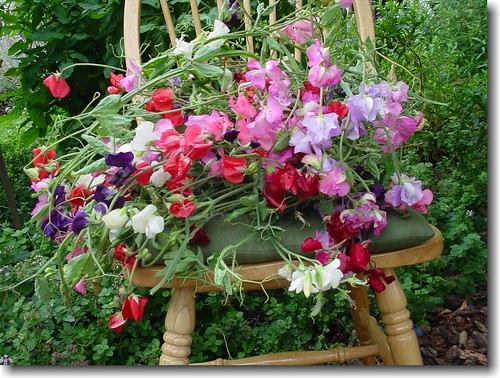
Sweet Pea Harvest
Photo Credit
Sweet Pea Harvest by Baha’i Views / Flitzy Phoebie CC BY-NC-ND 2.0

Book Cover
Sweet Peas: An Essential Guide by Roger Parsons
The sweet pea is a favourite flower of the gardener because of its delightful scent and diverse range of beautiful colours as this Top 10 Sweet Pea variety selection shows. The book by Roger Parsons looks at the genus in detail and explains how the novice gardener or the seasoned grower can get the most from their sweet peas.

Ten Summer Bulbs to Try

Ten Summer Bulbs to Try

000_0447

  1. Eucomis – The pineapple flower last for months and are very decorative.
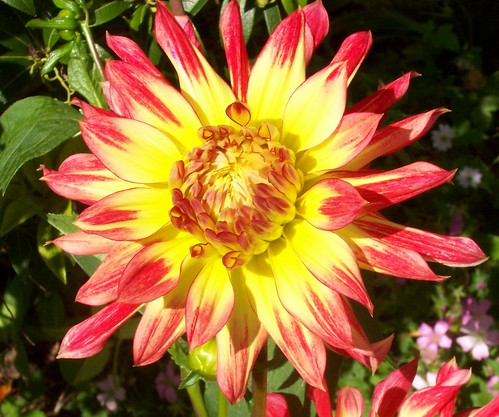
  2. Dahlia – A perennial favourite that is returning to fashionable gardens in need of late summer colour.
  3. Allium – Globemaster looks like it says in the name.
  4. Arum or Calla Lilies have distinctive spadix spikes of yellow through white petals.
  5. Canna – I like the dark leaved varieties with vibrant red flowers
  6. Stargazer Lilies – are very showy and fragrant.
  7. Galtionia – The summer Hyacinth worked very well in my garden last year and produced plenty of bloom.
  8. Gladioli – Always make a fine show plant, cut flower and vertical statement in your garden
  9. Agapanthus – The bulb of the last decade for my taste but still very popular in clumps or pots.
  10. Regal Lily – saved to the last on this list but one of my first choices. Can be planted through till June for flowering in 3 months.

Let us know in the comments which varieties and colours catch your attention. If you have another summer bulb you prefer let us know that as well and we will publish your views.

Read Growing Habranthus

Grow Bright Azaleas

Grow Bright Azaleas

A lazier shrub with exciting blossom I have yet to find.
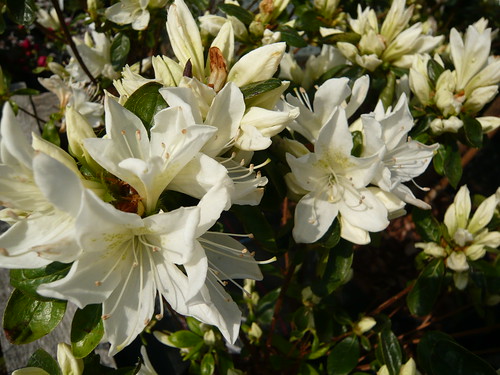
Azalea

How do you tell an Azalea from a Rhododendron? Most Azaleas have only 5 or 6 stamen while most rhododendrons have 10 stamen. Azalea leaves tend to be thinner, softer and more pointed than rhododendron leaves.
In a subjective way I think Azaleas produce more flower cover per plant.

Tips for Growing Azaleas

  • Azaleas are relatively pest-free  and easy to grow plants but may need a fungal spray if leaves are attacked in spring.
  • Azaleas like some shade  but deciduous varieties do well in full sun. Sun can produce more compact plants with more blooms but not as long lasting.

Read More Read More

Eating Nasturtium a Peppery Food Crop

Eating Nasturtium a Peppery Food Crop

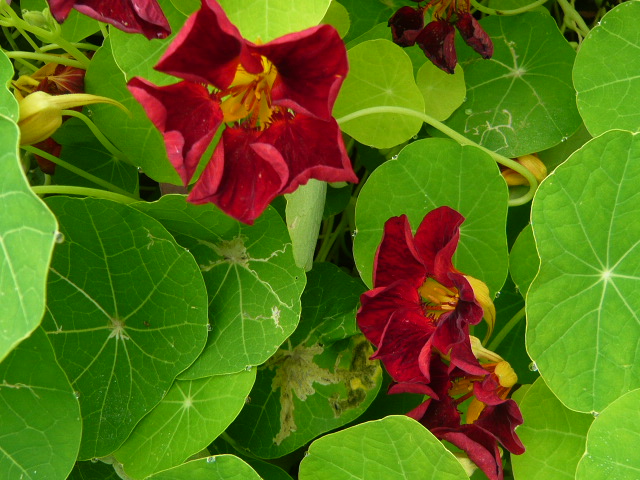
Nasturtium

I think of Nasturtium as an ornamental, annual, flowering plant but my vegetarian children take a different view. For many vegetarians ‘Nasturtiums make a salad’. In the case of Watercress they also make a soup and a vegetable.

Growing Nasturtium Leaves, Flowers and Seed Pods

  • Grow Nasturtiums from seed in your vegetable patch.
  • Rich soil will encourage leaves at the expense of flowers. Nasturtiums grown for decoration need a poor soil.
  • Nasturtium seeds from Thompson & Morgan
  • Before planting Nasturtiums in containers make sure they are well rooted in smaller pots started under cover.
  • Watercress Nasturtium Microphyllum or Nasturtium Officionale are best grown from rooted cuttings. Rooting in water is relatively easy.

Salad: Watercress, spinach and apple.

Eating Nasturtium Leaves and Pods

  • The leaves of the nasturtium plant are edible, with a peppery flavour. They can be tossed into salads mixed with sweeter varieties of lettuce.
  • The flowers make a unique garnish to fresh foods and add a splash of colour.
  • The seed pods can be treated like Capers and pickled or used as a crunchy addition to salads.
  • For tastiest nasturtium leaves, keep the plants well watered, which helps to moderate the spiciness of the leaves and flowers. Keep a bit drier to add a sharper tangy flavour to your summer salads

nasturtiums

Growing Watercress Nasturtium Officinale

  • Watercress is called Nasturtium Officinale or Nasturtium Microphyllum
  • Watercress is traditionally grown in gardens with chalk streams or a good supply of water as a semi-aquatic plant
  • Buy watercress with roots on at your local supermarket
  • An ordinary bunch placed in a bowl of fresh clean water will develop roots. Discard any that turn yellow or do not root and plant the rest.
  • You can grow watercress in a container but keep it exceptionally well watered.

chicken watercress salad

Tip
Growing Nasturtiums near Brassicas can deflect greenfly and white fly on to the nasturtiums to protect your other crops.
Pickling the seed pods of Nasturtium produces a crop similar to Capers.

Nasturtium-FowlersVacola-Num10-9108

Credits
Nasturtium by Dvortygirl CC BY-SA 2.0
Salad: Watercress, spinach and apple. by ulterior epicure CC BY-NC-ND 2.0
nasturtiums by artolog CC BY-NC 2.0
chicken watercress salad by aquino.paolo CC BY-NC-ND 2.0
Nasturtium-FowlersVacola-Num10-9108 by graibeard CC BY-SA 2.0 Pickled Nasturtium seeds look like and taste similar to capers.
Nasturtiums by robynejay CC BY-SA 2.0

Nasturtiums

Top 10 Garlic Varieties

Top 10 Garlic Varieties

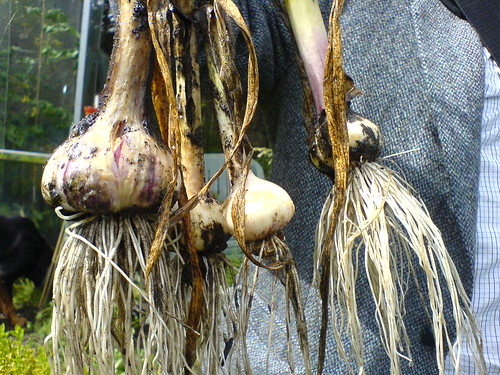
Garlic is increasing in popularity in the UK and a wide selection of varieties are now available. They grow well under glass or poly tunnel but also produce worthwhile crops in most sunny gardens and allotments.

Top Ten Varieties for the UK

    1. Solent Wight – a heavy cropper with large cloves
    2. Albigensian Wight – spring or autumn planting good keeper
    3. Purple Wight a ‘hard neck’ best used fresh as it is a poor storer
    4. Long Keeper large white bulbs to harvest in July from autumn planting.
    5. Early Wight another ‘hard neck variety’ with AGM in purple variety

Planting Garlic

  1. Luatrec Wight fat pink cloves with white outer skin and a good keeper.
  2. White Pearl autumn planted will store reasonalble well.
  3. Pink Lady a pink skinned bulbs and gloves that can be eaten raw.
  4. Germidore softneck variety that is well adapted to British conditions. Produces large, white bulbs with a mild but rich flavour.
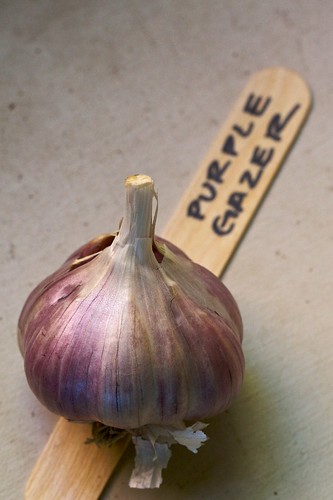
  5. Chesnok Red a hardneck variety from Georgia with attractive purple striping and a lovely, full-bodied flavour. Lovely choice for baking as it has a lovely creamy texture. Great for garlic bread!

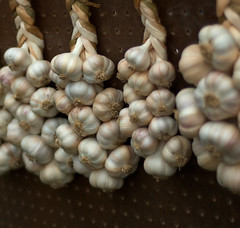
Garlic
Elephant Garlic would be in many best top ten lists but is closely related to the Leek side of the allium family   see Gardeners tips

To buy a selection of Garlic at Thompson & Morgan

Credits
Planting Garlic by Chiot’s Run CC BY-NC 2.0
Garlic by mrwalker CC BY-NC-SA 2.0

‘It’s that time of the year to plant garlic. I’ve read that you should plant it around fall equinox, which I missed by about a month. I received my planting garlic the day before we left on vacation and just planted it on Sunday. I ordered 2 garlic samplers from Gourmet Garlic Gardens again this year. Each year I’ve grown garlic, I’ve tried a few different method for planting. I’m hoping this year I’ll finally be able to grow nice big heads of garlic. Mine usually end up being small, but they’re still quite tasty. I chose a free-draining area of the front garden and amended the soil heavily with compost.

For specific varieties planted and planting directions from another site visit:  chiotsrun.com/2010/10/28/planting-garlic/’

For more information  read Tricks to get great garlic


Gardeners Tips on Ground Cover Plants

Gardeners Tips on Ground Cover Plants

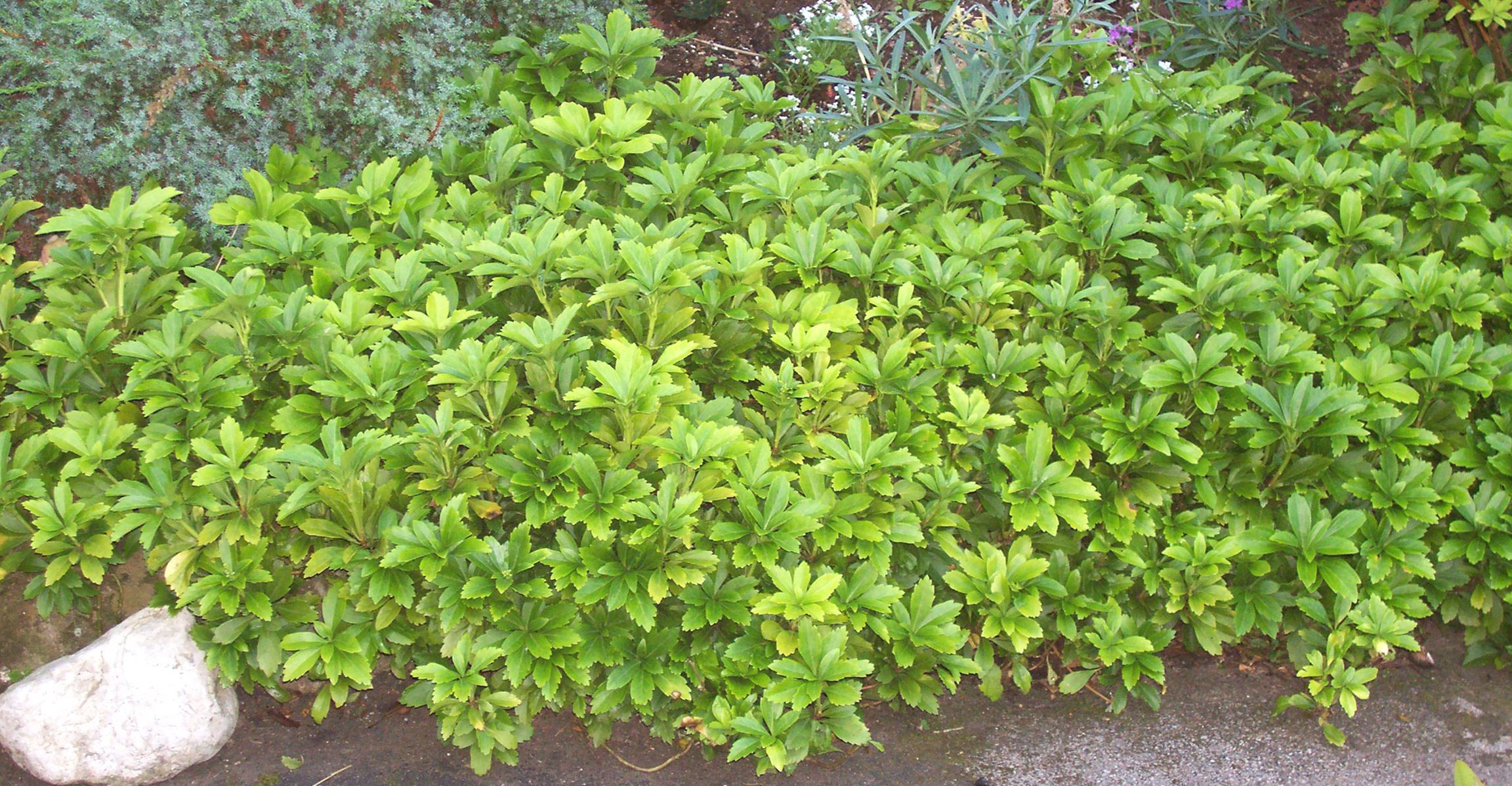
Reasons to consider ground cover for your garden

  • Ground cover can be designed to be low maintenance
  • Good cover will soften edges and sides of paths
  • Soil on slopes or banking can be held in place
  • Difficult areas with access problems can be covered in style
  • Bare soil can be unsightly unless covered
  • Good plant selection can make a feature of ground cover
  • Ground cover can add balance and harmony within the garden

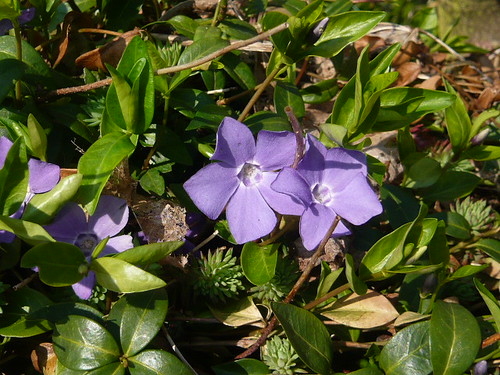
Vinca ground cover

Plants for Ground Cover Situations

Read More Read More

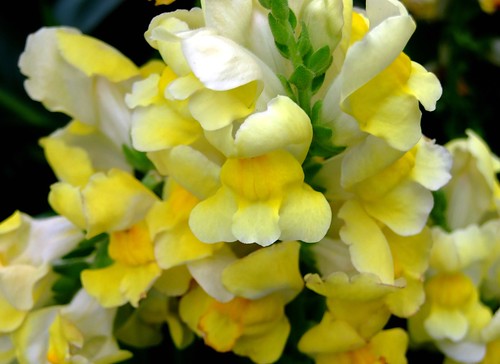
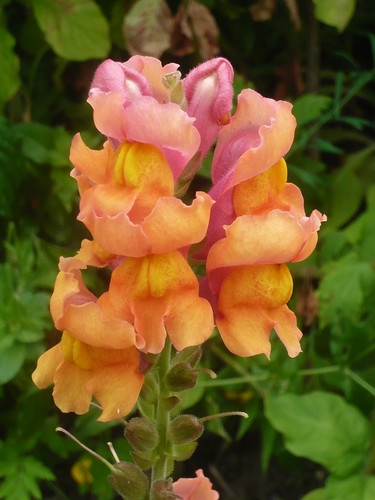
Help Growing Antirrhinum

Help Growing Antirrhinum

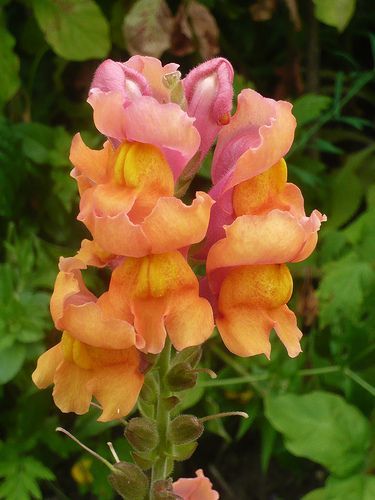
PLANTAGINACEAE 車前科 - Snapdragon (Antirrhinum majus) 金魚草 / 孟買彩雀

Description of Antirrhinum majus

  • Also known as snapdragons for the way the flower opens when squeezed
  • Flowers are born on spikes opening from the bottom and producing plenty of blooms per plant
  • Old plants can get leggy another reason to treat as annuals.
  • A good range of colours are available with some having stronger scent than others.

Antirrhinum

Cultivation Tips Antirrhinum majus

  • Best grown as annuals but plants are short lived perennials
  • Pinch out the growing tip to encourage bushy plants
  • Pinch out side shoots to encourage individual, large spikes.

Special Growing Tips for Antirrhinum

  • Beware of Antirrhinum rust which is unsightly brown speckles on leaves and stems that eventually defoliate the plant.
  • Plants will self seed but deadhead if you want more flowers

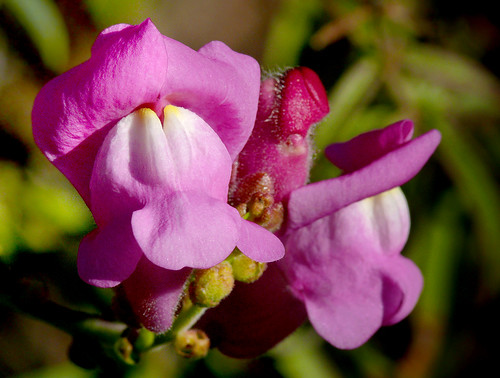
Antirrhinum australe #1

Varieties, Species and Types of Antirrhinum

  • Antirrhinum nanum ‘Dwarf Bedding Mixed’
  • Antirrhinum Pendula Multiflora Chinese Lanterns F1 bred to cascade from a basket or pot.
  • Antirrhinum Majus Nanum Rembrandt a red and yellow flower to paint a picture in your garden
  • A yellow and cream coloured flower Antirrhinum braun-blanquetii Snapdragon is well recommended

Horticulture Sources and Advice on Antirrhinum

    • You can often obtain seeds or plants from our mail order company of choice Thompson & Morgan
    • Buy your own seeds to get the colour scheme you want. Buy young plants or seedlings if you are happy to take pot-luck

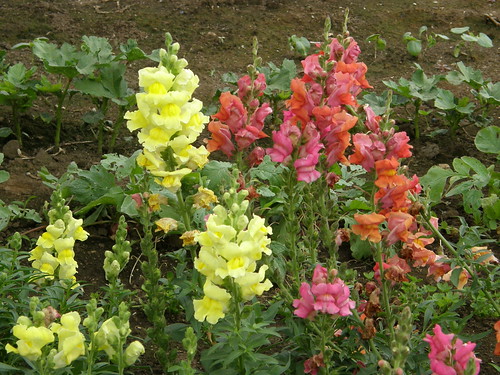
common snapdragon (キンギョソウ) #5875
Credits
“PLANTAGINACEAE 車前科 – Snapdragon (Antirrhinum majus) 金魚草 / 孟買彩雀 by kaiyanwong223, CC BY-NC-SA 2.0
Antirrhinum australe #1 by J.G. in S.F. CC BY-NC-ND 2.0 ‘Plantaginaceae (formerly Scrophulariaceae) – Spain origin of plant above Snapdragon Shown: Detail of flower buds and flowers- “Antirrhinum is a genus of plants commonly known as snapdragons from the flowers’ fancied resemblance to the face of a dragon that opens and closes its mouth when laterally squeezed (thus the ‘snap’). ‘
common snapdragon (キンギョソウ) #5875 by Nemo’s great uncle CC BY-NC-SA 2.0

Half Hardy Annuals Top Ten

Half Hardy Annuals Top Ten

Morning Glory 'crimson rambler'

What Are Half Hardy Annuals

  • Annuals grow from seed, flower, get pollinated, make more seed and die in the same year.
  • Half hardy annuals will die if it is too cold or frosty.
  • Half-hardy annuals must be sown under cover with gentle heat in February if they are to germinate and have a flying start.
  • Half-hardy annual plugs and plants can survive an odd chilly night temperatures 35 – 45 degrees F.
  • Tender annuals such as Begonias, Impatiens and Zinnia will not survive temperatures much below 50 F.
  • Half-hardy annuals die off as soon as the first frost arrives or after they have seeded whichever is sooner.

General Advice on Half Hardy Annuals

  • Sow thinly on the surface of trays or pots of good compost. Cover with grit.
  • Prick out into modules or big seed trays when true leaves are visible, then keep potting on until all danger of frost is gone and the plants are big enough to fend for themselves.
  • Annuals are great for creating instant effects as they flower quickly to squeeze in their whole life cycle during one summer.
  • Half-hardy annuals take loner to acclimatise to out door conditions of wind rain and cooler nights. Thus they need to be introduced to the outdoors slowly (Hardening Off).

Our Selected Top Ten Half Hardy Annuals

Phlox

Petunias

Nasturtium majus ‘Orange Troika’ or  Tropaeolum majus, Indian Cress

Marigold Tagetes patula, French and African Marigolds

Cosmos bipinnatus ‘Rubenza’

Dahlia variabilis ‘Bishop’s Children’

Lobelia erinus ‘Cascade Mixed’

Mesembryanthemum criniflorum ‘Apricot Tutu’ or Dorotheanthus bellidiformis, Livingstone Daisy, Ice Plant

Nemesia caerulea or Nemesia foetens and  Nemesia fruticans

Antirrhinum majus ‘Royal Bride’  a white Snapdragon

Tiny green bug

Notes

Busy Lizzie ‘Accent Mystic Mixed’ F1 Hybrid or Impatiens walleriana were originally in our top ten. However the last few crops have failed to produce the colourful displays we have come to expect due to a wilting disease.
We hope to reinstate these flowers in future lists. Perhaps we will extend our list to a top twenty,


Credits
crimson rambler’ by WindsurfGirl CC BY-NC-ND 2.0
Tiny green bug by Badly Drawn Dad CC BY-NC-ND 2.0

Architectural Phormium

Architectural Phormium

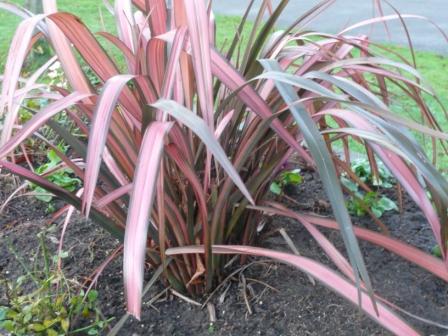
Tips for Growing Phormium

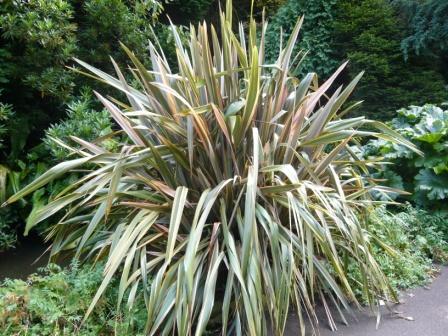
  • Phormiums make a striking architectural plant and feature in your garden.
  • Called New Zealand flax the sword like leaves are leathery and useful for flower decorations.
  • This variety of variegated Phormium tenax is 6 foot tall.
  • Plants are usually vegetatively propagated  so look like the parent plant.
  • Some plants can be grown from seed but I have no experience.
  • Try Phormium as a potted plant.
  • Propagate by division cutting slices from the edge of a root ball.

Lots of varieties including, Apricot Queen, Black Edge, Bronze, Bronze Baby, Co-ordination, Copper Beauty, Coppershine, Dark Delight, Duet, Emerald Isle, Emerald Pink, Evening Glow, Gold Sword, Jack Spratt, Jester, Maori Sunrise, Pink Panther, Pink Stripe, Platt’s Black, Rainbow Maiden, Rubra, Sundance, Surfer Boy, Thumbelina, Tom Thumb, Tricolor, Yellow Wave. are available from http://www.fernwood-nursery.co.uk/phormium.htm

phormium1