Browsed by
Category: Pests, Problems and Health

Pests, infections, disease, cultivation and growing problems

Pea Weevil and Pests

Pea Weevil and Pests

Pea Moth.

Sugar snap and mangetout can escape pea moth caterpillars when they are eaten small. White maggots feed inside the pods so damage is  only spotted at harvest. Pea moths Cydia nigricana attack legumes including  garden peas, sweet peas and vetch.

Pea and bean weevil

Pea weevil Sitona lineatus eat the edges of leaves and cause havoc with seedlings. If necessary a bug spray may be effective

Pigeons can destroy a crop and if they are a problem netting is the answer.

Leek and Onion – Allium Problems

Leek and Onion – Allium Problems

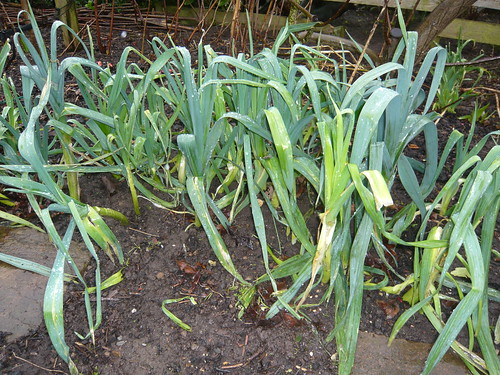
Leeks

Leek Moth

  • Will not affect ornamental alliums
  • White or brown patches develop where leaves ahve been eaten by caterpillars.
  • Larvae bore into bulbs or stems causing secondary rots.
  • More prevalent near the coast where two generations in May and October can cause problems
  • No effective insecticide for home gardeners
  • Keep plants well watered in summer for strong growth
  • In severe cases grow under fleece

Onion White Rot

  • Affects onions garlic shallots but less severe on leeks.
  • Symptoms include yellow and wilting leaves
  • Roots rot and leave mould and black sclerotia in the soil which can survive to cause problems for 8 years
  • Plants become loose in the soil and start to go soft.
  • Most severe in cool wet summers
  • Transmitted by contaminated soil not airborne
  • Control by destroying affected plants before sclerotia form. There is no chemical control.
  • Avoid spreading contaminated soil on boots.
Gorse with Spines and Prickles is a Weed

Gorse with Spines and Prickles is a Weed

Gorse

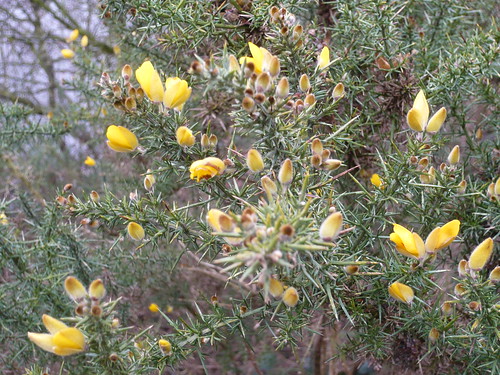
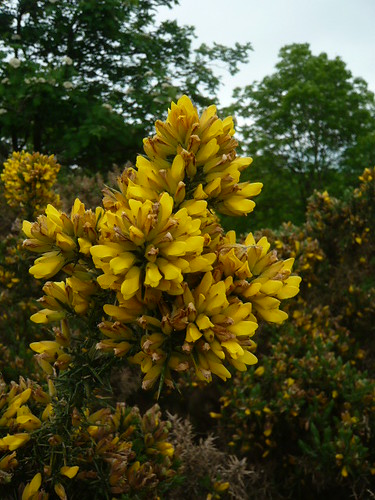
Ulex europaeus better known as Gorse, furze, furse or whin is a very prickly shrub of the pea family. Western gorse Ulex gallii is frequent in the western side of Britain and is relatively low growing yet robust. Dwarf gorse or Ulex minor is a low growing, sprawling shrub.

Gorse Facts

  • Gorse grows wild on heath and scrub land in the UK.
  • Gorse is closely related to the brooms with green stems, very small leaves and is adapted to dry growing conditions.
  • Common gorse flowers yellow in late autumn and through the winter. This picture was taken at the beginning of February 2011.
  • Gorse can be used as a hedge but beware the spines are really spikey.
  • Gorse is a valuable plant for wildlife, providing dense thorny cover ideal for protecting bird nests. The flowers and dead wood are eaten by insects.
  • Gorse grows in soils that are light, free draining and free from severe frosts.


Clearing Gorse

  • Due to it’s spiny nature, Gorse forms thickets that are impenetrable to animals and humans.
  • Gorse produces large numbers of seeds in seed pods which explode open increasing the area of seed distribution.
  • Seed may last for up to 100 years in the soil before conditions become suitable for germination.
  • For controlling small plants hand weeding is an effective method.
  • Other labour intensive methods of gorse control for larger plants include digging, slashing and cutting.
  • Burning can also be done, but stimulate more plant growth.
  • Herbicide treatment after spring flowering is a good time to carry out a gorse control programme.
  • Cutting and stump ‘pasting’ (treating the stump with chemicals) is also effective.

Gorse

Read about other Prickly Shrubs

Common Lawn Weeds Ruin Stripes

Common Lawn Weeds Ruin Stripes

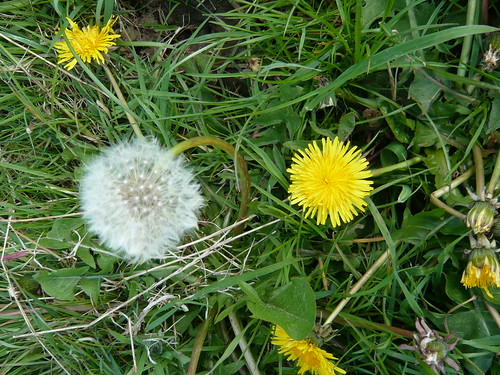
Dandelion clock

Many common weeds found in lawns and grass are appealing wild flowers. They look best in a meadow setting and not in a manicured lawn.

Grass lines
Lawn with stripes nor weeds

Problems with Lawn Weeds

  • Low growing lawn weeds escape the cut of the lawnmower and can eventually create a mass of leaves that throttles the fine grasses.
  • Lawn weeds can host pests and disease and create unsightly flat patches by smothering the grass.
  • Lawn weeds are ugly or make a tidy lawn look unkempt.

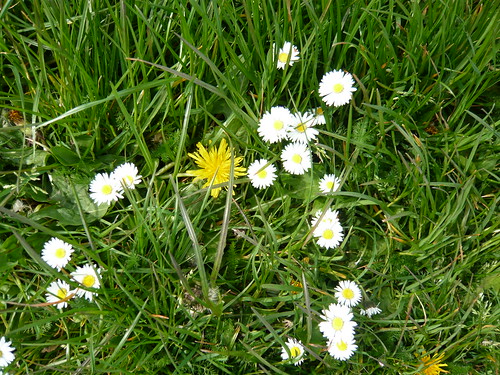
Daisy  & DANDELION

Dandelions produce prodigious amounts of fertile seed that seems to germinate well amongst grass in the lawn.
Their deep tap roots need to be fully removed or killed to prevent a reinfestation of Dandelions. They can be spot weeded by hand or by using a spot-touch weed killer.

The common Daisy is a low growing weed that hugs the ground too smother the grass. They can develop large colonies and are often left untreated as they ‘look pretty’ and can make daisy chains.
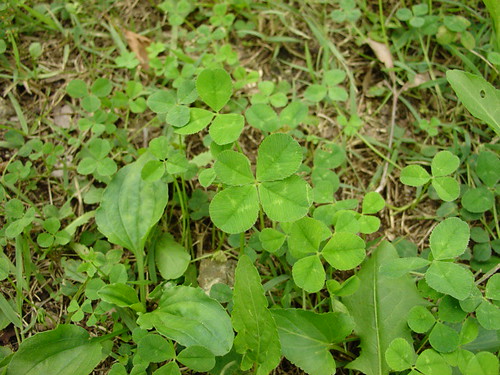
Four-leaf Clover

Clover has tight heads of pink, yellow or white flowers with shamrock shaped leaves (Why sham rocks and not real ones?). It thrives in poor soil and runners can be intrusive. Feed the lawn and mow regularly and treat with selective weed killer if these treatments do not work. (pick the four leaved clover for luck!)

Plantains (bottom left)have large leaves that compete for soil nutrients depriving the grass.
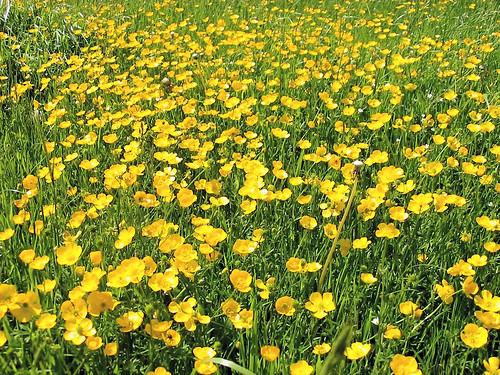
Buttercups

Buttercups stunt neighbouring plants and creeps quickly over a lawn. There was not much stunting going on in this picture.

Use Good Culture to Control Weeds

  • Mow the lawn regularly with sharp blades. Set blades so the grass grows about 1″ long.
  • Feed your grass and encourage it to branch freely to thicken and discourage annual weeds and grasses.
  • Keep blades higher at the start of the season and in drought to conserve moisture.
  • Do not let weeds set seed. Remove flowerheads and seedheads and do not put seeds in your compost.
  • Treat weeds early before they have chance to get settled and grow.
  • Use chemicals only with care and when absolutely necessary.

Other Resources

Most Common Weeds
Uncommon Weeds
Weed control of Avens
Horsetail and Mares-tail
Why war with weeds
Credits
Four-leaf Clover by dalcrose CC BY-NC-SA 2.0
Buttercups by R~P~M CC BY-NC-ND 2.0

Dealing With Dandelions

Dealing With Dandelions

Oxford Castle
A sea of Dandelions

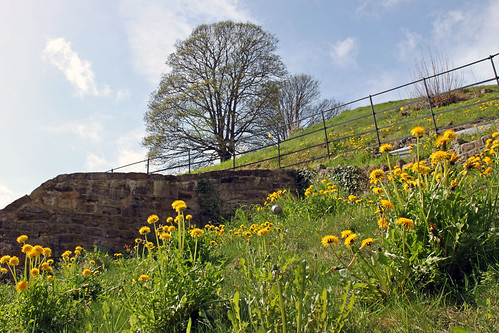
It is the time of the year where dandelions are popping up everywhere. This shot of Dandelion flowers is quite attractive (taken by Oxford Castle Mound). But, in the border and lawn dandelion is classed as a weed. In particular dandelion leaves will smoother the grass and make it weaker in the long term.

It is a tough weed, but definitely beatable.

For a small number of dandelions, I do recommend digging out the tap root with a trowel or custom weed trowel. The secret is to try and get as much of the root as possible. In practise, it is hard to get everything. But, it means that when it regenerates from a small bit of root, it will much easier to finish off with weed killer.

It is best to dig dandelions when the soil is dry as this makes it easier to shake off the soil surrounding the dandelion root.

If you don’t have time or energy to dig up dandelions, you can resort to a weedkiller which is designed for broad leaf weeds. You can either spray or paint it directly on to the leaves. It may need 2 to 3 treatments to finally kill them off.

Prevent Seeding.

Now is a good time to act, as if you let them go to seed, it will be just storing up more work for the future.
Oxford Castle

Dandelions aren’t the end of the world. This makes quite an attractive picture.

Eat Dandelions.

Another option is just enjoy the flowers and pick the leaves and flowers for salads. If you are really keen, you could roast the dandelion root to make a healthy organic dandelion coffee.

Related
Weedkiller for Dandelion

Book Cover

Roundup Weedkiller concentrate. Good for large areas which need treating at Amazon.

Related Posts
Controlling Moss in Lawn

Controlling Moss in Lawn

moss
Unfortunately, my lawn has a lot of moss (if you look closely) this is because I’ve gone for the ‘wildlife effect’ i.e. too lazy to mow the lawn.

Moss is a signal of a lawn with problems. To control the moss, it is important to tackle the underlying causes of moss.

Causes of Moss

  • Damp, poorly drained soil.
  • Dry sandy soils which are infertile.
  • Acid soil
  • Too Much Shade. Moss is almost inevitable in heavily shaded areas. You could cut back the trees, but, it can be a shame to remove a shady spot on the lawn. Don’t forget moss is not the end of the world.
  • Infrequent Mowing
  • Cutting too low

Basically, moss thrives where grass struggles to grow. The best way to prevent excess moss growth is to provide conditions for strong grass growth. This involves.

  • Well drained soil
  • Watering in dry spells
  • Regular grass feed and use of weedkiller.

Read More Read More

Gardener’s Mildew Cures

Gardener’s Mildew Cures

If gardeners have left wet leather gloves or shoes in a mild garage since summer they may now be covered in a white dusty substance that is powdery mildew. Powdery Mildew can affect many garden plants and it is especially vexatious on Gooseberries, Roses and Peas. The greying of leaves leads to yellowing, distortion and falling, it is unsightly and damages crops.
For help understanding mildew read these tips.

Mildew Causes and Cures

Stress through dryness at the roots can make plants vulnerable. Water well in dry spells. Do not plant too close to dry walls or in a rain shadow. Add a water retaining mulch.
General maintenance issues bin any fallen or damaged leaves. Well fed plants will have more resistance to disease, apply Growmore or Blood, Fish and Bone at the start of the growing season. Select varieties that are less prone to mildew like Klevedon Wonder Peas or Cascade Brussels. Do not encourage sappy growth with too much nitrogen based fertilizer.
Good air circulation will restrict mildew so prune or thin out branches to create an open framework. Damp humid conditions also favour mildew so water the roots not the leaves. Mildew is spread by spores so do not shake infected material.

If all else fails there are proprietary fungicides and sprays including organic Fish oil blend or Sulphur powder which can help particularly on roses. Powdery mildews spend the winter as dormant infections resting structures or leaves which then release spores the following spring.

Oh and if your boots have mildew you are not doing enough gardening.


Avoidance is better than cure read tips to avoid mildew.

Autumn Fungus and Fairy Ring Tips

Autumn Fungus and Fairy Ring Tips

fungus

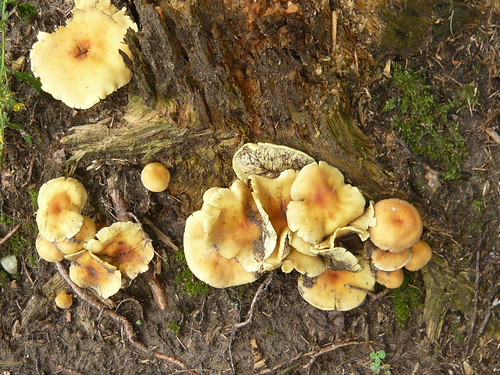
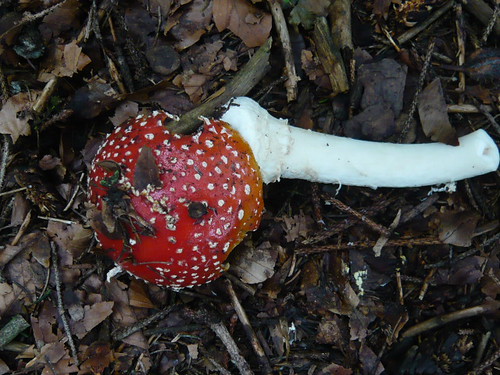
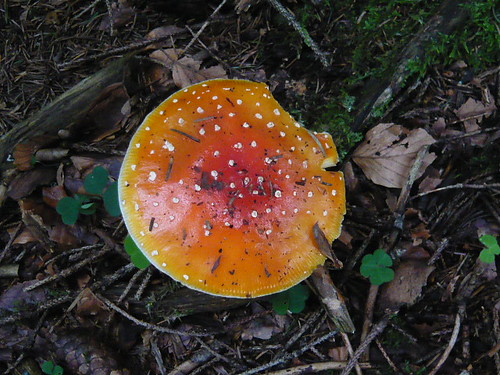
Following my summer post Fine and Fantastic Fruiting Fungus I have been out in the local woods seeking these new pictures.

fungus

Fairy Ring Tips

  • Fairy rings in a lawn are a result of fungus such as Marasmius Oreades growing thread like spores.
  • Fairy rings are dark green circles of lush grass in the lawn or may also be noticed as a group of toadstools in mid-summer.
  • Do not compost the toadstools or even the clippings to avoid spreading spores.
  • Fairy rings like dry soil so one treatment is to water and feed the lawn so the whole area goes dark green.
  • It is hard to treat Fairy rings but a fungicide containing dichlorophen may help.
  • The last alternative treatment is to dig out the infected area and returf.

fungus

Foul Fungus -Damping Off

Foul Fungus -Damping Off


Solve the problem of seedlings ‘damping off’ by watering your compost before sowing seeds with Cheshunts Compound a soluble fungicide. Damping Off is a fungal disease that attacks seedlings causing them to suddenly wilt, keel over and die. Damping Off is a particular problem when sowing seed indoors or under glass.

Damping Off can affect most seedlings, particularly under levels of high humidity, poor air circulation, low light and temperature that makes seedlings grow slowly and if seed is sown to thick.

Preventing Damping Off

* Raise seedlings in commercial growing compost, which is usually free of the key fungi.
* Ideally, use new pots and trays whenever raising seedlings. If they must be re-used, wash them thoroughly and treat them with a disinfectant such as Jeyes Fluid.
* Never reuse pots and trays in which damping off has been a problem.
* Sow seedlings thinly to avoid crowding.
* Use mains water when irrigating seedlings grown in pots and trays. If using rainwater, ensure that the water butt is covered to prevent the entry of leaves and other organic debris that could harbour some of the damping off fungi.
* Keep seedlings well ventilated to reduce humidity. Do not over-water.

Cheshunts Compound

* Can be used on all seedlings whether edible or non-edible.
* Easy to use, dilute and water the solution onto compost before sowing and repeat after the emergence of the seedlings.
* For transplanting, water seedlings with the solution before and after the transplanting.
* Suitable for organic gardening.
* Cheshunts Compound uses inorganic salts copper sulphate and ammonium carbonate so it is the same type of copper-based fungicide as Bordeaux mixture.

Available from Thompson Morgan
See also Verticillium Wilt

Marijuana Growers are Potty

Marijuana Growers are Potty

Book Cover

One weed that some gardeners wish they were able to grow – well then can but not always legally.

A form of grass that if you water it with neat whiskey it comes up half cut!

Cannabis the easier name to spell than Marijuana is typically considered to be one of two species Cannabis indica and Cannabis sativa.

Skunk and not Skunk cabbage but with an aroma to be sniffed at.

Humidity, temperature and ventilation  are all vital to getting your grow right.

Hash is concentrated resin produced from the flowers of the female cannabis plant or hash is the mess I make of sowing very small seeds.

Marijuana Grower’s Handbook is a perennial favourite on marijuana cultivation. Ed Rosenthal’s popular marijuana advice column and helpful web links are included as Rosenthal delivers all the basics needed for a novice plus advanced research useful to the more experienced grower. Buy from Amazon

Get a Joint to easy your joints or call it a spliff, bone, nail or, when smoked down to the end, a roach.