Browsed by
Category: Fruit, Vegetables & Herbs

Tips on growing good Fruit, Vegetables and Herbs

Remarkable Gooseberry Crops Again

Remarkable Gooseberry Crops Again

Five years ago I wrote about my remarkable gooseberry crop and yet again I have been inundated with great berries this year (2019). ‘Sweet or, sharp and sour the gooseberry is a remarkable soft fruit. Summer 2014 was been a remarkable year for the size of my crop and the freezer was bulging (like my waist from numerous crumbles).’
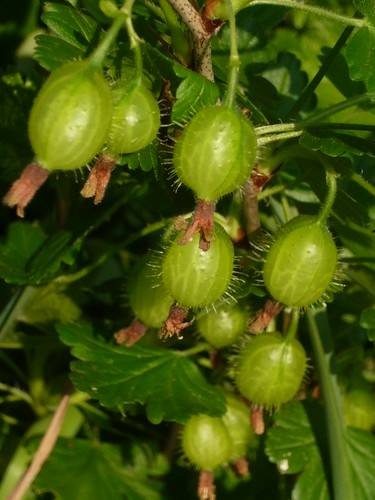
Gooseberry

Gooseberry Summary Top Tips

  • Plants prefer a cool climate and will withstand a windy position with light well drained soil.
  • Do not feed excessive nitrogen which encourages mildew.
  • Water with a liquid feed as the fruit start to set – this increases berry size and limits splitting.
  • Fruit appear on new and old wood so aim for a balance between the two.
  • Varieties are classified by the colour of the fruit as Red, Green, White and Yellow. At home you may want a mix of kinds.

Gooseberry Calendar

  • Bushes fruit in June and/or July
  • Take cuttings in September,
  • Prune cordon shoots in March but reshape and reinvigorate by pruning in winter.
  • Plant new bushes in November or March if the soil is very heavy.
  • Varieties come in early, mid season and late (examples Early Sulphur, Gunner, Lancer)
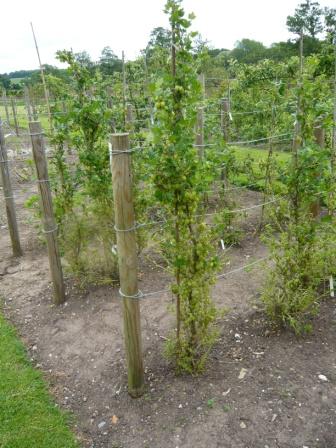
gooseberry

What a grand way to grow Gooseberries ‘up a stick’ (or Cordon).   Trained like ballerina apples this  Gooseberry variety London was grown as one vertical trunk. Gooseberry London has very large oval fruit with a smooth skin. The flavour is good and is normally a spreading bush but it makes few branches. It is renown as heavy yielding as can be seen below from a 1st June photo below.

Planting Layout for Legs or Cordons

Read More Read More

The Edible Yellow Garden

The Edible Yellow Garden

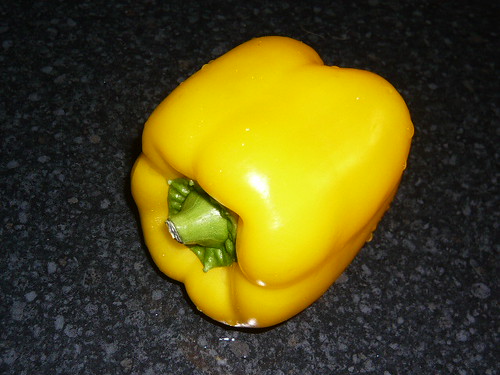
They are not called Lemons and Oranges for nothing. As a project I have been considering creating a colour themed garden. The thought of being able to eat the yellow produce has led me to a series of plant discoveries and fresh ideas.

pepper

Vegetables In Yellow

  • Tomatoes would be my first choice as there are many yellow or gold varieties to select from. Yellow Debut F1, Gold Nugget and Lemon Boy are cherry toms. Banana Legs is descriptive of the long, pointed, yellow, determinate tomato good for slicing on salads. Larger Yellow tomatoes include Golden Sunrise, Yellow Perfection and Garden Peach.
  • Yellow beans are available as Sonesta or Hildora varieties.
  • Courgette Gold Rush is a reliable FI hybrid and Sunburst Scallop is a favourite squash. Butternut squash is closer to light  brown than yellow in colour.
  • Hot peppers like Hungarian Yellow Wax matures to red but Sweet peppers like Early Sunrise and Golden Bell start and stay bright yellow.
  • Swiss Chard has some powerful yellows but the seeds are often sold in mixed colour packets but look for Leaf Beet Bright Yellow.
  • Sweetcorn minipop is harvested before pollination so doesn’t need to be sown in blocks. Other sweetcorn is a top yellow vegetable.
  • Carrots and Onions with the name yellow in the title haven’t appealed to me but you may wish to consider them.

Yellow Edible Flowers

  • Several garden flowers are edible including nasturtiums, pansy and  daylilies. They are useful as they can decorate a mixedsalad
  • Shungiku is the edible chrysanthemum with yellow flowers.
  • Read More Read More

Pak Choy Choice Salad

Pak Choy Choice Salad

Pack your plot with Pak Choy
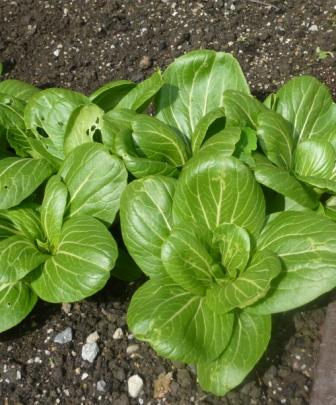
pak-choy

Pak Choy was one of the vegetables most in view at Chelsea last year. The regular shape and decorative leaves help create a formal structure to vegetable planting. There are also new varieties coming on the market including one with long stems (not bolting stems) that can be eaten as pick and come again vegetables.

Growing Tips for Pak Choy

  • Green Pak Choy, Bok Choy, Chinese Mustard, Celery Mustard, Mustard Cabbage and other recommendations below are available from Nickys seeds or Thompson Morgan (50% seed sale till June)
  • Read More Read More

More Space for More Crops

More Space for More Crops

new-picture-2

Gardening will help in the war against economic recession. These tips give you some ideas how to increase the area you cultivate and the number of crops you can grow even if your garden space is restricted.

More Growing Area for a Small Garden

Grow Bags and Containers

  • Grow bags can be stood on paths or waste land and can be used for many crops like onions, salads, tomatoes or courgettes.
  • Make your own grow bag, if they are too expensive, with ordinary soil in a plastic bag. To help water retention I have used those packets of silica they use to keep electrical products dry.
  • To get a deep grow bag I cut them in two and stand them on there ends for crops I want to cosset.
  • There are a wide range of baskets and boxes that can be fixed to a wall or fence to increase your growing area.
  • You can make a raised bed on hard standing. I have put 10 inches of soil over an old tarmac drive and it is fine for leafy crops.

Read More Read More

Growing Young Courgettes

Growing Young Courgettes

Italians call them Zuccini and there is a tasty variety of that name but we call them courgettes or baby marrows. Left too long before picking they become less tasty marrows but young Courgettes are great Veg!

Growing Courgettes is easy if you follow a few simple tips.

  • Sow on the edge or point down, to avoid wet rot, in April-June.
  • Allow 2-3 feet between plants
  • Seed can be quite expensive 25p each but a couple of plants will feed a family.
  • Keep Courgettes well watered and fed, they grow quickly and their main constituent is water.
  • Feed twice a week with a liquid  feed such as Tomorite or Phostrogen
  • Keep them slug free or the fruit will be eaten first. The spiny leaves will be left for a later snack but that won’t help you.
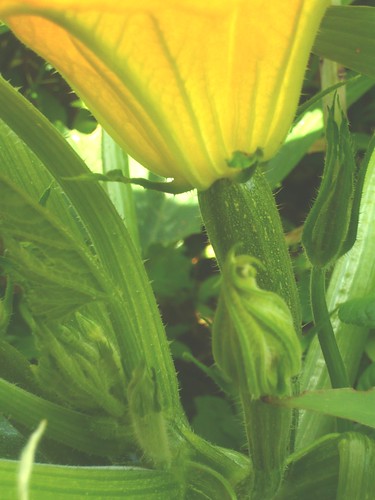
  • There are male and female flowers on each plant. The female has a baby fruit behind it see picture above and when pollinated it will swell and grow.
  • The male flower just has a slim stalk but can pollinate several females. (see below).

Read More Read More

Selecting, Siting, Planting and Growing Rhubarb

Selecting, Siting, Planting and Growing Rhubarb

Plan your planting of Rhubarb and prepare the ground then you will be growing crumbles and pie fillings for years.
Select a variety or two, chose the growing site and care for your plants then ‘the jobs a good one!’

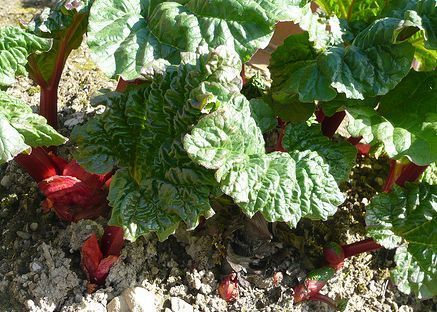
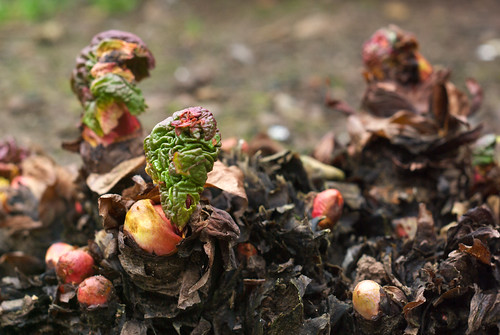
Unforced Rhubarb

Varieties of Rhubarb to Select

  • Victoria, with thin stalks of rosy red that turn pink and green towards the tip is a late season cropper.
  • Timperley Early AGM is the earliest to be harvested with long stems and a good flavour.
    Raspberry Red is a mid-late season variety of deep red stalks.
  • Stocksbridge Arrow, is an old favourite in the West Riding of Yorkshire the home of there rhubarb triangle.
  • Champagne (shown above) is one of the best varieties.
  • Read More Read More

Gooseberry History

Gooseberry History

Gooseberry

One of the first fruits to be available for the kitchen and table each year, the gooseberry is an old stalwart. Rhubarb is earlier but is not a true fruit but a herb, still both are good in crumbles.

Gooseberries Since the Middle Ages

  • Great show varieties have names redolent of our military past such as Roaring Lion, Hero of the Nile, Wellingtons Glory or my favourite Hampson’s Tantararara. Far better than the soppy names used for plants in the 21st century.
  • Gooseberry bushes can easily live for 30-50 years and are one of the reasons for their longlived popularity
  • Edward I had gooseberry bushes planted at Tower Bridge in 1275
  • The young leaves were eaten and used as a diuretic according to 16th century Herbals.
  • Gooseberry clubs were popular in England from the 19th century
  • Gooseberries make jam and are grown for pectin for other fruit jams.
  • Gooseberries thrive in most parts of the British Isles.
  • The world record berry weighs 2.19oz and is from the Woodpecker variety
  • The phrase “to play gooseberry” comes from the days when the fruit was a euphemism for the devil.

Gooseberry Shows

  • Competitive gooseberry shows were wide spread but growing for size rather than flavour has fallen out of favour. A handful of shows still survive.
  • Egton Bridge, on the North York Moors National Park, is the setting for the oldest surviving gooseberry show in the country.
  • The show is held in August each year as it has been since 1800. It is organised by the Egton Bridge Old Gooseberry Society.
  • Gooseberry shows were particularly popular over the North of England but have dwindled from about 170 to only 20.
  • Show photos

Links and Sources

Gooseberry

Spring Spraying Fruit Trees Against Pest and Disease

Spring Spraying Fruit Trees Against Pest and Disease

Spring spraying of apple and pear trees is essential to avoid various troubles. Leaf, blossom and fruit problems need tackling with controlled spraying at the right time. It is a mistake to wait until you see signs of attack because it will be too late to remedy the problem, prevention is better than cure.
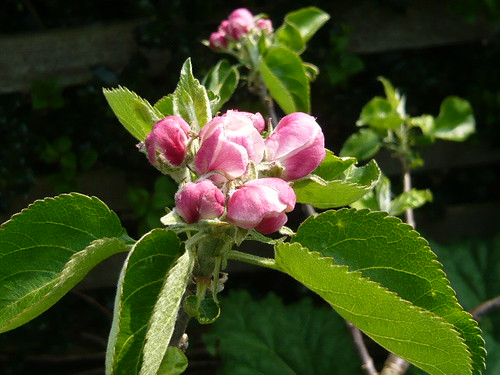
apple blossom
The first spray against scab and fungal problems should be made around mid-April. Traditionally Lime sulphur was used to control fungi, bacteria and insects living or dormant on the surface of the bark. That tends to burns leaves so it is not used on evergreen plants. Modern methods spray with Copper Sulphate, Bordeaux mixture or a fruit tree recommended systemic fungicide such as Dithane.Start spraying in April, again after petal fall and at the end of June, failing that read the instructions on the bottle.

Read More Read More

Top Tips for Cut and Come Again Leaf Crops

Top Tips for Cut and Come Again Leaf Crops

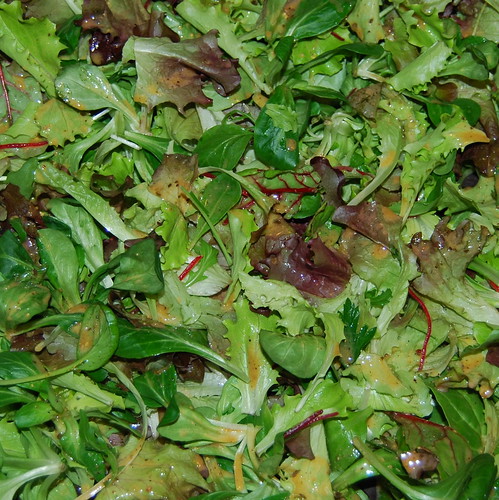
‘Eat your greens’ and your reds, whites and purples in a mixed salad.

Grow leaf crops from seed and use the leaves as needed. When the leaves are 2-5 inches  high, which will take four to five weeks, they’re ready to eat. Loose-leaf lettuces need to have leaves harvested regularly.  In the fridge they’ll keep for three days or so.

Vegetables raised as cut-and-come-again crops can be planted much closer together than you normally would since the veggies are not going to be maturing into full sized plants before harvest time.

Read More Read More

Tips for Growing Aubergines in the UK

Tips for Growing Aubergines in the UK

Aubergine

Grow Eggplants from Seed

  • Fill a pot with seed compost then firm lightly.
  • Scatter a few seeds across the surface – not too thickly
  • Cover with a thin layer of soil or vermiculite, water and label.
  • Place in a propagator or warm spot or on a windowsill with a plastic bag over the top to help germination. Remove bag when seeds have germinated in about 7-10 days.
  • When seedlings are 3cm tall give each their own 7.5cm pot.
  • Pot into a larger pot with general purpose compost when roots show through drainage holes.
  • When plants are 25cm tall, stake with a cane and pinch out the top to make new branches.
  • Plant into large pots for a sunny sheltered spot or grow in a greenhouse
  • Pinch out the growing tip when 18″ high and the side shoots when 3/4 fruit are set
  • Feed, using a high potash feed, when the fruit has set .
  • Aubergines can suffer from blossom end rot, so ensure that plants do not dry out.

Watering
Aubergines are incredibly thirsty and dry compost will quickly lead to a check in growth.
Ensure that the plants never dry or the fruit will be poor and tough.

Feeding
The first flowers will appear when the plants are quite small.
Give high potash feed when first flowers show.
When this happens feed weekly with a liquid feed tomato fertiliser.

Cropping
Fruits can be harvested with scissors or a sharp knife about August-September
Each aubergine or eggplant will produce up to 3 or 4 fruits, depending on variety and the weather.
Pick when skin is shiny and fruit is a good size.

Aubergines from Thompson Morgan

Aubergine and Varieties to Grow

  • Egg-plants or Aubergines are related to potato, tomato and deadly-nightshade.
  • Aubergines may survive outside in mild areas but they like warmth.
  • Old varieties had bitter flesh that needed salting but modern varieties are now much more palatable.
  • Outdoor fruits will be smaller.
  • For the small fruited cultivars it might be six inside and three out of doors
  • Aubergine Baby Rosanna F1 produces an abundance of golf ball sized, bitter free baby fruits throughout the summer on dwarf plants.
  • Spineless plants of Aubergine Calliope produce a heavy crop of oval, baby fruits that mature to a cream streaked purple colour.
  • Traditionally coloured black varieties include Florida High Bush and Moneymaker F1.

Seed varieties from Thompson Morgan

Read More Read More