Browsed by
Category: Flowers and Plants

Annual, perennial and interesting flowers with advice on culture, information, tips and recommended varieties

Help Growing Carrots

Help Growing Carrots

Vitamin D from sun to plate via well grown Carrots

Preparation for Growing Carrots

  • Grow in an open sunny site.
  • Remove large stones.
  • Do not feed the soil as this may encourage carrots to split and fork.
  • Rake the soil level and create a fine tilth.
  • Wait until the soil has started to warm up.
  • Select and buy your chosen seed variety.

Sowing and Care

  • Always sow carrot seed thinly.
  • Space 4cm apart to avoid thinning out seedlings later on.
  • Cover seed lightly with about 2cm of soil.
  • Space rows wide enough to access for mweeding.
  • Water the newly sown seed to settle the soil. Repeat every few days if the conditions are dry.
  • Seed should germinate in 15-20 days.
  • Allow 2-3″ apart to get good sized roots.
  • Weed when young and regularly as they develop to ensure the roots have enough moisture.


Photo cc by color line

Other Tips and Advice

Carrots (Daucus carota) are sweet, crisp, vitamin rich vegetables that you can easily grow from seed. I won’t guarantee you will see in the dark but home grown carrots will taste great.

Varieties to grow are listed in a link at the bottom but the short rooted varieties are a good place to start e.g. Amsterdam Forcing, Early Nates or Rondo. Intermediates ‘Royal Chantenay’ and Long Rooted varieties ‘St Valery’. There are 100+ varieties to select from.

Sowing Tips sow according to the instructions on the packet for main crop usually from mid April when the soil has warmed up. Fine soil without stones is the best for Carrots. Do not sow in seed trays or transplant Carrots as the roots will be damaged and the crop useless. Mix the seed with fine sand for even sowing.

Problems to Avoid. Carrot root fly lay eggs and the maggots then eat into your carrots unless you cover the sown seed with horticultural fleece or grow in a raised bed where the plants should grow above the fly ‘fly-zone’.
Fanging or Forking of the roots is caused by stones, too much manure or transplanting carrots. Some times aphids can also be a problem, try a cloche or insecticide.

Growing Tips Water well in dry weather. Start thinning when the leaves are large enough to handle. Carrots need to grow 1-2 inches apart. Eat thinnings from mid June. Mature carrots have a slightly darker foliage.

Harvesting the Crop Carrots can be lifted at anytime but are best eaten when young. They are also best eaten fresh, straight from the ground so only pick what you need.
Grow a mix of varieties to mature at different times. Lift before the frost.

Other Tips Grow golf-ball shaped or short varieties if the soil is stony or clay or you want to use a container. Carrots can be frozen. Larger crops can be stored in a straw clamp or cool damp sand.

Thompson Morgan Seeds to consider buying.
Help Growing on Straw Bales

Help Growing on Straw Bales

Get it right and you can grow bumper crops on straw bales.  It is clean, cheap and environmentally friendly.
The principle is that decaying straw generates heat to form a ‘hot bed’encouraging healthy roots.

Preparing a Straw Bale

  • Watered bales are heavy so get them in the right place first.
  • A polythene membrane will help retain moisture and prevent soil contamination.
  • Water bales thoroughly. If it is very dry soak over 2 or 3 days.
  • Apply 6 oz of dry blood or other nitrogen rich fertiliser over the top of the bale and water in
  • The fermentation will start and the bale heat up. Cover with black plastic to speed up the process.
  • After 4 days remove the polythene and the bale should be warmer than the air temperature
  • Add another 6 oz of nitrogen based fertiliser.
  • Cover for another 4 days then add 12 oz of general fertiliser. The temperature should  peaking at 50 degrees or so.
  • Allow to cool to 38 degrees before planting.

Planting up a Straw Bale

  • With a bucketful of compost make and fill a small hole in the bale. It should be easy to make a small hollow.
  • Add you plants and water carefully.
  • New roots will grow through the compost into the decomposing straw.
  • Chillies, Peppers Tomatoes and cucumbers do well in bales. 2 or 3 plants per bale will give you a good crop.
  • Tall plants need staking but tumbler tomatoes can be allowed to fall over the bales edge.

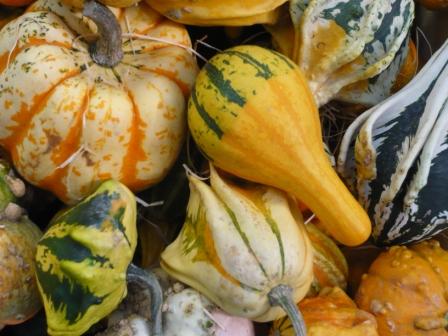
ornamental-gourds

Advantages of Straw Bales

  • Bales are easy to water and retain moisture longer than a grow bag.
  • Drainage is good and ity is hard to over water.
  • At the end of the season the bale can be recycled as a mulch or added to a compost heap
  • Rotting bales give off carbon dioxide which can be beneficial to crops.
  • Ornamental plants as well as vegetables will flourish.
  • Bales are generally cheaper than grow bags.
  • Straw is better than hay the tends to go mouldy.
  • Liquid feeding is required as straw is low in nutrients.
Apple Blossom Time

Apple Blossom Time

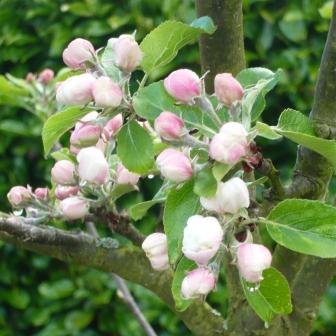
Late blossom arrivals in 2015 looked like being a good year for apple blossom and thus fruit in the North of England. And iut was with some great crops in my Yorkshire garden.

bud-burst

A cold and late spring delayed the buds and blossom until the worst of the weather was over. Energy has been diverted into fruit production rather than new wood after judicious pruning. There has been no significant late frost to damage blossom and there are now many pollinating insects on the wing. Hopefully these are signs that we will have a good crop of juicy apples this year. Just in case here are a few tips to help nature along.

Tips for Better Apples

Read More Read More

Creating A Focal Point in Your Garden

Creating A Focal Point in Your Garden

lavender

Sometimes as gardeners, we place all the emphasis on plants. However, a few well positioned ornaments and focal points can heighten the interest and drama within a garden.

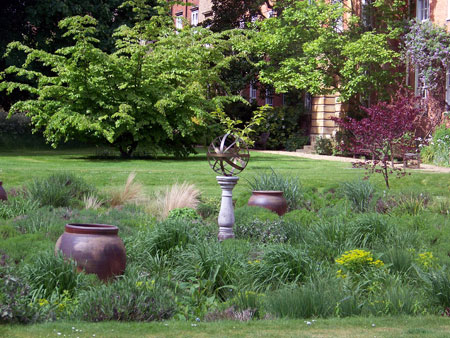
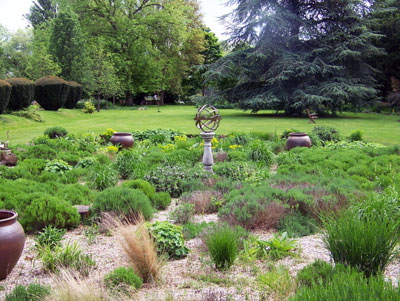
The above photo is from Lady Margaret Hall Gardens, Oxford. This is a sunken garden with a mixture of lavenders, verbena and ornamental grasses. The two earthenware pots and sun dial in the middle of the garden provide a perfect foil and complement to the understated planting.

Box Symmetry

box

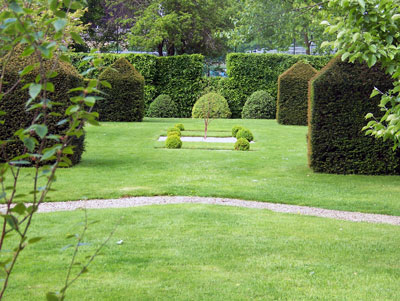
In this photo, the eye is steered towards the gap in the end fence. There is a neat symmetry, which helps to provide a relaxing feel to the garden. Notice how, the gardener has encouraged the eye to follow a certain path.

lavender

Focal Point With Plants

mixed border

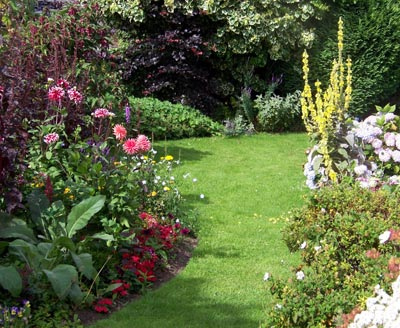
Verbascum ‘Banana Custard’ provides a focal point in this mixed border

Photos from Lady Margaret Hall, Oxford and garden in Yorkshire; copyright gardeners tips.

Help Growing Spinach

Help Growing Spinach

You don’t need to have muscles like Popeye to grow spinach. It is a simple leafy vegetable that is undemanding if given the right conditions.

  • It is a long day plant initiating flowering as days lengthen.
  • Good moist conditions give rapid growth and a quick harvest before running to seed.
  • Sowing after mid summer reduces bolting.
  • Bolt resistant varieties include Monnopa, Spokanr and Palco.

Book Cover

Spinach Problems

  • Blight caused by cucumber mosaic virus causes leaf yellowing. burn the plants.
  • Leaf spot causes light brown or grey areas to develop. Chose a new site each year and feed wth potassium sulphate.
  • Downy mildew can by a minor irritants. Thin out the rows and remove infected leaves.


Book Cover

Club Root and Brassicas

Club Root and Brassicas

For gardening purposes Brassicas are a group of vegetables in the mustard family that includes Cabbages, Broccoli, Cauliflower, Calabrese Sprouts and Kale.
Spinach, Rapeseed, Swede and Turnip are also from different brassica species but are not discussed in length in this post.

Know about Club Root

  • Club root is a fungal infection of brassicas
  • It causes distorted swollen roots and stunted growth
  • Spores contaminate the soil for many years after an infestation so be careful with new plants that may bring in disease
  • Control by liming the ground in autumn. More heavily on acid soil.
  • If you suffer grow plants in 4 inch pots before planting out.
  • Some brassicas show resistance to club root

Know about Brassicas

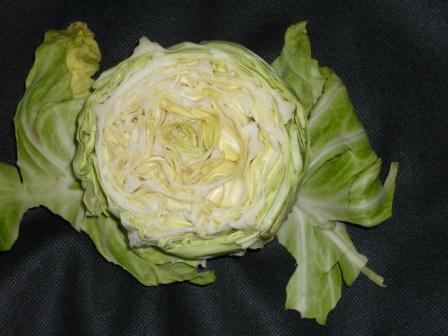
  • The flowers, leaves and stems are usually edible though each vegetable is famous for its own features like this heart of the cabbage.
  • Brassicas contain antioxidents, minerals and vitimins and are a staple of a healthy diet.
  • The sulphur content of the brassicas give it the aroma when cooking. Red purple and green heads are now produced amongst cabbages and cauliflowers and if they lose colour when cooking add a bit of vinegar to the water.
  • Brassicas prefer some shade in firm, fertile, limed soil. Tread seedlings in and support tall brussel sprouts.
  • Rotate the crop moving to a different plot every year as the roots can suffer from a fungus causing club root.
  • Plants need space to develop – a sprout will need 2 feet between plants.
Problems with Acer Palmatum

Problems with Acer Palmatum

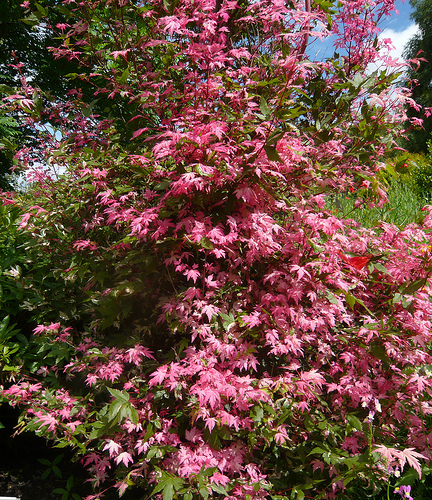
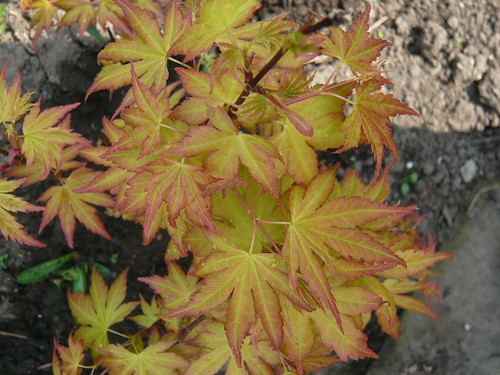
Gardeners Tips 2011 acer

Problems with Acers

  • Japanese maples can be very prone to leaf scorch in windy or excessively sunny positions, particularly those with fine-cut leaves.
  • Containerised specimens may be troubled by vine weevil larvae.I am willing to use chemical treatment like Amazon’s Pbi Provado Vine Weevil treatment.
  • Japanese maples are susceptible to scale insect damage.
  • Acre palmatum like some other Maples is prone to the disease verticillium wilt.
  • The roots of Acers in pots are vulnerable to frost over winter. Provide protection by wrapping containers with a sheet of bubble wrap held in place with garden twine.
  • Do not purune particularly in spring when the rising sap can bleed from open wounds.
  • Acers will not tolerate wet, excessively dry or very alkaline conditions. The plants will shed leaves, show stress and ultimately may die

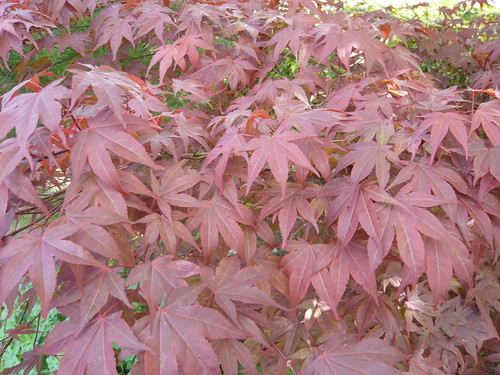
Acer japonica

Containers Grown Acers
  • Japanese maples are ideal plants for growing in containers.
  • Plant in an ericaceous loam-based compost which allows good drainage. Provide a high percentage of organic matter that can be found in John Innes No 2.
  • Keep the compost evenly moist, but not soaking wet and feed in spring and early summer with a slow-release fertiliser. Less fertilizer is needed when the tree is planted in the ground.
  • Maples will need repotting into a slightly bigger container every couple of years. April or September are ideal months to do this.

Where to Plant Your Acer

  • Green-leaved Acers tolerate full sun but are best in dappled shade to avoid scorching.
  • Japanese maples are slow growing and will grow best in a sheltered position.
  • Red and purple leaved cultivars need some sun to develop fully their dark hues.
  • Variegated Japanese maples need partial shade to prevent the afternoon sun from scorching the foliage.
  • Take care when locating your containers with Acers
  • Acers do not like competition for there shallow fibrous roots so ensure that they are not too crowded.

Notes

Verticillium Wilt is a wilt disease that can attack Acers see picture
Symptoms are superficially similar to Fusarium wilts. There is no chemical control for the disease.

Consider growing Acer palmatum Asahi Zuru

Read Japanese Maple root and branch review

Raspberry Nutrition Needs

Raspberry Nutrition Needs

So if you want your raspberries to feed you then we recommend you first look after your canes nutrition needs.

General Condition

  • Raspberries are hungry plants!
  • Yellowing leaves can be a sign of nutrient deficiency.
  • Heavy soil, waterlogging, drought alkaline or chalky soil can also cause yellowing.
  • Older plants are often worse – replace after 10 years.

Specific Deficiency

  • Nitrogen deficiency causes yellow leaves and debilitates plants.
  • Phosphorous  deficiency causes slow growth and dull leaves.
  • Potassium deficiency causes browning leaf edges and poor fruiting.
  • Magnesium deficiency is common on light sandy soil or where high potassium feed has been over used. Foliar feed with Epsom salts 2 or 3 times .

Treatments

  • Best treated with foliar feed sprayed on to leaves.
  • If yellowing is persistent it may be iron deficiency so apply sequestrene.
  • Maintain good hygiene and help water retention with an autumn mulch.
  • Don’t over feed or underfeed or plants will blow a raspberry at you!
Watering or Drowning Indoor Azalea

Watering or Drowning Indoor Azalea

More plants drown than die of thirst but Azalea houseplants do need damp soil.
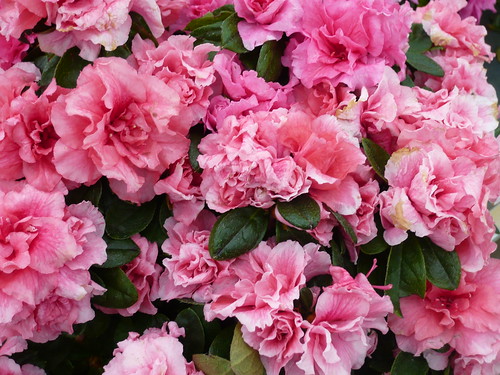
Azalea

Keeping Azaleas indoors can be simple and straight forward and the often large volume of blossom last longer than when struggling outside against the elements. Most indoor Azaleas are of the evergreen type so unlike some garden azaleas they do not loose there leaves.

Watering Tips

  • Azaleas do not like to dry out preferring a constantly moist soil and humid atmosphere.
  • Water daily if necessary, clay pots dry faster than plastic ones

Read More Read More

UK Deciduous Azaleas

UK Deciduous Azaleas

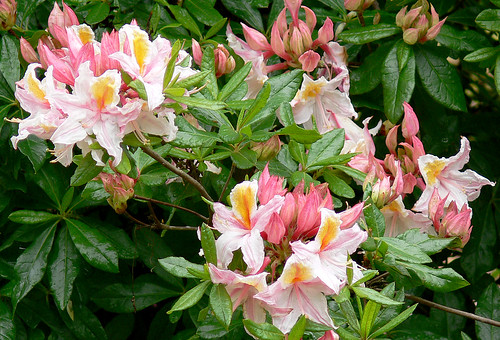
Deciduous azalea

Description & Growing Deciduous Azalea

  • All Azalea are Rhododendron but not all Rhododendron are Azaleas. Now we have that as clear as a muddy pond what is an Azalea?
  • An Azalea can be an evergreen or deciduous flowering shrub with pale or startling coloured blooms.
  • Some Azaleas are scented whilst others are without scent. Whatever you think about deciduous Azaleas, ‘muddy and boring’ they are not.
  • Azalea are some of the most gay and brilliant flowering shrubs yet grown.
  • For the technically minded Azaleas are in the genus Rhododendron, with evergreen azaleas in the subgenus Tsutsusi and deciduous azaleas in the subgenus Pentanthera.
  • Most deciduous azaleas are hardy but asiatic species need more protection when young


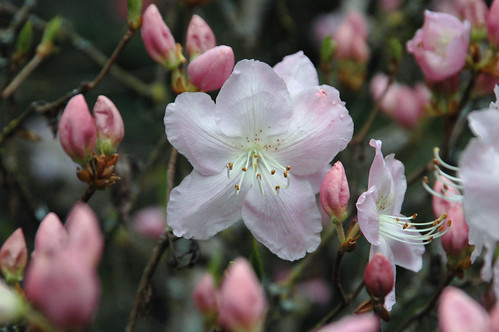
Rhododendron occidentale #4


Varieties & Hybrids of Deciduous Azalea for Growing

  • The species have been much crossed and bred but the scented Rhododendron luteum and Rhododendron japonica are available as species.
  • Knapp Hill hybrids are amongst the most colourful deciduous Azaleas.
  • The Ghent hybrids have sweetly scented, honeysuckle-shaped flowers with long stamen emarging from the tube.
  • The Rhododendron Mollis Azaleas are crossed between Rhododendron mollis and Rhododendron japonicum
  • Rustica hybrids have fragrant double flowers and Occidentale hybrids flower in late May
  • The Exbury range were bred by Lionel de Rothschild who loved deciduous azaleas and carried out much breeding work to enhance colours and scent. The Solent Range was started by George Hyde a private grower in Dorset but bought for Exbury (Images).
  • For specimen plants Azalea Coccinea Speciosa or R obtusum are recommended

Read More Read More