Browsed by
Category: Flowers and Plants

Annual, perennial and interesting flowers with advice on culture, information, tips and recommended varieties

Growing Courgettes

Growing Courgettes

Courgettes
Courgettes

Courgettes are an easy crop to grow and well cared for will produce an excellent crop of tasty veg. Global warming in the UK, has made this crop even more successful and can be grown out of the greenhouse, even in the north of England.

Tips for Growing Courgettes

  • Sow from late March to May in pots to make easy planting out later. Make sure soil is well manured and fertilised, the plant is a heavy feed.
  • Early courgette plants should be grown in a warm greenhouse to protect against any frost and cold temperatures. They do well in full sun.
  • Courgettes do better in warmer climates, heat will give a bigger and faster crop.
  • Protect from slugs in the early stages of growth. But, once established they are fairly pest resistant.
  • Crop regularly when courgettes are 4-6 inches. Cropping encourages more vegetables to be made and stops them turning in to marrows.
  • When growing in the greenhouse be ruthless in removing any fungal leaves or fungal vegetables. This fungal disease can easily spread if not kept in check.
  • If you grown courgettes in the greenhouse you may find the leaves can become too big. If this is the case, you can remove some of the bigger leaves without much loss. It is important to ensure good airflow.
  • When vegetables are forming it is important to keep well watered and well fed. A proprietary tomato feed is an excellent food for the cropping vegetable.
Read More Read More

Grow Early New Potatoes

Grow Early New Potatoes

potato

Quick Tips on Growing Early Potatoes

  • Aim for crops of new potatoes to lift  in May-July from ‘first early’ varieties Rocket, Arran Pilot, Duke of York, Pentland Javelin, Rocket, Winston and/or Lady Christl. they will be ready in 10-12 weeks.
  • Buy small tubers (size isn’t so important) of seed potato from your garden centre or mail order
  • Encourage sprouting,  ‘chitting’, by placing the potatoes in a cool light place with the bud eyes facing upwards. For a small number you can stand them in old egg boxes. You are aiming to get short, strong shoots at the rose end. If there are too many shoots I rub off some of the surplus to channel energy.
  • A bit of warmth or at least a sheltered spot will bring them on. Avoid frost and cold as they grow.

Read More Read More

Flowering Quince Japonica – Cydonia – Chaenomeles

Flowering Quince Japonica – Cydonia – Chaenomeles

quince flower

Compact, early flowering shrubs with jam making potential from fruit in autumn make these plants well worth cultivating.
As I think you can now imagine Chaenomeles make good and often under utilised shrubs and small trees in the garden  landscape. Varieties vary from 3 feet to 12 feet in height. I grew my plants from seed supplied by the Royal Horticultural Society in the annual seed distribution.

Growing Tips for Quince

Ornamental Quince also known as Cydonia are shade tolerant. For hedging the thorns make for a good security feature.
Shrubs may look a bit scruffy but are great when trained on a wall.
Against walls they should be spur-pruned like apple varieties to produce a heavier crop of flowers and fruit. In other formal situations, it should be treated as any other early-flowering shrub and pruned directly after flowering to encourage new growth on which to flower the following year. They only need light pruning.
The fruit of the common quince, Cydonia oblonga Vranja, has the best flavour for cooking.

Read More Read More

Yellow is a Garden Colour

Yellow is a Garden Colour

Yellow is a Yowser Colour

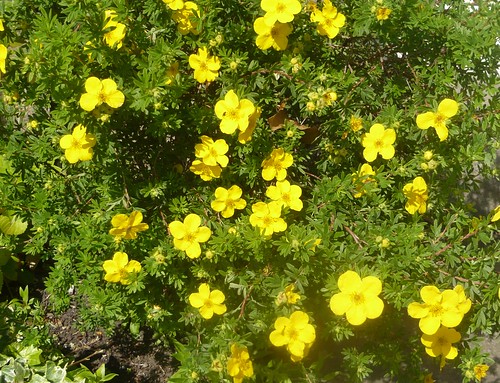
Yellow can be a difficult colour in the garden and I know of one keen gardener that tries to avoid all Yellow flowers. However this Potentilla or cinqufoil grabbed my attention hence the yowser headline. No wonder the Potentilla is also known as the Buttercup shrub as the strong yellow is reminiscent of the field buttercup.

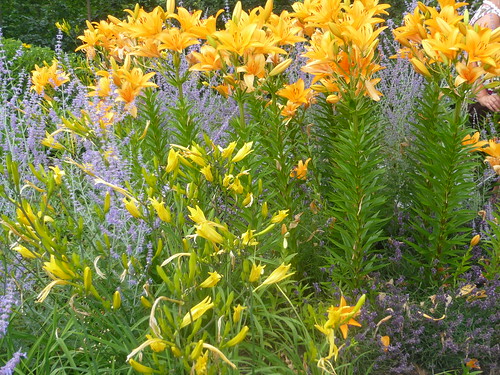
From a pale cream through to a vibrant sulphur yellow there are numerous plants and trees that offer yellow delights. That excludes all the leaves, pollen, pistil and stamen.

No wonder Yellow is the chosen colour for the The Yellow Book, NGS Gardens to Visit 2016 now surprisingly renamed ‘NGS Gardens to Visit 2016’  – Yellow book from Amazon

Read More Read More

Orchid Tips and Photos

Orchid Tips and Photos

Orchids

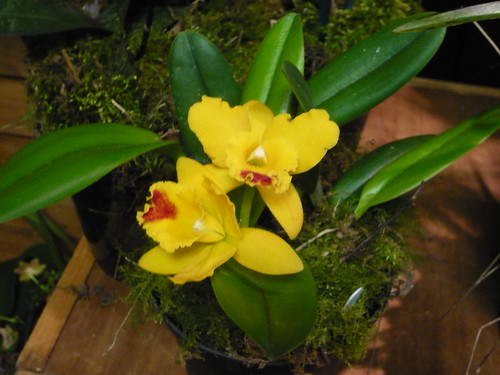
I am going to Madeira for a sunny break before the gardening gets tougher. I hope to sample the orchids that grow on the islands and even bring home the occasional example.

Orchids

February and March are traditional months for UK based Orchid shows.
Look out for an exhibition or show near you.

Read More Read More

Winter Flowering Plants

Winter Flowering Plants

Winter can start in December and continue through March (we even worry about snow in May up north) but do not let that put you off flowering plants.
iris unguicularis

Iris Unguicularis. Popular name Algerian or winter-flowering iris. This is an ideal plant for poor soil in hot and dry location, facing south. This is from Oxford Botanic Gardens and is flowering in the depth of November when the rest of the garden is frosted over. A lovely plant which isn’t fussy if you choose the right location.

Orchid Stenoglottis longifolia

Orchid Stenoglottis

This variety of Orchid can flower in the depth of winter, but needs a heated conservatory.

Crocus cambessedesii

Crocus cambessedesii.
A great November flowering Crocus. Delicate petals. Here grown in a heated greenhouse.

Read More Read More

Spring Flower Photos

Spring Flower Photos

Here in the UK it feels very much like the depth of a wet winter. It is gwetting a bit lighter in the morning and there is little colour in the garden. It’s hard to imagine in a few more weeks, the garden will spring to life. I hope the gardener springs into life too!

These are a few spring scenes to give us a taste of things to come.

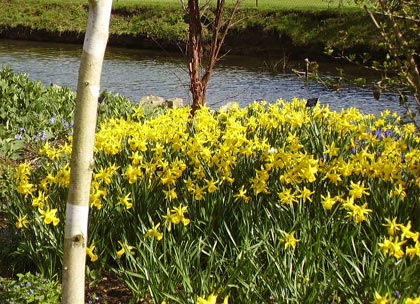
daffodils

Daffodils by River.

Read More Read More

White Garden Flowers

White Garden Flowers

Some of the best garden flowers are white! See our selection.
whiteflower

White Lily. A very delicate white with yellow stamen.

One of the favourite coloured flowers in the garden is white. The good news is that there is a huge variety of plants and flowers to choose from. White is admired for its simplicity and purity. White can go anywhere in the garden and will mix with any colour. Even on a dark day, white flowers can brighten up a darks spot of a garden. In addition to white flowers, also consider white / silver leaves and bark. For example, the lovely silver birch tree.

whiteflower

Small Chrysanthemum perennial

whiteflower

Snowdrops. Pure white in the depth of winter

whiteflower

Lupin.

Note this looks even better in early morning / late afternoon when the sun is less strong. Here the white stands out more. In the mid day sun, it can look a bit bleached by intensity of the sun.

Read More Read More

Snowdrop Tips and Locations

Snowdrop Tips and Locations

Snowdrops are officially called Galanthus. This snowdrop is Galanthus elwessii with larger than normal blooms and a honey scent the other main species are Nivalis and Plicatus. The snowdrop is very hardy, grows in most soils and prefers partial shade.

Gardeners Snowdrop Tips

  • Other AGM snowdrops include Galanthus nivalis and the double flowered version pleniflorus ‘Flora Pleno.’
  • For late flowering Galanthus there is a bell shaped flower Diggory or David Shakelton, Ikariae or Hill Poe
  • One of the earliest flowering is called Atkinsii.
  • For double varieties there is Lady Elphinstone, Nivalis  Flore Peno,  Hill Poe and Mrs Thompson.
  • Reginae-olgae can prove tricky to cultivate and seems to appreciate a drier and sunnier spot than but it is autumn flowering
  • There are some 75 species of snowdrop and many more cultivars and hybrids. Well worth making a collection of your favourites.

Cultivation

  • Snowdrop bulbs should not be allowed to dry out or they die.
  • Plant  with green leaves shortly after flowering no later than mid summer as they go dormant.
  • You can do worse that scrounge off neighbors when they split clumps as snowdrops spread quite effectively.
  • Snowdrops do not come true to seed except species but you can propagate by twin scaling.

The process was originally developed for narcissus, but works well with galanthus producing 10-30 new bulbs from one old one.

Read More Read More

Patterns from Alpine Plants

Patterns from Alpine Plants

Art can be found in many situations and you don’t need to look too far in the alpine house.

See my many magnified, magnificent and magical mushrooms and alpines for startling patterns.

 pattern

Getting up close and personal is one of the main ways to enjoy Alpine plants and succulent species.

Houseleeks seem to grow for the sake of making patterns from Hens and Chickens through to this rapidly reproduced colour scheme.  Other images on Google

Read More Read More