Sedum spathulifolium all year round
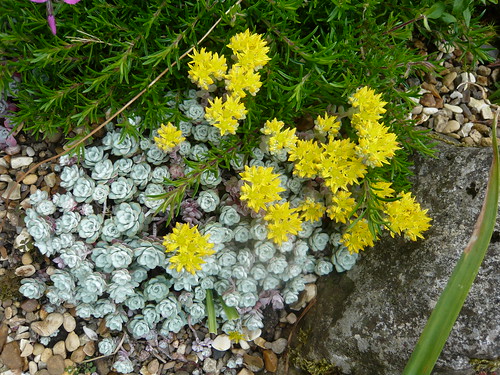
Sedum spathulifolium make dense mats of grey foliage. The cheerful yellow flowers can be up to 3″ across.
Originally from west and north America this hardy plant is now found in many rockery and alpine gardens. It can be grown successfully with Sempervivums or other Sedum.
Sedum spathulifolium varieties to Grow
- Sedum spathulifolium purpureum has wine coloured leaves when young.
- Sedum spathulifolium ‘Capablanca’ has virtually white leaves and is more delicate needing protection in an apline house.
- Cape Blanco has tiny, fleshy rosettes of whitish-gray leaves. It spreads slowly to form low dense mats. Good in containers.
- Although attractive in flower, Sedum spathulifolium are at their best in midwinter with their colourful evergreen foliage and attractive shapes.
- ‘Carnea’ has rounded, fleshy, silver-green leaves shaded with crimson and bright yellow summer flowers. see images.
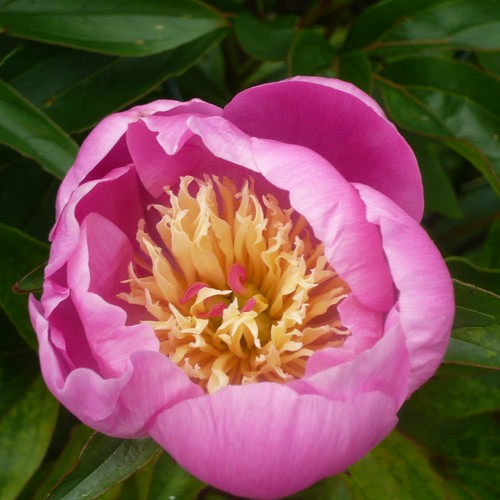
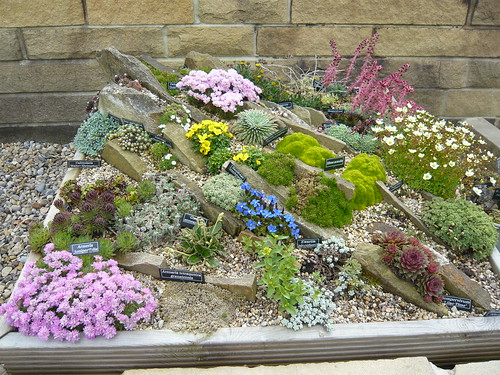
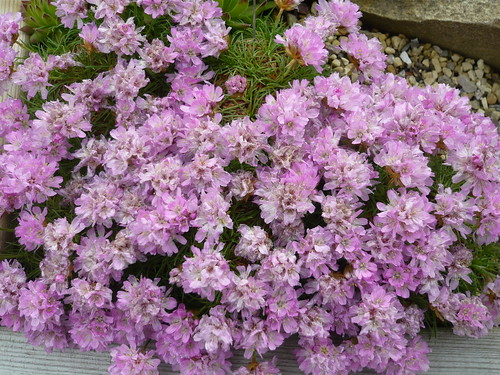
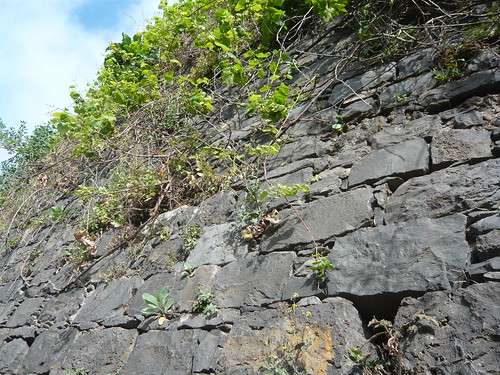
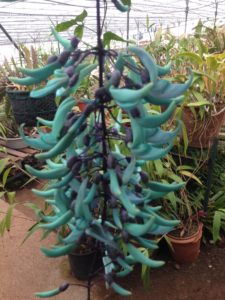
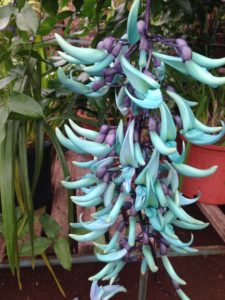
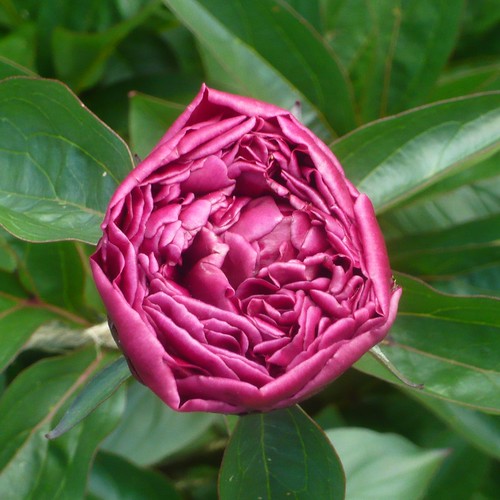
A call this a rock box as it is one way of displaying rockery plants above ground level. The size of these interesting rock plants allows you to get many species in one small container. This tannalized wooden frame was custom made about 4 feet square and is on display outside the new Alpine house at RHS gardens Harlow Carr. I counted over 30 different species planted in this one container. Below is a close-up of the Armeria junperfolia from the same display. See also Rock Gardens in Miniature The Pacific Bulb Society has a large report on numerous species. Read Growing Habranthus Crevice gardens are all the rage at the moment. The careful alignment of rocks can create some interesting locations for alpine and rockery plants. They are also very good for helping wild life to thrive. Other crevices can arise naturally or be created in the environment. These very high retaining walls are on a roadside but have been left like a dry stone wall. Rubble and soil are piled inside the stone which has been cut and faced. Between the stone a variety of plants are colonising the area. You can create your own dry stone wall or crevice garden from a stone and a bank of soil. Features of a Dry Stone Wall. Also known in its native Philippines as the jade vine. Shown here in an orchid house where it was 15 feet high and wider. Not one to try at home without the space and climate control. They appreciate a high humidity. This spectacular vine has these interesting 2 feet long flower displays in emerald, turquoise or jade colour. Pollination in the wild is by bats who hang to drink the nectar and distribute pollen. If fertile the plant produces fruit that grow to the size of melons. Strongylodon macrobotrys is a legume or pea family and is perennial liana/climber Nemesia are good flowers for rock gardens, containers or for use as a bedding and front of border plants. Surprisingly they also make a nice and useful cut flower. Nemesia Blue Button is one of the many series of low growing plants you can buy as plug plants right now. A delicately scented species of Nemesia caerulea with vivid bluey-mauve flowers standing out against its dark green foliage. A compact but spreading habit makes it ideal for bedding, rockeries and containers. Frothy coloured annual Nemesia is available as plug plants now or seeds for winter sowing. My Nemesia Tips Different Nemesia Nemesia strumosa ‘Carnival’ offers a wide range of colours whilst Mello is a red and white variety. If you don’t want to wait 2 years to decompose leaves, you can simply add them at the bottom of a trench and then add soil, they will naturally disintegrate over time. However you spell Peony you will still be captivated by this family of Northern Hemisphere perennials. Lush flowers and foliage are a major attraction but there is also the opportunity to study and become involved in more detail with a concise family of interesting and often endangered species. Peony Society is the place to start an academic study of the subject but getting your hands in the soil with a couple of good plants is even better. Aims of the Peony Society 1. To promote peonies as garden flowers. There is a german data base of Paeonia, the only genus in the flowering plant family Paeoniaceae with a vast number of hybrids and photographs. Peonies and special fertilizer from Thompson & Morgan Here is a list of some Tree Peony varieties they have available. Floral Rivalry’ (‘Hana Kisoi’) Gorgeous scented, deeply cupped flowers of light cherry pink. Each petal is darker at the base and curls around a centre of loose stamens. For centuries Peonies have been great favourites of the Chinese and are one of their national flowers. Peonies are easy to care for once established. Peonies are shrubby herbaceous plants that will come back perennially (year after year). They can live 75 years and still produce a brilliant profusion of flowers. Herbaceous means the leaves and stems die back at the end of the season and new growth will start again in Spring. Tree Peonies are harder to grow successfully and cost more to buy but can have show stopping displays of flowers once they mature. Peonies make a great herbaceous perennial which can be relatively low maintenance and provide great blousy blooms – excellent for cut flowers during the summer months. Purple Peony – one of the most common colours If peonies fall over they can always be cut for inside Caring for Peonies at BBC I must start using the current name for my Peonies. Whilst this and the next picture are correctly named I should record the variety names on all my photos. Peonies look good when photographed as square pictures.
Cushion Plant Growing Tips
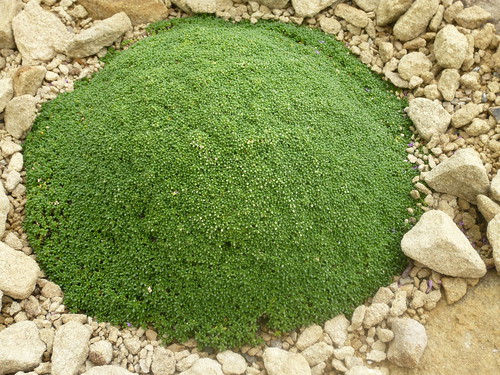
What are Cushion Plants
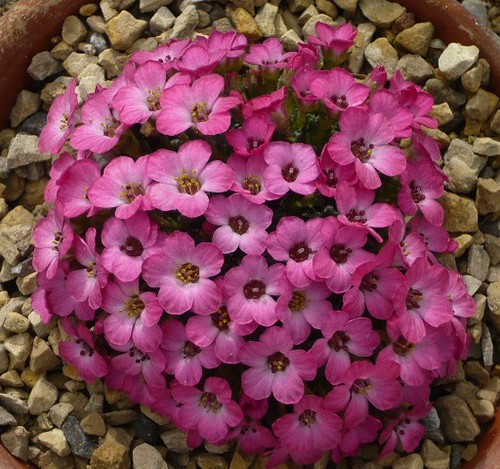
Where to Find Cushion Plants
Rockery Plants in a Rock Box
Growing Triteleia Bulbs
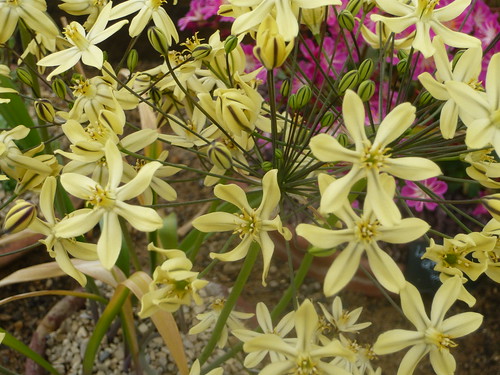
Tips for Growing Triteleia
Other Names and Species
Dry Stone Wall Planting
See pictures of the Alpine Garden society rock supplier.
Strongylodon macrobotrys.
Strongylodon macrobotrys in flower.
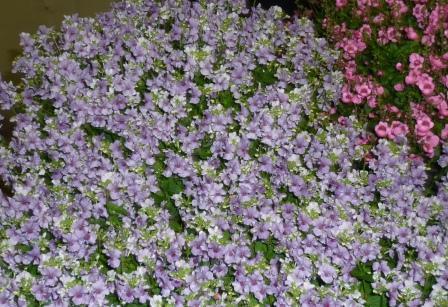
Help Growing Nemesia from Seeds or Plugs
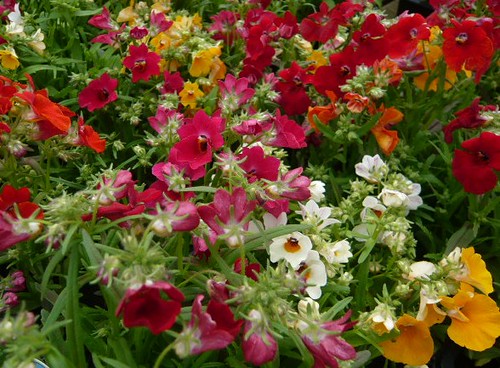
Nemesia Culture
Growing Nemesia from Seed
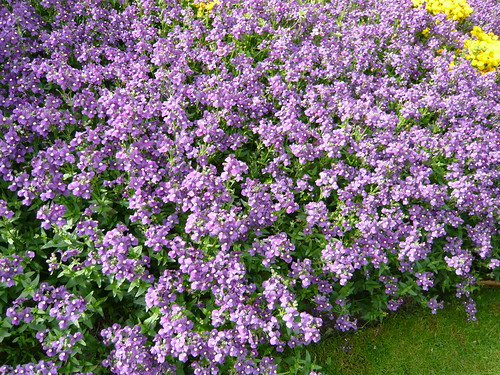
Nemesia Varieties.
The range of vibrant colours is increasing all the time as a result of selection and breeding.
Nemesia can be used in beds, borders or to brighten up the garden in tubs, planters, on the patio or even as a windowsill pot plant.
Nemesia strumosa KLM is a blue and white flower shown below.
Nemesia cheiranthus Shooting Stars has a bright yellow and white flower with a branching habit and coconut fragrance.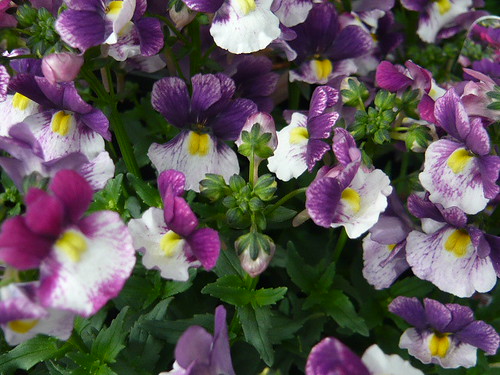
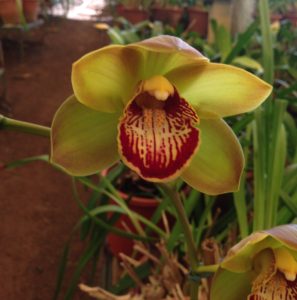
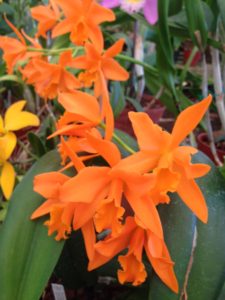
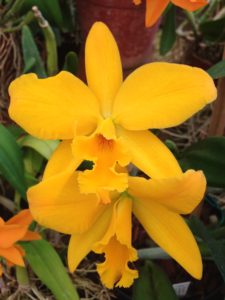
Orchid House Boa Vista

Tips for Composting Leaves
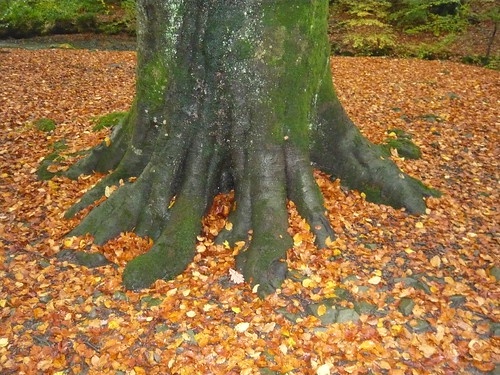
Composting Broad-leaves
Accelerators for Composting Leaves.
Digging in Half-composted Leaves.
Worms are crucial to the decomposition and are also good for your soil conditioning.
It is far better to collect the leaves than leave them on your lawn.Tips on Making Leaf Mold Easily
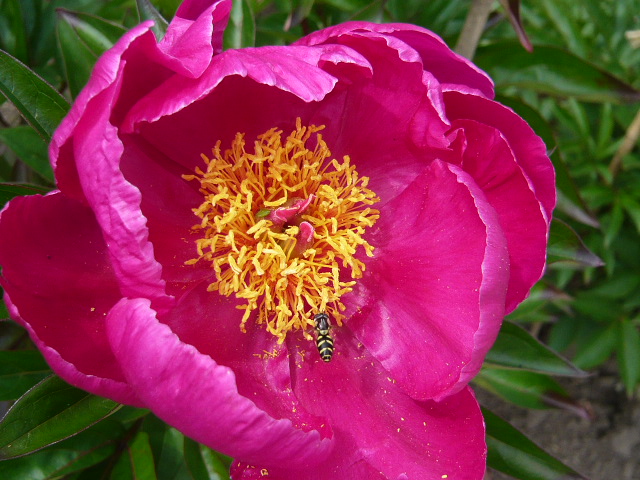
Peonies, Peony, Paeonia, Paeoniaceae In Profusion
2. To publish a quarterly newsletter and annual journal.
3. To stimulate scientific research on peonies.
4. To encourage the conservation of wild peonies and old cultivars.
5. To organise visits to gardens and to see wild peonies in their natural habitat.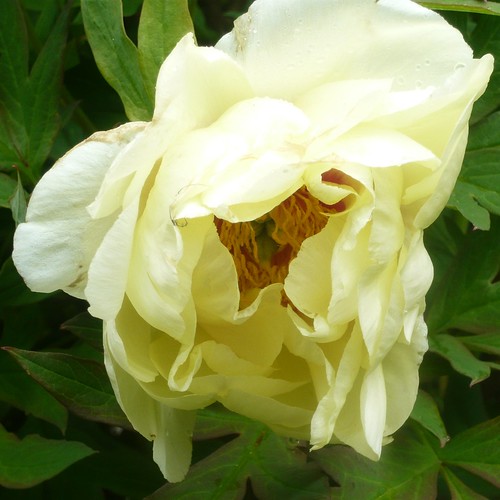
Clair Austin supplies Peonies and has some good tips on Tree Peonies which are my current favourite plant.
‘Host of the Cherry Blossom’ (Yae zakura) Attractive double to semi-double soft pink flowers. The petal edges pale with time.
‘King of White Lion’ (‘Hakuojisi’) Magnificent semi-double pure white flowers of great size that are produced with great freedom. The base of each petal is smeared with purple. An easy variety to grow.
‘Shimi cho jamata’ (Long Life) A very beautiful variety with satiny lavender semi-double flowers. Almost black flares at the base. The flower forms an elegant cup and are are borne upright on the shrub.
‘Alice Harding’ (‘Kinko) A short variety with very large, lemon yellow flowers that hang downwards. These are heavily scented and the bush spreads outwards. Good for the front of a border. 60cm (2ft
‘Age of Gold’ A vigorous semi-double creamy yellow variety with red flares at the base of each petal. 90cm (3ft
‘Anglet’ Single yellow flowers, tinged around the edges with red, and around the stamens. Lots of flowers carried on a broad shrub. 90cm (3ft
‘Arcadia’ Single, clear yellow with small, almost ‘not there’ flares and deeply divided, ferny foliage. 90cm (3ft
‘Argosy’ The first lutea hybrid to be introduced. The single flowers are soft yellow , cupped and flushed with crimson at the base. 90cm (3ft).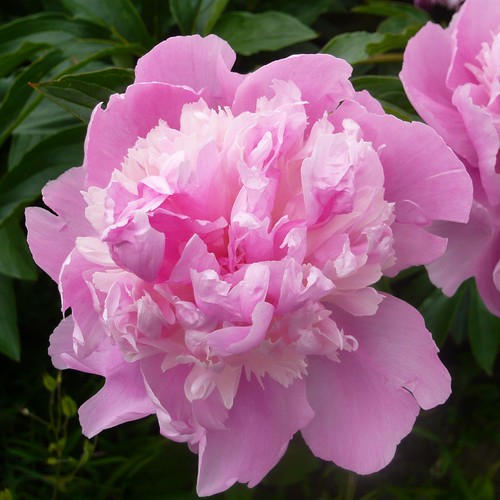
Growing Peonies
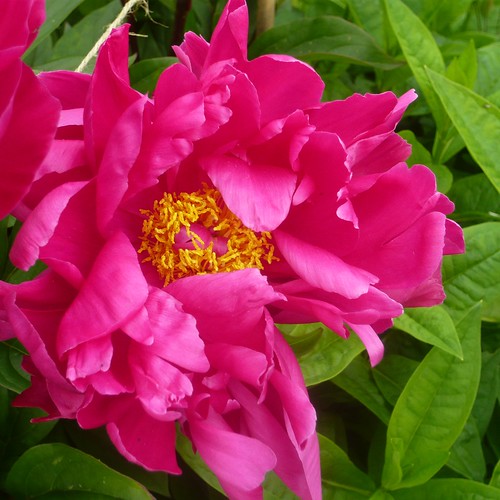

Tips for Growing Peonies

Pink Peony