Browsed by
Category: Articles

Gardening articles that may not include tips

Old Venerables and Trees That Disappear
Old Venerables and Trees That Disappear


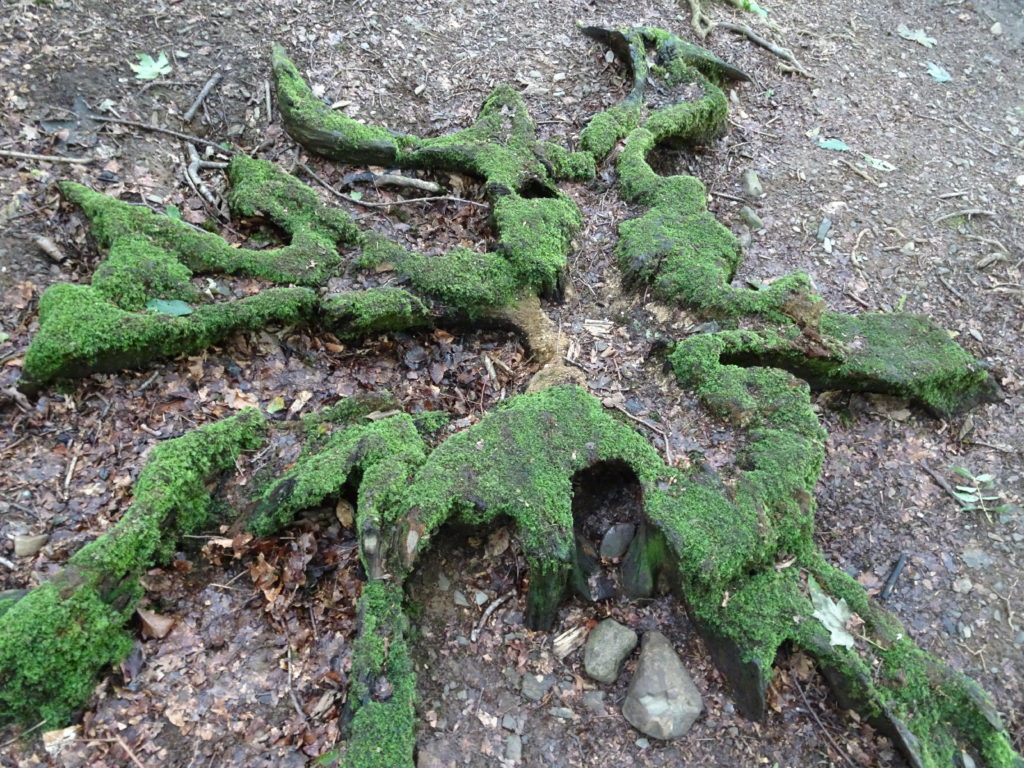
It is hard to picture how old this tree would be had it lived. Judging by the spread of it’s roots, which were over 12 feet in diameter, it would have been some sized tree.

Up on Friars Crag near Derwentwater the remnants of this trunk are now gone. It is interesting to note that the roots are the only parts that are still rotting. Was it the moss that protected the roots?

Nearby is a monument in recognition of the writer, social reformer and artist John Ruskin’s  visit to Keswick in 1824. I would guess that was around the time the tree died to start the rotting process but that is only a guess. Ruskin was fascinated by nature and would have a better idea about this tree remnant. He build his own garden at Brantwood near Conniston Lake ‘A paradise of art and nature’
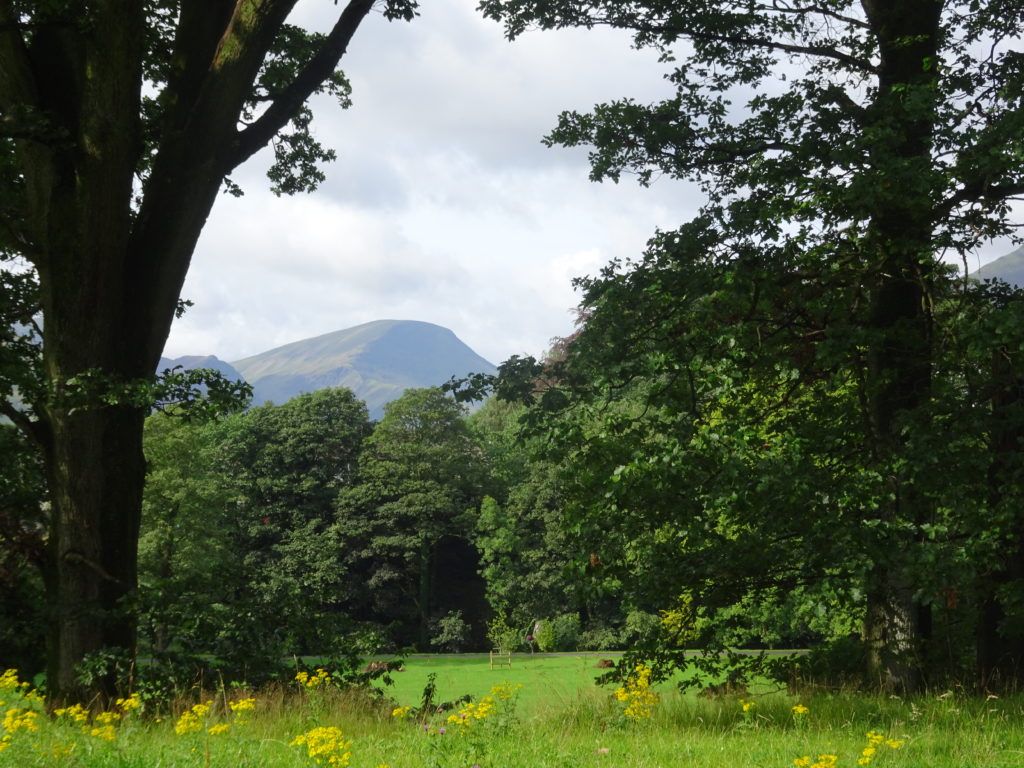
Keswick has some grand trees in a distributed arboretum in the parks and near the river Greta. Try the tree trail in Upper Fitz Park.

Read More Read More

Thank the Romans for Latin Names not Linnaeus

Thank the Romans for Latin Names not Linnaeus

Book Cover

‘What else did the Romans do for us’ asks Monty Python. ‘All right, but apart from the sanitation, the medicine, education, wine, public order, irrigation, roads, a fresh water system, and public health, what have the Romans ever done for us? ‘ Well if you include Latin as a language they gave us modern gardening nomenclature.

What can Latin Names Tell Gardeners

  • Latin names are full of information and can hide the secrets of where the plant is found or to which areas it is endemic. eg Cyclamen persicum, the Persian cyclamen.
  • The name can show the  colour,  albicans or albus flowers will be whitish, virdis or virens will be green.
  • A name prefixed with melano… caulon,  melano… cococus,  will be black, stemmed or berried respectively. Other plants with black features will follow this pattern.
  • Fragrans means propensity for scent often sweet-scented and the best fragrantisimus is likely to be very fragrant
  • Other horticultural information may include; flowering times,natural habitat or fruitfulness- fructifera.
  • Latin for a shady place sylvestris or woodland in the name ending will show where a plant will be happiest.
  • Plants that are named after the shape of their leaves like palmate.
  • The time of year that they flower as in vernalis of spring.
  • Melleus in the name pertains to honey and will likely attract bees and other insects.
  • There are numerous other identifiers and features in Latin based plant names but you just need a learn a few (and a book or PC) to enjoy the skills  of plant selection.

So Monty Python was on the right lines but ‘he is a very naughty boy’ of he doesn’t learn some gardeners Latin.

Public Green Spaces in Britain’s Floral Resort

Public Green Spaces in Britain’s Floral Resort

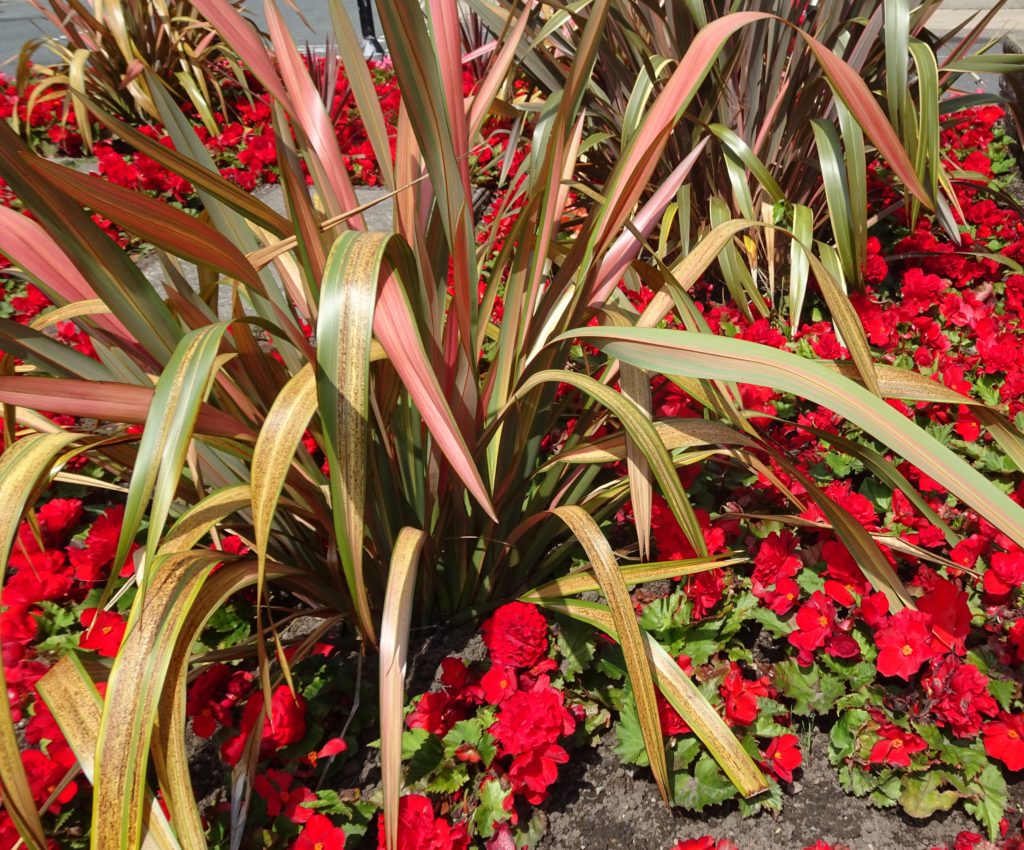
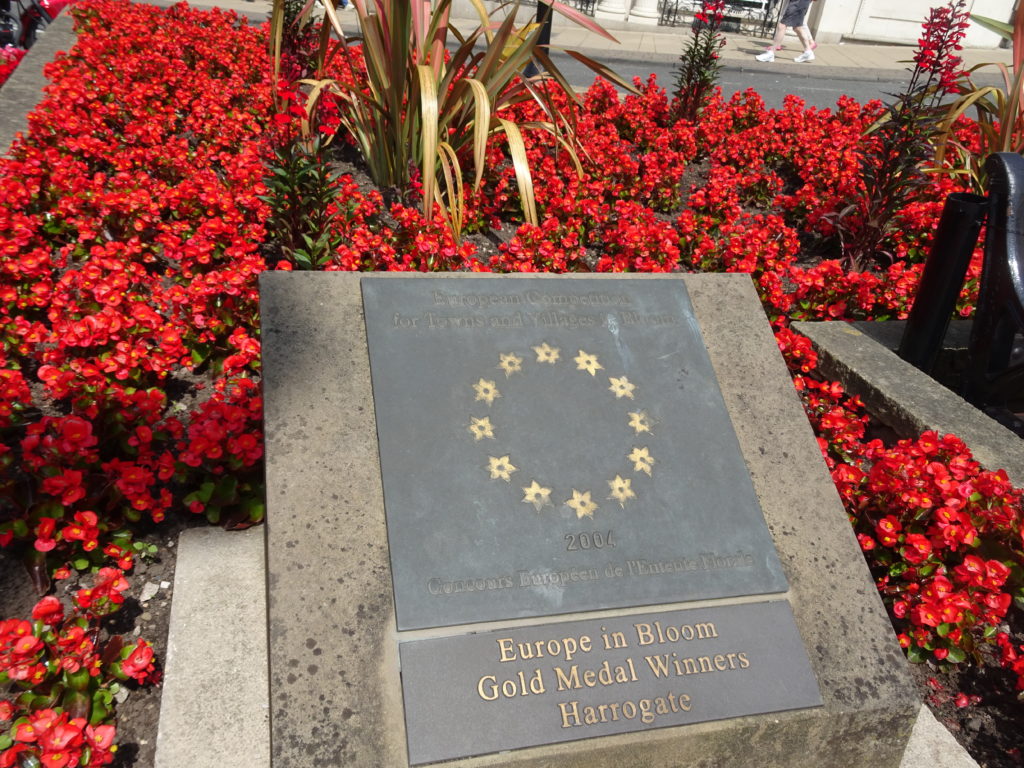
As befits a town with the sobriquet ‘Britain’s Floral Resort’ Harrogate is again a picture of vibrant colour in most of its green public spaces. Despite the crown (hotel and garden bed above ) it can not be called Royal Harrogate nor can it usurp Britain’s Floral Resort for it’s exclusive use.

Blood red features strongly at the beginning of August in the Brexit era of 2019. Back in the day 2003/4 Harrogate won a gold medal in the Flowery Alliance of Europe horticultural competition  for excellence in horticultural display. I wonder if that was a bloodless coup?

Read More Read More

Gardeners Against Deforestation

Gardeners Against Deforestation

It is not only in the Amazon rainforest that excessive deforestation is taking place. Africa is suffering as well! According to an educational charity the ‘deforestation in the Gambia is dreadful, many of the largest trees have been sold to China! Lots of protests but nothing seems to be done about it.’
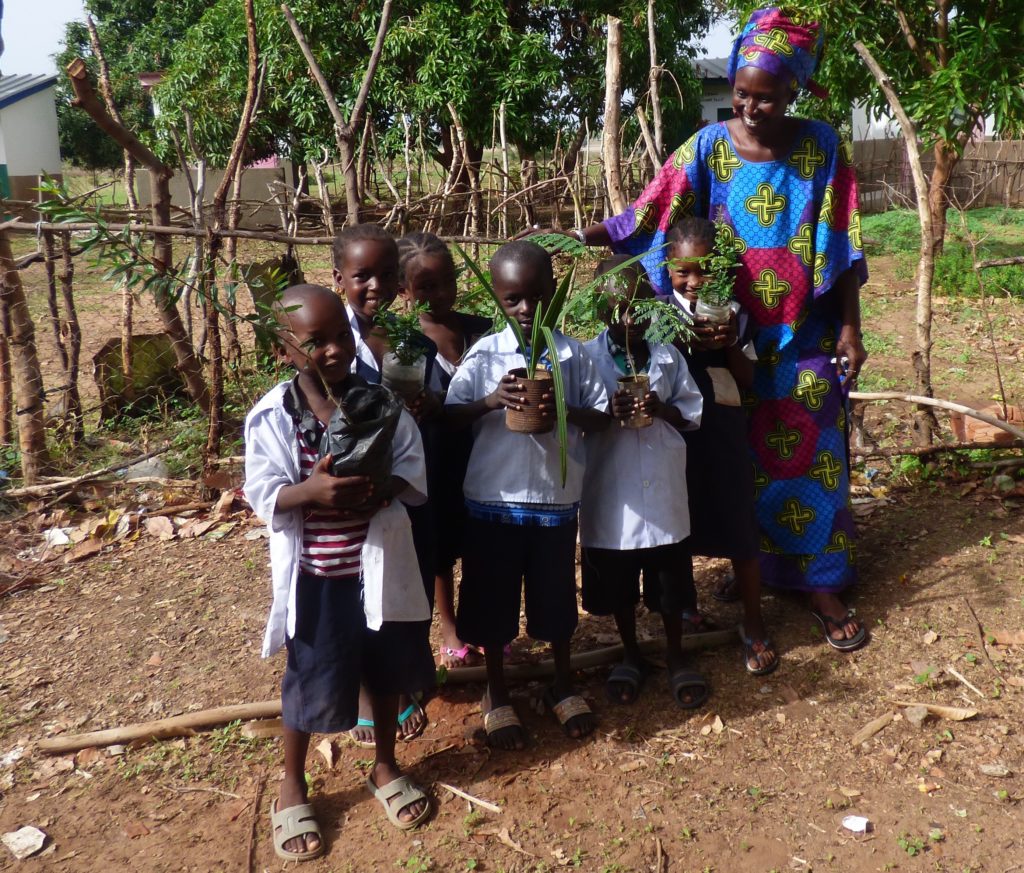
‘A British charity the Gambian Schools trust is helping schools in the Gambia to counter this deforestation and teaching an awareness of beneficial fruit trees. They have encouraged school children who have planted about 200 mango, mandarin orange, avocado, flame trees, tamarind, banana, palm,  and pomegranate. The largest number were Pomegranate which do not grow in the rural east of the country, they introduced them to our schools and together they have propagated about 120 from seeds. Hopefully they will fruit next year and any excess fruit can be sold at market to supplement school funds.’
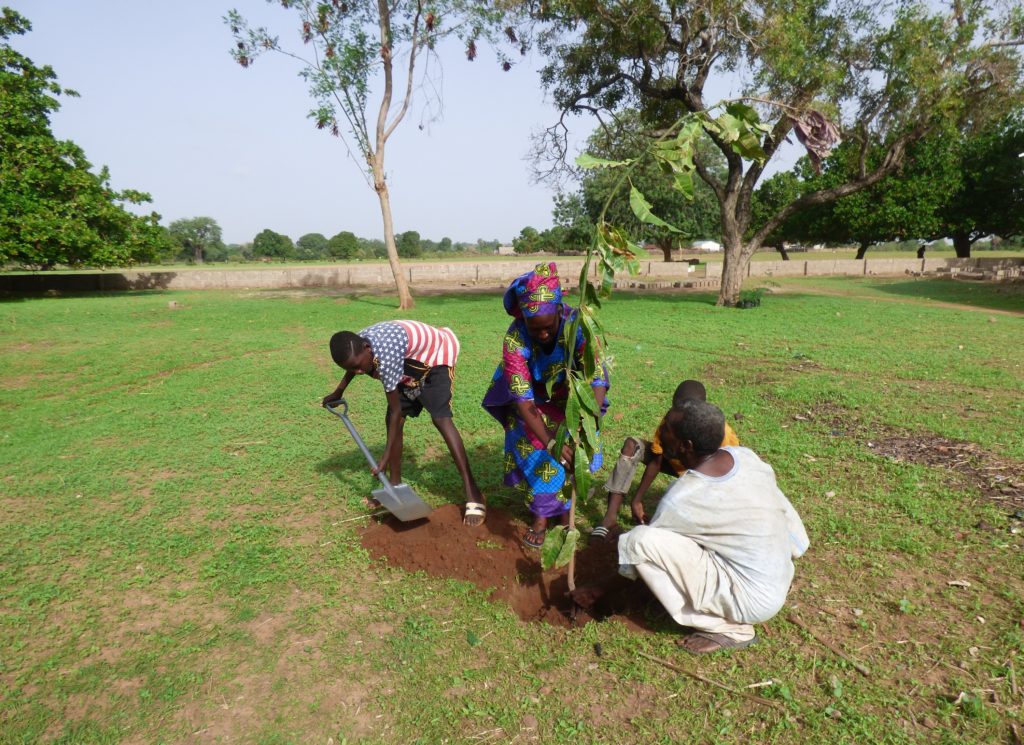
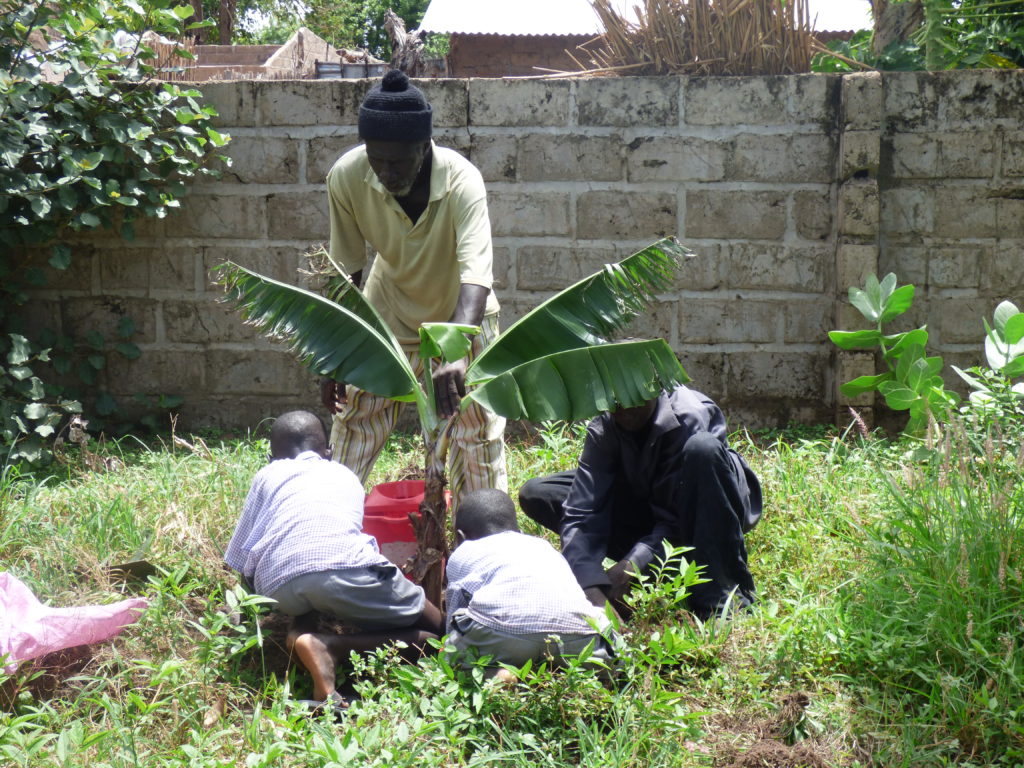
The photographs are from the summer 2019 activities at the Gambian Schools trust locations.
Mango planting
A government minister  has said ‘the Gambia is endowed with a wide range of forest and woodland ecosystems which include gallery forest, closed and open woodlands, trees and shrub savanna, mangrove, riparian and fringing savanna ecosystems…… constituting 43% of her land area and that the country’s resources provide an important basis for economic and social development, directly affecting the livelihood of the majority of the populations.’
Banana planting
Back at home we gardeners should bear in mind the areas in the world where horticulture and related activities are crucial to survival. We can help via education and practical support.
Hybrid Tea and the Family Tree

Hybrid Tea and the Family Tree

First introduced in the 19th century the lineage of Hybrid Tea roses goes back to crossing or hybridising a tea rose with a hybrid perpetual rose. The first example was supposedly ‘Madame Bravy’ x ‘Madame Victor Verdier’ but many more have followed to great acclaim. One such was a rose called ‘Peace’ which has sold, under several marketing names, over 100 million plants world wide.

Hybrid Tea roses like this example of Brasilia are a group of roses that are crosses between one rose and another. In this case Piccadilly x Perfecta produced this Brasilia flower with scarlet petals reversed in pale gold.  The grandparents were  McGredy’s Yellow × Karl Herbst and Golden Scepter x Karl Herbst respectively. With 2 grandparents the same it shows how complex cross breeding became during the heyday of new rose introductions.

Another flower with reverse colour on the petals was Caramba with cherry red petals reversed with silver. It also has very dark glossy leaves. The parentage of this specimen is unknown! The name has also been sub-sumed by a ground cover rose with far less appeal.

Conifer Corner in Poor Shallow Soil

Conifer Corner in Poor Shallow Soil

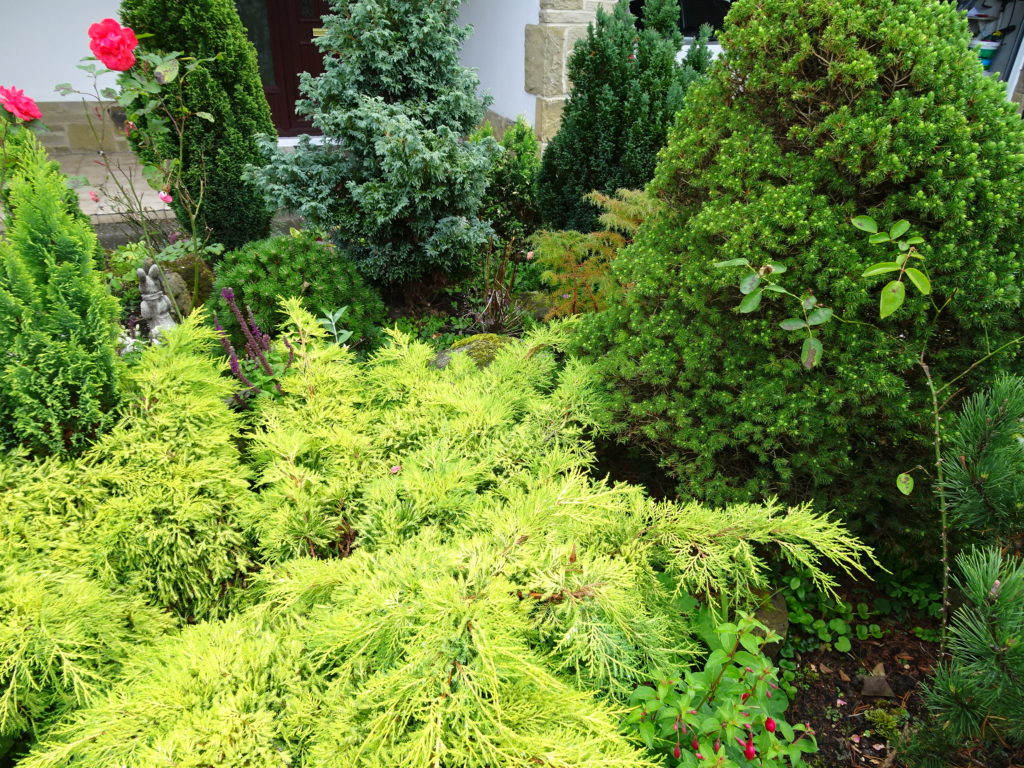
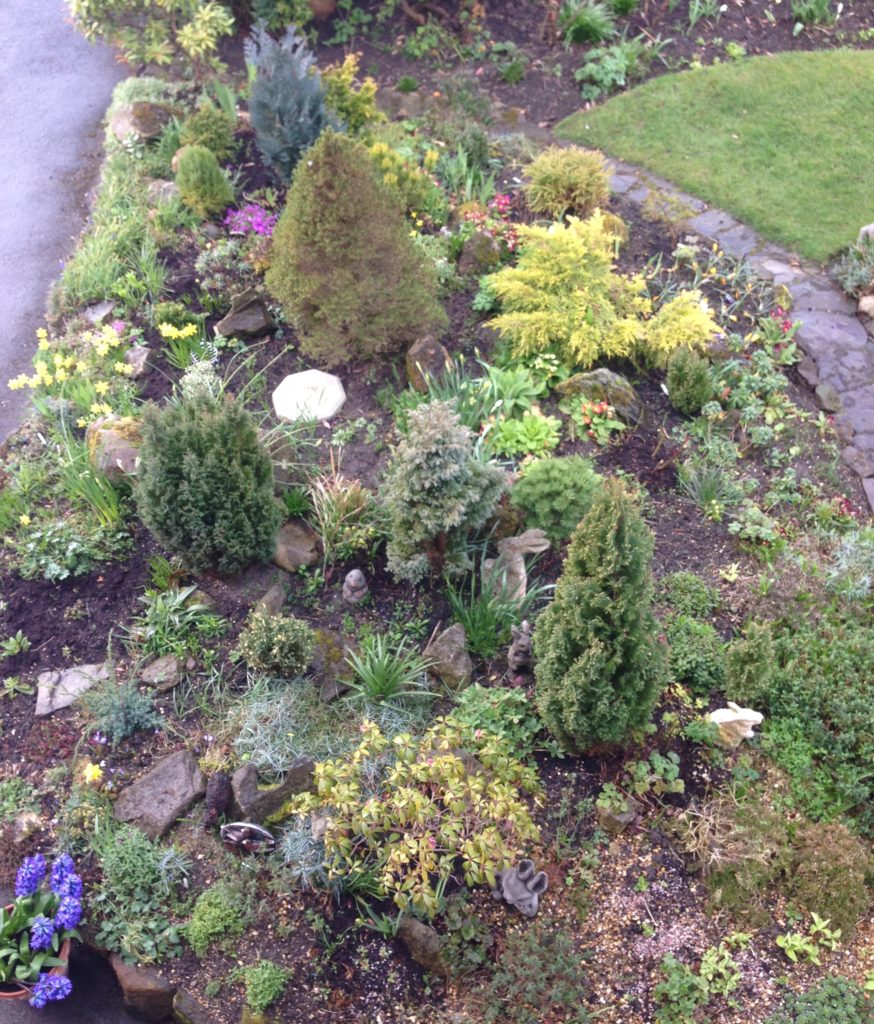
There are 7 or 8 different conifers in this photo from a total of 16. The whole bed is roughly rectangular 6 yards by 5 yards. It has one unusual feature in that the soil is very shallow and poor.

The Beds Origin

  • Originally the area was a tarmacked drive that was not used or needed. The answer should have been to dig it up, and almost one third of it was, but my tactical bad back intervened.
  • The solution was to buy a large lorry load of top soil and make a hump of soil that we called our rockery. The drainage from the start was excellent.
  • The depth was 1′ at the edges and may be 2′ in the middle. With a few rocks it looked like an alpine garden without the real height.
  • Alpine enthusiasm waned after several years and some dwarf conifers were planted for coverage in the now compacted and impoverished soil.
  • Little or no fertiliser has been used in 20 years but in dry summers there has been some occasional watering.
  • Despite all this the conifers survive and the prostrate spreading junipers grow year on year.
  • The rockery stones provide stepping off points.
  • Some bulbs were planted but only grape hyacinths seem to have thrived. Patio roses succumb to black spot.

As was 10 years ago at the start of the conifer plantation era.

Comment

  • Plants want to grow and will adapt to many conditions as this bed demonstrates
  • Losses have been minimal and most conifers still seem happy.
  • It remains to be seen how the roots of any shrub to be replaced will have grown through the tarmac and substrate. It may be hard to dig out but not as hard as clearing all the original tarmac in one go. The disposal of just a part was a job in it’s self.
  • The lack of soil depth has turned the taller growing conifers into partial bonsai and all the better for that.

Overhead view of the same garden bed five years earlier.

Lily Ponds Starting to Look Good

Lily Ponds Starting to Look Good

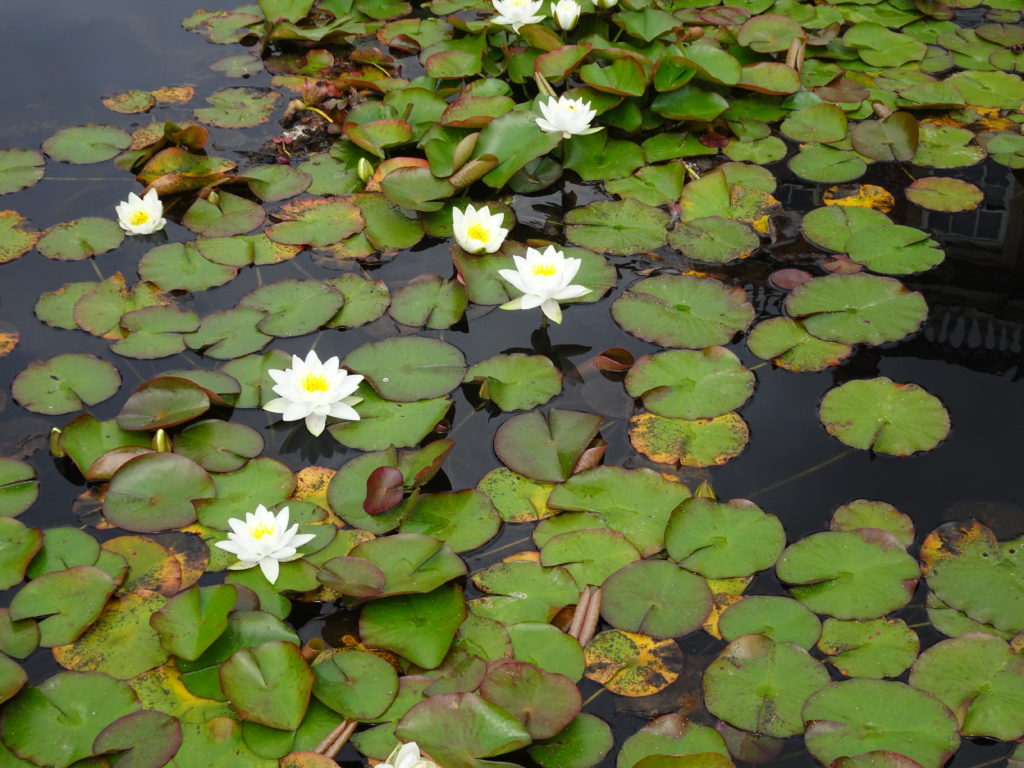
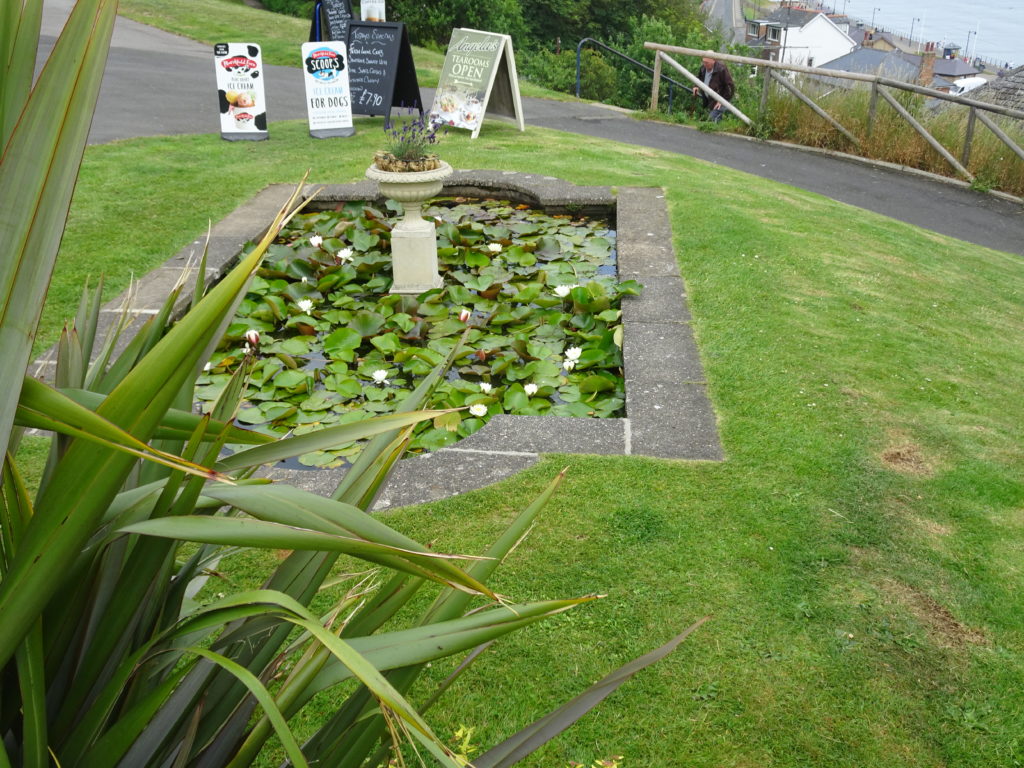
July is the season to look out for mature lilies in older ponds. There is nothing to beat the calming influence of a white lily on a pond of still water. Of course not all ponds are and remain tranquil. This smaller pond on Filey cliff tops acts as an advertising hoarding for ice cream. Who invented ice cream for dogs? It is already enough to encourage kids to splash in the pond never mind dogs.

 Waterlily Tips

  • Waterlilies need a position in full sun to flower at  their best.
  • Waterlilies need calm, still water. Warm water and light provide the best conditions.
  • Even deep varieties can’t grow when the water is more than 5 feet deep. Most varieties grow happily in 3 to 4 ft of water if allowed time to establish.
  • Waterlilies are best planted from late spring to mid-summer.

Lily Pond Tips

  • Do not allow trees to over hang a pond
  • Keep fountains and running water away from lilies as they do not like disturbance or flowing water
  • A base of natural clay and silt are the best medium into which you plant lilies
  • Read Gardeners Tips
  • Aim for a minimum two thirds water to one third water lily and you will get the best reflections.

Burnby Hall Pocklington

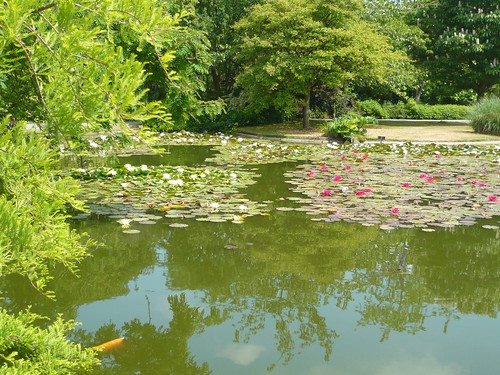
Burnby Hall Yorkshire (above) has two magnificent lakes holding a national collection of Water Lilies.

Looking for the Unusual

Looking for the Unusual

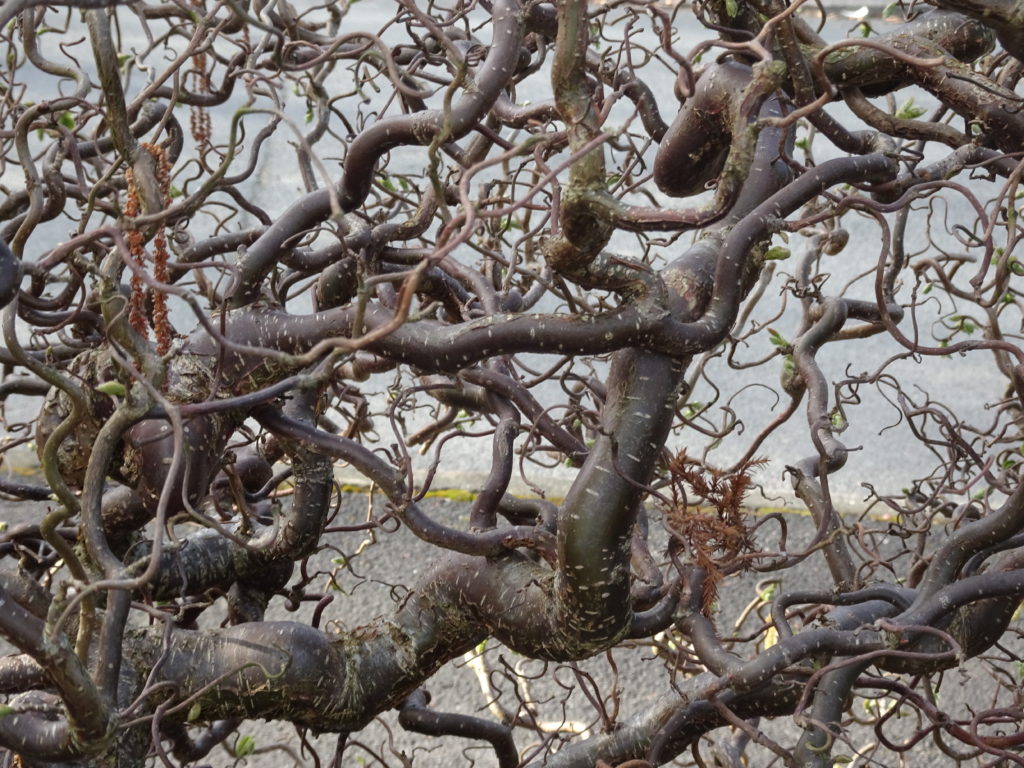
Visual nature can be found all around in your garden, local park or field. Keep a look out for interesting or unusual shapes, patterns and textures and take a camera around with you. I like the contorted Hazel branches that weave their own pattern.

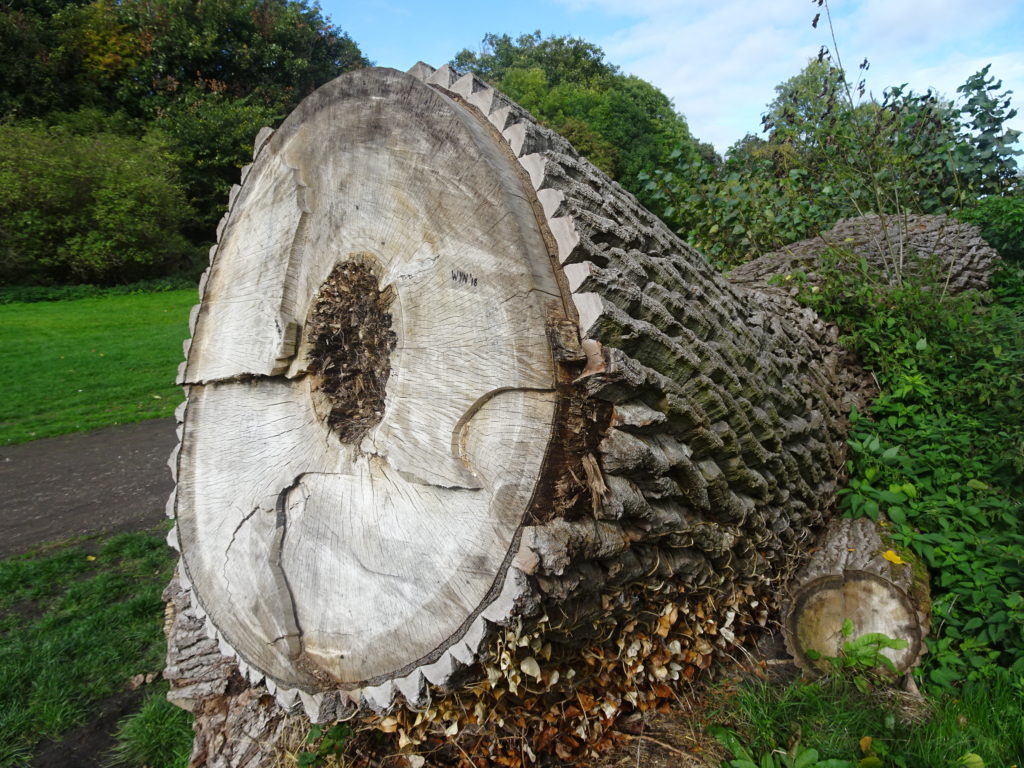
This log in parkland had an amazing pattern created by the symmetry of the old bark. The teeth shapes remind me of cogs on a rustic wheel.

Read More Read More