Browsed by
Category: Articles

Gardening articles that may not include tips

The Iceman Cometh

The Iceman Cometh

Norwegian Iceman Sculpture Cardiff

As if all the heavy rain has not been bad enough the icy weather is just around the corner. Jack frost will be nipping into your garden this month and may stick around for 5/6 months or so. It is worth revisiting some of the issues and options gardeners face.

Early Preparations

  • Consider your water features including both still and moving. I start by lagging my outside taps and draining hosepipes.
  • Be prepared for frozen bird baths and ponds with means of breaking the ice.
  • I have cleared moss of the paths and hope to reduce icy slips.
  • Check out hessian wrapping and/or horticultural fleece stock. I always remember to buy it when the frost has bitten.
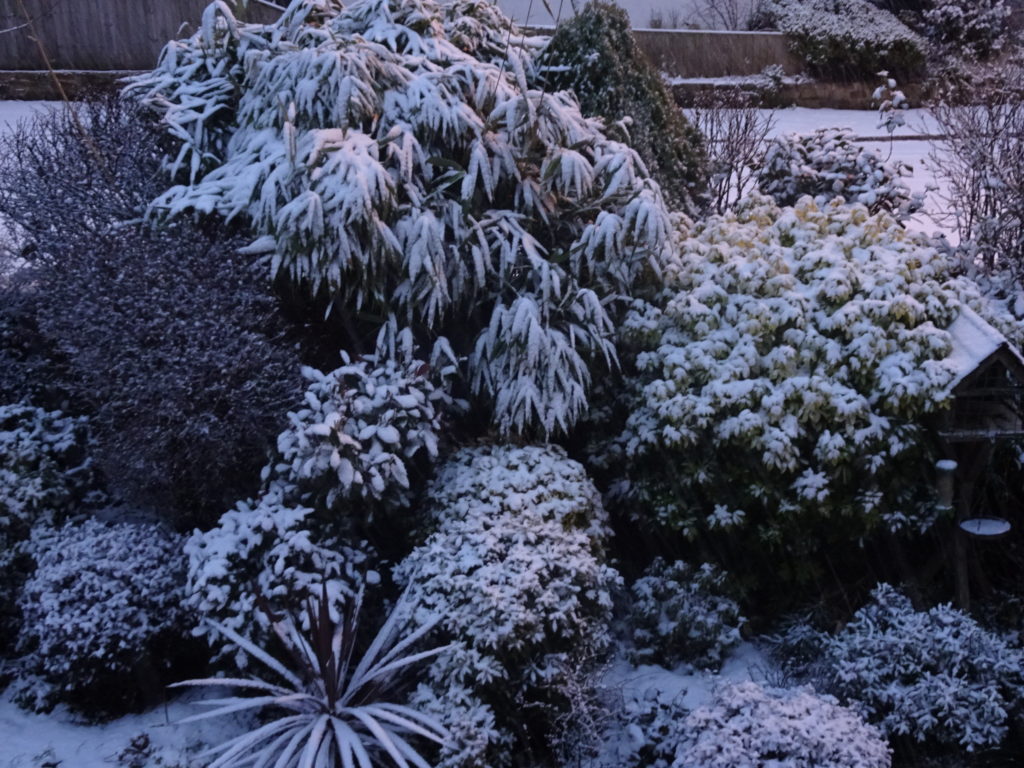
Plant Protection

  • Every gardeners tip says do not walk on frozen grass the stems become brittle and snap.
  • Give tender plants shelter in a greenhouse, cold frame, window ledge or under some cover.
  • Mulch well to protect roots.
  • Sweep snow falls off the leaves and branches to stop them being permanently damaged.
  • Wrap banana plants, tree ferns and exotics in sacking or other frost prevention measures.
  • Some plants, particularly alpines, suffer more damaged from water than frost . So maintain drainage and don’t panic in the frost
My Tips for Planting Bare Root Trees

My Tips for Planting Bare Root Trees

Capture more carbon with some trees as a contribution to a better environment. Whips, trees, hedging and field grown saplings are available without the excess packaging of plastic pots and gaudy plastic labels. They are also great value.

Quick Tips

  • Bare root trees, as they ‘say on the tin’ (or not the plant pot) are loose and free of a soil ball.
  • Late autumn to early spring are the best time for planting trees that are supplied from free grown ground.
  • Select a suitable site bearing in mind sun/shade wind direction and visual expectations.
  • Prepare a hole larger than the full extent of the roots so they can be spread out.
  • Break up the soil at the bottom so no hard pan can form a sump for excess water.

More Tips

  • Soak the roots in a bucket of water for an hour then water well after planting.
  • Trim off any broken or damaged roots with a sharp knife
  • Prior to planting place a support stake in the hole and firm the soil around the tree progressively to avoid large pockets of air.
  • Mulch with organic matter and water regularly as the tree is established.
  • Try planting some fruit trees, ornamentals or extensive hedges using bare root stock.

Learn more by watching You Tube videos


Growing Curmudgeons

Growing Curmudgeons

To me a curmudgeon is not something to plant or see growing in your garden. That is because a curmudgeon is great, galumphing, gormless gardener a bit like me.

Other Definitions of Curmudgeon

  • Curmudgeons who garden with bitterness are a symptom rather than a disease and should be treated like weeds.
  • A cantankerous naysayers acting as self appointed gadflies to be insecticided.
  • A crusty, ill-tempered or difficult and often elderly gardener potentially from Yorkshire.
  • Lest we forget the many female versions of curmudgeonliness  would be battle axes with a few choice synonyms added.
  • ‘National Curmudgeons Day, celebrated on January 29, is growing in popularity. That particular date was selected to honor the ornery among us because it is the birthday of comedian, writer, and self-professed curmudgeon W.C. Fields’.


Mast Year 2019

Mast Year 2019

As I walked past a line of trees the beech nut husks crunched under foot. The pavement was strewn with copious quantities of this crunchy produce from the venerable trees. I was moved to include a few notes on nature’s masting process.

Mast Production

  • A mast year occurs when a bumper crop is produced. It has the effect of increasing the potential for reproduction but also feeds-up creatures in anticipation of a hard winter.
  • Mast seeding is also called masting and the produce is a mast
  • Mast years are so called due to the  production of many seeds by a plant every two years or so
  • Masts are often produced in in regional synchrony with other plants of the same species.
  • It is thought a mast year may be designed as a defense to assist reproduction of a species because seed predators become satiated before all the seeds have been consumed.
  • Many species ‘mast’ including oak, hickory, and beech with their acorns, hickory nuts, and as with beechnuts they produce a ‘hard mast’.
  • Fruit trees and other species may produce a soft mast but the volume of produce will still be much more fruit than normal


Picia Perhaps? – I need to Spruce up Identification

Picia Perhaps? – I need to Spruce up Identification

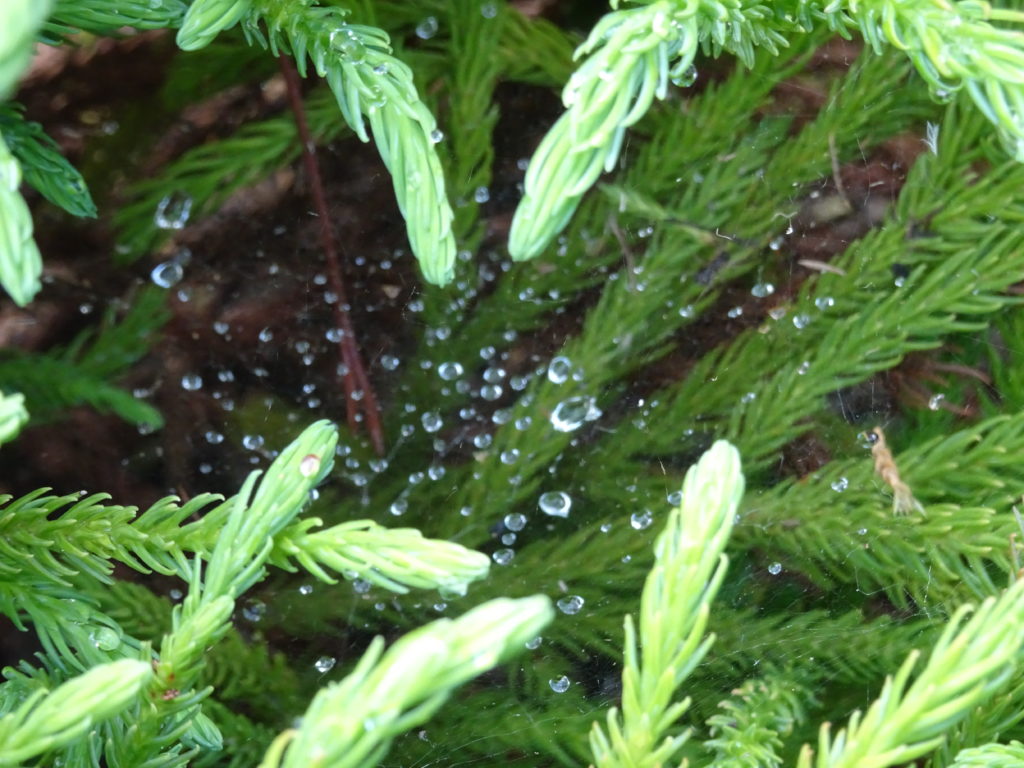
The dew on the spiders web doesn’t worry what the plant is called conifer, Picia or a more exotic variety (I have lost the label and there are many Picias to pick from). What the spider will be interested in is the type of insect attracted to the plant and thereby the web. Below is a picture of the 5 year old plant about 2′ high and a bit more in circumference. It is a well behaved plant and worth its place in the miniature conifery I am developing.
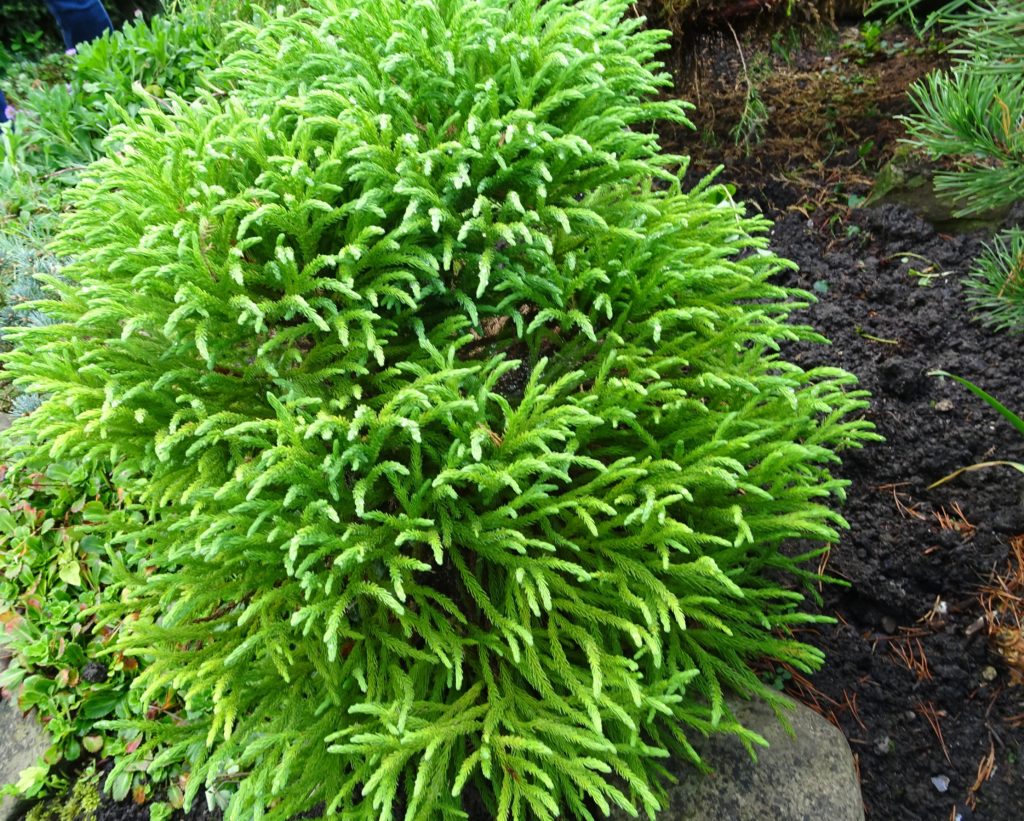
Key Features of Picea

  • Latin name – Spruce and various forms of Picia
  • Type of tree – Evergreen, Conifer
  • Leaves – grow in a series of spirals
  • Features New growth emerges as soft tassels of delicate light green
  • Family – Picea is a genus of about 35 species in the pine family
Hawaii Gardeners Delight

Hawaii Gardeners Delight

You are unlikely to be able to recreate the conditions and zones of Hawaii in your garden but you can still gaze at some of the exceptional plants and study their habitats. Isolated by thousands of miles of ocean for millions of years, the Hawaiian islands are home to many unique plants and flowers described with great photographs in this book

Book Cover

This book describes more than 130 indigenous (originating or occurring naturally) and endemic (native and restricted) species of many unique plants and flowers.

Interesting Facts to Delight Gardeners

  • The Hawaiian islands, isolated by thousands of miles of ocean. Prehistoric evolution may have resulted from seeds that have been dispersed by oceanic drift, air flotation but most probably by birds droppings and attachment.
  • There were an acknowledged prehistoric 26 plant species before Polynesian immigrants arrived and developed knowledge of medicinal and other uses of plants. They introduced breadfruit, mulberry, coconut, yam, sweet potato, banana, sugar cane and ginger among other useful species.
  • Species have adapted to colonise lava flows in vegetation called ‘kipuka’.
  • The diverse ecosystems found throughout Hawaii include coastal areas, rain forest, bogs, sub-alpine , mesic forest and dry shrub land.
  • Hawaiian islands’ native flora are fast-disappearing nature conservation
  • The state flower of the Aloha State  is the Yellow Hibiscus.


Book Cover

If you are lucky enought o visit one of the many volcanic islands of Hawaii get out and about to visit different ecoregions and botanical sanctuaries. If you stick to coastal and tourist areas you will miss a brilliant and unique horticultural journey. If you can’t visit you can still wonder at the photographs and reports of others that I have hinted at.

Judas Tree – Root and Branch Review

Judas Tree – Root and Branch Review

Judas Tree

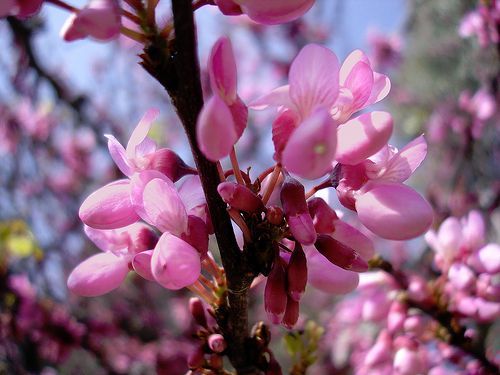
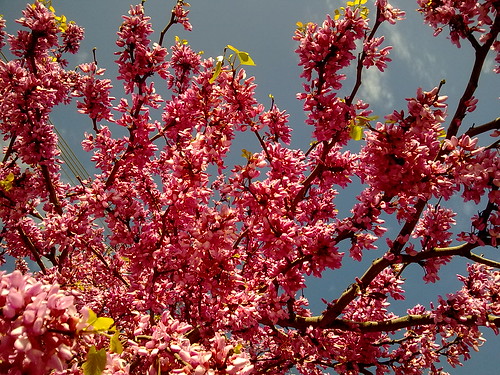
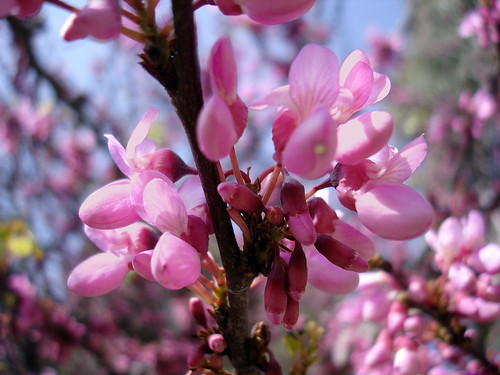
At the heart of the Judas tree is an ornamental flowering tree with rich, pink to red, pea shaped flowers in May followed by long pods.

Key Features of the Judas Tree

  • Latin name – Cercis siliquastrum aka Flowering Judas or Love Tree
  • Height – Ornamental tree up to 35 feet
  • Type of tree – Deciduous
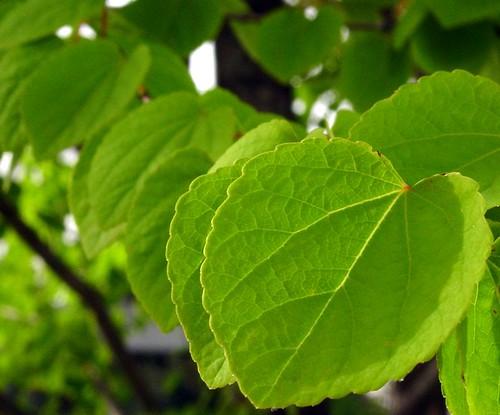
  • Leaves – Kidney shaped, untoothed, smooth grey-green
  • Flowers – Sweet pea-like magenta-pink
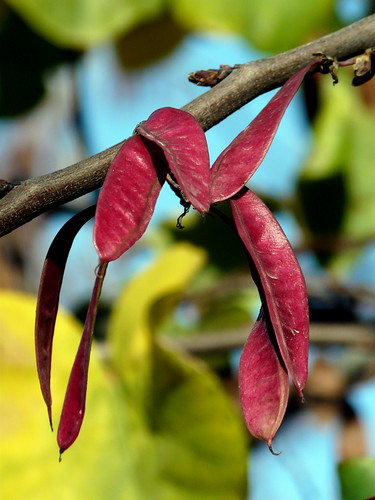
  • Fruit – Flat brown pods
  • Bark – Dark grey with ridges when mature
  • Family – Fabaceae

Leaf of Japanese judas tree

Origins and Distribution of the Judas Tree

  • Native to southern Europe, western Asia and possibly originating in Judea hence the name.
  • Just about hardy for UK gardens.

Uses and Attributes of the Judas Tree

  • Eye catching spring flowering ornamental tree.
  • Flowers are edible in salads, fried in batter or pickled as a caper substitute.
  • The wood is hard and fine grained making it suitable for veneer work
  • A popular tree in parks and ornamental gardens.

Cercis siliquastrum (I) -vainas-

Gardeners Tips for the Judas Tree

  • The flowers arrive in spring before the leaves and also bloom from old wood and stems.
  • Requires full sun and good drainage.
  • This leguminous tree has decorative, long, purple pods

Other types of Judas Tree and key species

  • Varieties include ‘Afghan Deep Purple’ ‘Bodnant’ and ‘Alba’ – white flowers and Carnea’.
  • Other Cercis include Cercis canadensis (Redbud), Cercis chinensis heart shaped leaves and Cercis racemosa drooping flowers.

Judas Tree comments from elsewhere

  • Top ten UK garden trees.
  • The Judas tree appreciates a warm spot and is a star in May when the leafless branches are adorned with lilac/pink flowers. Grow your own from seeds in February or March.
  • According to legend this is the tree on which Judas hanged himself after betraying Jesus. After Judas died the white flowers are said to have turned red with his blood and shame.
  • Avoid anywhere too exposed as the stems are rather brittle

Judas Tree

Credits
Judas Tree by Vassilis Online CC BY-SA 2.0 ‘Cercis siliquastrum, commonly known as Judas Tree, is a small deciduous tree from Southern Europe and Western Asia which is noted for its prolific display of deep-pink flowers in spring.’
Leaf of Japanese judas tree by Amehare CC BY-NC-ND 2.0
Cercis siliquastrum (I) -vainas- (Pods) by .Bambo CC BY-NC-SA 2.0
Judas Tree by Ava Babili CC BY-NC-ND 2.0

Long and Short Gardens

Long and Short Gardens

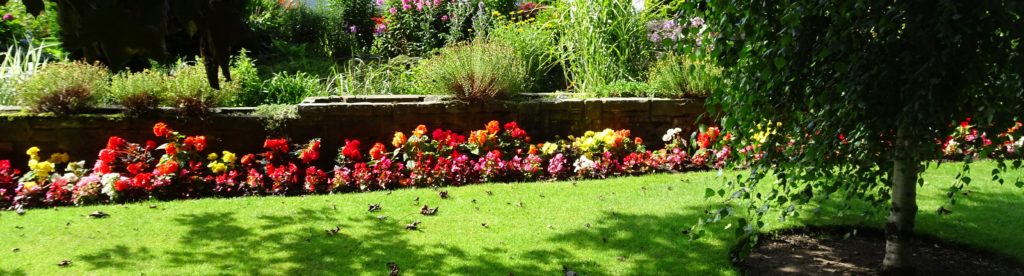
Begonias look best in groups or where they are given the opportunity to demonstrate their colourful dexterity. (Most of my photos are produced uncropped but in this case I done some editing).

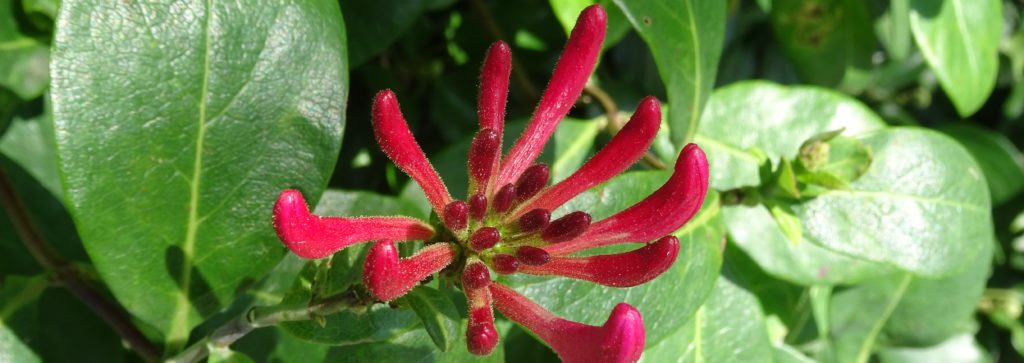
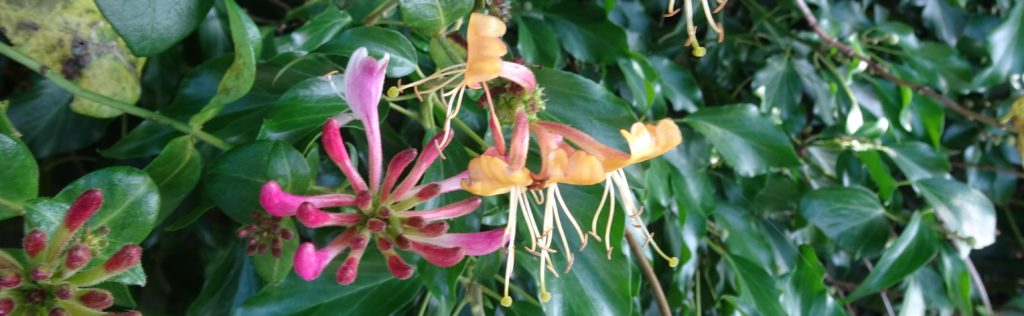
Honeysuckle tends to ramble upward and is not easy to do it justice with a photograph. Here are two attempts.

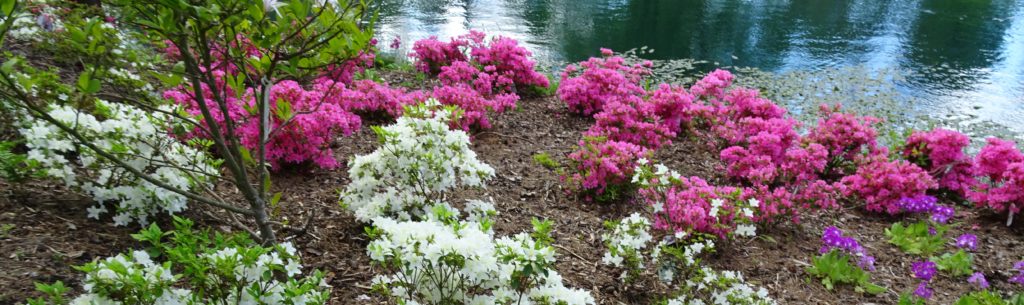
Long vistas benefit from repetition of planting. These dwarf rhododendrons and primula denticula make the point

Roses as Center of Attraction and Attention

Roses as Center of Attraction and Attention

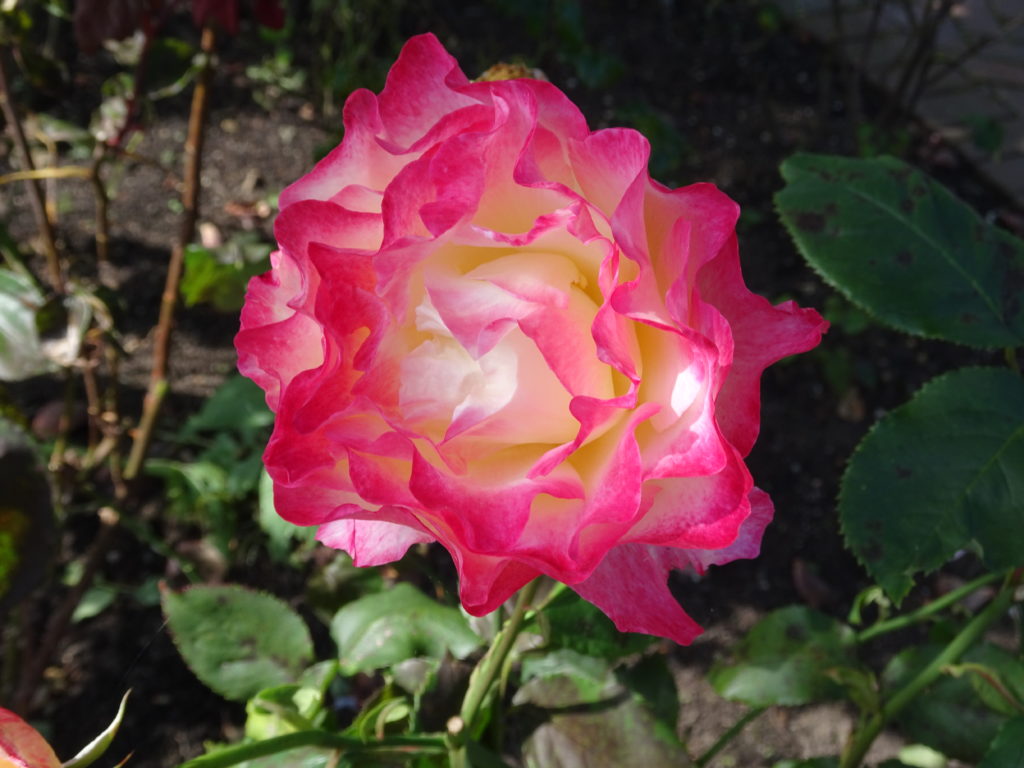
Roses can be a center of attraction in a photograph as these local garden subjects show. With the morning sun behind the photographer the intense colour shows through despite some risk of colour burn-out. However, for me it is the petal pattern and form that takes center stage.
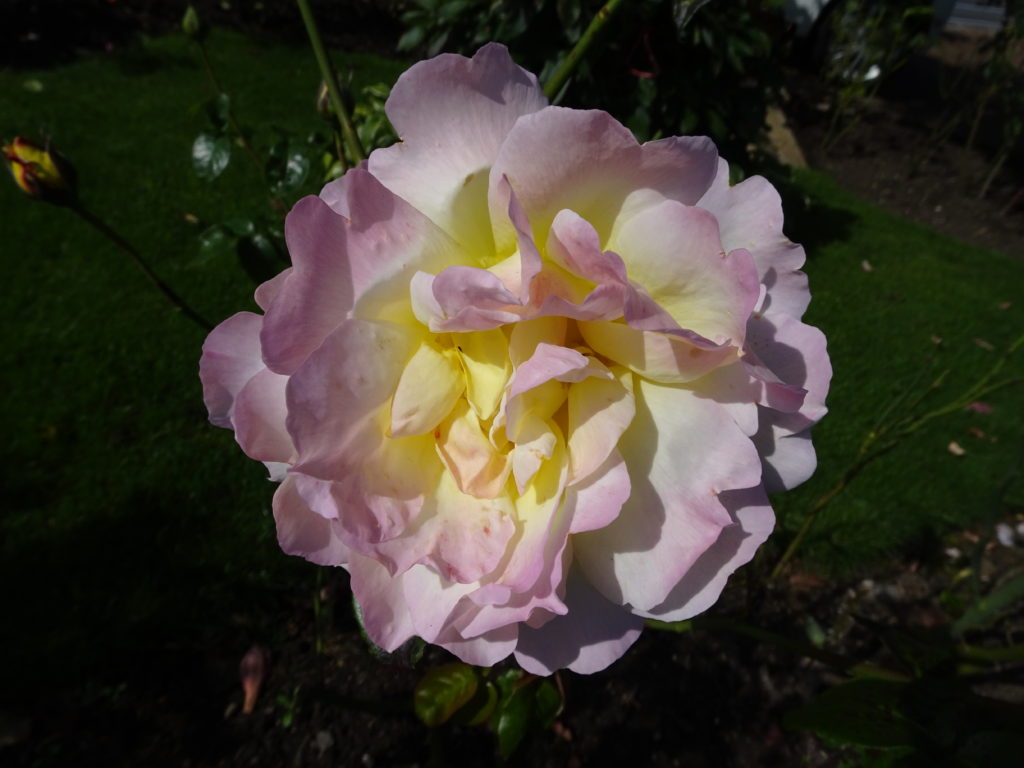
Roses can also hold your center of attention for both colour and scent in many a  garden
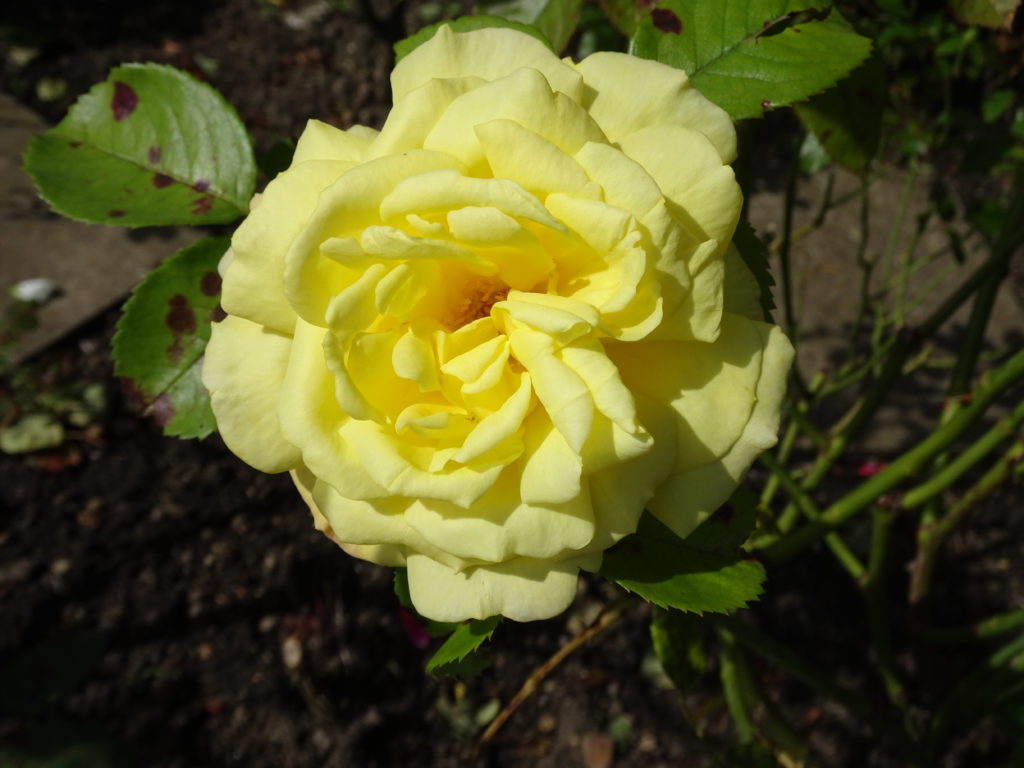
Photographs with a dark background help with the contrast and emphasise the quality of the rose flower. A shame about the black spot on the lemon sorbet.
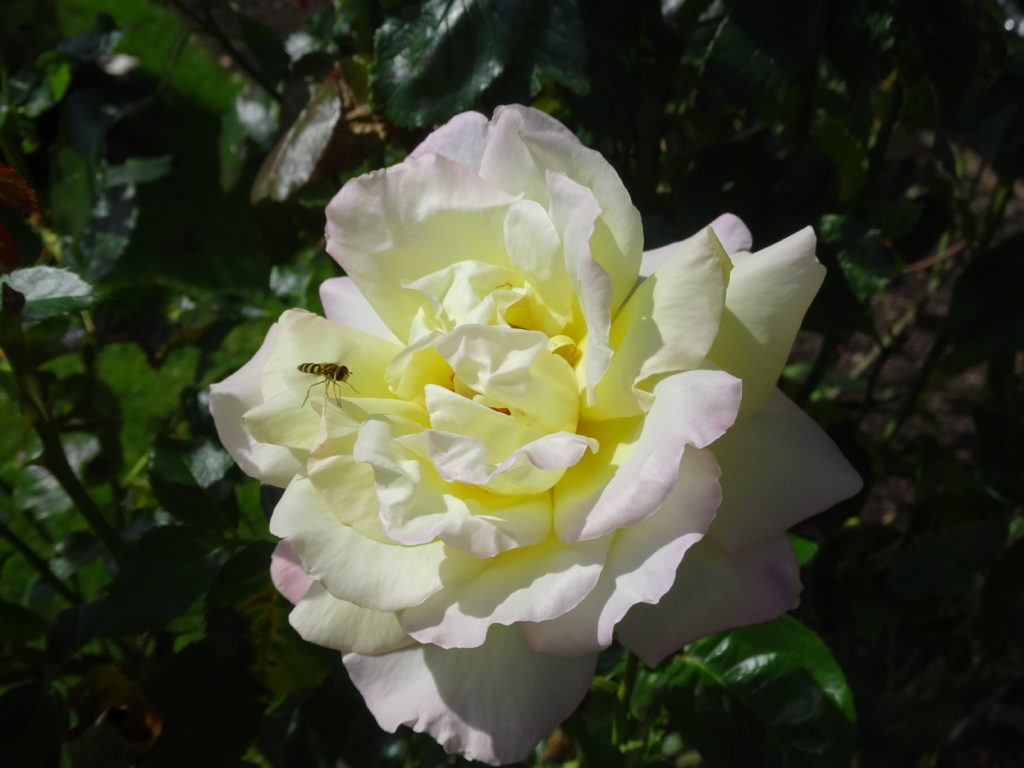
Is this a  hover fly or a randomly attracted flying creature that wants the nectar or to have a rest & bask in the sunshine.
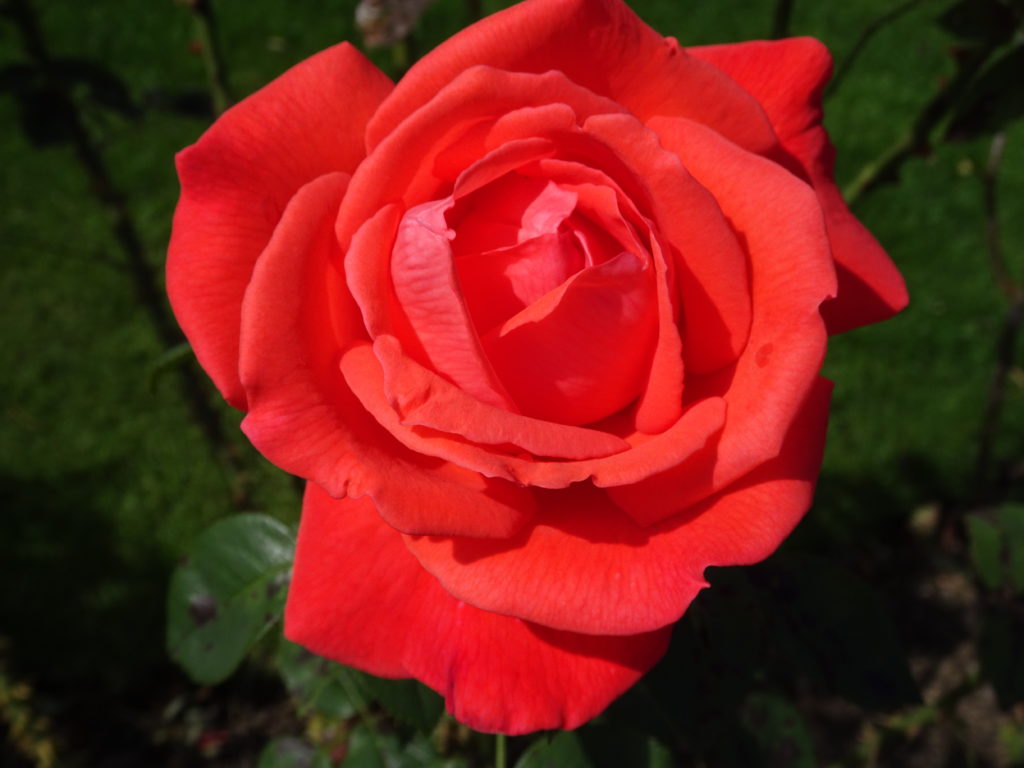
Roses have been out of fashion but this summer could be the start of a Renaissance – let us hope so.

Small Spaced Kitchen Gardens

Small Spaced Kitchen Gardens

Where space is limited or very limited there are still many ways to create a productive kitchen garden.

Optimising Space for your Kitchen Garden.

  • It seems common sense to plan to use what you have available. That covers layout, sequential growing and innovation.
  • If you have a ‘general’ garden then you can interplant kitchen plants eg herbs with box hedges, colourful veg with annuals and fruit trees instead of conifers.
  • Substitute kitchen garden plants for other plants and features as they did when digging for victory.
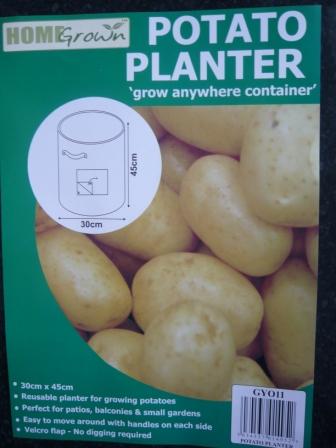
  • I grow potatoes in old compost bags and pots on my many paths.
  • Other garden veg can be grown in pots even runner beans. Another plant I am having success with is tumbler (Cherry) tomatoes in smallish pots. The are compact easy to grow and are currently producing lots of small sweet fruit.
  • Chose plants and varieties that grow and mature quickly eg salad, radish courgettes and edible flowers.
  • Herbs can be grown in slender strawberry pots with several opening spaces.

Small Garden Fruit

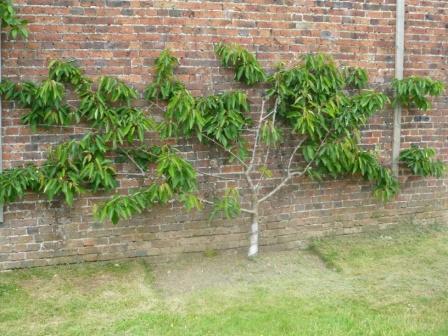
  • Dwarf rooting stock has opened up the opportunity to grow and pick fruit from  small constrained trees or shrubs.
  • Trained apple, pear or currants can be grown as cordons, espalier or fans against a wall. I have also seen a gooseberry grown this way. ( Cordons are diagonal branches that are only allowed short laters, espaliers are grown with a vertical and one or two level branches forming a cross).
  • Grape vines normally need a lot of space but with rigorous training and the right location you can succeed in a small plot.
  • Soft fruit including strawberries and blue berries are ripe for pot growing.
  • I would always find space for rhubarb but that is due to my ‘pie fetish.’