Browsed by
Category: Articles

Gardening articles that may not include tips

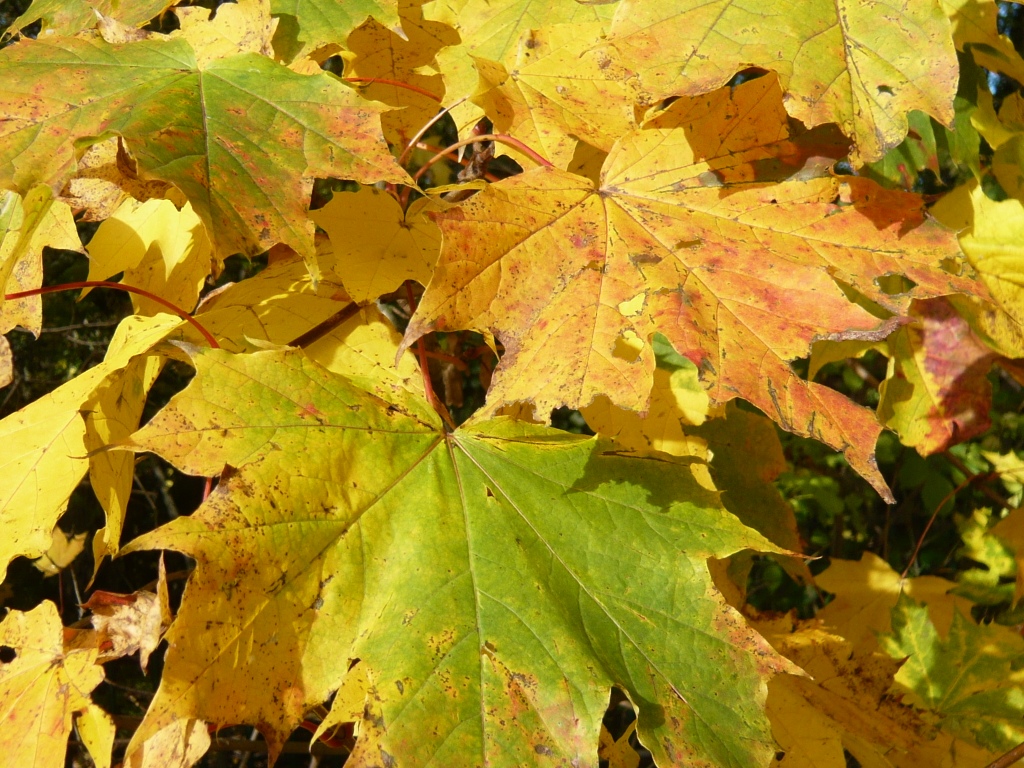
Fascinating Facts about Sycamore

Fascinating Facts about Sycamore

Interesting Facts

  • Rippled patterned wood occasionally arises when the grain runs at right angles. This pale pattern is popular for veneer and musical instruments.
  • Sycamore wood is good for kitchen joinery. It is easy to work, doesn’t stain easily or have any odour that can affect food.
  • Wood is often carved as ‘love spoons’ appropriate for today Feb 14. They attract symbols that convey different messages.
  • Trees are wind proof and are used in farms to protect cattle by providing shelter.
  • The seeds are called helicopter wings as a result of there shape and the spinning effect as they fall to the ground.

Botanic Facts

  • Acer pseudoplatanus or Sycamore is not a native tree but was introduced several hundred years ago and now naturalised.
  • Mature trees can grow to 120 feet tall and 75 feet wide.
  • Growth is rapid and is unsuitable for hedging pollarding or pruning.
  • Sycamore and leaves in particular are susceptible to fungal diseases. Giant leaf spot disease is caused by Ophiognomonia pseudop and mildews are common.
  • Lace bugs feed on the undersides of the sycamore’s leaves.
Round Tuits

Round Tuits

When I was younger owned a disc of wood taken from the thick branch of an old tree. It was engraved ‘Round Tuit’.  It was designed to prevent procrastination and putting off the evil day. Creative avoidance is still a part of my routine and even today I find myself saying ‘I will do it when I get round to it!’.

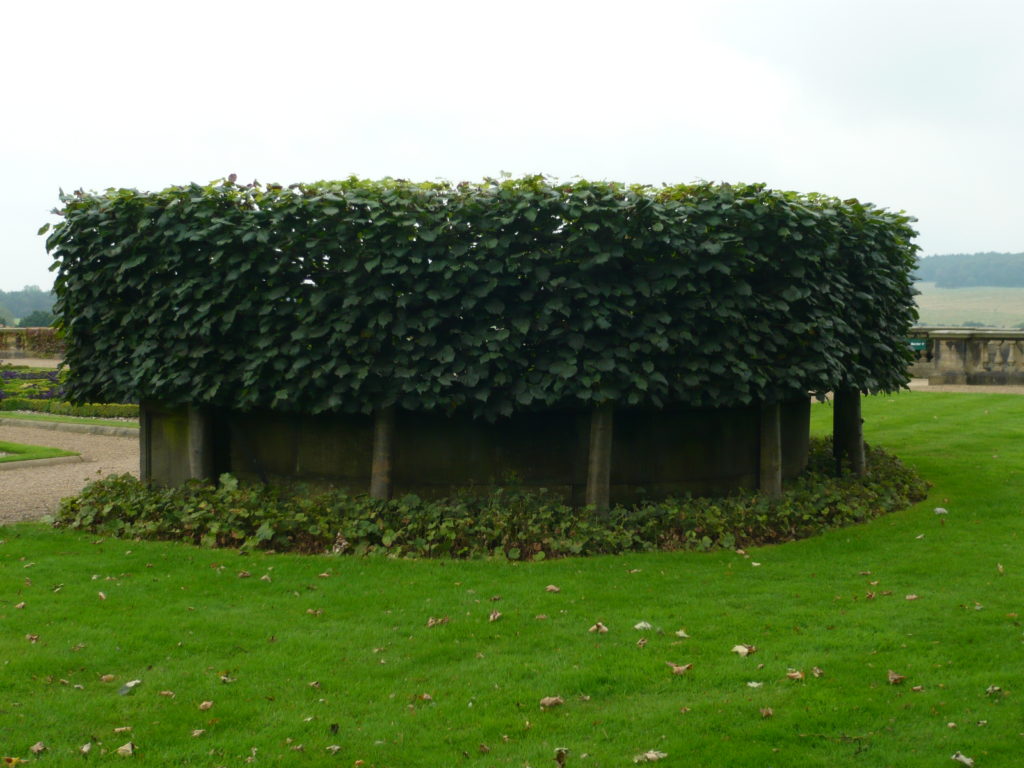
The title is just an excuse to show a couple of tree photographs that have made me smile in the past. These pleached hornbeams at Harewood House need someone to regularly get round to trimming and pruning to keep them in good order.

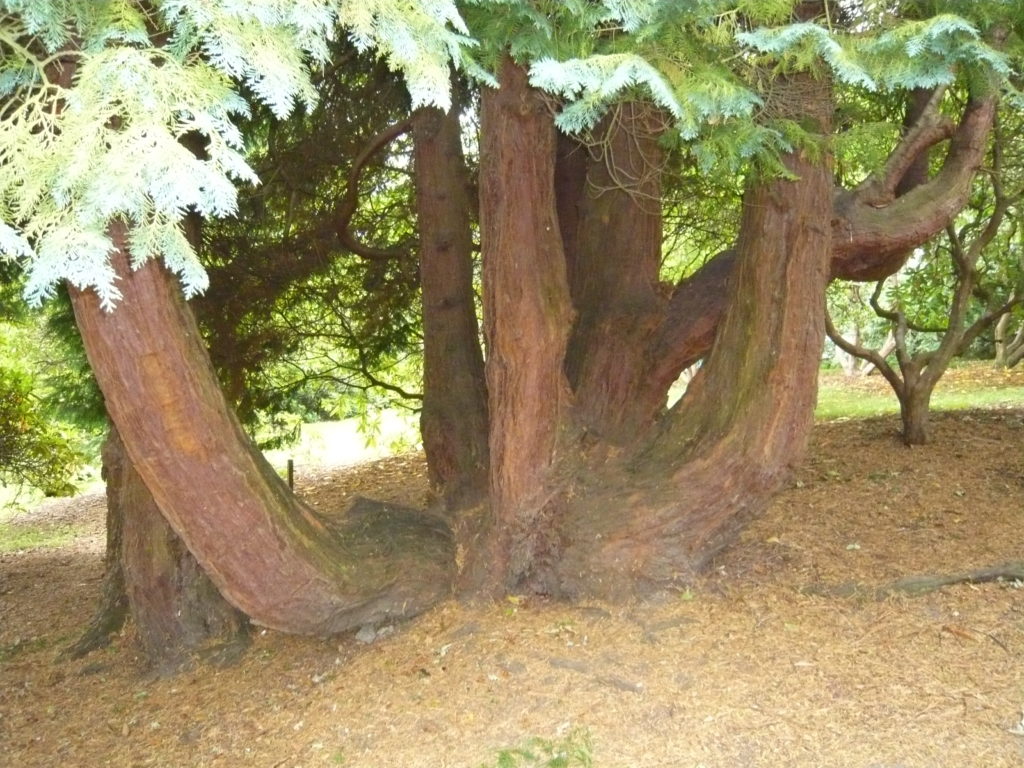
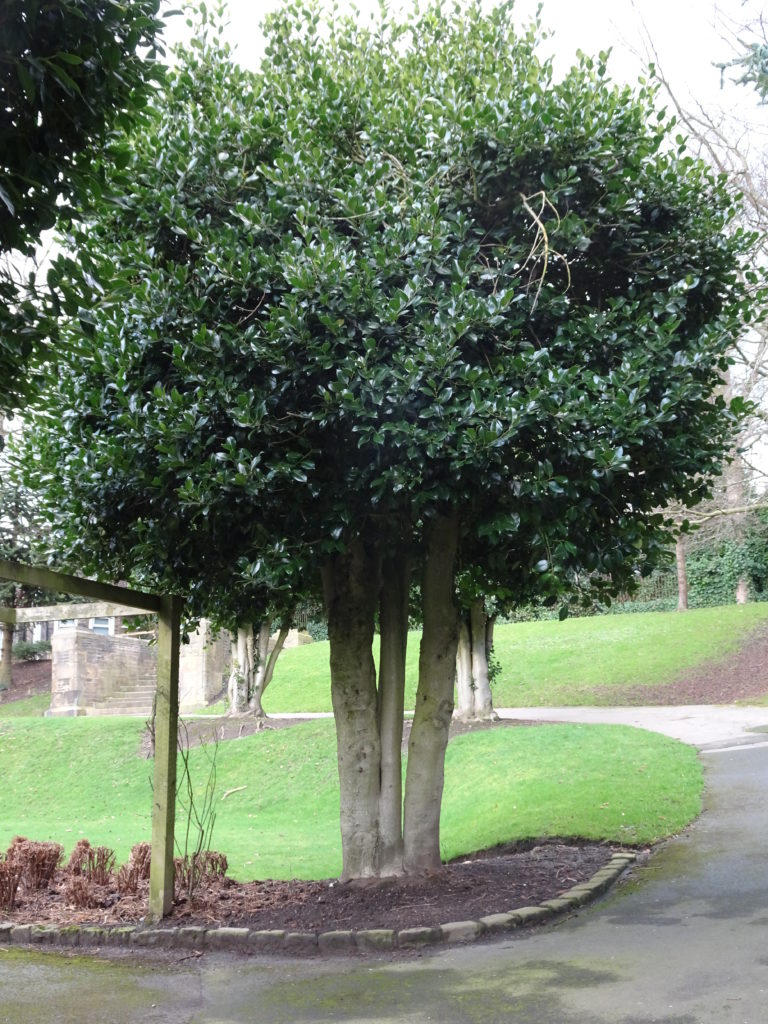
The multi stems on this conifer could have made a large number of ’round tuits’ if they were sliced  but I hope no one in this generation will feel the need to chop down this magnificent specimen.

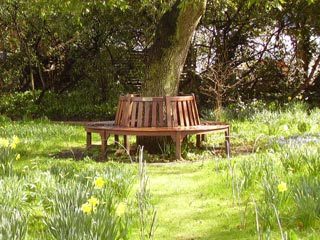
A reminder to get on with some gardening but I will do it after a sit on this adult version or grown up ‘Round Tuit’.

Extreme Pruning Trees in February

Extreme Pruning Trees in February

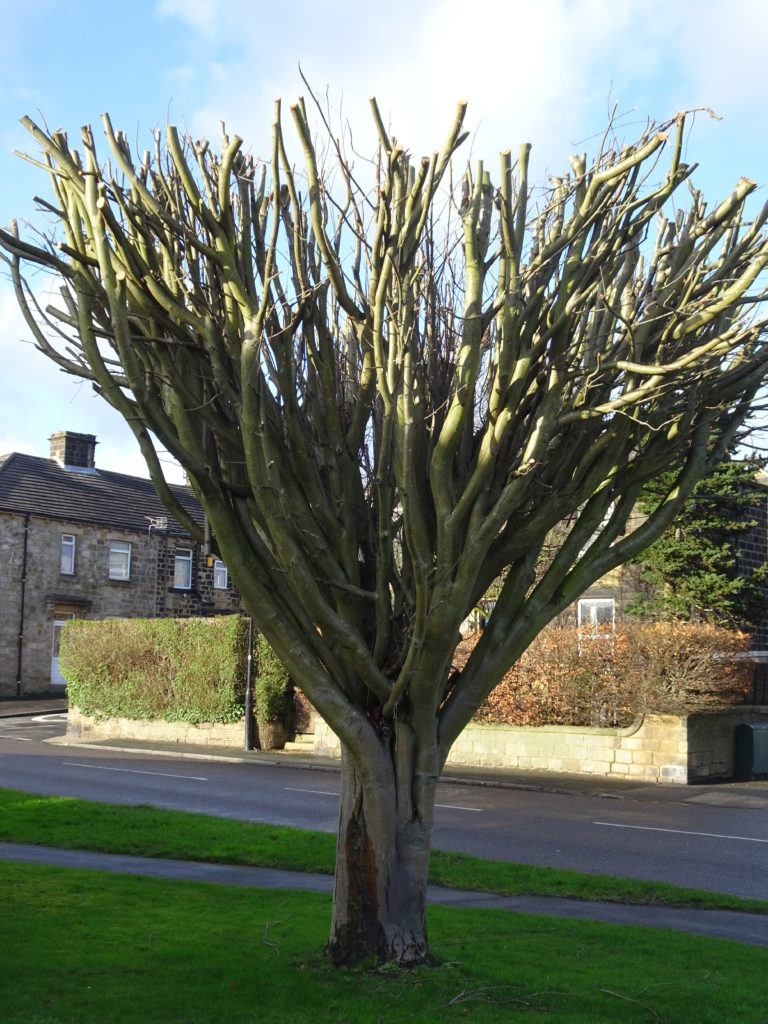
The extreme sport of ‘extreme pruning’ has just missed out on an award for this effort on an open planned garden tree in Yeadon. It will be revisited as it buds and leafs up later in the year. At the moment is strikes an interesting pose.

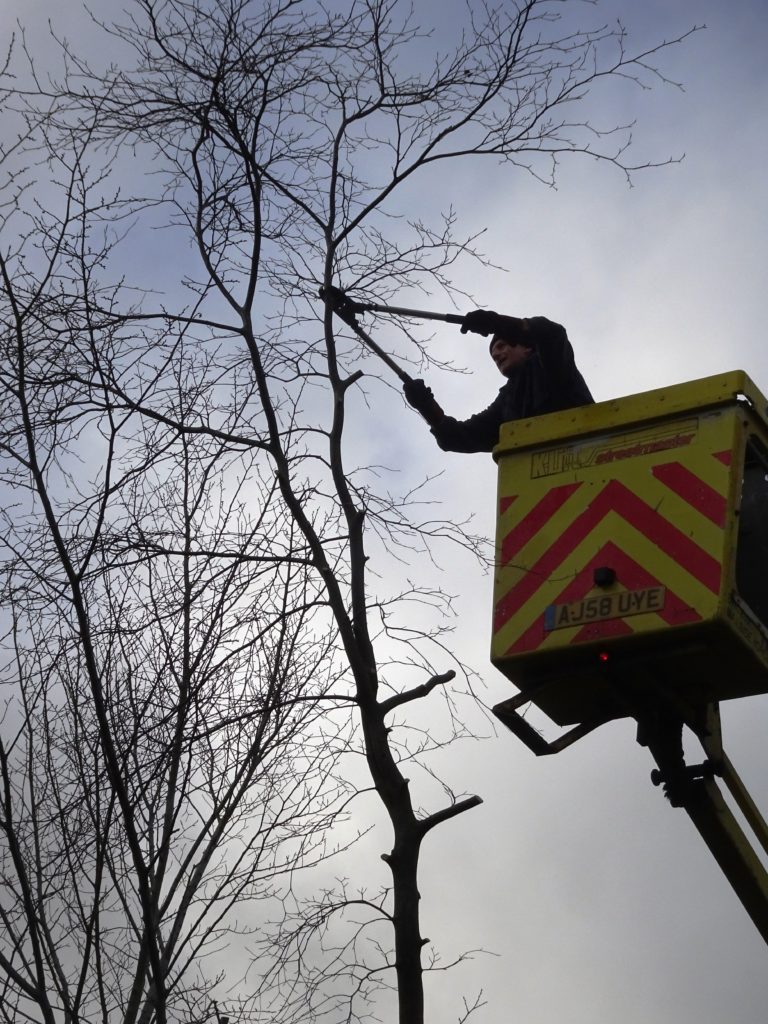
Cherry Picker picking cherries? No just another almost extreme pruning during February

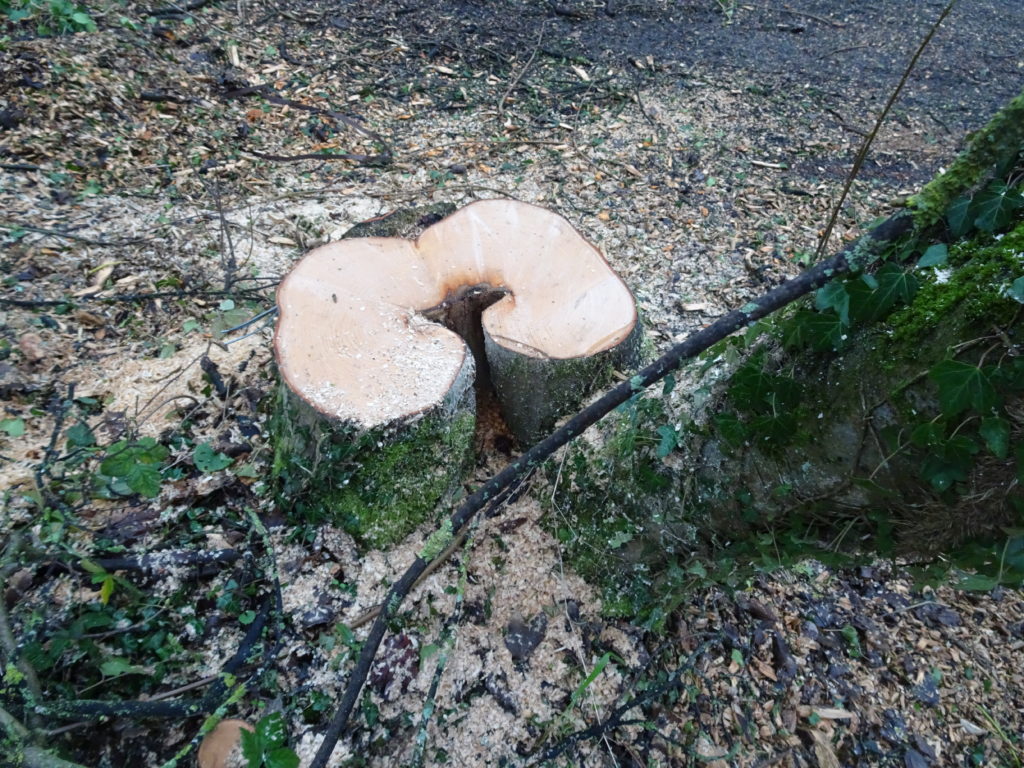
Now that is what I call real extreme pruning! There was an aborist at work but I never saw him for dust

When the wind blow we shall have snow and what will the Robin do do then poor thing…..

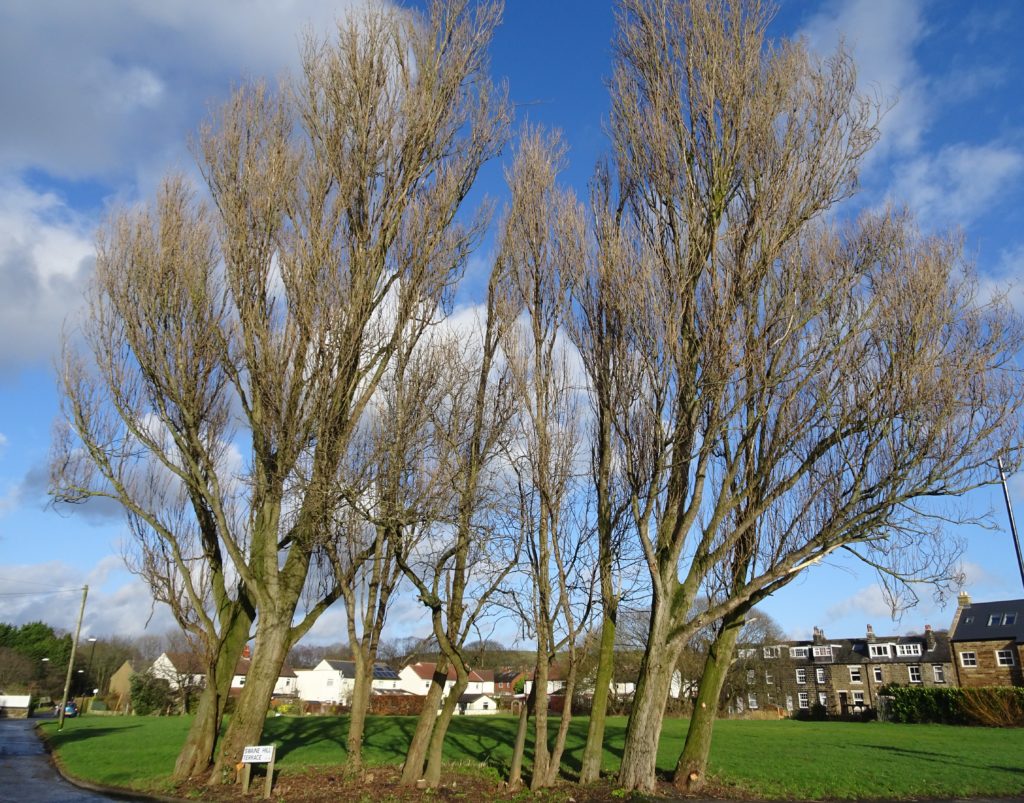
A strong gust of wind may prevent the need for extreme pruning. Storm  Ciara may do what a pruning saw cant.

Greening Public Spaces Peel Park Bradford

Greening Public Spaces Peel Park Bradford


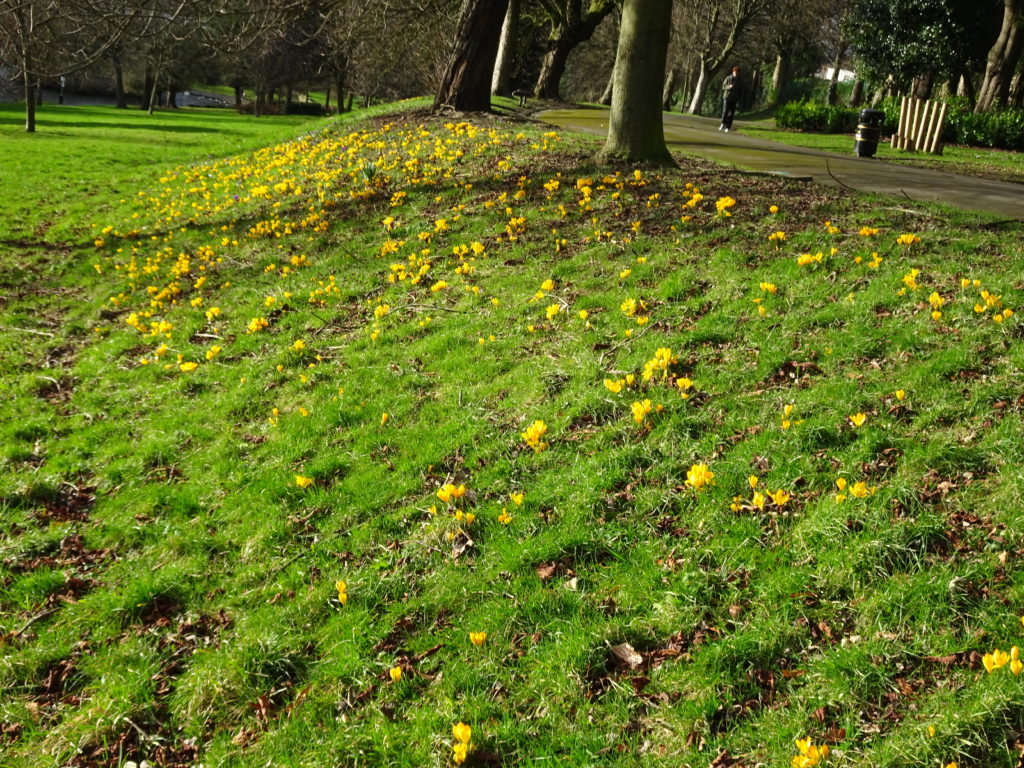
Early crocus amongst leaf litter, the only good litter feeding the soil

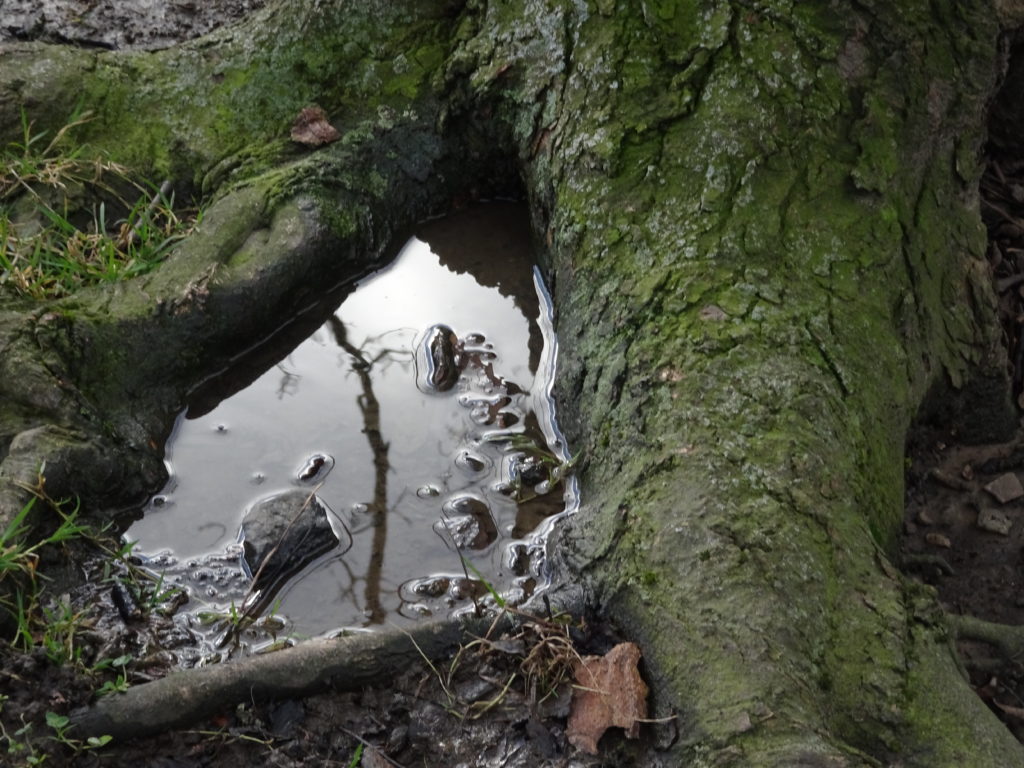
Wet weather reflects on the tree roots
There is still colour to be found not least on these Rowan berries Sorbus hupehensis
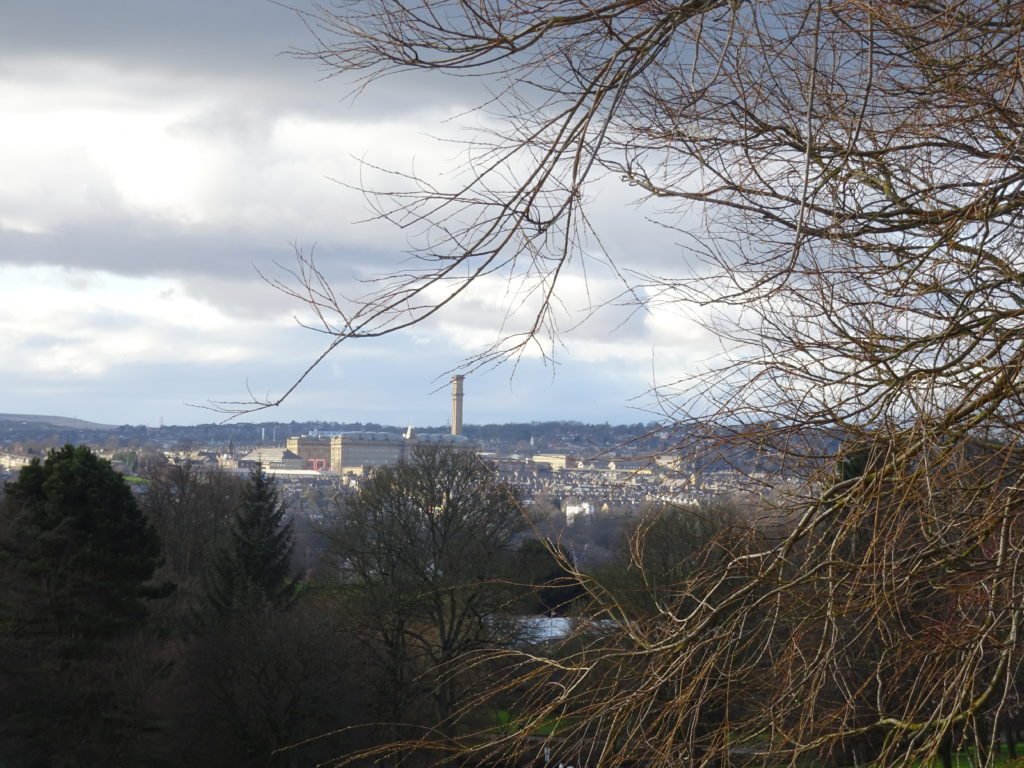
Listers Mill
Listers Mill in the afternoon light with a ring of trees on the horizon and in the foreground.

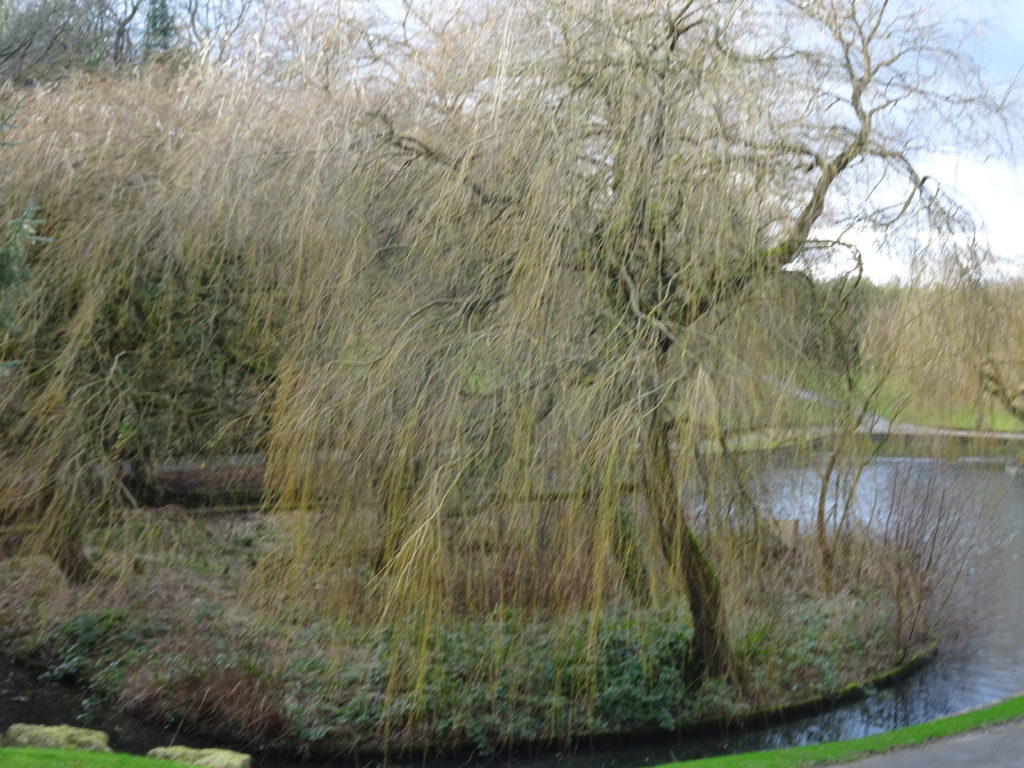
I believe the willow is beginning to show the first sign of colour so spring will soon be on us.Christmas is long gone but only 311 days to go before the next

Sorbus aucuparia or Son of Mountain Ash

Sorbus aucuparia or Son of Mountain Ash

The Rowan or Mountain Ash, Sorbus aucuparia is a member of the same family as the rose and is part of the large Sorbus genus (50+ distinctive species).  They are highly variable with several regional sub species. The trees can be quite singular in appearance when shaped by wind on high moors and mountains.
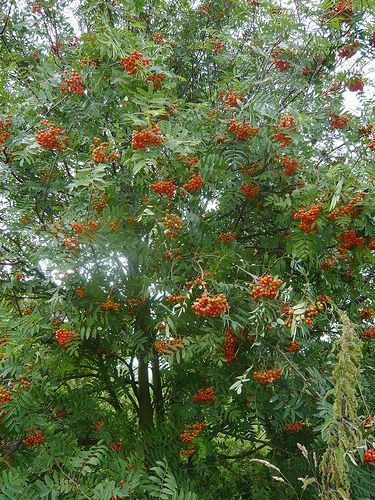
The Rowan has an international mystical reputation.  Witch Tree, Wicken, Witchbane or Witch Wood are amongst old names for Rowan and hint at these perceived mystical properties of the tree. ‘The Rowan (runa) is prominent in Norse mythology as the tree from which the first woman was made, (the first man being made from the ash tree). It was said to have saved the life of the god Thor by bending over a fast flowing river in the Underworld in which Thor was being swept away, and helping him back to the shore’. Trees for Life.  A branch was often used over doorways or cattle byres to ward off the evil eye. In Celtic mythology Rowan is known as the Tree of Life and symbolises courage, wisdom and protection and in Ireland it is linked closely with fairies. Hindus  used the word runa for rowan whose branches were used as as staves that were carved with rune symbols. In the UK the Rowan is known as a tree associated with witchcraft, protecting people and dwellings. Druids think the trees are sacred   and are used for protection against sorcery and evil spirits. An example at the Pitt River museum in Oxford shows two sprigs of rowan tree wood tied with a red twine in the shape of a cross. This is believed to have been a common practice in some parts of Scotland to ward off spirits of the forest.

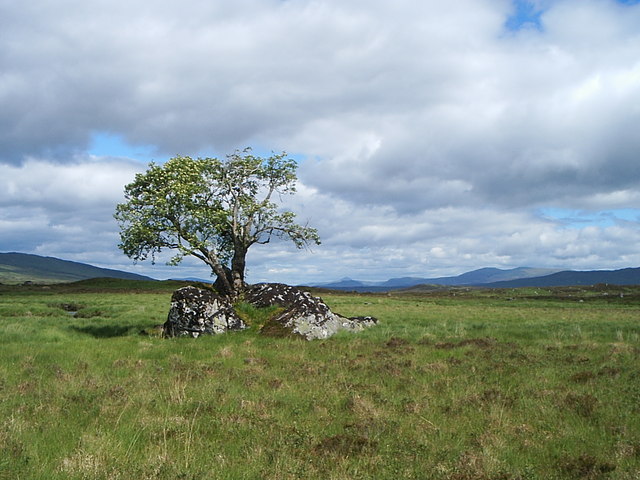
Venerable Rowan trees are much prized and rightly so. The seed of the isolated Rowan must have been carried to the rock in a bird-dropping from a distant tree. The harsh weather has limited the height but several smaller trunks have grown as though the tree was pollarded. Well that is Scottish wind for you. Lonely Rannoch Moor tree is next to small weedy Lochan on the Allt Lochain Ghaineamhach. The peak of Schiehallion is just visible on the horizon.
Mountain Ash which is  a member of the same group as the Whitebeams  are very much trees of open space, rock faces and open slopes. It is more surprising that these trees can be very rare foe example the Ley’s Whitebeam exists in  two sites in the Brecon Beacons and the Taff valley where they are the worlds only 17 specimens left. The Arran whitebeams (Sorbus arranensis and Sorbus pseaudo fennica) are Scotland’s rarest trees both on the WWF dangerously close to extinction list.

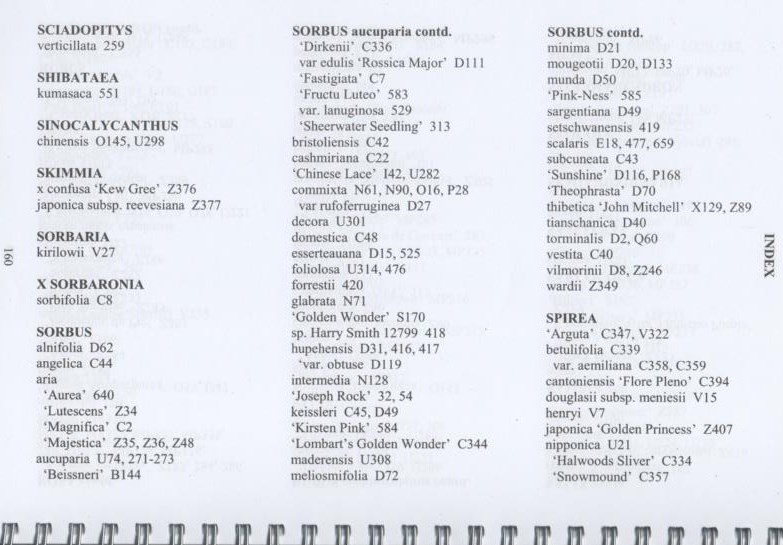
Not all sorbus trees are hard to find and I commend the Thorp Perrow arboretum for a good range of specimen trees. The list from there catalogue is shown below featuring over 70 plants many of which I visited several years ago.

The raw berry or fruit are unpalatable but can be made into a tart jelly. Cultivars have been developed for fruit that  is used in wine and liqueur brewing. You may wonder what else Rowan is good for as well as urban ornamentation. The wood is virtually all heartwood and is used for small tools, hoops, poles and high value treen. The wood can be stained many shades and colours. It is used for walking sticks and dowsing rods.

Catalogue of Sorbus specimens grown at Thorpe Perrow Yorkshire

An earlier post from Gardeners tips is now updated and augmented below:

Key Features of the Mountain Ash

Read More Read More

The Thinking Tree’s Life Cycle

The Thinking Tree’s Life Cycle

Tree of Knowledge

At the beginning of 2020 UK trees are getting a good press and their significance and importance is better recognised. The more we think about trees and what they can do for us so it is worth considering if and how trees think for themselves.

Early Years Thinking

  • How can we (the tree) get our seed distributed in an optimum manner. We want it in the right place at the right time to germinate and grow. We will use all the tricks of natures trade including water, wind and air blown distribution, animal and creature carrying with the possibility of a bit of fertiliser dropped in for free.
  • Our seed contains a genetic memory of our species and our specific parentage. Memory implies the basis of a thinking ability which will help govern our development into a full blown adult tree.
  • We think about our survival and often anticipate a high germination failure rate and significant early year losses. So we produce a volume of seed to counteract the anticipated conditions including weather, location and external factors.


Book Cover

Mid Life Thoughts and Actions

  • We trees recognise that we are part of a far wider natural and environments system and that we need ecological partnerships. One of the foremost partnership must be with the soil our home for life. The composition and inter-actions are worth much further thought and exploration. Our fruit, bark, canopy and shelter provide conditions for creatures, lichen and others and we can slowly modify our mix of the resources provided to keep pace with changing requirements.
  • Survival calls for our inherited skills. In some cases we must shed unwanted or unsustainable branches and we broad leaf trees are all taught from an early age to shed leaves each year once they have done their job. We think the rotting down of all these cast offs will enhance the soil fertility and feed the worms and fungus that are another partner.
  • Our fertile years turn thoughts to reproduction and particularly fertility. As we mature our hormones tell us to flower and set seed more profusely. Pollination needs the help of others such as insects, birds or winds.
  • Give a thought to our roots which are largely hidden from human view. We start to spread them beyond our canopy as we think it is a sensible thing to do.
  • In middle-age our crowns will level out, limbs grow thicker and we develop our own individual character.

Thoughts on Old Age

  • Venerable Oaks, Yews, Pines and many of our fellow species will live to a ripe old age of many hundreds of years. They have learnt to survive despite climate changes, war and pestilence both human and natural. You think that is just by accident? No we thought not!
  • We think that bending a branch down to earth will give us stability for a bit longer and hollowing out our trunk may provide food for our roots.
  • We grow faster the older we get until we reach a certain height but then stop getting taller.
  • Our dead trees can provide a good habitat for wildlife by providing food and shelter. First we should watch for insect and disease attacks that reduce our health and life expectancy.

This page is not just a ‘bonfire of the inanities’ but ‘shiver my timbers’  it is a plank for future.


Tree Project to Reduce My Ignorance

Tree Project to Reduce My Ignorance

I have been  inspired later in life by trees and all things with a tree connection. My previous lack of knowledge and propensity to skirt over a massive subject will be developed into a more active skirmish but probably in my normal  skittish manner.

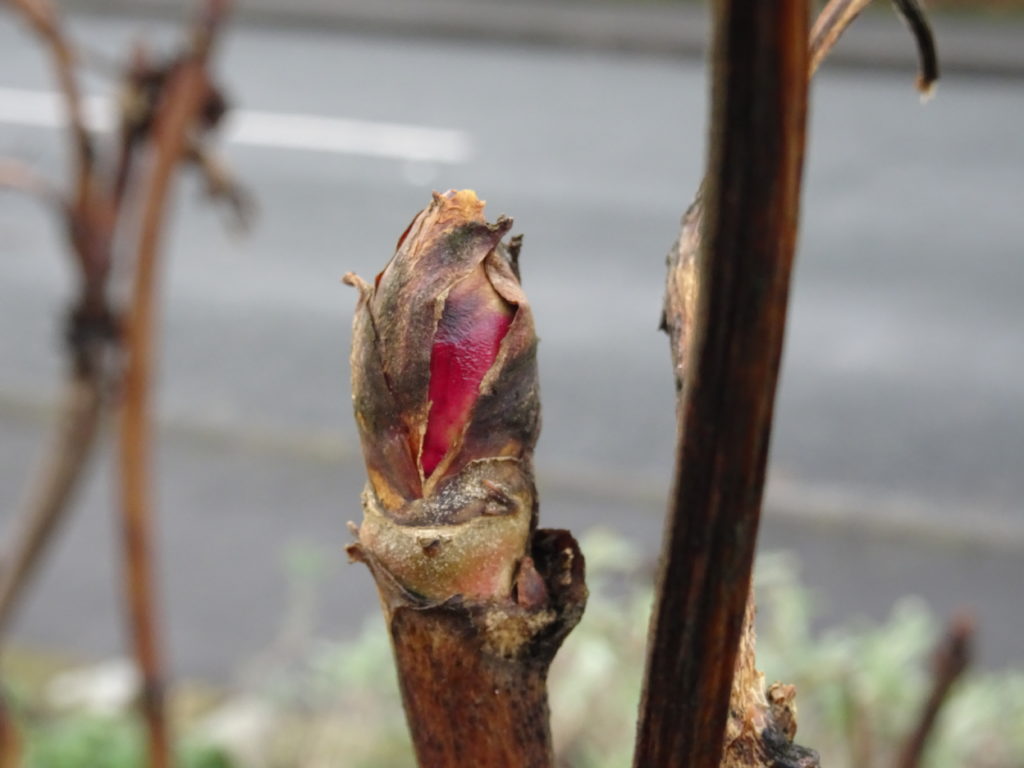
Planning the project on the hoof I am starting in the middle of a tree life with a couple of early January  photos of buds. Some may think this Tree Peony bud is more of a shrub but I am using it to make a point about differentiation between trees and shrubs. In the main a shrub has more than one main stem whilst a tree has a single trunk. There are notable exceptions but that will do me for the time being. Another arbitrary difference is that trees are thought of as being taller than shrubs or bushes.

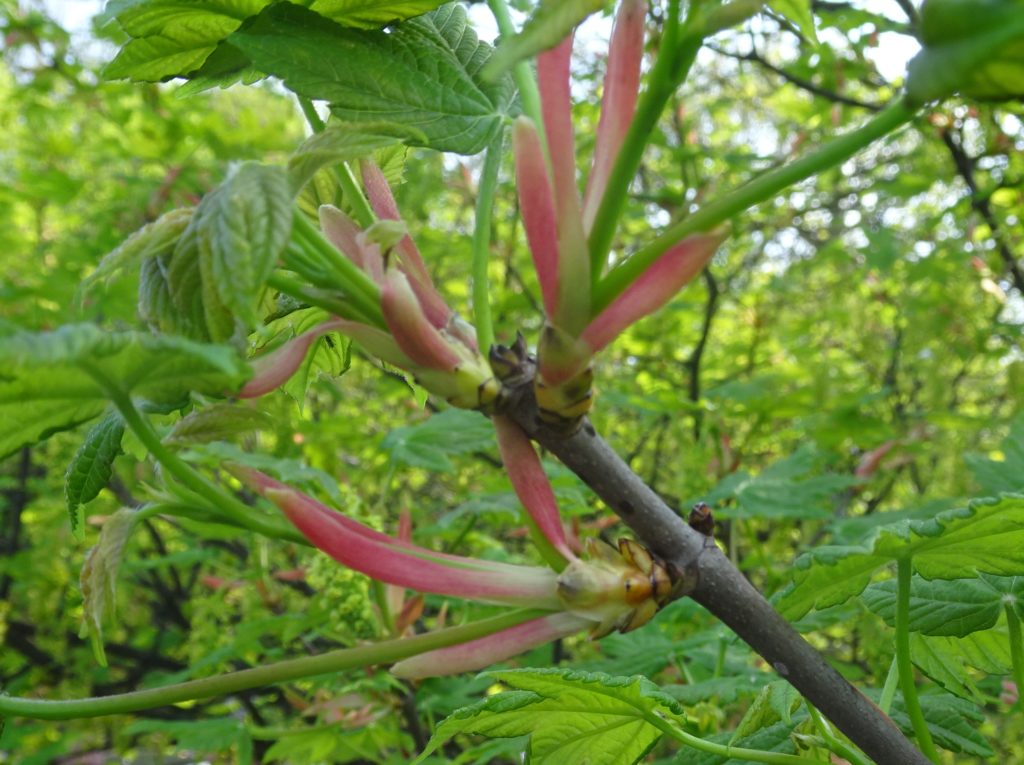
These buds were on what I took to be a large horse chestnut and I could only reach to photograph them with great difficulty. I can’t climb up trees to take as many photos as I wish as ‘I’m not a lumber jack and that not OK’.

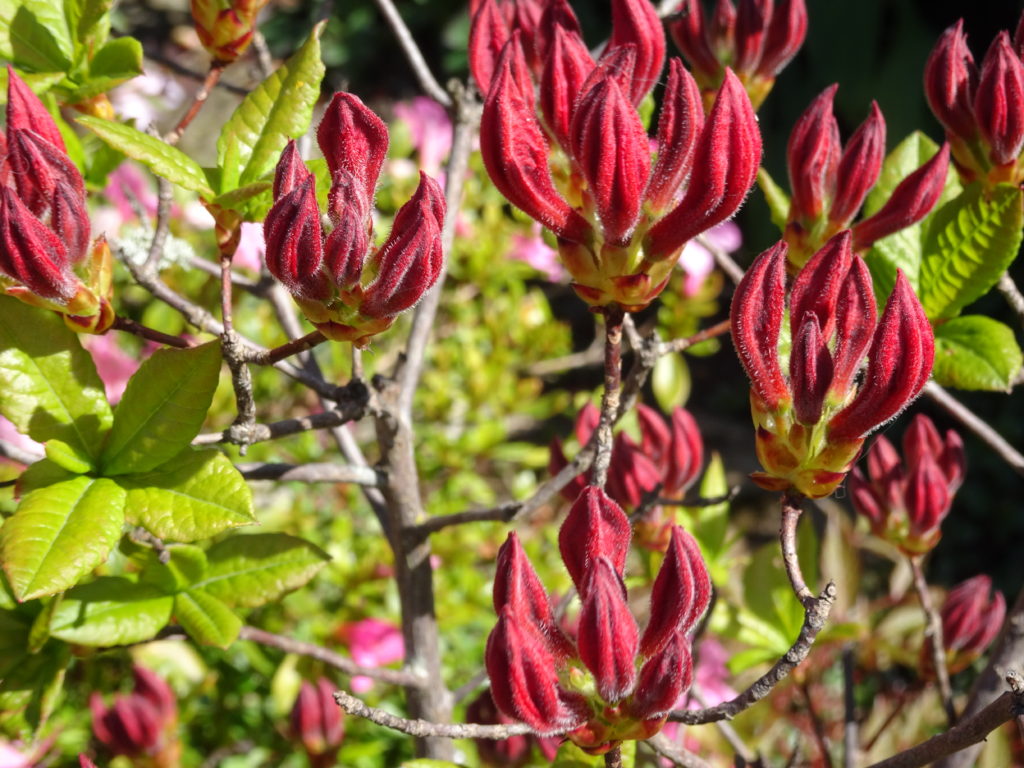
Bud burst is a key and often colourful moment. Rhododendrons tend to feature more in the shrub category but the large older specimens at RHS Harlow Carr, for example, hit the tree heights as far as I am concerned. The Guinness Record for the tallest Rhododendron arboreum at 108 ft is still growing in India .


Tree or Shrub Differences.

  • In the UK gardening fraternity we are more familiar with ornamental shrubs for their colour, form and aesthetic appeal. Trees appeal at a higher level.
  •  Height is a differentiator but even experts have their differences.

Read More Read More

Late to the New Years Party 2020

Late to the New Years Party 2020

  • January is not a great time for a gardener to be slow of the mark but it is probably better then than in other months.  For my part I have been soaked and saturated by the heavy down pours so far this year that I have been late setting out my gardeners tips plans for the year.

Rhododendron buds

Before I launch onto my major project of the year ‘Trees I will have a quick recap on my January activity so far.

  • In line with my resolution to improve all round plant health I have cleaned up all the indoor plants, trimmed off old brown leaves, given orchid leaves  a wipe down to remove dust and moved as many plants as possible into better light. I also used some Christmas present garden tokens to stock up on granulated fertiliser and spread some epsom salts on the raspberry canes.
  • Wanting to grow several ‘golden’ flowers for autumn I have been researching Dahlia, Chrysanthemums and begonias to buy in the near future.
  • I have cleared up the greenhouse after the late chrysanthemum plants were taken out of them soil. I plan to grow in pots next year leaving the greenhouse beds for more salad crops.
  • I audited the seed stock and augmented it with new mixes of lettuce, mizuna and poppies.
  • I moved to a frost shelter and renovated some of the many ornamental and standard pots around the house.
  • Lastly I am looking despondently at scaffolding all around the house and impinging on the garden for a reroofing exercise that should start tomorrow.

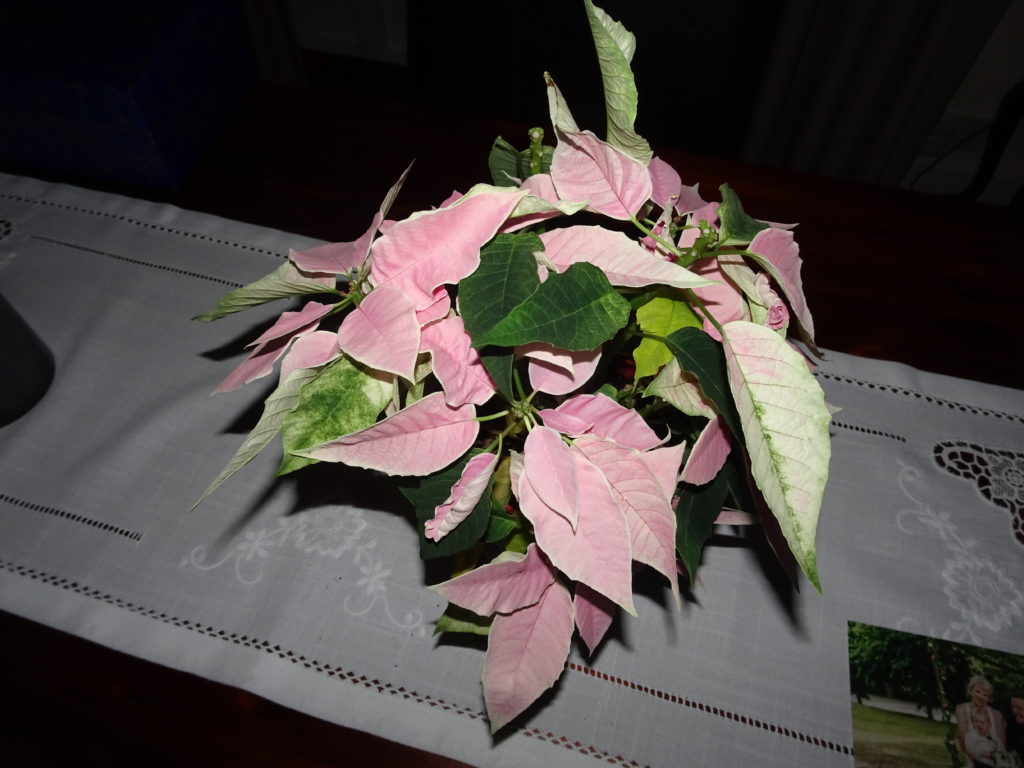
An unusual shade of bract on a Christmas poinsettia, The traditional red variety lasted until september 2019 but my effort to put it in the dark for this year was thwarted and the compost found a new resident.

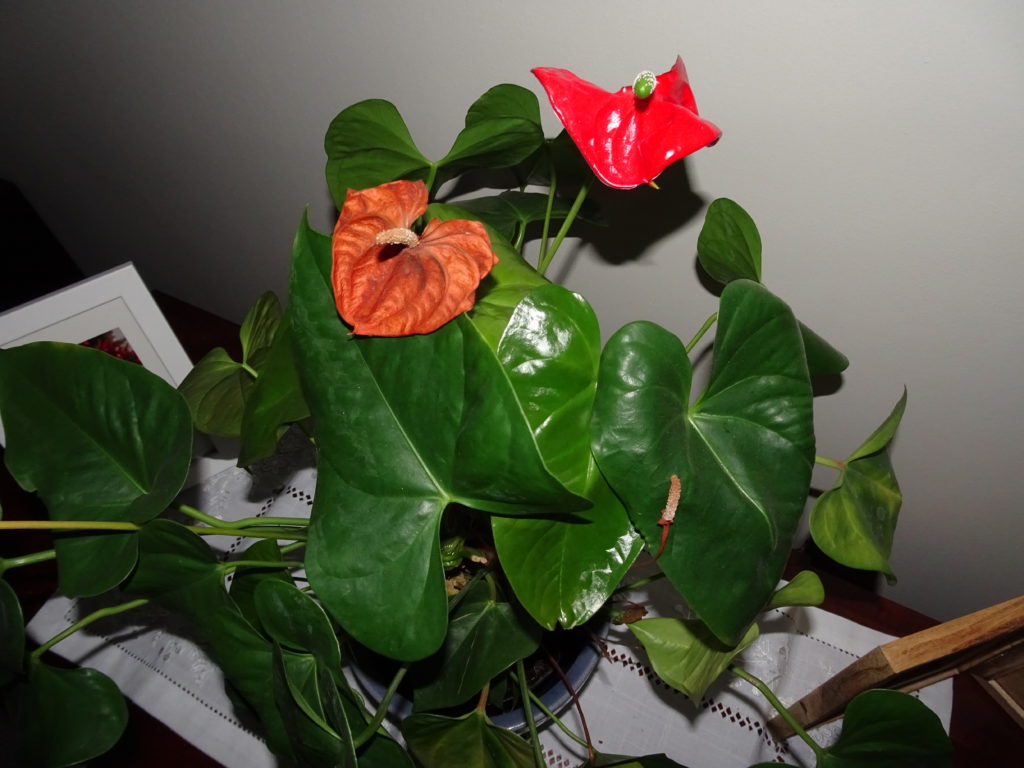
An old favorite in its 4th year we still get colour on the heart shaped display.

Flowers Suitable for Art Painting

Flowers Suitable for Art Painting

I am no botanic artist and I am too old to learn and train but I do appreciate a good source photograph to paint in oils.

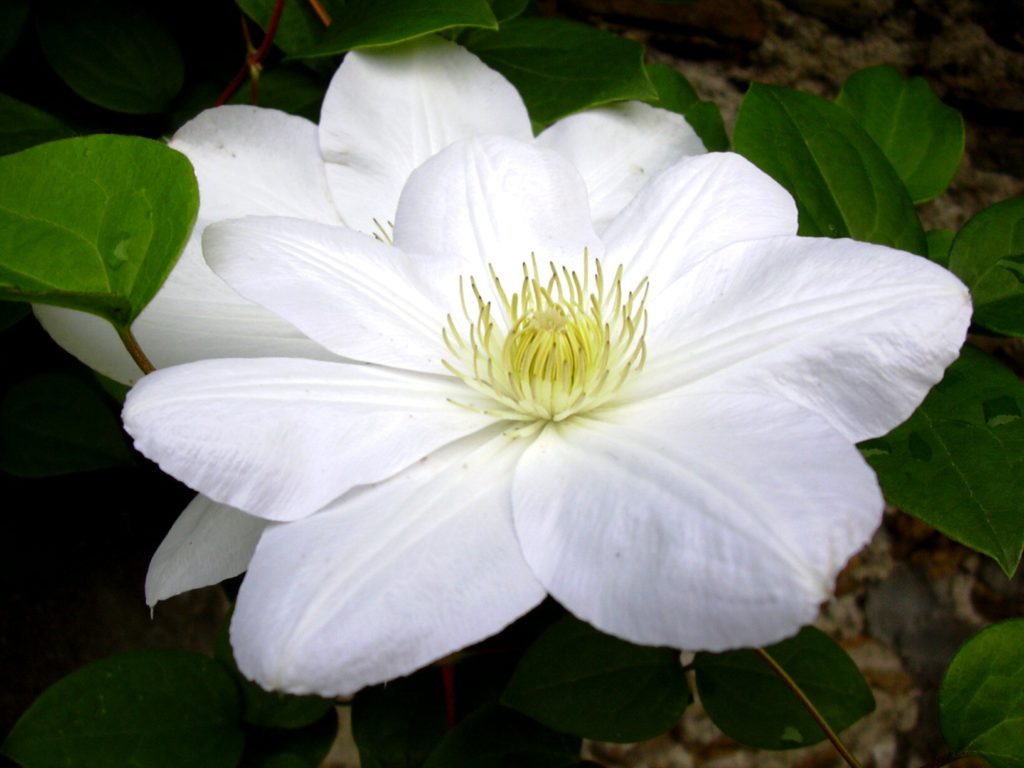
This clematis bloom captured at an RHS trial gave me inspiration to get it painted.

Colours Contrast and Tone

  1. Seldom are white flowers exclusively white but a mix of many colours and shades. School boy physics explained that white light could be split by a prism into all the colours of the rainbow.
  2. The light source is full-on yet there are graduations of tone that stop short of full shadows.
  3. The overlaid petals and the veins seem lighter and brighter.
  4. The bottom leaves are dark blue-green which helps them to recede and provide much needed contrast.
  5. Aesthetically I like the pistels and the lime green colouring.

Composition

  1. The focal point is the flowers center. I could drop the intruding leaf from the left if I thought it conflicted with the prime focus but the round shape is pleasing.
  2. The picture takes the eye round in a series of circles and ellipses and keeps the eye within the frame.
  3. The colour scheme is simple and not too complex but the execution may be more problematic.
  4. The focal point may be a bit too central but is offset by the second flower. In any event the final painting can be skewed left or right if desired.

I will attempt a painting and ‘may’ even show the result later

Autumn Leaves Shared with Others

Autumn Leaves Shared with Others

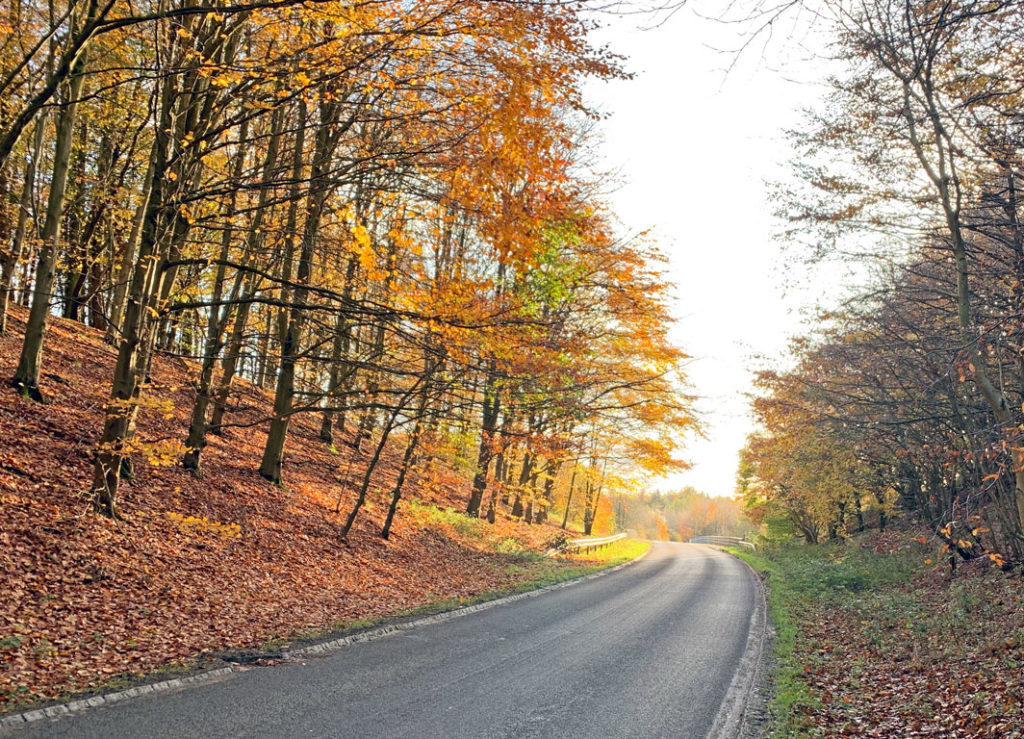
It dawned on me that many tree leaves are shared in one form or another. Mine get blown over the wall on to the road and into neighbors gardens. The ones that are collected and bagged to make leaf mold are shared with worms and micro organisms in the circle of life. Those under hedges do more good than harm.

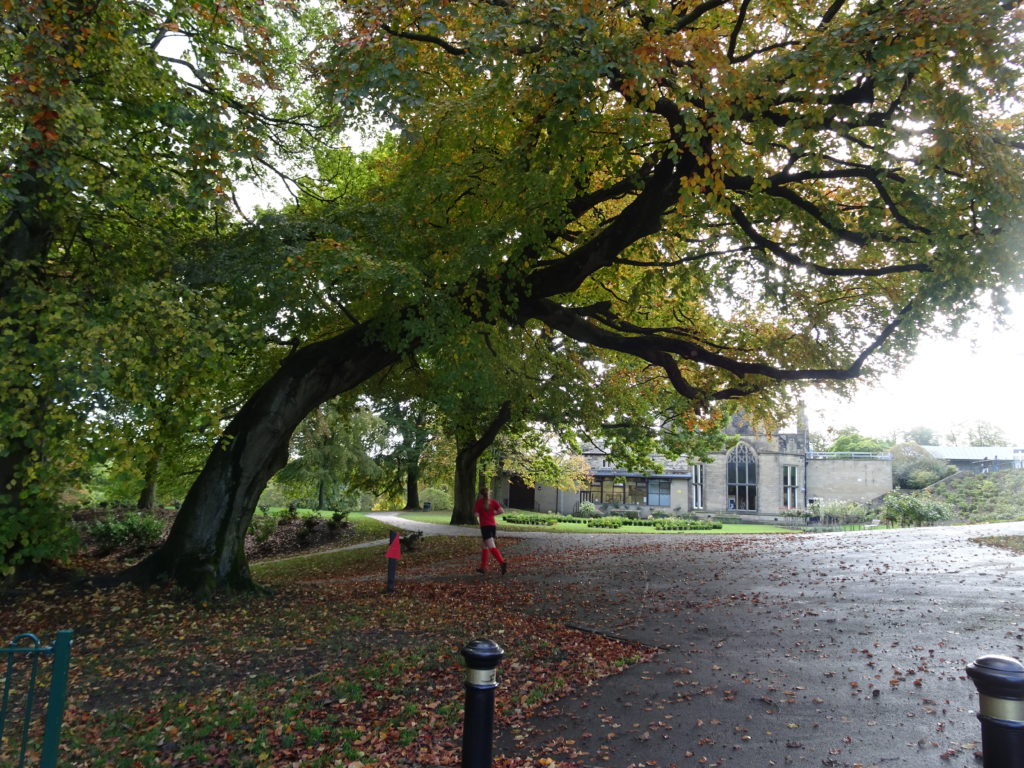
Municipal trees are planted in public spaces and a careful selection of species can produce wonderful autumn colours and vibrant spring shoots. Young children get an early hands on experience of nature if they collect fallen leaves. A bit of encouragement and sharing of adult knowledge may engender a life times interest.