Browsed by
Category: Articles

Gardening articles that may not include tips

Himalayan Gardens in England

Himalayan Gardens in England

Book Cover

First read the authoritative book ‘The Himalayan Garden: Growing Plants from the Roof of the World ‘ by Jim Jermyn

This book will provide tips and advice about cultivating species indigenous to the Himalayas. Understanding the ecology of the area gives a better appreciation of the Himilayan garden. It covers all the usual species including but not limited to Daphne, Euphorbia, Gentiana, Meconopsis, Primula and the classic Rhododendron. The book also considers different zones that are worth bearing in mind as we only associate Himalayas with big mountains. Jim covers chapters on Temperate, Sub-alpine and Alpine zones.

So now you are better prepared where can you visit?

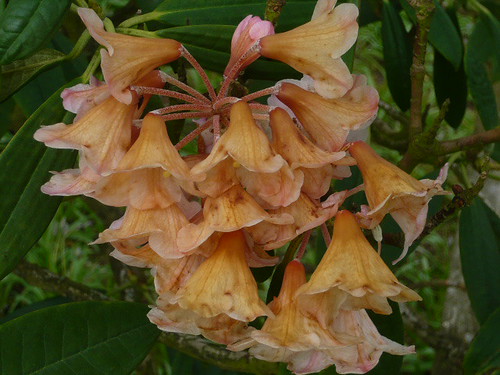
  • The Himalayan garden The Hutts, Grewelthorpe, near Ripon Yorkshire not only has an interesting address but a good display of hybrid Rhododendrons. Also on display are Eucryphia, Bamboo and Cornus.
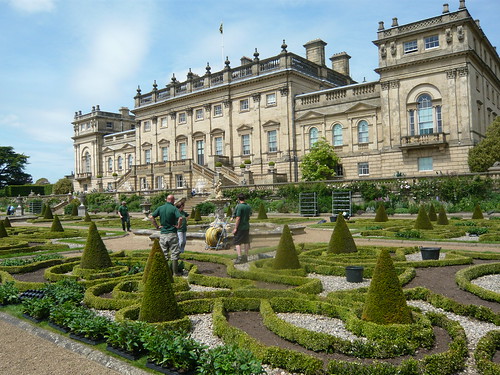
  • Also in Yorkshire is Harewood Himalayan garden opened by Alan Titchmarsh, in May 2009, says ‘The Harewood Himalayan Garden is a hidden gem and second to none in the UK…’
  • At Muncaster in the lake district check out the wonderful Sino-Himalayan Garden featuring many specimens rarely seen in the West.
  • If on the other hand you want your kids to have fun seek out Yeti at Riverhill Himalayan garden or climb the summit of Little Everest (the biggest hill in Sevenoaks)

Suppliers and other locations are listed on Rhododendron growers Glendoick’s web site.

See also Himalayan Gardens near Home

Rhododendrons and the Danger of Frost.

Rhododendrons and the Danger of Frost.

Frost damaged Rhododendron
My Rhododendrons were in full bloom when a late frost caught them quite badly.
Winter has been wet and mild but if the USA is anything to go by hard frosts may still be on the way so look after your early flowering Rhododendrons.

early-rhododendron

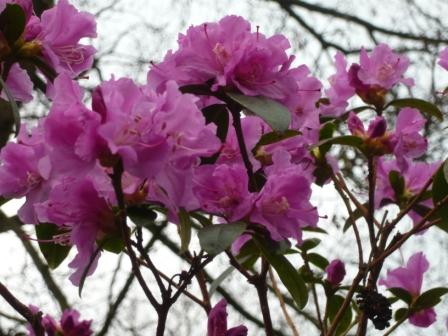
Although Rhododendron ‘Nobleanum’ displays its pink flowers intermittently throughout the winter, the season really begins with a few early bloomers like Rhododendron dauricum after Christmas and continues until Rhododendron ‘Polar Bear’ calls it a day in August. The main flowering period tends to be late April and early May. This unnamed plant was in full bloom in Durham botanic garden on 1st March 2009.


frosted rhododendron
‘More frost damage on an Early Rhododendron’

Tips to Avoid Frost Damage

    • There is no cure after frosting has occurred but waiting for next year.
    • Avoid planting in a frost pocket. Frost flows, like water, downhill
    • Plant under light shade which will offer some frost protection and the Early Rhododendrons will still flower and thrive.
    • For small specimen shrubs it may be worth covering with horticultural fleece if a cold snap is predicted.

Himalayan garden Grewelthorpe Rhododendron

Ancient Mariners Rhododendrons

Frost Hardy

This picture shows what I call the rime of the ancient mariner as I groweth one of three. Most Gardeners look after the great and small, both bird and beast……

Farewell, farewell! but this I tell
To thee, thou Wedding-Guest!
He prayeth well, who loveth well
Both man and bird and beast.

He prayeth best, who loveth best
All things both great and small; ……

Rhododendron Sappho Labels

Rhododendron Sappho Labels

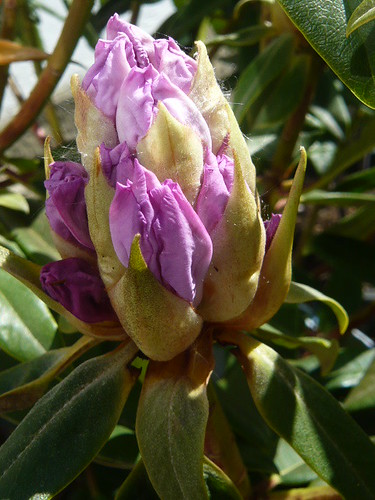
Rhododendron Sappho bud

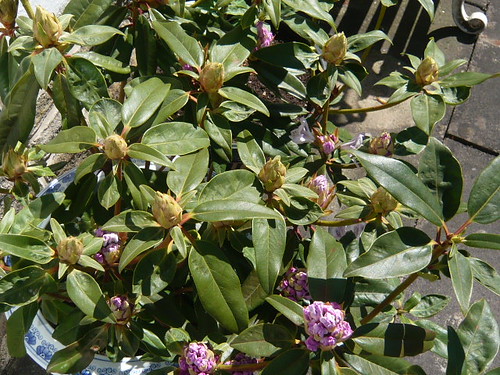
I just purchased a new containerised Rhododendron named ‘Sappho’. The picture on the label is of white flowers with spotted purple centres. There are lots of buds, about 20, and they are looking lilac.  I thought of taking it back as that was not the colour I wanted.

Now the buds are opening I think it will be worth keeping and should fit in with my planting scheme.

Four Language Label

  • The label has minimal information but what there is can be translated. A pictured sun and sun half blached out must mean suitable for sun or partial shade.
  • A flower symbol V-VI implies it flowers late in May or June. Good that was what I was after and that seems to be how it is performing.
  • A vertical arrow and 1.5m says it will grow 4-5 feet high and possibly wide.
  • A complex symbol with a cross through it may signify no pruning
  • Strangely it is named as an Azalea for decoration do not consume. Submerge pot in a bucket of water for 10 minutes then plant in the garden. Fair advice.
  • The symbolic language may be classed as a fifth language since Esperanto never took off.

Rhododendron Sappho

Research on Sappho

  • Mauve buds open to lovely white flowers with a conspicuous dark purple, almost black, blotch.

Read More Read More

Tips for Your Front Garden

Tips for Your Front Garden

Iris

Lovely climbing rose on the front of this house

The Front garden is a great part of English life. Unfortunately there is increasingly a trend to replace the front garden with concrete so people can park a car. But, what better way to start the day than walking through a bit of garden at the front of your house.

The Huge Flower Approach

Front Garden Oxford

If you want to give joy to passers by, go for a real impact and fill it with lots of colour. These dahlias give an excellent summer long flowering display – you will just need to spend time watering. Every bit of space has been maximised with these hanging baskets

The Zen Approach to Front Gardens

Front Garden

A bit of gravel and reserved planting gives a very relaxed feel. It helps sooth the nerves, especially because the work to maintain is much reduced.

Read More Read More

Plants from Madeira

Plants from Madeira

Seductive plants from Madeira are best viewed on the island but it is tempting to bring some how as bulbs or plants. I avoid bringing plant material home as it may bring back pest and disease. As a Yorkshireman I don’t want  to loose my money and the plant markets are just tourist ‘come and buy me’ traps.

Madiera mch11 191

Monte Palace Tropical Garden

  • 3 Miles from Funchal at Monte there is a tropical garden dating back to the 18th century. You can access it by 21st century cable car and return on the toboggans.
  • 70,000 square meters of garden include Proteas, Cycads, Acaias, Sequoias and Azaleas representing all the continents.
  • Close by is the wilder area of the Laurissilva Forest a Unesco world heritage site.

Madiera mch11 195

Quinta do Palheiro Ferreiro Gardens

  • The gardens, owned by the Blandy family since 1885, boasts some of the most valuable and rare exotic plants on the island.
  • The gardens specialise in splendid Camellia varieties which you will be able to admire to its full extent during the main flowering season between November and April.
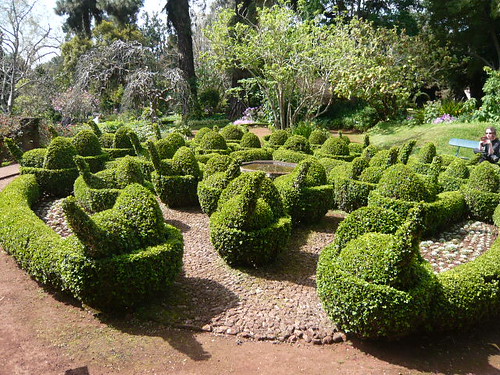
  • There is also topiary, great trees and views down into Funchal.

Madiera mch11 276
Botanical Gardens

  • Quinta do Bom Sucesso was a private Quinta belonging to the Reid’s family. This has been the Government owned botanic garden since 1960. – where the climatic conditions are much in favour of exuberant vegetation.
  • The Botanical Garden boasts more than 2000 different plants.
  • Throughout the gardens visitors can find the plants labeled with their scientific names, common name and origin.
  • There are five distinct areas to visit including, Indigenous and endemic, Tree Garden, Succulents, Tropical/Cultivated/Aromatic/Medicinal and The Loiro Park which has some of the most exotic and rare birds.

Madiera mch11 198


There are several other gardens to visit during a holiday on the Island. The walks in the country also provide ample opportunity to see a wide range of flowers, trees and plants in their natural habitats.

Syringia & Unusual Garden Lilacs

Syringia & Unusual Garden Lilacs

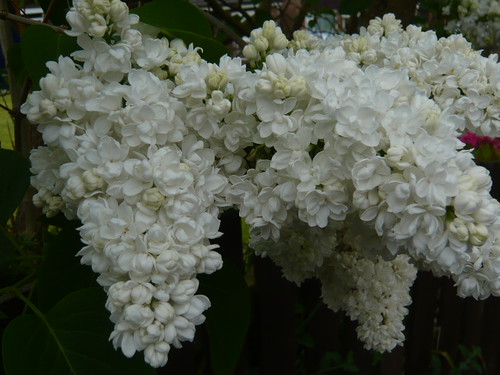
Lilacs are members of the Syringia family and are named for the colour. There are deep lilacs verging on violet and light pinkish lilacs even some pretty floriferous white flowering Lilacs.

Persian Lilac has a more open flowerhead and is also called Chinaberry or Melia azedarach.

White flowering lilacs (below) also have the same heady perfume of the other members of the Lilac family .

Lilac species from wikipedia
* Syringa afghanica

Read More Read More

Be Safe from Poisonous Garden Plants

Be Safe from Poisonous Garden Plants

Datura, Brugmansia or Angels Trumpets


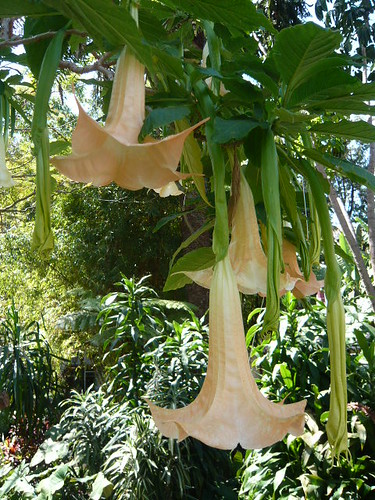
Datura also called Brugmansia or Angels Trumpets are not very angelic particularly when it comes to dangerous plants. They could easily feature in an Agatha Christy thriller.

Book Cover

After our recent post – Flowers that can be eaten. We though it worth sharing a list of plants which are dangerous if eaten. In addition avoiding consuming these plants many common problems arise from contact with the sap.

  • Aconitum – Monkshood
  • Arum – Cuckoo pint.
  • Colchicum – The autumn crocus
  • Convallaria – Lily of the Valley
  • Cytisus – the Broom – All parts can be fatal if eaten.
  • Daphne – Shrub grown for its beautifully scented flowers. Berries very dangerous
  • Delphinium – All parts Highly toxic – can be fatal if eaten
  • Digitalis – Foxgloves cause irregular heart beat and digestive problems. Digitalis is used in heart medicines but is poisonous eaten straight from plant
  • Gloriosa superba
  • Laburnum – Beautiful flowers that flower in May but can be fatal if eaten
  • Lantana – (Spanish Flag)
  • Nerium – A beautiful conservatory plant
  • Phytolacca – The poke weed
  • Ricinus communis – Castor Oil Plant. Not to be confused with Fatsia.
  • Taxus – A hedge favourite.
  • Veratrum – The false Hellebore.

Book Cover
Be Also Careful Not To Eat

  • Daffodils
  • Chrysanthemums
  • Buttercups
  • Hyacinth
  • Wild mushrooms that are really Toadstools

Eating these can cause various health problems.
Book Cover

Poisonous Plants For Animals

  • Ragwort is poisonous to animals and can cause kidney failure and liver damage which is irreversible. Often fatal to horses and cattle and a number of dogs die by eating a small amount.
  • Other Senicio plants and Castor beans can also be fatal to animals.
  • Leaves and branches of Oleander produces digestive problems.
  • Even the water that flowers have stood in can become poisonous to animals.
  • Datura stramonium and Angels Trumpets are poisonous to humans and animals.
  • Easter Lily is poisonous to cats and dogs should not be allowed to eat cocoa shells.
Acer Japonica Palmatum

Acer Japonica Palmatum

acer

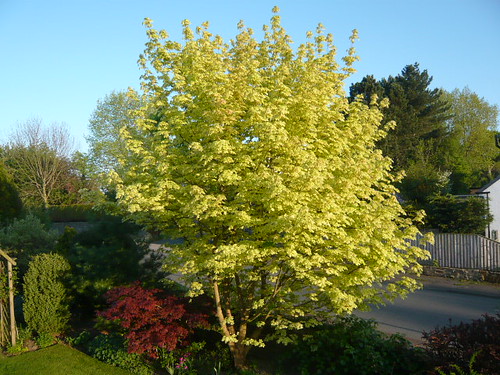
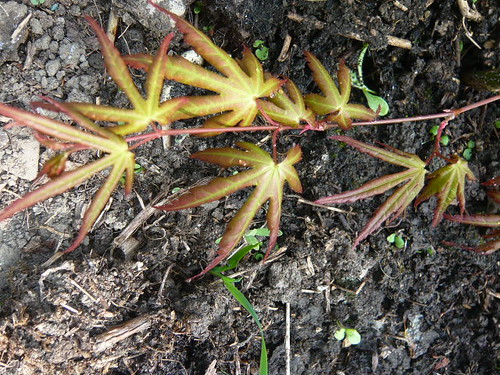
The larger Acer is not Japonica but Davidii. Under it’s branches is a more tender Acer palmatum Japonica var. dissectum ‘Inaba-shidare’ or the purple leaved Japanese maple.

Acer japonica

Cultivation

  • Acers or Japanese maples like ‘Little Princess’ above need a sunny or partially shaded spot which is protected from cold winds.
  • Acers are hardy shrubs and small trees and like soil that is moist but well-drained.
  • Acer Japonica are suitable for growing in a large container using John Innes No 3 compost but must be kept well-watered.
  • In Autumn the leaf colour intensifies before falling.

Acer japonica

  • Sold as Acer Green Globe above  but the leaves are not lime green or as serrated as Green Globe.
  • Tip. Buy when your Acer is in leaf if you want to be sure what you are getting
  • I saved some money by buying after the leaves had fallen and over all I am not disappointed. In truth I am quite pleased with the effect of several young shrubs in my new Japanese garden

Acer japonica

  • Leaf form and shape has shaped the name of these shrubs.
  • Palmatum is derived from the hand shape of the leaves. The shape looks like fingers.
  • Looking at it another way the leaf is dissected

Acer japonica

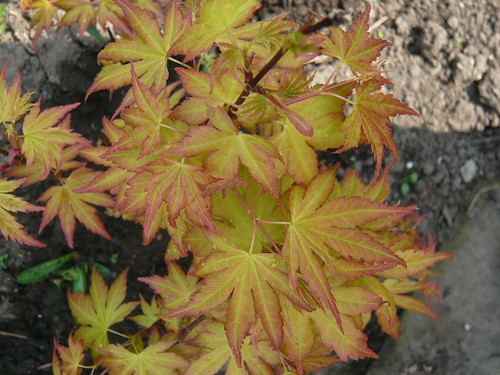
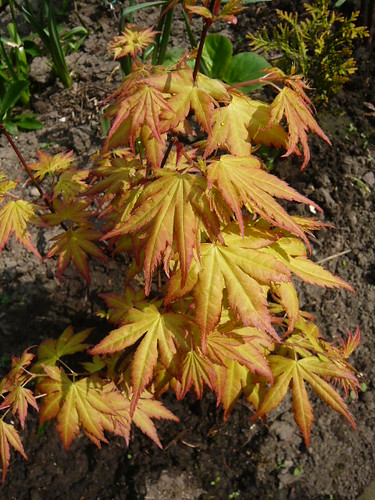
Acer Orange Dream above

  • Cut back long shoots in March to encourage compact growth.
  • Will grow to 5 feet high and 3-4 feet wide.
  • Add some peat to the planting hole and keep moist but not water logged.


Read about growing Acers as small trees and tips for Growing Acers


May Flowering Ornamental Shrubs

May Flowering Ornamental Shrubs

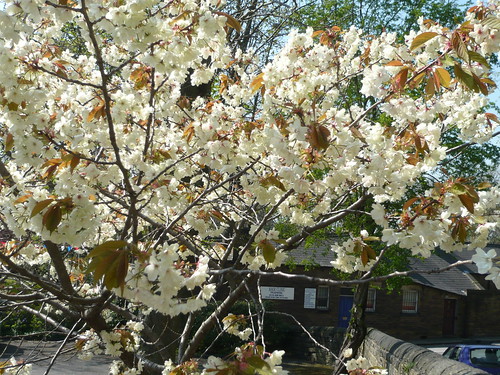
Spring Blossom

I received a book for Easter entitled ‘Ornamental Shrubs for Temperate Gardens May Flowering’ by Edward Hyams.
Since its publication in 1965 the botanic names of the odd variety may have changed (this is a continued source of annoyance to me as soon as I learn one Latin name it is changed into another). However the awe that spring blossom can produce may let me forget this minor issue.

This is my selection from over 50 shrubs and many species that Hyams recommends for May flowering.

Caragana – a broom like shrub
Castanea alnifolia or pumila – sweet chestnut shrubs
Ceanothus
Cercis siliquastrum – Judas tree appropriate given my gift.
Cestrum from the Solanaceae family
Clematis
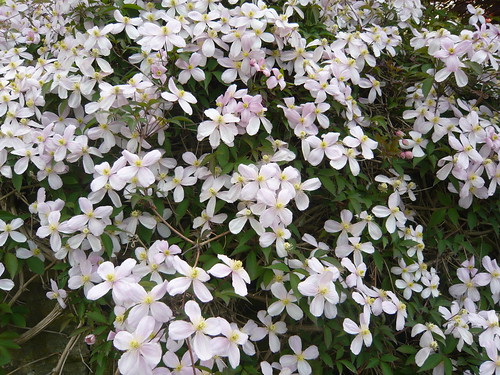
Clematis from alpina, montana or patens groups.
Crataegus – hawthorns, look out for prunifolia
Cytisus and Genista – brooms including burkwoodii crimson flowers and goldfinch cream

Read More Read More

Sculpture in Garden Harmony

Sculpture in Garden Harmony

Sculpture at Harlow Carr

Harlow Carr the RHS garden in Harrogate has a series of gardens through the ages. This sculpture is part of the offering for the Festival of Britain 1951. To me it looks a lot more modern than that but certainly none the worse.

Which came first the sculptural design or the planting scheme? Either way the two combine in a special harmony that needs to be seen. The light wind (yes it can be a light wind in Yorkshire) was moving the oat grass around the leaping fish in a realistic impression of the sea. The colouring on the fish scales was picked out by the flowers that were subservient in the overall design.

Design Tips  from The Harlow Carr Fish

  • Simple planting schemes can be very effective.
  • Don’t use too many varieties of plant.
  • Seed heads can give movement and contrasting effects
  • Link the key elements of any sculpture to the planting in shape, form, colour or style.
  • There was a pond just beyond the fish that linked themes together
  • Consider the impact for each season before starting planting.

Book Cover

See Barbara Hepworth sculptures in the Yorkshire Sculpture Park