Browsed by
Category: Articles

Gardening articles that may not include tips

Garden Ornaments, Outdoor Art and Statues
Garden Ornaments, Outdoor Art and Statues


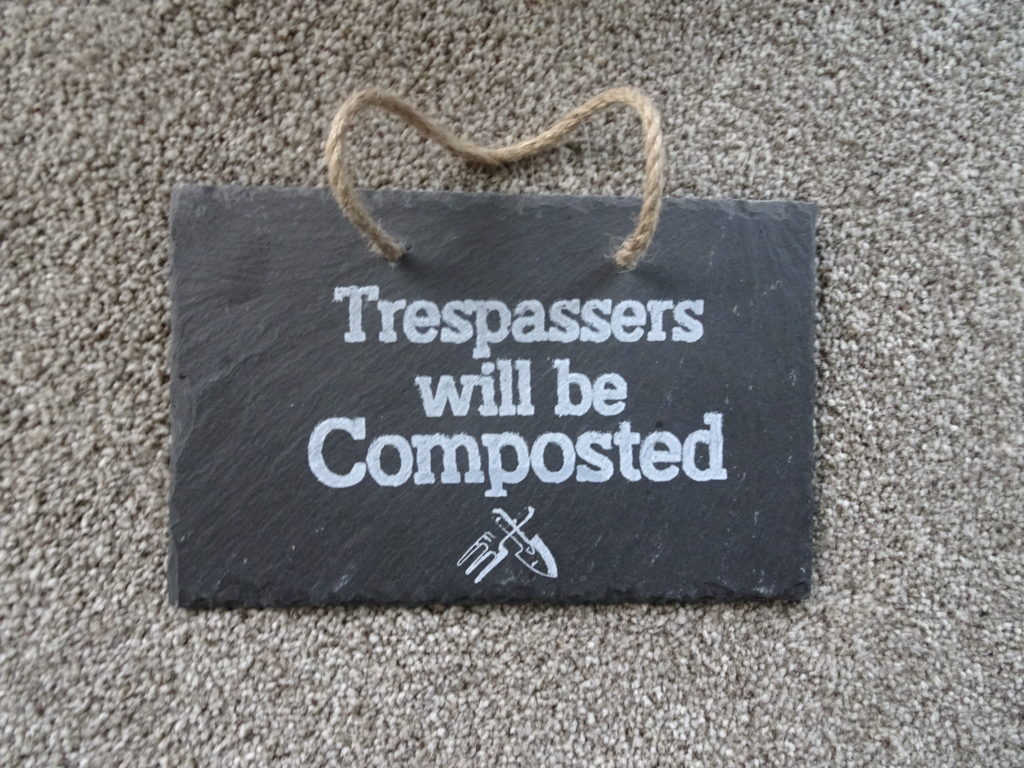
You can trim your hedges and shrubs and / or trim up your garden with ornaments. No two gardens will ever be the same and your ‘trimming’ will help create your own unique style. I for one want more humour including Sherlock Gnomes and fertilising leaks and peas among my cabbages.

But remember loam wasn’t built in a day
Commonsense Garden Decoration

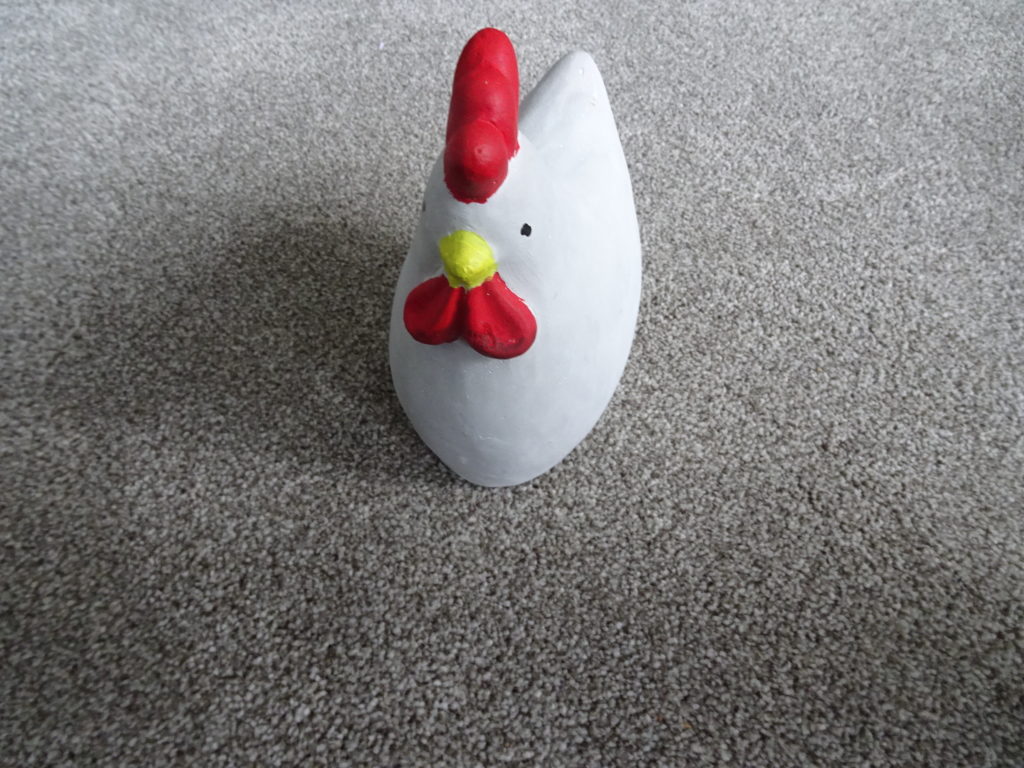
  • Keep objects in proportion to the areas where they are on show – too small and you can’t see them properly – too large and they dominate
  • Chose a style and stick too it – contemporary, classical, cottage, trad or what ever, a mix of styles is hard to pull off decoratively. Give an eleborate object a plain backdrop so it stands out.
  • In a busy border opt for simple shapes to contrast with densely packed vegetation.
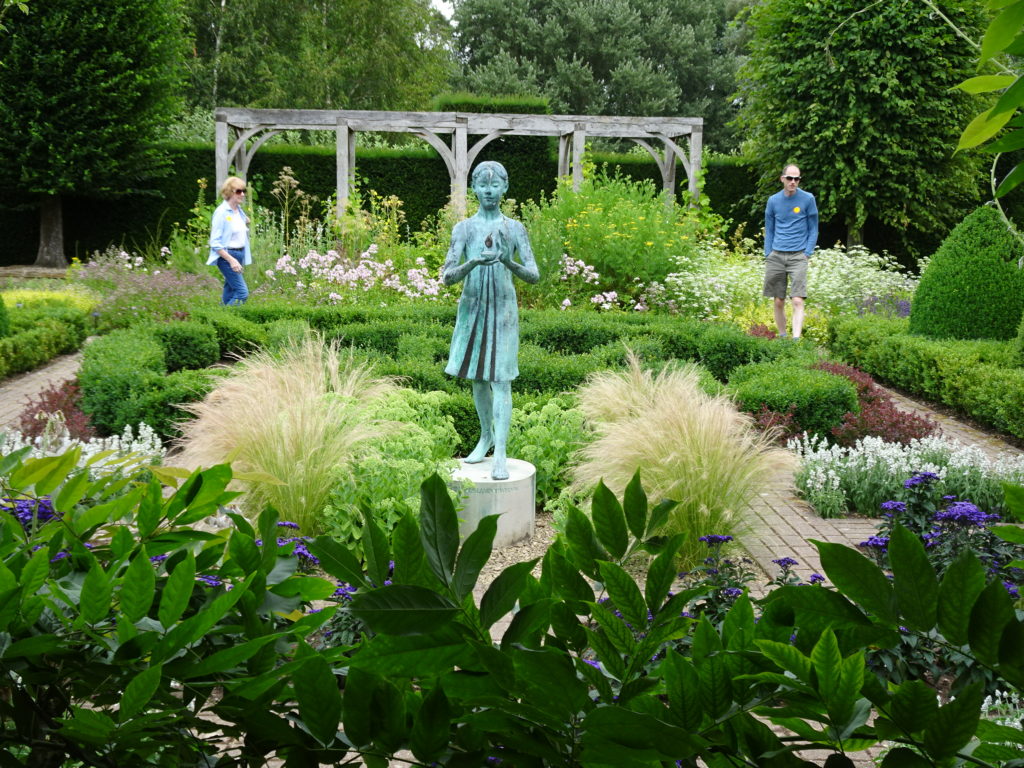
  • Spheres, spirals, chimney pots, classic statues, tall oblique poles can all help create a focal point or focus of interest

Lighting and Illumination

  • Spot lights can be softer than floodlighting
  • Floodlights show off good decorative features but think about how shadows will fall
  • Down-lighters can show a path
  • Up-lighters on structures like pergolas can be effective.
  • solar lights are improving but need charging in low light conditions
  • Enjoy and use your creative instincts

Gnomeo Book and Gardening Club
Rose Year 2018

Rose Year 2018

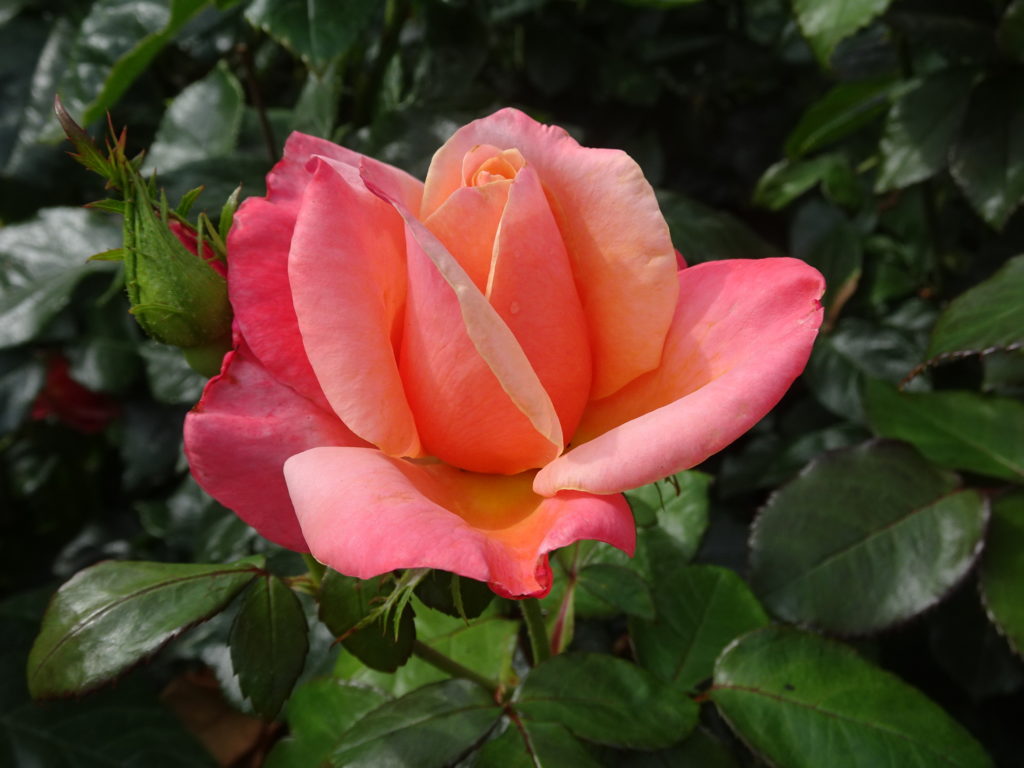
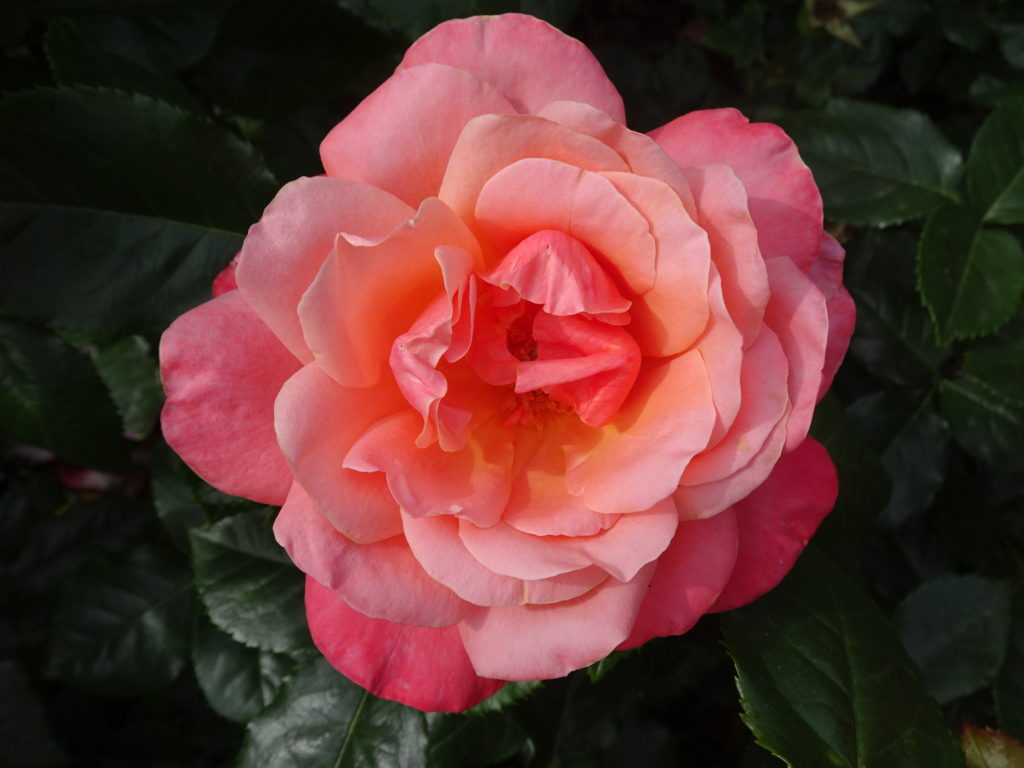
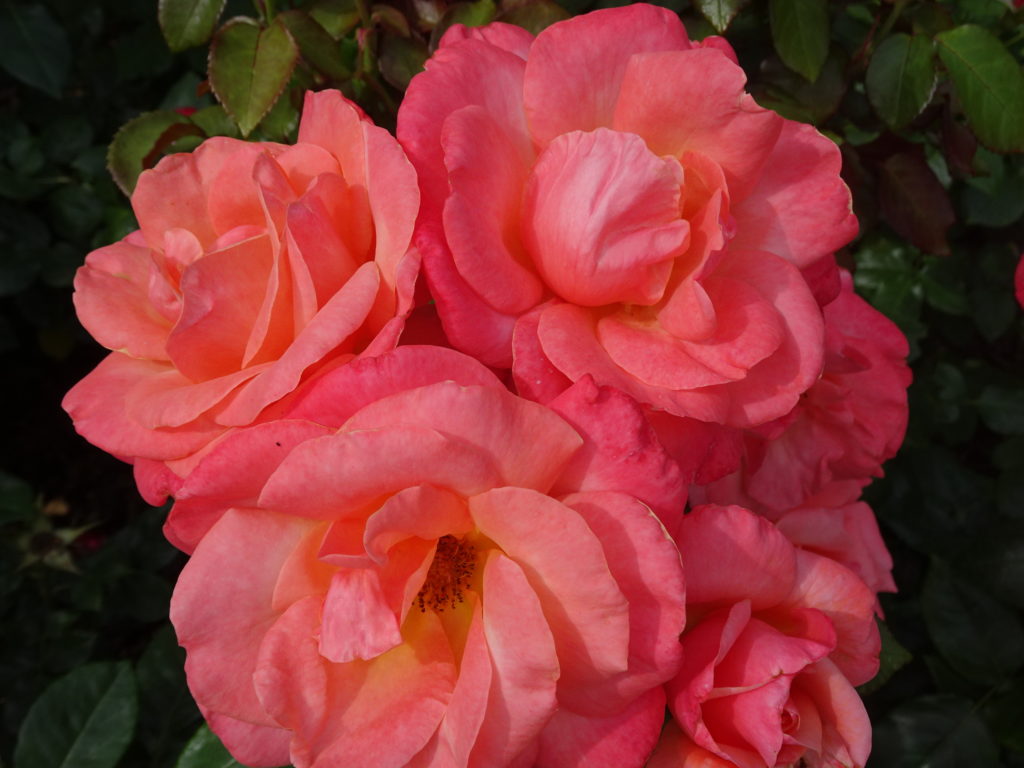
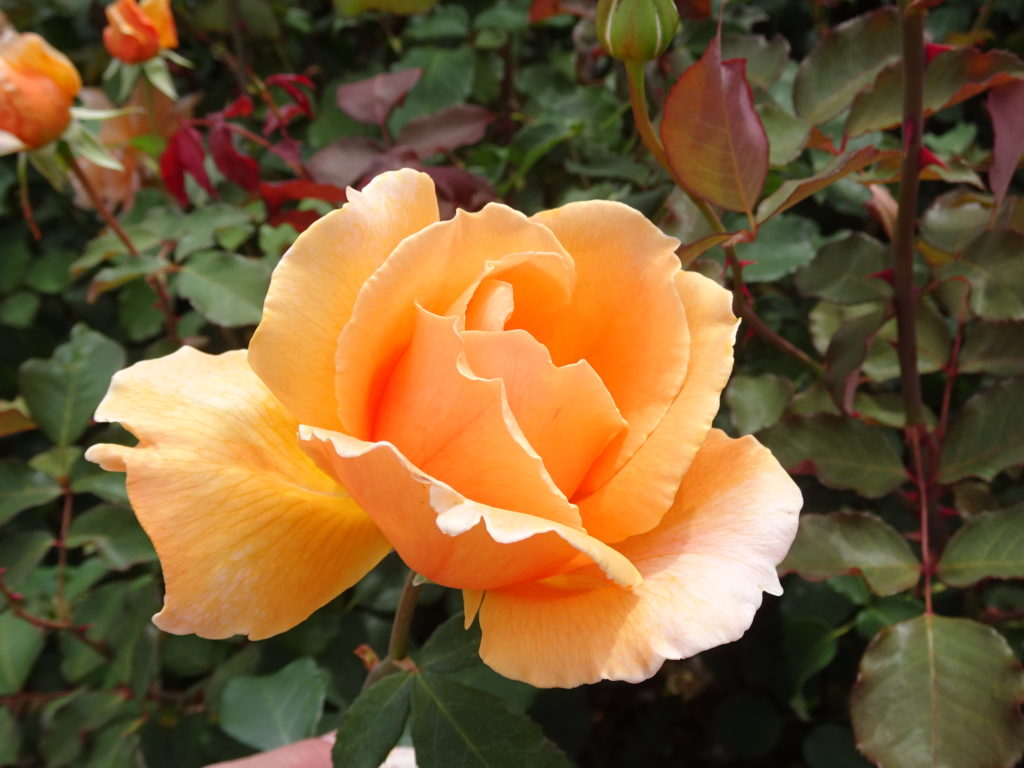
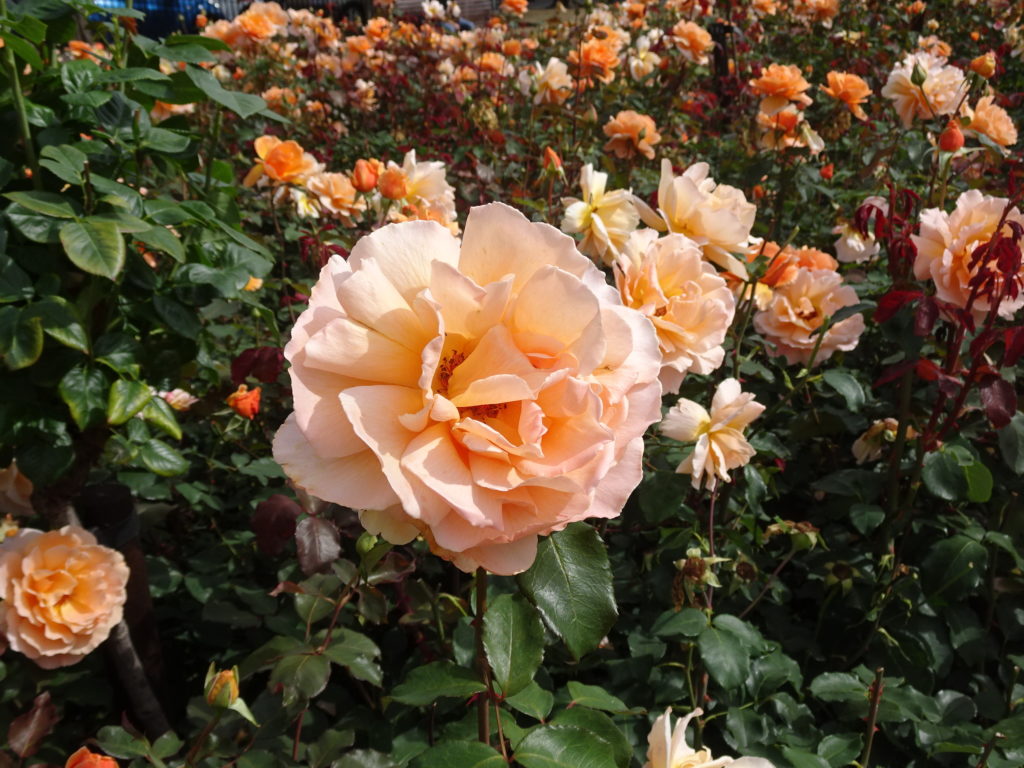
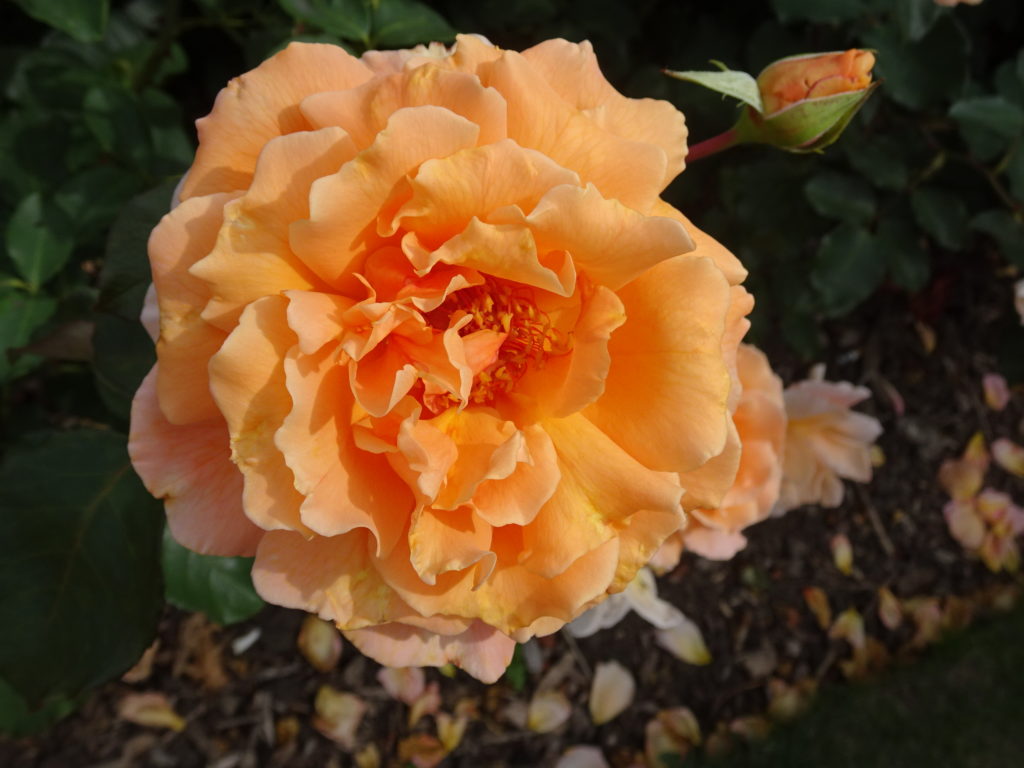
In the UK it has been a fantastic year for flowers, no more so than an English favourite the Rose.

Parks and gardens have been over flowing with stunning blooms and scents.

2018 may be the start of a rose resurgence and I will be tempted to buy a few more bare rooted rose trees this backend.

Have I just been fortunate or has the weather restricted pests and diseases? No rust, negligible blackspot and only one plant suffering from mildew.

It may be too soon to say farewell to greenfly but I live in hope for the second flush from the HT roses.

After generally a good year for fruit and berries I wonder what to expect from rose hips this autumn. My Rambling Rector put on a good show and now I hope for a surfiet of hips. Rugosa roses needed more moisture and were one of the few poor performance in 2018.

Georg Adalbert Arends Old German Plantsman

Georg Adalbert Arends Old German Plantsman

Georg Arends was a German nurseryman who bred many perennial plants. His business was successful until the second world war and has been regenerated to be one of the oldest in Europe. It still remains within the Arends family.

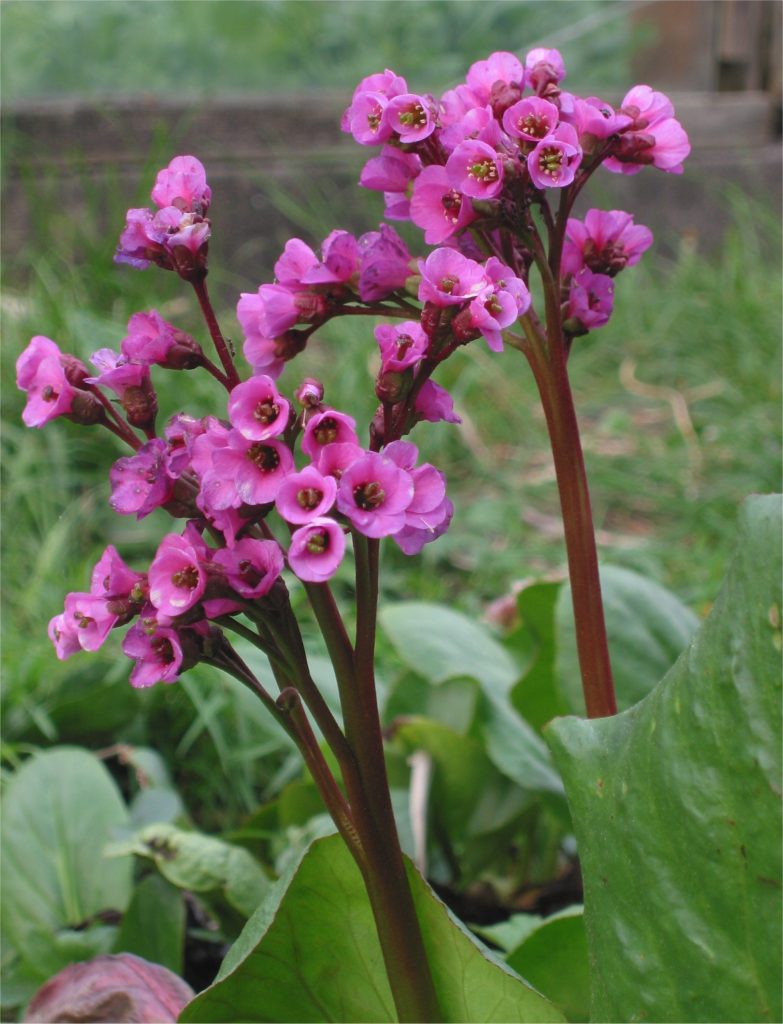
Among over 300 plants that Georg bred are included ‘Arendsii’ versions of Aconitum, Arabis, Phlox and Hosta sieboldiana. He also specialised in Bergenia breeding ‘Abendglocken’, ‘Morgenrote’ and the white flowered ‘Silberlicht’. (I was told Bergenia were called Elephant plants because an elephant could stamp on them and they would survive. However a more popular name is Elephant Ears after the leaves.)

One of Georg’s favourite Berginia (wiki)
Rhododendron ‘Georg Arends’ was named after him. Dobbies say that it forms ‘A spectacular evergreen shrub that produces masses of large bright red flowers in mid May, up to 7.5cm in diameter, on a round shaped and bushy plant with dark green foliage.’

David Austin sells an old rose called Georg Arends which he claims it is ‘A good shrub with large, rose pink blooms of perfect Hybrid Tea shape; the petals curling back at the edges in a most beautiful manner. Deliciously fragrant. Recurrent flowering’.

A recent article in the Financial Times celebrates 130 years of Georg’s nursery business – I wish I had plants that lived a tenth as long.

British View of American Landscape

British View of American Landscape

Some time ago in the pre-Trump era the west lawn at the British Museum  showed plants from North Americas landscape. The plants were provided in partnership with Kew but the photographs were mine taken in September.
I now wish I had also visited to see and take pictures of earlier spring and summer flowers fro N America.

London liverpool st 065

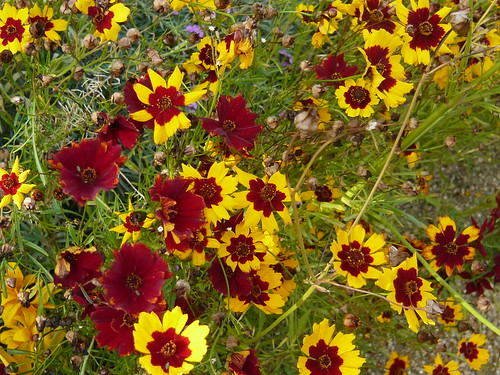
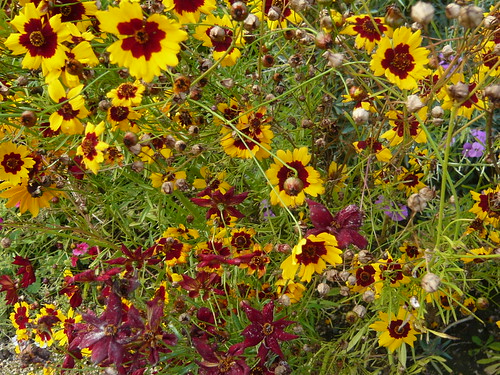
Amongst the more colourful flowers were a range of ‘tickseed’ which is the American name for Coreopsis. I like to grow these airy prairie plants even in darkest Yorkshire and you may see why from these photos.

London liverpool st 084

Trust me to get a photo of mildew! Must try again.

London liverpool st 064

The Museum garden had a lot going on in both leaf and flower forms.
The signage was good but it wasn’t obvious to me which of three zones each plant portrayed; Woodland, Prairie or Wetland.
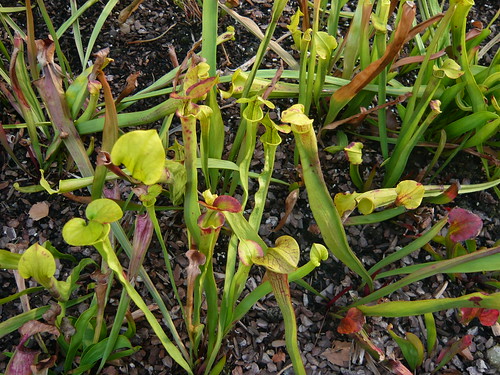
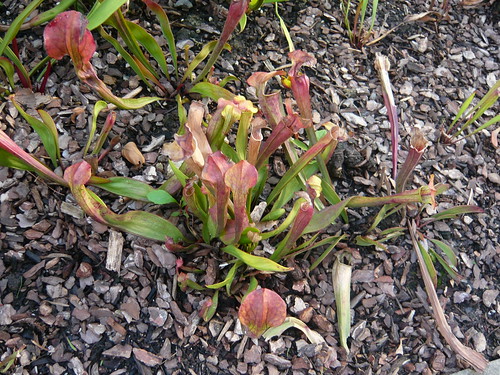
I am sure the wetland was represented by the wonderful insect eating Pitcher plants.
London liverpool st 036

Older Pitcher plants below.

London liverpool st 037

London liverpool st 033
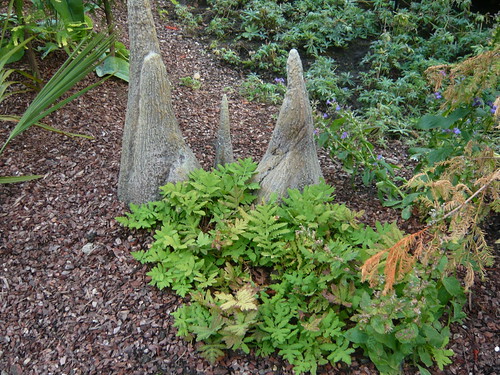
I am sure it wasn’t intentional on the part of Kew to include these British Rockies. I am sure the real thing are more awe inspiring.

London liverpool st 076

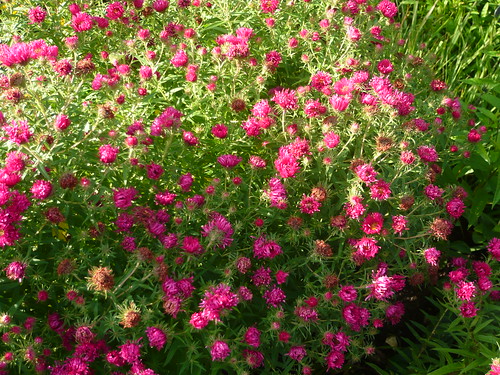
For me the September light set off these New England Asters a proper treat.

London liverpool st 061

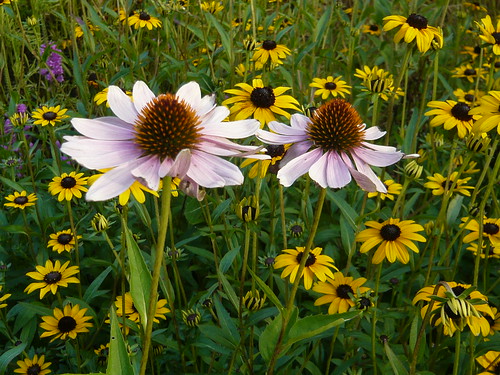
Cone flowers Echinacea purpurea held there own!

London liverpool st 057

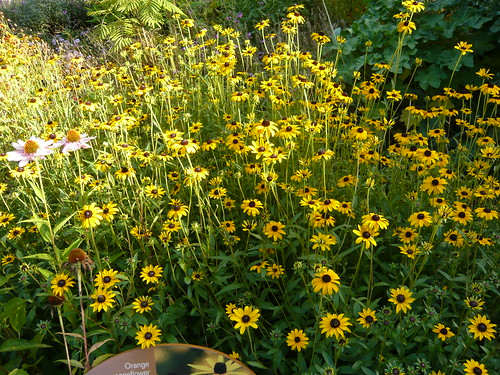
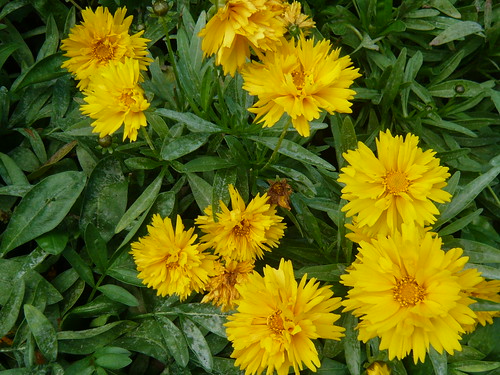
Orange Coneflower Rudbeckia fulgida. The seeds feed finches and Native Americans used a wash from the plant for snake bites, earache and for a variety of other medicinal purposes.
First known in England in 1789 when they were described by Wm Aiton the first curator at Kew and ‘His Majesty’s Gardener at
Kew and Richmond ‘.


Meadow Flowering Wild or semi-cultivated

Meadow Flowering Wild or semi-cultivated

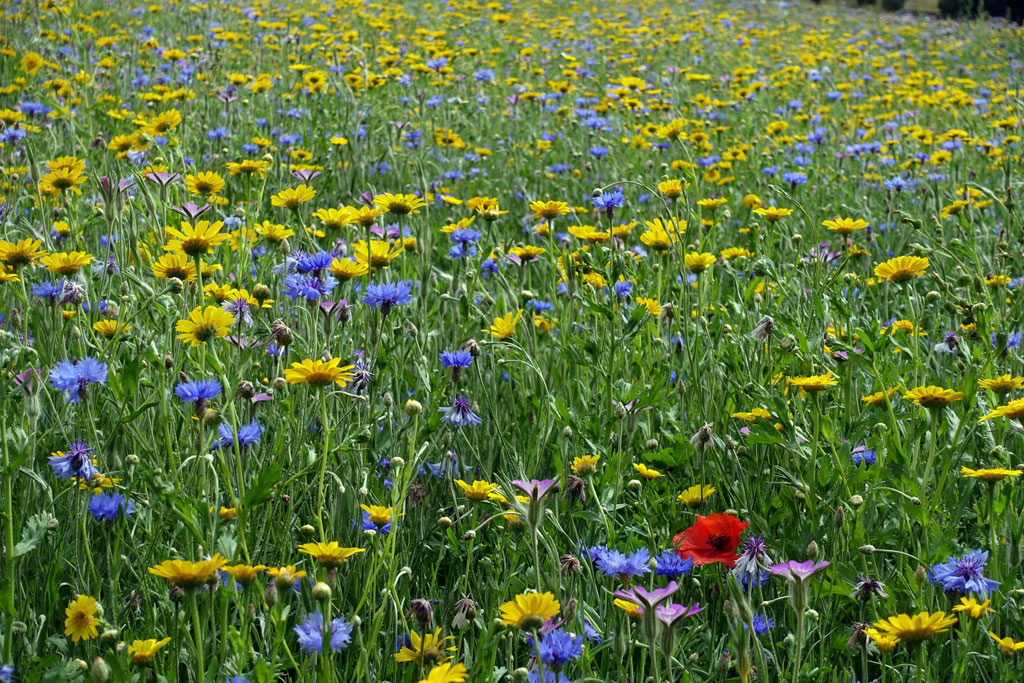
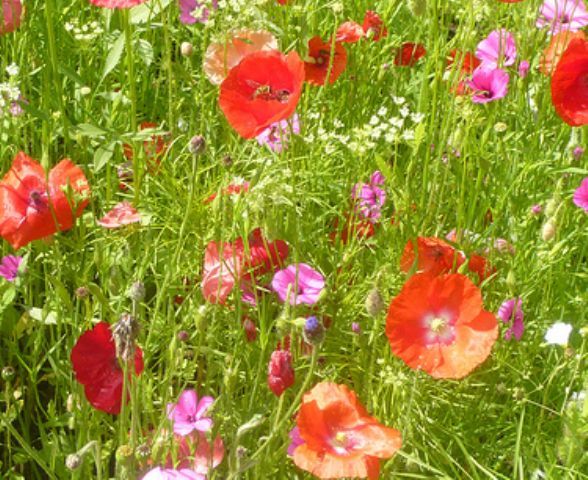
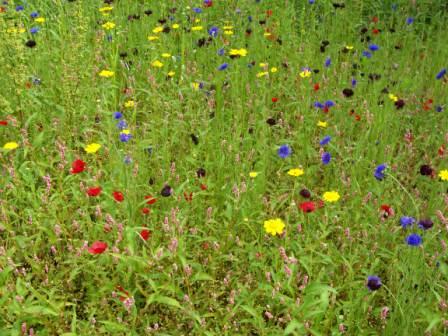
One red poppy to add interest to this photo of a ‘sown’ wild garden. The effect is pleasing with the cornflowers just breaking into colour.

fritilliaria

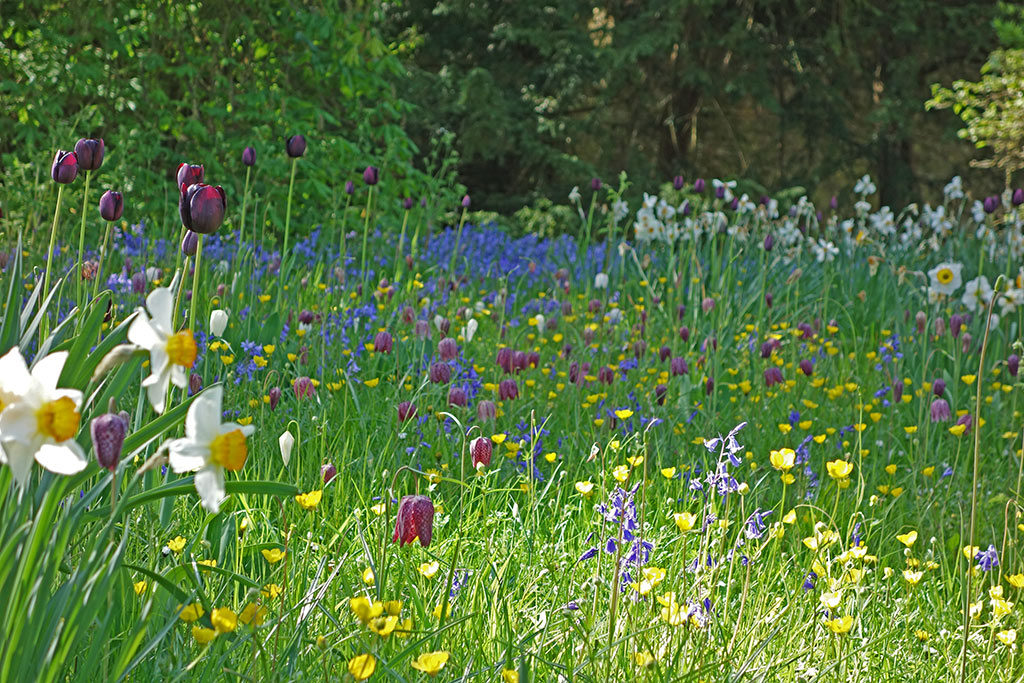
A spring bulb meadow in a tree line glade.

fritilliaria

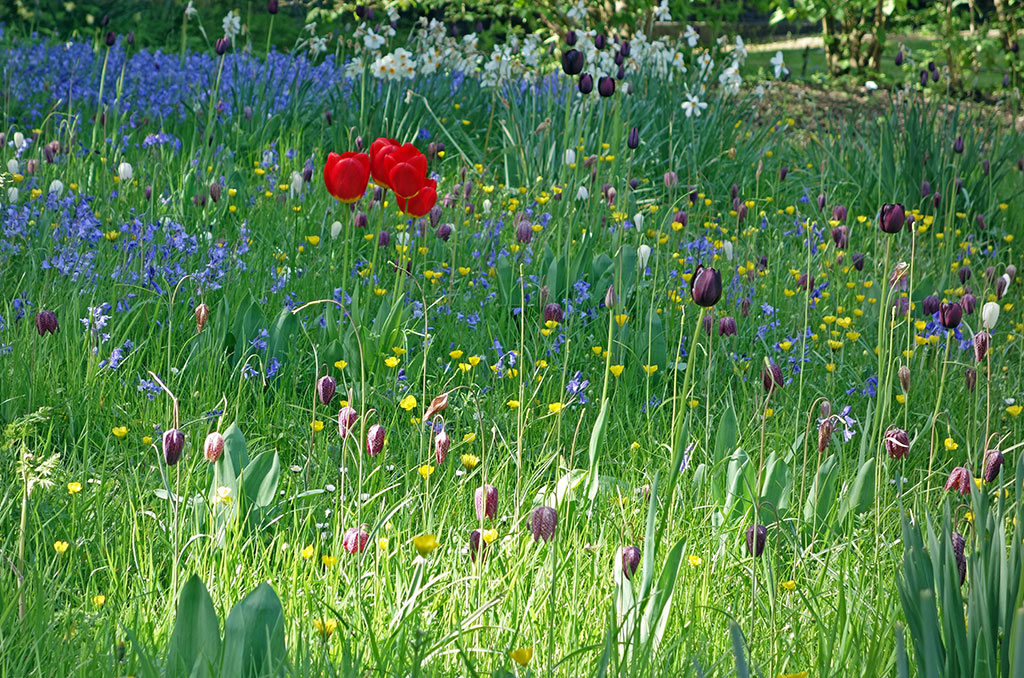
Blue bells and tulips make a good combination. The fritillaries are nearly over.

Sown seed in a field of meadow grass cultivated to help this floral display.

An unusual August Wild Flower Garden when most wild flowers are spring flowering.

Drink to the Gardeners

Drink to the Gardeners

Or more aptly what can gardeners do with their drinks and any remnants.

Tea leaves can be composted of course but they can also be put around Camellias as a mulch. This may seem a bit like cannibalism as the tea plant is part of the family Camellia sinensis. Comfrey leaves soaked and rotted down in water make a good cheap fertiliser suitable for flowers or fruit and other leaves such as nettles have similar attributes.

Milk is slightly acidic (lactic acid) and washing out your old bottles and use the water for a mild liquid manure of indoor plant.

Coffee grounds and cup remnants can go on the compost heap or be used around small succulent plants to deter snails.

A beer after a hard session in the garden can refresh the jaded gardener but can a drop or two help any plants. The yeast in beer may have some benefit and it is worth rinsing the bottle of can onto hollyhocks or climber. In the unlikely event there is any beer un-drunk it is well known that slugs glug beer and can drown in a beer trap.

When it comes to washing up after all that drink the soapy water can be used on the garden. Soda based cleaners are said to be good for use on brassicas.

After the Drinking

Micturation or the production of urine is an inevitable byproduct of all that drinking. Human urine is rich in nitrogen and urea. Fresh urine can be used to water plants diluted 1:10. Alternatively add it to your compost heap to enhance its nutritional content.

Victorian musical hall artist Marie Lloyd had a famous song ‘She Sits Among The Cabbages and Peas’. To over come complaints from the moral police of the time she sang a new version ‘She Sits Among The Cabbages and Leeks’.

‘Oh, she sits among the cabbages and peas
With a pretty little peapot ‘tween her knees
She’s a whiz at shelling peas
So she sits and shells with ease
Till the pretty little peapot’s full of peas.

Play Music to Your Grass

Play Music to Your Grass

If Prince Charles can talk to flowers and plants perhaps your grass would like to listen to some classical music. Nocturnes may be more appropriate than ‘the floral dance’ or anything else that attracts weeds.

Grass & Lawn Music

  • Beethoven first movement (of the lawn mower) is  one of his lesser known hits.
  • 1812 is the best time of day to trim your edges.
  • To get neat patterns on the grass go Bach over it in opposite directions.
  • Fertilse your lawn with Schubert to give it some fizz.
  • Do not let your tuning fork Liszt .
  • Grass clippings are due for some Chopin before they adorn the compost heap.
  • I use a hook shaped knife to get grass out of cracks in pavement and flagstones. I call it a Mahler.
  • Do the twitch’, like Cubby Checker’s twist only spelt differently.’
  • Edelweiss should be rolled over in the clover not Mendelssohned with.


Trees Near Buildings

Trees Near Buildings

The UK is experiencing a significant drought following a very wet spring. Trees were encouraged to put on extra foliage and they are now regretting the extra moisture they need to transpire. This is leading to more cracks in the surface soil and could lead to permanent damage.

Trees take up large volumes of water during summer. Shrinking and swelling of clay soils can be a concern but trees 30 feet from buildings should not be a major concern. However it is wise to avoid large vigorous and thirsty trees like Oak, Poplar and Willow.

Root Damage

  • Main roots are usually confined to the top 3 feet of soil
  • Shrubs and climbers are seldom implicated in root damage.
  • Swelling trunks close to buildings may squeeze against structures.
  • Root size and extent is variable dependant on species.They seldom penetrate well maintained drains but vulnerable drains should be repaired.
  • Roots radiate irregularly seeking moisture and nutrient. They may spread two to three times the height of the tree.

Subsidence & Structural Damage

  • Older buildings with shallow foundations are more vulnerable.
  • Soils other than shrinkable clay do not swell and contract as much as other soil and seldom cause damage.
  • The side of a building nearest the tree can settle due to its weight in dry soil causing cracked masonry, distorted doors and windows.
  • Fences, hedges and boundary walls may be damaged by proximity.
  • Paths can be lifted by robust roots.
  • Wind damage to trees may make them structurally unsafe.

General Tree Issues

  • A tree is the responsibility of the landowner who may be liable for any damage it causes.
  • Check with the local planning authority to establish if a tree has a ‘Tree Preservation Order’. They should also know if the garden is in a designated conservation order whose objective is to conserve landscape and public spaces in an area.
  • Trees have atendency to grow larger than you originally intended. They can block out light through your windows, shade gardens and over hang into your neighbors garden.
  • If you need to remove a large tree be aware that the large volume of water it previously transpired will remain in the ground and may lift the water table, swell the soil and cause ‘heave’ or displacement.
  • Gutters and roofs may suffer from leaf litter.
  • Surface roots and suckers can be invasive.

Further Tree Safety Tips

  • Think about the future life and nature of your tree before planting or starting work. It pays to plan ahead.
  • If a large tree needs pruning, lopping or taking down use a tree surgeon who has full insurance.
  • Consider neighbors and  overhangs across roads and public paths.