Browsed by
Author: hortoris

Summer Pond Care

Summer Pond Care

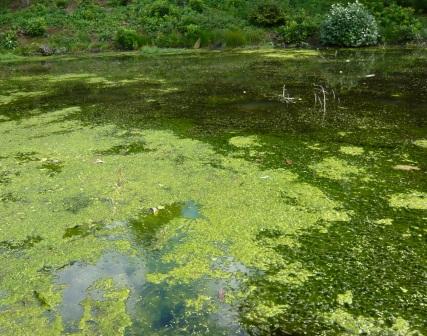
Summer is another tough season for small garden ponds. The warmer weather can spoil the balance between the amount of vegetation and the levels of sunlight.

Pond Weed

Observations and Summer Tasks

  • Aquatic plants help maintain a balanced pool free from algea in summer.
  • Free floating plants reduce the amount of sun reaching the depths and keep the water cooler. Gently place new plants on the surface.
  • Maintain 50% of the water surface clear of vegetation thinning when necessary.
  • Deep water aquatic plants with floating leaves like water lilies benefit from regular dividing.
  • Submerged oxygenating plants are vital to pool hygiene 5-20 stems per square yard of surface is needed.
  • Excessive plant growth replaces oxygen with carbon dioxide at night potentially causing fish to die.
  • Thin out and avoid invasive species such as Mtriophllum acquaticum.
  • Good housekeeping involves topping up water levels and removing dead and rotting vegetation.

Thorpe Perrow Lake

Summer Pruning Lavender

Summer Pruning Lavender

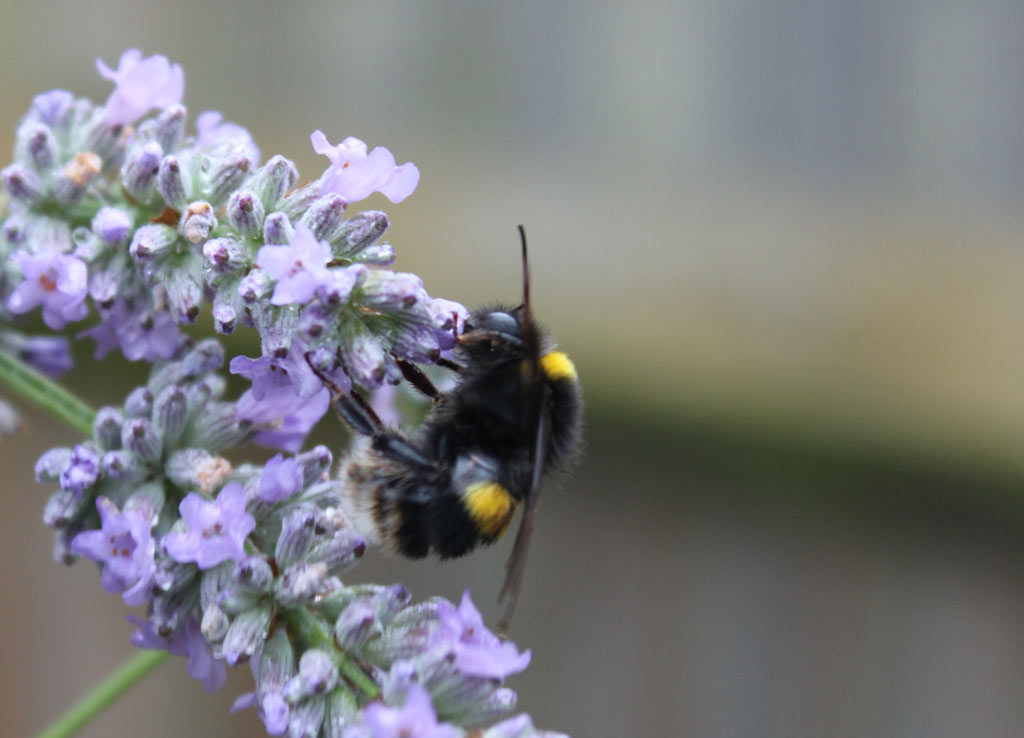
bee lavender

Lavender will not sprout willingly from old wood. So when pruning make certain some green wood remains. Lavenders bloom on the stems that grew that year. Pruning is designed to encourage more flowering branches and give plants a longer life.

  Lavender Pruning Tips

  • Lavender angustifoila (English Lavender) should be pruned every year.
  • Keep the plants tight, shapely and compact
  • Remove flower stalks after flowering
  • Prune an an inch or so of this years growth and a third of the older bushes without cutting into older leafless wood.
  • Late summer is an ideal time to prune English Lavender.
  • Less hardy varieties Lavender stoechas (Spanish Lavender,  French Lavender) and intermedia Lavendin should be trimmed immediately after flowering and if necessary again in autumn.
  • Start gentle pruning when the plants are young and be heavier on older plants.
  • Pruning in spring can delay flowering.

Lavender can make a neat informal hedge but follow a good pruning regime. Trim twice a year to maintain shape and general performance.

Biennial Apple Trees

Biennial Apple Trees

An apple a day is not possible if you only get an apple every other year and that is the fate of some trees. Biennial bearing or a high crop followed by virtually no crop is not the sort of apple production a gardener needs.

Causes of Erratic Fruiting

  • Some types of apple cultivars are more prone than others to fruiting only in alternative years. Beauty of Bath and Laxton’s Superb naturally tend to fruit biennally.
  • Trees can be tipped into biennial mode by frost when no pollination takes place.
  • No crop, high crop, no crop becomes learnt behaviour
  • Heavy crop during an on year depletes the resources and the tree takes a rest or year out
  • Keeping too much old wood reduces new wood and can lead to biennial bearing.
  • Cropping patterns are internally regulated by the tree.

Solutions to Erratic Apple Bearing

  • Select varieties and pollinators with care.
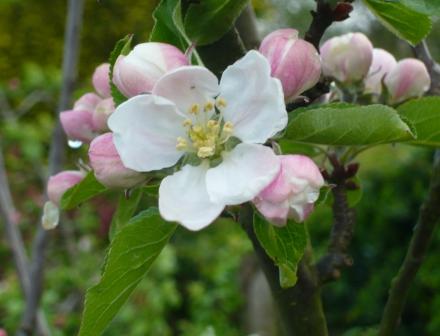
  • Thin out the flower clusters leaving only 10% of the flowers to shock the tree and modify its behaviour. It may take several seasons.
  • Water your trees and look after them during both years.

Other Comments

  • Apple trees  initiate flower buds for next season’s crop in the current season.
  • An alternation of large and small crops can be caused by competition between the current season’s crop and the coming season’s flower buds.
  • Seed-produced hormones from the developing ovules have an inhibitory effect on flower development. Apple may be prone to this floral inhibition.
Trace Elements and Garden Chemicals

Trace Elements and Garden Chemicals

The main trace elements and micronutrients are molybdenum, manganese, zinc, iron, boron and copper plus calcium for tomatoes. These elements are best provided as water-soluble chelate salts rather than granules.

 Interesting Facts about Seaweed

  • In addition to the trace elements there are another 60 or so chemicals in seaweed.
  • Seaweed extract is a concentrated elixir to use as a foliar feed or root stimulant.
  • Seaweed is a organic fertiliser containing bio stimulants and iodine
  • Over time seaweed acidifies and slowly adds iron to the soil.
  • Seaweed in is already added to Doff tomato feed
  • Gardeners near the coast have used seaweed as a soil improver for centuries.
  • Seaweed contains plant hormones called cytokinins, mannitol and auxins.

Turning Flowers Blue

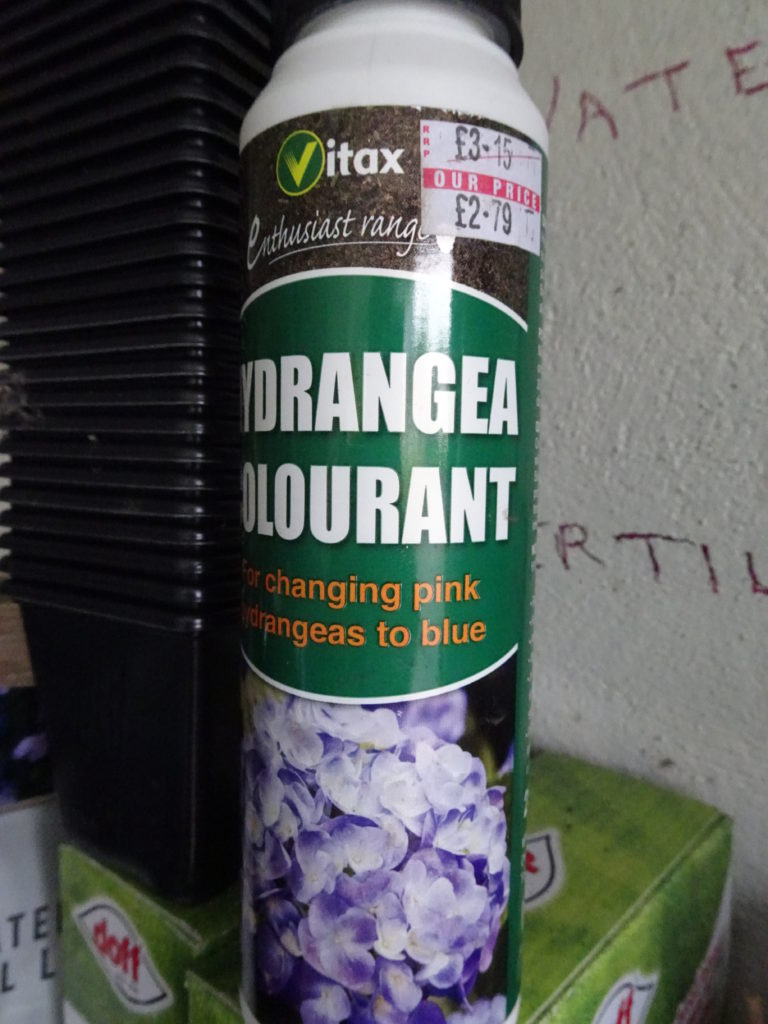
  • The litmus test for plant colourants is generally can they turn flowers from pink or red to a pleasing blue.
  • Hydrangea plants will be blue in acidic soil and pink or red in neutral or alkaline soil.
  • Colourant with aluminium and iron salts turns pale pink florets pale blue and red flowers purplish.
  • Soil acidifiers help make micronutients available
  • Fertilizers containing phosphate salts that typically convert  metal ions into insoluble solids  are of no nutritional value to the plants. A chelating agent that keeps these metal ions in a soluble form.

Other Garden Chemicals

  • Lime is used to increase the ph in the soil to help vegetable crops.
  • Sequestrine plant tonic is a soluble tonic for acid-loving ericaceous plants
  • Baby bio indoor fertiliser liquid has an organic content including  uric nitrogen.
  • Growth and root promoting hormones are now far more frequently found in a gardeners dispensary.
  • Bio- stimulants and flowering enhancers are used in commercial nurseries for plants sold through garden centers and supermarkets.


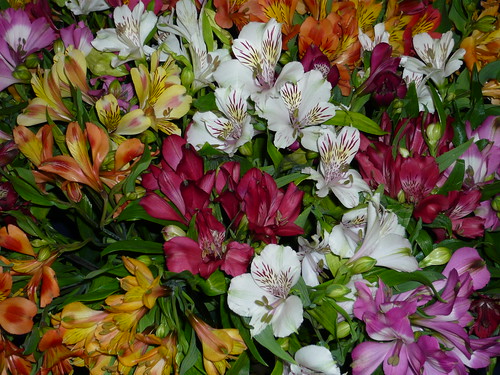
Alstroemeria Interesting Facts AKA Peruvian Lily

Alstroemeria Interesting Facts AKA Peruvian Lily

Alstroemeria are a herbaceous perennial with mid-green, lance-shaped leaves and terminal clusters. Petals often have distinctive markings. They originate from Peru, Brazil and mainly Chile which also earned them the name ‘Lily of the Incas’

Interesting facts about Alstroemeria

  • They are well known as a cut flower due to the bright colours and long vase life often of over 2 weeks.
  • When picking the flowers do not cut the stems but pull them vertically with a bit of white subsoil stem. This encourages more flowers through the year.
  • Species and varieties can vary from 12 inches high to 6 feet tall.
  • After extensive breeding there are many new varieties in colour, petal shape and style.
  • The genus has 50 species of tuberous rooted perennials only a few of which are hardy in the UK
  • Sap from the foliage may cause skin irritation
  • Grown in a large deep pot the plants bulk up successfully providing a good display and flowers for the house.

Alstromeria

Alstromeria are available from Thompson & Morgan  

Favourite Liquid Fertilisers

Favourite Liquid Fertilisers

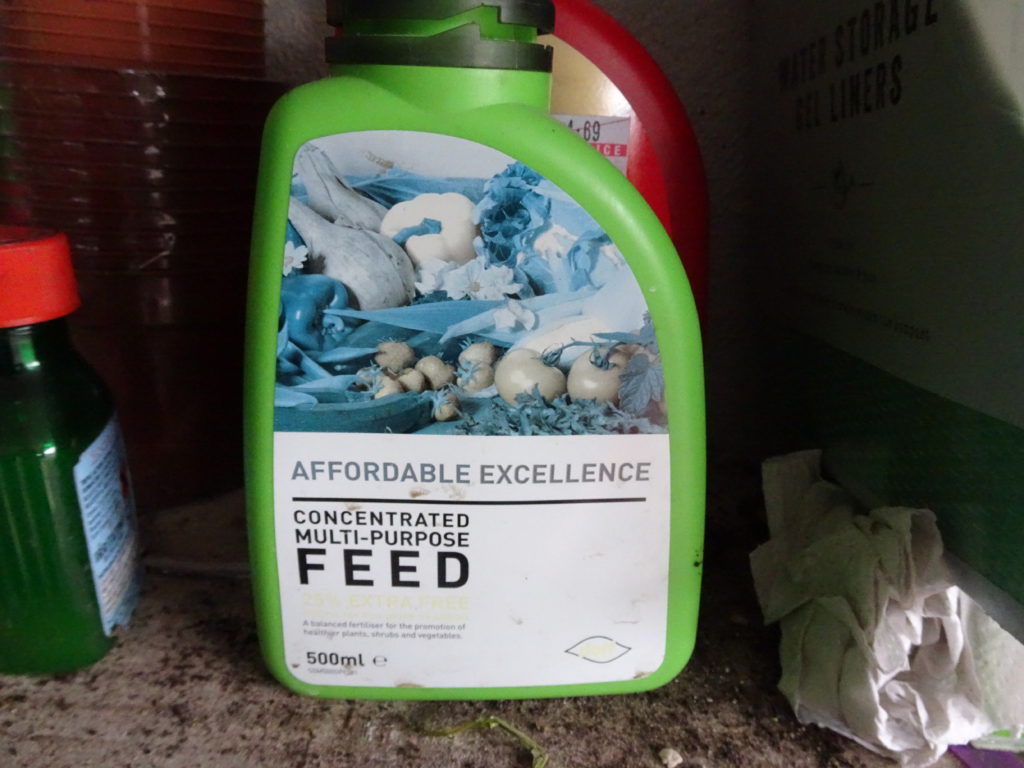
We all have favourites and when it comes to fertiliser the liquid variety are mine. If the soil is in good heart then simple water is probably as good as anything for disolving nutrients and tranfering them to your plants. However some plants need more help from extra or special fertilisers.

Background on Fertilisers

Most fertilisers are based on the three major plant nutrients:
Nitrogen (N): For green leafy growth
Phosphorus (P): For healthy root and shoot growth
Potassium (K): For flowering, fruiting and general hardiness (RHS advice)

General multi purpose feed 3.5 – 3.5 – 3.5 dilute 20ml in one gallon of water.

Read More Read More

Succulents for the Outdoor Garden

Succulents for the Outdoor Garden

Succulent Excellence

Succulents demonstrate the ability to adapt and survive in the harshest of environments. They are well known for growing in dry inhospitable locations such as desert areas.  As shown in the range of families in this plant group there is an astonishing variety of size, shape, form  and colour to be found.

Book Cover

‘Succulents for the Contemporary Garden’ is focused on the use of succulents in the garden rather than indoor cultivation. It ignores spiky cacti but covers many varieties of herbaceous Euphorbias.

The book contains many excellent photographs of old favorites along with a range of less-common plants with their striking forms and unusual colors.

Mesembryanthemum, Lithops and Conophytum are depicted but, according to succulent grower Terry Smale, it is an error to have ignored shrubby genera such as Ruschia.

Some Succulent Families

  • Agavaceae
  • Aponcynaceae
  • Asclepiadaceae
  • Bromeliaceae
  • Crassulaceae
  • Euphorbiaceae
  • Liliaceae
  • Mesembryanthemaceae
  • Purtulacaceae
  • Plus some from families Sumacs, Aster, Begonia, Morning glory, Gourds, Cycadales, Orchids, Peperomiaceae even vines.


Artistic Gardeners Meadow Vista

Artistic Gardeners Meadow Vista

fritilliaria

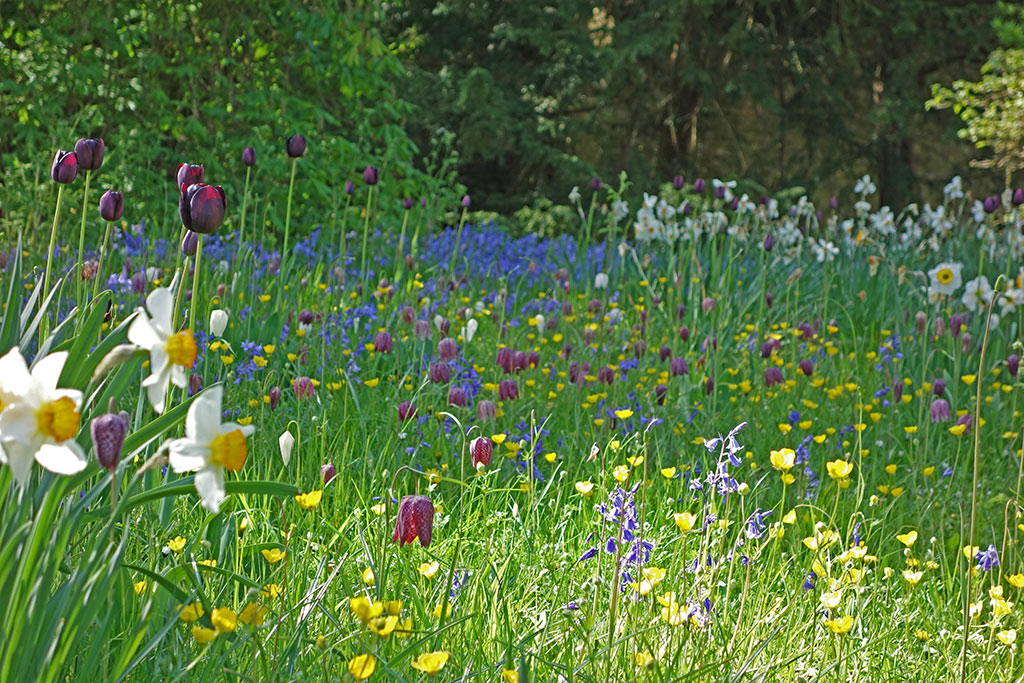
Fritillary, Buttercups, Bluebells, Tulips and Narcissus all in the same shot, what more could you ask.

Well the star of this show is probably the grass. The grass is understated and not throttling the flowers. The sunshine is highlighting a grassy area near where the photographer has chosen to stand. The grass stops the mixture of colours and shapes from fighting one another bringing some harmony.

Artistic Comment

The photographer has found  a relatively low position to capture the flowers at the front of the photo. The dark trees provide a suitable back drop and contrast. Overall the composition works despite the complexity and variety of the flora. The depth of field allows enough focus highlighting the tulips. The eye of the curious looker is drawn around the image.

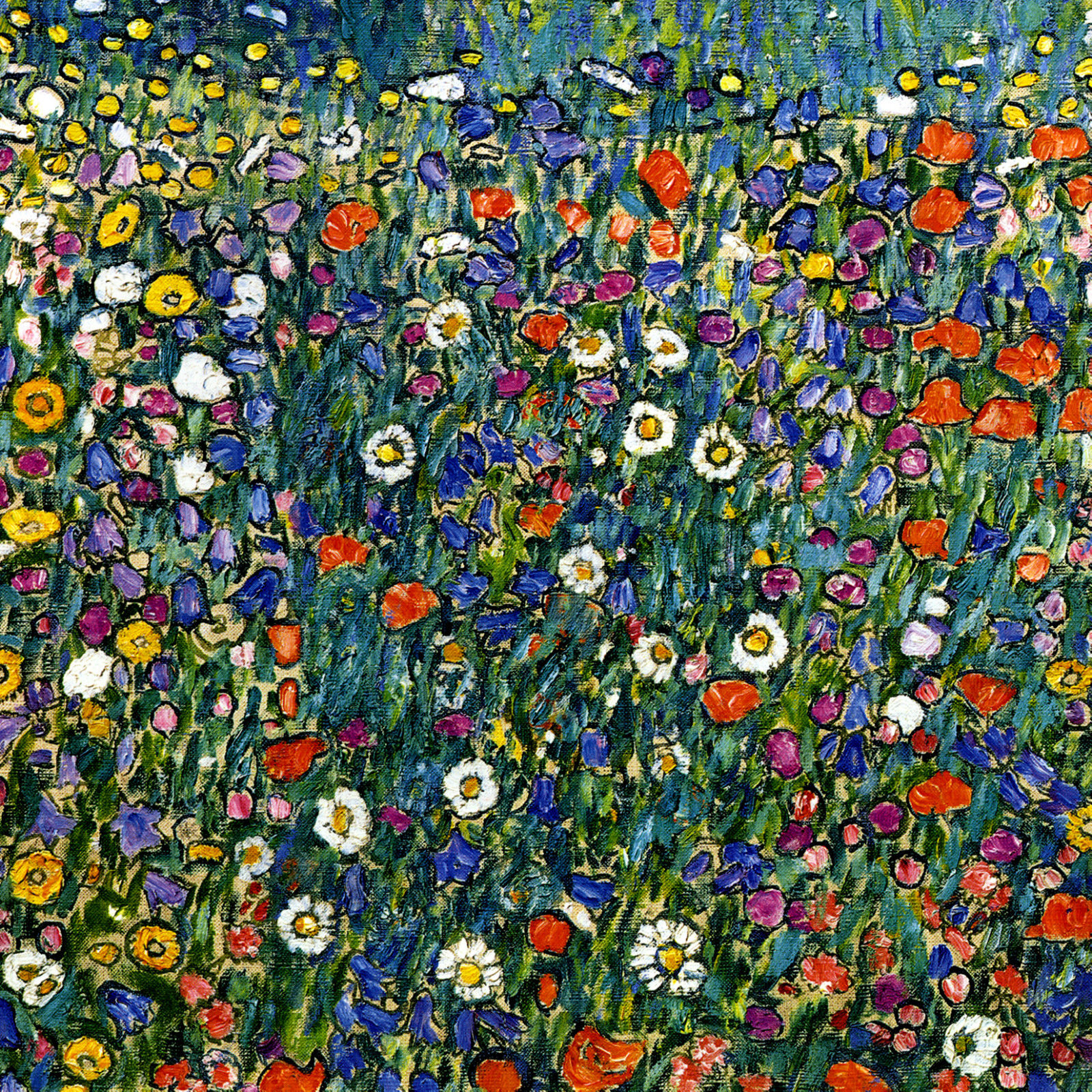
The garden designer has composed the image mixing blues, yellows and purples with the spring-fresh greens.The maintenance gardener has enabled the themes to work.

Not quite a meadow more a wild patch created with tlc.

Good Bugs Bad Bugs

Good Bugs Bad Bugs

Bug eyed but not spritely.
Book Cover

During May we featured several common garden pests and bugs. Now before we leave the subject a few more comments.

You can get more by experience or via a book, magazine and further online info sites. eg cut-flower insects and mites

Experience of Bugs
Book Cover

  • If you garden for any length of time or even like to have a bunch of flowers in the house you will be bugged at some stage.
  • Stressed plants can be susceptible to aphids. you should see my lupins after a water shortage.
  • Insects at all stages of their life feed on something and they are likely to affect some of your plants. You should see my stripped French Marigolds at the moment. They were only planted in the greenhouse to keep the white fly off the tomato plants!
  • Slugs and snails and puppy dog tails or at least 2 out of the three will chomp through unprotected plants. My rhubarb has even succumbed this year to holey leaf, still we can’t eat that bit of the plants.
  • Sgt Pepper is the only beatle number I want in my garden not Colorado Beetle or Cucumber Beetle. So far so good but that is tempting fate.
  • My first early potatoes will be picked next week and I hope to have escaped cutworm, wireworm,  tuberworms  flea beetles and sundry maggots. Again tempting fate.

Good Bug

  • Some may think the only good bug is a squashed bug I beg to differ.
  • All gods creature have a place in the choir- some sing loud some sing higher …………
  • Ladybirds other than harlequin ladybirds (Harmonia axyridis) are known for eating aphids so I know which I want in the garden.