Browsed by
Author: hortoris

Fancy Leaves for Colour, Shape and Texture

Fancy Leaves for Colour, Shape and Texture

Coleus
Coleus by Thompson Morgan

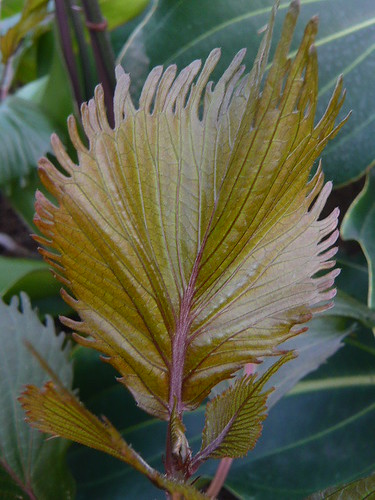
The humble leaf is not so humble when you look closely at some species.
From large banana and water lily leaves to hairy miniature leaves of some alpines you will find natures beauty in a variety of leaves.

Kew 109

Begonia Rex varieties are amongst some of the most interesting and surprising. They can be propagated by leaf cuttings.

Kew 111

Tropical plant houses are great places to visit and spy out some interesting leaf shapes.

Kew 121

Special and Extraordinary Leaves

Bromeliads and the Pineapple Family

Bromeliads and the Pineapple Family

Kew 092

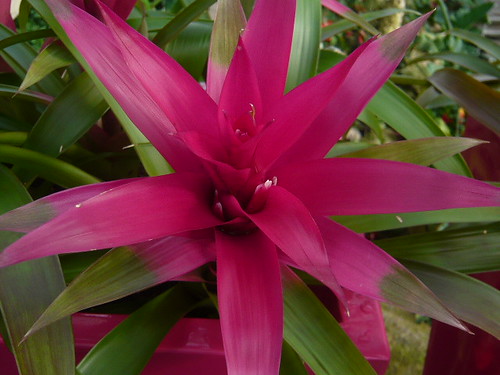
Members of the Pineapple family Bromeliads grow in the tropical and sub-tropical forests of the Americas. There are also hot desert and cool mountain varieties amongst this large family.

What Are Bromeliads

  • All 3000 + varieties of Bromeliads are composed of a spiral arrangement of leaves sometimes called a rosette.
  • There are Terrestrial (soil grown plants) and Epiphytic species growing on other plants and trees.
  • They are slow and hard to bring into flower generally only flowering once. After flowering they produce offsets called ‘Pups’ from which new plants will grow.
  • The green, leafy top of a pineapple is a pup that may be removed and planted to start a new plant.
  • Flowers are generally central spikes held away from the plants or short with the flower nestled in the centre.

Bromeliad

Popular Groups of Bromeliads

  • Guzmania have long lasting red bracts and like humid conditions
  • Vreiesea are probably the most freely available plants with over-lapping bracts producing a sword shape.
  • Tillandsia and air plants are epiphytic Bromeliands.
  • …

    Read More Read More

Geraniums Dwarf, Miniature and Bedding

Geraniums Dwarf, Miniature and Bedding

A truly varied group of plants the Geraniums (or Pelargonium) make great house plants, bedding, basket and container plants.

Types of Geranium

  • Ivy leaved varieties are renown for the trailing habit that make them ideal for hanging baskets.
  • Scented leaved varieties are available in several scents that amaze as you brush past or crush a leaf.
  • The most common Geraniums are called ‘zonals’ because the leaves have distinctive patterns or zones of colour.
  • Some Geraniums are selected just for the variegated leaf effects.
  • Size varies from 2″ alpine varieties through Dwarf size to robust 18″ bedding plants covered in blossom.
  • Balcony geraniums are a feature on Swiss chalet balconies.

Thompson Morgan have a range of seeds and plants available by mail order.

…

Read More Read More

Gladioli 100 Day Display

Gladioli 100 Day Display

Gladioli

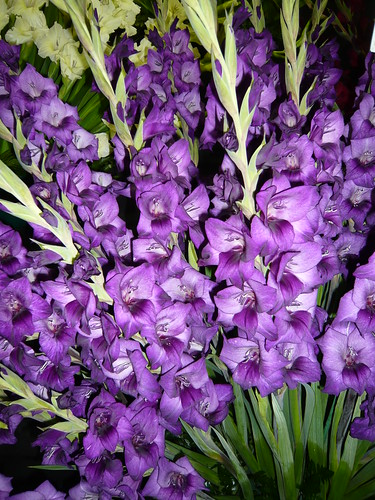
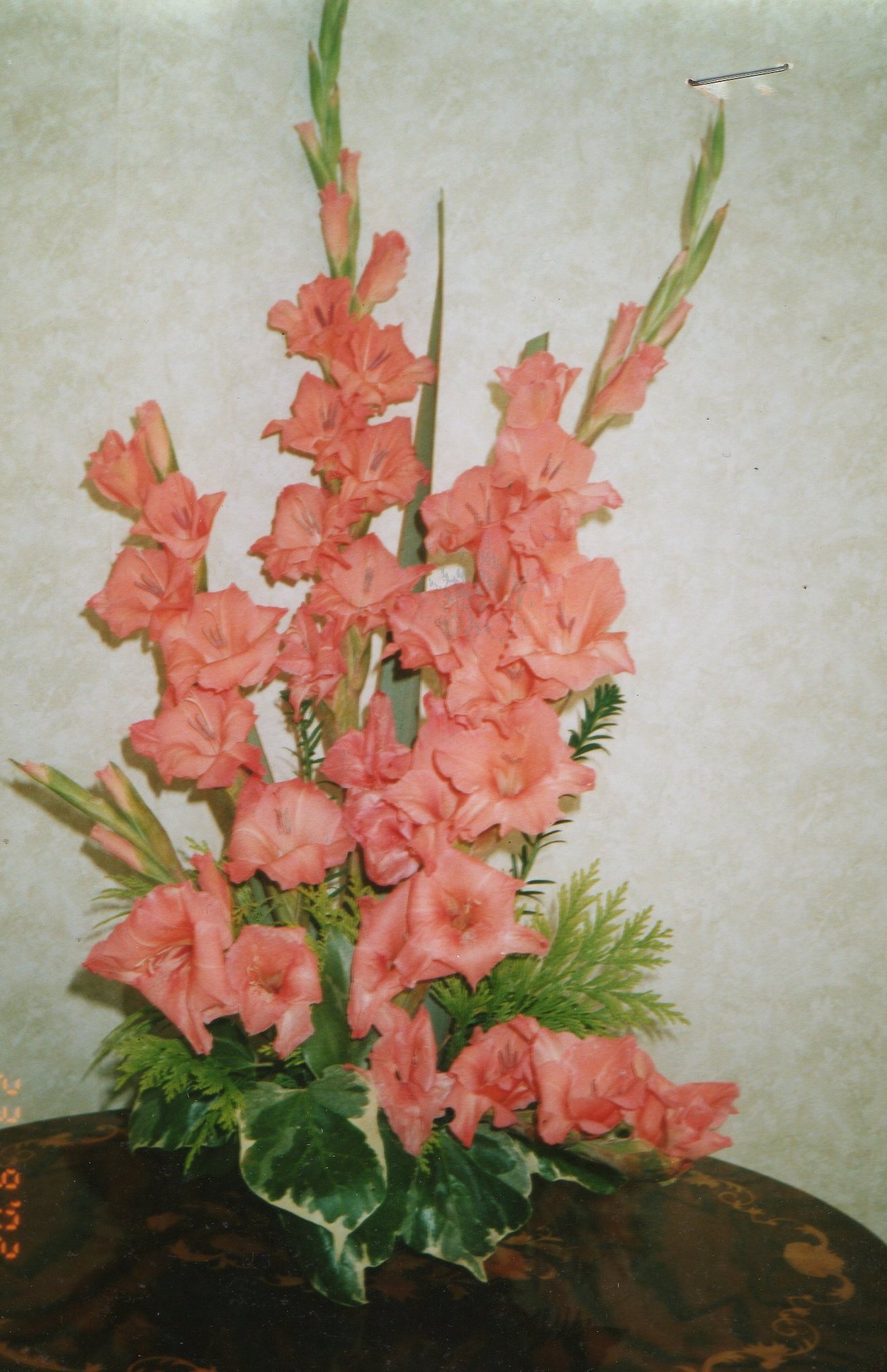
Gladioli are reliable flowers for the show bench or the flower vase. Timing is important for the exhibitionist as they want to have the flowers in peak perfection just at the right time.

Timing can be important for the local grower as well. If you want Gladioli for a particular event, birthday or wedding celebration, then it is useful to know that corms planted now will be in flower in 100 days. That is just over 3 months so by the middle of August you can expect displays like these from a may planting.

<b>

Gladioli Pointers

  • Gladioli have a front and back to the flower with the florets facing the sun. It helps the flower arranger but can frustrate the gardener.
  • Gladioli will twist the flowering stem unless they are supported so it is worth staking your blooms.
  • Leaves are needed to help feed the new corms for next year so leave them on the plant after cutting the flower.
  • Unless you are a keen breeder remove flowers before seed sets to preserve energy. You may get small offsets, cormels, spawn or bulblets to grow on and bulk up next year.
  • Gladioli need lots of water to flower well. Apply tomato fertiliser when flower buds start to appear.
  • I grow blocks of single colours together so they will be ready together.
  • Sorry to disappoint but the flowers will not last 100 days that is planting to blooming time
Growing Daisy Flowered Tansy or Feverfew

Growing Daisy Flowered Tansy or Feverfew

Tanacetum ferulaceum

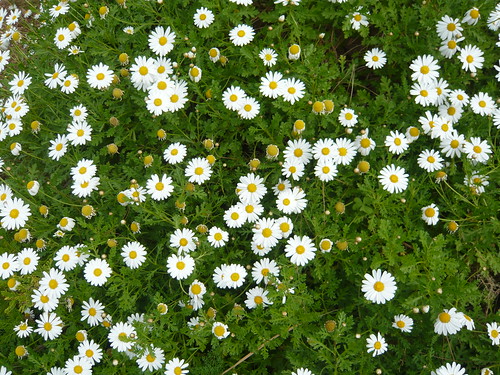
White daisy like flowers cover this tansy relative, Tanacetum ferulaceum, which is one of 70 or so types of Tansy that can be grown in your garden.

Growing Tansy

  • Flowers are generally white single or yellow double
  • Common names include Bachelor’s Buttons, Ragwort,Bitter Buttons, Boerenwormkruid, Gold-buttons, Ponso, and Yomogi-Giku
  • Many varieties have a strong odour that I dislike but other may appreciate.
  • Feverfew grows easily from seed Tanacetum parthenium
  • The ragworts grow rapidly by underground rhizomes and can become a pest.
  • Heat and drought tolerant, Tansy will not mind if you ignore it.

Feverfew has medicinal properties

Growing Corydalis for Colour and Fine Foliage

Growing Corydalis for Colour and Fine Foliage

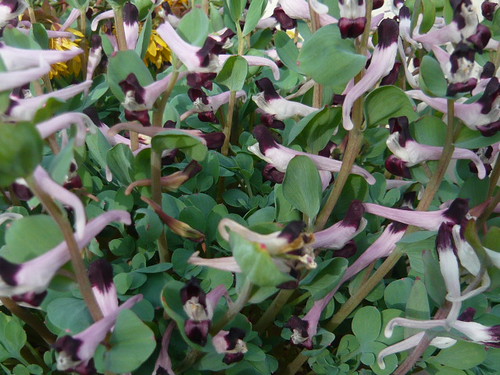
Cordialis popovii

Corydalis popovii
is a small bulbous plant flowering up to 6 inches in height. In spring it assumes a white colouring after the purple flowers. This plant comes from Central Asia and is easy to grow and long-lived in a well-drained compost in a pot.
They can be grown in the open garden in full sun and freely drained soil.
Fertilize with a specific fertilizer for bulbous plants, every 2-3 weeks, from when the first flowers start withering.
Corydalis plants don’t like cold temperatures or wet conditions and need a rest period before being brought back into growth.
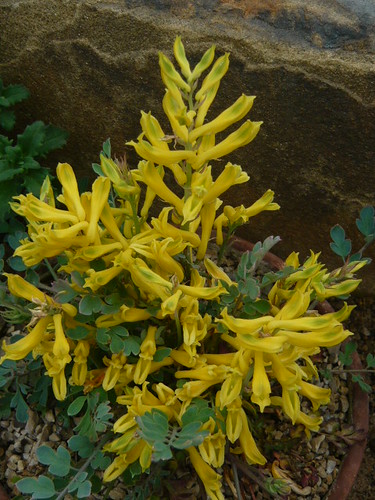
Corydalis wilsonii

Corydalis wilsonii arrived from it’s native china comparatively recently.
It is a compact herbaceous plant with light green leaves.
It flowers on errect spikes, 1″ long, in a deep yellow during late spring.
This variety is suitable for growing in pots.

I have just bought a Corydalis Kingfisher from the local AGS meeting. Kingfisher has blue flowers with a hint of green from March to Aug and is only without flowers when dormant during winter.

Alpine Species
…

Read More Read More
Growing Different Daisy Flowers “Townsendia”

Growing Different Daisy Flowers “Townsendia”

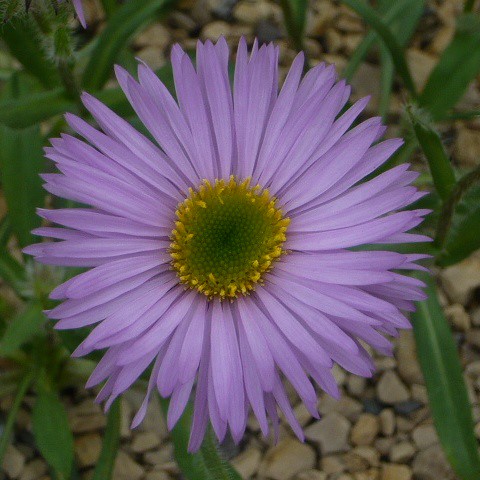
Townsendia formosa

This genus of conspicuous Aster like flowers deserves to be better known.

Growing Habits of Townsendia

  • This perennial genus comes from North America and Mexico.
  • Some Townsendia are tall, erect plants, like typical daisies, others form small, leafy rosettes, or have a sprawling, prostrate appearance.
  • The plants like a sunny well drained spot or they will be short lived.
  • Sow seed in gritty compost and surround plants with grit or gravel.

Some Species of Townsendia.

  • Townsendia formosa shown above has lilac coloured flowers above thin narrow foliage.
  • Townsedia grandiflora has large violet flowers 1-2″ wide on 5-10″ stems in summer.
  • Townsendia exscapa has white or pale pink flowers.
  • Information on the other 20+ species by L M Shultz
Grow Ericaceous Cassiope

Grow Ericaceous Cassiope

Cassiope Badenoch

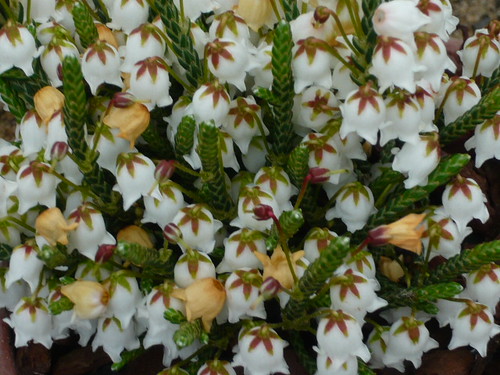
Cassiope are a valuable group of small wiry stemmed ericaceous perennials with white bell-like flowers blooming in spring. Leaves are unstalked and densely overlap.

Tips for Growing Cassiope

  • Grow in lime free sandy or mossy soil. Very hardy if given good drainage.
  • The smaller varieties are good alpine house and pot plants growing below 12″ high.
  • Plants are cheap to buy and can be propagated from cuttings or by pegging down.
  • Plants hybridise quite easily.
  • Grow in a cool shady or semi-shady places in the rock garden or shrub border.

Hybrids and Species to Grow

  • Cassiope Randle Cooke is a super little Cassiope with deep green leaves closely clasping the stems.
  • Cassiope Badenoch shown above has a mass of off-white bell shaped flowers
  • Cassiope Edinburgh another wiry stemmed ericaceous perennial with tightly packed deep green leaves and larger white bell-like flowers in spring.
Bold Garden Displays

Bold Garden Displays

Abu Hassan Tulips

To make a bold statement in a garden you can opt for hard features and structures or soft features created by plants and flowers.

I personally err towards the plantsmans view and like plants. However the use of one variety in great abundance can have a startling effect as these Abu Hassan Tulips show.

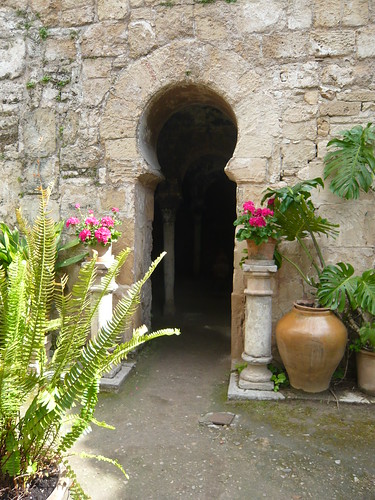
Sticking to the Arabian theme not everyone can have a centuries old moorish bath in the garden like the featured garden below. The distinctly moorish shapes are replicated through out with the addition of large pots & stands both terracotta and glazed.

Moorish bath
…

Read More Read More

Shade Loving Perennials a Top Ten

Shade Loving Perennials a Top Ten

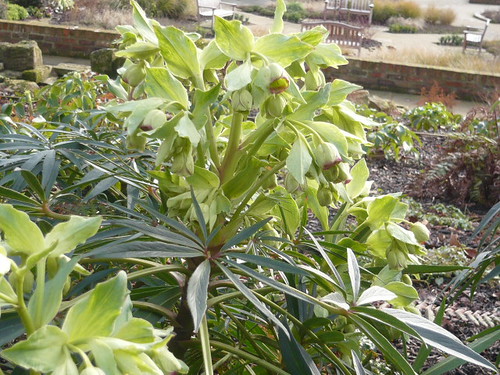
Helebore

Plants that thrive in the shade also tend to be heavy drinkers. Here is my top ten list

Top Ten Shade Loving Perennials for the UK

  1. Bergenia varieties including Bressingham White, Baby Doll, Rotblum and Bergenia cordifolia
  2. Hosta varieties including Aureo marginata, Moerheim, Halcyon, Wide Brim and Hosta venricosa.
  3. Dicentra varieties including Boothmans variety, spectabilis and formosa Luxuriant.
  4. Astilibe varieties including Deutchland, Europa, Fire Ostrich Plume and W M Buchan
  5. Alchemilla mollis
  6. Epimedium varieties including Roseum, Pinck Colchicum and Sulphureum
  7. Helleborus Oriental hybrids or species, cyclophyllus, foetidus and purpurescens.
  8. Polygonatum giganteum or multiflorum
  9. Pulmonaria varieties including Mary Motram, Dora Bielefeld and Roy Davis.
  10. Tellima grandiflora and grandiflora purpurea

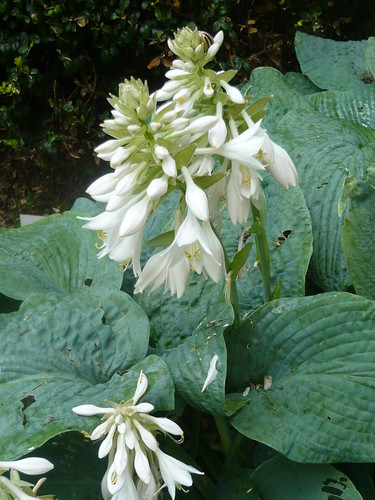
Host flower slugged

Most gardeners have a shady spot so I hope this list gives you some ideas for new varieties to try growing. Of course most of these plants will tolerate some sunshine but then need even more water to thrive.

Shade Loving Ground Cover Perennials

  • Sweet Woodruff or Galium odoratum thrives in alkaline soil
  • Anemone nemorosa Robinsoniana has a carpet of ferny leaves and white flowers that all die down in summer
  • Lamium galebdolon dead nettle a scrambling, variegated evergreen.
  • Symphytum grandifolium or dwarf comfrey has leaves that make good compost
  • Saxifraga spathularis or St Patrick’s Cabbage is evergreen but not as cabbage looking as some gardeners.
  • Vincas minor Getrude Jekyll

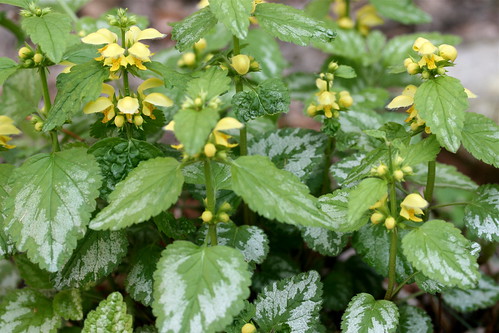
Lamium

Credits
Lamium by Shotaku CC BY-NC-ND 2.0

Book Cover
Planting the Dry Shade Garden: The Best Plants for the Toughest Spot in Your Garden by Graham Rice
Dry Shade Perennials a Top Ten
Best Shade loving plants