Browsed by
Author: hortoris

Cloche Crop Protection
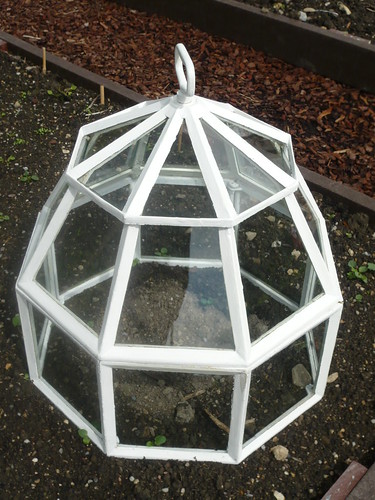
Cloche Crop Protection

Octagonal cloche

A cloche is used as a protective covering to shield plants, usually vegetables from the undesirable effects of cold, wind, and predator damage.

  • Cloches may be just smaller poly-tunnels used to protect a small number or individual plants.
  • Cloches made from plastic are much lighter than glass making them easier to move around. The advantages of glass is that the temperature within a glass cloche will be slightly warmer, they are less likely to be blown around and look better.
  • A home made cloche can be made from a cut down plastic pop bottle.
  • There are attractive bell shaped cloches available and various shapes like the one above.

How to Use a Cloche

  • Put the cloches in place a month before sowing to help warm the soil.
  • Sow seeds or plant out under the cloche for protection.
  • Cloches can be used in September to protect late crops of Lettuce.
  • Consider ventilation and watering when buying a cloche. The roof of this cloche can be lifted off.
  • I use a cloche to keep mice away from germinating peas and beans.

A Floating Cloche can be made from sheets of polypropylene fleece which are placed over the seed bed – when the seedlings emerge, the polypropylene is light enough to float up as the plants grow. I like this method for Broad beans peas and early potatoes.

A floating cloche is cheap, easy to put in place and protects the seedlings from three or four degrees of frost. Water permeates the fleece.

Poly Tunnels are another alternative.

Poly tunnel’s supporting hoops should be no more than 2½ feet apart. If spaced further apart the plastic sheeting will droop over the crops and may damage them in rainy or snow conditions.
Make sure the height is adequate for the crops you want to protect.

Related
Garden Frost Protection

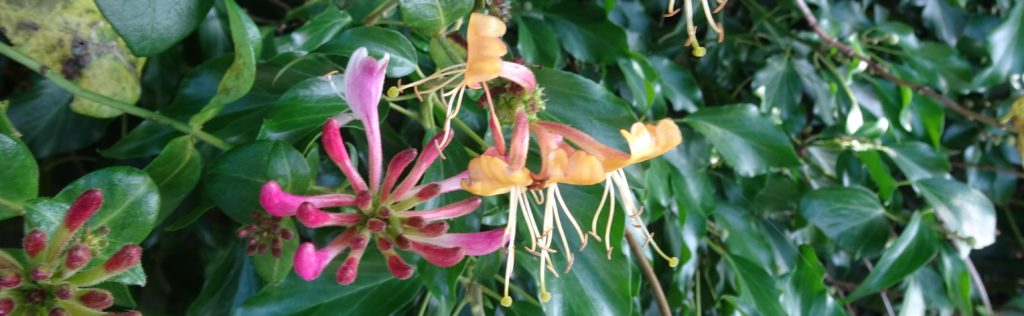
Honeysuckle

Honeysuckle

Honeysuckle Belgica


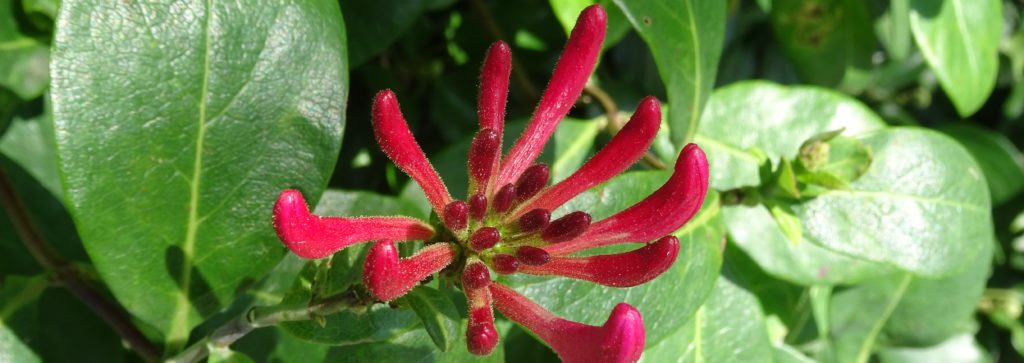
Aromatic Honeysuckle

  • These aromatic plants are sometimes called “woodbine.”
  • The flower, seed, and leaves are used for medicine particularly Chinese medicine for which they are grown as a crop.
  • Honeysuckles are from a family of over 150  Lonicera species including,  L. periclymenum (common honeysuckle or woodbine),  L.nitada, invasive  L.japonica &   L.sempervirens.

My Honeysuckle Experiences

  • My memory goes back over 60 years to a great aunt who grew a superbly scented climbing plant in her small backyard in a through terrace house. It must have made an impression alongside french cricket where it had to competed for space in the yard.
  • Later in life I have taken numerous cuttings and bought some named Lonicera to add height in the garden
  • Now I neglect them and leave them to their own devices. They survive but don’t really thrive. I should give them some TLC and grow them nearer to paths where I can relish the scent.

Gardeners Pruning tips

More info on Honeysuckle

Primula Allionii & Denticulata

Primula Allionii & Denticulata

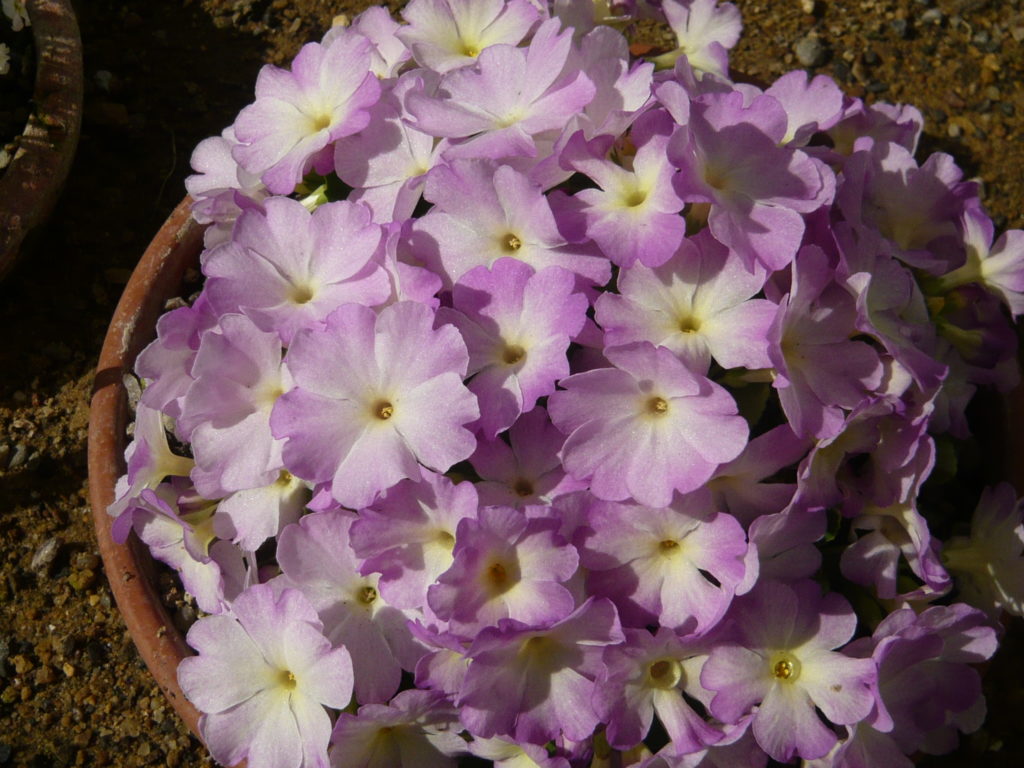
Primula Allionii  Pink Aire

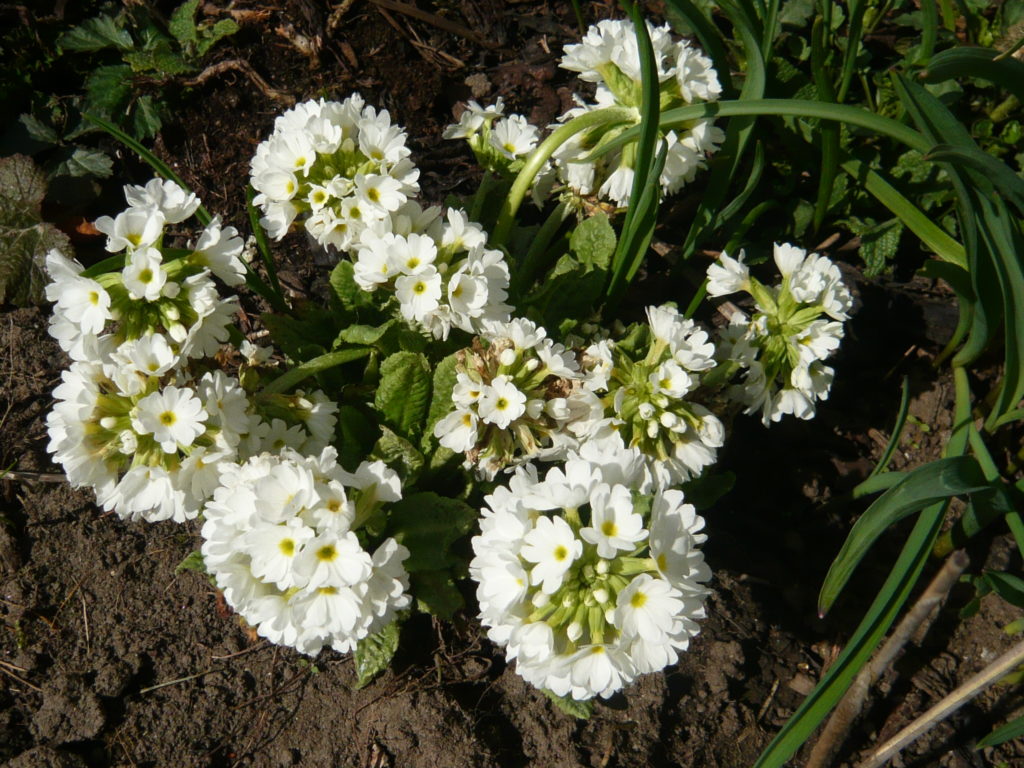
White Denticulata

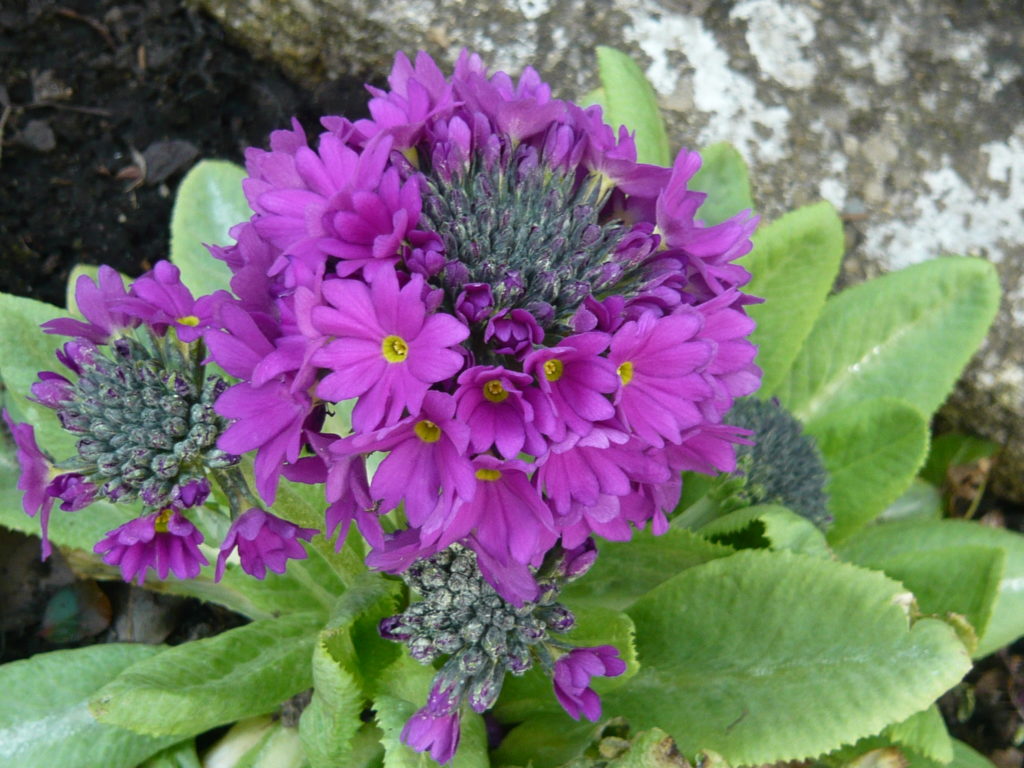
Denticulata

Primula allionii Broadwell Milk Maid

Notes on these primula plants.

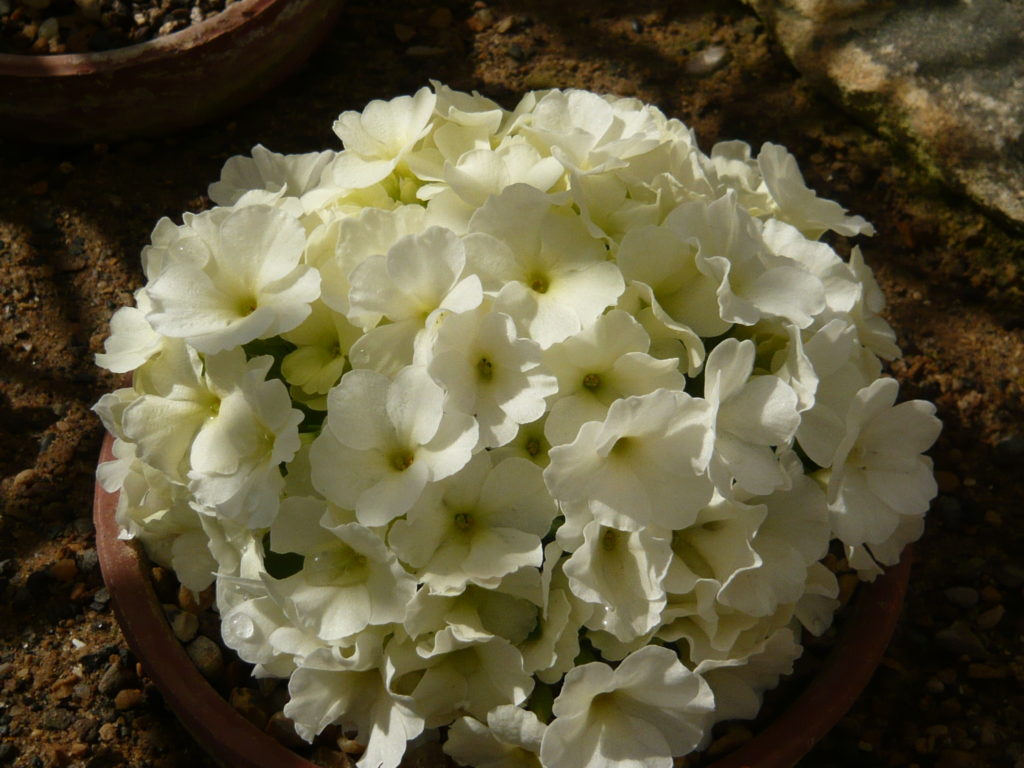
  • I am taken with the formation of the inflorecence or bud formations that have so many similarities in these four plants from two species.
  • There are two pot grown primula allionii plunged in a large bed of gritty sand located in a well aired glasshouse.
  • The two colours of Primula denticulata are growing in my garden and worth a drumroll every spring.
  • The purple plant is yet to open to its fullest extent but the tight buds hint at a brash splash or colour still to come.
  • You get a lot of small individual flowers on each of these Primulas and I think they are exceptional value for the spring show they give to gardeners.
Gardeners Aphorisms

Gardeners Aphorisms

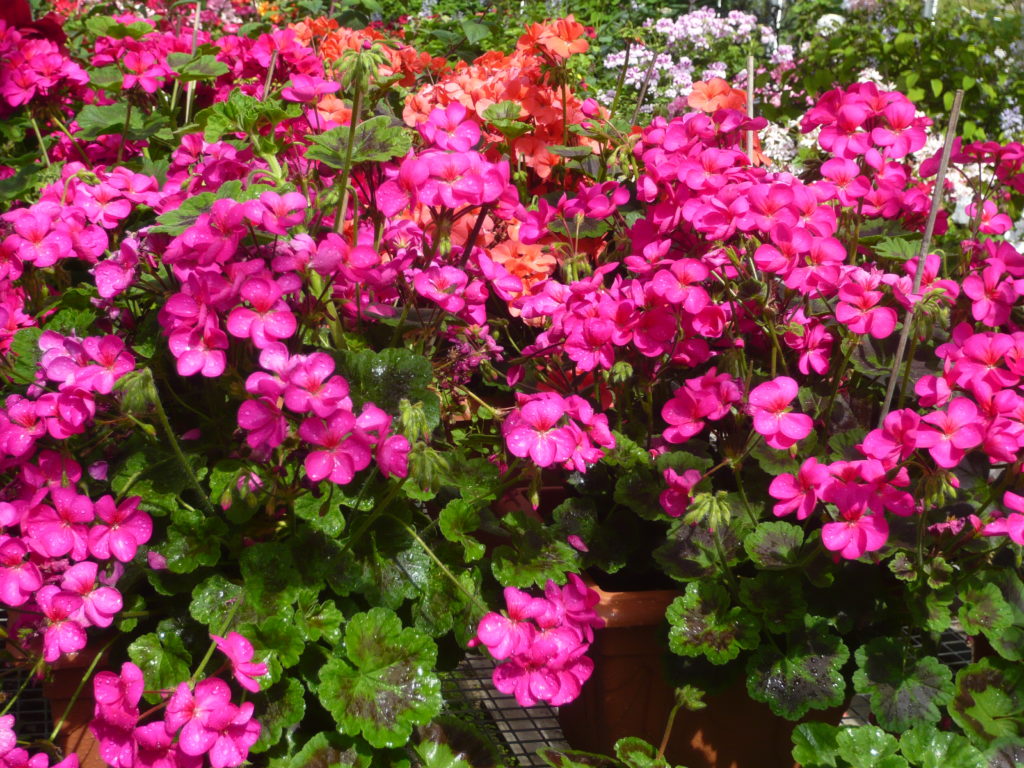
Zonal Pelargonium aka Geranium

ranium is a French verb – Je ranium Tu ranium il / elle ramium

The young sow wild oaks, the old grow sage and the lazy grow weeds.

A gardener is the most optimistic and hopeful person who believes and trusts in the future.   after Susan Hill

Though an old man I am a young gardener.   Thomas Jefferson

You get the most of what you don’t want

Love your garden whether  you like it or not

All gardeners know better than other gardeners

‘My garden will never make me famous
I’m a horticultural ignoramus’ – Ogden Nash

Soil is like a bran tub, you only get out of it what you put in – if you are lucky!

Deter Club Root with This Tip

Deter Club Root with This Tip

Club root is a fungal infection of brassicas that causes distorted, swollen roots and stunted growth. Your cabbage seedlings and Broccoli, Cauliflower, Calabrese Sprouts and Kale can all be prone to club root but especially your cabbages.

Club Root Tip

Start plants off in larger than normal pots say 4-5 inches. This gives plants a good  head start and they can be planted out surrounded by safe uncontaminated compost. Line the planting hole with a rhubarb leaf to improve the effectiveness of this method. That seems counter intuitive when you would lime the soil as a normal safeguard and the rhubarb leaf in acidic in nature but it works.

More on Club Root

Read More Read More

My Pulmonaria Experiences and Preferences

My Pulmonaria Experiences and Preferences

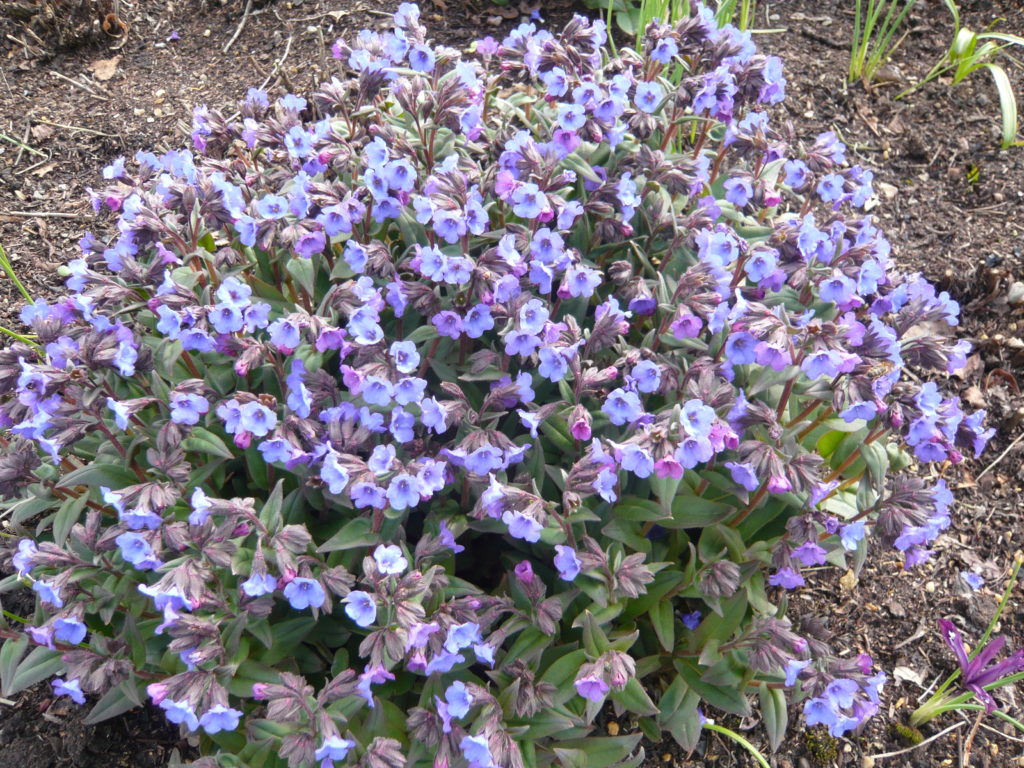
Pulmonaria Blue Ensign

The extensive borage family includes the blue flowering Pulmanaria Blue Ensign shown above with an early flowering Iris reticulata.

My Pulmonaria Experience

  1. If I was looking for more Pulmonaria I would go for the pink/red ‘shrimps on the barbie’ and the white Sissinghurst.
  2. These common named  ‘lungworts’ are perennials that die back to below ground level each  autumn making them hard to keep track of due to the rhizomas roots.
  3. The white mottled leaves were not as vibrant this spring and would have preferred more  shade and damper conditions.
  4. I find some members of the 10,000+ boraginaceae family can be a bit thuggish and I plant them with some trepidation. (Just consider Comfrey if left unchecked)
Weed Free or So I Thought

Weed Free or So I Thought

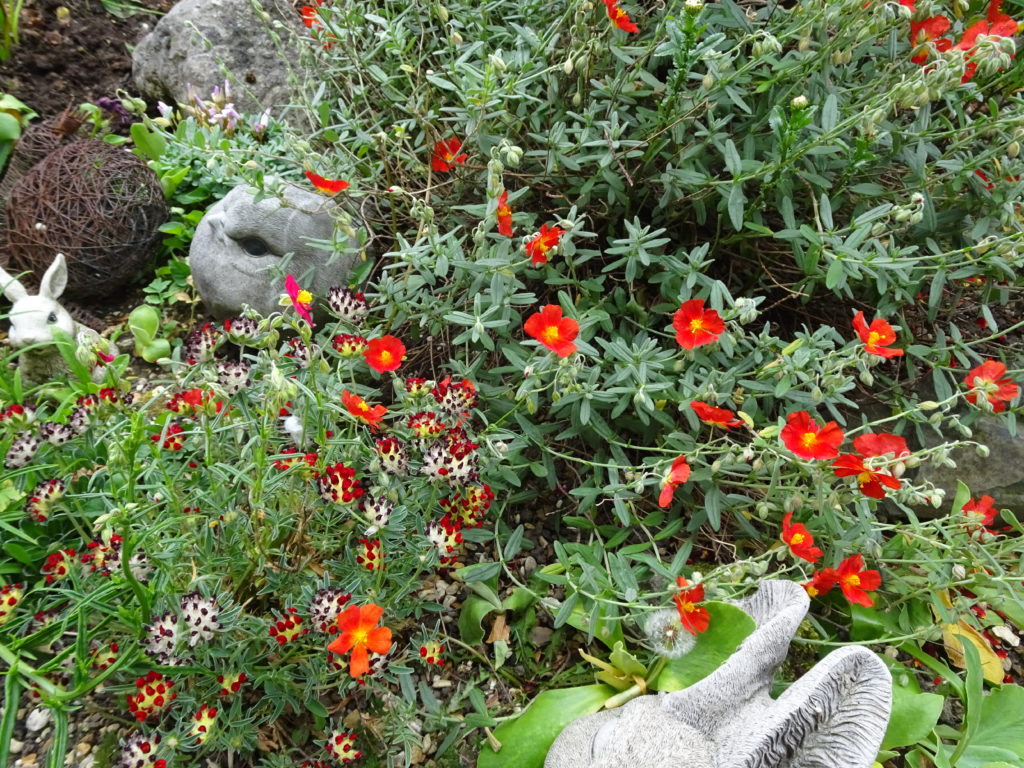
I bet you spotted my weed as soon as you looked at the picture. ‘Where’s Wally’ you may ask, well he is the gardener that not only let the dandelion flower but seed as well. Back to gardening school. Depending how you look at it there has been a great profusion of dandelions this year but you just wait until next year. The ‘clocks’ have been distributed far and wide since the beginning of May, the breezes were light, the conditions just right and the air and ponds filled with seeds so dandelions are not going to be a threatened species anytime soon!

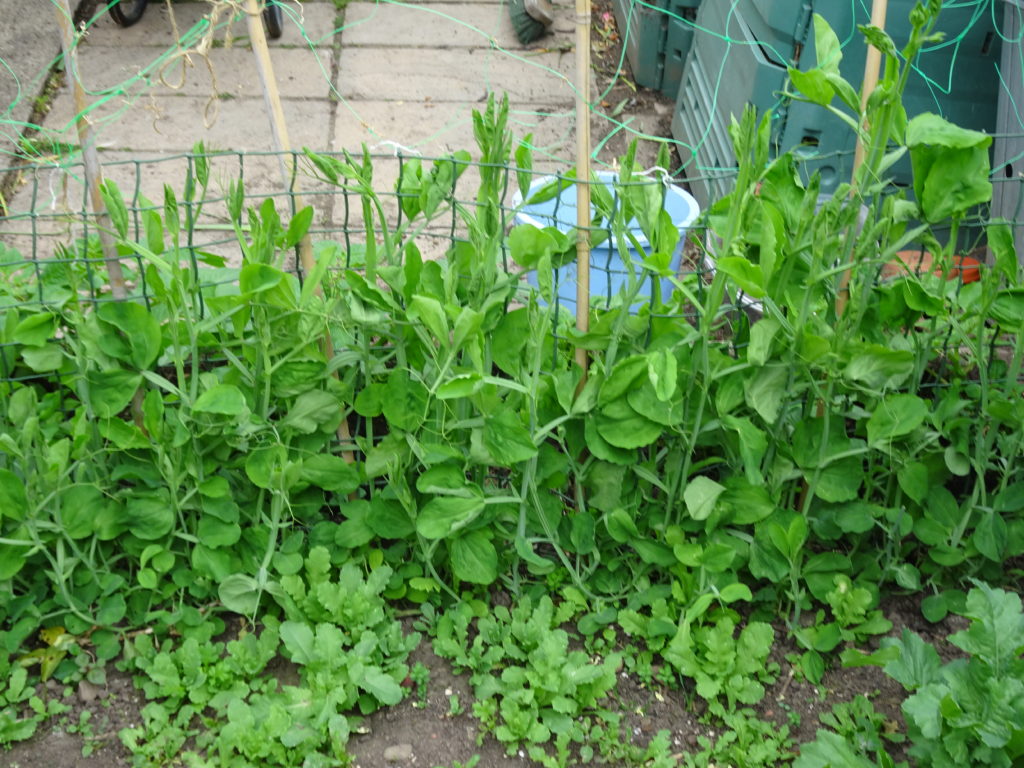
One dandelion may be excusable but what about your sweetpea zone you may be asking? My excuse for all the self sown seedlings  from last years dark purple poppies include that I found the poppy so entrancing. I fully expected to transplant them into a suitable area but tempus fugit (a good name for a weed). I have other excuses on request.

Read More Read More

Mixed May Month

Mixed May Month

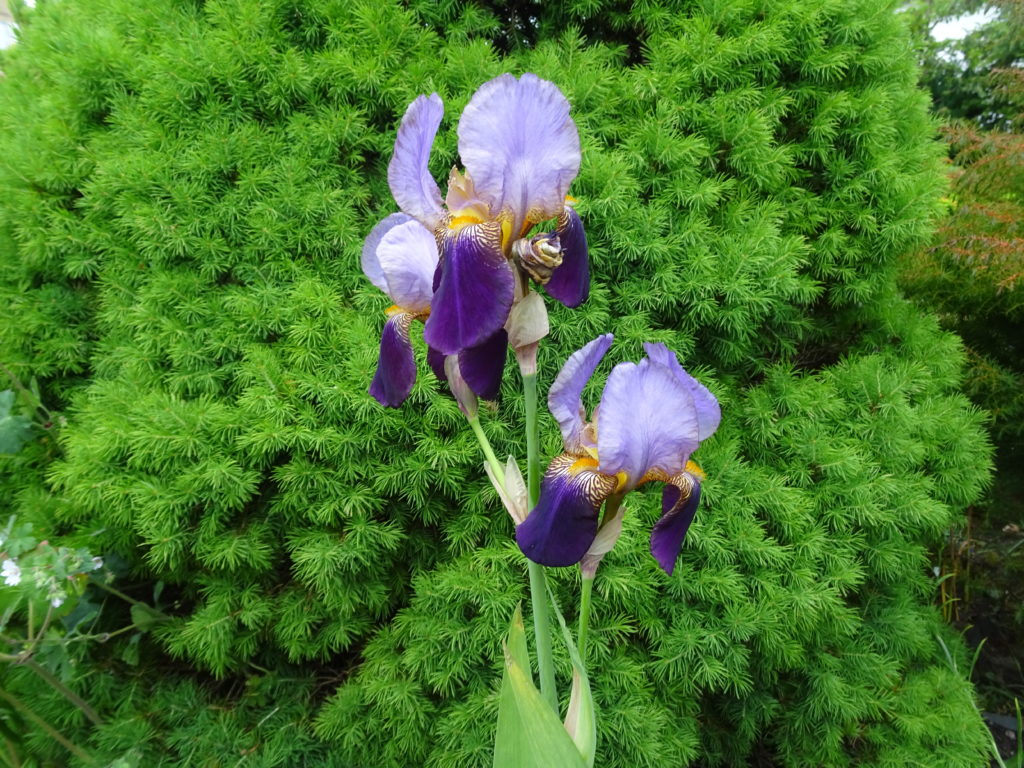
I love Iris as much as Iris love sunshine so we are both happy with this May’s weather. The Thuja occidentalis conifer offers a cool photographic backdrop after coming through a frosty patch of weather in early spring

Lupins are not just for Christmas in fact they are not even for Christmas. They are definitely one of our families favorite hardy perennials for use in a mixed border.

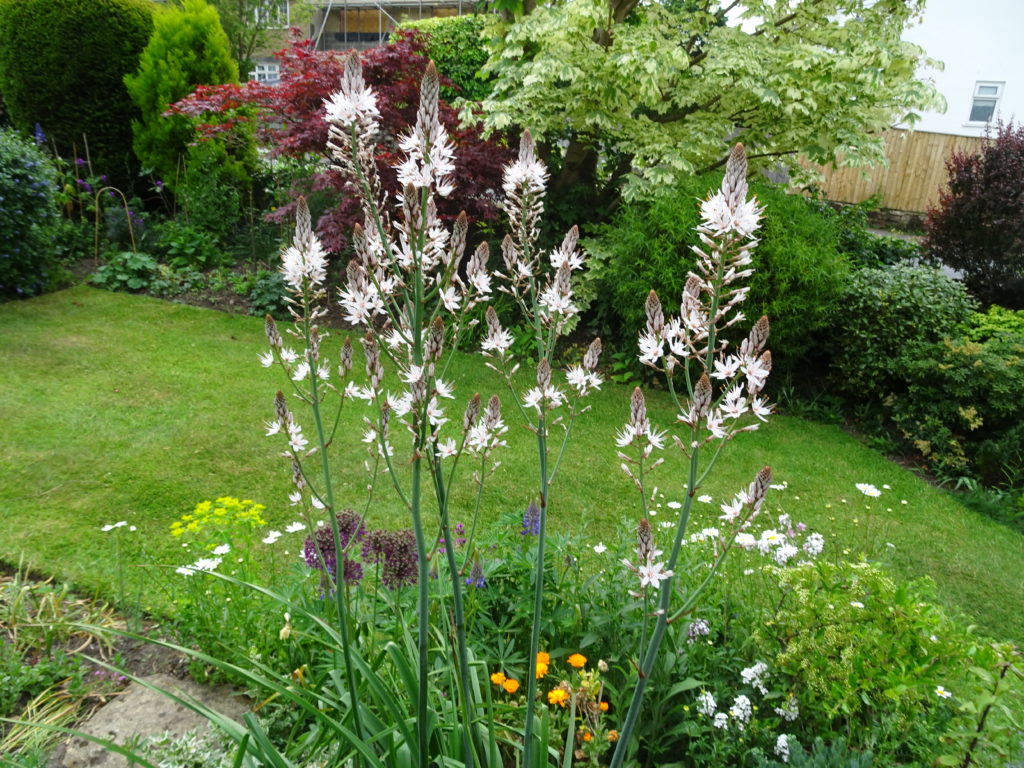
How I regret not remembering the name of this bulb that I planted several years ago. Now it is maturing nicely with many flowering stems and is becoming a distinctive feature plant.

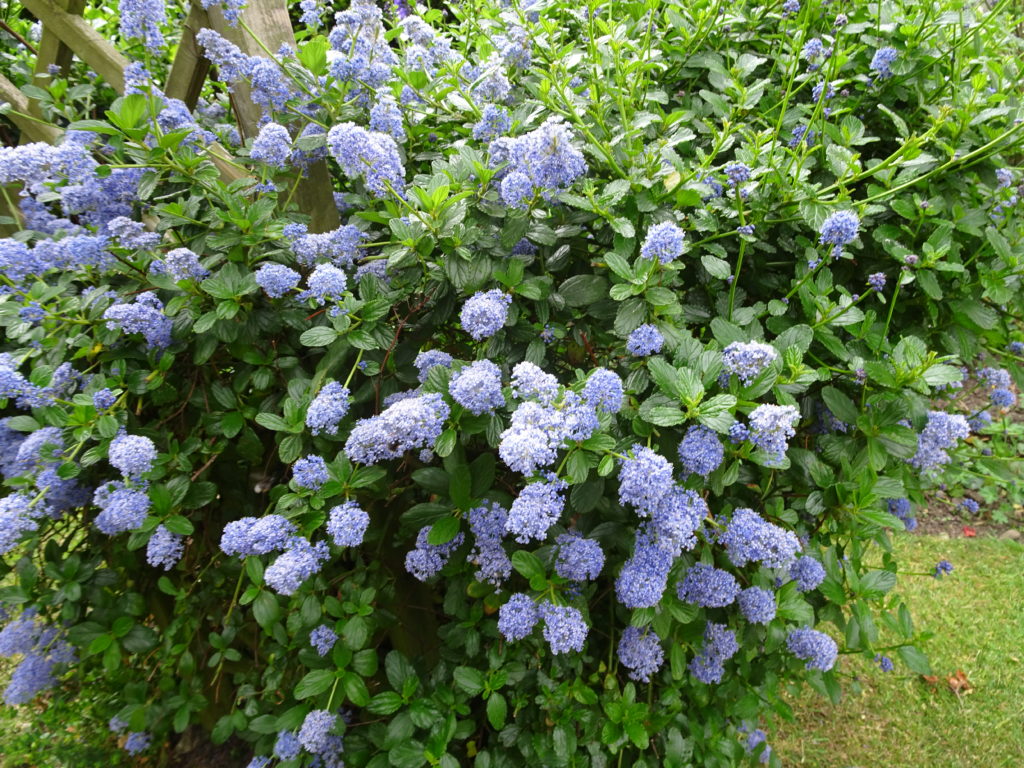
A hardy stand by Ceanothus that I propagate from cuttings. The only draw back for me is that other growth habits, including prostrate  and tree forms cannot be propagated from this one plant. (Clone is as colnes does). Ceanothus is also called or known asbuckbrush, California lilac or soap bush,

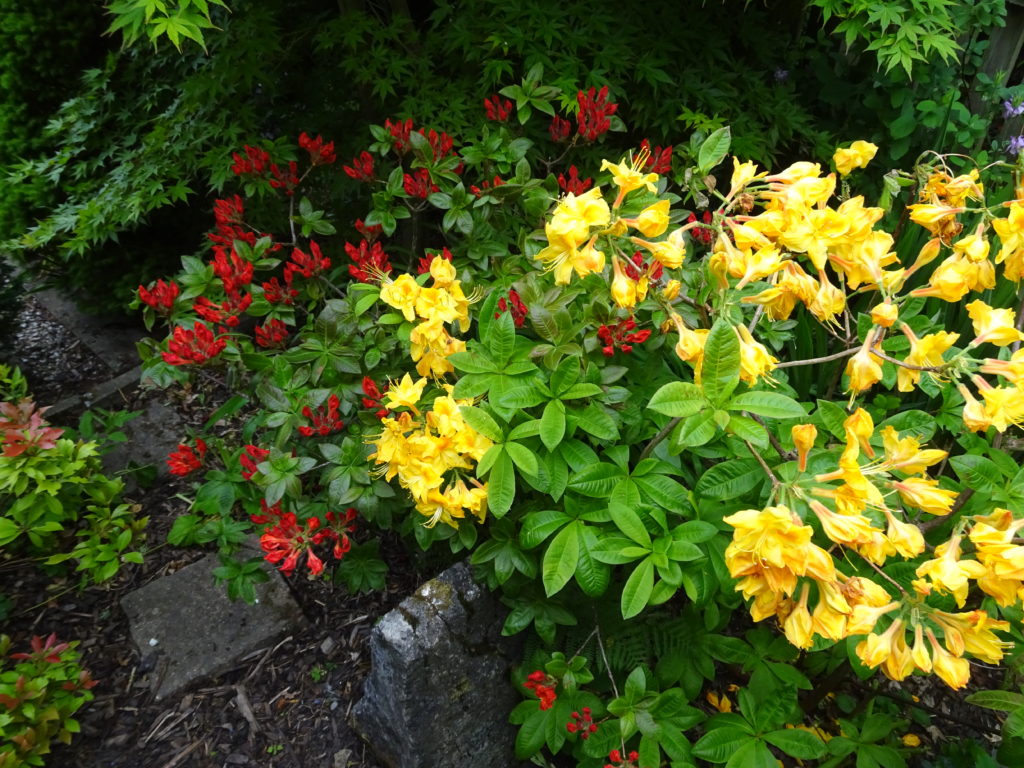
Azaleas in this gloomy corner have survived for several years and I keep promising myself that I will add some other varieties when can I find a place to plant them.

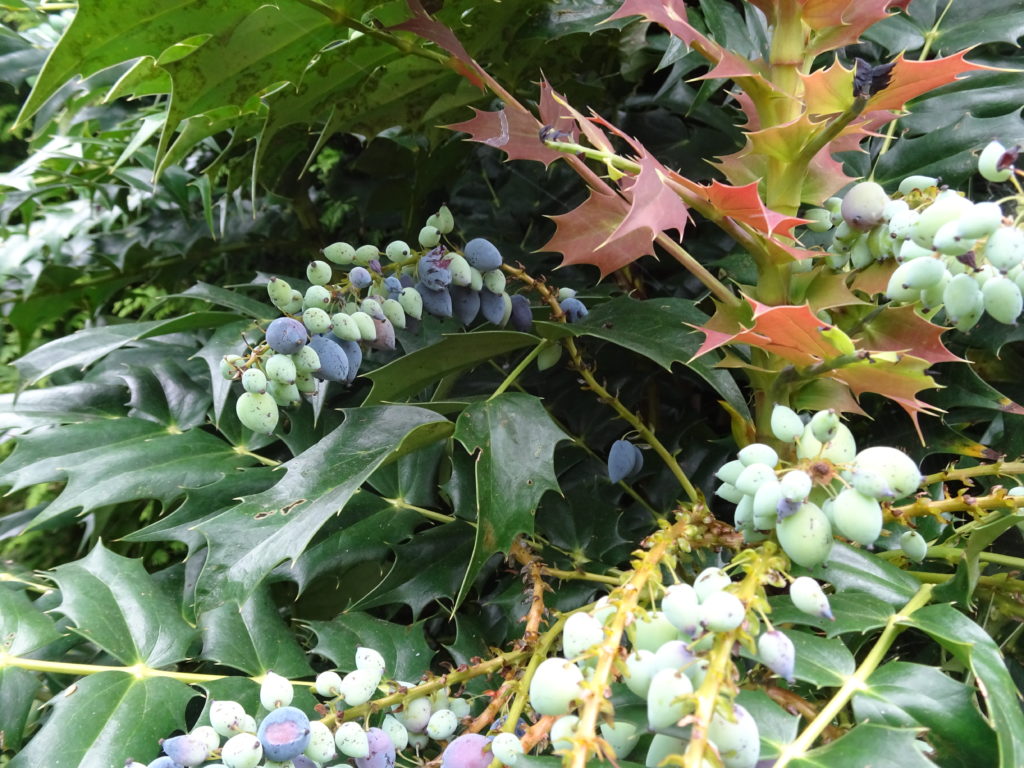
My wife would see the back of this Mahonia to make the space I crave for Azaleas (they both like slightly acidic soil). The sharp leaves ‘needle’ her but I like the all year round interest the plant provides.

The slabs of paving provide a path through a short Japanese section of the garden which utilises bark chippings rather than a gravel mulch.

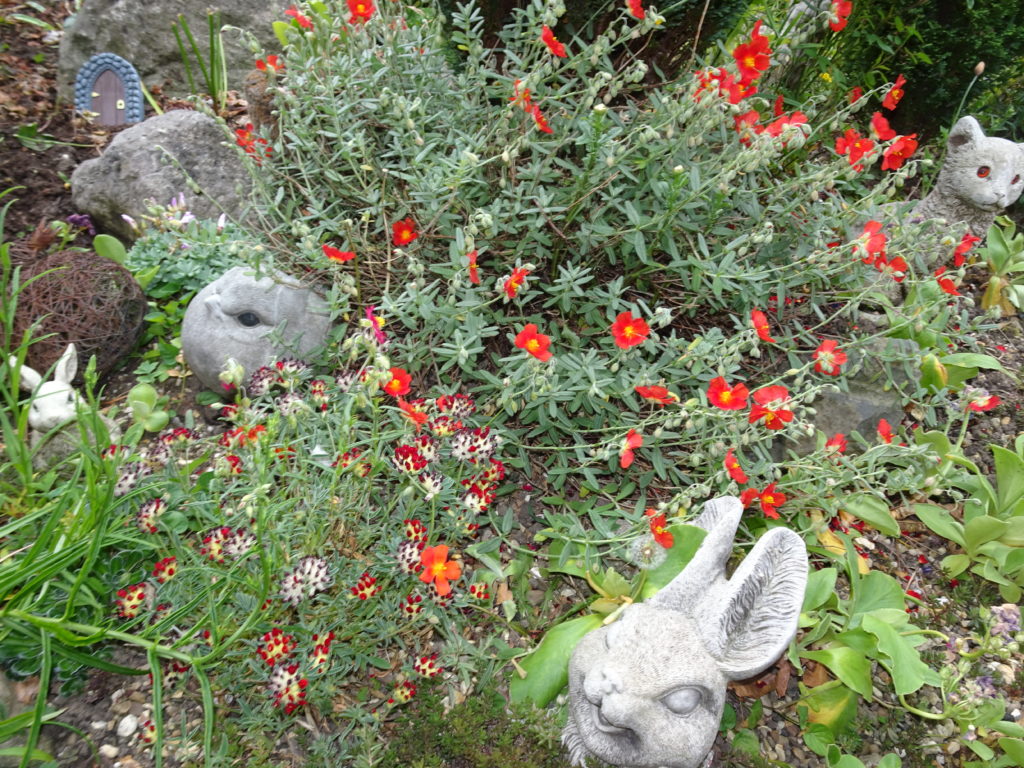
Rabbits breed harmlessly in this part of the ornamental garden. A new acquisition last Christmas was the door as an entrance to the gnomes homes (221b Baker Street elementary my dear watsonnia – is that freudian or the name of my bulb in the third photo)

Having a Good Lilac Season 2020

Having a Good Lilac Season 2020


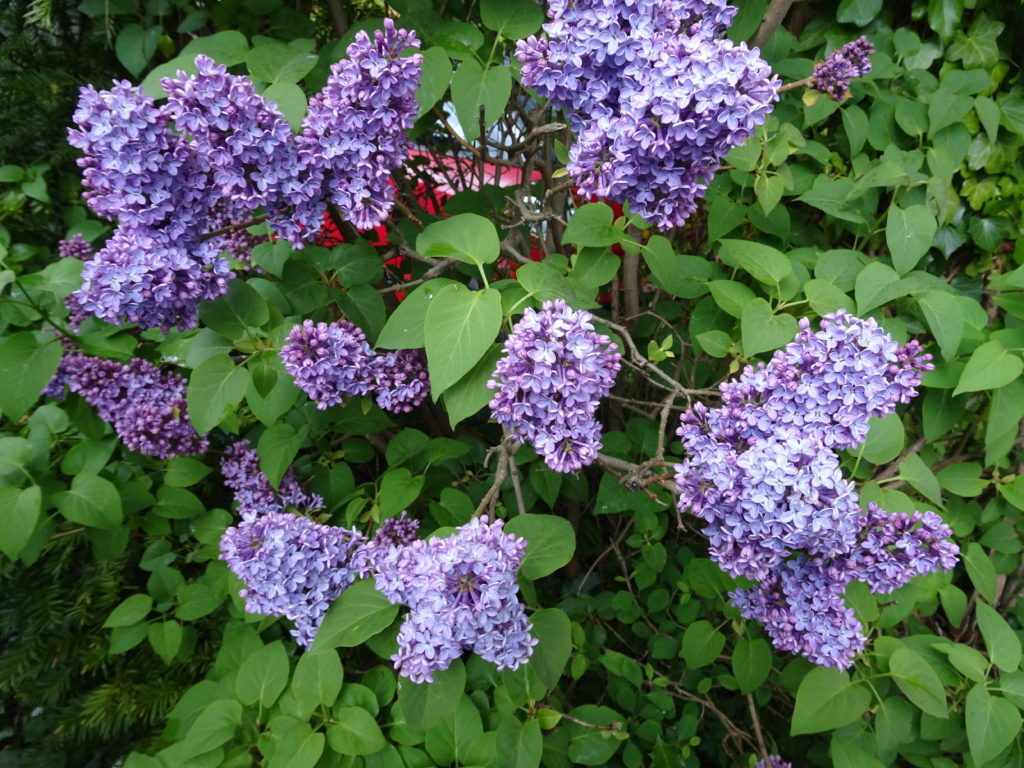
Sorry if this post is a bit repetitive from one at the beginning of May but my mind is socially distanced from my memory. My garden lilac has never smelt so good but I am sure the colour has been stronger in previous years.

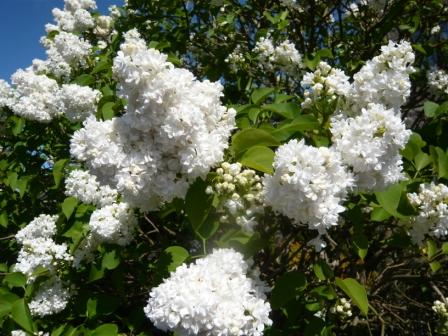
The white lilac has been OK but lacks pizzaz despite the blue skies and strong sunshine. Perhaps it is a lack of focus and I should polish my photography skills.


The best varieties have been the darker purples which I have spotted on my lockdown compliant walks around the village. Ten years ago the gardens looked very different.

Indoor Primula Obconica Tips

Indoor Primula Obconica Tips

primula-obconica

We gardeners hopefully learn as we go along and this post is an update of a 6 year old report on indoor primulas.

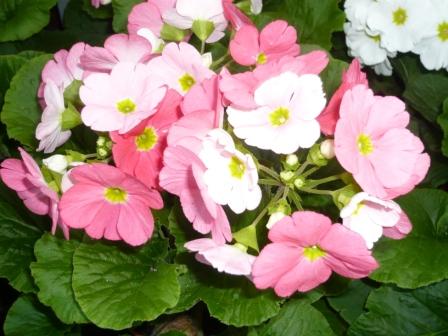
‘Indoor plants that are in full flower in January include the strongly coloured Primula Obconica shown above. They look good in traditional blues, pinks and white with the new Twilly series including a strong red. There are plenty of long lasting blooms particularly if you pick off dead flowers. The hairs on the back of leaves can be an irritant so take care if you have sensitive skin, the plant is also known as Poison Primrose.

Plants at garden centers may have been grown specifically for a quick show of colour that makes them saleable and decorative as indoor plants. They are probably not frost free or very hardy.
Primula 011

Primula Obconica

  • Unlike other Primula obconica varieties, Twilly Touch Me is primine free, so causes no skin irritation.
  • Grown from seed give them dark to germinate. They flower the following spring/summer in the cool greenhouse or as a houseplant.
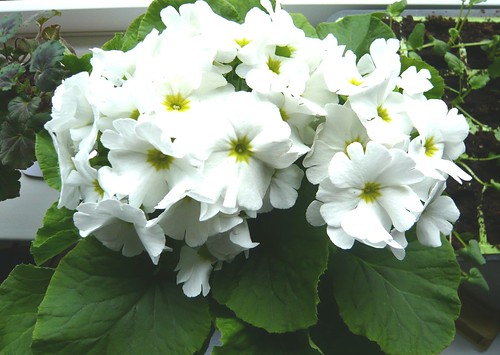
  • Primula obconica produce a dozen different colours of flowers.
  • The flowers last for several weeks if spent flowers are deadheaded regularly.
  • Do not let the plants dry out and the leaves become floppy.

Other species of Indoor Primulas include Primula malacoides a perennial plant for a heated greenhouse or conservatory. Also known as the Fairy primrose it is NOT hardy.

Primula sinensis the Chinese Primrose aka Primula praenitens is hard to obtain but the flowers look stunning so it is worth looking for.

Primula 003
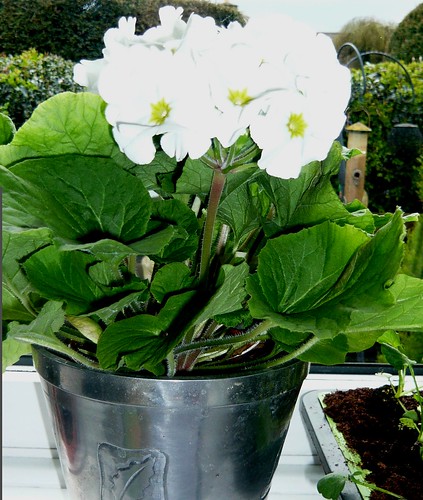
Showing the soft fleshy leaves of ‘Twill Touch Me Series’ of Indoor Primula obconica. The Primula stem holds the flowers proud of the leaves.’