Browsed by
Author: hortoris

Dog Wood Fun

Dog Wood Fun

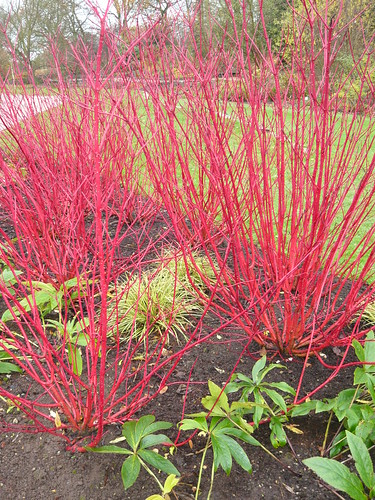
Cornus Alba Siberica

You are not barking up the wrong tree with this Cornus Siberica the Dog Wood. It was not on show at Upper Crufts but at the RHS. If you buy one from their shop it will have a bark code.

No matter what you have done wrong in the garden try to make it look like the dog did it.

Do Eskimos train their dogs in the Mush room?

What is the difference between a posh gardener and a warm dog? A gardener wears a suit a dog just pants!

Well I am off to pick some Collie Flowers, watch Hound of Music and listen to Wolfhound Amadeus Mozart who wrote Corgi and Bess! (Thanks Les Barker and Mrs Ackroyd)

Seed Tips and Succesful Seeds

Seed Tips and Succesful Seeds

Sowing the Seeds of Success

All good gardeners know that seeds are on your side they want to grow and thrive. Apart for some weedy exceptions that I will save until the end of this article seeds can be coaxed into blooming excess with only a little know how.

Help From the Seeds.

Every seed tells a story and you can learn to read that story by considering the parent plant and the seed itself. To set seed most plants need to be pollinated male to female and many plants are self-fertile. Having taken a deal of trouble to attract pollinators or pollination most plants package up the seeds and plan how to distribute them.

Berries and fruit have a soft or pithy outer case to help. Birds ingest elderberries and deposit the seed where they will.

Poppies have a pepperpot shaker type seed head that allows some ripe seed to be sprinkled each day over several days or weeks.

Aquilegia seed pods contort and twist to ping out seeds in a squirting motion so they travel a distance.

Dandelion seeds have feathery tufts to allow the wind to blow them where you don’t want them (but I said I would save these comments to the end)

So from these examples you can see seed pods protect and help distribution of the seed.

Seed Size and Features

Read More Read More

Quick Pest and Rabbit Tips

Quick Pest and Rabbit Tips

Book Cover

Insects, grubs and slugs are all garden pests at one time or other but the gardeners ideal is to have a natural balance and enough predators to save your specimen plants. Below are some quick tips of environmentally friendly measures you can take. If everything else has failed you could always play them this record ‘Insecticide’ to create your own Nirvana.

Preventing Pests better than Cure

  • Camomile deters small flies. – Make your own pesticide by infusing flowers in hot water for 10 minutes. French Marigolds, Rue and Tansy also have repellent properties.
  • I dot onion plants around the garden to deter pests and larvae – they don’t take up much space or look out of place. Greenfly do not like garlic so try odd plants grown from garlic cloves.
  • Protect some plants and prevent larvae hatching by surrounding plants with a cardboard collar.

Pest Treatments

  • Birds are amongst the best insect catchers so encourage Robins, Finches and Blackbirds.
  • A pond will encourage frogs or toads who will then eat slugs and snails.
  • Good house keeping, clearing dead foliage, will help control the number of pests by removing their food
  • Sulphur dust or powder can cure mildew on your prize roses but keep it away from ponds as it kills fish.

How Do You Stop Rabbits in the Garden ?

  • Rabbits are harder to repel but scattering dried holly leaves or other spiny leaves is said to keep them off your tender vegetables.
  • Plagues of Rabbits need to be fenced out with wire mesh starting 10″ underground and standing 2 feet high with a top 6″  bent away to stop them climbing (a bit like Colditz).

Read More Read More

Bonsai Lessons and Hinokicypais Obtusc

Bonsai Lessons and Hinokicypais Obtusc

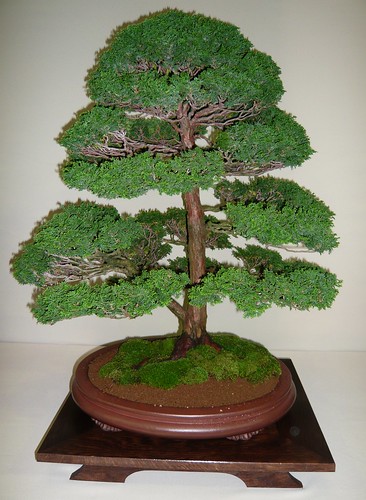
Hinokicyparis obtusc

My attempts at Bonsai have not been as successful as I would have wished. After a talk and practical demonstration at our local gardening club I was fired with enthusiasm but not patience.

I bought the training pots and wired some trees two seasons ago and they look similiar to when I planted them. I was fortunate to have been shown how to take a 4 foot high tree down to bonsai size rather than growing a seedling in a pot as I had assumed you needed to do. At the Harrogate Autumn show there was another practical demonstration that also showed how to wire and twist branches to look like older drooping branches.

After another winter outside I will tidy up my attempts and have another go in Spring.  I think it would be satisfying to achieve an example similar too the one above or even something close. To do that I need a book from amazon or Santa.

Book Cover

Book Cover

Winter Garden Tips

Winter Garden Tips

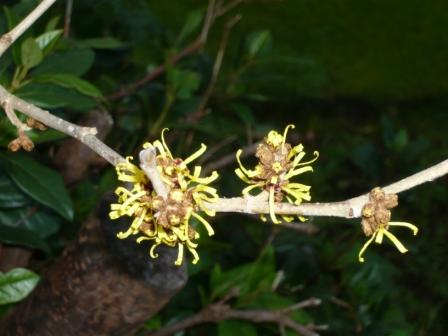
witch-hazel

You can start your  gardening on New Years Day or as soon as your hangover is cured. Do not have too many resolutions or you won’t keep any of them. I find it is a good idea to know roughly what you want to achieve in the year without being too specific as to how. For my part I have decided to have more soft fruit and ‘Shock and Awe’ type garden features.

Steps for January

Fruit

  • Prune apple trees and thin out the fruiting spurs. In my case buy cordons or ballerina trees.
  • Cut out any dead or diseased wood and spray trees with winter tar oil wash to deter insects. Leave the plums till later.
  • Remove any big buds on black currant bushes.
  • Cover a rhubarb crown with a forcer to get early, thin, pink stems.
  • Plant any new trees or shrubs – I want a dessert gooseberry
  • Tie up raspberry canes and check for loose ties on trees and wall trained fruit.

Vegetables

  • Order any seeds from a reputable supplier and sprout potatoes in a box with the rounded rose end upper most
  • Sow some broad beans when it is mild
  • Lime the vegetable patch that grew brassicas last year. Do not lime your potato patch.
  • Plan where crop rotation is going to be.

Flowers and Shrubs

  • Tidy the borders and plant lilies and Antirrhinums
  • Ventilate your cold frame
  • Check frost protection for new young shrubs
  • Spray roses and the surrounding ground against black spot and mulch Rhododendrons

Lawns

  • Service the lawn mower ready for spring
  • Keep clear of dead leaves Rake mossy areas

Greenhouse and Indoor Plants

  • Clean staging and fumigate the greenhouse
  • Take cuttings of late flowering chrysanthemums
  • Keep houseplants on the dry side in the best light
  • Pick sprays of Daphne & forsythia to flower indoors

General

  • Don’t rush into doing anything too early but be prepared for your busy period
  • Do any construction work except concreting during a frost
  • Sow leeks and onions in boxes and even some lettuce and peppers in the warmth.
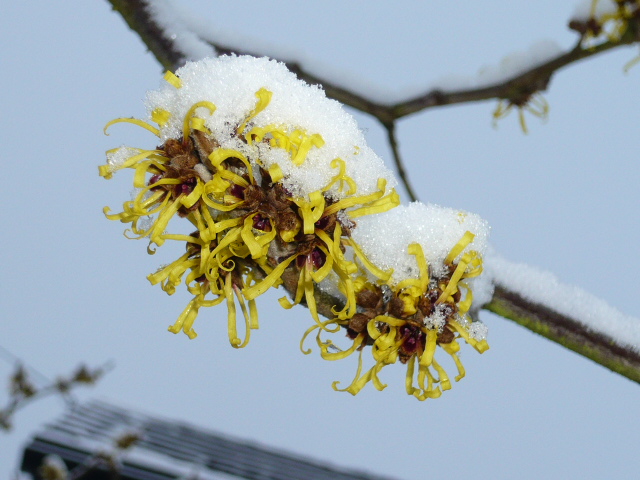
  • Look closely around your garden there will be treasures to uncover. Hellebore niger, Winter Jasmin and Witch Hazel (above) are all flowering

February Tips

garden

Garden Tasks for February

  • Finish Planting trees and shrubs. The earlier trees and shrubs can be planted the better
  • Prepare Soil. If the soil is not frozen it is a good time to prepare the soil through digging where necessary.
  • Finish Pruning of Roses or other shrubs
  • Towards the end of February, you can start dahlia tubers and similar tubers such gloxina and Begonias indoors.

Vegetable Garden in February

  • Sow early crops under glass. Early vegetables can included mustard, cress, parsnips, broad beans and lettuce.
  • Towards end of the month you can start thinning out seedlings
  • Prune Autumn fruiting Raspberries. Autumn producing raspberries want to be cut back to 6 inches as they fruit on new growth.

crocus

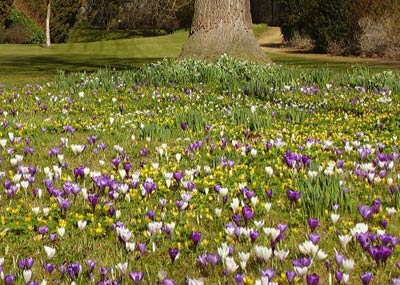
A bed of crocus

Things to Enjoy in the February Garden

  • Early bulbs – snowdrops, crocus, early daffodills.
  • Early primulas –
  • Early pansies
  • Camellia Japonica
  • Daphne

flower
Related

Bamboo Uses and the Environment

Bamboo Uses and the Environment

Midland trip 097

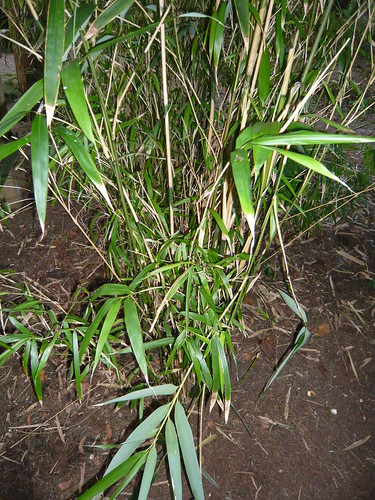
There are over 1400 different species of bamboo in the world, 900 tropical and 500 temperate.  Bamboo is a useful component of landscape design, providing shade, wind breaks, acoustical barriers and aesthetic beauty. Bamboo beer, bamboo shoots as a vegetable and small implements are products from the bamboo.

Environment Considerations

In its natural habitat bamboo is very environmentally friendly
Bamboo is the fastest growing plant on the planet, with some species growing over 4ft in just 24hours!
Bamboo can be continuously harvested which is beneficial to the health of the plant.
Bamboos anti-erosion properties are key to it’s reputation as a soil conservation tool. Its roots bind the soil and the stems reduce rain run-off.
It is widely believed that if bamboo were better farmed it would be a renewable source of food, building materials and erosion prevention as well as keeping gardeners supplied.

In Happy Mount Park Morecambe this clump of bamboo is used in a children’s adventure play area to add one more use to the growing list of uses.

Purple Pansy Please

Purple Pansy Please

homestead 056

Winter pansies start to come into their own in February and March. It is also a great time to stock up on new pansies for the coming year.

Increase Your Pansies.

  • Kinder pots of seedlings are available for sale in many garden centers but they are usually only available for a few weeks. You need to prick them out and grow on so they are labour intensive but you may get as many plants as you would from your own seed packets.
  • Plug u grow are slightly larger pansy plants that also need protection and growing on until planted out.
  • Seed packets are available mail order or at many retail outlets. Purple rain smaller F1 spreading pansy Bingo a deep purple and Karma may fit your colour schemes.
  • In spring small and large trays of pansies are offered in ready to plant out modules. Thompson & Morgan search for seeds and plants

Read More Read More

Dahlia In Containers

Dahlia In Containers

garden 035

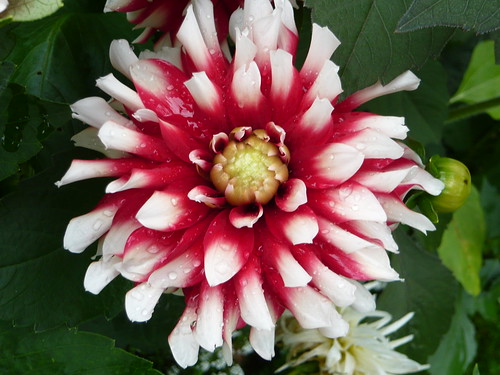
Dahlias are not the first flower you think about when looking for container plants. The large flowers from tuberous roots are very thirsty, very hungry and can grow 4-6 feet tall. So I would leave the dinner plate varieties alone unless you have an enormous pot or barrel.

Annual Dahlias may be the answer and there are many colourful mixes available to grow from seed. Mostly they are single flowered annuals and are less fussy than the larger varieties.

  • Bambino mix grow to 12-18″ tall miniature semi-double flowers that are recommended for bedding, pots and containers. Sow in February or March.
  • I like the idea of Bishops Children which are seeds to grow as offspring from the Bishop of llandaff and various cathedral cities which have red-purple dark leaves and red to orange flowers. They are mid sized dahlias from seed and you may grow a great flower.
  • Double Extreme is an attractive dwarf selection, producing a mass of high quality double and semi double flowers in an rich colour mixture.

If you want to try larger flowered varieties, preferrably in their own space with lots of compost and mulch the Thompson Morgan have a selection.

Enjoy growing Dahlias and let us know how you get on with containers. Read about Cactus flowering Dahlias.

Note
Dark leaved Bishop’s children Dahlias are looking very good as Autumn comes to an end. Children will be surprised the leaves are not green and the flowers remain so colourful read more
See a mosaic of Pink Dahlias with top ten pointers

Fertilizers for Growth

Fertilizers for Growth

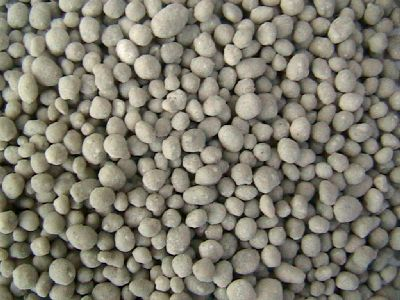
Growmore Fertiliser

Feed Your Plants

Plants need food at the right time and in roughly the right quantities to deliver the best results for you in terms of flowers, leaves or fruit. Fertilizer is a concentrated form of food as opposed to bulky conditioners and organic manures. On bottles or boxes of fertilizer you will often see the N P K ratios where N = Nitrogen, P = Phosphates and K = Potassium.

Nitrogen encourages leaf growth so it is useful for Lawns, Houseplants, Spinach or other leafy vegetables. Good leave coverage is also important for photosynthesis so virtually all plants need nitrogen but too much can make a plant ‘soft’.

Phosphates are needed for healthy root growth in seedlings and beetroot or parsnips. Onions are big feeders on super phosphates or bone meal.

Potassium in the form of potash encourages flowering, fruiting and good colour. It is an essential component for feeding Tomatoes and other heavy feeders like Roses and Sweetpeas.

Bought Fertilizers

On my Baby Bio plant food bottle the NPK ratio is 10.6- 4.4 -1.7 which shows it is formulated for house plants which are often grown for foliage hence the high nitrogen content. Roots are also important in houseplants whilst flowers are often preordained at the growers prior to sale. If you are trying to get your plant to flower for a second or subsequent time you may want to use some tomato feed occasionally.
My other household fertilizer is a concentrated tomato feed 26- 17 -52 which is much more skewed to flowers and fruit. The higher these figures the greater the concentration of fertilizer and the more dilution you may need.

Organic fertilizers like blood, fish and bone and bone meal, hoof & horn and guano have a place in most gardens particularly for organic culture. Growmore is one of my staples for fertilising the garden prior to planting out and has equal proportions of NPK usually about 7-7-7.

Applying the Feed

Read More Read More