Browsed by
Month: January 2015

Leucogenes Leontopodium – New Zealand Edelweiss
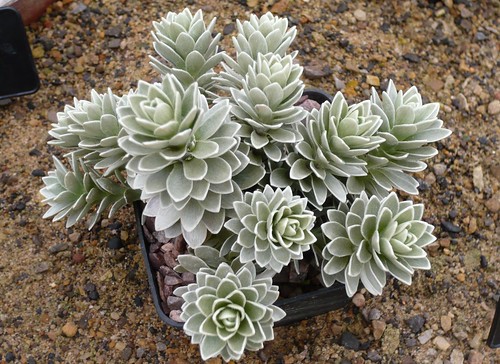
Leucogenes Leontopodium – New Zealand Edelweiss

Leucogenes Leontopodium

Growing inside an alpine house in a three inch pot this “Leucogenes Leontopodium” is also called the New Zealand Edelweiss. It is a herby plant similar to its European Edelweiss cousins. In the Northern Hemisphere I expect this plant will produce white flowers around June.

Leucogenes Leontopodium is a small perennial herb with a woody base. The leaves are densely covered in silky hairs giving it a grey appearance. Clusters of flowers are surrounded by woolly bracts in summer.

Leucogenes grandiceps is a similar plant from the South Island of New Zealalnd

Leontopodium alpinum or Edelweiss grows amongst the rocky limestone mountains of Europe. The plants can be grown from seed but are protected when in the wild.
Attract Bees in Organic Gardens

Attract Bees in Organic Gardens

insects

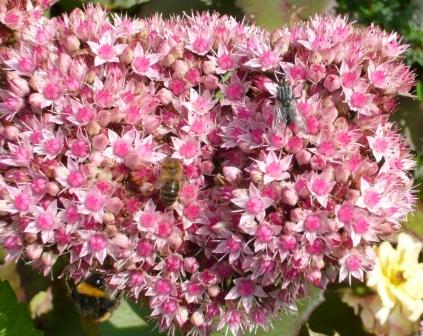
Bees, Flies, and Wasps all display their liking for the nectar from this Sedum spectabile. Insects are attracted by colour, fluorescence and iridescence and by pollen which gives them proteins and fat.  Scent is only one form of attraction for Bees. In the following selection of plants there are many attractions for the apairian population and you can grow them  to help your Bee population

Plants to Attract Bees

  • Flowers with open structures like Rudbeckias, Erigerons, and the early Doronicum
  • Most daisy like flowers and Calendulas, Asters and Cosmos
  • Bees seem to swarm together around Monarda, Verbenas, Echinops, Teazels, Scabious and of course the Sedums.
  • Natural gardens of indigenous species are one of the key food plants for bees
  • Flowering  herbs like Thyme, Sage and Lavender are bee magnets.
  • Ceanothus, Heather, Pyracantha, Broom and Hebe also attract Bees

Experiment with other plants and flowers  in addition to this list as the population of bees has been struggling in the UK in recent years.

Organic Seeds

How to make your garden ec0-friendly

Skimmia for Buds and Berries

Skimmia for Buds and Berries

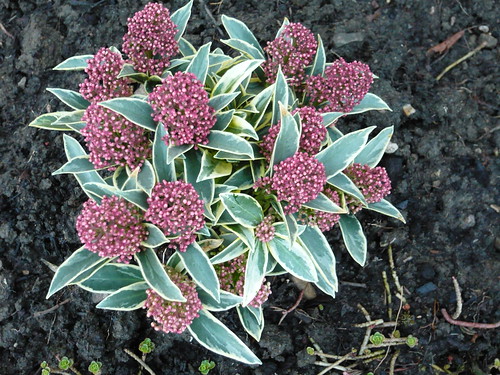
Variegated Skimmia Magic Marlot

Skimmia is a slow growing, aromatic, evergreen shrub with a compact habit. Skimmia Japonica grows in a dome shape with leathery leaves and the flowers can be followed by red or black berries. Skimmia laureola has dark green leaves which smell when crushed. The flowers on this variety are clustered on the end of the shoots.

How and Where Can I Grow Skimmias?

  • They are tolerant of shade and seaside conditions though some cultivars do not like an alkaline soil.
  • The flowerbuds look like pink flowers (above) and slowly develop during late autumn before finally opening to reveal the small white flowers in late winter.
  • Most Skimmias are single sex plants therefore, if you want berries (below), you will have to grow both male and female plants.
  • Skimmias are slow growing and should not need pruning
  • Plants are hardy and would fit in too a low maintenance area
  • Skimmias can be grown in containers

Read More Read More

Dog Wood Fun

Dog Wood Fun

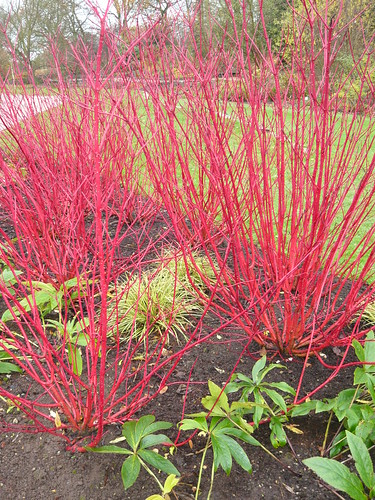
Cornus Alba Siberica

You are not barking up the wrong tree with this Cornus Siberica the Dog Wood. It was not on show at Upper Crufts but at the RHS. If you buy one from their shop it will have a bark code.

No matter what you have done wrong in the garden try to make it look like the dog did it.

Do Eskimos train their dogs in the Mush room?

What is the difference between a posh gardener and a warm dog? A gardener wears a suit a dog just pants!

Well I am off to pick some Collie Flowers, watch Hound of Music and listen to Wolfhound Amadeus Mozart who wrote Corgi and Bess! (Thanks Les Barker and Mrs Ackroyd)

Seed Tips and Succesful Seeds

Seed Tips and Succesful Seeds

Sowing the Seeds of Success

All good gardeners know that seeds are on your side they want to grow and thrive. Apart for some weedy exceptions that I will save until the end of this article seeds can be coaxed into blooming excess with only a little know how.

Help From the Seeds.

Every seed tells a story and you can learn to read that story by considering the parent plant and the seed itself. To set seed most plants need to be pollinated male to female and many plants are self-fertile. Having taken a deal of trouble to attract pollinators or pollination most plants package up the seeds and plan how to distribute them.

Berries and fruit have a soft or pithy outer case to help. Birds ingest elderberries and deposit the seed where they will.

Poppies have a pepperpot shaker type seed head that allows some ripe seed to be sprinkled each day over several days or weeks.

Aquilegia seed pods contort and twist to ping out seeds in a squirting motion so they travel a distance.

Dandelion seeds have feathery tufts to allow the wind to blow them where you don’t want them (but I said I would save these comments to the end)

So from these examples you can see seed pods protect and help distribution of the seed.

Seed Size and Features

Read More Read More

Quick Pest and Rabbit Tips

Quick Pest and Rabbit Tips

Book Cover

Insects, grubs and slugs are all garden pests at one time or other but the gardeners ideal is to have a natural balance and enough predators to save your specimen plants. Below are some quick tips of environmentally friendly measures you can take. If everything else has failed you could always play them this record ‘Insecticide’ to create your own Nirvana.

Preventing Pests better than Cure

  • Camomile deters small flies. – Make your own pesticide by infusing flowers in hot water for 10 minutes. French Marigolds, Rue and Tansy also have repellent properties.
  • I dot onion plants around the garden to deter pests and larvae – they don’t take up much space or look out of place. Greenfly do not like garlic so try odd plants grown from garlic cloves.
  • Protect some plants and prevent larvae hatching by surrounding plants with a cardboard collar.

Pest Treatments

  • Birds are amongst the best insect catchers so encourage Robins, Finches and Blackbirds.
  • A pond will encourage frogs or toads who will then eat slugs and snails.
  • Good house keeping, clearing dead foliage, will help control the number of pests by removing their food
  • Sulphur dust or powder can cure mildew on your prize roses but keep it away from ponds as it kills fish.

How Do You Stop Rabbits in the Garden ?

  • Rabbits are harder to repel but scattering dried holly leaves or other spiny leaves is said to keep them off your tender vegetables.
  • Plagues of Rabbits need to be fenced out with wire mesh starting 10″ underground and standing 2 feet high with a top 6″  bent away to stop them climbing (a bit like Colditz).

Read More Read More

Bonsai Lessons and Hinokicypais Obtusc

Bonsai Lessons and Hinokicypais Obtusc

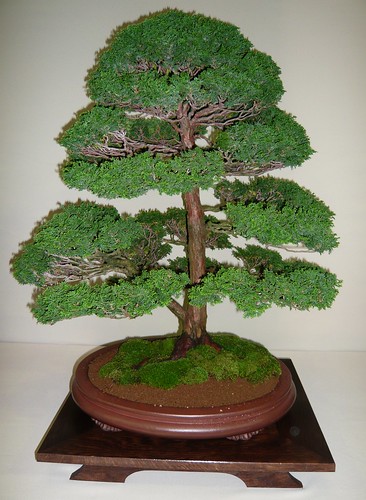
Hinokicyparis obtusc

My attempts at Bonsai have not been as successful as I would have wished. After a talk and practical demonstration at our local gardening club I was fired with enthusiasm but not patience.

I bought the training pots and wired some trees two seasons ago and they look similiar to when I planted them. I was fortunate to have been shown how to take a 4 foot high tree down to bonsai size rather than growing a seedling in a pot as I had assumed you needed to do. At the Harrogate Autumn show there was another practical demonstration that also showed how to wire and twist branches to look like older drooping branches.

After another winter outside I will tidy up my attempts and have another go in Spring.  I think it would be satisfying to achieve an example similar too the one above or even something close. To do that I need a book from amazon or Santa.

Book Cover

Book Cover

Winter Garden Tips

Winter Garden Tips

witch-hazel

You can start your  gardening on New Years Day or as soon as your hangover is cured. Do not have too many resolutions or you won’t keep any of them. I find it is a good idea to know roughly what you want to achieve in the year without being too specific as to how. For my part I have decided to have more soft fruit and ‘Shock and Awe’ type garden features.

Steps for January

Fruit

  • Prune apple trees and thin out the fruiting spurs. In my case buy cordons or ballerina trees.
  • Cut out any dead or diseased wood and spray trees with winter tar oil wash to deter insects. Leave the plums till later.
  • Remove any big buds on black currant bushes.
  • Cover a rhubarb crown with a forcer to get early, thin, pink stems.
  • Plant any new trees or shrubs – I want a dessert gooseberry
  • Tie up raspberry canes and check for loose ties on trees and wall trained fruit.

Vegetables

  • Order any seeds from a reputable supplier and sprout potatoes in a box with the rounded rose end upper most
  • Sow some broad beans when it is mild
  • Lime the vegetable patch that grew brassicas last year. Do not lime your potato patch.
  • Plan where crop rotation is going to be.

Flowers and Shrubs

  • Tidy the borders and plant lilies and Antirrhinums
  • Ventilate your cold frame
  • Check frost protection for new young shrubs
  • Spray roses and the surrounding ground against black spot and mulch Rhododendrons

Lawns

  • Service the lawn mower ready for spring
  • Keep clear of dead leaves Rake mossy areas

Greenhouse and Indoor Plants

  • Clean staging and fumigate the greenhouse
  • Take cuttings of late flowering chrysanthemums
  • Keep houseplants on the dry side in the best light
  • Pick sprays of Daphne & forsythia to flower indoors

General

  • Don’t rush into doing anything too early but be prepared for your busy period
  • Do any construction work except concreting during a frost
  • Sow leeks and onions in boxes and even some lettuce and peppers in the warmth.
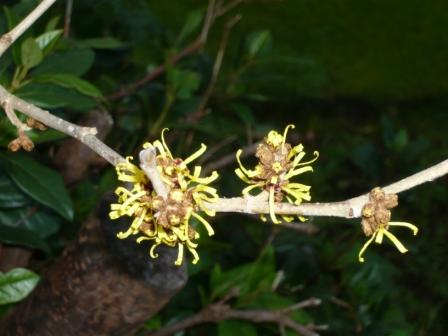
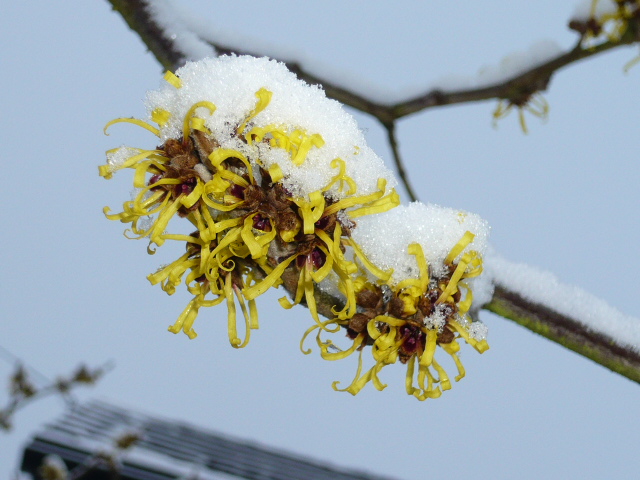
  • Look closely around your garden there will be treasures to uncover. Hellebore niger, Winter Jasmin and Witch Hazel (above) are all flowering

February Tips

garden

Garden Tasks for February

  • Finish Planting trees and shrubs. The earlier trees and shrubs can be planted the better
  • Prepare Soil. If the soil is not frozen it is a good time to prepare the soil through digging where necessary.
  • Finish Pruning of Roses or other shrubs
  • Towards the end of February, you can start dahlia tubers and similar tubers such gloxina and Begonias indoors.

Vegetable Garden in February

  • Sow early crops under glass. Early vegetables can included mustard, cress, parsnips, broad beans and lettuce.
  • Towards end of the month you can start thinning out seedlings
  • Prune Autumn fruiting Raspberries. Autumn producing raspberries want to be cut back to 6 inches as they fruit on new growth.

crocus

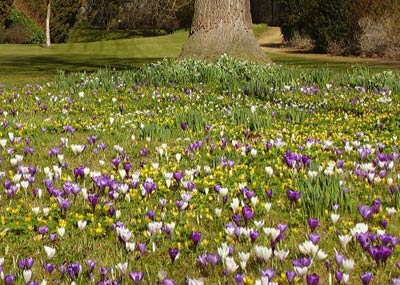
A bed of crocus

Things to Enjoy in the February Garden

  • Early bulbs – snowdrops, crocus, early daffodills.
  • Early primulas –
  • Early pansies
  • Camellia Japonica
  • Daphne

flower
Related