Browsed by
Month: March 2012

Green Sculpture and Topiary

Green Sculpture and Topiary

Green Elephants Garden Sculptures

Some evergreen shrubs lend themselves to topiary and living sculptures. From simple Box hedges as knot gardens to large geometric shapes you can train and prune to get effects with a large range of plants and shrubs.

Good Plants to Start Sculpting
Yew (Taxus) is a traditional topiary subject that stands hard pruning with it’s fine textured needles and moderate growth rates.
Juniper is a fine textured evergreen with tree, shrub and prostrate forms that respond to pruning.
Holly (Ilex) is a glossy leaved evergreen with various leaf forms depending on variety. It is slow growing and can be trimmed quite hard.
Box (Boxus) is useful for smaller sculpted shapes needing fine detail. It is slow growing.
Cupressus are often used for spiral shapes or cloud pruning.
Bay (Laurel nobilis) has coarse aromatic leaves that are popular for training as a round-headed standard.

Gardeners Tips
Select a plant with good foliage and strong stem or stems.
Plant it in a prominent location as it will be a feature to see and nurture. It may take several years to get it exactly how you want it so you need access with your shears or secateurs.
Encourage new growth at the base of the plant by cutting back upright lower growths to get a broad outline.
Remove crossing interior branches and twiggy stems to allow light to reach the interior.
Select strong stems to form the framework for the overall shape.
Complex shapes may need some stakes or frame work to support the growth. Incorporate them early so they get covered in foliage.

Seasonal Tips

In Autumn mulch roots, give a last light trimming and it may be necessary to wrap some sculptures loosely in fiber fleece or sacking to protect against heavy frost.
In Spring cut out any shoot tips that were damaged in winter and clean out dead wood and debris. Begin shaping new plants and feed plants when they show new growth. Do not trim buds off floral shrubs.
Early Summer requires regular trimming to create and maintain shapes with desired detail. Water the foliage occasionally and keep feeding. Stop pruning in later summer to avoid encouraging tender young growth that wont survive winter.
In Winter knock off any snow that builds up on flat topped shrubs. If you move container grown plants under the eaves of the house for shelter remember some water.

Popular Shapes
For hedges, crenelated battlements and trains with or without carriages are popular.
Geometric shapes including Spheres, Spirals, Cones, Rectangles and Pyramids.
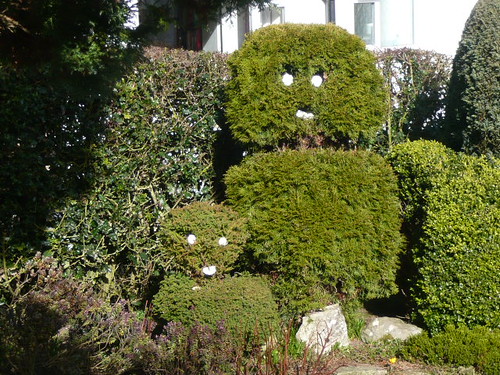
For the adventurous animals, clouds and wall shapes are popular. Use small leaved shrubs for detailed shapes.
Visit some Topiary gardens or select by clicking on a book from Amazon for more ideas.

Conifers can be kept neat and tidy by regular pruning and can become feature plants with there own personalities.

Spiral Pruning

  • Interesting patterns and shapes can also be created like this double spiral.
  • Two conifer types were used the low growing ball shaped shrubs to make the spiral at ground level. Abies balsamea ‘Hudsonia’ is a bun shaped, slow growing conifer.
  • The tall spiral was cut into a Chamaecyparis lawsoniana ‘Columnaris’ which can grow to 20′ high. Golden Yew could also be trained to grow in this shape.

Cloud Pruning

  • Cloud pruning was a fad some years ago but it takes dedication to keep up to it.
  • Ilex crenata, the small leaved holly is popular in Japan
  • Taxus Yew is without equal when clear geometric shapes are required.
  • Even Leylandii can be pruned into cloud shapes.
  • Pines are more difficult and time-consuming to prune this way.
  • Leylandii are forever needing extra trimmi9ng but if you enjoy pruning then it may be the plant for you.
Book Cover

Book Cover

Credits
Green Elephants Garden Sculptures by epSos.de CC BY 2.0
Topiary by ptc24 CC BY 2.0

Topiary

Topiary Shears
See Top Topiary Gardens

RHS Spring Advice

RHS Spring Advice

feb harlow carr

Curves at RHS Harlow Carr Garden

The Royal Horticultural Society offers free advice on there web site and to members. Other membership benefits include free entry to some gardens and a monthly magazine.

Jobs to do in March

Spring usually arrives by mid-March and the frequent sunny days provide the opportunity for an increasing range of gardening tasks.

  1. Plant shallots, onion sets and early potatoes
  2. Protect new spring shoots from slugs
  3. Weeds come back in to growth – deal with them before they get out of hand
  4. Start feeding fish and using the pond fountain; remove pond heaters
  5. Lift and divide overgrown clumps of perennials

Get more RHS expert advice

When you have done these jobs you can cut the grass, sow some seeds, dig the veg patch and a runner bean trench then in the afternoon prune the roses, spread the compost heap and have a cup of tea!


RHS publish a wide range of books that are available from amazon many of which are priced at a reasonable discount.

The Best Value Bulbs are Crocus

The Best Value Bulbs are Crocus

Crocus 2012

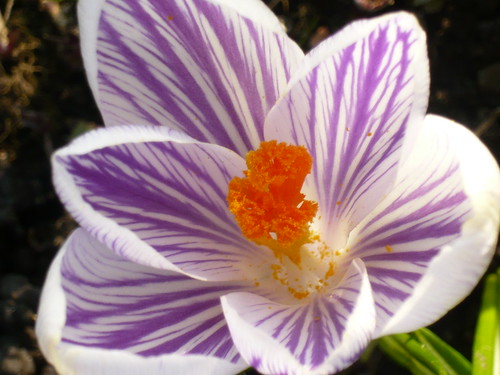
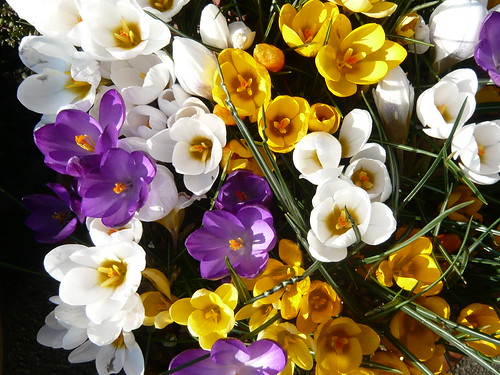
In my opinion the best value bulbs are crocus. In my garden I think they give more colour and less work than other bulbs for the same money. Crocus are best value bulbs partially because they are long lived and in good conditions form large clumps.

Crocus 2012

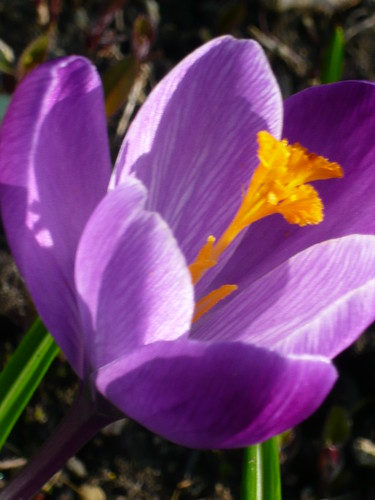
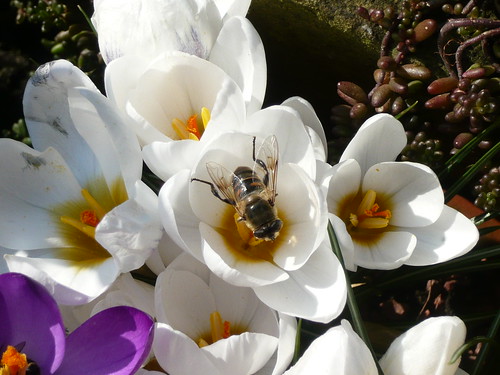
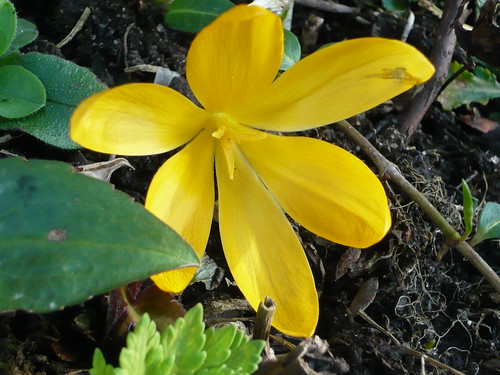
Crocus may be the best value bulbs because they produce stunning colour at the start of spring. Snowdrops are brilliant but the white flowers and green leaves can not compare to the bright yellow and purples of the crocus. Even white crocus have startling yellow stamen.

Crocus 2012

Best value bulbs are crocus not the best value bulbs come from Crocus. What a clever name for an online garden supplies company. As you know we prefer our affiliates Jersey Plants and Thompson & Morgan but there is room for all these businesses to supply the keen gardener.

Crocus 2012

Massed crocus are popular in public parks as they are best value bulbs for growing in grass. The leaves die back soon enough not to worry about mowing. I leave some patches unmown for 4-6 weeks to give them more energy for next year.

Crocus 2012

Crocus are a group of plants in the Iridaceae or iris family. On flickr you can view lots of crocus or see the best top 25

Good Tips for Saving Water in the Garden

Good Tips for Saving Water in the Garden

water butt

Recent years, have seen an increase in the number of hot dry spells here in the UK. Conserving water has therefore become increasingly important. Conserving water does not just save money (for those on water meters), but also helps the environment and helps maintain a healthy garden.

1. Install Waterbutt.

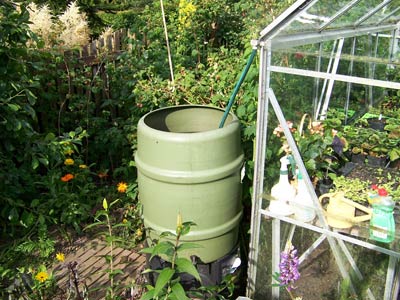
The water butt here is attached next to the greenhouse roof, so fills quite quickly. Don’t just install one water butt if you have a large garden use several storage devices for saving water in the garden. Note it is a good idea to use a lid to prevent water evaporation and insect infestations.

2. Saving Grey Water for the Garden.
Grey water from the bath, shower, washing up or washing machine can be used for Saving Water in the Garden. Never use water from toilets or dishwashers nor water containing bleach on your plants. Some experts recommend not using saved grey water on food crops such as soft fruit or vegetable crops.
Grey water can start to smell if stored so get it out intpo a bucket and use it as soon as possible.

3. Mulch in Spring.

In late spring, when the ground has warmed up and the soil is thoroughly moist, you can add a generous organic mulch to the top of the soil. This will help to keep the water moisture for longer. If you are adding organic matter, such as rotted manure, to the soil, it will also help improve the condition of the soil and improve its water retention capacities. This is particularly important for sandy soils.

4. Don’t Fight Conditions.

If you live in a hot, dry climate or have a poor sandy soil, don’t try to grow lots of moisture loving plants. Instead, choose plants which thrive in dryMediterranean conditions. These are often plants with thin greyish leaves, for example, lavenders. This does not mean you will be restricted to growing cactus, there are many colourful plants which can thrive or  at least tolerate dry conditions e.g. pelargoniums.

5. Water Properly

When watering make sure the watering reaches the roots of the plants. If you water frequently but little, the watering may do more harm than good. This is because the water won’t penetrate and so the roots will be encouraged to grow up to the surface. Therefore, it is better to encourage deep roots through infrequent watering. This way you use less water, but, it is more effective.

6. Water in Evening.

If you water in the morning, the water is more liable to evaporate in the day’s sun. If you water in the evening, it gives chance for the water to soak down into the ground.

7. Water into a sunken pot.

If you have target plants or trees to water, it is helpful to sink  a pipe or plastic pot into the ground. This means the water is targeted to the roots of the plant and doesn’t run off the top of the soil. Water deeply and infrequently for effective results with minimum water usage.

8. Don’t use a sprinkler

A sprinkler is an ineffective way for watering a border. Alot of water is wasted; it is better to target the water directly to base of plants; watering those who need it most.

9. Rainwater Harvesting
The concept of capturing rainwater and storing it for later use is well documented from pre-Roman times. New underground systems are available as a retrofit so you can save water for your garden and household use. Read more from the UK Rainwater harvesting association

10. New Build Rainwater Capture
Progressively new houses are being built with better capture systems. It saves drainage work and run off issues as well as providing an eco-friendly supply of water.

11. Drip Feed Water Saving
Irrigation systems such as those based on drip feed watering is very useful for the greenhouse and containers. No water is wasted and the gardener is in control.

12 Self Watering Pots and Trays
Put a saucer under your garden planters and pots. I water from the bottom by filling the saucer. Some pots now have integral water holding facilities useful for salad crops and hanging baskets.

GARDEN HOSE - WATER
Hosepipe and sprinkler ban – not yet in the North of the UK

Credits
Best Time to water your garden
How to water your garden
Xeriscaping and Other if in drought Watering Tips
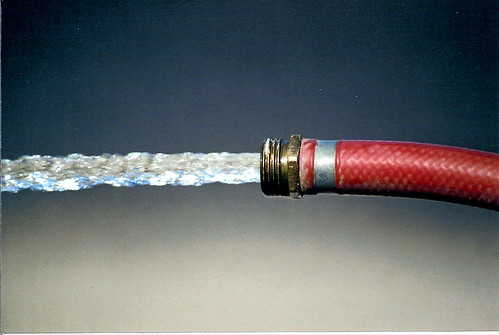
GARDEN HOSE – WATER by Beth Kingery CC BY 2.0

If you know of any other tips for conserving water in the garden, please let us know in the comments below.

Greatest Gardening Tips – Gardening Solutions

Greatest Gardening Tips – Gardening Solutions

Frosty the flowerpotman

In the last few years every business seems to have been christened ‘something solutions’. I even saw ‘gardening solutions’ painted on a pick-up full of hedge trimmings.

 H2O The Gardening Solution – Tips

  •  The only garden solution needed is H2O or good old water!
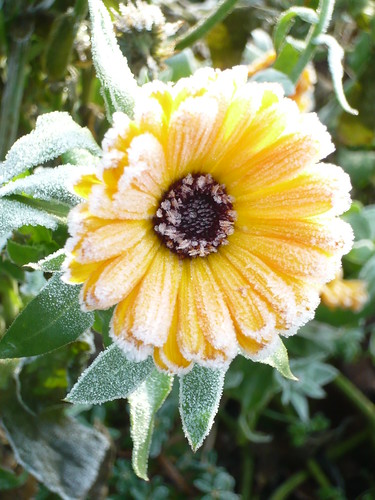
  • What you do not need at the wrong time of year is H2O in the form of frost!
  • H2O in the  form of snow is a mixed blessing. It can act as a thermal blanket and winter signal but it can also bend and damage weak plant growth.
  • Additives to H2O such as NPK is called by gardeners ‘fertilizer’. This is good stuff if used in sensible quantities. Like me plants can get overfed!
  • Water in the soil, to the exclusion of air will drown and kill a plants roots. More houseplants die from drowning than drought or any other cause.
  • In the same way that you wouldn’t willingly jump in a frozen lake or put your hand in boiling water then do not put your plants through rough treatment. Room temperature water is better than a cold douche!
  • Do not let water stand on top of bulbs and corms as they can rot. Provide good drainage and water houseplant bulbs from the bottom.

Pond Algea

Where to Get The Greatest Gardening Tips

  • Gardeners Tips aims to supply the greatest gardening tips that you will need for your UK garden. Many of our tips work equally well in other parts of the world and we are pleased our tips are read in 34 countries.
  • Garden centers and particularly nurseries will offer advice on the stock you are thinking of buying but remember their main purpose is to sell and make money.
  • Talk to other gardeners or join your local horticultural society. It is one of the best ways to learn more.
  • If you want a book on the subject you can purchase Greatest Gardening Tips in the World by Steve Brookes available from  Thompson & Morgan.
  • Garden chemical suppliers offer free instruction sheets available at garden centers. Bayer currently offer a Garden Pest Spotter that is useful.

water

Gardening Solutions – Water Problems

  • Hail and heavy rain can shred the leaves of plants in next to no time. Protect your prize possessions from such threats
  • Water can carry bacteria and young seedlings can get a disease called ‘damping off’ (wilting and dying). Use clean water from a clean receptacle and add some Bordeaux mixture if you get problems.
  • Bought compost and peat can be hard to wet ie it wont absorb moisture. A drop of soft soap in the water will help but but compost that contains a wetting agent.
  • For some reason I dislike water retaining granules but they do work for many people -I do my thing and you do yours but hey that’s gardeners for you.
Elephant Ears Bergenia Homeopathic Medicine

Elephant Ears Bergenia Homeopathic Medicine

elephants-ears

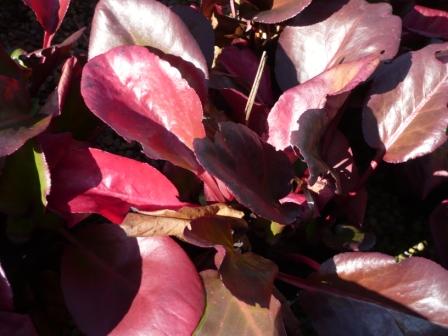
Bergenia or ‘Elephant Ears’ is a popular ‘weed-smothering’ ground cover plant.
The mainly evergreen, shiny leaves of Bergenia ciliata can turn red in a frost.
Bergenia Purpurea or Purpurascens are often grown in shade from shallow rooting rhizomes. The leaves can be in excess of 10″ across and resemble Elephant Ears hence the nickname.
Most varieties produce pink spike of flowers and many have interesting crinkles to the leaf edges.

Homeopathic Bergenia Medicine

  • A juice or powder of the whole plant is said to be used to treat urinary troubles.
  • The juice of the leaves is used as drops to relieve earaches.
  • The root is used as a tonic in the treatment of fevers, diarrhea and pulmonary affections
  • The root juice is used to treat coughs and colds, hemorrhoids, asthma and urinary problems.
  • Externally, the root is bruised and applied as a poultice to boils and ophthalmia, it is also considered helpful in relieving backache.
  • The root of this plant has a high reputation in indigenous systems of medicine for dissolving stones in the kidneys.

Always seek medical advice before using mixes of Bergenia medicine

Grow your own drugs

Book Cover

Acid Loving Pieris for Garden or Container

Acid Loving Pieris for Garden or Container

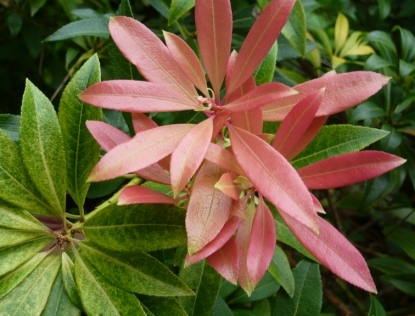
Red leaved Pieris

The flowers on Pieris hang like clusters of small white bells not unlike the flowers of Lily of the Valley. The flowers attract bees in May, June or July and are often quite abundant.

The young leaves are the main attraction for me with the strong red that matures slowly through pink and cream to green over the season. The bush can grow 4 feet tall and spread about 3 feet but is worth the space. Prefering acid soil it will grow in a neutral soil or in a container filled with ericaceous compost.

Mountain Fire and Forest Flame are two varieties that I have growing in the garden. Flaming Silver has a white edge to the mature leaf.  The darkest red leaf is grown on Valley Valentine and Flamingo has rose pink flowers.

Other links

Special and extraordinary Leaves
Pieris winter blossom
Pieris portraits

Success Growing Coriander

Success Growing Coriander

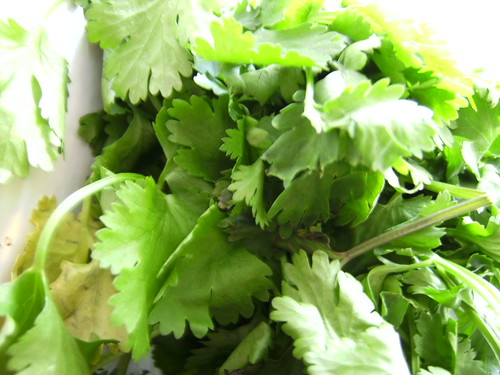
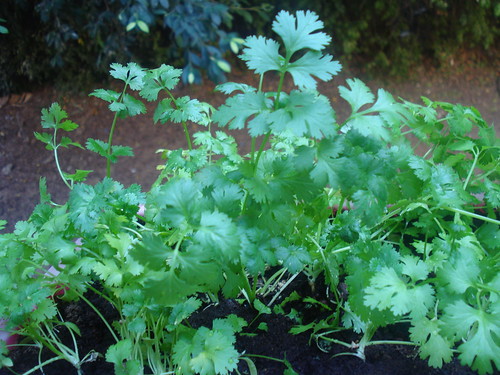
How hard can it be growing Coriander? Not very and it is even easier with these secrets of success from expert gardeners.

Coriander

Successful Coriander Growing

  • One of the easiest herbs to grow from seed. Sow directly outside in a herb patch, container or on a windowsill.
  • Coriander appreciates full sun and good soil without frost.
  • In the right conditions it will grow like crazy but dislikes its long tap root being disturbed.
  • Harvest when leaves are 6 inches high and sow crops every 3 weeks for a continuous supply.
  • Coriander is rich in vitamins A and C and can be used fresh in curries, stir fries and salads.
  • Coriander is a Mediterranean plant and once established does not need much water.

Coriander

Coriander from Seed

  • Seeds at Thompson & Morgan
  • Other names for Coriander include Coriandrum sativum, Cilantro, Chinese Parsley or varities Calypso and confetti
  • Sow coriander seed outdoors from April to July in light, well-drained, fertile soil, which has been raked to a fine tilth.
  • Choose a position in full sun. Sow seed thinly at a depth of 1cm (½in) in rows 30cm (12″) apart.
  • When large enough to handle, thin seedlings to 23cm (9″) apart.
  • Can also be sown in late summer for winter use, with cloche protection and full light for quality foliage production.

Photo Credits
Coriander by John and Gill CC BY-NC 2.0
Coriander by YaelBeeri CC BY-NC 2.0
Coriander by jbhangoo CC BY-ND 2.0

Coriander
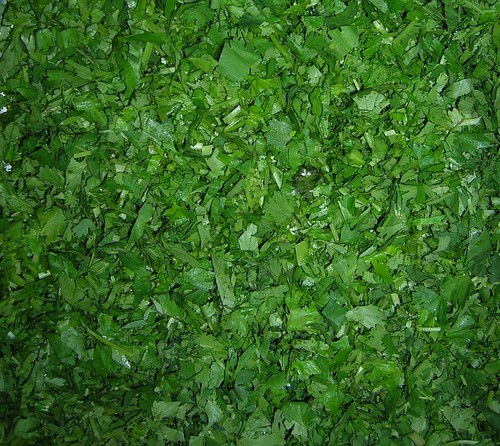
Coriander all dressed up and nowhere to go except into the cooking!