Browsed by
Month: May 2010

You are Having a Laugh in the Garden

You are Having a Laugh in the Garden

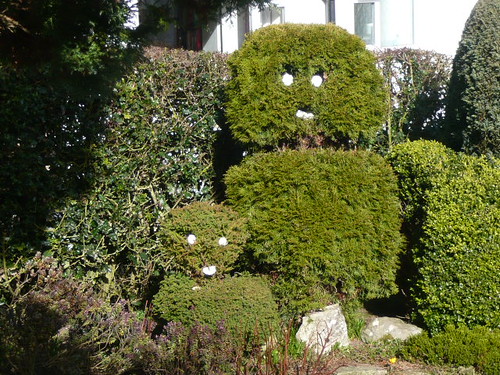
Tree sculpture

Garden scarecrow competitions inspired a neighbour to produce this conifer sculpture.

It makes a change from garden gnomes and brings a bit of light relief.

Old tree stumps can be converted into sculptures by the artistically minded and I wonder what tune would be played for gardeners on this guitar. Strawberry Fields?, Where have all the flowers gone?, in a Monastery Garden or Green Onions by Booker T.

chevin guitar

See also: Funny Garden Signs – “One Giant Leek for Mankind.”

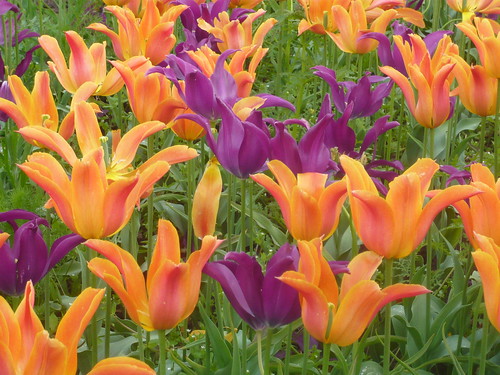
No for me it must be Tip Toe Through The Tulips

wallpaper tulip

Tips for Growing Broccoli

Tips for Growing Broccoli

Broccoli is often referred to as a wonder foods – with a great range of minerals and vitamins. Whether it is a wonder food or not, freshly cut broccoli from the garden makes for a very tasty vegetable accompaniment.

  • To grow broccoli, sow in pots 7-9 weeks before the last frost. To protect roots during transplant, plant in 3 inch pots or decomposable cardboard. After hardening off, plant outside.
  • Broccoli like full sun, though in hot climates, full sun may encourage them to go to seed. Therefore, they can still do well in partial shade.
  • Like many other Brasicas, they like a steady growing environment. If possible shield from extremes of temperature. After planting be ready with some fleece to protect from prolonged period of cold nights.
  • When the soil warms up, try adding a layer of mulch to keep soil moist and overheating.
  • For best results, offer your broccoli a steady feeding and watering regime. Broccoli like 3-4cm of watering per week. For feeding try blood and bone meal or seaweed feed on a fortnightly basis.

Broccoli are fairly pest resistant, though you will need to keep an eye open for usual suspects such as slugs, pigeons and caterpillars. Diseases are rarely a problem, but, make sure there is a good crop rotation programme in order.

Broccoli Seeds at T&M

Uses of Willow in the Garden & Living Sculptures

Uses of Willow in the Garden & Living Sculptures

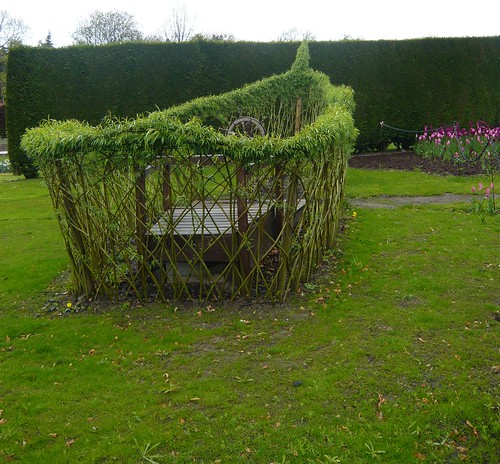
Willow boat

Interest in Willow has revived over the last few years and there are many garden uses.

Decorative Uses

  • Royal Horticultural Gardens at Harlow Carr have several living willow sculptures. The fine boat shown above is an example that entertains the kids who visit. A bit big for my garden.
  • Narrow Willow hedges can be used to separate ‘garden rooms’.
  • Tunnel type structure made of sticks of living willow can create a unique feature.
  • Children will enjoy making and playing in wigwams, domes and tunnels.
  • More advanced projects, suitable for adults, include fences, chairs and arbours.

Book Cover

DVD Making Living Willow Sculptures

Practical Uses of Willow

  • Willow weaving can make Trugs or baskets for use in the garden.
  • A natural hedge from woven willow suits some sites, if used as a wind break it is called a ‘fedge’.
  • Willow can now be grown for green bio-mass fuel.
  • Traditionally Willow is used for cricket bats, charcoal, furniture and medicine.
  • The bark contains growth hormones and can be used to make a simple extract that will promote rooting and cutting growth.

Varieties and Uses of Willow

  • Salix Viminalis Gigantea Very fast growing – long and straight.
  • Good for large structures, windbreaks, hurdle uprights etc.
  • Salix Triandra Viminalis Very fast growing – long and straight.
  • Good for Large structures, Windbreaks, hurdles
  • Salix Dasyclados Very vigorous slightly shorter but thicker than Viminalis.
  • Suitable for structures, windbreaks, fuel production.
  • Salix Tora or Jorr Very vigorous growth – Swedish, Suitable for structures, windbreaks and fuel production.
  • Salix alba Vitelina Ornamental golden willow, Suitable for hedging, windbreaks and basketry.
  • Salix Triandra Black Maul Warm chestnut brown colour Suitable for hurdles, basketry and weaving in to structures for colour.
  • Salix Triandra Q83 Super Willow- (hybrid of viminalis and triandra) has the vigorous growth of viminalis with the weaving qualities of triandra. Attractive medium brown stems, catkins.Suitable for hurdles, basketry and weaving into living structures.
  • Salix Purpurea Leentges, Nicholsonii Purpurescens or Helix Suitable for basketry and hedging.
  • Salix Purpurea Abbeys or Dicky Meadows, Suitable for basketry.

List of varieties from Willow Withies

Fancy Leaves for Colour, Shape and Texture

Fancy Leaves for Colour, Shape and Texture

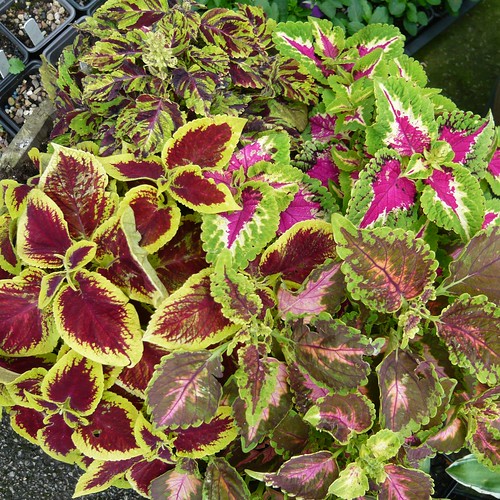
Coleus
Coleus by Thompson Morgan

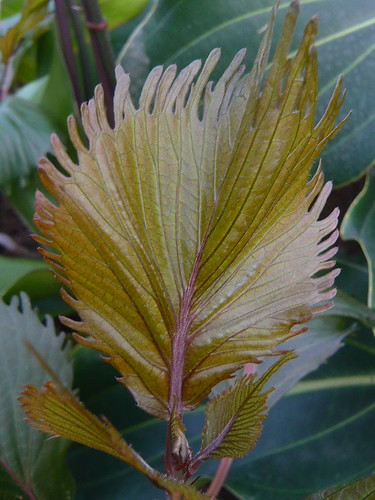
The humble leaf is not so humble when you look closely at some species.
From large banana and water lily leaves to hairy miniature leaves of some alpines you will find natures beauty in a variety of leaves.

Kew 109

Begonia Rex varieties are amongst some of the most interesting and surprising. They can be propagated by leaf cuttings.

Kew 111

Tropical plant houses are great places to visit and spy out some interesting leaf shapes.

Kew 121

Special and Extraordinary Leaves

Bromeliads and the Pineapple Family

Bromeliads and the Pineapple Family

Kew 092

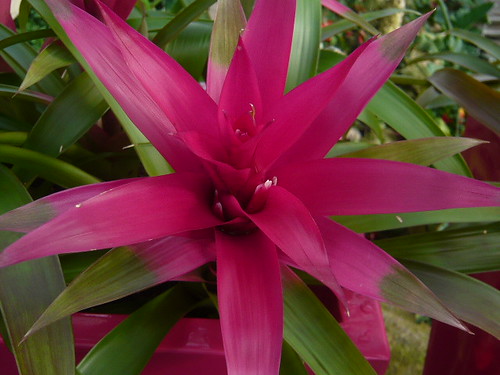
Members of the Pineapple family Bromeliads grow in the tropical and sub-tropical forests of the Americas. There are also hot desert and cool mountain varieties amongst this large family.

What Are Bromeliads

  • All 3000 + varieties of Bromeliads are composed of a spiral arrangement of leaves sometimes called a rosette.
  • There are Terrestrial (soil grown plants) and Epiphytic species growing on other plants and trees.
  • They are slow and hard to bring into flower generally only flowering once. After flowering they produce offsets called ‘Pups’ from which new plants will grow.
  • The green, leafy top of a pineapple is a pup that may be removed and planted to start a new plant.
  • Flowers are generally central spikes held away from the plants or short with the flower nestled in the centre.

Bromeliad

Popular Groups of Bromeliads

  • Guzmania have long lasting red bracts and like humid conditions
  • Vreiesea are probably the most freely available plants with over-lapping bracts producing a sword shape.
  • Tillandsia and air plants are epiphytic Bromeliands.
  • Read More Read More

Geraniums Dwarf, Miniature and Bedding

Geraniums Dwarf, Miniature and Bedding

A truly varied group of plants the Geraniums (or Pelargonium) make great house plants, bedding, basket and container plants.

Types of Geranium

  • Ivy leaved varieties are renown for the trailing habit that make them ideal for hanging baskets.
  • Scented leaved varieties are available in several scents that amaze as you brush past or crush a leaf.
  • The most common Geraniums are called ‘zonals’ because the leaves have distinctive patterns or zones of colour.
  • Some Geraniums are selected just for the variegated leaf effects.
  • Size varies from 2″ alpine varieties through Dwarf size to robust 18″ bedding plants covered in blossom.
  • Balcony geraniums are a feature on Swiss chalet balconies.

Thompson Morgan have a range of seeds and plants available by mail order.

Read More Read More

Euphorbia Plants

Euphorbia Plants

euphorbia

The National Collection of hardy Euphorbia’s are held at Oxford Botanic Gardens. This is a selection of some of the Euphorbia varieties grown in this delightful garden.

euphorbia

Euphorbia Cyparissias ‘Fens Ruby’

euphorbia
Euphorbia Hyberna

euphorbia

Euphorbia ‘Redwings’

Read More Read More

Gladioli 100 Day Display

Gladioli 100 Day Display

Gladioli

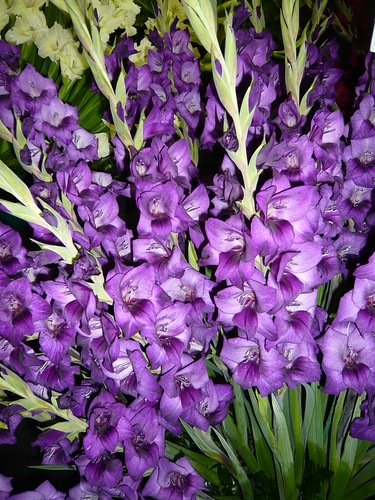
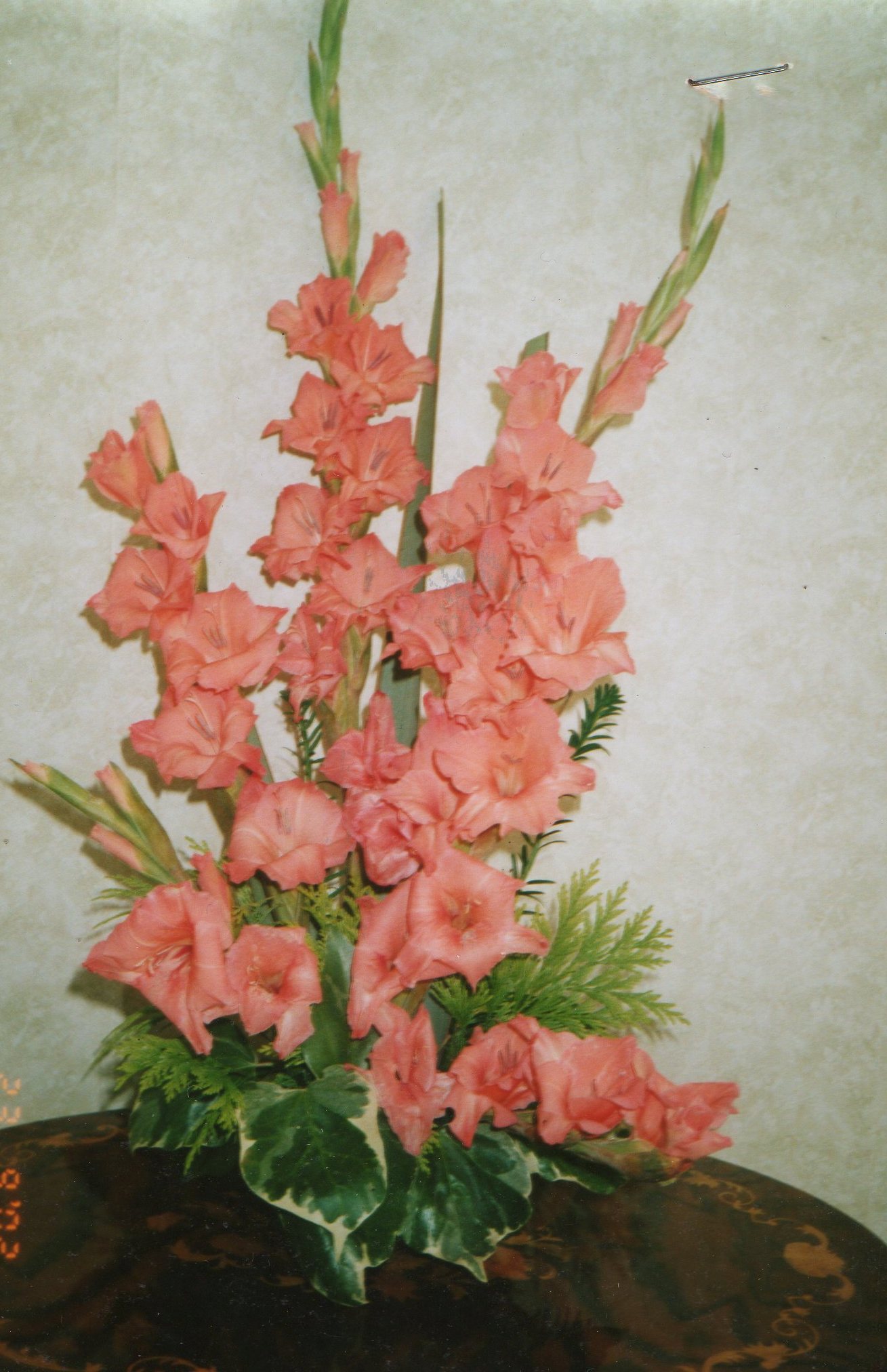
Gladioli are reliable flowers for the show bench or the flower vase. Timing is important for the exhibitionist as they want to have the flowers in peak perfection just at the right time.

Timing can be important for the local grower as well. If you want Gladioli for a particular event, birthday or wedding celebration, then it is useful to know that corms planted now will be in flower in 100 days. That is just over 3 months so by the middle of August you can expect displays like these from a may planting.

<b>

Gladioli Pointers

  • Gladioli have a front and back to the flower with the florets facing the sun. It helps the flower arranger but can frustrate the gardener.
  • Gladioli will twist the flowering stem unless they are supported so it is worth staking your blooms.
  • Leaves are needed to help feed the new corms for next year so leave them on the plant after cutting the flower.
  • Unless you are a keen breeder remove flowers before seed sets to preserve energy. You may get small offsets, cormels, spawn or bulblets to grow on and bulk up next year.
  • Gladioli need lots of water to flower well. Apply tomato fertiliser when flower buds start to appear.
  • I grow blocks of single colours together so they will be ready together.
  • Sorry to disappoint but the flowers will not last 100 days that is planting to blooming time
Growing Daisy Flowered Tansy or Feverfew

Growing Daisy Flowered Tansy or Feverfew

Tanacetum ferulaceum

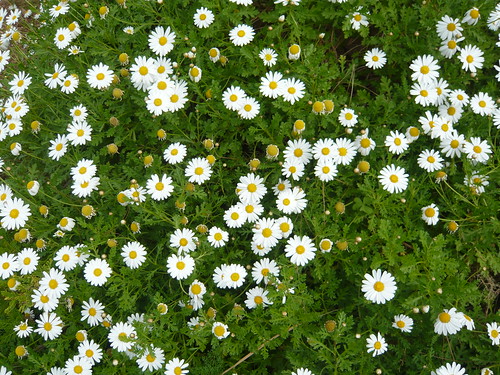
White daisy like flowers cover this tansy relative, Tanacetum ferulaceum, which is one of 70 or so types of Tansy that can be grown in your garden.

Growing Tansy

  • Flowers are generally white single or yellow double
  • Common names include Bachelor’s Buttons, Ragwort,Bitter Buttons, Boerenwormkruid, Gold-buttons, Ponso, and Yomogi-Giku
  • Many varieties have a strong odour that I dislike but other may appreciate.
  • Feverfew grows easily from seed Tanacetum parthenium
  • The ragworts grow rapidly by underground rhizomes and can become a pest.
  • Heat and drought tolerant, Tansy will not mind if you ignore it.

Feverfew has medicinal properties

Growing Sunflowers With Children

Growing Sunflowers With Children

sunflowers

Sunflowers are one of the easiest plants to grow. They are a great way to get children into gardening as they can soon see the fruits of their efforts. During the growing season, children will enjoy watching the daily growth in the size of the plant.

Even if you don’t have a garden, you can try growing sunflowers in pots. All you need is a decent size pot, and just take extra care with watering and feeding.

Choose a tall variety such as Russian Giant. Children will get great joy from seeing a sunflower growing taller than themselves.

Sunflowers are generally pest resistance. The most important thing is to protect them against slugs when young.

How Children Can help Grow Sunflowers.

  • Choosing packet of seeds.
  • Sowing seeds in three inch pots.
  • Protect against slugs. Perhaps they could make a beer trap to learn an organic method of dealing with slugs.
  • Taking care of watering, on a daily basis.
  • Feeding with an organic feed.
  • Tieing the sunflower to a stake.

What Children Can learn from Growing Sunflowers

  • The basics of gardening.
  • What a plant needs to grow – light, water, food, heat.
  • The responsibility of looking after their own sunflower
  • How Wildlife can benefit from plants such as sunflowers (leave seeds in autumn to be eaten by birds.

Sunflower Competition.

I will never forget, the time at primary school when we had a sunflower competition to see who could grow the tallest sunflower. In April, we were all given a few sunflower seeds, and we had to bring the sunflower into school during September. My sunflower was not very tall. But, I remember almost daily looking after the sunflower, watering and feeding.

How To Grow the Tallest Sunflower

  1. Choose Tall Varieties like Russian Giant or the smaller but cuddly Teddy Bear
  2. Sow Early in March / April under Glass and keep in warm conditions.
  3. If really keen give extra light during early spring months
  4. Keep well fed and well watered, (but, don’t get carried away). Follow instructions from a regular liquid feed.
  5. Choose a position in full sun.
  6. Keep staked to avoid blowing over.

Related