Seed Quizzes – What are These Seedheads
Seed Quizzes – What are These Seedheads

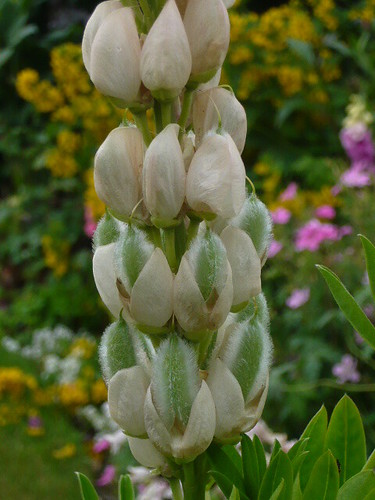
lupin seedheads

Knipfolia seedheads

allium seedheads

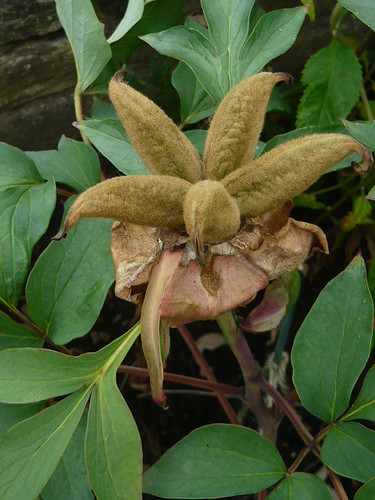
peonie seedheads

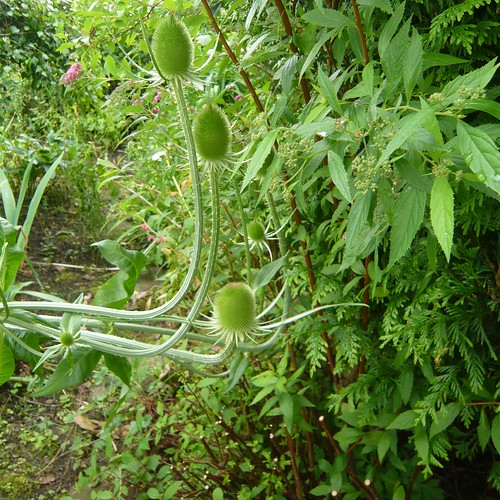
Teasel seedheads

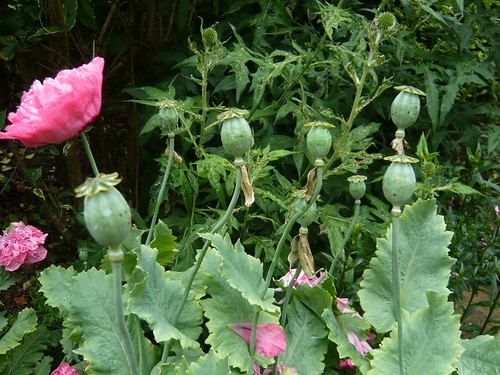
poppy seedheads

For the answers hover over the photograph. The variety shouldn’t affect how the seed looks but there may be differences in the seedhead itself.

Seeds to use For a Children’s Quiz

  1. A pea is a seed
  2. Sunflower seeds with your breakfast or in your bread are interesting seeds.
  3. Potatoes are seeds or more correctly tubers that act like seeds.
  4. Wild Bird and budgie seed are obviously seeds. They often sprout into grasses or millet.
  5. There are lots of different beans to use in a seed quiz – even baked beans count but they will never germinate as they have been cooked.
  6. Mustard and cress seeds are fun to sow and grow and you soon learn the difference between the two.
  7. Apple or orange pips are easy to collect.
  8. Soft fruit have lots of seed and on strawberries they grow on the outside of the red skin
 

Welcome to Gardeners Tips Blog

Welcome to Gardeners Tips Blog

The original post on 5th April 2008′ was entitled welcome to the Compost Heap.’
012

It started off ‘Welcome to our blog of gardening tips and advice.

Articles will vary from simple tip pages to more complex advice about different species or aspects of gardening.’

Update 31 July 2016 from Hortoris

  • In over 8 years we have ‘posted’ over 1600 pages and even more photographs, onto our hobby website.
  • At the peak we were getting over 2000 visitors a day. Until recently that is when Google changed the way we were ranking on some key pages.
  • It is an important motivator to know that our words are being read and our pictures viewed.
  • To win back some of our old viewers we will be upgrading many of the articles and top tips over the next few weeks.
  • We can’t be sure to get it right so if you have any views or contribution to make please let us know on comments below or via twitter. (I am a twitter novice so do not expect miracles just yet)
  • If you think the site is a pile of dung fit only for the compost heap then tell us that as well.

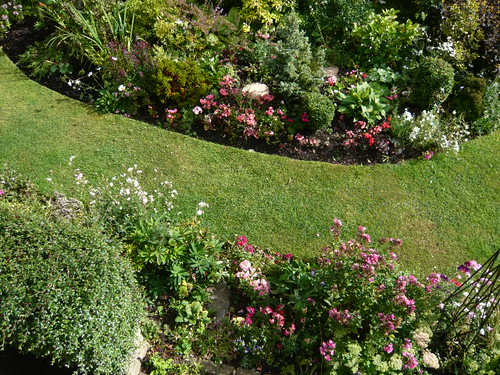
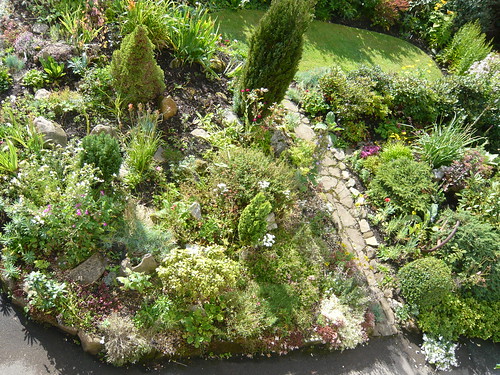
The photographs are pictures of parts of the garden from our upstairs windows.

006

How to Use our Blog .

  1. You can always get back to our current page by clicking on the Gardeners Tips Headline.
  2. You can search within the blog and google at the same time by using the custom search facility top right of every page.
  3. We use many categories which can be searched separately eg Dianthus brings up a continuous stream of posts/pages.
  4. To keep loading times down we often use read more buttons which does what it says on the tin I mean button!
  5. This is not a money making blog but if you buy an amazon book we highlight by clicking on the cover or use the affiliates like Thompson & Morgan highlighted in blue we get a very small commission. You always pay the same so it wont cost you.

Some Links
Cycling Uphill

Gods Own County

Read More Read More

Photos from Waterperry Garden Oxfordshire

Photos from Waterperry Garden Oxfordshire

Waterperry is a small village eight miles east of Oxford. It lies on the River Thame (not to be confused with River Thames), though the Thame does end up feeding into the Thames. The extensive gardens and river-side setting offer a combination of formal gardens, flowing herbaceous borders and wildlife meadows by the river.
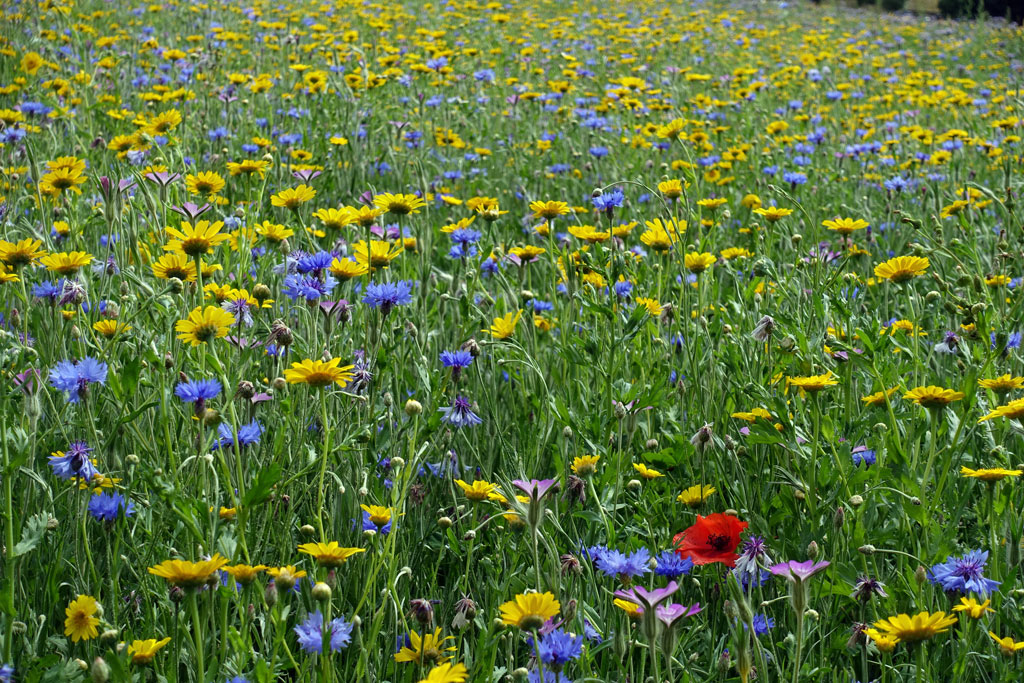
Waterperry gardens
Helenium

Waterperry gardens

Mixed border

Read More Read More

How to attract wildlife into your garden

How to attract wildlife into your garden

Attracting wildlife into your garden can help deal with types of pests and increase the diversity of life in the garden. Some methods for increasing wildlife are quite easy.

Bucket of water

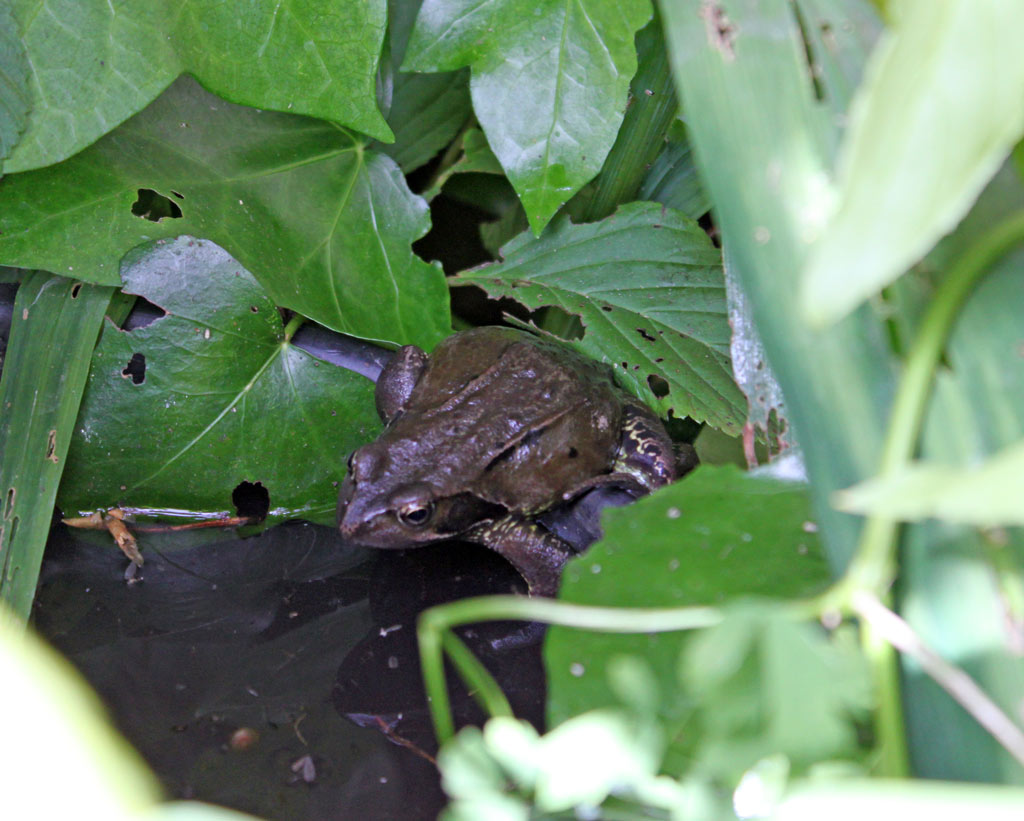
frog

This bucket got left under a shrub and was forgotten about until a few years later, when I saw frogs using it as a base. It had filled up with rainwater and  was colonised by a few slug eating frogs. Because it is in shade, it doesn’t lose too much water, but in dry conditions, I top it up with water to keep the frogs happy. I also have put a few dead twigs around the bucket, to make it easier for frogs to climb in.

Read More Read More

Tips for Growing Ipomea – Morning Glory

Tips for Growing Ipomea – Morning Glory

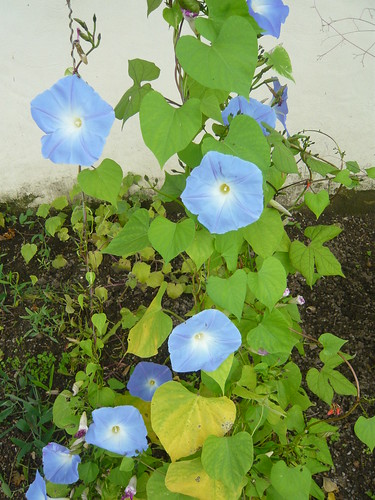
ipomea

Ipomea indica the blue form of Morning Glory is a cool clear blue, a startling colour in the garden. As you would expect from a member of the Convolvulous clan it is a strong twisting and binding climber.

Uses of Morning Glory

  • The plant was originally used to produce cloth die.
  • The seeds should not be eaten as they produce hallucinations
  • In the garden they are very good for screening walls and ugly sites during summer.
  • They do not last as cut flowers.

Morning glory
Growing Ipomea Morning Glory.

  • Grow from seed and collect your own seed for next year.
  • Pick off dead leaves.
  • Try some of the other colours including rose and red plants.
  • Do not allow white Convolulous to grow as it spreads and throttles other plants

ipomea

  • Thompson & Morgan search for Morning Glory seeds and plants
  • Morning Glory ‘Carnevale di Venezia’ Ipomoea purpurea, Convolvulus purpureus,
  • A half-hardy annual which climbs to 6′ tall and flowers through summer with striped blue and pink blooms with intricate markings.

Credits
Morning glory by Arenamontanus CC BY 2.0

Growing Succulents And Hawarthia

Growing Succulents And Hawarthia

Cacti

What are Succulents

  • Succulents are a wide group of plants that have evolved from ancient tropical forests to combat the feast and famine of water supply.
  • Succus is the latin for juice.  Succulent plants have   stems,branches, roots, stalks, leaves or flowers that are juicy, fleshy or thick to retain moisture.
  • Parts of succulents above the ground act as reservoirs of water.
  • Succulents are varied plants not one or even related groups or families of plants.
  • All cacti are succulents but all succulents are not Cacti.

How do Succulents Preserve  Water

Read More Read More

Blight Buster Potatoes

Blight Buster Potatoes

Potatoes

Potato blight, also called late blight, is a destructive fungal disease that is caused by spores of Phytophthora infestans. Potato blight spores are spread on the wind and may also contaminate potato tubers in the soil. It can ruin a crop in 10-14 days and there is little that can be done to save an infected crop. It was the original cause of the Irish Potato Famine.

How to Recognise Blight on Potatoes

  • If you want to be a blight buster be aware that it is particularly prevalent during warm humid weather. It can be especially problematic in summer from June onward during wet weather.
  • Dark brown blotches appear on the leaves, particularly towards the leaf tips and edges. White fungal spores develop around these lesions on the undersides of the leaves, and further lesions develop on the stems.
  • Leaves and stems rapidly blacken and rot causing plant collapse.

Prevention of Potato Blight

  • Always plant healthy disease free seed potatoes from a reputable supplier.
  • Choose blight resistant potato varieties such as the Hungarian Sarpo range developed specifically for their superb resistance to late blight and other viruses.
  • Blight resistant varieties allow the gardener to produce reliable disease free crops without the need for constant spraying.
  • Always choose an open planting site with good airflow and leave sufficient space between plants. Better airflow will allow the foliage to dry quickly after rainfalls and therefore slows the spread of blight between plants.
  • Crop rotation will help to prevent a build up of disease, and will avoid infected plants springing up undetected from potato tubers that were missed during last year’s harvest.
  • Spray potato crops with a protective fungicide such as Dithane 945 before signs of blight become apparent.

Blight Resistant Potatoes

  • Maincrop Potato varieties Kifli, Blue Danube, Shona, Verity and Cara a pinkish red-eyed tuber.
  • First Early Potato varieties Orla and Lady Balfour
  • Potato ‘Sarpo Mira’ – Huge yields of tasty, floury tubers. A real all-rounder for all cooking purposes.
  • Potato ‘Sarpo Axona‘ – Sister line to the phenomenally popular Sarpo ‘Mira’. The tubers are more regular in shape and the flesh is slightly more creamy. Superb flavour for all culinary uses.
  • Potato Valor an oval white skinned tuber with eelworm and blight resistance.

Cultivation for Blight Buster Potatoes

  • If plants become infected they should be removed and destroyed not added to the compost heap.
  • Where potato crops have already developed tubers then these can be saved by cutting away the foliage and stems. Leave the soil undisturbed for 2/3 weeks to kill off any lingering spores so that they don’t infect the crop when it is lifted.
  • Given that old potato tubers can harbour blight spores over winter, it is important to destroy any unwanted or diseased tubers.
  • Spores may also be washed into the ground by heavy rainfall to infect tubers growing there causing a red-brown rot directly beneath the skin which slowly spreads towards the centre of the tuber.
  • The spores are released on the wind and quickly spread to infect neighbouring plants.

Credits
Potatoes by Buzz Hoffman CC BY-NC-SA 2.0


Growing Blue & White Delphiniums

Growing Blue & White Delphiniums

delphiniums

Delphiniums are stately border perennials which come in a wonderful variety of colours. Strong blues and clear whites are colours which are often hard to find in the garden. The delphinium is one of the few plants to give a true blue colour. The delphinium also adds greatly to the height of the garden. If well staked it can tower above the other foliage to give an eye catching display.

Growing Delphinium from Seed.

Delphinium seed is expensive. A packet may only have a few seeds in. But, they are good fun to grow from seed. Make sure you get a good variety from a reputable supplier.

delphiniums

Soil Preparation for Delphinium

Like many plants delphiniums like well drained fertile soil. If possible work in leaf mould / well rotted compost into the soil to improve the humus  / organic content. Top dresser with a general fertiliser. If the soil is clay based then drainage may be a problem, in this case work in sand or grit to the place where they will grow.

Staking Delphiniums. The flower stems of Delphiniums are so dominating they are unfortunately top heavy. Therefore, they need appropriate staking to prevent blowing over.
Book Cover

Read More Read More

Spiral and Cloud Pruning

Spiral and Cloud Pruning

Conifers can be kept neat and tidy by regular pruning.
Equally Conifers can become feature plants with there own personalities.

Spiral Pruning

  • Interesting patterns and shapes can also be created like this double spiral on a Golden Yew.
  • Two conifer types were used the low growing ball shaped shrubs to make the spiral at ground level. Abies balsamea ‘Hudsonia’ is a bun shaped, slow growing conifer.
  • The tall spiral was cut into a Chamaecyparis lawsoniana ‘Columnaris’ which can grow to 20′ high. Golden Yew could also be trained to grow in this shape.

Cloud Pruning

  • Cloud pruning was a fad some years ago but it takes dedication to keep up to it.
  • Ilex crenata, the small leaved holly is popular in Japan
  • Taxus Yew is without equal when clear geometric shapes are required.
  • Even Leylandii can be pruned into cloud shapes.
  • Pines are more difficult and time-consuming to prune this way.
  • Leylandii are forever needing extra trimmi9ng but if you enjoy pruning then it may be the plant for you.

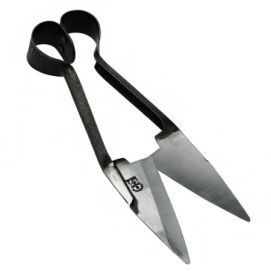
Topiary Shears

brassy-gardener

I called this female statue ‘Lady Gardener’ due to the implement she was carrying that looks like Topiary Shears. In truth the shears are used in the woolen trade for shearing and working cloth. (The clue was seeing her in Dewsbury the Heart of the Woolen District of West Yorkshire.) She looks a bit too formidable to use as a garden statue but if my garden (and pockets) were big enough she could feature.

I have a large and small pair of these shears for light trimming and training of shrubs. I particularly use them to keep Lonicera nitada ‘Baggins Gold’ under control as trimming encourages new yellow leaf.

new-picture

Shears by Burgon & Ball

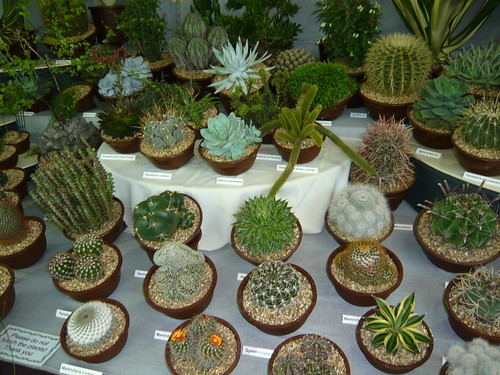
Growing Cacti

Growing Cacti

Cacti come in all sorts of shapes and sizes with differing textures and flowers. Desert cacti are usually covered in spines and jungle or rainforest cacti are often without spines.

Book Cover

Tips for Growing  Cacti

  • Getting the watering right is the key issue. All plants need regular water during their growing period in spring and summer.
  • I water weekly in spring and early summer cutting down drastically by autumn leaving winter almost watering free.  Provide a weak fertiliser solution in spring and early summer.
  • Good drainage is as important as watering. Most succulent prefer a free draining sandy or gritty soil. Do not stand in water.
  • Keep most varieties free of frost.
  • Plants can be grown from seed and many root well from cuttings or grafting.
  • Cacti are trouble free but like adequate light, warmth and ventilation in order to thrive.

Repotting Cacti

  • Cacti should be repotted as soon as roots show through the bottom of the pot.
  • Repot in the spring every 2-3 years for fast growing plants.
  • Water 2 days before repotting so the roots are moist but no saturated.
  • Remove from the pot and discard top dressing and any dead or damaged roots.
  • Increase the pot size only marginally and add slictly acidic compost.
  • Plant at the original depth and trickle a thin layer of grit on the surface which will help water drain quickly.