Help With Plant Photography

Help With Plant Photography

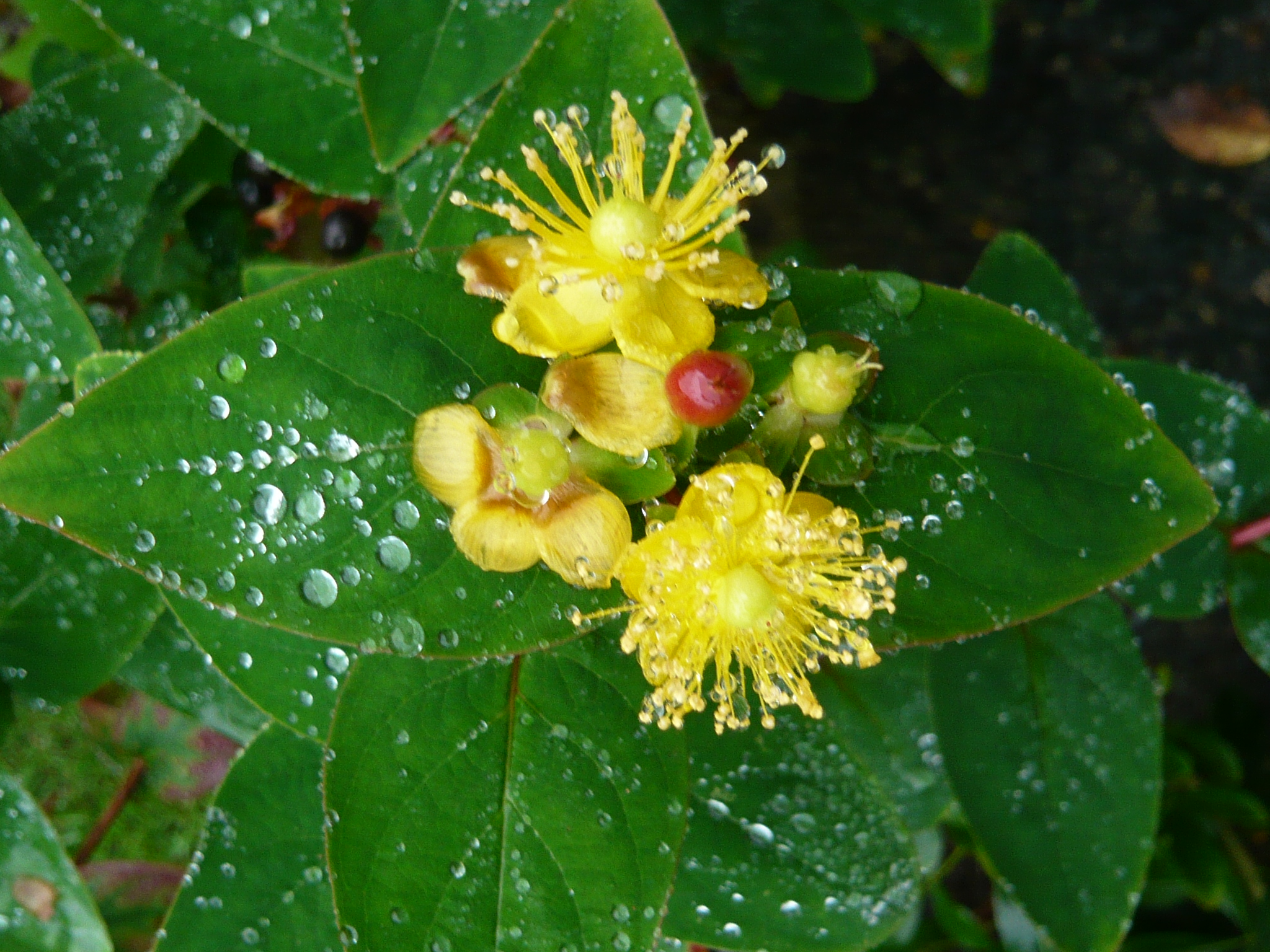
Hypericum
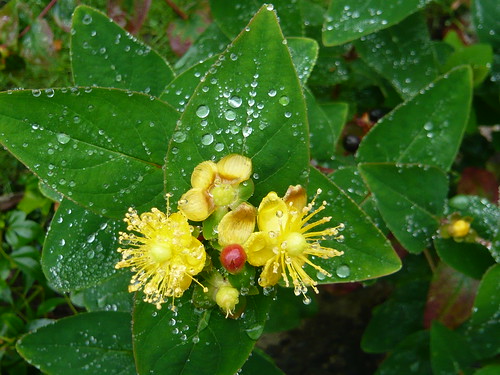
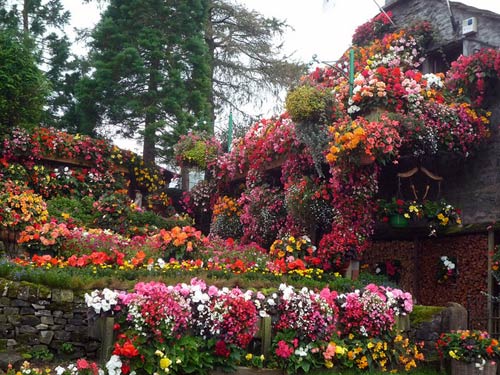
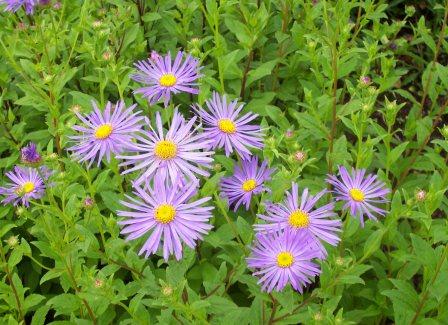
Photo A
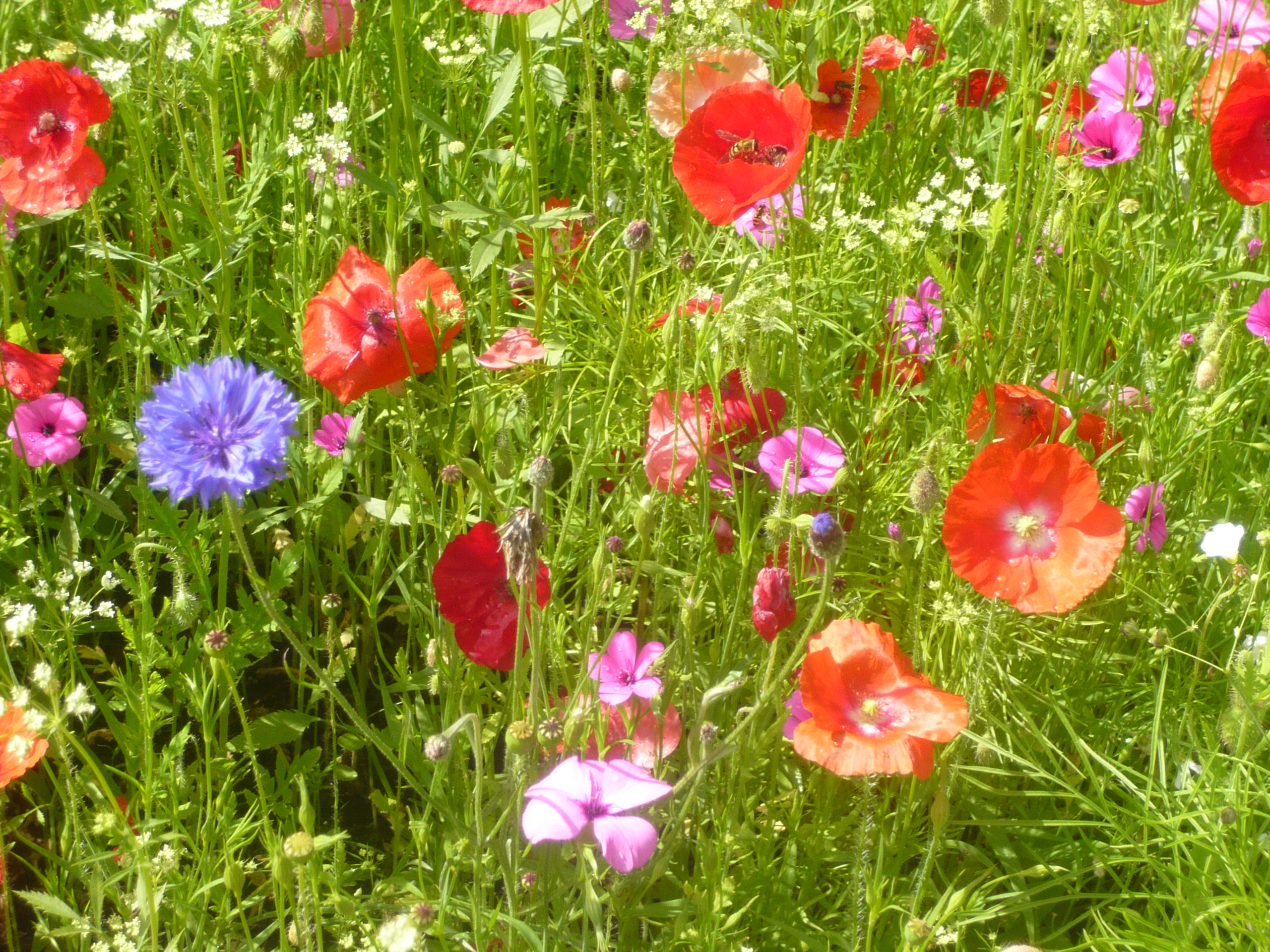
Please help with my plant photography!
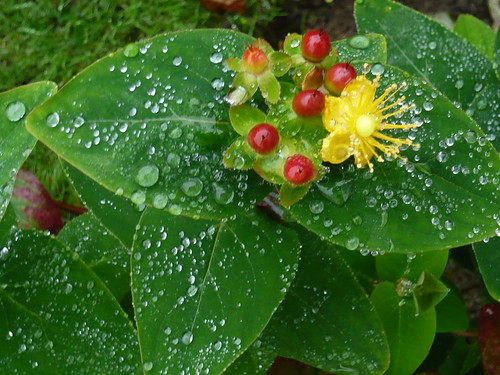
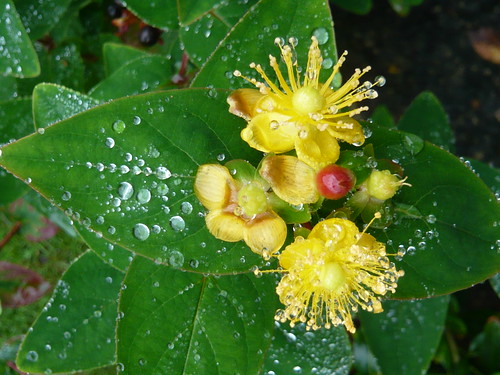
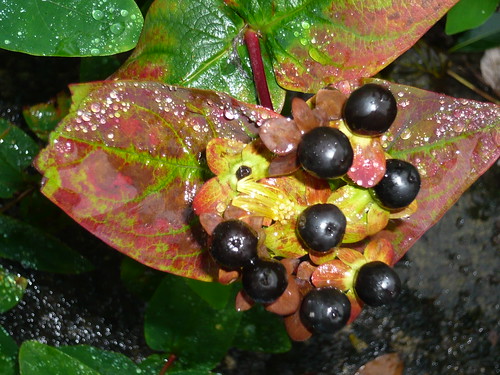
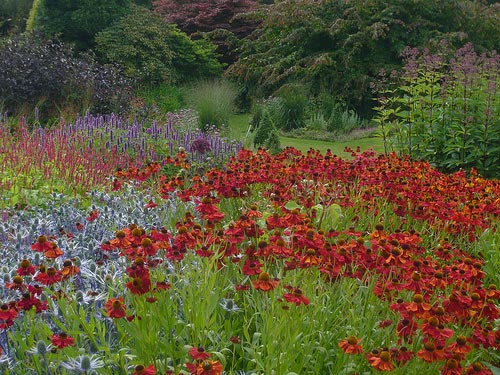
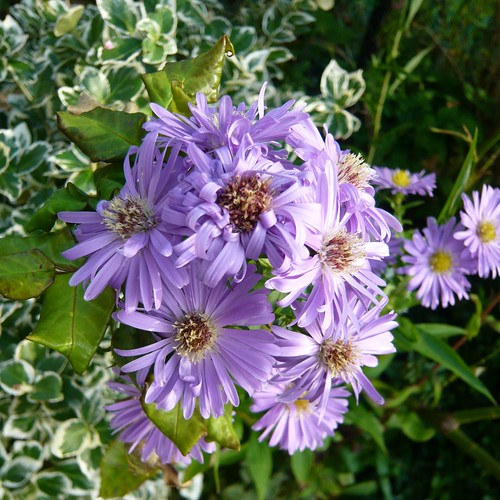
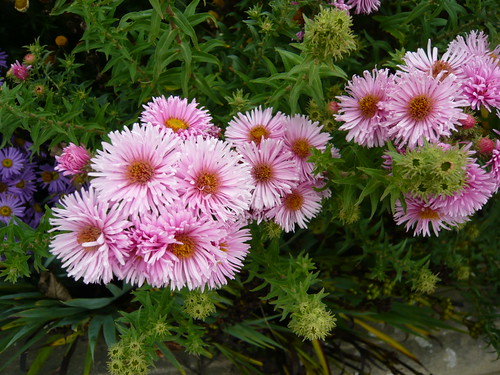
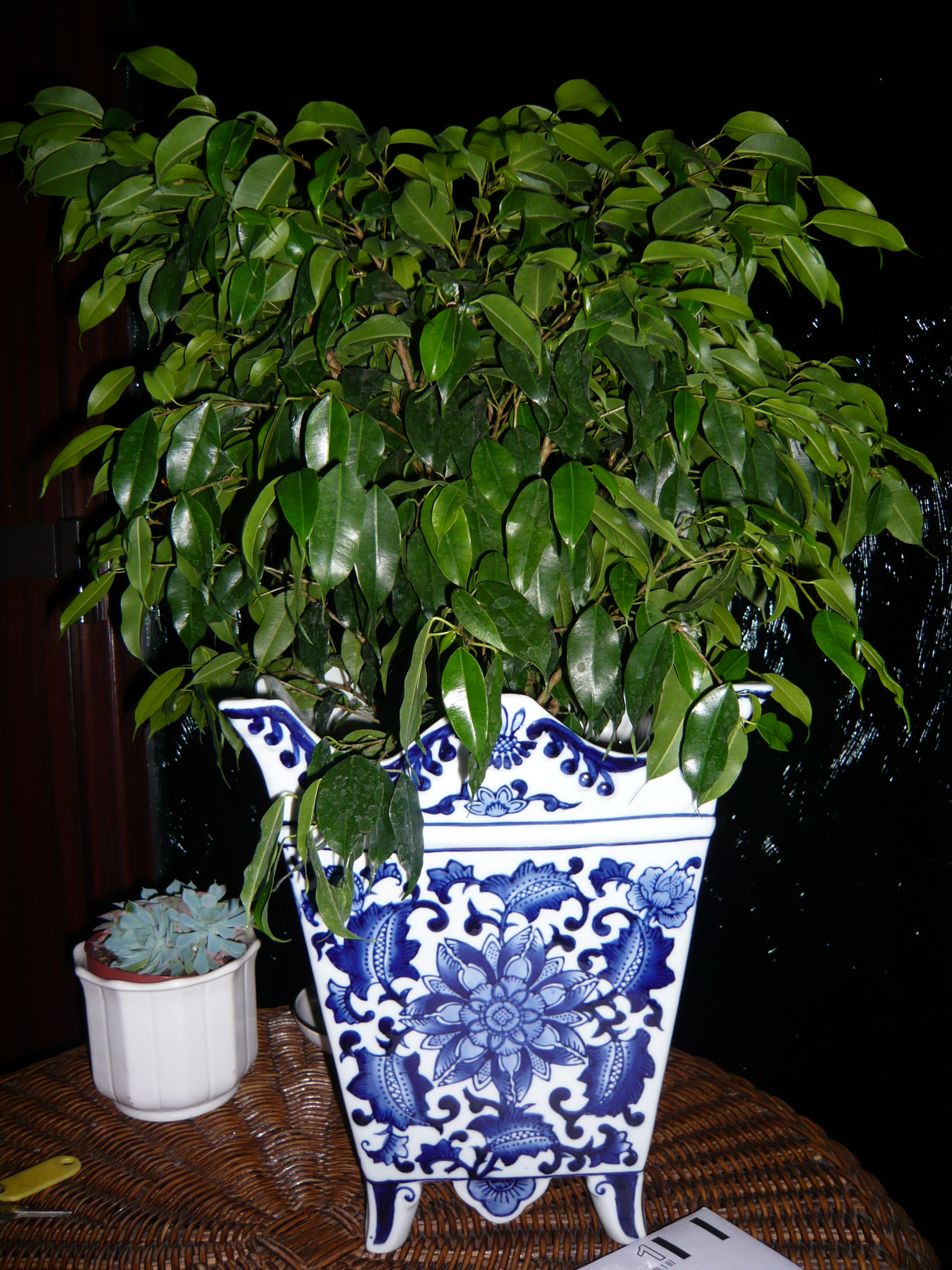
Which of these Hypericum – St Johns Wort photographs looks best and why.

Hypericum
Photo B
The West Yorkshire branch of the Alpine garden society had Peter Cordall as speaker on Saturday. The title of his talk was ‘Photography in the garden – garden landscapes to close-ups’.
Whilst I listened carefully I am painfully aware that I have breached many of his rules of thumb from the very start.

Hypericum
Photo C
I should have had a title and know what I was photographing before I started.
‘Hypericum’ is not a great title but ‘Hemispheres and Hypericum’ may have worked better.

St Johns Wort
Photo D
I did take several shots and tried to use my favourites, the rest wont see light of day again.

Other Photography Failings

  • I failed in composition even though I tried hard to divide the frame into thirds and place the interest on a crossing point. This is harder than I thought.
  • So is picturing the main subject as though it was moving into the frame rather than facing out.
  • Crystal sharp focus on the critical part of the photo has been sacrificed to an extent in favour of decent depth of field automatically without engaging brain.
  • I have done no cropping or editing – I very seldom do.
  • Some backgrounds are a distraction but fortunately I have no unintentional lamp posts in view

I should have read up on Related posts

New Oriental Poppies

New Oriental Poppies

Opium Poppy

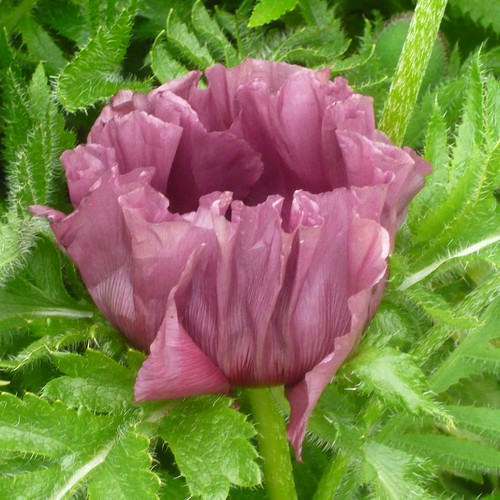
New Oriental Poppies are being bred to satisfy the gardeners demand for more and easier to grow plants from this flamboyant species.
Some outstanding new hybrid Oriental Poppy varieties were on show at Chelsea in 2011. see below.
The flowers are huge and brightly coloured with velvety fringed and frilled petals.
They are fully double with bold markings and designs.

Information on Ruffled Oriental Poppies

  • These hybrid Poppies bloom in May and June each year on vigourous plants up to 3 feet tall.
  • Plant them in groups of 3 or 5 and in the perennial border.
  • They are plants that are fully hardy and can last for a lifetime.
  • Oriental Poppies do well in the sun or light shade in well-drained soil.
  • The new generation of Oriental Poppies have shorter flowering stems that over come the wind swept images of the past. Plant 12-15 inches part.
  • Oriental poppies are at there best upto July after which they retreat and can be cut back.
  • To fill the gap created by this disappearance use companion planting with annuals such as Baby’s Breath or Dahlias, or Asiatic Lilies.
  • For use as cut flowers cut in early morning when the buds are just unfolding. Sear the stem’s cut end with a flame.
  • You can acquire or just admire plants as part of a collection

New Varieties of Oriental Poppy to Select

  • White Ruffles is a low growing variety 16″ high. The flowers are white with a dark base and the petals are serrated to look frilly.
  • Ruffled Patty related to Patty’s Plum, has large round lilac flowers streaked with red at the base. It grows a foot higher than White Ruffles.
  • Pink Ruffles is semi double and opens wide to display black stamen.
  • Traditional favourites include Brilliant, Picotee, Prince of Orange, Raspberry Queen, Royal Chocolate Distinction, Royal Wedding and Türkenlouis Oriental Poppies.

poppy

101 Gardener’s Resolutions and Plans

101 Gardener’s Resolutions and Plans

Wild meadow

Plant and Floral Resolutions

  • Grow the plants and flowers you like.
  • Grow more flowers for cutting.
  • Grow plants for shape, texture and form.
  • Tie to supports Clematis, Chimonanthus and Climbing Roses to prevent wind damage and improve flowering.
  • Increase the planting of scented Witch Hazel (eg. Hamamellis x intermedia Jelena).
  • Sow Sweet Peas in deep pots and pinch out the tips when they have 5 leaves.
  • Plan how the colour of flowers will look when planted. Use single colours rather than mixed seed packets.
  • Collect and replant or distribute the seed from your own star plants.
  • Grow plants that contribute over long periods of the year.
  • Select and grow a shock and awe plant.

Eco and Environmental Resolutions

  • Remember we must leave this environment for future generations.
  • Grow fewer varieties but focus on nectar and pollen rich flowers that are local and help wild life.
  • Improve soil with rotted compost and try not to compact the air out of wet soil by walking on it.
  • Increase water collection and storage with linked butts or new collection points.
  • Fumigate the greenhouse to get rid of fungal spores and overwintering pests
  • Provide a range of different bird foods to attract various species. Blackbirds love a bit of a bite of an apple.
  • Keep lawn edges neat and trimmed but have natural areas for wild grass and flowers.
  • Use natural fertiliser and non-chemical controls.
  • Reuse and repurpose old items rather than sending them to the tip.
  • Use local and natural stone for your construction work. Airmiles on Indian paving and energy used to manufacture composition paving slabs are unnecessary uses of resources.

General Gardening Resolutions

  • Reduce the size of plant clumps and shrubs and trees that are beginning to take over their allotted spot.
  • Deadhead faded flowers to extend flowering time.
  • Prune and trim when plants need it not just when you have the secateurs in your hand.
  • Sow seeds thinly and thin out. Give plants appropriate space.
  • Make succession sowings, only sow small quantities of a crop at each sowing.
  • Split clumps of Snowdrops and Winter Aconites after flowering. They split best ‘in the green’.
  • Create a low maintenance area to spend time elsewhere in the garden.
  • Take full enjoyment out of your garden.
  • Listen to advice but do as you please.
  • Work with the weather it is all you’ll get.

Houseplants and Indoor Pots

  • Check plants for pests before bringing them into your home.
  • Keep Azalea and Cyclamen pot plants moist at all times.
  • Flowering plants need bright light so position accordingly.
  • Repot plants into larger pots if have consumed the compost or are in need of space.
  • Add fresh compost to the top of pots when the houseplants are not growing as strongly.
  • Keep pots of bulbs and flowering plants cool to prolong the life of the flowers.
  • Many houseplants will benefit from some time outside in the middle of summer.
  • Water the plants not the windowsills.
  • Move plants around in the home.
  • Try the exotic not the commonplace.

Win Friends and Influence People

  • Grow more flowers and greenery for cutting and flower arranging. It should please those indoors
  • Grow pots and containers of plants to give away. It is an easy way to use your surplus.
  • Sharpen your blades and tools using a sharpening stone and wipe over with oil
  • Look at your garden from your boundary and aim for at least one crowd pleasing feature for passers by to admire.
  • Join your local horticultural society, you will get advice, make friends and may be offered free or cheap produce.
  • Use the RHS and AGS for information and join these societies if you want to use the benefits of membership.
  • Plant to visit flower shows and open gardens to see how the professionals design and execute a garden scheme.
  • Beg cuttings or advice from other gardeners, they are usually a friendly bunch. I was once told ‘Everyone is entitled to my opinion’.
  • Enter your local village show. It is the taking part that is important not the winning.
  • Keep your boundary and pavements neat and tidy. Pick up litter and kill off weeds outside your house to make the street a better place to live.

Allotment Focused Resolutions

  • Get an allotment!
  • Alternatively increase cultivated area by a deal with a neighbor
  • Mastered the art of successional sowing to avoid gluts.
  • Grow more winter crops
  • Store potatoes, butternut squashes, onions and shallots.
  • Pick courgettes and runner beans regularly.
  • Protect against carrot root fly, cabbage white butterfly and Pigeons before it is too late.
  • Get more manure to hearten up the soil.
  • Talk to other allotmenteers about successes and failures of the past
  • Grow what the family will eat.

Gardeners Tips Resolutions

  • Read Gardeners Tips regularly
  • Subscribe to gardeners tips RSS feed
  • Get Gardeners tips by email.
  • Buy from Jersey Plants or Thompson Morgan by using Gardeners tips links.
  • Comment on Gardeners tips.
  • Link your web site to Gardeners tips.
  • Advertise on Gardeners tips.
  • Tell your friends about Gardeners tips.
  • Nominate the best resolution from the list of 101 Gardeners tips new year’s resolutions
  • Did I mention Gardeners tips for the best gardening tips?

Fruit and Vegetable Resolutions

  • Grow more fruit and disbud so that apples, pears and plums grow to a good size.
  • Grow early potatoes in containers or sacks such as International Kidney or Vales Emerald for something newer.
  • Start chillie seeds early on a sunny windowsill.
  • If I grow Chard Bright Lights in a decorative bed I must remember to eat the crop not just look at it.
  • Two or three Marrow plants can provide all the courgettes a family needs. Try Defender or Green Bush
  • Reshape old Apple trees during winter by pruning to get a bowl shape that lets in air and light.
  • Divide congested clumps of Rhubarb .
  • Feed the area around the roots of fruit trees.
  • Consider more space for fruit such as Stone fruit, Bush fruit, Cane fruit, Soft fruit and Apple and Pear trees.
  • Add lime to the soil where you plan to grow brassicas and leafy greens.

Fun Resolutions

  • Give me patience but hurry!
  • Apply perspiration in the garden regularly.
  • If it dies its a flower if it lives its a weed.
  • With a flower in one hand and a cold drink in the other, tell somebody else where to dig.
  • Have pride in how bad your hands look.
  • Learn by by trowel and error.
  • The four seasons are salt, pepper, mustard and brown sauce.
  • It is knowledge to know Tomato is a fruit but wisdom to stop putting it in a fruit salad.
  • Go to the Yorkshire garden center where you can buy one – get one
  • Grow your own dope … plant a man.

Restate the Blinking Obvious

    • Do more weeding.
    • Cut the grass regularly.
    • Keep everything tidy.
    • Water deeply when needed.
    • Excel with the plants you already grow.
    • Kill insects that cause damage.
    • Stop infectious rot and disease.
    • Turf out the dead and dying.
    • Nature causes living things to suffer and die.


  • Do not believe all you read in lists like this.


Give links and credits such as this to Gloxinia

Number of Species and Plant Classification

Number of Species and Plant Classification

There is always someone recounting the number of species on Earth and the numbers usually differ! Accepting the limits of the guesstimates involved perhaps this list will give some idea of the scale.

Statistic on Number of Species (2011 estimates)

    • Total number of species 8,700,000 eight point seven million. 86% still undiscovered.
    • Land based species 6.5 million sea based 2.2 million – seems low for the sea to me!
    • Number of animals 7,770,000 three quarters of which are Arthropods (insects and crustaceans)
    • Total of all land plants including trees, mosses, ferns, conifers, flowering plants, and so on = 298,000. (I bet I have that many weeds in my garden.)
    • Fungi 611,000, protazoa and chromista 64,000 (and the dollar question is what are they).

ref Dr Camilo Mora Census of Marine Life

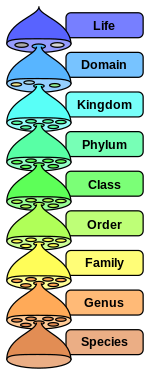
Biological Classification Table


Creative commons share alike license from wikipedia

Plant Classification

Species
The rank of species is an important botanical classification. Plants within a species can be very different for example consider the types of Apple or Rose.
‘A species is a group of plants with similar DNA that are capable of interbreeding and producing fertile offspring.’
The creation of genetic variation in a plant species and the selection from within that variation of plants with desirable and inheritable traits, forms the basis of one or more plant varieties.

Variety
This has two similar meanings. It is a legal term for a cultivated plant protected under UPOV
Some horticulturists use “variety” imprecisely; for example, viticulturists almost always refer to grape cultivars as “grape varieties”.

Cultivar or Variety
Cultivars are produced by careful breeding, propogation and selection for flower colour and form on plants such as roses, rhododendrons and many farm & food crops.
A cultivar name consists of a botanical name of a genus, species and taxon followed by a cultivar epithet. Cultivar names are always written in Roman letters enclosed in single quotes, like Hosta ‘August Moon’ it should not be italicized.
Rosa ‘Peace’ “Peace” is a trade designation or “selling name” for the cultivar R. ‘Madame A. Meilland’ and should therefore be printed in a different typeface from the rest of the name, without quote marks, for example: Rosa Peace.

Hybrids.
Hybrid consists of crosses between different cultivars within a single species. This meaning is often used in plant breeding, where hybrids are commonly produced and selected because they have desirable characteristics not found or inconsistently present in the parent. Occasionally plants from two different species can be hybridised or ‘crossed’. They are usually given a collective latin name or English name Quercus x hispanica or Rhododendron Lady Chamberlain x Gleam.

Common Names
Common names may be local or descriptive but are too inconsistent to be part of a plants formal name for identification purposes.
An example may be Quercus coccinea “Scarlet Oak”(common name)

Plant Names and Protections

The International Plant names index has records from three sources: the Index Kewensis 1million plus, the Gray Card Index 350,000 and the Australian Plant Names Index 63,000. Whilst needing some deduplication it ‘represents the most comprehensive listing of plant names available today’.

The Plant Varieties Act 1997
establishes rights, known as “plant breeders’ rights”, in plant genera and species that qualify for protection under that Act. British Plant Breeders’ Rights protect creators of new varieties against ;

  • production or reproduction (multiplication),
  • conditioning for the purpose of propagation,
  • offering for sale, selling or other marketing, exporting, importing, stocking for any of the above purposes or
  • any other act prescribed for the purposes of that provision without his authority.

The International Union for the Protection of New Varieties of Plants or UPOV grants plant breeders’ rights to new varieties that meet four criteria ;

1. The new plant must be novel, which means that it must not have been previously marketed in the country where rights are applied for.
2. The new plant must be distinct from other available varieties.
3. The plants must display homogeneity.
4. The trait or traits unique to the new variety must be stable so that the plant remains true to type after repeated cycles of propagation.

Intensely Coloured Nasturtiums

Intensely Coloured Nasturtiums

Nasturtium

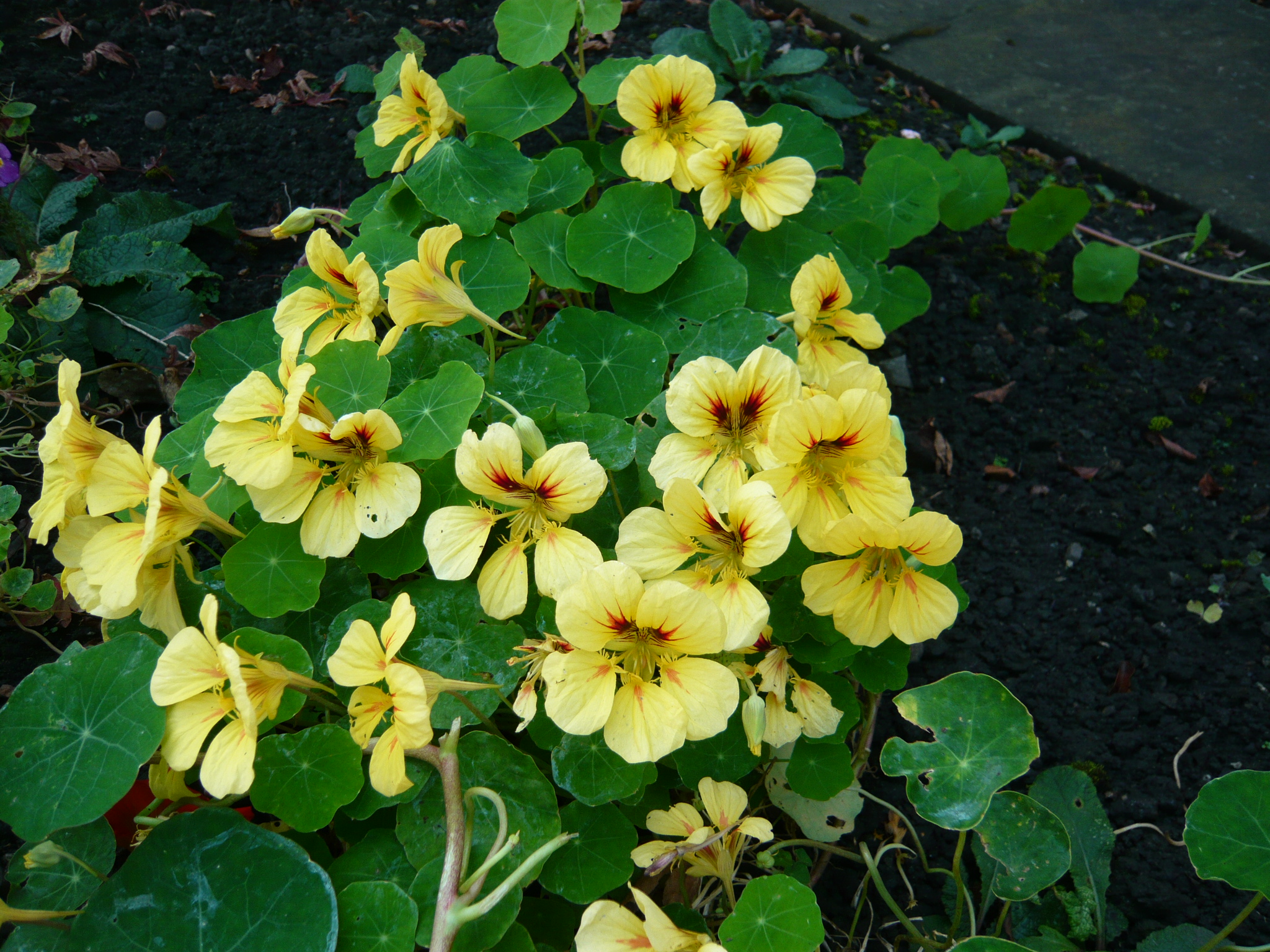
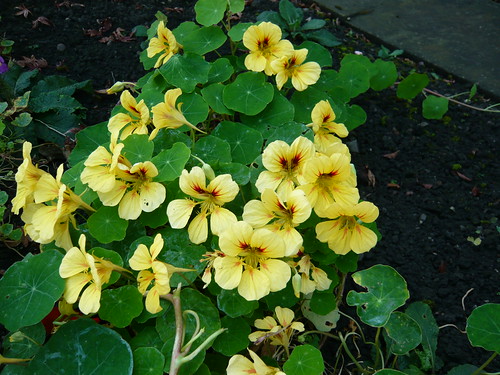
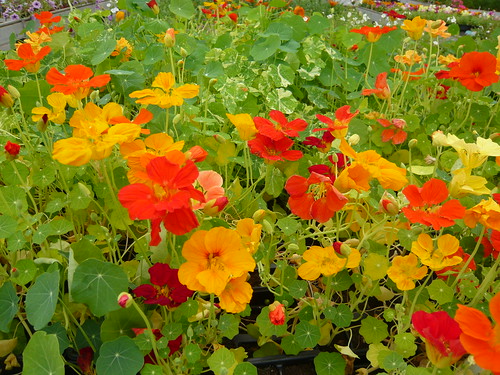
Can lemon be an intense colour? In the right light these nasturtium flowers were an intense joy to behold.
I like the idea of self colour or just one variety grouped together. The strong colours that you find in a mixture of Nasturtium seeds can create plants that detract from one-another.

Nasturtium

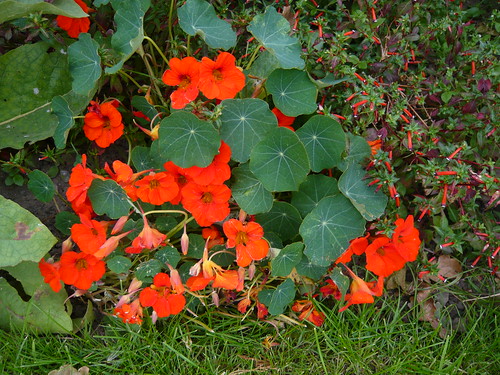
Time of day and temperature of the light may affect how we see colour but this red Nasturtium was a head turner and day of the week.

Nasturtium

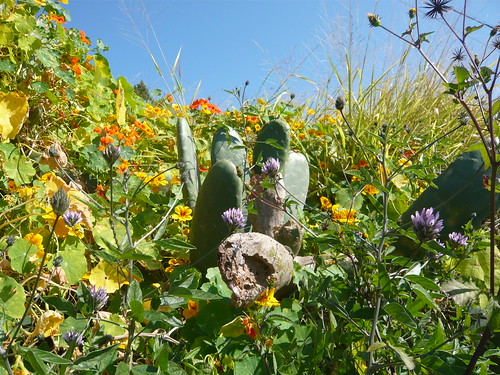
Looking decidedly rougher was this large array of wild Nasturtiums growing on rocky scree in Madiera. Ideal conditions of sun and low nitrogen soil provided this ideal habitat. The leaves were going over but the flower pattern would be repeated over several months starting in January!
Not so early in the UK I am afraid, Nasturtiums show off to best advantage much later in our summers.

Nasturtium

Grow Up or Down a Wall

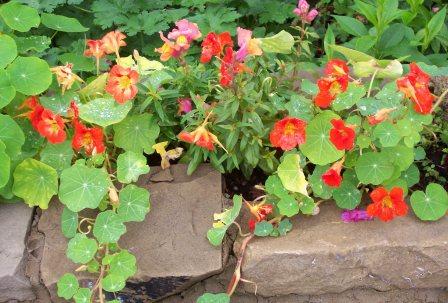
I grow mixed nasturtiums in the top of a wall. They trail down but can be encouraged to grow up twiggy supports to cover unsightly areas although they tend to trail even if planted on the flat.
Thompson Morgan Buying seed is the easiest way to start Nasturtiums. I like the dark leaved varieties such as Cobra, Strawberry Ice and Princess of India.
A variety you can plant in a hanging basket is called Jewel Mixed which adds fragrance to the dwarf trailing habit.

Gardeners Tips for Nasturtiums (Tropaeolium) more

  • Plant in poor soil for more flowers than leaf. Nasturtiums will put on a lot of leaf if the soil is too rich
  • The leaves, buds, flowers and seed can be eaten. The peppery taste adds good flavour to a salad.
  • If left Nasturtium seed profusely and return year after year. Allegedly perennials I prefer the self sown and new seed each year.
  • Seeds are large and can be planted individually by children.
  • The dwarf nasturtiums are better behaved and will flower well without any fertilizer.
  • Handle the stems with care as they are brittle and easily snapped.
  • Nasturtiums are no use as cut flowers but you can pick and eat flowers and leaves.
  • Collect the fallen seed for next year. You get 3 big seeds per flower.
  • Plants are loved by black fly that may colonise the underside of leaves. Wash off with soapy water or use an insecticide if you are not going to eat them.
  • Try Indian chief with dark leaves or the newer double Tropaeolum majus.
  • You can often obtain seeds or plants from our mail order company of choice Thompson & Morgan
  • Read Help Growing Nasturtiums

    Nasturtium

Help Growing Globe Artichokes

Help Growing Globe Artichokes

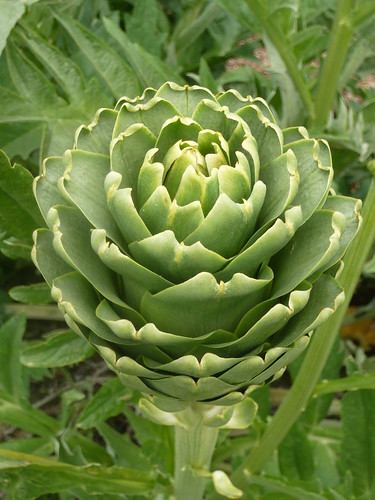
Globe Artichoke or Cynara cardunculus is a perennial thistle with an edible flower head. If you need help growing Globe Artichokes remember the plants grow 6-10 feet tall with arching, deeply cut, silvery green leaves.
Do not confuse Globe with Jerusalem Artichokes the later are root vegetables related to Sunflowers not Thistles.

Globe artichoke

Globe Artichoke Growing and Cultivation Tips

  • The globe artichoke requires a rich sandy well manured soil. It prefers a warm sunny site.
  • Seeds should be started off inside and transferred outside once the soil is warm. Alternatively sow seeds outdoors in free draining soil in mid spring when the soil has warmed up.
  • The globe should be planted in rows three feet apart with two feet between each plant.
  • After harvesting the main head, secondary heads will appear and these too can be used.
  • In cold areas, cover the plant with a mulch of straw, compost or bracken to protect it through the winter.
  • It crops in the second year after sowing.

‘Green Globe Artichoke, Concerto F! hybrid and other seeds are available from Thompson & Morgan
Globe Artichokes grown from seed can take a long time to mature and it is easier to buy ready-rooted suckers to plant in the spring.

Globe Artichokes
are architectural plants growing 5 feet tall and make big clumps of arching, jagged silvery leaves that are at home in the border or veg patch.

Artichoke
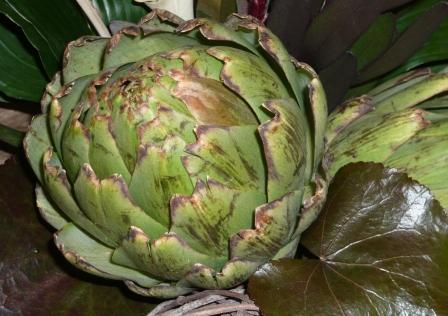
Cynara scolymus blown open

BBC Tips on Growing Globe Artichokes include
‘In the first year, plants need to put all their energy into making growth.
Remove any flowerheads as they form.
In the second year, allow the edible heads to develop for harvesting in summer.
Pick the bud at the top first, when it’s large and swollen, but before the scales have started to open. ‘

globe-artichoke

Globe Artichokes, are related to Cardoons. The thistle like plants, 2-5 feet tall, are grown for their edible flower buds. Normally raised from rooted suckers taken in spring or sown in April and transplant the following spring at least a foot apart. The delicious traditional green heads can be eaten cooked or raw.
The flowers develop in a large head from an edible bud about 3-6 inches diameter with numerous triangular scales. The individual florets are green-purple. The edible portion of the flower buds consists primarily of the fleshy lower portions of the bracts and the base, known as the “heart”. The immature flowers in the center of the bud is called the “choke”.

Though technically perennials which normally produce the edible flower only during the second and subsequent years, certain varieties of artichoke can be grown from seed as annuals. Some varieties produce a limited harvest at the end of the first growing season even in regions where the plants are not normally winter hardy. This means that home gardeners can attempt to produce a crop without the need to overwinter plants. The recently introduced seed cultivars ‘Imperial Star’, ‘Northern Star’ and ‘Green Globe’ or ‘Purple Globe’ are organic varieties.

The plants have enough character to be grown in an ornamental garden if space is limited.

Mountain Plants and Flowers

Mountain Plants and Flowers

alpbach 207

Knowing where your plants grow naturally can give you many clues to growing in your garden. Woodland plants are likely to do best in shade, streamside plants will like moist soil and mountain plants are likely to be deep rooted and hardy.

On the dry south side of a mountain you may find plants that can live in poor soil with very little water. They may be evergreen, with leathery leaves and very deep roots or have sharp thorns. This photo has regular mist to irrigate the very short rhododendrons that grow like weeds.

Some mountain plants only seem to live in these conditions because stronger plants eliminate them from elsewhere. Some mountain plants are relatively frost-sensitive and can only survive where snow builds up in winter to insulate them from the hardest frosts.

Moss, grass, heath and heather can often thrive above the tree line on mountain slopes. Many small but beautiful alpines grow on the mountains as the name implies.

Alpines in February

Colorado State University has a list of mountain plants to grow above 8,000 feet – Mmmm a bit higher than my garden then. It is interesting that so many of our successful garden plants come from high altitudes such as the Himalayas and the Alps.

Photos of English Front Gardens

Photos of English Front Gardens

A great front garden full of colour. This is taken in Coniston Cold on A65

Flowers
Inspiration of Yorkshire and Switzerland. Certainly cheers up motorists on the cross pennine slog from Skipton to Settle.

front

Lovely climbing rose gives that cottage garden effect.

colour

more colour provided by Dahlias and others

zen
A more zen like approach.

Yorkshire Autumn

pack em in
Related

Top 10 Small Gardens

Michaelmas Daisies and Asters From Seed

Michaelmas Daisies and Asters From Seed

October Aster
Aster ‘Composition’

Michaelmas Daisies are hardy perennials flowering late in the summer in a range of bright colours. Aster novi-belgi and Aster novae-angliae are both called Michaelmas Daisies and mixed together make a contrasting rich colour range of long stemmed autumnal flowers suitable for cutting.

Growing Instructions

  • Germinate seeds between February and July at 68-86F on the surface of a good free draining, damp seed compost.
  • Do not cover seed. Do not exclude light at any stage, as this helps germination.
  • Place in a propagator or seal container inside a polythene bag until after germination which usually takes 21-100 days.
  • Transplant seedlings when large enough to handle into trays or 3in pots. Grow on in cooler, well lit conditions before planting out 12″ apart after all risk of frost has gone.
  • Clumps of Michaelmas Daisies will develop over the years and can be split to increase the best plants.

Aster

Other sources
Michaelmas Asters 29th September
Michaelmas Daisies and Plants from Childhood
Seeds from Thompson & Morgan

The name Aster comes from the Ancient Greek word meaning “star” referring to the daisy like shape of the flower head. They are in the family Asteraceae part of the Daisy clan. There are 500+ species of Aster and many variety of hybrids that are popular as garden plants because of their attractive and colourful flowers.

Aster frikartii
Todays Top Ten Tips on Bulbs

Todays Top Ten Tips on Bulbs

3rd October 2011

Todays Top Ten Bulb Planting Tips

  1. Plant with the nose up!  (The bulbs nose not yours) The bottom of the bulb is where there is a bit of dried root.
  2. Put a marker in the ground to show where you have planted the bulb. I sometimes use some light coloured grit.
  3. Most bulbs already contain the ungrown flower inside the bulb so a bigger bulb should perform better. Choose firm healthy looking stock not dried out damaged bulbs.
  4. Plant your bulbs twice as deep as the bulb is large.  i.e.5cm bulb 10cm deep
  5. Pick a colour scheme and build a theme around that. Pinks and purples of crocus, tulips and hyacinths may work together.
  6. Alliums or ornamental onions can be planted in November or if frost free in December.
  7. Daffodils need longer in the soil to develop their root systems so get them in now.
  8. Plant bulbs in containers with good drainage holes and crocks in the bottom.
  9. Snowdrops, aconites, grape Hyacinths and crocus should naturalise well in your garden flowering year after year.
  10. After the bulbs have flowered deadhead then to channel energy into the bulb not into seed production. Leave the leaves to die back naturally.