Good Tips for Saving Water in the Garden

Good Tips for Saving Water in the Garden

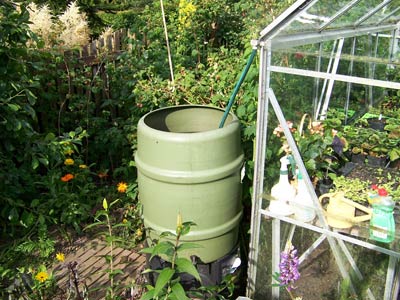
water butt

Recent years, have seen an increase in the number of hot dry spells here in the UK. Conserving water has therefore become increasingly important. Conserving water does not just save money (for those on water meters), but also helps the environment and helps maintain a healthy garden.

1. Install Waterbutt.

The water butt here is attached next to the greenhouse roof, so fills quite quickly. Don’t just install one water butt if you have a large garden use several storage devices for saving water in the garden. Note it is a good idea to use a lid to prevent water evaporation and insect infestations.

2. Saving Grey Water for the Garden.
Grey water from the bath, shower, washing up or washing machine can be used for Saving Water in the Garden. Never use water from toilets or dishwashers nor water containing bleach on your plants. Some experts recommend not using saved grey water on food crops such as soft fruit or vegetable crops.
Grey water can start to smell if stored so get it out intpo a bucket and use it as soon as possible.

3. Mulch in Spring.

In late spring, when the ground has warmed up and the soil is thoroughly moist, you can add a generous organic mulch to the top of the soil. This will help to keep the water moisture for longer. If you are adding organic matter, such as rotted manure, to the soil, it will also help improve the condition of the soil and improve its water retention capacities. This is particularly important for sandy soils.

4. Don’t Fight Conditions.

If you live in a hot, dry climate or have a poor sandy soil, don’t try to grow lots of moisture loving plants. Instead, choose plants which thrive in dryMediterranean conditions. These are often plants with thin greyish leaves, for example, lavenders. This does not mean you will be restricted to growing cactus, there are many colourful plants which can thrive or  at least tolerate dry conditions e.g. pelargoniums.

5. Water Properly

When watering make sure the watering reaches the roots of the plants. If you water frequently but little, the watering may do more harm than good. This is because the water won’t penetrate and so the roots will be encouraged to grow up to the surface. Therefore, it is better to encourage deep roots through infrequent watering. This way you use less water, but, it is more effective.

6. Water in Evening.

If you water in the morning, the water is more liable to evaporate in the day’s sun. If you water in the evening, it gives chance for the water to soak down into the ground.

7. Water into a sunken pot.

If you have target plants or trees to water, it is helpful to sink  a pipe or plastic pot into the ground. This means the water is targeted to the roots of the plant and doesn’t run off the top of the soil. Water deeply and infrequently for effective results with minimum water usage.

8. Don’t use a sprinkler

A sprinkler is an ineffective way for watering a border. Alot of water is wasted; it is better to target the water directly to base of plants; watering those who need it most.

9. Rainwater Harvesting
The concept of capturing rainwater and storing it for later use is well documented from pre-Roman times. New underground systems are available as a retrofit so you can save water for your garden and household use. Read more from the UK Rainwater harvesting association

10. New Build Rainwater Capture
Progressively new houses are being built with better capture systems. It saves drainage work and run off issues as well as providing an eco-friendly supply of water.

11. Drip Feed Water Saving
Irrigation systems such as those based on drip feed watering is very useful for the greenhouse and containers. No water is wasted and the gardener is in control.

12 Self Watering Pots and Trays
Put a saucer under your garden planters and pots. I water from the bottom by filling the saucer. Some pots now have integral water holding facilities useful for salad crops and hanging baskets.

GARDEN HOSE - WATER
Hosepipe and sprinkler ban – not yet in the North of the UK

Credits
Best Time to water your garden
How to water your garden
Xeriscaping and Other if in drought Watering Tips
GARDEN HOSE – WATER by Beth Kingery CC BY 2.0

If you know of any other tips for conserving water in the garden, please let us know in the comments below.
Greatest Gardening Tips – Gardening Solutions

Greatest Gardening Tips – Gardening Solutions

Frosty the flowerpotman

In the last few years every business seems to have been christened ‘something solutions’. I even saw ‘gardening solutions’ painted on a pick-up full of hedge trimmings.

 H2O The Gardening Solution – Tips

  •  The only garden solution needed is H2O or good old water!
  • What you do not need at the wrong time of year is H2O in the form of frost!
  • H2O in the  form of snow is a mixed blessing. It can act as a thermal blanket and winter signal but it can also bend and damage weak plant growth.
  • Additives to H2O such as NPK is called by gardeners ‘fertilizer’. This is good stuff if used in sensible quantities. Like me plants can get overfed!
  • Water in the soil, to the exclusion of air will drown and kill a plants roots. More houseplants die from drowning than drought or any other cause.
  • In the same way that you wouldn’t willingly jump in a frozen lake or put your hand in boiling water then do not put your plants through rough treatment. Room temperature water is better than a cold douche!
  • Do not let water stand on top of bulbs and corms as they can rot. Provide good drainage and water houseplant bulbs from the bottom.

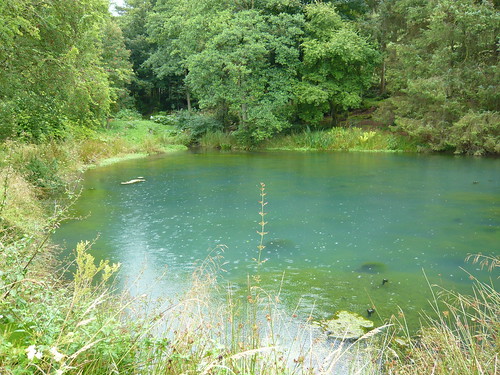
Pond Algea

Where to Get The Greatest Gardening Tips

  • Gardeners Tips aims to supply the greatest gardening tips that you will need for your UK garden. Many of our tips work equally well in other parts of the world and we are pleased our tips are read in 34 countries.
  • Garden centers and particularly nurseries will offer advice on the stock you are thinking of buying but remember their main purpose is to sell and make money.
  • Talk to other gardeners or join your local horticultural society. It is one of the best ways to learn more.
  • If you want a book on the subject you can purchase Greatest Gardening Tips in the World by Steve Brookes available from  Thompson & Morgan.
  • Garden chemical suppliers offer free instruction sheets available at garden centers. Bayer currently offer a Garden Pest Spotter that is useful.

water

Gardening Solutions – Water Problems

  • Hail and heavy rain can shred the leaves of plants in next to no time. Protect your prize possessions from such threats
  • Water can carry bacteria and young seedlings can get a disease called ‘damping off’ (wilting and dying). Use clean water from a clean receptacle and add some Bordeaux mixture if you get problems.
  • Bought compost and peat can be hard to wet ie it wont absorb moisture. A drop of soft soap in the water will help but but compost that contains a wetting agent.
  • For some reason I dislike water retaining granules but they do work for many people -I do my thing and you do yours but hey that’s gardeners for you.
Elephant Ears Bergenia Homeopathic Medicine

Elephant Ears Bergenia Homeopathic Medicine

elephants-ears

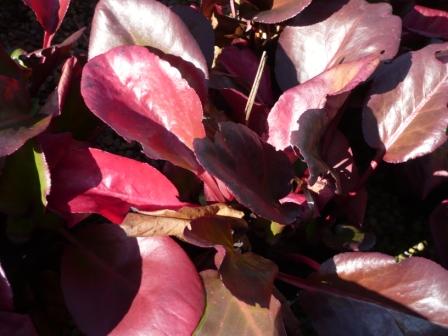
Bergenia or ‘Elephant Ears’ is a popular ‘weed-smothering’ ground cover plant.
The mainly evergreen, shiny leaves of Bergenia ciliata can turn red in a frost.
Bergenia Purpurea or Purpurascens are often grown in shade from shallow rooting rhizomes. The leaves can be in excess of 10″ across and resemble Elephant Ears hence the nickname.
Most varieties produce pink spike of flowers and many have interesting crinkles to the leaf edges.

Homeopathic Bergenia Medicine

  • A juice or powder of the whole plant is said to be used to treat urinary troubles.
  • The juice of the leaves is used as drops to relieve earaches.
  • The root is used as a tonic in the treatment of fevers, diarrhea and pulmonary affections
  • The root juice is used to treat coughs and colds, hemorrhoids, asthma and urinary problems.
  • Externally, the root is bruised and applied as a poultice to boils and ophthalmia, it is also considered helpful in relieving backache.
  • The root of this plant has a high reputation in indigenous systems of medicine for dissolving stones in the kidneys.

Always seek medical advice before using mixes of Bergenia medicine

Grow your own drugs

Book Cover

Acid Loving Pieris for Garden or Container

Acid Loving Pieris for Garden or Container

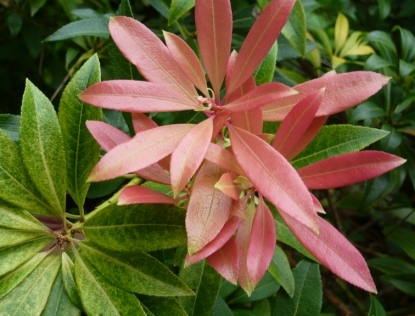
Red leaved Pieris

The flowers on Pieris hang like clusters of small white bells not unlike the flowers of Lily of the Valley. The flowers attract bees in May, June or July and are often quite abundant.

The young leaves are the main attraction for me with the strong red that matures slowly through pink and cream to green over the season. The bush can grow 4 feet tall and spread about 3 feet but is worth the space. Prefering acid soil it will grow in a neutral soil or in a container filled with ericaceous compost.

Mountain Fire and Forest Flame are two varieties that I have growing in the garden. Flaming Silver has a white edge to the mature leaf.  The darkest red leaf is grown on Valley Valentine and Flamingo has rose pink flowers.

Other links

Special and extraordinary Leaves
Pieris winter blossom
Pieris portraits

Success Growing Coriander

Success Growing Coriander

How hard can it be growing Coriander? Not very and it is even easier with these secrets of success from expert gardeners.

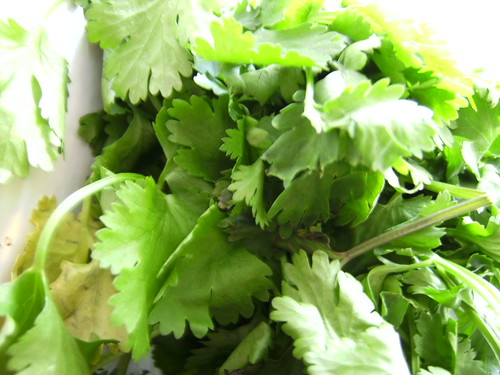
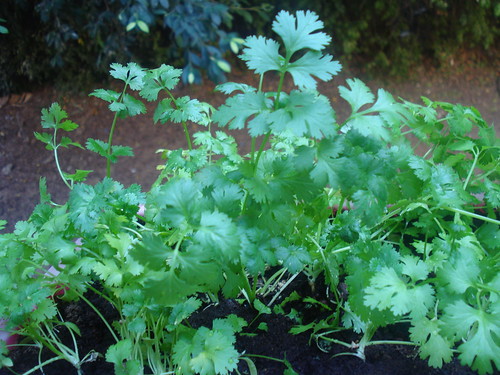
Coriander

Successful Coriander Growing

  • One of the easiest herbs to grow from seed. Sow directly outside in a herb patch, container or on a windowsill.
  • Coriander appreciates full sun and good soil without frost.
  • In the right conditions it will grow like crazy but dislikes its long tap root being disturbed.
  • Harvest when leaves are 6 inches high and sow crops every 3 weeks for a continuous supply.
  • Coriander is rich in vitamins A and C and can be used fresh in curries, stir fries and salads.
  • Coriander is a Mediterranean plant and once established does not need much water.

Coriander

Coriander from Seed

  • Seeds at Thompson & Morgan
  • Other names for Coriander include Coriandrum sativum, Cilantro, Chinese Parsley or varities Calypso and confetti
  • Sow coriander seed outdoors from April to July in light, well-drained, fertile soil, which has been raked to a fine tilth.
  • Choose a position in full sun. Sow seed thinly at a depth of 1cm (½in) in rows 30cm (12″) apart.
  • When large enough to handle, thin seedlings to 23cm (9″) apart.
  • Can also be sown in late summer for winter use, with cloche protection and full light for quality foliage production.

Photo Credits
Coriander by John and Gill CC BY-NC 2.0
Coriander by YaelBeeri CC BY-NC 2.0
Coriander by jbhangoo CC BY-ND 2.0

Coriander
Coriander all dressed up and nowhere to go except into the cooking!

Different Fruit Goji and Honey Berry

Different Fruit Goji and Honey Berry

Goji berry seeds

If you are a gardener that likes to try something a bit different then there are two less common fruit that you can consider even in England.

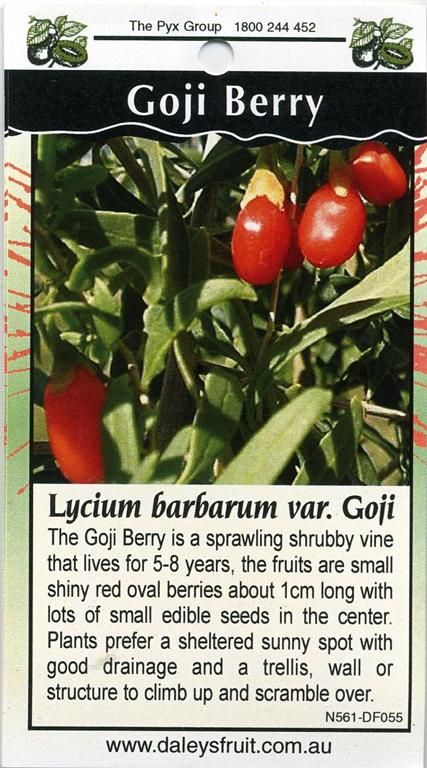
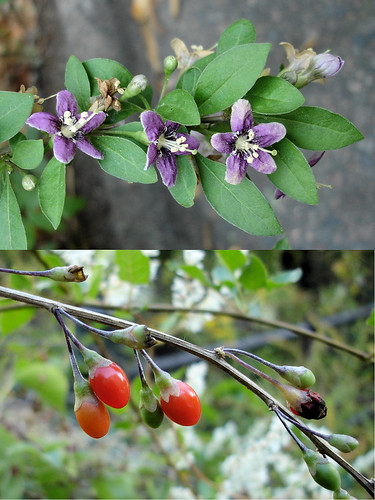
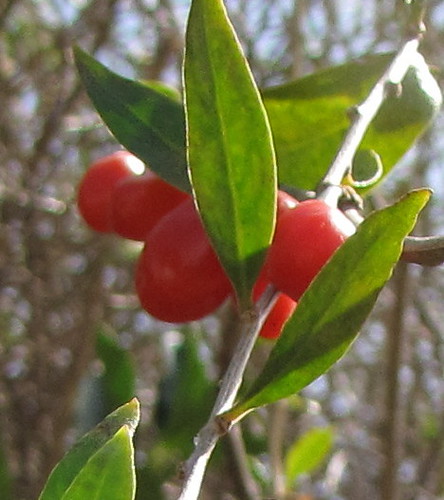
Goji Berry was the health craze of last year and you can grow this ‘Superfruit’ in your own garden from seed or more rapidly from a 2 year old plant. Shrubs grow to 6 feet tall and have trumpet-shaped white or purple flowers in July August. They can be grown in a border and if pruned to 4 feet they create a thick bush with ample fruit. Coming from the Himalayas, once established, they are hardy and can take even poor soil conditions fruiting best in full sun. The berries will set in autumn and ripen to sweet, juicy, red fruit with a shiny in appearance. The flowers will continue to bloom until the first frosts.
Gemeiner Bocksdorn in German Lycium barbarum or the Goji berry is a memeber of the Solanaceae family the fruits of which are often poisonous eg Potato.

Honeyberry flowers 3
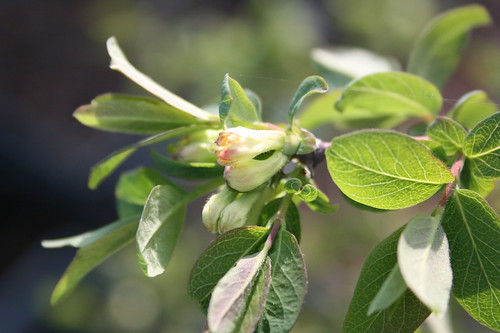
Lonicera Caerulea Honey Berry in Flower.

Honey Berry are varieties of edible Lonicera that produce sweet blueberry like fruit that have been eaten for ages in their native Siberia. Fruiting early in the year from June the plants are long lived. For good pollination it is worth planting varieties Lonicera Kamschatika and Lonicera Caerulea together. Not all Lonicera berries are edible so buy your stock from a reputable nursery.

Gemeiner Bocksdorn

Photo Credits
Honeyberry flowers 3 by Fluffymuppet CC BY-NC 2.0
Duke of Argyll’s Teaplant (Lycium barbarum) by Phil Sellens, CC BY 2.0
Gemeiner Bocksdorn by Gertrud K. CC BY-NC-SA 2.0

Duke of Argyll's Teaplant  (Lycium barbarum)
Duke of Argyll’s Teaplant (Lycium barbarum)?

Gardening in the Cyber Age

Gardening in the Cyber Age

Gerberas a smile

Did you learn to garden when digital meant green fingered? When a web was created by spiders to trap unsuspecting green fly and birds flew inter’net that protected fruit crops?
If you answered yes to any of these questions then welcome to ‘the cyber age club’. You are old enough to qualify for one of the Cybermen to help you in your garden, just let us know and we will get Doctor Who to arrange a visit.

Cyber Gardening Knowledge

  • Apples are not fruit.
  • Palm pilots do not grow in tropical climates with large frondy leaves.
  • Tweets are not what you hear from around your bird feeders.
  • i-pads are not for the protection of blind gardeners.
  • Spam is not found in a gardeners sandwich lunch.
  • Microsoft is not a brand of horticultural fleece.
  • Digg has nothing to do with gardening.

Good News for Cyber Age Gardening

  • The more things change the more the therapeutic effects of gardening are recognised.
  • You have access to more pictures and information on plants and gardens via a computer, donggled phone or wifi device.
  • Best of all there are 1700+ pages on Gardeners Tips that you can peruse when it is too dark and wet to garden

Note
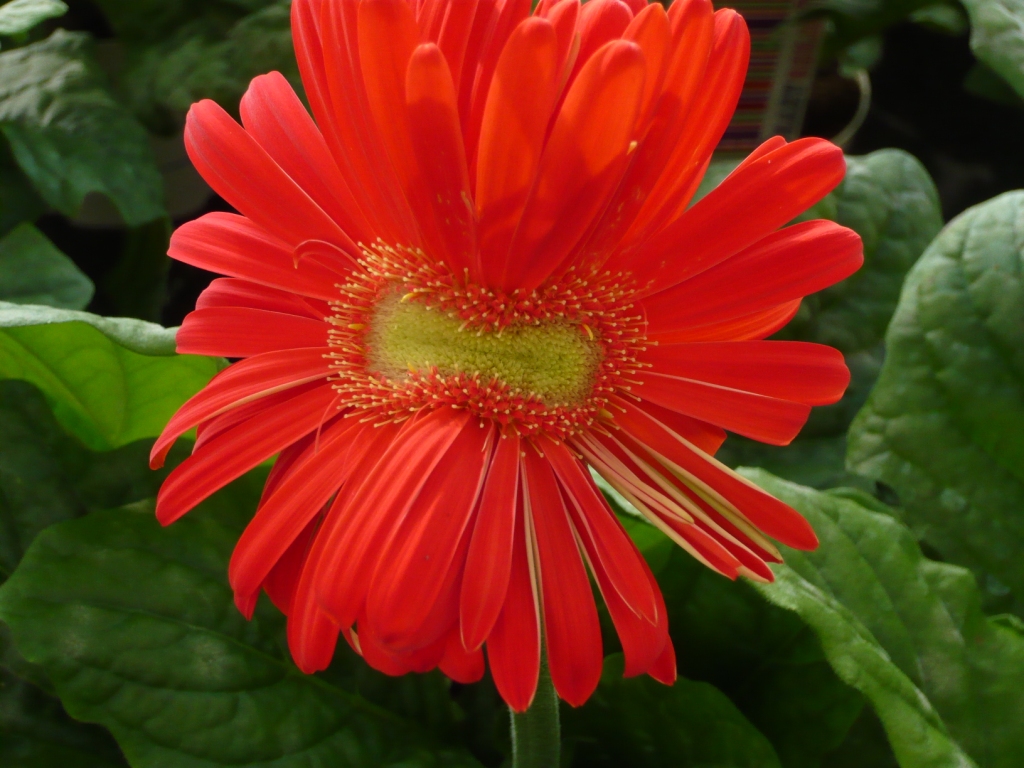
The picture is not a fascinated Gerbera as you might think. It is a digital ‘Avatar’ a graphical representation of the editor or the editor’s alter ego or character used with the Hortoris web pseudonym. (are you still with me or have you gone into the garden?)

Help Growing Dahlia from Seed

Help Growing Dahlia from Seed

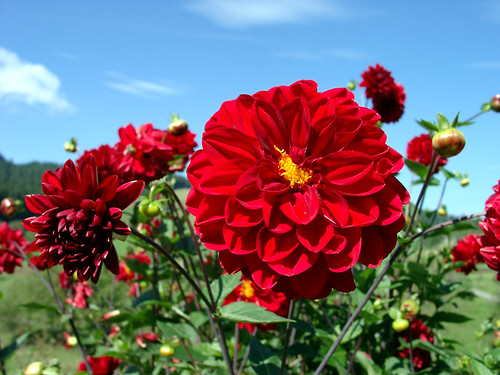
Flowers-Dahlien

Description of Dahlia variabilis

  • Dahlias flower in late summer until the first hard frost.
  • Flowers are plentiful and very colourful
  • Tuber grown Dahlias can be 5 feet tall but the annual varieties we are suggesting are good bedding plants up to 12″ high.

Cultivation Tips for Dahlia

  • Dahila Bishops Childern is fiery mix of such striking colour, yet with the innocent flower faces of Bishop’s Children.
  • Mid-height, and blends extremely well into borders. However, be warned that a colour eruption may occur!
  • Spectacular in bedding and containers, and as a cut flower.Height: 60-75cm (24-30 inches). Planting distance 12-18 inches.
  • Treat Dahlias grown from seed as annuals. They grow and flower well enough to start again next year.

Special Growing Tips for Dahlia

  • Dahlia have been extensively bred and crossed since they were first discovered in Mexico
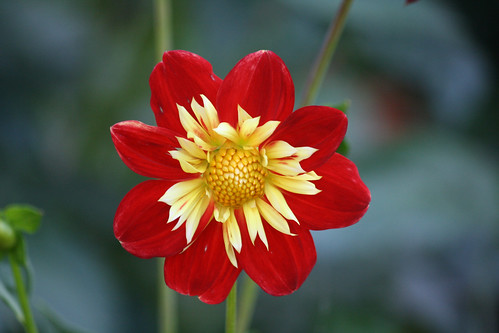
  • Flowers are now available in a wide variety of forms from plain single daisies to complex collarettes and cacti flowered plants

Varieties, Species and Types of Dahlia

  • Pompone have round heads of a self-colour but good mixes are available
  • Redskin, Bishops Childeren and Showpiece have dark almost purple leaves

Horticulture Sources and Advice

  • You can often obtain seeds or plants from our mail order company of choice Thompson & Morgan
  • They recommend seed sowing as follows ‘Sow February to April. Germinate at 20-30C on the surface of a good free draining, damp seed compost. Apply a layer of compost or vermiculite, ¼in deep. Place in a propagator or seal container inside a polythene bag until after germination which usually takes 7-21 days. Do not exclude light at any stage, as this helps germination.
  • Transplant seedlings when large enough to handle into trays or 3in pots. Grow on in cooler, well lit conditions for 10-15 days before planting out after all risk of frost, 12in apart.’

Dahlia pinnata (Dahlie Flamenco)

Credits
Flowers-Dahlien by uwelino CC BY-NC-SA 2.0
Dahlia pinnata (Dahlie Flamenco) by Acinet CC BY-NC-SA 2.0

Joshua Tree – Root and Branch Review

Joshua Tree – Root and Branch Review

Joshua Tree

See the Joshua tree as early Mormon settlers did in the barren desert lands of Utah and Arizona. Deep roots and leaves designed to minimise transpiration allow this tree to survive for many years.

Key Features of the Joshua Tree

  • Latin name – Yucca Brevifolia other common names Palm tree yucca, Tree yucca
  • Height – Can grow to 40 feet tall
  • Type of tree – Evergreen
  • Leaves – Sharp edged, spiky, strap shaped and leathery
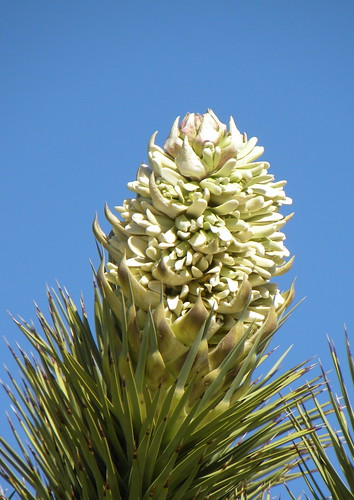
  • Flowers – Bell shaped, pungent, cream or yellow flowers in upright clusters
  • Fruit – Fleshy red-brown capsule
  • Bark – Grey – brown ridged
  • Family – Asparagaceae agava

Origins and Distribution of the Joshua Tree

  • Found in the rugged cowboy country deserts of North America.
  • Mojave desert where it may have been named by Mormon pioneers.

Uses and Attributes of the Joshua Tree

  • Native Americans wove the leaves into baskets.
  • Flowers and seeds are edible.
  • Settlers used the wood for fence posts

Joshua Tree Blooming

Gardeners Tips for the Joshua Tree

  • Unless you live in a desert give this tree a miss.

Other Varieties of Joshua Tree

  • Yucca brevifolia jaegeriana or Jaeger’s Joshua tree is also called the pygmy yucca .
  • Yucca brevifolia herbertii is also called Webber’s yucca or Herbert Joshua tree but both may two varieties of the same tree.
  • The Yucca family is a large genus in the Agaveacea group

Joshua Tree comments from elsewhere

  • The tree is pollinated by the yucca moth which is attracted by the flowers scent. The larvae then survive by eating the seeds. This seems self defeating but then there is little food in the desert.
  • Joshua Trees have a deep and extensive root system, with roots reaching up to 36 ft from the fibrous trunk

Joshua Trees in Winter

Credits
Joshua Tree by cybaea CC BY-SA 2.0 Joshua tree from the Joshua Tree National Park
Joshua Tree Blooming by outdoorPDK CC BY-NC-SA 2.0
Joshua Trees in Winter by Rennett Stowe CC BY 2.0

Green Garden Habitats for the Environment

Green Garden Habitats for the Environment

Insect house

Healthy, environmentally friendly habitats are areas where wildlife can breed and thrive in safety. They are easy to create in your garden in fact you will want the features anyway. A little prior planning and thought about the wildlife environment can make your feature into a green habitat at little or no cost.

Dry Stone Wall Habitats

  • My first garden had a dry stone wall that formed the boundary with the moorland beyond. It was a great feature of sandstone build without any cement or mortar, a labour of love.
  • The damp nooks and crannies form hiding places for slugs and snails but also accommodate frogs and toads.
  • Mice, spiders and other beneficial insects use a dry stone wall for safety, breeding and a source of food supply. You can even get birds nesting in the larger crevices.
  • A micro climate grows around a wall. The stone holds heat and protects from wind to the benefit of butterflies, moths and slow worms.
  • Even an arranged pile of rocks and stone can provide some of the benefits but a pukka dry stone wall from local stone is very environmentally friendly.

Green Man Made Habitats

  • Nature can be given a bit of help particularly in a built up environment.
  • Support birds with feeders, nesting boxes and plants that provide food.
  • Create a ‘bug home’ with bricks and twigs to feed and house a variety of insects.
  • Keep part of your garden untidy. Leave nature to take its course. Let an old tree trunk decay or pile up some fallen logs.
  • Plant insect and seed friendly plants

Woodland Edge Habitats

  • Think in terms of a three layered approach to woodland. The top layer is for tall forest trees such as Ash.
  • The second layer is tall shrubs and smaller trees like yew, holly and blackthorn. With climbers such as honeysuckle and clematis vitalba you will get evergreen cover and a winter habitat.
  • The lower layer is a woodland floor for spring like primroses violets, bluebells and wild garlic.
  • Each tier attracts its own abundant array of wildlife.

Hedge Habitats

  • Hedges beat walls and fences in to a ‘cocked hat’ when it comes to being green.
  • They provide safe corridors for birds and small mammals to pass through from one area to another.
  • Mixed native hedging plants will provide food, nesting and shelter for many creatures.
  • Hornbeam, beech, privet and yew all can be clipped to make a formal hedge whilst still maintaining the wildlife benefits.
  • Berberis, dogwoods, hazel, spindle holly and dog roses are all worth considering for a less formal hedgerow.

Wetland Habitats

  • Ponds are a great boon to creating a green habitat
  • Bog gardens may be suitable if you have a source of running water to keep the soil in good moist condition.
  • Large expanses of wetland area to attract migrating birds are beyond the scale and scope of most gardens.

Compost Heap as a Habitat

  • Make your compost heap one of the green habitats.It contains more life than you can believe.
  • Worms and microbes need living accommodation and where can be better than in good compost.
  • Turn the heap if you want to discourage rats from visiting to eat the kitchen refuse and take advantage of the warmth. They are one creature I wish to discourage.

Read Dry Stone Wall Planting
Hedgerows worth watching