Weather Permitting

Weather Permitting

‘Underwater gardening is my new hobby’ says a correspondent from the Somerset Levels.

Drought or a rainy wet summer whatever we are going to get there is a book by the doyen of British gardening Beth Chatto. Her garden in Elmstead Market Essex is worth a visit for the gravel garden alone and her treatise on Drought Resistant Planting or gravel gardens are equally captivating.

Book Cover

What on earth can happen after this dramatically wet winter?

If you imagine a wet spring and summer are in prospect then bog gardens and ponds may feature in your plans. Again Beth Chatto’s garden can give you inspiration but if you can’t visit have a look through her book Beth Chatto’s Damp Garden.

Book Cover

Control & Click on these books to buy from Amazon
Pelargoniums in January

Pelargoniums in January

Indoor flowering all year round can be organised with the right pelargoniums.

pelargonium

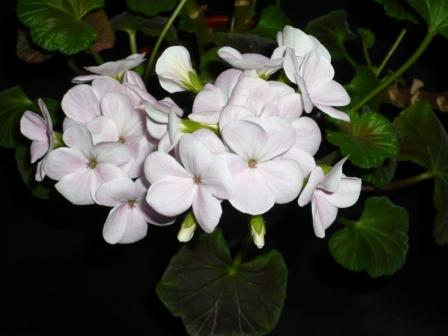
Pelargonium more often called Geranium Something Special – from Fir Trees nursery

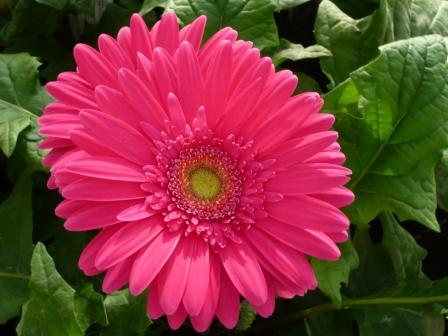
Throughout January  this Pelargonium has been in constant pink flower on my desk.  Each of 14 pips or mini buds opens to a 5 petal flower in a bunch of florets to make up the overall flower head. Three or four are in colour at any one time.
I left the plant too cold and dry and some leaves went a dark red but normally the leaves are a clear green. Some pelargonium leaves, called zonals, are banded and have good colour schemes. Betty Shellard for example has tri-coloured golden leaves.

For cuttings I know it is the wrong time but I had a leggy Blackdown Sensation, which has large cerise blooms.  I wanted to knock it into shape so I have taken various cuttings. I have got out my seed propogator for the seed sowing rush that will begin shortly but in the meantime I have put the pelargonium cuttings in the box. I will let you know my success rate  but working on the basis all plants want to survive I remain hopeful. If all else fails I have the stock plant, all be it a lot shorter after its haircut.

Dogwood Colour Schemes

Dogwood Colour Schemes

Cornus are great for your garden and the colourful dogwoods are easy on the eye.
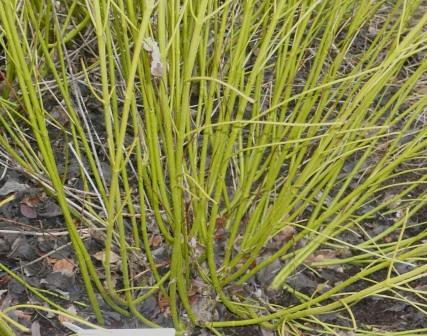
Green shoots cornus dogwood

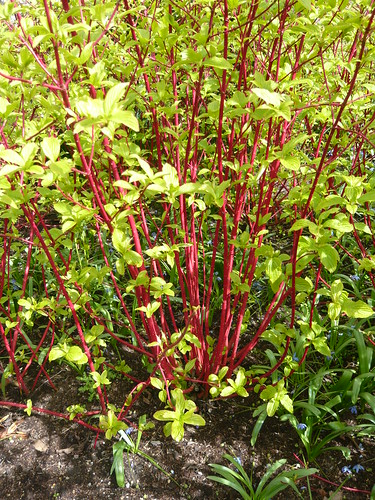
What is looking  good in your winter garden or locally at the moment? Look around now because you can start on next years garden to create a sight to behold. Locally I saw several dog woods that would make an interesting winter feature in my garden if I can find the space. I am less sure about the chicken wire on my picture above but I guess it gets covered in greenery by spring.
Dog Wood Cornus

Tips on Cornus – Dog Woods

  • Dog woods are an extensive family including trees up to 10 feet tall. Planted now they can thrive in wet or dry soil
  • Read More Read More

Easy and Easier Dahlias

Easy and Easier Dahlias

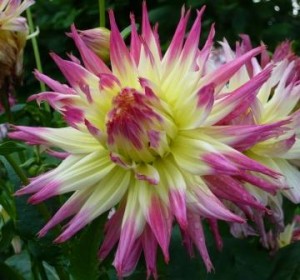
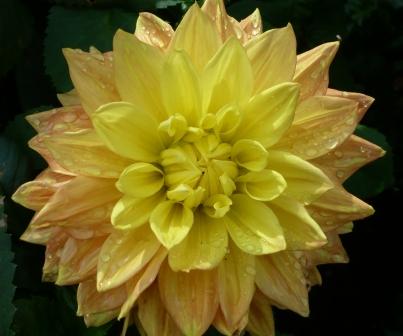
A cactus with a dinner-plate sized flower.

harrog-059
Cactus Dahlia

Easy Dahlias
Dahlias are the showiest of flowers with a wide range of flower types. If you want neighbours to stop in amazement to gaze at your garden give dahlias a chance. The colours available are brilliant and clean with a showy appearance. If kept deadheaded they will flower strongly until the first frost.

How to Grow Easy Dahlias

• The biggest and widest range of dahlias are grown from tubers (the thick finger like roots often sold in plastic bags at garden centres)
• Select your varieties via the pack picture and read the label to see what sort of flower to expect. There are good value mixed packs available
• Plant in the garden from early April about 6 inches deep or per the instructions on the pack. Give the plant space to grow, big varieties need 24 inch spacing.
• Growth comes from where the stem meets the tuber so take care not to damage that part. A tuber finger on its own will not grow.

Read More Read More

Signs of a new Spring

Signs of a new Spring

Days are getting longer, light is getting brighter and my green fingers are twitching.
back-garden

I have many signs that the sap is rising and spring is arriving in the near future. This is just a few of those signs that may or may not be familiar to you.

  • My allocation of free seeds from the Royal Horticultural Society and AGS arrived this week with a germination guide. This is always a Spring treat for me as it is very tactile opening an envelope of 20 packets of unusual seeds.
  • Seed potatoes are on sale loose in the garden centres at least in the ones near me.
  • Longer days are a sure sign of better things to come even though one of those things may be more snow.
  • Specialist catalogues arrive almost daily from Woolmans for Chrysanthemums, Dibleys for Streptocarpus and Parkers for a mix of wholesale bulbs and plants.
  • I nearly  forgot to mention Aconites, Snowdrops and Hellebores now in flower.
  • My Christmas garden tokens are all spent up
Favourite Camellias

Favourite Camellias

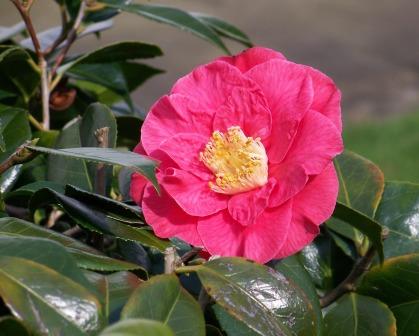
As in the depth of winters we know that bright colourfull Camellia shrubs and small trees will soon burst forth.

Camellias are by nature evergreen woodland shrubs or small trees. They prefer an acid, leafy soil and some shade and protection from early morning sun for the flower buds. The flowers are classed in various forms including single, semi double, Peony form, Anemone form, Rose form or Formal double. My own semi- double white camellia catches the early frost and turns brown but the profusion of buds still make a great show.

camellia-japonica

Waxy flowers of Camellia ‘Satans Robe’ and the even more waxy leaves of the camellias are one of the early joys in the spring garden. There is a range of camellias to suit most conditions and if you can’t find the lime free soil most varieties need they will grow in a pot of ericaceous compost.  Flowers vary in size up to 5 inches across in yellow, red, white and pink.

Some Camellia Species

  • Camellia Japonica, Sasanqua and Reticulata have special sections with some of the best varieties described or selected below

Read More Read More

Dahlias from Cuttings

Dahlias from Cuttings

It is easier to grow new dahlias from cuttings than seed and they will have the identical characteristics of the parent
dinner-plate-dahlia

Increase your stock of your favourite Dahlias for free by cuttings. You can grow more and stronger Dahlias from cuttings taken from your old tuber root stock.

Gardeners Tips Dahlias from Cuttings

  • Start tubers off early in a frost free well lit position – I use my garage due to greenhouse space constraints.
  • I have started my Dahlias at the beginning of February in a large pot filled with light compost. I mixed peat substitute based compost and perlite.
  • When the growth is about 4 inches a normal cutting will be taken at the first joint above the tuber. More cutting material will then grow from that spot. If only a few plants are required a heel from the tuber will increase survival rates but reduce the available cuttings.
  • Make the cutting near a leaf joint and trim off all surplus foliage.
  • Put up to 5 cuttings in a 3 inch pot of seed compost firming in with a dibber. Do not cover as this encourages botrytis.
  • You can dip cuttings in a hormone like Seradix B but I do not bother.
  • Avoid too much watering to avoid damping off.
  • Pot on into there own 3 inch pots when rooted. Aim to keep plants growing without check.
  • Pot on into 5 inch pots in April if they are out growing their current pot.
  • Cuttings will be planted out in mid May. I like to plant them quite deep to anchor the stems and encourage growth.
  • Tuber grown plants may flower a couple of weeks earlier but cuttings or green grown dahlias will be stronger due to the vital new root system.
  • Last spring the wind broke my favourite dahlias before I had tied them up. I pushed the broken stems into the ground and was rewarded with strong Autumn plants and new tubers for this years cuttings
Spotted Laurel and Garlic

Spotted Laurel and Garlic

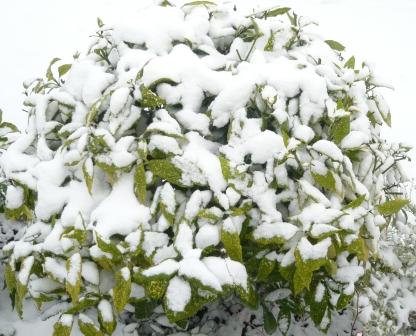
Waiting for snow? Well get your garlic in the ground anyway.
spotted-laurel

I made a raised bed some months ago so today I planted some garlic cloves  Allium Germidour. The variety was recommended for Northern Europe but to be safe I also started some cloves in pots in the greenhouse. I fed the soil with some Super Phosphate fertiliser at 2 oz to the square yard because in the past I have struggled with Garlic and phosphates are good for roots and bulbs.

  • I have saved some cloves to plant in April near my roses to try deter greenfly.
  • I also planted some garlic in Autumn and I will see which of the 3 methods works best.
  • A bit of cold is Ok but prolonged water-logging is no good for garlic. 2014 may be a bad year unless we get some drying spring and hot summer weather.
Housekeeping for Rhododendrons

Housekeeping for Rhododendrons

Don’t prune too soon – dead wood will still be dead after the flower show
rhododendron

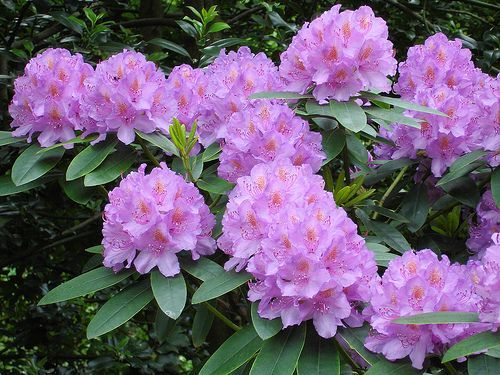
My Rhododendrons hope the worst of the snow has now passed and that there will be nothing to break the young flowering shoots. The buds are swelling nicely and the rain and sun from last year should bring forth a good crop of  ‘blousy’ flowers.

Housekeeping Tips

  • With the ground still wet I have mulched around the plants to preserve moisture. I used a mix of peat and coarse river sand to help maintain the acidic ph. The sand will keep the soil open and allow more rain and fertiliser to reach the roots. A better mix might have been beech and Oak leaf mould but I had none to hand so I will check that the peat doesn’t make a compacted crust.
  • As Rhododendrons are shallow rooted I have not mulched too thickly but enough to stop weeds.
  • Dwarf rhododendrons are generally clothed to the ground and little can grow under their canopy. It helps shade the roots and dead leaves create a natural mulch.
  • Good clean husbandry helps to show off the smaller Rhododendron varieties to best effect.
  • In a gap I have planted a yellow dwarf Rhododendron ‘Princes Anne’ grown in a pot at a local nursery.

    Read More Read More