Shade and Dry Areas

Shade and Dry Areas

Try the shade test. If you can’t see to read then plant a fountain as no plants are likely to thrive.
If you can only just read then try Ivies, ferns, mosses, box, Ruscus aculeatus an evergreen shrub or craggy moss & lichen covered stones.
Under a deciduous tree spring bulbs, berberis and some clematis may be good doers.
Lightly wooded areas are havens for hostas, hellebores, solomons seal, trillium and choisya amongst others.

Dry Shade is one of the least hospitable places in the garden but some flowering perennials will thrive. A modicum of sun or light will suffice to provide this more interesting top ten.

Top Ten Dry Shade Perennials

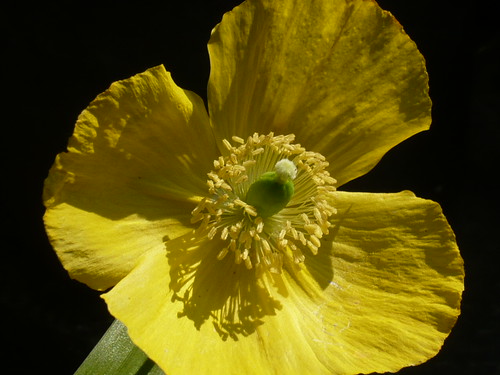
Poppy

1. Convallaria majalis or Lily of the Valley will provide scented bell shaped flowers and spread from underground shoots
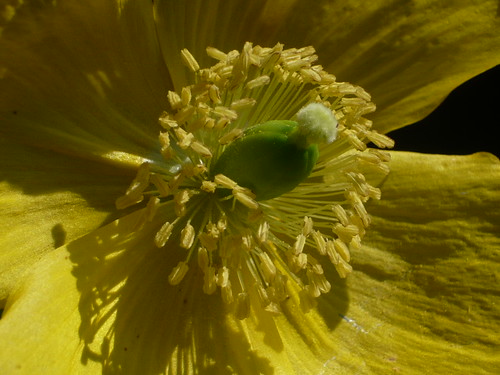
2. Meconopsis cambrica Welsh Poppy with single yellow or orange flowers has fern like foliage
3. Lamium maculatum or the Spotted Deadnettle is semi-evergreen.
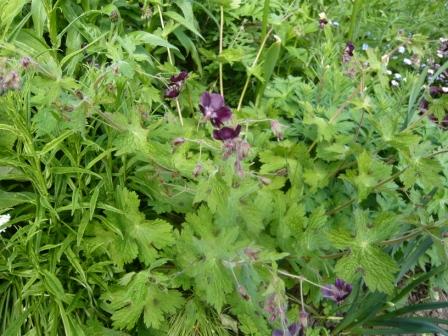
4. Geranium macrorrhhizum or Balkan Cranesbill has magenta flower sprays and covers the ground quite quickly.

Read More Read More

Accidents with Seeds

Accidents with Seeds

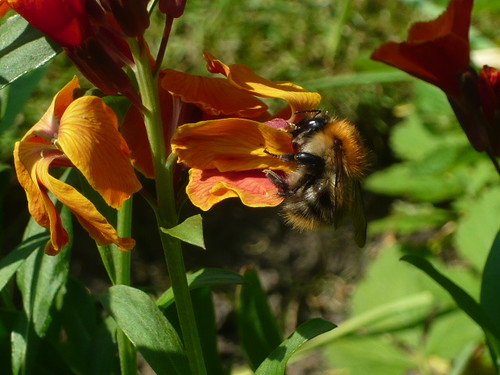
Oh to Bee a Wallflower

Things often go wrong in the garden so it is a change when serendipity takes a hand.

Recent Accidents
In my greenhouse I have a permanent, slatted wooden bench. I must have been careless with some wallflower seeds which have fallen close to the glass, grown and flowered.
Every morning for weeks I have gone to open the doors to air the greenhouse and been confronted by a wonderful smell. If I had planned to get a scented greenhouse I could not have done better.
I will now try more scented accidents but will stick to one scent at a time with wallflowers featuring again next spring.

A different seed accident has taught me a painful lesson. My compost got contaminated either at the supplier or in my potting shed.
I keep my compost in old waste bins and leave the top open when I am using the compost regularly.
To a bag of compost I add sand or John Innes depending what  am growing. This years first batch of seeds grew rapidly but every pot has grown a crop of weeds.
Fortunately I used all the contaminated compost before I realised the problem and later sowings in fresh compost were fine.


Occasionally even the best seed packet retailers make a mistake with the contents or plant description. Don’t assume it is always your fault.

Action for the future

I must not mix  one bag of compost with another.
Buy the same brand of trusted compost everytime (I used five different ones this year).
Put a lid or cover on the compost to stop insects, seeds and fungus causing problems.
Not storing paper envelopes of seed on the shelf above my compost.
Plan ‘accidental’ seed sowing in interesting places.


  • Whilst in the aluminium greenhouse I strung a firm wire across from the knee high screw holes as part of my intended support for tomato plants later in the year.
  • During the hot spring I have damped down the greenhouse to improve humidity. I used the hose pipe on fine spray from the doorway to water the seed trays.
  • I am ready to harvest the small carrots I have grown in the greenhouse where the tomato plants will go.
Pieris japonica Portraits

Pieris japonica Portraits

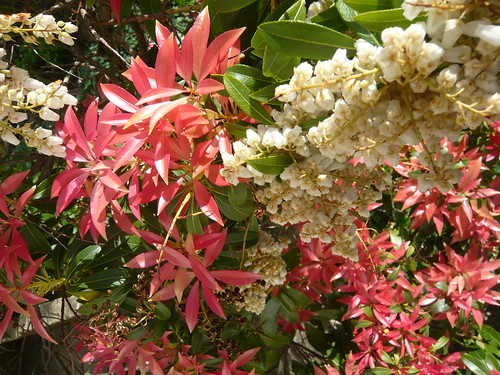
An early stunner the Pieris shrubs are amongst my favourite Japanese inspired plants.

Pieris japoninca

Pieris japonica or the lily of the valley bush is one of my springtime favourites.
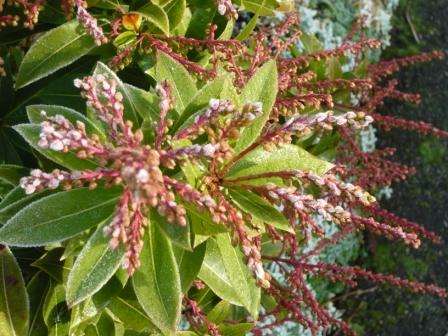
The clusters of small, bell shaped flowers arrive at the same time as the young, new red leaves in April.

A favourite shrub this Pieris provides colour and scent from the flowers in winter. I spotted this at the beginning of December and expect the flowers to last until February. Eventually the blossom will be replaced with the famous bright red showy leaves that have rightly made the Pieris much sought after.

Tips and Hints for Great Pieris

  • Pieris are happy in light shade. If you place them near paths you will get the scent from the drooping winter flowers early in the new year but allow space for the plant to grow. This years December blossom is very early for the north of England
  • Pieris are ericaceous shrubs loving the same slightly acid soils preferred by Camellias, Rhododendrons and Azaleas.
  • Prune or deadhead after flowering but take care not to remove new leaves which are a delight and the main reason for growing Pieris
  • There are two main species the Pieris japonica and the Pieris Forrestii. I grow the Forest Flame and Katsura hybrid.
  • Leaves start a bright strong red and mature to green making a startling sight.
  • If the leaves tend to yellow and appear sickly it is because of alkaline soil and an ericaceous feed and a peat mulch would help.
  • The shrub is slow growing but may reach 8 feet. However it is still useful under larger trees if it can get good moisture.

Read More Read More

Icelandic Poppies

Icelandic Poppies

159

Icelandic Poppies are native of North America rather than Iceland. I am not aware of any exclusively native Iceland plants.

I find this poppy variety self sows very easily and the seed remains viable in the garden for several seasons.
The plants have a long tap root which may make them harder to transplant.
If the root gets broken when trying to dig out the plant a new one will probably grow in its place. Due to this and its profligate seeding I treat them like weeds.

poppy

Other Icelandic Poppy Images from Google

Read More Read More

Misleading Plant Labels

Misleading Plant Labels

Roses

What you see is not always what you get!

This is an original photograph but the rain drops may have been added by a water spray just before the picture was taken. Many garden photographers carry glycerin water around to enhance a subject prior to snapping away.

Plant Label Pictures

  • When it comes to plant labels be extra cynical.
  • The time of day affects the colour of the flower.
  • Filters can be used on the camera to modify the end image.
  • When ready to be reproduced the image can be changed with digital tools. You may have seen wedding photographs with the naughty uncle painted out or spots on some ones face touched up. Well that can and does happen to plant pictures that are designed to sell the flower.
  • Even at the printers the inks and machine settings used can change the picture on the label. What you see may not be what you get.
  • More radical changes can  be done or may be I have created the first true Blue Rose.


Blue, Mauve, Purple, I am not sure what colour this is. All I know is it will never grow in my garden or anywhere else short of laboratory experiments

Garden Clippings

Garden Clippings

As I search for sensible articles and reports on various garden subjects I collect a range on odd bits of information. Not knowing what is helpful I hope at least one of the following gardeners tip is of use but let’s see how we go.

Trendy flowers are fads waiting to be superceeded. Three years ago I highlighted the grass Calamagrostis x acutifolia Karl Foerster, Euphorbia cyparissias Fens Ruby, Dogwoods and Gillenia trifoliata. (They grow 6′, 3′, 4′, and 18″ respectively). Who grows them now?.

Organic items that have been slow to compost on my bin this year have been egg shells, avocado skins and stones, spiky top leaves of pineapples plus those green biodegradable plastic bags sold for indoor compost collecting. 12 months should have been long enough but have patience.

Clumps of Primroses and Primulas that have finished flowering can be lifted and divided by pulling apart good sized pieces that should already have rooted. Keep them moist and planted in some shade. If plants are too small to divide mulch them with organic matter to bulk up for next year.

Aubrietia should be sheared hard after they finish their display. A new cushion of foliage will help keep the plants growing for years without feed as Aubretia have no liking for rich soil.

Read More Read More

The Edible Yellow Garden

The Edible Yellow Garden

They are not called Lemons and Oranges for nothing. As a project I have been considering creating a colour themed garden. The thought of being able to eat the yellow produce has led me to a series of plant discoveries and fresh ideas.

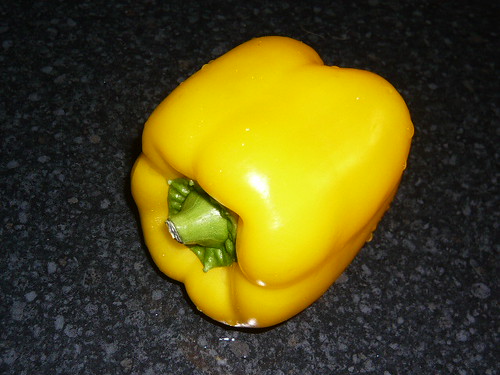
pepper

Vegetables In Yellow

  • Tomatoes would be my first choice as there are many yellow or gold varieties to select from. Yellow Debut F1, Gold Nugget and Lemon Boy are cherry toms. Banana Legs is descriptive of the long, pointed, yellow, determinate tomato good for slicing on salads. Larger Yellow tomatoes include Golden Sunrise, Yellow Perfection and Garden Peach.
  • Yellow beans are available as Sonesta or Hildora varieties.
  • Courgette Gold Rush is a reliable FI hybrid and Sunburst Scallop is a favourite squash. Butternut squash is closer to light  brown than yellow in colour.
  • Hot peppers like Hungarian Yellow Wax matures to red but Sweet peppers like Early Sunrise and Golden Bell start and stay bright yellow.
  • Swiss Chard has some powerful yellows but the seeds are often sold in mixed colour packets but look for Leaf Beet Bright Yellow.
  • Sweetcorn minipop is harvested before pollination so doesn’t need to be sown in blocks. Other sweetcorn is a top yellow vegetable.
  • Carrots and Onions with the name yellow in the title haven’t appealed to me but you may wish to consider them.

Yellow Edible Flowers

  • Several garden flowers are edible including nasturtiums, pansy and  daylilies. They are useful as they can decorate a mixedsalad
  • Shungiku is the edible chrysanthemum with yellow flowers.
  • Read More Read More

Architectural Rheum not Just Rhubarb

Architectural Rheum not Just Rhubarb

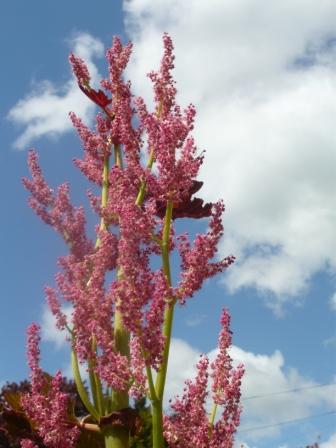
rheum-flower

Ornamental Rhubarb

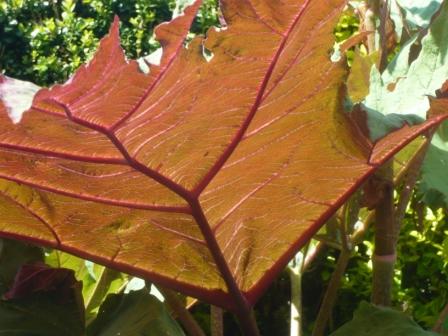
This sculptural plant has tall ‘frothy’ flower stalks pretty much like your Rhubarb when it runs to flower. Not surprising because Rhubarb is a variety of Rheum. Rheum palmatum ‘Atrosanguineum’ has very large leaves with a red underside and a rosey glow throughout the plant. They like plenty of humus in the soil.

Rheum Palmatum and Rheum Ace of Hearts are other herbaceous perennial varieties. Palmatum has large palm like dark green leaves that are purple-red beneath and creamy green to deep red flowers. It grows up to 7-8 feet and spreads 6 feet. Ace of Hearts has large heart shaped leaves.

This plant is grown on a steep slope so it can be viewed from underneath or above. The ground is moist most of the year so the rhizome is kept moist. As a herbaceous perennial it dies back in winter producing new spring leaves and early summer flowers.

rheum

Read More Read More

Pak Choy Choice Salad

Pak Choy Choice Salad

Pack your plot with Pak Choy
pak-choy

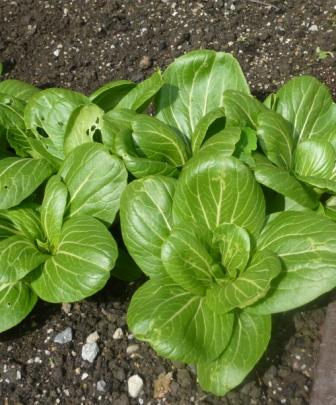
Pak Choy was one of the vegetables most in view at Chelsea last year. The regular shape and decorative leaves help create a formal structure to vegetable planting. There are also new varieties coming on the market including one with long stems (not bolting stems) that can be eaten as pick and come again vegetables.

Growing Tips for Pak Choy

  • Green Pak Choy, Bok Choy, Chinese Mustard, Celery Mustard, Mustard Cabbage and other recommendations below are available from Nickys seeds or Thompson Morgan (50% seed sale till June)
  • Read More Read More

White Pink and Bluebells –

White Pink and Bluebells –

White Bluebells

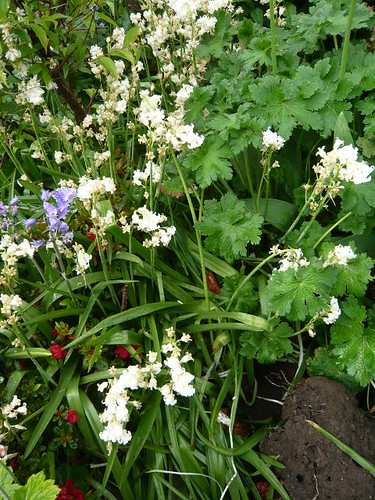
Is it a contradiction to have white bluebells, a gardeners oxymoron?
It is very unusual to have British bluebells flowering in white but their Spanish cousins Hyacinthoides hispanica are prolific white flowers.

How Should Bluebells Be Planted

  • The bulbs can be planted in the green, that is whilst they still have leaves. Dried bulbs are available from September.
  • Observe how deep the bulbs were previously planted. The green leaves were above ground and the white below. So planting 5-6″ deep seems necessary. Some bulbs have roots that can pull the bulb deeper in to the ground and bluebells like to seek out moisture so are planted deeper.
  • Bluebells can be grown from seed, indeed they become rampant in fertile soil if allowed to self sow. The seed stays viable in the soil for several years so I would not let my bluebells self sow.
  • Hyacinthoides hispanica is of Spanish origin and should not be planted in the wild where it can dominate our native species Hyacinthoides non scripta.

White Bluebells

Observe Bluebells Close Up

  • If you study a bluebell it is easy to see how the bell name came into being.
  • You can also see the close resemblance to Hyacinth flowers to which they are closely related.
  • The leaves are smooth, shiny and slightly succulent usually linear or oblong in shape with a blunt tip.
  • Bulbs divide in the ground and even small bulbils can be replanted or left to increase the clump
  • Spanish Blue-bells are paler with larger blue flowers a more erect flower stem and broader leaves than our native species.

White Bluebells
White Bluebells running to seed.

Naming The Bluebell

  • Unfortunately names are seldom simple. The botanic name is now Scilla campanulata and you can buy bulbs under this name.
  • Previously they were classified as Endymion who was a mythical Greek. Endymion campanulatus, Endymion hispanicus, Endymion patulus, and Scilla hispanica have also been used.
  • Another common name ‘Wood Hyacinth’, seems to describe the plant and its preferred location.
  • There are now many hybrid ‘Bluebells’ with names that indicate the colour eg Mount Everest (white) and Azalea (pink).